Some pistol cartridges were created to meet a very specific need, from military service and law enforcement to compact pocket guns and specialized sporting arms. When those original markets faded, many calibers seemed destined to become historical footnotes. Instead, changing firearms designs, new ammunition technology, collector interest, and fresh civilian applications gave several of them a second life. Their stories reveal how a cartridge can outlast the weapon or institution that first made it popular. The following 10 examples show how shifting demand helped once-specialized pistol calibers find lasting relevance.
1. .32 ACP
Introduced in 1899 for the FN Browning Model 1900, the .32 ACP became a major cartridge for compact semiautomatic pistols. Its original appeal weakened as police and civilian buyers increasingly favored more powerful cartridges, particularly 9mm. Yet the .32 ACP never vanished. Its manageable recoil, compact dimensions, and long history kept it relevant among collectors and enthusiasts of classic European pocket pistols. Modern interest in older designs has helped preserve its following. The cartridge demonstrates how a round can survive changing expectations even after its original market loses importance.
2. .380 ACP

John Browning developed the .380 ACP in 1908, and it became popular in compact pistols intended for personal protection. As larger service cartridges gained favor, the .380 lost ground in some police and military roles. Its fortunes improved when manufacturers continued producing lightweight, easily carried handguns for civilian buyers. Modern pocket pistols helped maintain its commercial relevance, although performance depends heavily on the individual load and firearm. The .380 ACP illustrates how a cartridge associated with an earlier generation of handguns can remain useful when concealability matters more than service-pistol specifications.
3. .38 Super
Introduced in 1929, the .38 Super was developed for the Colt 1911 platform, offering higher velocity than the original .38 ACP. Its early appeal included law enforcement and civilian ownership during an era when handgun users sought greater performance. As newer cartridges gained attention, its mainstream position narrowed. Competitive shooting later gave it a durable niche, particularly in race guns and IPSC-style competition. Its relatively flat trajectory and capacity in suitable pistol designs attracted dedicated competitors. The .38 Super shows how a cartridge can find a second identity when sporting communities value characteristics that mass-market buyers overlook.
4. 10mm Auto
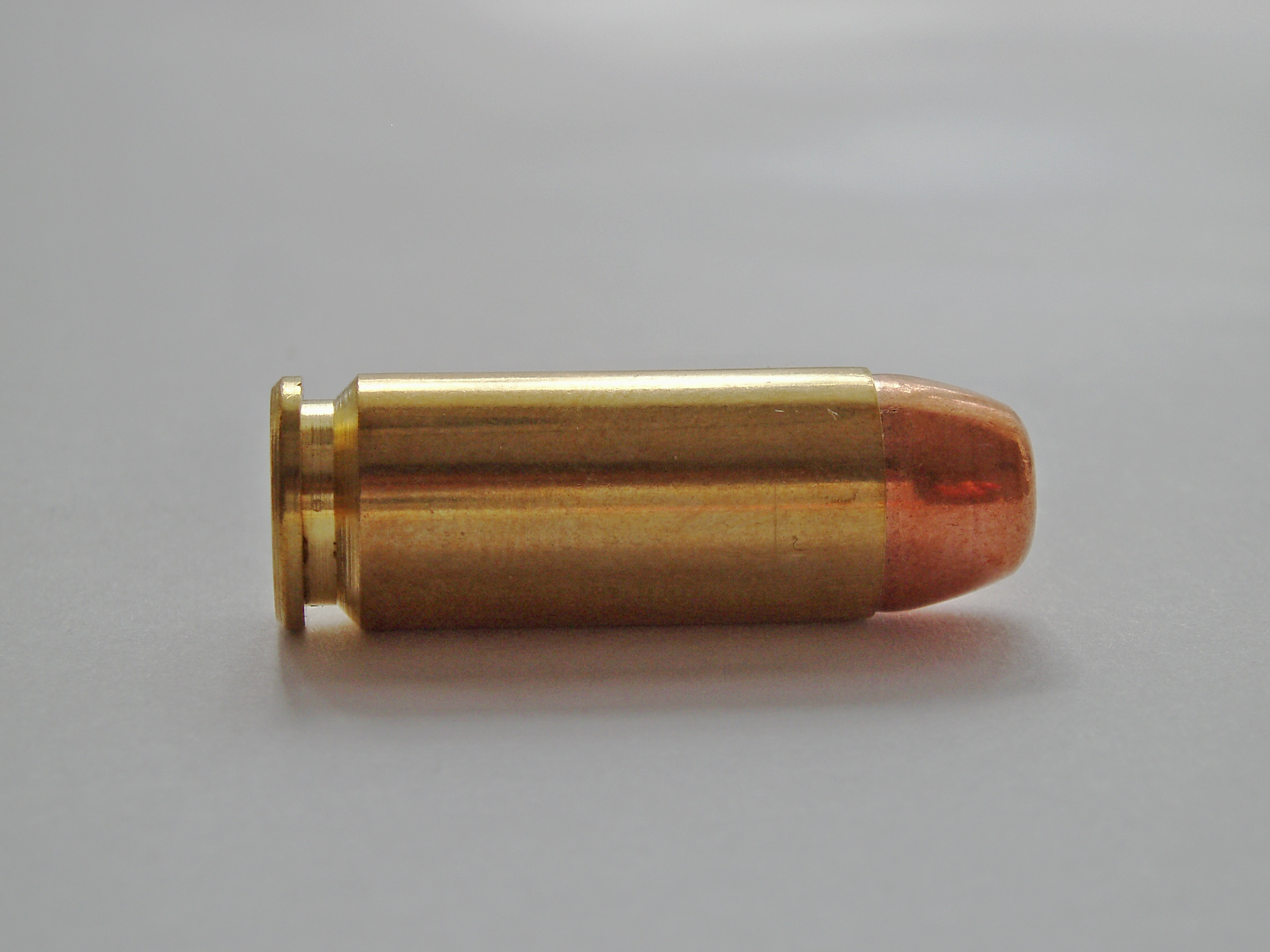
Introduced in 1983 in the Bren Ten pistol, the 10mm Auto initially attracted attention for its high performance. The FBI adopted it after the 1986 Miami shootout, but full-power ammunition produced recoil that proved challenging for some agents. A reduced-power load followed, and the Bureau eventually moved toward smaller service cartridges. The 10mm did not disappear, however. Its combination of velocity and energy helped it gain renewed interest among hunters, outdoors enthusiasts, and handgun owners seeking a powerful option. Its journey shows how a cartridge can outlive the institutional role that first brought it widespread attention.
5. 7.62×25mm Tokarev
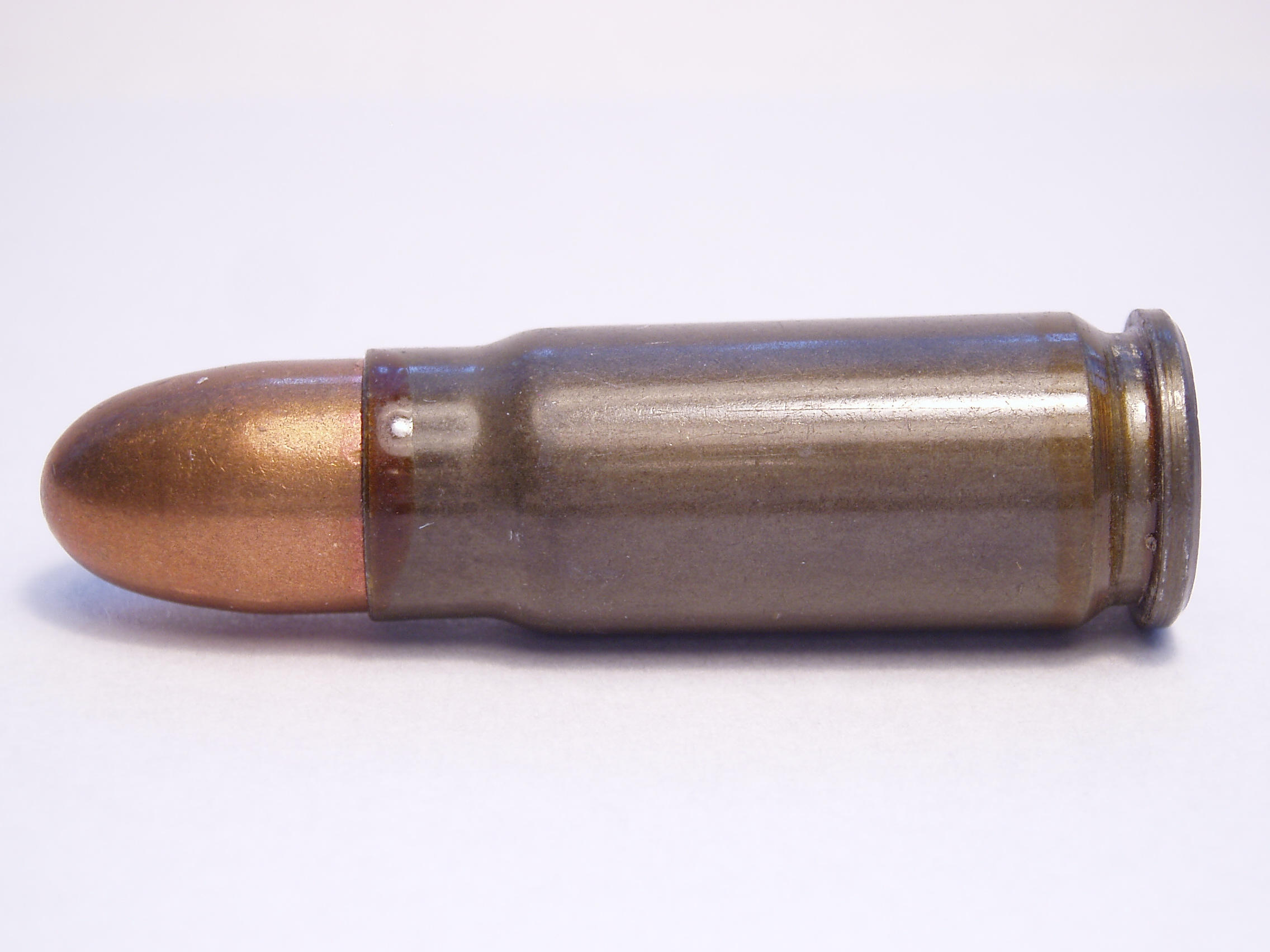
Developed from the earlier 7.63×25mm Mauser design, the 7.62×25mm Tokarev became associated with Soviet and Eastern Bloc military pistols and submachine guns. The Tokarev TT-33, adopted in 1933, helped establish its military identity. As those weapons left frontline service, the cartridge lost much of its original institutional market. Surplus firearms and ammunition later attracted collectors and historical-shooting enthusiasts in some countries. Its high velocity for a traditional pistol cartridge remains a notable feature, although ammunition availability and firearm compatibility vary. Its continued niche reflects enduring interest in military history.
6. 9×18mm Makarov
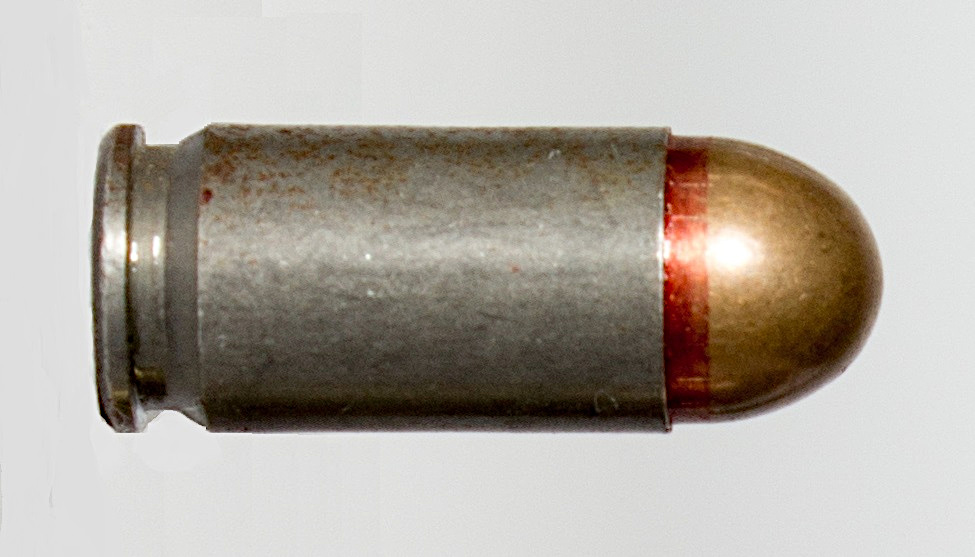
The 9×18mm Makarov entered Soviet service in 1951 alongside the Makarov PM pistol. It served for decades across the Soviet Union and other Eastern Bloc countries, but the transition toward newer service pistols reduced its military importance after the Cold War. The cartridge retained a following through surplus firearms, civilian ownership, and collectors interested in Cold War-era designs. It is not interchangeable with 9×19mm Parabellum or .380 ACP, despite similarities in naming and dimensions. Its survival illustrates how a service cartridge can remain relevant in a smaller market after the military systems supporting it have largely changed.
7. .357 SIG
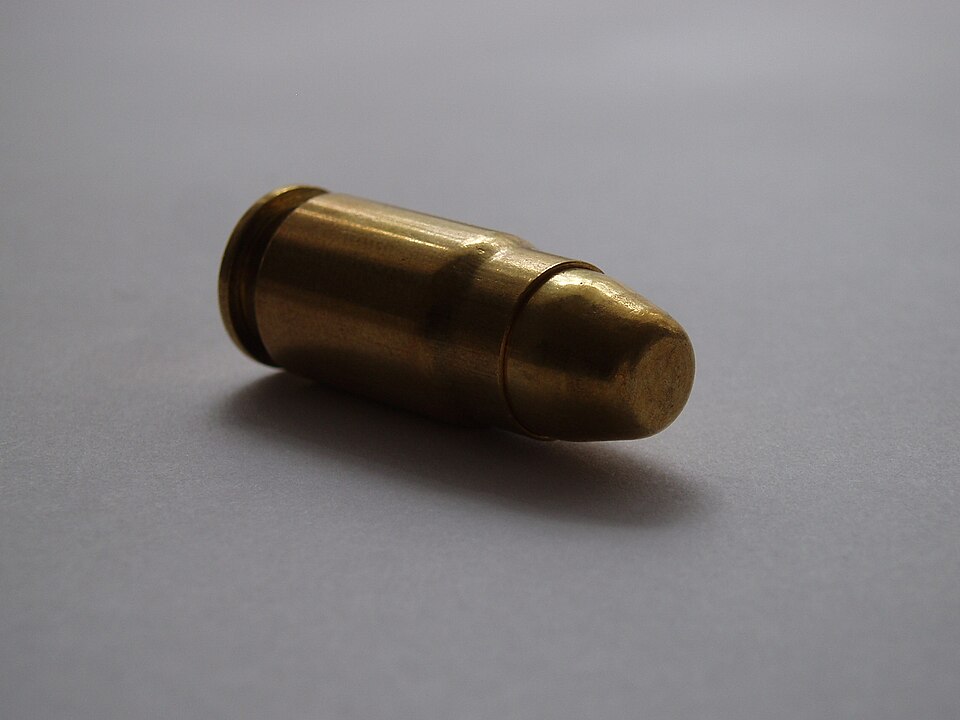
Introduced in 1994 through a partnership between SIG Sauer and Federal, the .357 SIG was designed to approximate the performance of a .357 Magnum-style load in a semiautomatic pistol. Some law enforcement agencies adopted it, attracted by its velocity and reported barrier-penetration performance. Wider adoption never matched that of 9mm, and many agencies later standardized on 9mm pistols. Nevertheless, the .357 SIG retained a dedicated following among shooters who valued its distinctive characteristics. Its story highlights how a cartridge can remain commercially available even when the institutional market that helped promote it becomes considerably smaller.
8. 5.7×28mm
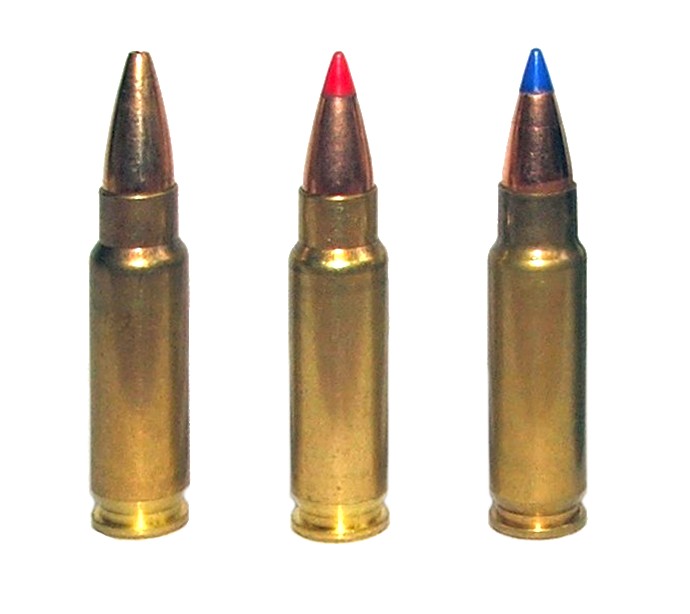
Developed by FN Herstal in the late 1980s, the 5.7×28mm was intended for specialized military and security applications where compact weapons and lightweight ammunition were important. The FN Five-seveN pistol and P90 platform helped establish its identity. Although its original institutional market remained specialized, civilian versions of the pistol and growing interest in sporting handguns expanded its audience. Its lightweight projectiles and high velocity distinguish it from conventional service-pistol cartridges. Civilian ammunition availability and legal restrictions vary by jurisdiction. The 5.7×28mm demonstrates how a specialist military concept can develop a separate commercial following.
9. .45 GAP
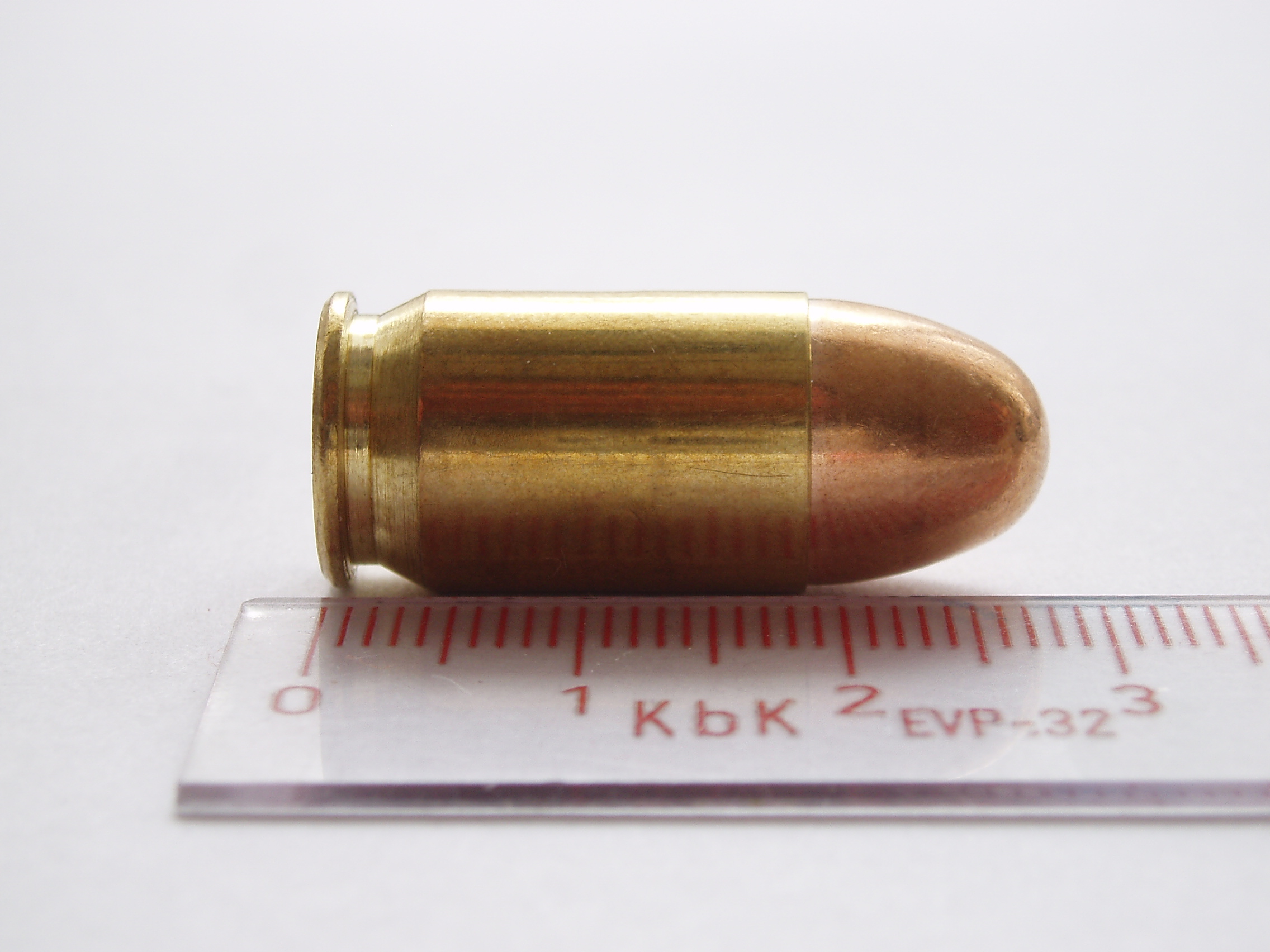
Glock introduced the .45 GAP in 2003 to provide .45-caliber performance in a shorter cartridge designed for more compact pistol dimensions. The cartridge attracted initial interest because it allowed certain handgun designs to have smaller grips than comparable .45 ACP models. Some law enforcement agencies adopted pistols chambered for it, but widespread acceptance did not follow. As 9mm pistols gained renewed popularity and manufacturers concentrated on established chamberings, the .45 GAP became a niche option. It remains an interesting example of how a technically purposeful design can struggle when the broader market sees little reason to leave familiar ammunition behind.
10. .30 Luger
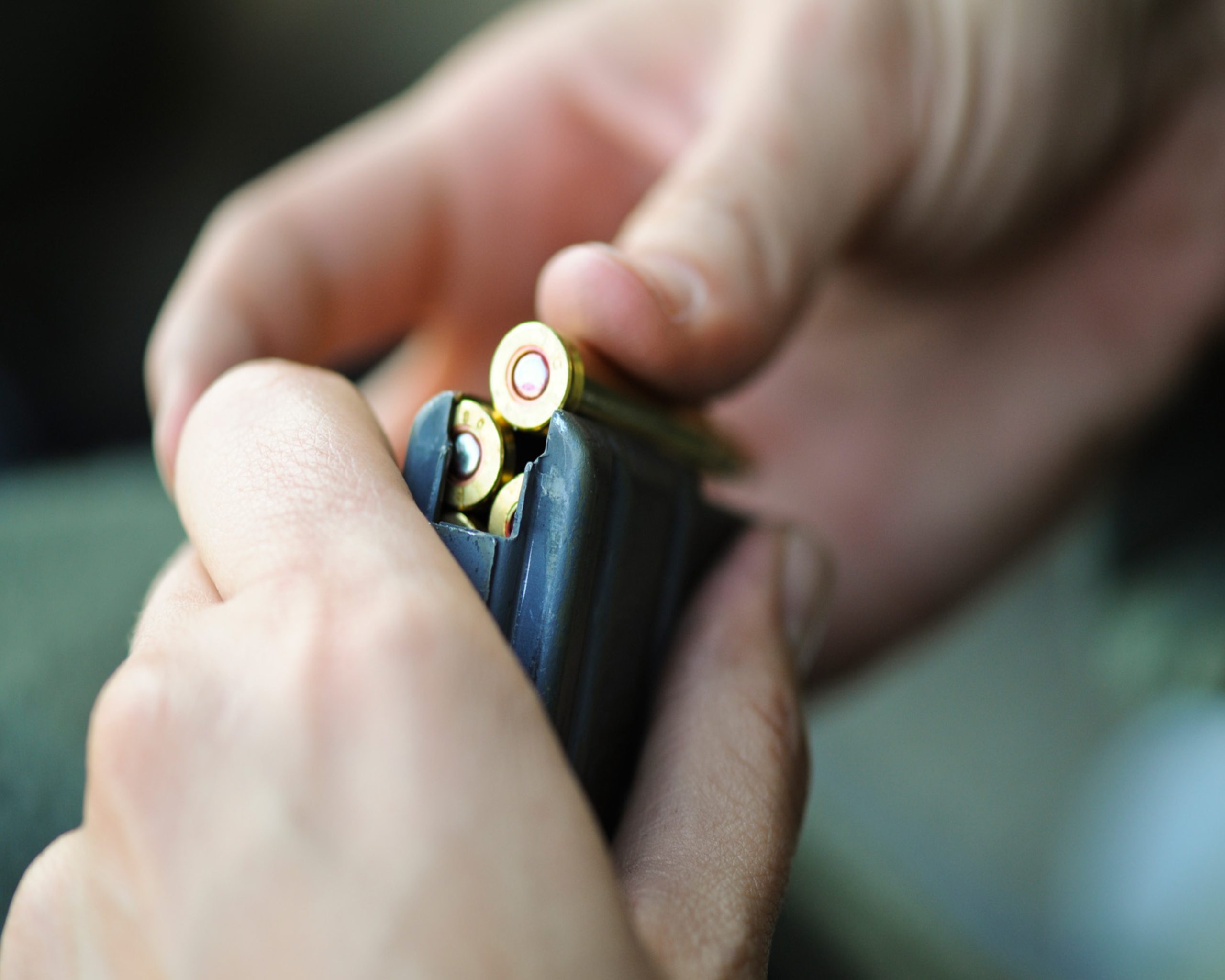
Introduced in 1898, the .30 Luger, also known as 7.65×21mm Parabellum, was associated with early Luger pistols before the 9×19mm cartridge became more dominant. The 9mm’s growing military and commercial adoption reduced the .30 Luger’s role in mainstream service handguns. However, collectors and enthusiasts of historic European firearms have helped preserve interest in the older chambering. Its relatively narrow modern market reflects the limited production of compatible firearms and ammunition compared with common service calibers. The .30 Luger shows how historical significance and specialized collecting can keep an early cartridge from disappearing entirely.