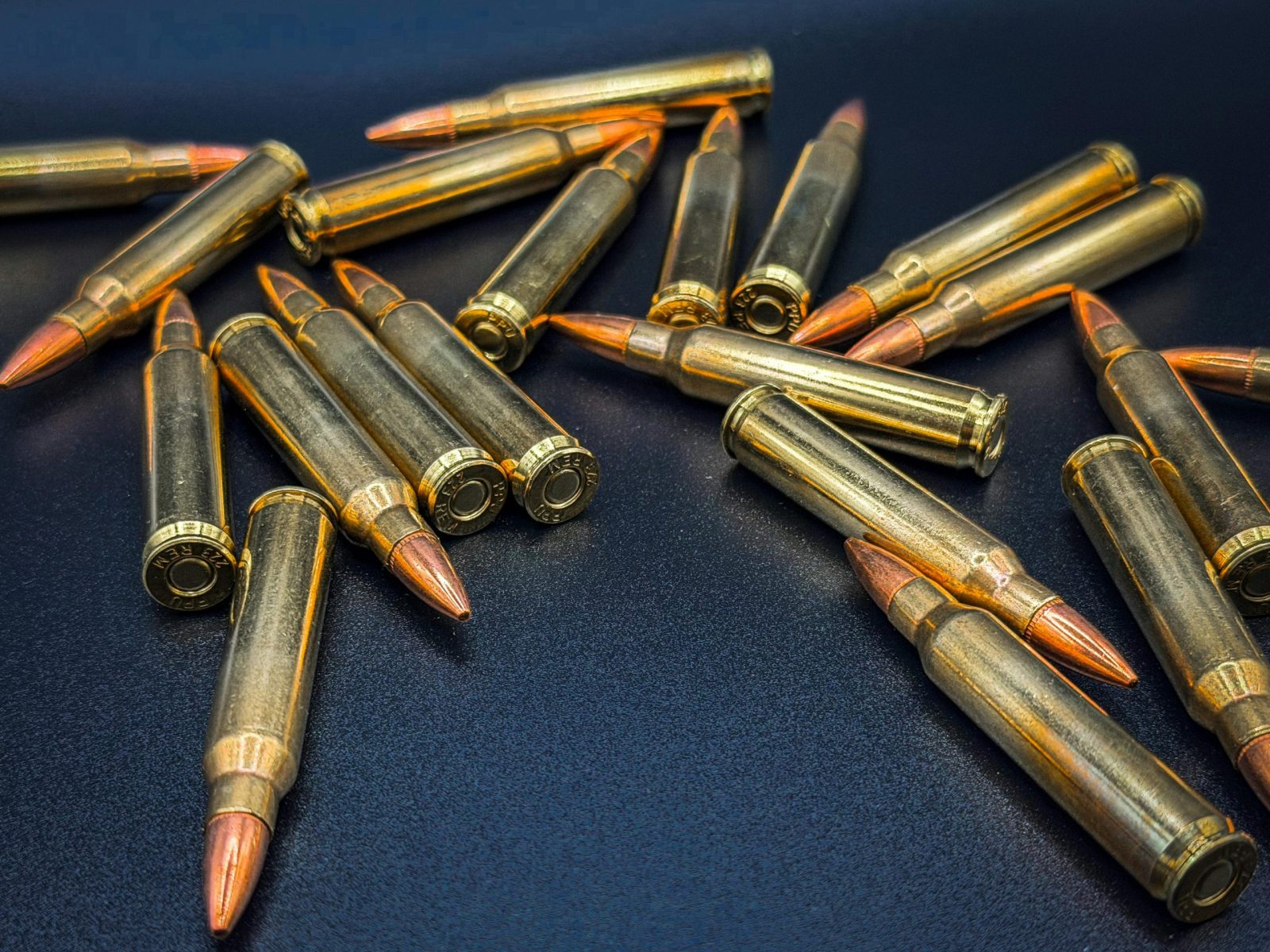
The ammunition industry has advanced through competition as much as invention. When a new cartridge promises greater range, improved efficiency, or a better balance of recoil and performance, established designs suddenly face pressure to evolve. Some rivalries began on military battlefields, while others developed among hunters, competitive shooters, and firearm manufacturers seeking the next popular chambering. These contests influenced bullet design, rifle production, ammunition availability, and consumer expectations. Looking at eight major cartridge rivalries reveals how competing ideas helped shape the ammunition market and why several debates continue decades after their introduction.
1. .30-06 Springfield vs. .308 Winchester
The .30-06 Springfield became a benchmark after its 1906 introduction, serving U.S. forces and generations of hunters. The .308 Winchester arrived commercially in 1952, offering similar practical usefulness in a shorter case that suited more compact actions. Their rivalry pushed manufacturers to offer rifles in both long- and short-action formats, while hunters debated whether the older cartridge’s extra capacity mattered in the field. Both remain widely available, showing how efficiency and familiarity can compete without either design disappearing.
2. 9mm Luger vs. .45 ACP

Few cartridge debates have lasted as long as 9mm Luger versus .45 ACP. Introduced in 1902, the 9mm became known for compact ammunition and higher magazine capacity; the .45 ACP, designed in 1904 and adopted by the U.S. military in 1911, built a loyal following around its larger bullet. Police adoption, service-pistol contracts, and advances in modern bullet design repeatedly shifted opinion. The rivalry encouraged makers to refine handguns and ammunition for reliability, controllability, and practical performance rather than relying on caliber alone.
3. .270 Winchester vs. .30-06 Springfield
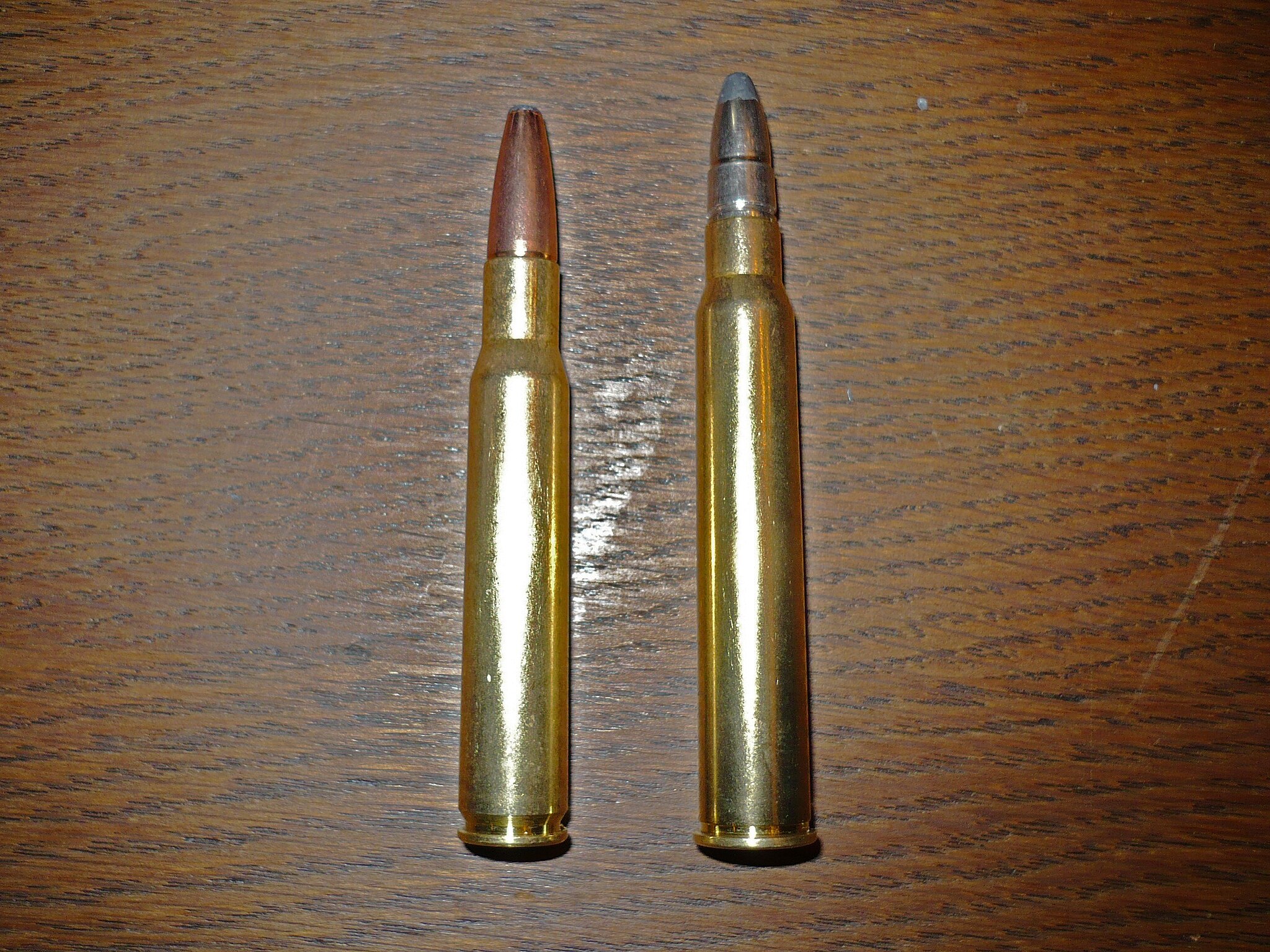
Introduced in 1925, the .270 Winchester challenged the established .30-06 by pairing a smaller-diameter bullet with a relatively flat trajectory. The .30-06, in service since 1906, offered a broader range of bullet weights and a long record in military and hunting use. Their competition helped make trajectory, recoil, and bullet selection central to sporting-rifle marketing. Hunters still compare them for deer and larger game, but neither is universally superior: terrain, projectile choice, and the shooter’s comfort all affect real-world results.
4. .357 Magnum vs. .38 Special
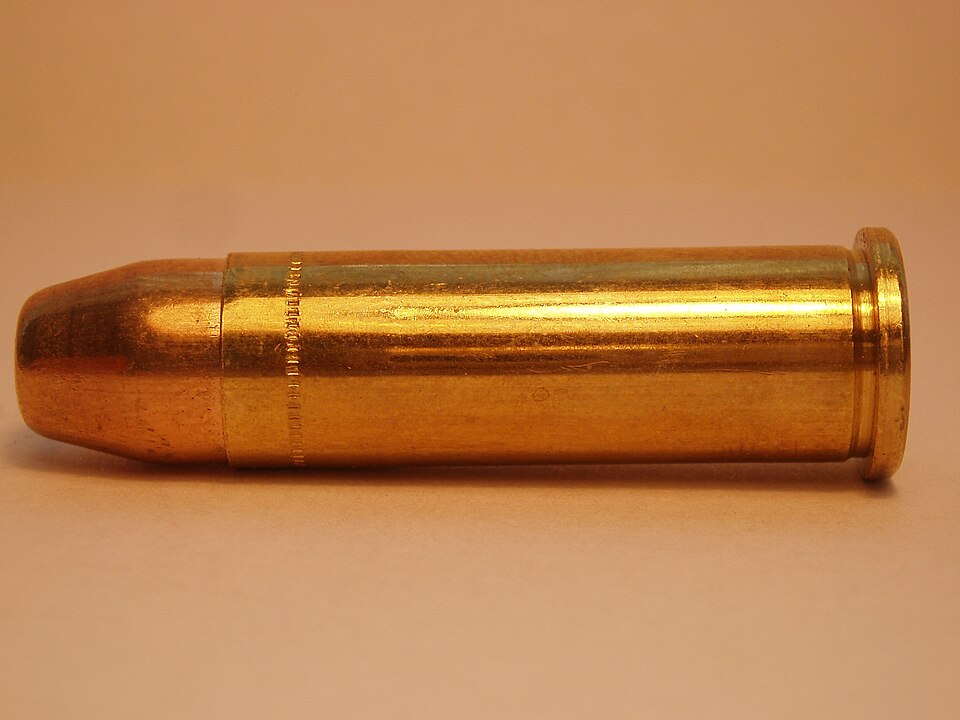
The .357 Magnum arrived in 1935 as a high-pressure development related to the older .38 Special, whose roots reach back to the late 19th century. Its introduction made the magnum label a selling point for handgun ammunition and revolvers. The .38 Special retained its place because it was widely used in service revolvers and offered a milder option in compatible firearms. This rivalry created a lasting two-tier market, from comfortable practice to more powerful magnum offerings. Compatibility matters: .357 Magnum revolvers generally accept .38 Special, but not vice versa.
5. 7mm Remington Magnum vs. .300 Winchester Magnum

The 7mm Remington Magnum debuted in 1962, followed by the .300 Winchester Magnum in 1963. Both helped define the modern belted-magnum sporting-rifle market, but they appealed to different priorities. The 7mm became associated with relatively efficient, streamlined bullets and long-range hunting, while the .300 offered heavier bullet options and broad appeal for larger game. Their rivalry encouraged ammunition makers to expand bullet designs and load choices. Actual performance depends on the specific load and rifle, so cartridge labels alone cannot settle every hunting comparison.
6. .223 Remington vs. .308 Winchester
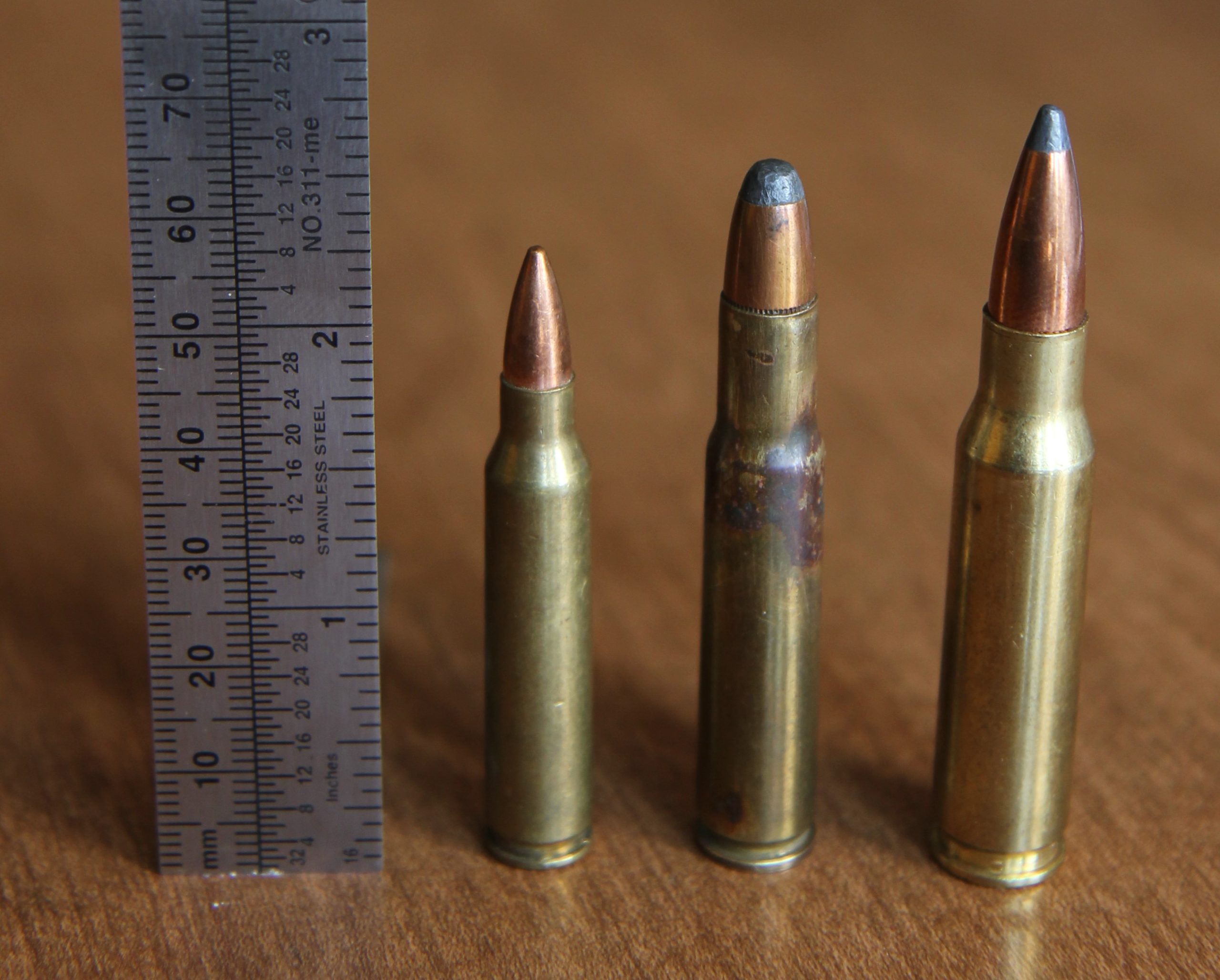
The .223 Remington entered civilian markets in 1964, closely related to the military 5.56×45mm NATO cartridge; the .308 Winchester had arrived in 1952. Their rivalry reflects two priorities: lighter ammunition and lower recoil versus a larger, heavier bullet class. The .223 helped popularize lightweight sporting rifles and broad ammunition selection, while the .308 remained a versatile choice for hunting and target shooting. These cartridges are not interchangeable with their military counterparts in every firearm, so chamber markings and the manufacturer’s guidance are essential.
7. 6.5 Creedmoor vs. .308 Winchester
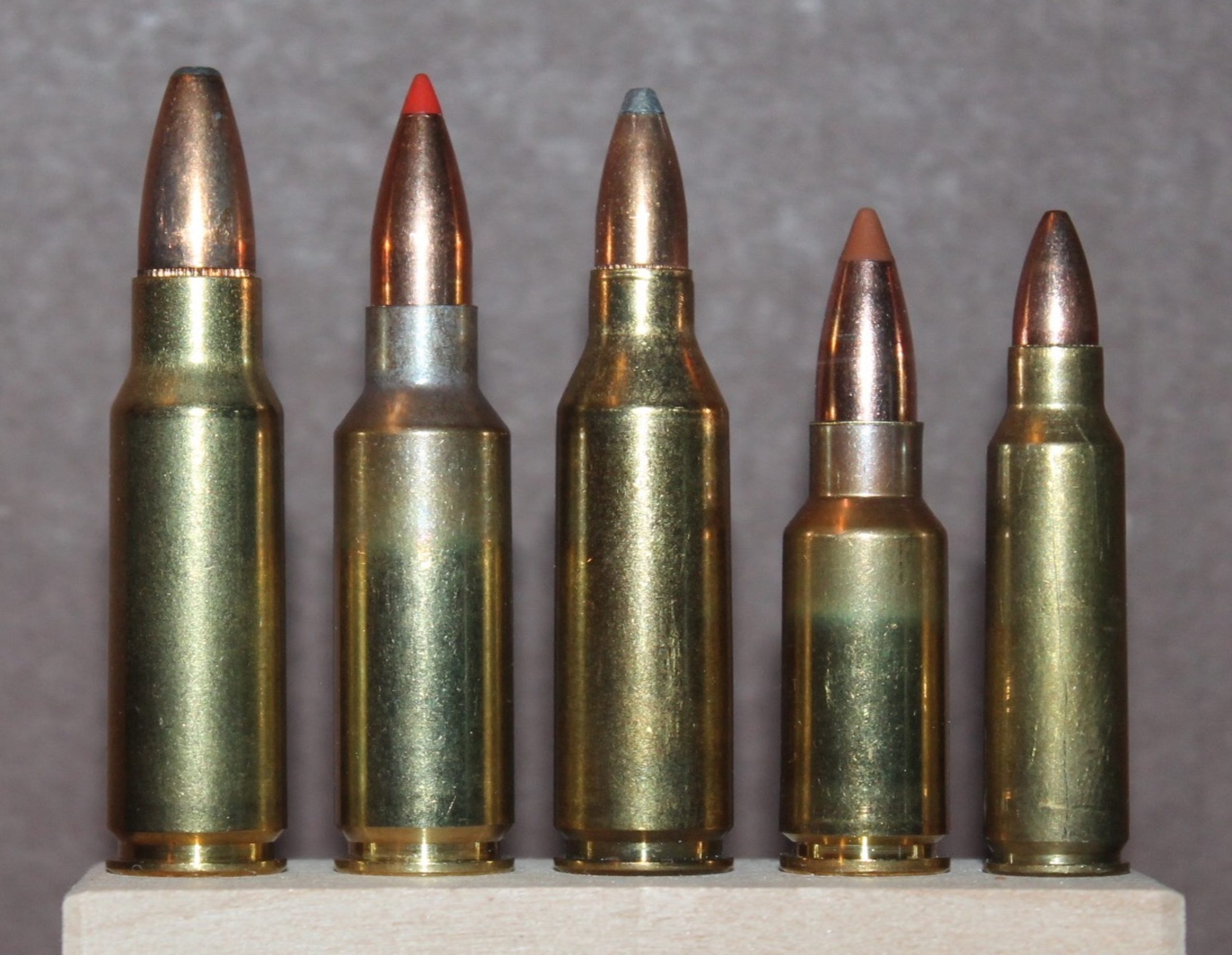
Hornady introduced the 6.5 Creedmoor in 2007 to deliver strong aerodynamic efficiency in a practical short-action cartridge. The older .308 Winchester, introduced in 1952, had decades of military, hunting, and competition history behind it. As long-range target shooting grew, the 6.5 Creedmoor gained attention for its high-ballistic-coefficient bullets and manageable recoil, while the .308 retained appeal through widespread availability. Their rivalry pushed manufacturers to offer specialized match ammunition, but barrel life, bullet choice, and intended use remain part of the comparison.
8. .300 Blackout vs. 5.56 NATO

Developed in the early 2010s, .300 AAC Blackout was designed for the AR-15 platform, with a different balance of bullet weight and velocity from 5.56×45mm NATO. The established 5.56 cartridge remained attractive for its light ammunition and broad availability, while .300 Blackout created a market for compact-platform versatility, including subsonic loads in suitable setups. Their competition encouraged manufacturers to expand specialized rifles and ammunition choices. Despite sharing a platform in many designs, the cartridges require the correct chamber and ammunition; they must never be treated as interchangeable.