Rain changes everything when you need a fire fast. Wet wood, soaked ground, and gusty weather can turn a simple task into a frustrating survival problem. This gallery breaks down eight dependable fire-starting methods that still perform in a downpour, along with the small techniques that make the difference between smoke and real flame.
Build Under a Tarp First

In a downpour, the first fire-starting method is not a spark source at all. It is shelter. A tarp, poncho, or even a tightly stretched rain jacket creates a dry working space, which is often the difference between a flame catching and dying in seconds.
Once you have overhead cover, keep the tarp high enough to vent smoke and far enough from the flame to avoid damage. Clear the ground, lay down bark or split sticks as a platform, and protect your tinder before you ever strike a match.
A dry fire lay under cover gives every other method a better chance of working. In heavy rain, preparation is what turns a marginal idea into a reliable one.
Stormproof Matches
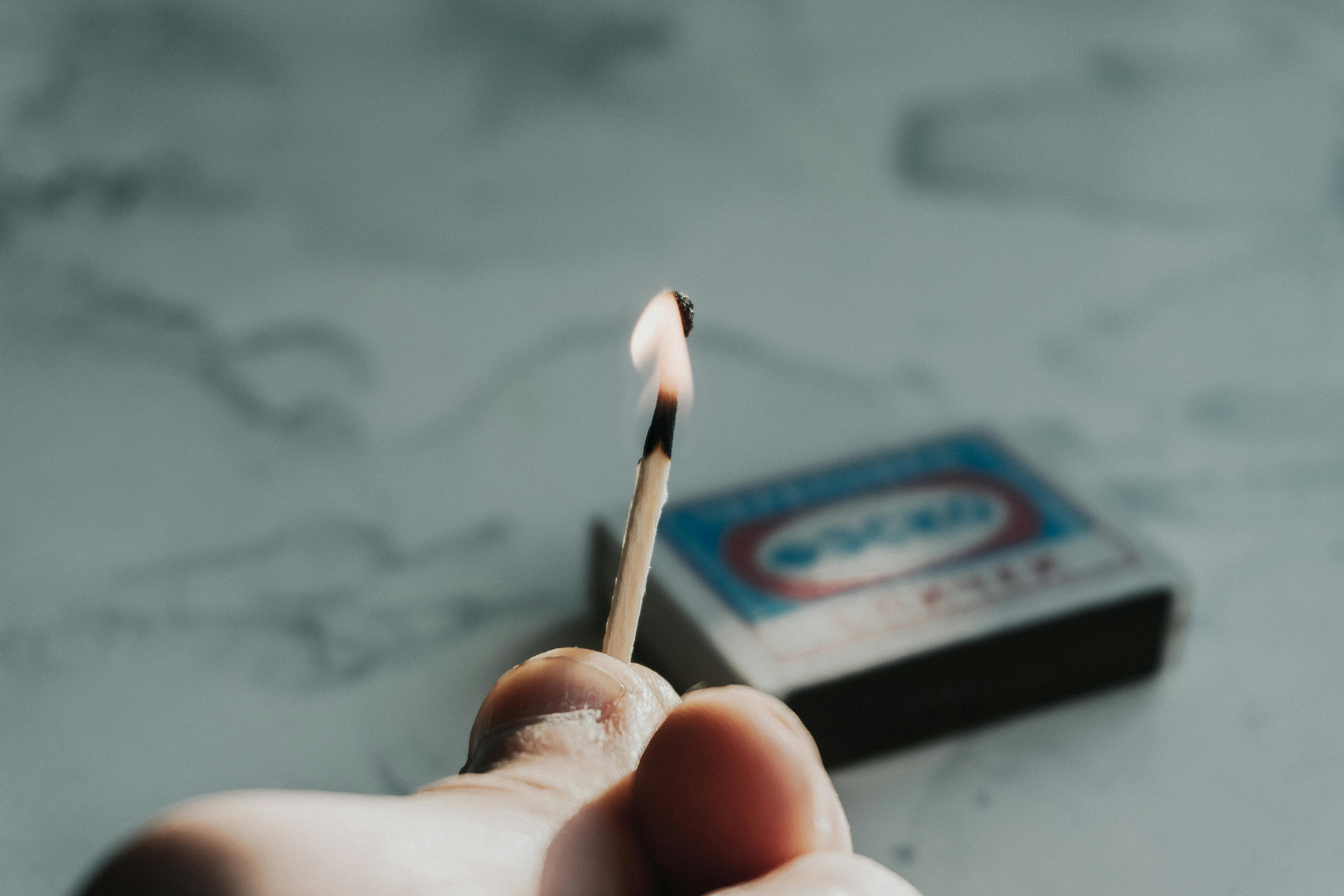
Stormproof matches are one of the most dependable tools you can carry in wet weather. Unlike ordinary matches, they are designed to keep burning in wind and continue flaring even when the air is damp and the surroundings are miserable.
The trick is to use that hot, aggressive flame wisely. Light the match close to your tinder bundle, shield it with your body, and let it ignite the driest, finest material first rather than trying to force wet sticks to burn immediately.
Stored in a waterproof container, stormproof matches are simple, fast, and hard to beat. They are especially valuable when cold hands make fiddly gear harder to manage.
Butane Lighter With Body Heat
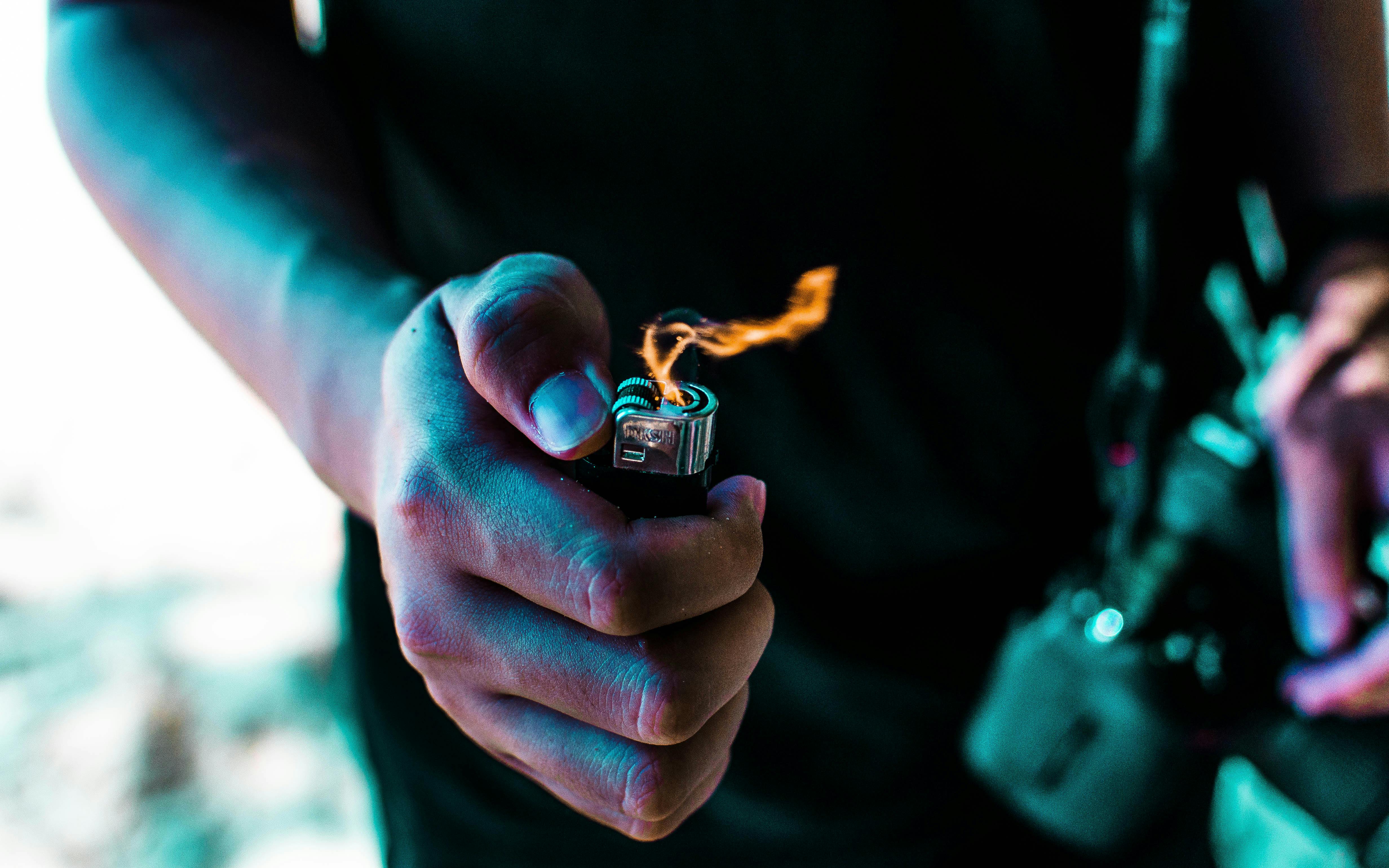
A standard butane lighter can still work in a downpour, but cold temperatures and wet hands often make it seem less reliable than it really is. If the fuel is chilled, warming the lighter inside a pocket or in your hands can restore pressure and improve the flame.
Use the lighter only after your tinder is arranged and protected from rain. Cup your hands around the flame, lean in close to block wind, and aim for feathered wood, cotton, or other fine material that can catch quickly before moisture steals the heat.
It is not glamorous, but it is efficient. In many real-world situations, a warmed lighter is the fastest route to a working fire.
Ferro Rod and Scraped Magnesium

A ferro rod is famous for working when wet, which makes it a favorite in rough conditions. The sparks are hot enough to ignite good tinder, and if you pair the rod with scraped magnesium shavings, you get an even brighter, hotter burst that can overcome dampness.
Success depends on your setup. Keep the tinder bundle compact, scrape a small pile of magnesium onto a dry base, and pull the rod back instead of pushing the striker forward so you do not scatter everything at the crucial moment.
This method rewards practice. In rain, it is less forgiving than a match, but when used correctly it remains one of the most rugged fire-starting options available.
Cotton Balls With Petroleum Jelly
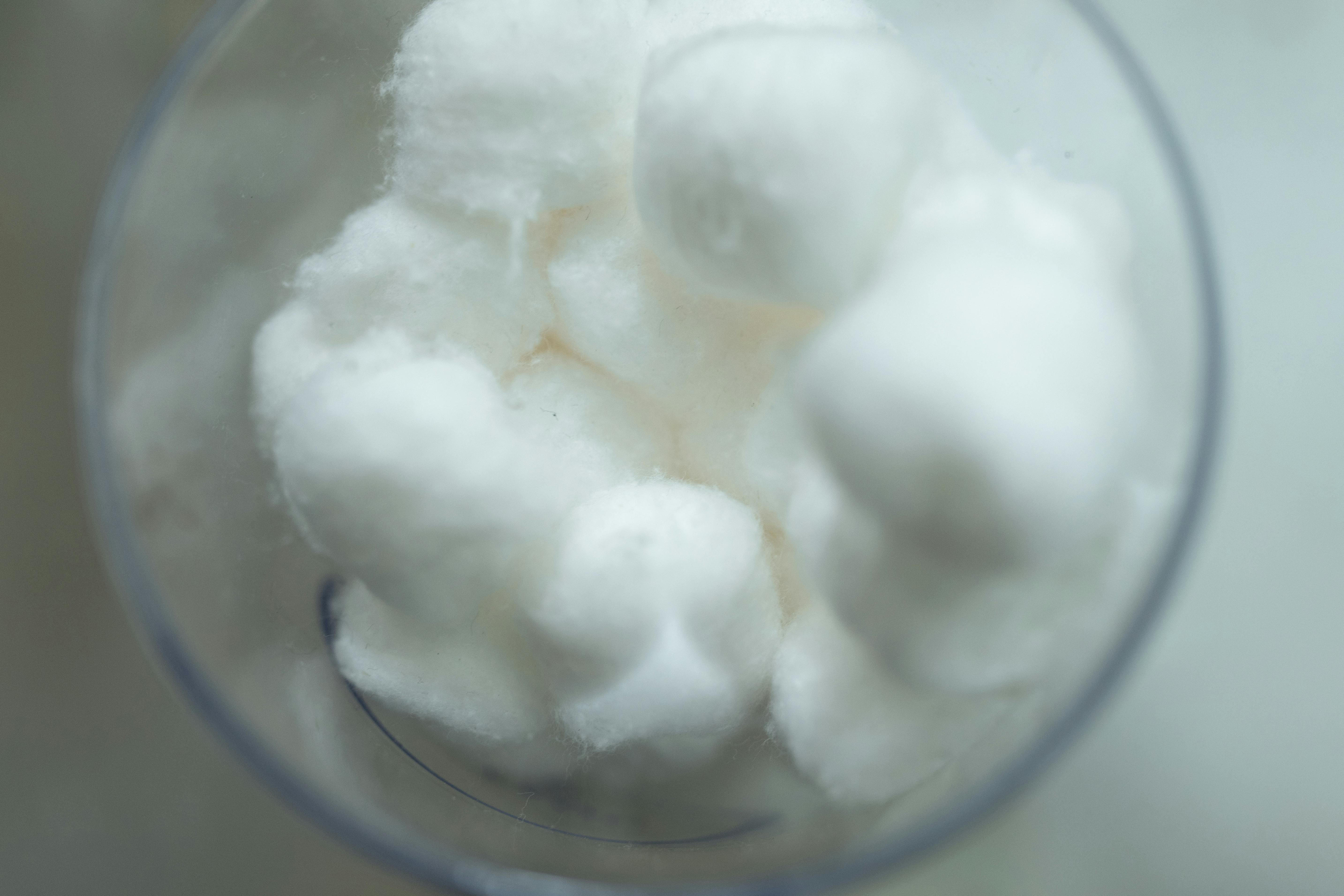
Cotton balls coated in petroleum jelly are a classic reason. They are light, cheap, easy to pack, and surprisingly powerful in bad weather. Fluffed up before lighting, they catch a spark or flame quickly and burn long enough to help damp kindling finally dry and ignite.
The key is to keep them sealed until the moment you need one. A small waterproof container turns this humble material into a dependable emergency starter that can rescue a fire lay that would otherwise just hiss and smoke.
In a downpour, burn time matters almost as much as ignition. That is what makes this method so effective when nature is not cooperating.
Feather Sticks From Dry Inner Wood
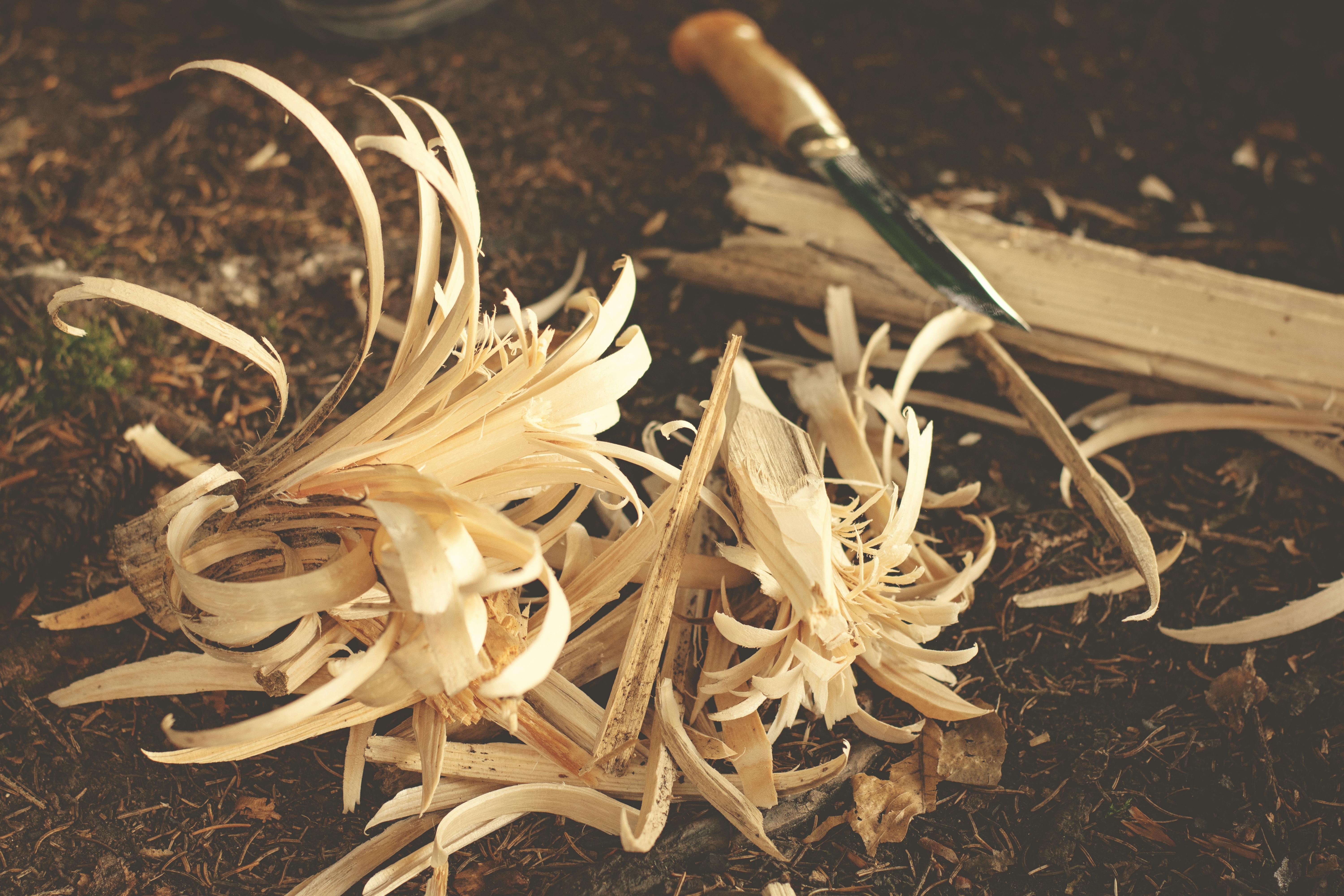
When every branch feels soaked, the secret is often hidden inside the wood. Split a stick or baton through a small log, and the inner core is usually much drier than the bark. From there, shave thin curls to create feather sticks that catch fire far more readily.
This method works because you are making your own tinder from protected material instead of relying on whatever the rain has already saturated. Fine, curly shavings increase surface area and give your flame something delicate to bite into.
It takes a little knife control and patience, but feather sticks are one of the most reliable ways to turn wet fuel into a fire that actually begins to build.
Birch Bark and Resin-Rich Wood
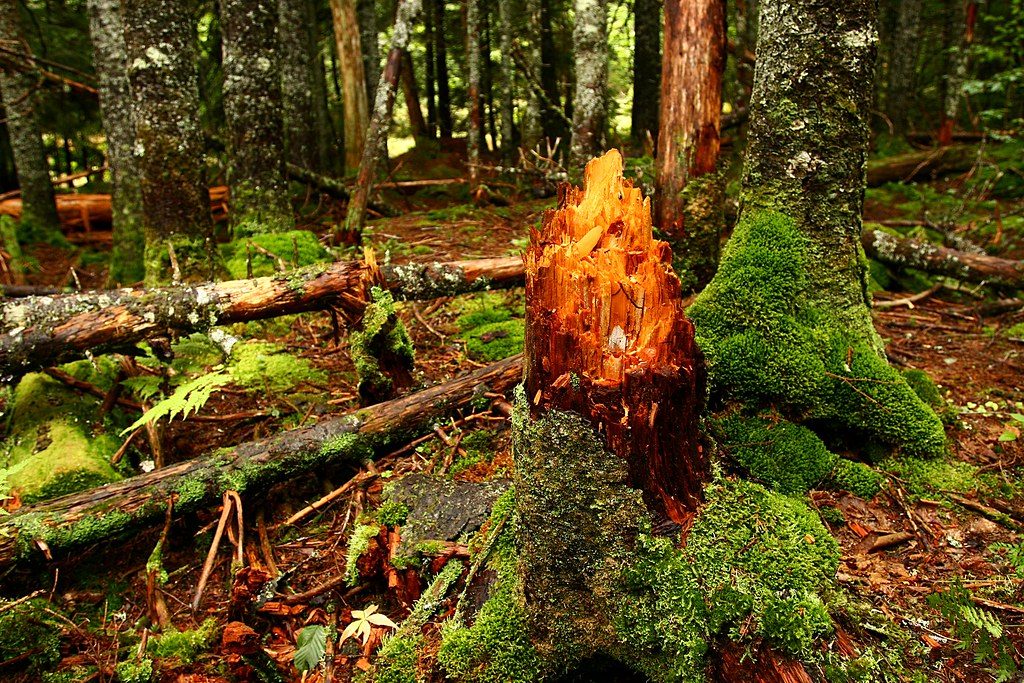
Natural fire starters can outperform synthetic ones if you know what to look for. Birch bark contains oils that help it ignite even when conditions are damp, and resin-rich wood from pine or fatwood burns hot with a stubborn, smoky flame that can bridge the gap to larger kindling.
Harvest carefully and take only what is safe and responsible to collect. Thin strips of bark and small curls of resinous wood can be nested together to create a tinder bundle with far more energy than ordinary wet leaves or grass.
In rain, nature rewards selectivity. The right natural material can feel almost unfairly effective compared with the soggy forest floor around it.
Protect the Coal and Feed It Slowly
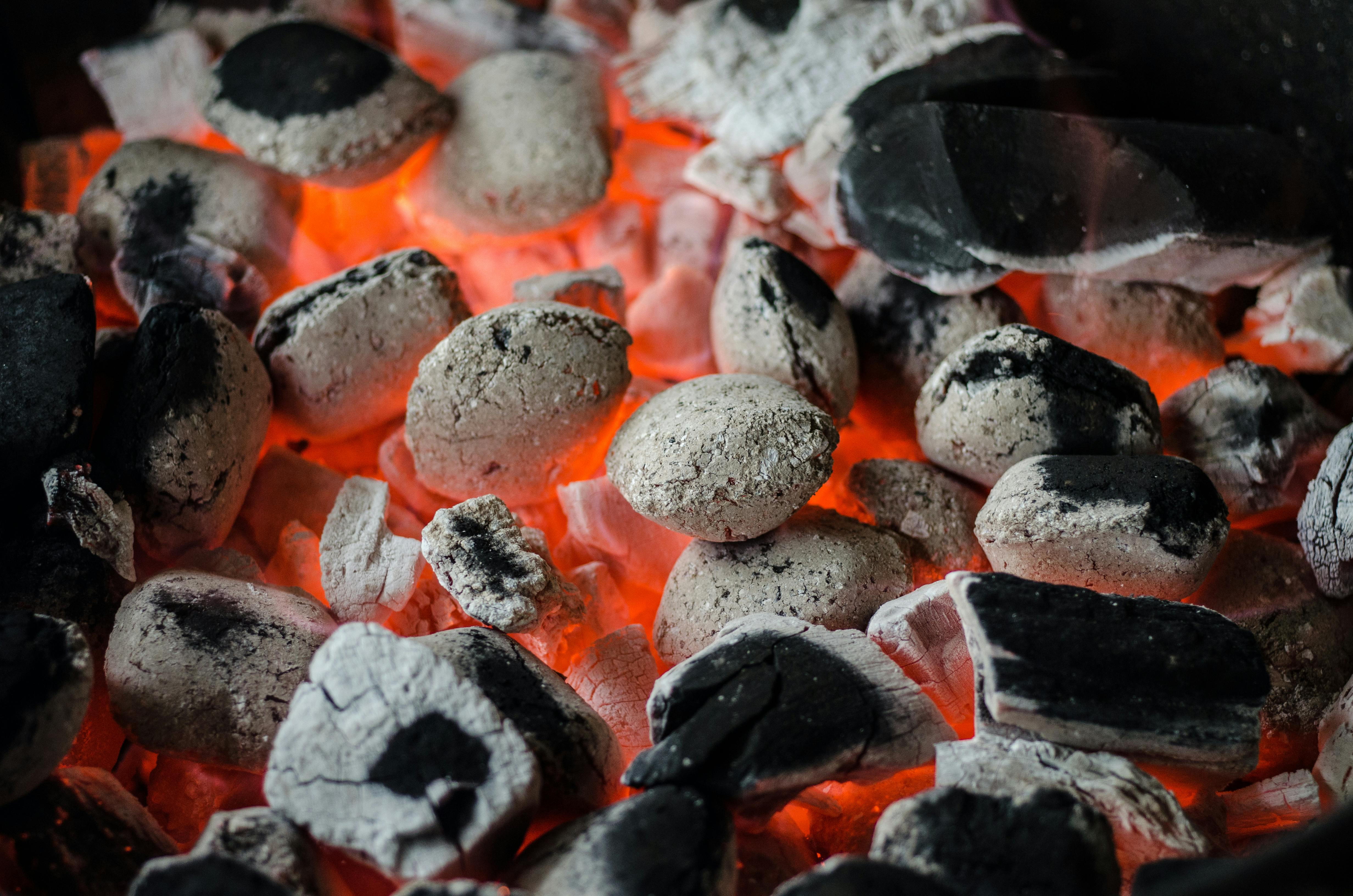
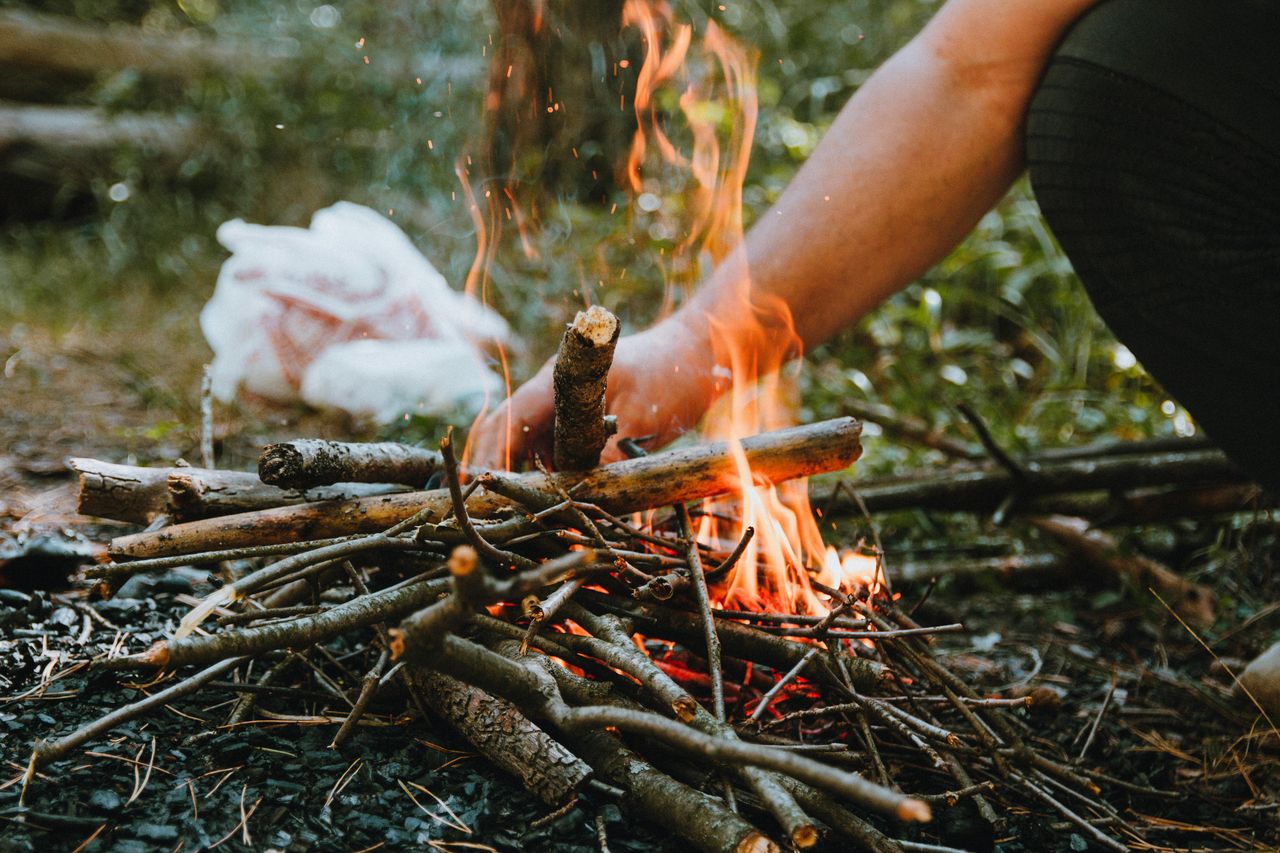
The final method is really the discipline that makes all the others work. Once you have a flame, your job is to protect the developing coal bed from rain and avoid smothering it with fuel that is too large or too wet too soon.
Add kindling gradually, keep the structure airy, and continue using split inner wood whenever possible. Shield the fire from direct rainfall with your setup, not by crowding the fuel pile, which can choke airflow and kill the heat you have worked so hard to build.
In wet weather, a new fire is fragile. Treat it like something growing, not something you can rush, and it will reward you with the steady burn you need.