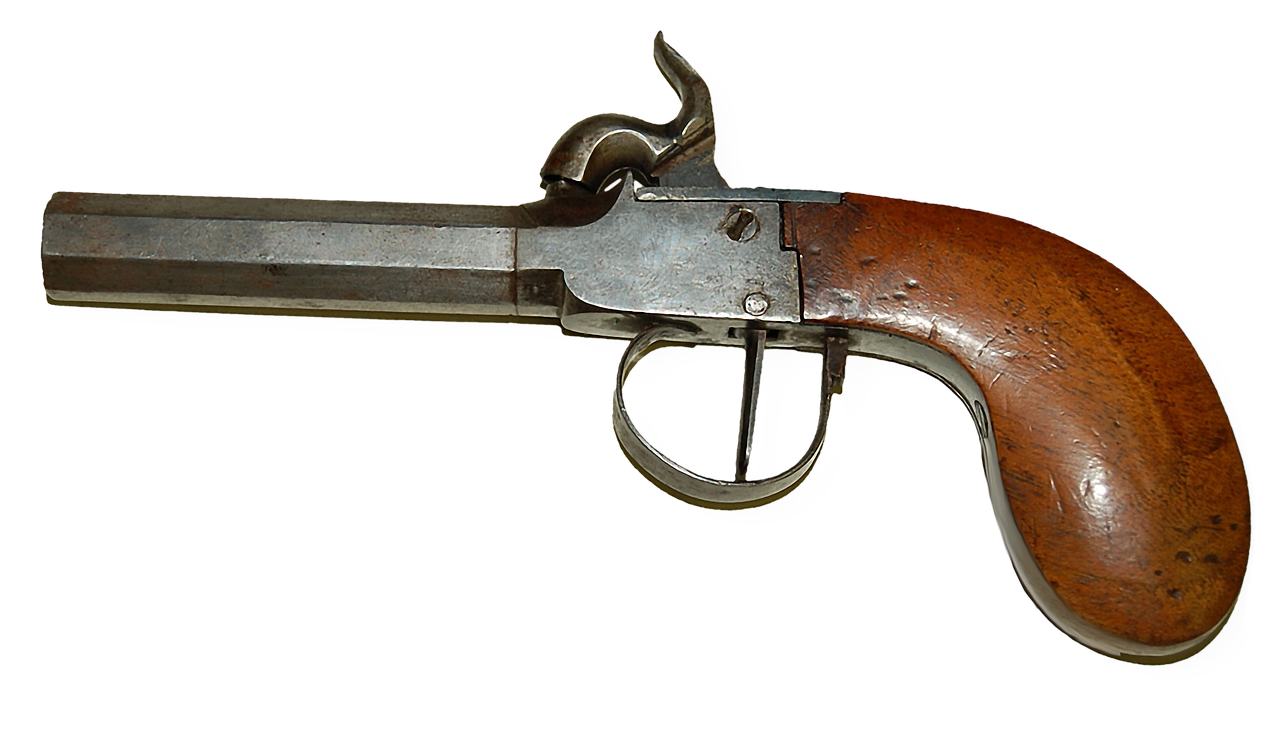
Guns are often associated with warfare and hunting, but throughout history, they’ve served a surprising variety of unusual and creative purposes. Beyond the battlefield, firearms have influenced exploration, entertainment, and even engineering. Some uses were practical, some ceremonial, and others downright bizarre. Understanding these unique applications provides a fascinating glimpse into how humans have adapted technology in unexpected ways. Here are 15 unusual ways guns have been used throughout history.
1. Gunpowder-Powered Fireworks Displays
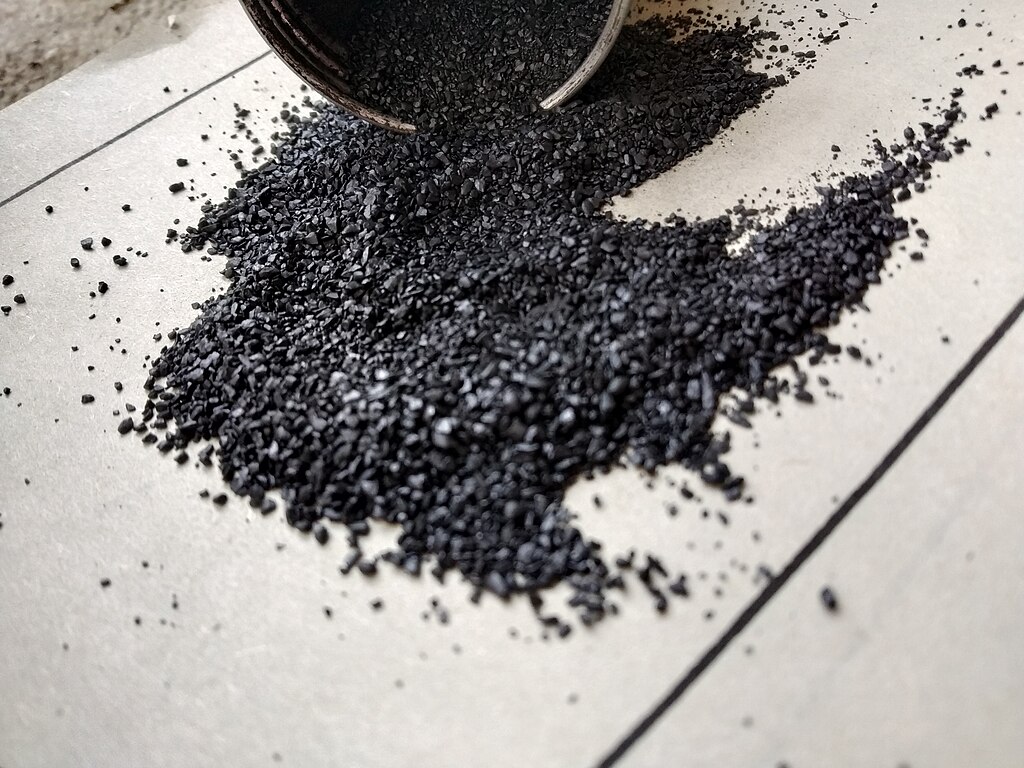
Early firearms technology inspired the development of spectacular pyrotechnics. In 17th-century Europe, cannons and handguns were sometimes used to launch fireworks during celebrations. These gunpowder-powered displays created vibrant spectacles that entertained royalty and commoners alike. By adapting firearms to controlled explosions, pyrotechnicians could choreograph colors and bursts in the night sky, demonstrating both technical skill and the versatility of early gunpowder technology.
2. Signal Guns for Naval Communication
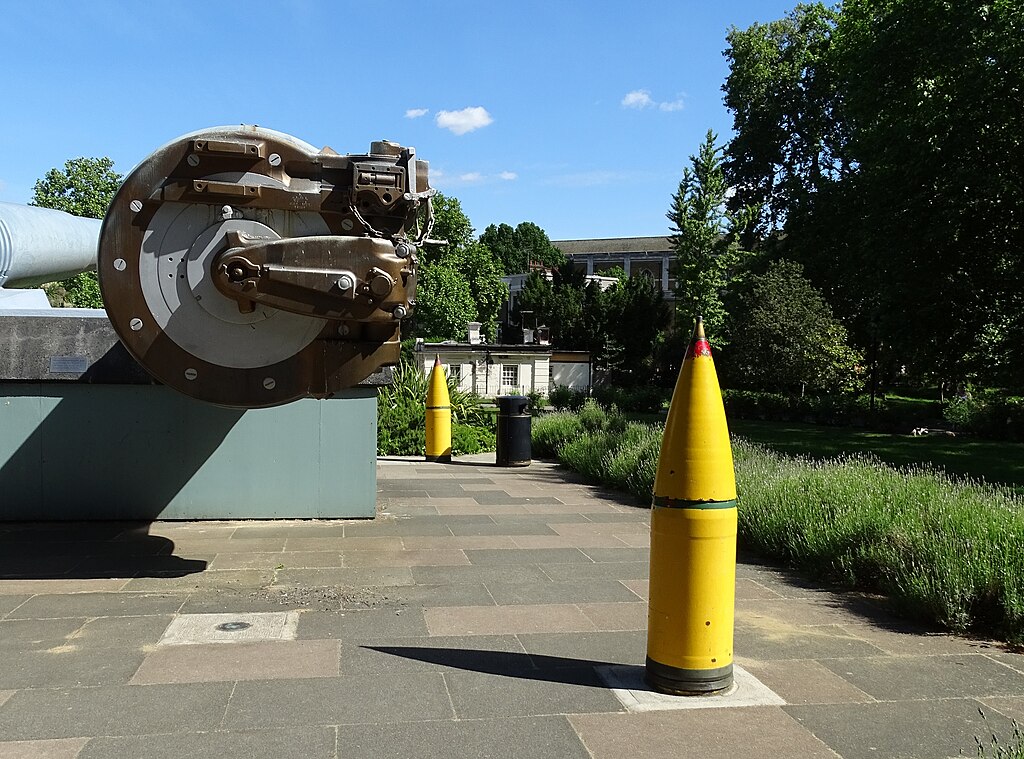
Before modern radios, ships relied on signal guns to convey messages across distances. Firing a cannon or small firearm in a specific sequence indicated warnings, weather alerts, or coordinated maneuvers. This practice became essential for fleet navigation and military operations at sea. The thunderous sound carried over long distances, ensuring instructions were received even in poor visibility, making firearms an innovative solution for communication long before electronic devices existed.
3. Mail Delivery in Remote Regions
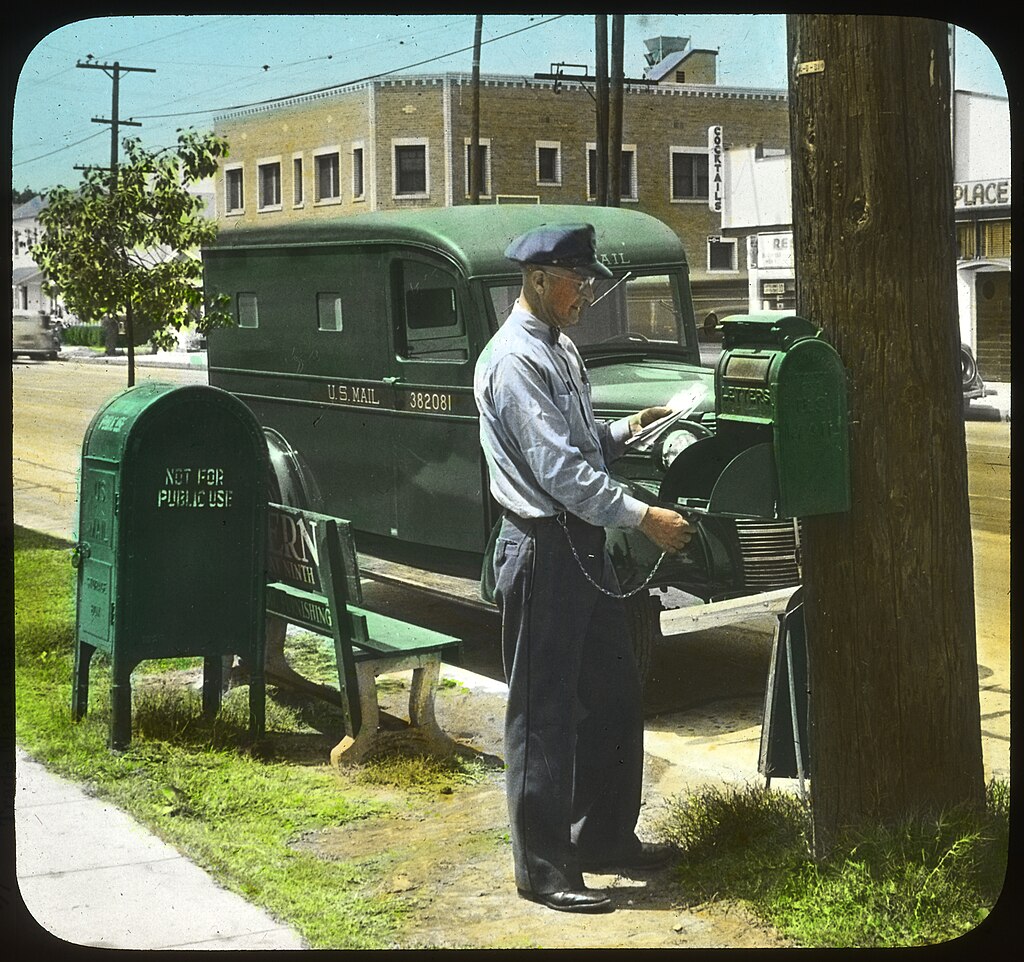
In parts of rural America during the 19th century, mail carriers occasionally used firearms to clear obstacles or scare off aggressive animals. While not intended for direct delivery, guns ensured safe passage through wilderness areas. In some extreme cases, small firearms were used to signal settlements of arriving messages. This unusual use highlights how firearms functioned as tools of safety and communication in remote, untamed landscapes where conventional security measures were impractical.
4. Musical Firearms in Performances
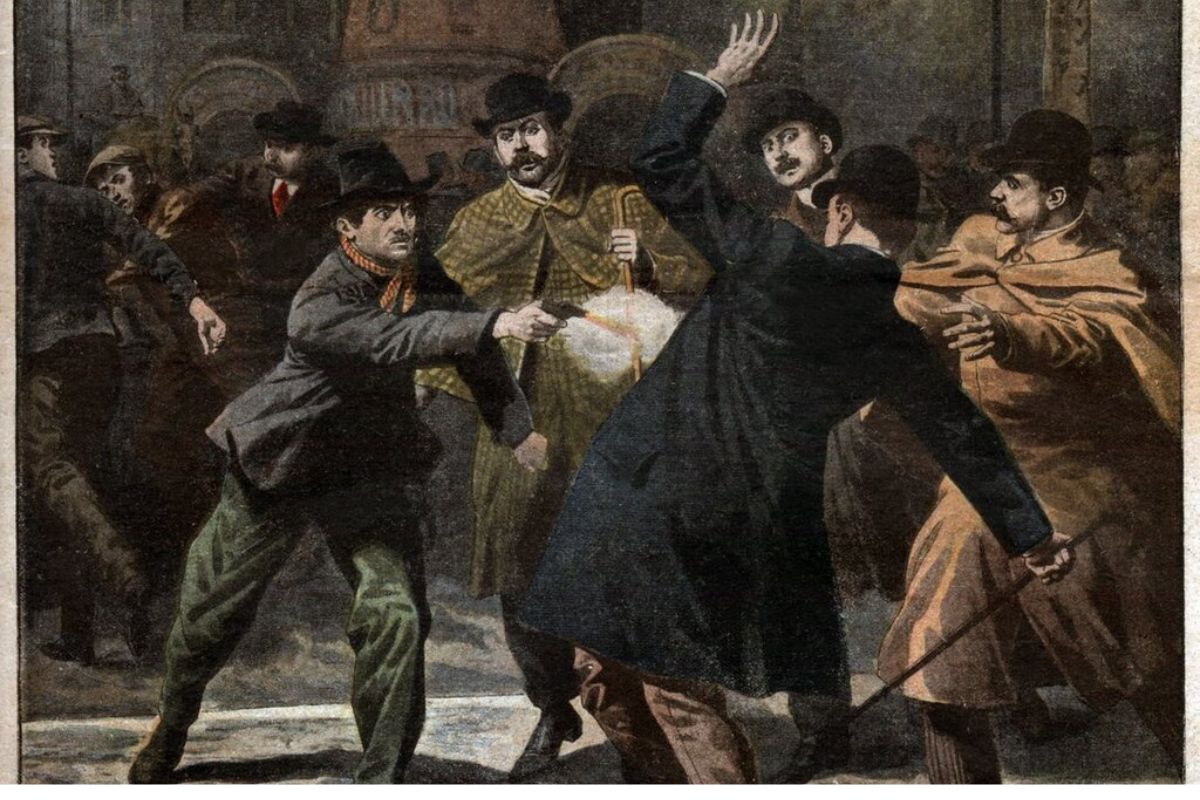
In the 18th and 19th centuries, entertainers experimented with using guns as musical instruments. By firing in precise rhythms, performers created percussion-like effects that enhanced theater productions or public spectacles. This unconventional approach combined showmanship with technical skill, turning firearms into temporary instruments. The unusual use of guns in music reflects the human tendency to innovate, blending danger and artistry to captivate audiences in creative ways.
5. Launching Grappling Hooks
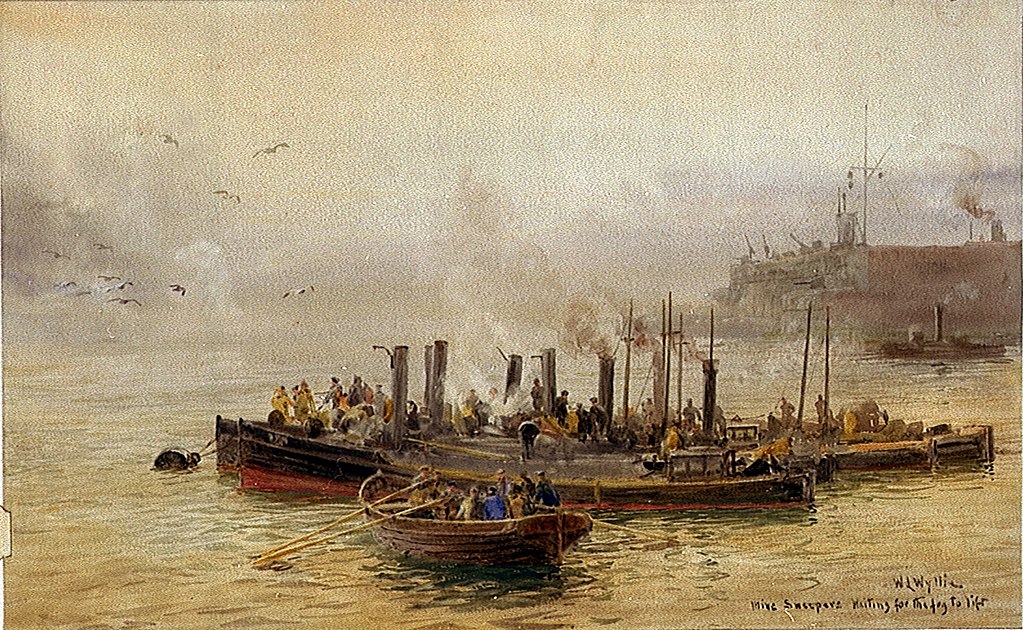
During sieges and naval operations, small firearms or modified cannons were sometimes used to launch grappling hooks. Soldiers would fire hooks over walls or onto ships to enable climbing or securing ropes. This tactic allowed attackers to overcome fortifications quickly and with reduced risk. By turning guns into improvised grappling launchers, military engineers demonstrated the flexibility of firearm technology beyond conventional projectile use.
6. Wildlife Census and Population Control
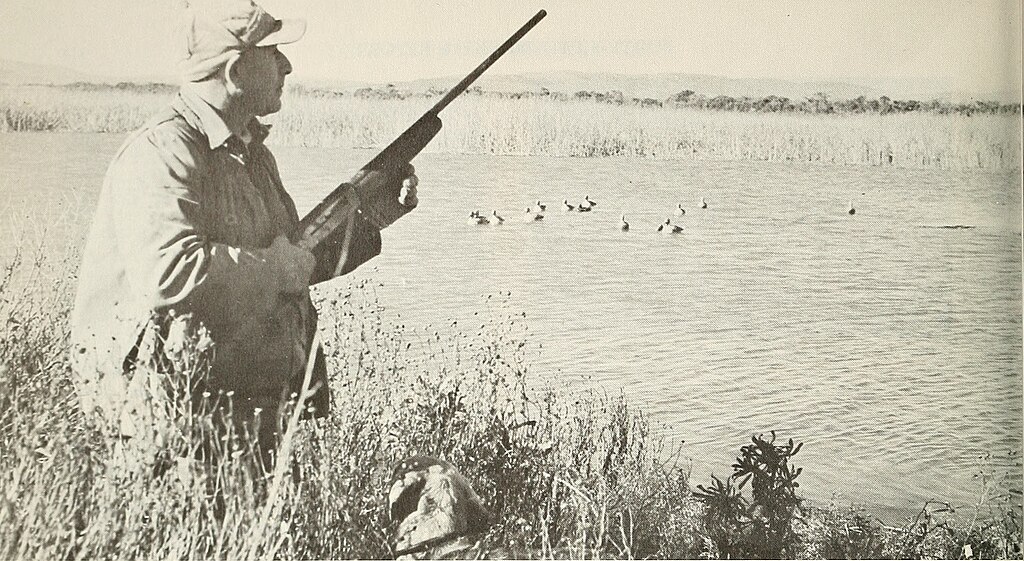
In some remote areas, specially designed guns were used to safely tag or mark animals for population studies. Non-lethal ammunition allowed researchers to track wildlife without killing it. These firearm adaptations supported conservation efforts and scientific research, illustrating an inventive use of guns for ecological monitoring. By modifying traditional weapons, early conservationists could gather critical data on animal populations while minimizing harm to ecosystems.
7. Avalanche Control in Mountainous Regions
In the early 20th century, engineers began using firearms to trigger controlled avalanches in ski areas and mountain passes. Shooting explosives or bullets into unstable snowpacks reduced the risk of large, uncontrolled slides. This practice relied on the precision and energy of firearms to mitigate natural hazards, demonstrating a highly practical, albeit unconventional, role for guns in public safety and environmental management.
8. Ice Breaking in Frozen Waterways
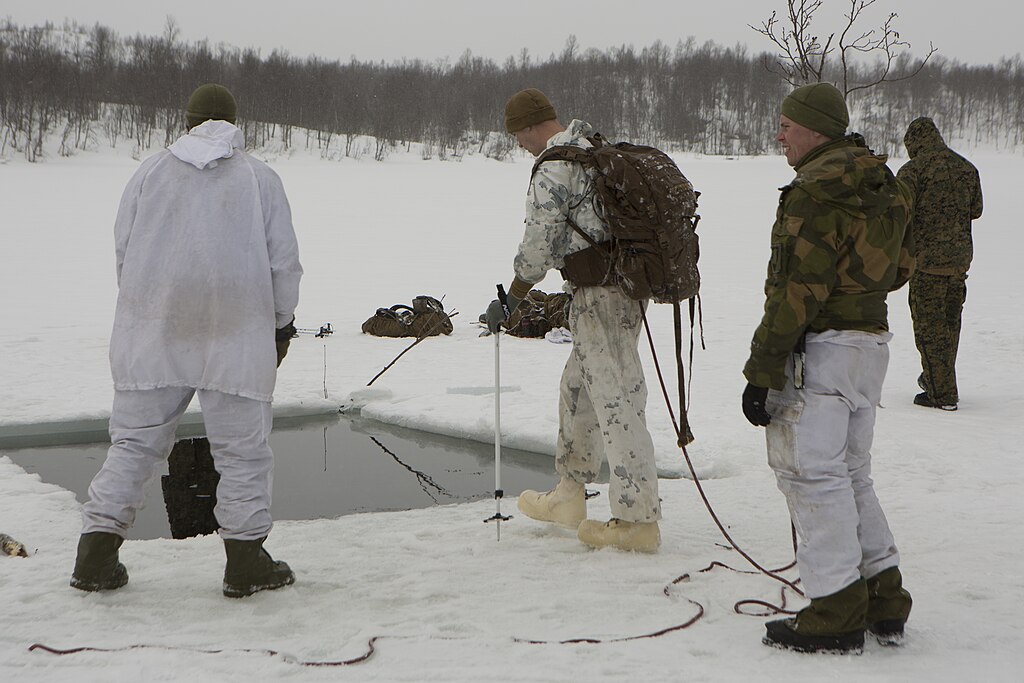
Explorers in Arctic regions occasionally used firearms to break thin ice in rivers or lakes. Small caliber shots could fracture the surface enough to allow boats or sleds to pass. This application required both accuracy and caution, as misfires could be dangerous. While unusual, it exemplifies how firearms served as multipurpose tools for survival and exploration in extreme environments far beyond their intended combat role.
9. Firearm-Propelled Rescue Lines
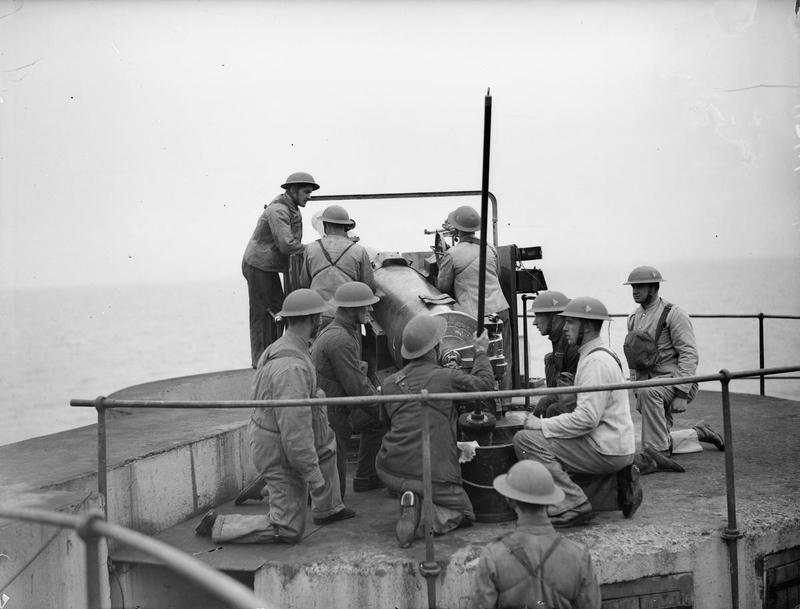
During maritime emergencies, guns were adapted to launch ropes or lines to stranded ships or drowning sailors. Known as line-throwing guns, these devices allowed rescuers to bridge gaps between vessels or shorelines. They were crucial before motorized boats and helicopters existed. This inventive application transformed firearms into lifesaving tools, highlighting human ingenuity in leveraging available technology under urgent circumstances.
10. Artistic Sculptures and Ceremonial Displays
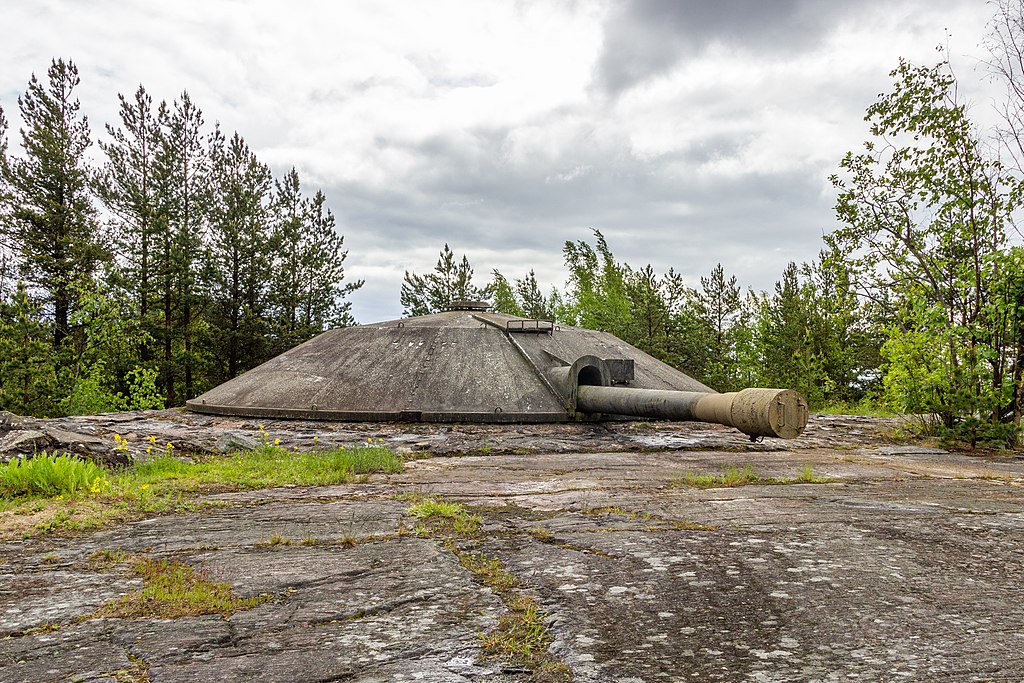
In certain cultures, decommissioned guns were transformed into art pieces or ceremonial objects. Sculptors and craftsmen used barrels, triggers, and stocks to create statues, religious artifacts, or symbolic displays. These adaptations repurposed weapons as statements of power, heritage, or peace. By converting instruments of violence into creative works, societies expressed both artistic skill and a desire to reconcile or memorialize historical conflict.
11. Launching Smoke Signals
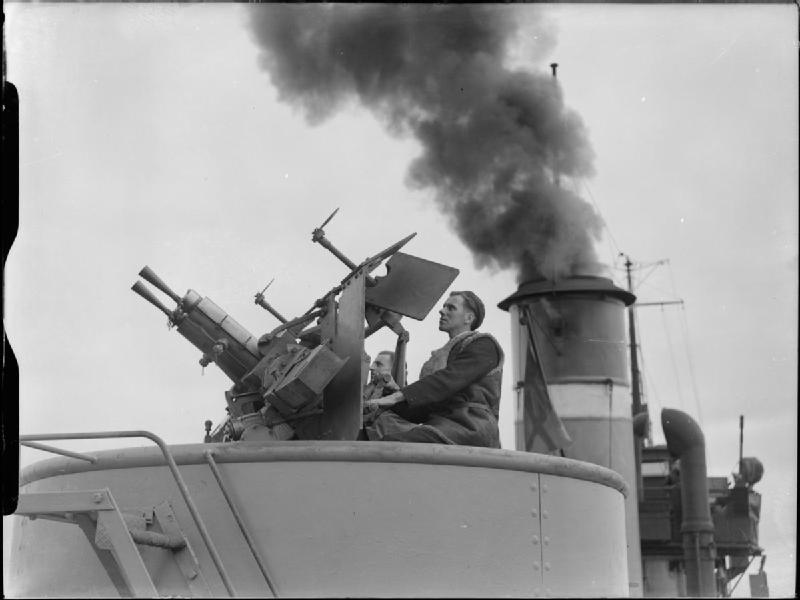
Before radios, armies and explorers sometimes used guns to generate smoke for signaling. Blank cartridges or low-grade powder could produce thick smoke visible over long distances. This method allowed communication across battlefields or wilderness areas, combining visual and auditory cues. It highlights the inventive ways firearms served as multipurpose signaling devices, extending their utility beyond shooting bullets to conveying critical messages.
12. Scientific Experiments
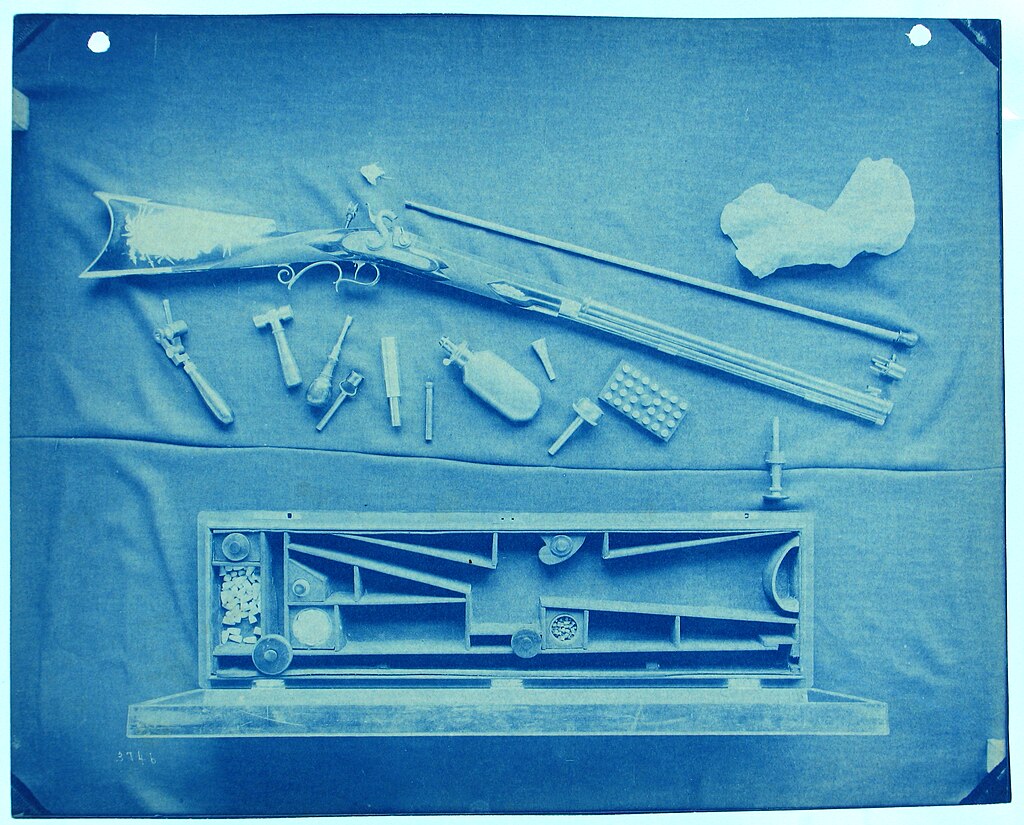
During the early development of physics and chemistry, guns were occasionally used in experiments involving pressure, combustion, and trajectory. Scientists fired bullets or cartridges to study motion, energy transfer, or explosive properties. Firearms provided controlled conditions for these studies, turning weapons into experimental tools. These uses demonstrate that, historically, guns contributed not only to defense but also to expanding scientific knowledge.
13. Emergency Animal Deterrent
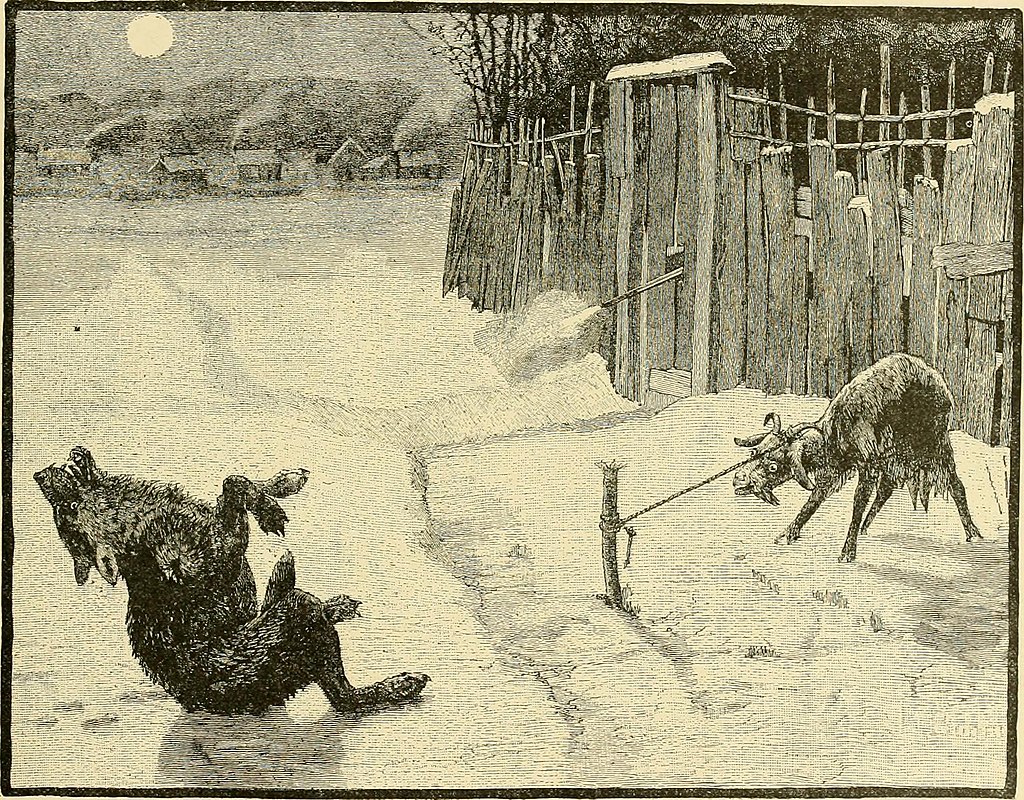
Farmers and herders in remote areas often used guns to protect livestock from predators. While standard hunting was common, firearms were sometimes fired into the air to scare wolves, coyotes, or bears away without harm. This non-lethal deterrent helped secure communities and animal herds, illustrating another practical, defensive application of firearms outside of warfare or hunting scenarios.
14. Propelling Torpedoes in Naval Warfare
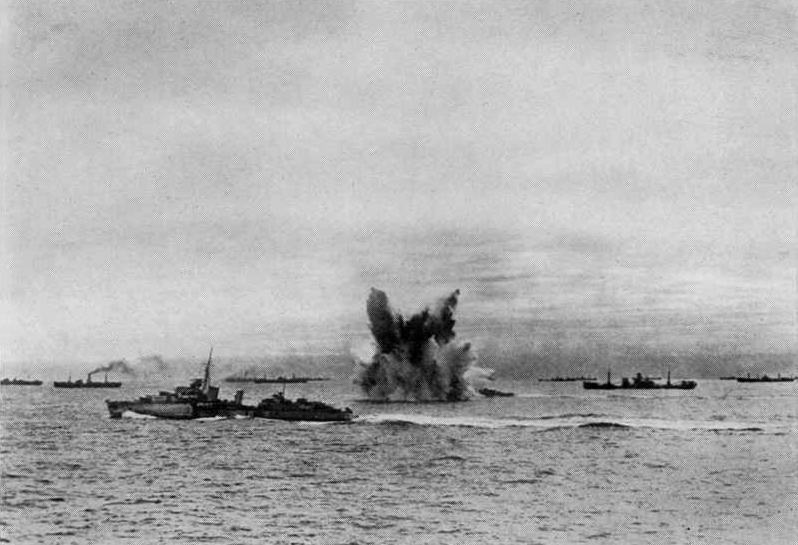
In the early 19th century, some naval engineers experimented with small firearms and cannons to launch rudimentary torpedoes or explosive devices into enemy ships. These efforts were precursors to modern guided weapons, using firearms as delivery systems rather than direct weapons themselves. This inventive adaptation underscores how guns have historically been modified to perform unexpected, highly specialized tasks.
15. Recreational Target Innovation
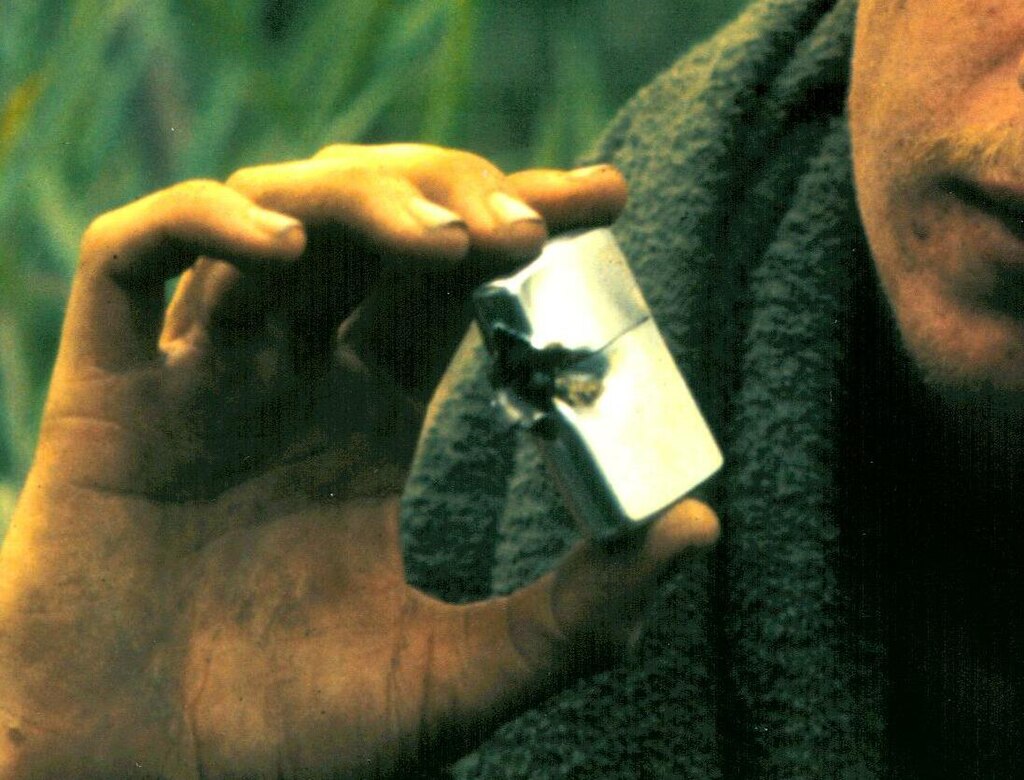
Beyond traditional shooting ranges, guns have been used in recreational innovations, including launching clay pigeons, balloons, or novelty targets. Early enthusiasts explored creative ways to test accuracy and reflexes, turning firearms into interactive entertainment tools. These recreational adaptations illustrate a lighter, imaginative side of gun history, where technology inspired games, challenges, and public displays of skill.