For years, many hunters avoided this topic in public. Now the conversation is out in the open, and it is changing fast.
Why suppressors are no longer a fringe hunting topic
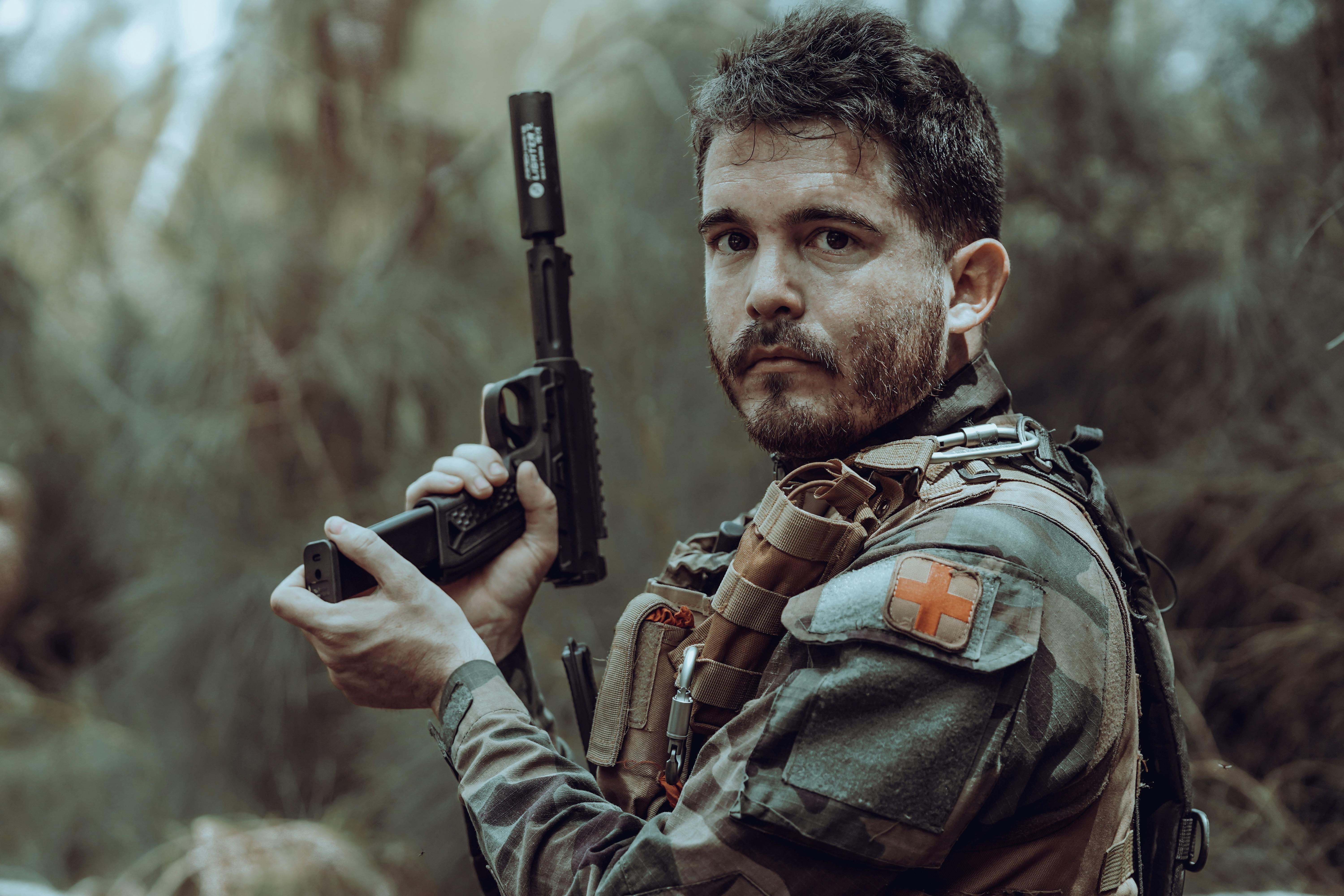
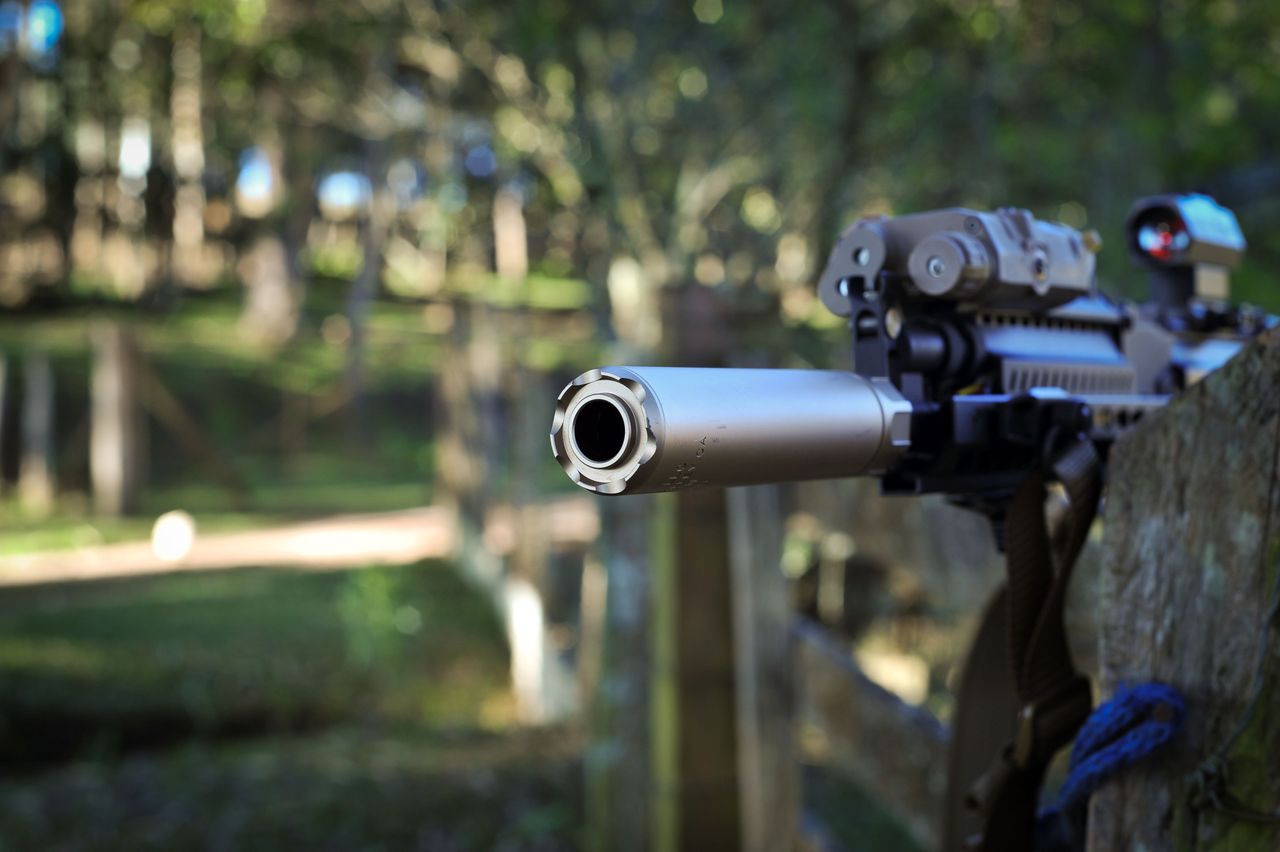
The old stereotype has been hard to shake: suppressors were long treated as gadgets for criminals, spies, or action movies, not practical tools for ordinary outdoorsmen. That image lingered even as firearm instructors, wildlife managers, and hearing specialists kept pointing out a simpler truth. A suppressor does not make a rifle silent. It reduces blast, often by roughly 20 to 35 decibels, depending on the cartridge, barrel length, and suppressor design, which can still leave a centerfire rifle very loud.
What changed is not just technology, but tone. In the last decade, more hunters started using suppressors for ordinary reasons like protecting their hearing, reducing flinch, and making communication easier in the field. As legal access expanded across many states, the idea stopped feeling exotic. It became a gear question, much like debating optics, bullets, or whether a compact tripod is worth carrying.
Manufacturers also played a role by building lighter, shorter models better suited to hunting than the long, heavy cans that once seemed made only for benches and precision rigs. Titanium models under 12 ounces, quick-detach mounts, and caliber-flexible designs made them practical for mountain rifles and blinds alike. That practicality pulled the debate away from fantasy and into real camp talk.
At hunting expos and conservation banquets, the language has shifted noticeably. People now ask whether a suppressor changes muzzle velocity, point of impact, or tracking after the shot. Those are not taboo questions. They are normal equipment questions, and that is exactly why the debate has become open.
The hearing protection argument is driving much of the change

If one issue has pushed suppressors into mainstream hunting discussion, it is hearing damage. Audiologists have warned for years that a single unprotected gunshot can harm hearing, especially from centerfire rifles with muzzle blasts that can exceed 160 decibels. Hunters know the reality too well: foam plugs are easy on the range, but far less convenient when calling elk, slipping through timber, or sitting alert for a buck at first light.
Suppressors do not eliminate the need for caution, but they can lower exposure enough to matter. A suppressed .308 may still be loud, yet substantially less punishing than an unsuppressed one. That difference is especially important for guides, dog handlers, youth hunters, and anyone firing from enclosed spaces like blinds, truck windows during legal culling operations, or near rock faces that reflect sound back hard.
There is also a quality-of-experience argument that hunters rarely made openly before. Reduced blast often means less flinch and better follow-through. It can help a new shooter focus on the animal, the reticle, and the trigger press instead of bracing for punishment. Instructors who work with teenagers and smaller-framed adults often say the confidence boost is immediate.
Even veteran hunters who pride themselves on toughness are reconsidering after years of tinnitus. The ringing at bedtime, the missed words at dinner, the need to turn up the television, those are not abstract risks. They are cumulative reminders that hearing is easier to lose than recover.
Ethics, shot placement, and what happens after the trigger breaks
One of the strongest pro-suppressor arguments in hunting is ethical rather than tactical. Better shooting conditions can support cleaner shots. When recoil impulse and muzzle blast feel more manageable, many hunters shoot more accurately, or at least more consistently, especially from field positions where every distraction counts.
That matters because hunting ethics are ultimately measured at the animal, not at the workbench. If a suppressor helps a hunter avoid jerking the trigger or losing the sight picture at the shot, it can improve the odds of immediate impact assessment. Seeing the hit, watching the animal’s reaction, and being able to communicate with a partner right away can all improve decision-making in the critical seconds after firing.
There is also the issue of spooking the surrounding game. In some hog control, predator management, and herd-cull settings, reduced reports can keep nearby animals calmer long enough for a safe and legal follow-up shot. That is not about spraying rounds. It is about efficient harvest in contexts where landowners, wildlife staff, and experienced marksmen are trying to solve a practical problem with minimal chaos.
Skeptics raise fair ethical questions, too. They worry suppressors could make hunters less considerate about where and when they shoot, particularly near homes or roads where sound normally signals activity. That concern deserves discussion. But it is a conduct issue, not a suppressor issue, in the same way bad driving is not caused by seat belts.
Why do some hunters still resist the idea?
Opposition inside hunting communities is not just ignorance or old movies, though those helped shape public perception. Some hunters simply dislike adding cost, weight, and complexity to a rifle they may carry all day. A suppressor can shift the balance, lengthen the gun, and require attention to thread compatibility, heat, cleaning schedules, and possible changes in point of impact.
There is also a cultural factor that matters more than many enthusiasts admit. For generations, the sharp crack of a rifle has been part of how people recognize hunting season, judge distance, and even locate a partner’s shot across a valley. In that sense, noise is not merely a byproduct. It is woven into memory, ritual, and identity, which makes any attempt to reduce it feel strangely disruptive.
Some resistance is strategic and political. Hunters worry that visible suppressor advocacy can backfire in suburban debates where many non-hunters already feel uneasy around firearms. They fear that promoting suppressors too aggressively gives opponents an easy opening to recycle “silent weapon” rhetoric, even though the claim is technically false. For those hunters, caution is less about the device itself and more about the broader image of the sport.
And then there is the plainspoken traditionalist view: if earlier generations hunted without suppressors, why complicate things now? That argument is emotionally powerful, even if it ignores how hunting has always evolved through better boots, better scopes, safer treestands, and more effective ammunition.
The law, the paperwork, and the reality of access
Any honest suppressor debate has to include the legal maze. In the United States, suppressors remain regulated under the National Firearms Act, which means federal paperwork, background checks, transfer rules, and tax requirements still shape who buys them and how quickly. Even when state law allows ownership and hunting use, the process can feel intimidating to first-time buyers.
That complexity has practical consequences. A hunter who can buy a rifle over the counter may still wait months for a suppressor transfer, depending on administrative conditions and filing method. Dealers report that electronic filing has improved parts of the process, but confusion remains common around trusts, interstate transport, inheritance, and which calibers make sense for a single purchase.
State-level rules have also changed the conversation. Over the past decade, more states legalized suppressor use for hunting game animals, reflecting a shift from suspicion to conditional acceptance. In many places, lawmakers were persuaded by hearing-protection arguments and by testimony from hunters, outfitters, and land managers rather than by tactical rhetoric. That matters because the political case landed best when framed as safety and stewardship.
Still, legal availability is not the same as social normalization. Plenty of hunters live in areas where suppressors are legal but uncommon, expensive, or viewed warily at camp. The result is a country where the same piece of equipment can be totally ordinary in one deer lease and deeply controversial in another.
What guides, landowners, and wildlife managers are saying

The most useful voices in this debate are often the least theatrical. Guides, ranch managers, and wildlife professionals tend to evaluate suppressors by outcomes: Are clients shooting better? Is communication easier? Are neighboring landowners less disturbed? Those questions cut through a lot of culture-war noise because they are grounded in daily field experience.
On large properties where hogs, coyotes, or overabundant deer are managed regularly, suppressors can be especially attractive. Land managers often value lower noise near livestock, homes, and public road corridors. A reduced report does not erase disturbance, but it can lower the acoustic footprint enough to avoid unnecessary complaints and keep operations safer and calmer.
Guides who work with novice hunters often mention another benefit: teaching in real time. If a young hunter or first-time adult can hear whispered instructions before and after the shot without removing hearing protection or suffering full blast, the whole experience becomes more controlled. That can improve not just success rates, but confidence and retention in the sport.
Wildlife agencies, meanwhile, usually approach the topic more cautiously. Their central concern is not whether suppressors are “cool” but whether they align with fair-chase principles, enforcement needs, and public trust. So far, in many places, the answer has increasingly been yes, provided the same standards of lawful, ethical hunting still apply.
Where the debate is likely headed next
The next phase of this conversation will probably be less emotional and more practical. As more suppressed rifles show up in deer camps, upland lodges, and western truck beds, the novelty will continue to wear off. Hunters will spend less time asking what a suppressor symbolizes and more time asking how much length they can tolerate on a 20-inch barrel or whether a .30 caliber can is worth sharing across multiple rifles.
That shift usually marks maturity in any gear debate. Once people move from ideology to use cases, they can discuss tradeoffs honestly. Suppressors are not magic. They add cost, they can be awkward in tight brush, and they do not remove the need for safe gun handling or sound judgment. But they also solve real problems that many hunters have quietly accepted for too long.
The healthiest outcome is not universal agreement. It is an informed hunting culture where people can discuss hearing loss, ethics, ballistics, public image, and law without pretending the issue is simple. That openness is new, and overdue.
In the end, suppressors are becoming a test of whether hunting communities can adapt without losing their core values. If the conversation stays grounded in safety, humane harvest, and honesty about tradeoffs, the debate will do more than change equipment choices. It will show that tradition and innovation do not always have to fight each other.