Wild turkey numbers are not moving in one simple direction, and that is exactly why hunting rules are getting more nuanced. In many states, biologists are seeing a mix of regional declines, local rebounds, and shifting nesting success that can no longer be managed with a one-size-fits-all season. This gallery breaks down the quiet population trends behind those changes and why hunters are increasingly seeing later openers, shorter windows, and more localized decisions.
Patchwork Populations Are Replacing Statewide Patterns

Many wildlife agencies are moving away from the idea that one turkey season can fit an entire state. In place of broad assumptions, biologists are seeing a patchwork map where one region holds steady, another slips, and a third shows signs of recovery.
That matters because statewide harvest totals can hide local trouble spots. A season that looks sustainable on paper may still put too much pressure on areas with weaker nesting success or lower adult survival.
As a result, more states are carving up regulations by zone, county, or management unit. It is a quieter shift than a headline-making closure, but it is changing how seasons are built from the ground up.
Poult Production Has Become The Metric Everyone Watches
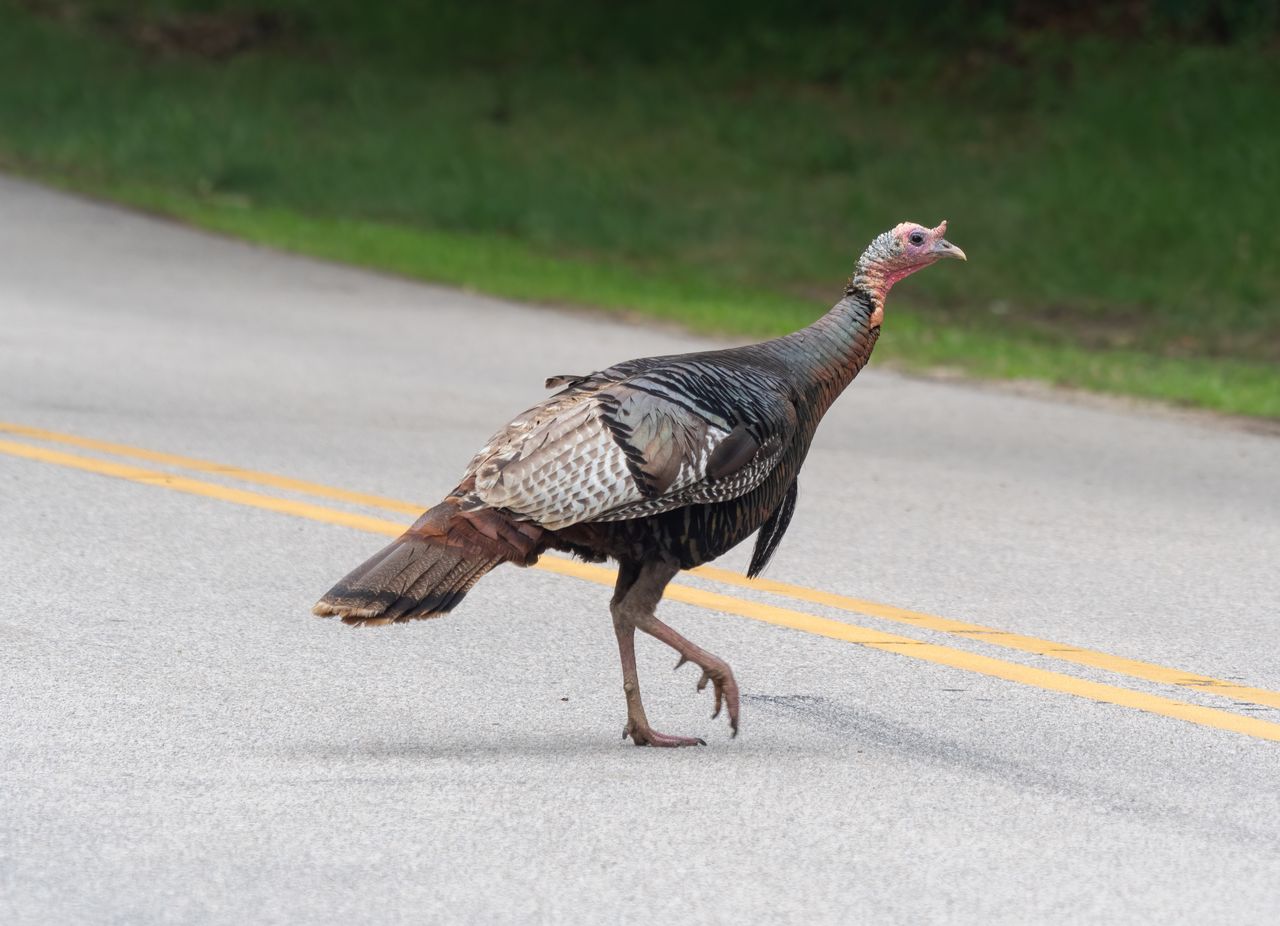
Ask biologists what keeps them up at night, and many point to poultry production. The number of young birds surviving into late summer has become one of the clearest signs of whether a turkey population is building, holding, or sliding backward.
Good brood years can soften the blow of poor adult survival, but weak poult recruitment over several seasons is harder to overcome. Even places with plenty of gobblers can run into trouble if too few young birds are entering the population.
That is why agencies pay such close attention to summer brood surveys and field reports. If poult numbers stay soft, spring hunting frameworks often get more cautious soon after.
Earlier Springs Are Complicating Nesting And Season Timing

Spring is arriving unevenly across the country, and wild turkeys are responding in ways that do not always line up with old calendar dates. Earlier green-up and shifting weather windows can influence breeding behavior, nest initiation, and how vulnerable hens are during the season.
In some areas, states worry that opening too early may increase disturbance during a sensitive part of breeding and nesting. That concern has helped drive later opening dates in places that once started sooner.
The goal is not simply to match gobbling activity. Agencies are trying to line up hunting opportunities with the broader reproductive cycle, which is proving trickier as spring patterns keep changing.
Hen Survival Is Getting More Attention Than Ever

Gobblers tend to get the spotlight, but hens are where population momentum really lives. When more hens survive through winter and nesting season, turkey numbers have a much better chance of stabilizing or improving even after a rough stretch.
That is one reason agencies are increasingly cautious about season structures that could add stress during breeding or nesting. The issue is not usually direct harvest of hens in spring, but disturbance, nest abandonment, and the cumulative effect of poor conditions.
Where hen survival looks shaky, states may shorten seasons, reduce bag limits, or delay opening day. Those moves can feel subtle, yet they reflect a major shift in management priorities.
Habitat Quality Now Matters As Much As Raw Bird Counts

A landscape can hold turkeys and still fail to support long-term growth. Biologists are looking beyond simple sightings and harvest reports to ask whether birds have the brood cover, nesting structure, and insect-rich openings they need to raise young successfully.
That change in focus helps explain why some states are less encouraged by decent adult numbers than people might expect. A healthy-looking flock today does not guarantee healthy recruitment tomorrow if habitat is thinning out or becoming too fragmented.
Season setting is increasingly tied to those habitat realities. When the land cannot consistently produce strong broods, agencies often respond with more conservative hunting frameworks while habitat work catches up.
Predation And Weather Are Hitting Recruitment At The Same Time
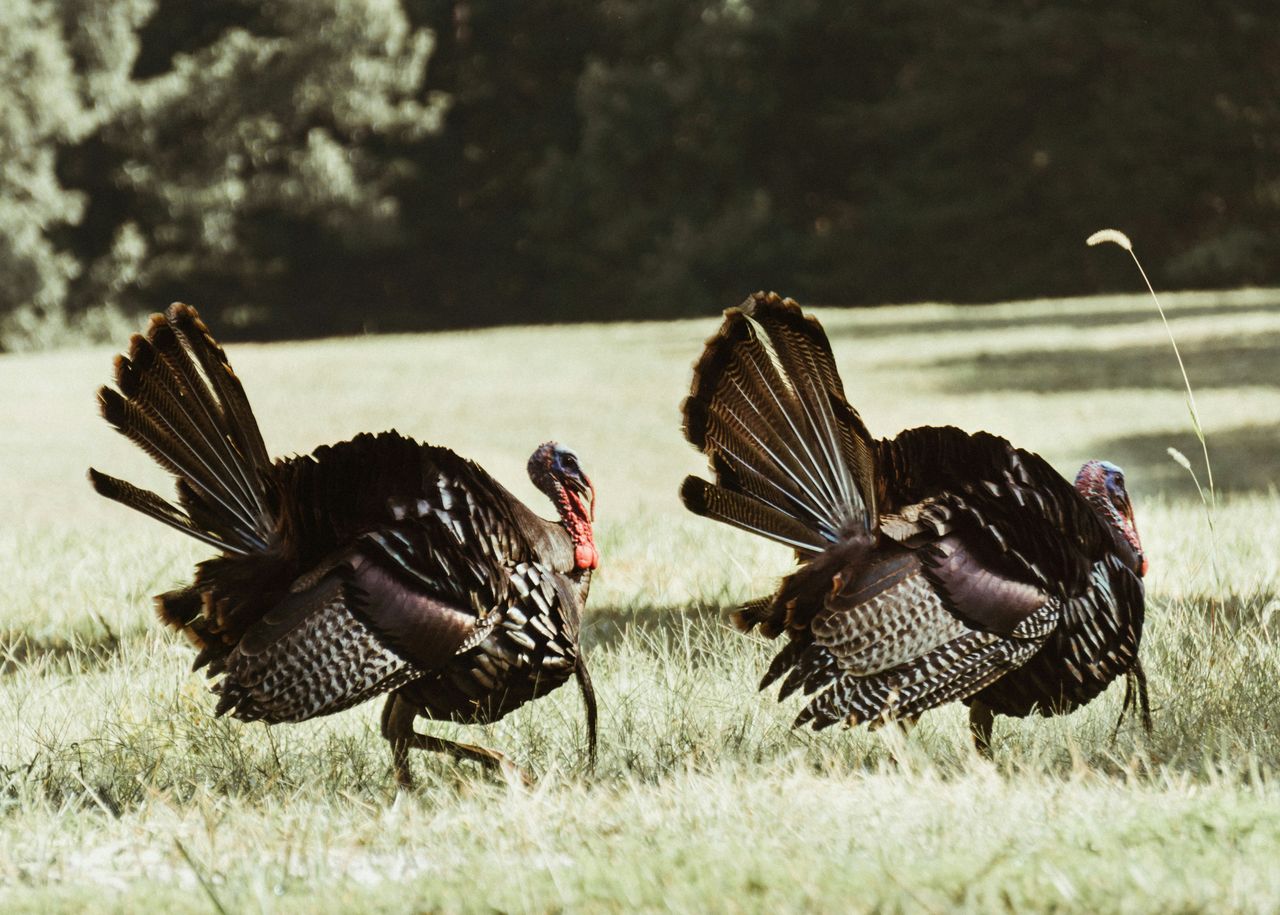
Turkey declines rarely come from a single cause, and that is especially true with recruitment. In many places, biologists see nest predation, poult predation, and extreme weather stacking together in ways that make recovery slower and less predictable.
A cold, wet hatch can crush insect availability and weaken young birds just as predators are already taking a toll. One bad year is manageable, but repeated years of poor recruitment can push agencies toward shorter seasons or lower harvest pressure.
This is also why managers sound careful rather than dramatic. They are often reacting to cumulative stress, not one obvious crash, and that makes season changes feel gradual even when the concern is real.
Harvest Data Is Being Read More Carefully Than Before
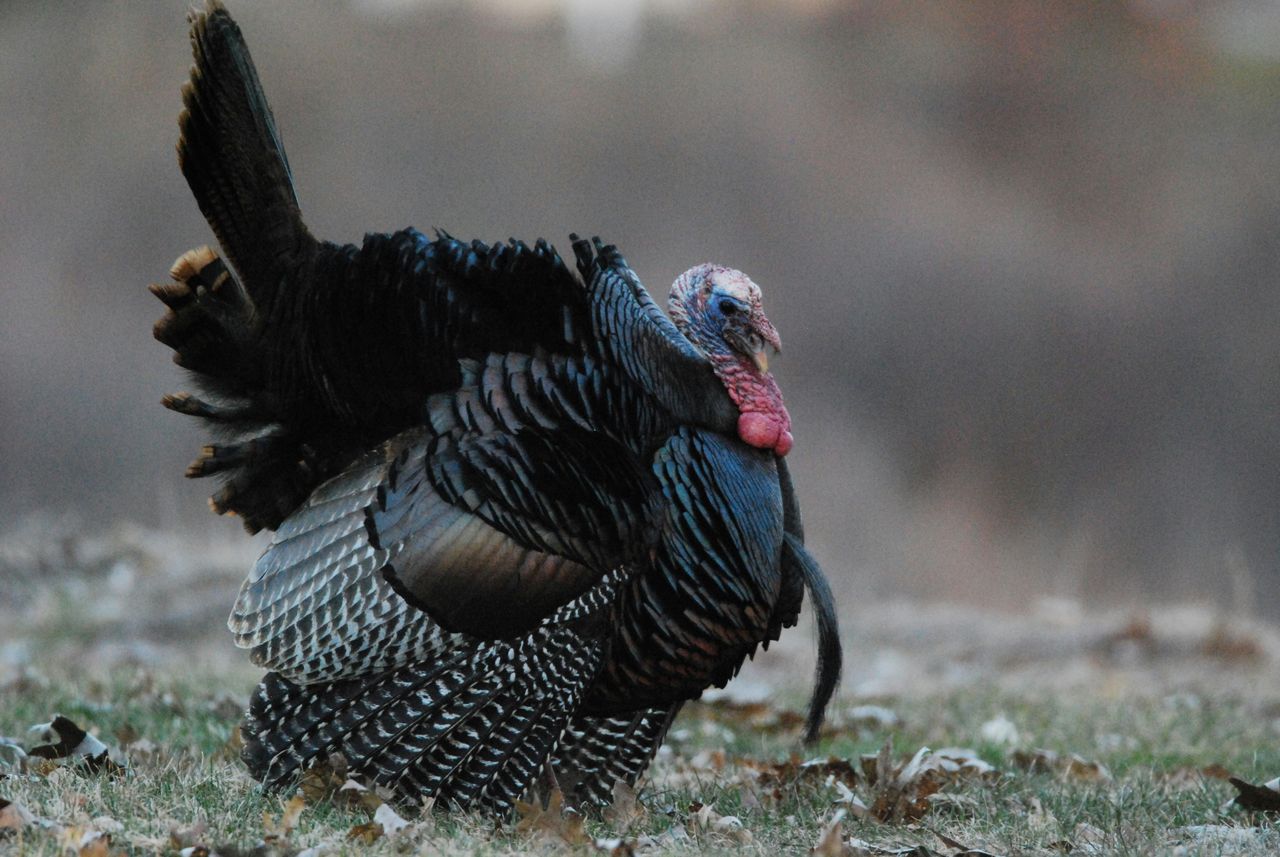
A big harvest number used to sound like simple good news, but today agencies are digging deeper into what those totals actually mean. More harvest can reflect strong bird numbers, yet it can also come from improved access, concentrated effort, or weather that makes hunting unusually productive.
That is why managers now compare harvest with age structure, brood survey results, hunter effort, and regional trends. A stable statewide harvest may hide a thinning supply of jakes or lower reproduction in key parts of the map.
The result is a more cautious interpretation of success. States are less likely to let one strong season outweigh several quieter signals pointing to a population under strain.
Localized Rules Are Becoming The Future Of Turkey Management

The biggest quiet trend may be where all of this is leading. Instead of relying on one statewide opener, one bag limit, and one expectation for every hunter, agencies are increasingly building turkey seasons around local conditions and measurable population signals.
That can mean later opening dates in one region, reduced opportunity in another, and stable rules where birds are holding up well. For hunters, it asks for more attention to the why behind regulations, not just the dates on a calendar.
For wildlife agencies, it is a sign of a maturing strategy. Turkey’s management is becoming more adaptive, more data-driven, and more willing to reflect the complicated reality on the ground.