
Duty pistols live or die by trust, and experienced shooters tend to be tough critics. The Springfield Echelon has earned attention because it does more than check spec-sheet boxes; it addresses the practical details people notice on the range and in hard use. From its optics system to its modular chassis, here are the qualities that make many shooters view it as a genuine challenger in the duty handgun market.
A modular chassis built for flexibility
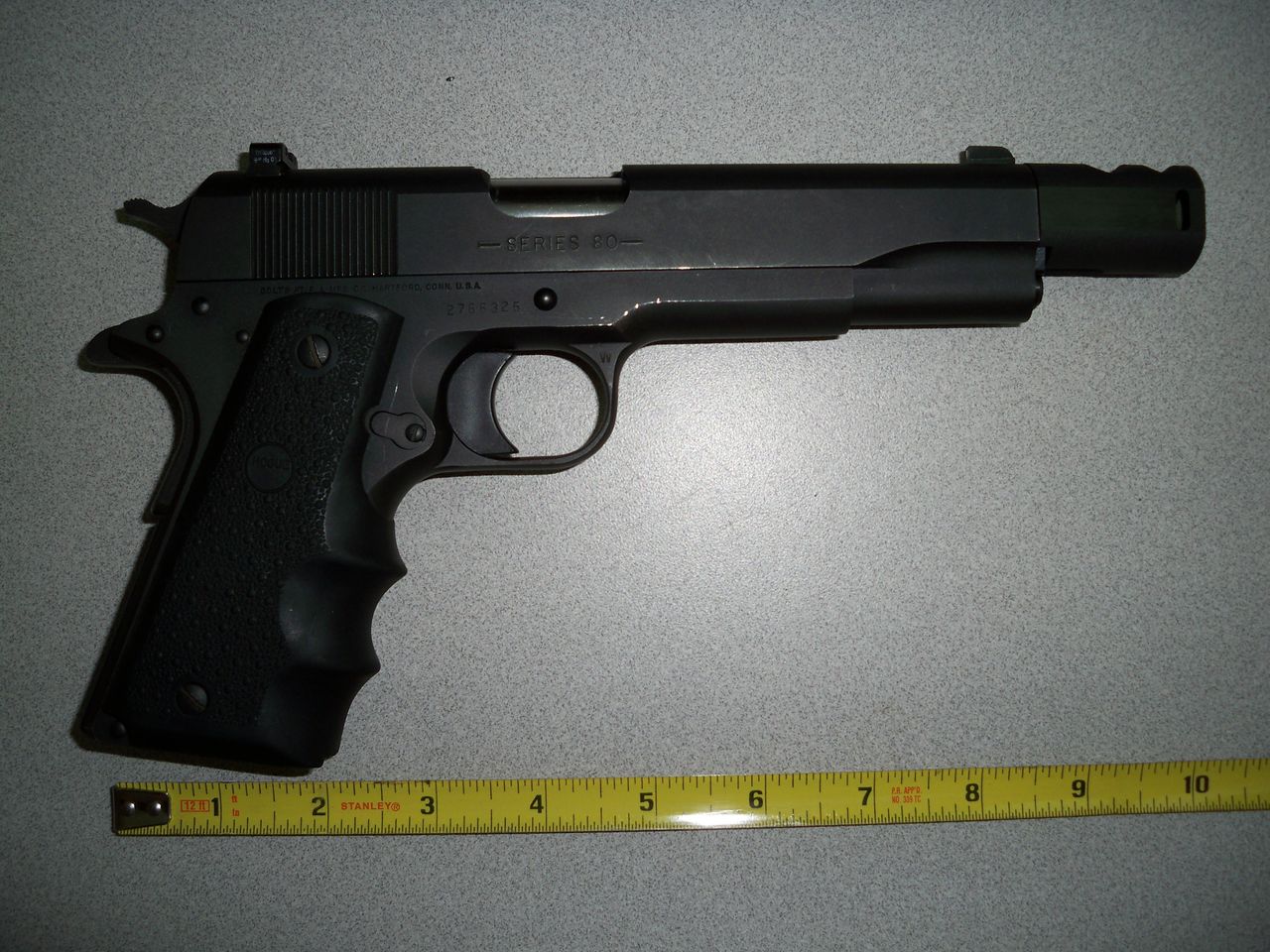
One of the biggest talking points is the Echelon’s central operating group, which gives the pistol a truly modular foundation. Experienced shooters like the fact that the serialized component is not locked forever into one grip frame, because it opens the door to different sizes and configurations without replacing the entire gun.
That matters in the duty market, where agencies and individual officers often need fit options. A pistol that can adapt to different hand sizes and future accessories feels more practical over the long run. Shooters see that kind of flexibility as a sign Springfield was thinking beyond a single launch model.
An optics mounting system that feels future-ready
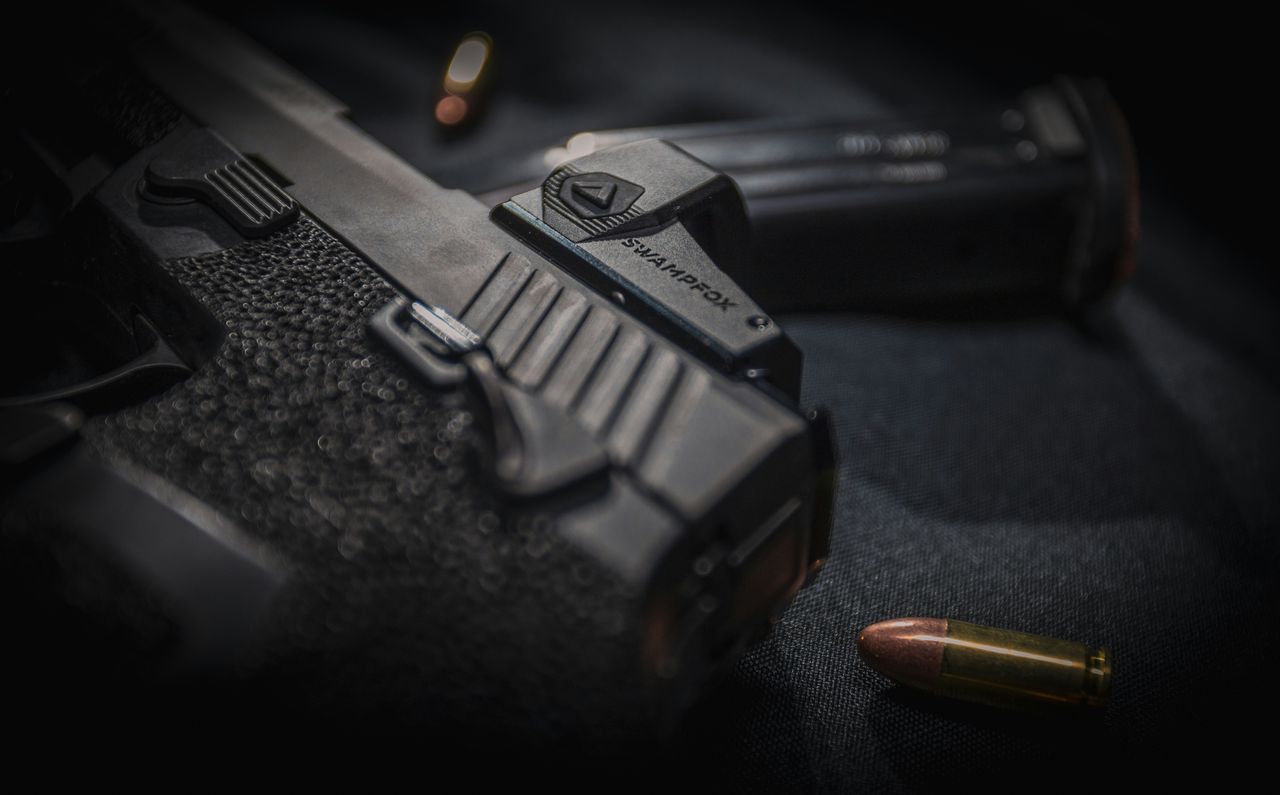
The Echelon’s optics setup gets praise because it was designed to mount a wide range of red dots without the awkward stack of adapter plates many shooters dislike. For people who run pistol optics seriously, that is not a small convenience. It can mean a lower mounting position, fewer parts, and a cleaner overall setup.
Experienced shooters often judge a pistol by how well it handles current trends, and slide-mounted optics are no longer a niche feature. The Echelon looks competitive because Springfield treated optics compatibility like a core design priority instead of an afterthought added to chase the market.
Grip texture that balances control and comfort

A duty pistol has to stay planted during fast strings, but it also has to be livable over long training days and daily carry. Shooters have pointed out that the Echelon’s grip texture walks that line well. It offers enough bite to inspire confidence without feeling like sandpaper every time the gun shifts against skin or uniform fabric.
That balance matters more than many casual buyers realize. A grip that is too slick can slow recovery, while one that is too aggressive can become irritating over time. The Echelon earns respect because it feels tuned for real use, not just a dramatic first impression at the gun counter.
Ergonomics that fit a wide range of shooters

Seasoned shooters tend to notice immediately when a pistol points naturally, and many say the Echelon scores well here. The shape of the grip, the contouring around the frame, and the overall feel in the hand help it come across as intuitive rather than awkward. That is a major plus for a gun meant for serious work.
Good ergonomics are not just about comfort. They can influence draw consistency, recoil management, and how quickly the sights settle back into view. In a crowded field of polymer duty pistols, the Echelon stands out because it seems designed to fit people, not force people to adapt around the gun.
A trigger that feels duty-ready, not mushy

No one expects a duty pistol trigger to feel like a hand-tuned competition setup, but shooters still want something predictable and clean. The Echelon has drawn favorable comments for offering a trigger that feels more refined than many stock striker-fired options. It is the kind of characteristic that experienced users appreciate every time they press through a deliberate shot.
What really matters is consistency. A trigger with a clear break and manageable reset can help shooters stay faster and more confident without sacrificing the practical margin expected in a defensive handgun. That makes the Echelon feel more polished than some rivals in the same class.
Serrations and controls designed for real handling

Small handling details often separate a decent pistol from one people trust under pressure. On the Echelon, shooters have highlighted the slide serrations, control layout, and overall manipulation as genuine strengths. Those features may sound minor on paper, but they become very important when hands are sweaty, gloves are involved, or time matters.
A well-designed duty gun should be easy to rack, easy to check, and easy to run without awkward shifts in grip. The Echelon’s controls seem to reflect that mindset. Experienced shooters notice when a pistol feels cooperative instead of fussy, and that is one reason this model keeps getting serious attention.
Capacity and size that hit the modern sweet spot
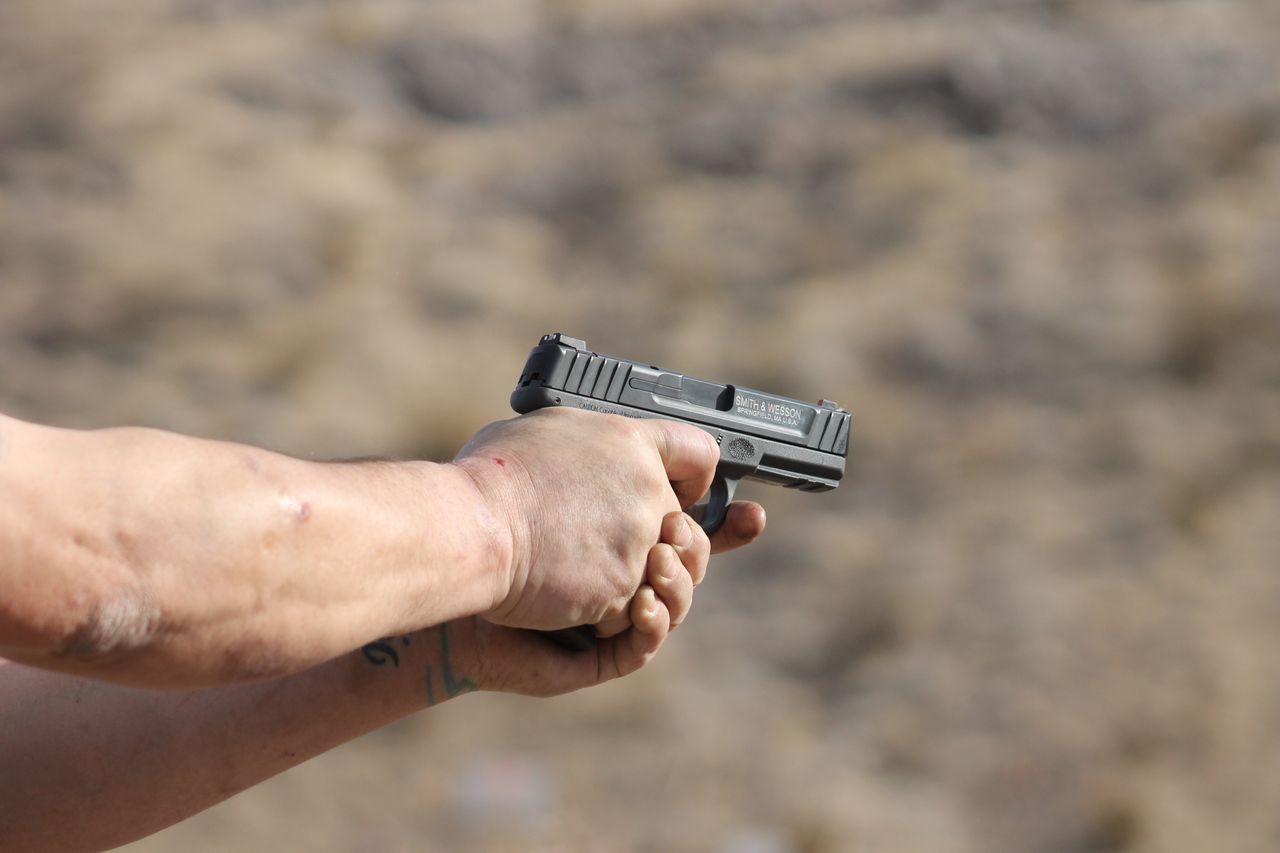
In today’s market, a duty pistol has to offer meaningful capacity without becoming a brick on the belt. The Echelon lands in a space many shooters consider ideal, providing a full-size fighting pistol feel with magazine capacity that meets current expectations. It does not seem undergunned, and it does not feel like Springfield compromised just to make a spec-sheet headline.
That balance helps explain the pistol’s appeal. Agencies, armed professionals, and civilian shooters alike tend to want one handgun that can cover training, defense, and range use effectively. The Echelon looks competitive because it embraces that all-around role instead of leaning too far toward one niche.
Reliability expectations backed by hard-use thinking
Experienced shooters are usually skeptical of hype, especially when a pistol is marketed as duty-ready from day one. What has helped the Echelon is the sense that its design choices were made with reliability in mind, not just styling. The straightforward striker-fired layout, robust construction, and practical feature set all contribute to that impression.
In the duty market, reliability is not a bonus feature. It is the entry fee. Shooters talk about this pistol as a threat to established names because it appears built to survive classes, qualification cycles, and steady repetition without needing special treatment to keep performing well.
It feels like Springfield built it to compete seriously.
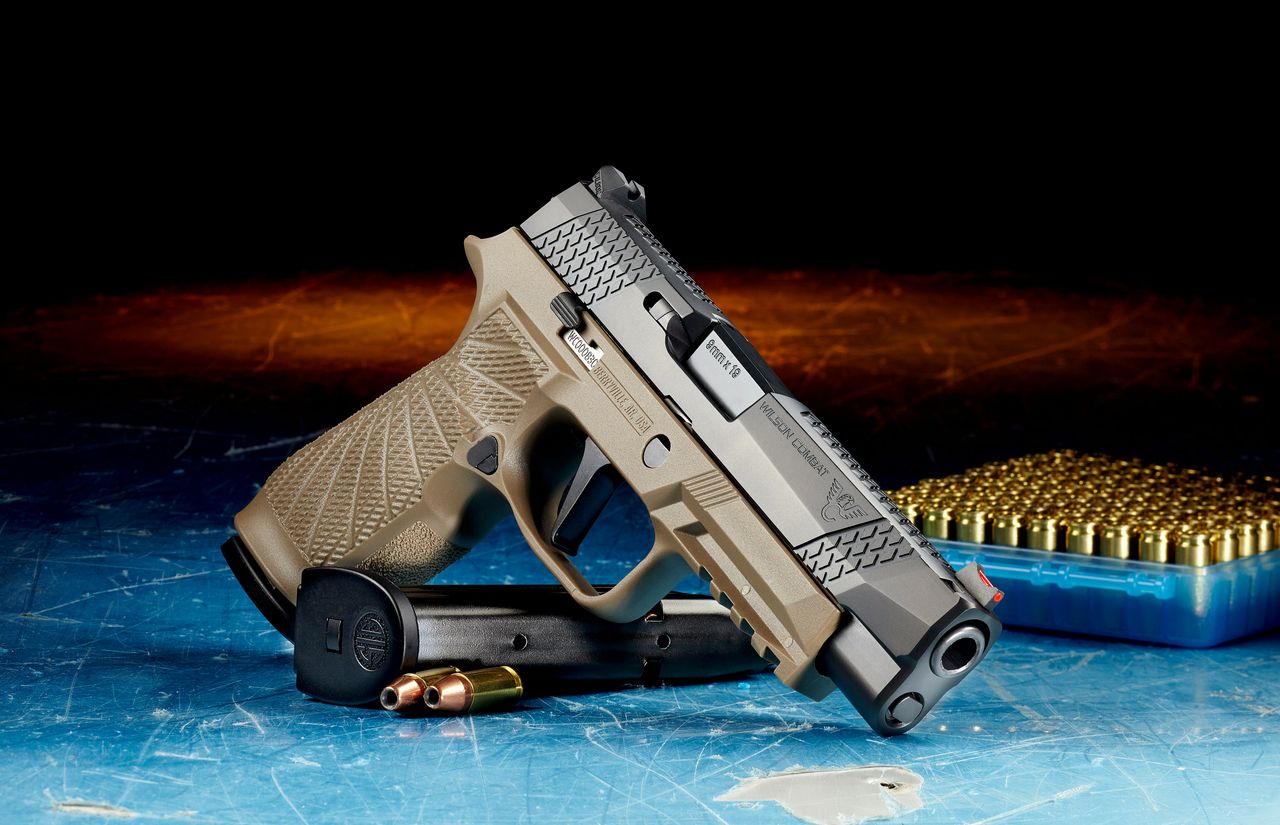
Perhaps the most important thing experienced shooters say about the Echelon is that it does not feel like a token entry. It feels like Springfield studied what the modern duty pistol market demands and answered with a platform meant to stay relevant. That overall impression matters because shooters can usually tell when a handgun was designed with commitment instead of convenience.
Taken together, the Echelon’s features create more than a list of selling points. They suggest a deliberate attempt to challenge entrenched favorites on performance, adaptability, and user appeal. That is why many shooters are not just curious about it. They see it as a legitimate market threat.