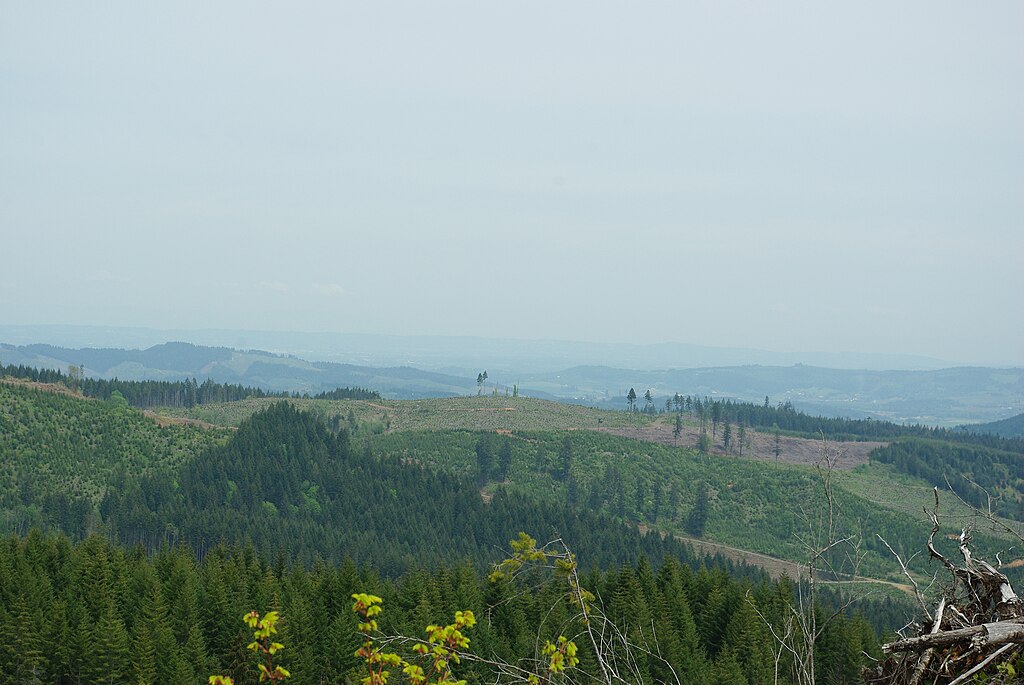
Oregon’s Coast Range is a landscape shaped by constant rainfall, misty mornings, and dense evergreen forests that stay damp through most of the year. These conditions create a natural training ground for outdoor skills that develop faster in wet, unpredictable terrain. From navigating slippery slopes to understanding how moisture changes plant life, the region pushes you to adapt quickly. The following eight skills stand out as those most sharpened by time spent in these lush, rain-soaked forests.
1. Moving Safely on Slippery Ground
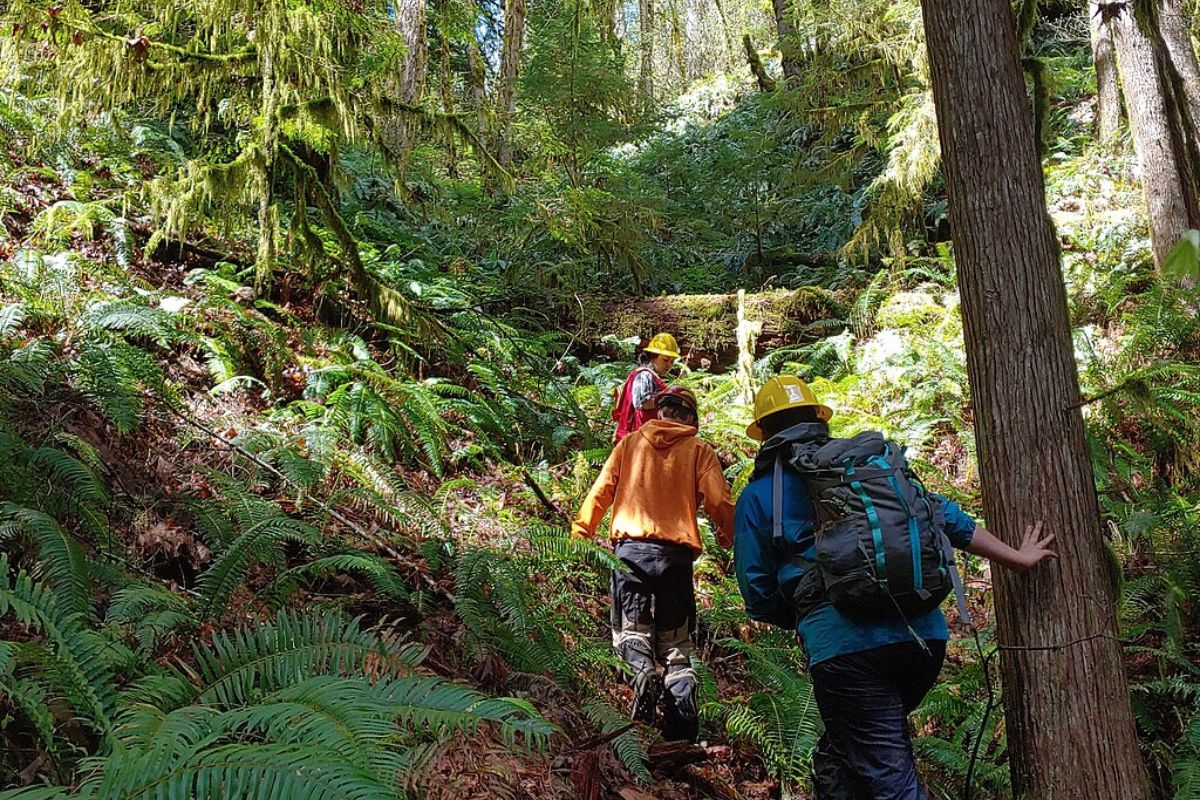
The Coast Range teaches you how to handle slick surfaces better than almost anywhere else. Constant rain leaves mossy logs, wet roots, and muddy inclines that require careful foot placement and steady balance. Hikers learn to slow down, test their steps, and shift their weight with control. These conditions help build awareness, making you more confident in environments where every surface has a layer of moisture waiting to challenge your stability.
2. Navigating Through Dense, Moist Forest Cover
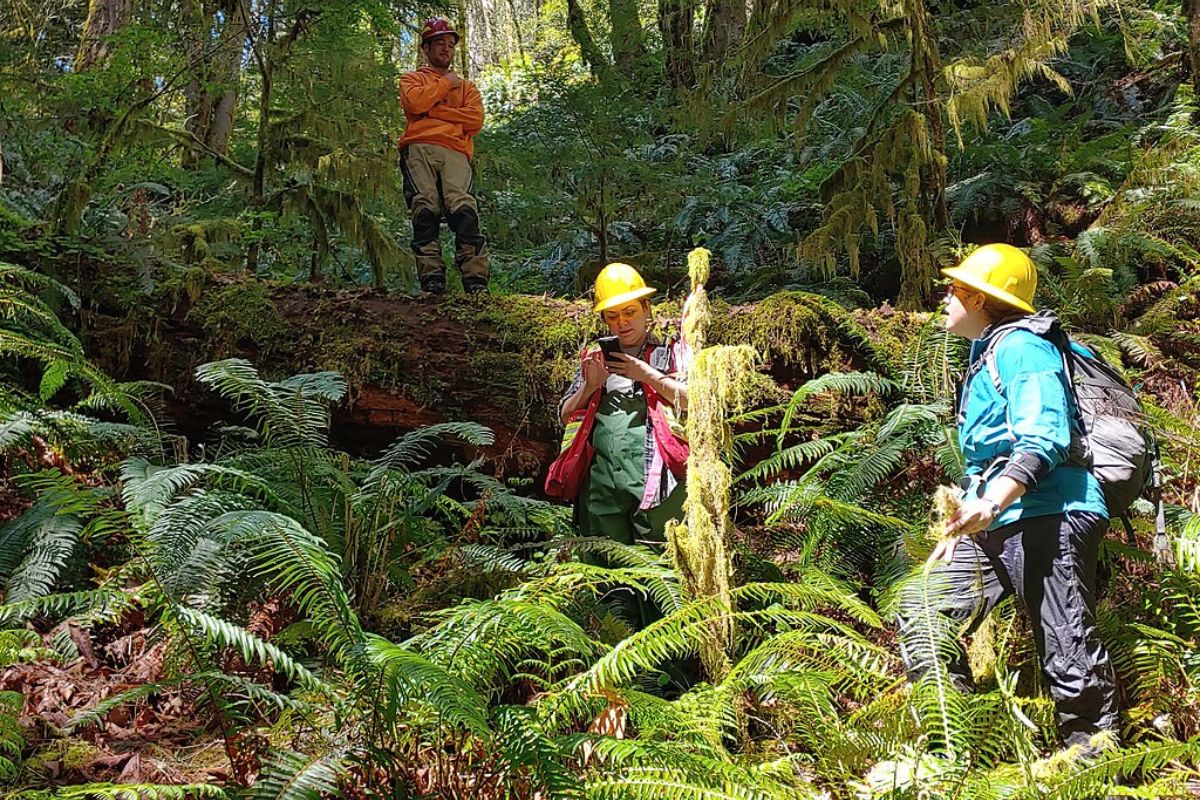
The thick vegetation and frequent fog of the Coast Range sharpen your navigation skills by limiting clear sightlines. Trails can feel enclosed, with tall ferns, berry bushes, and uneven ground influencing your sense of direction. Travelers learn to rely on subtle markers like tree patterns, stream sounds, and terrain contours. The experience encourages more attentive map reading and improves your ability to stay oriented in forests where visibility shifts constantly.
3. Managing Gear in Constant Dampness
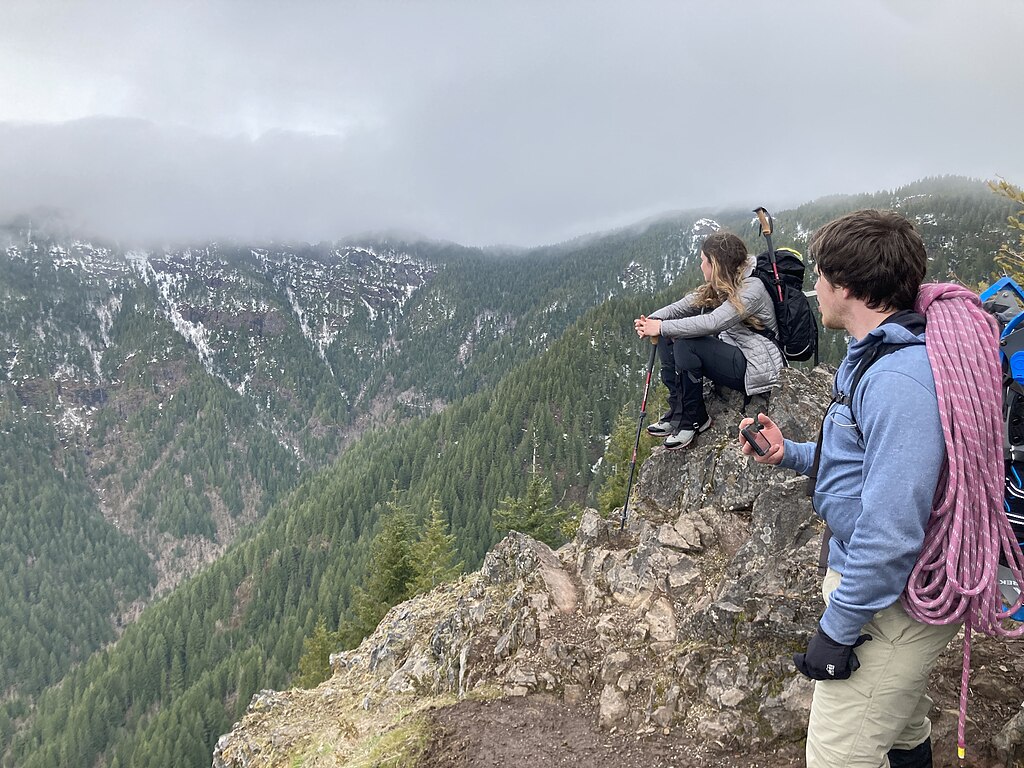
Wet forests demand careful attention to how gear reacts to moisture. You quickly learn which fabrics dry fast, how to protect equipment in sudden rain, and how to maintain layers without trapping cold air. The Coast Range teaches you the importance of waterproof bags, proper ventilation, and keeping essentials accessible. These lessons build habits that become valuable in any environment where staying dry and comfortable makes the difference between a smooth outing and a miserable one.
4. Recognizing Weather Shifts in Real Time
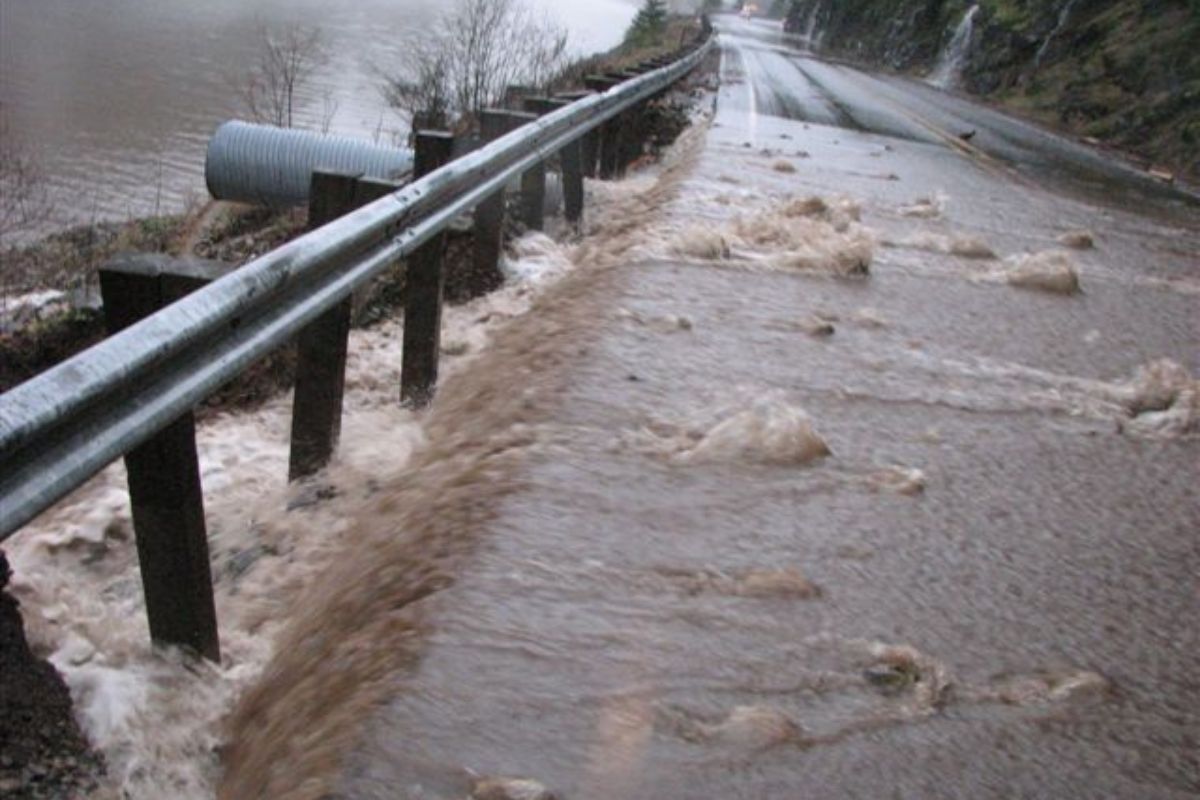
Frequent rain showers and rapidly changing skies train you to read weather cues more effectively. In Oregon’s coast forests, a calm morning can shift to heavy drizzle within minutes, making awareness essential. Subtle changes in wind, cloud movement, and forest sounds help you anticipate what’s coming. Over time, you become more skilled at planning breaks, adjusting routes, and layering clothing based on how the environment feels moment to moment.
5. Building Efficient Wet-Condition Fire Skills
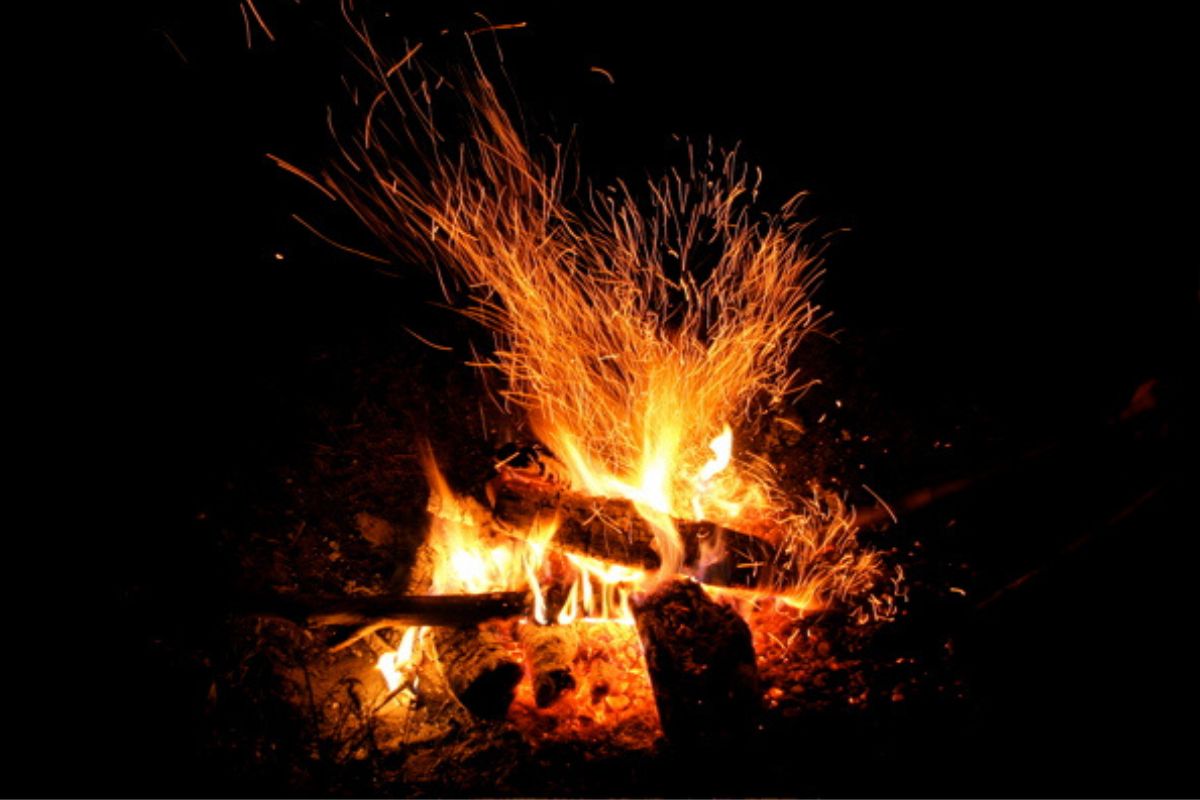
The Coast Range challenges you to start fires even when everything around you feels soaked. You learn how to find dry tinder beneath logs, use bark to shield flames, and create a structure that builds heat quickly. The effort teaches patience and smart resource use, encouraging you to think creatively in conditions where sparks struggle to catch. Mastering fire here prepares you for any environment where moisture seems to work against you.
6. Reading Animal Signs on Damp Forest Floors
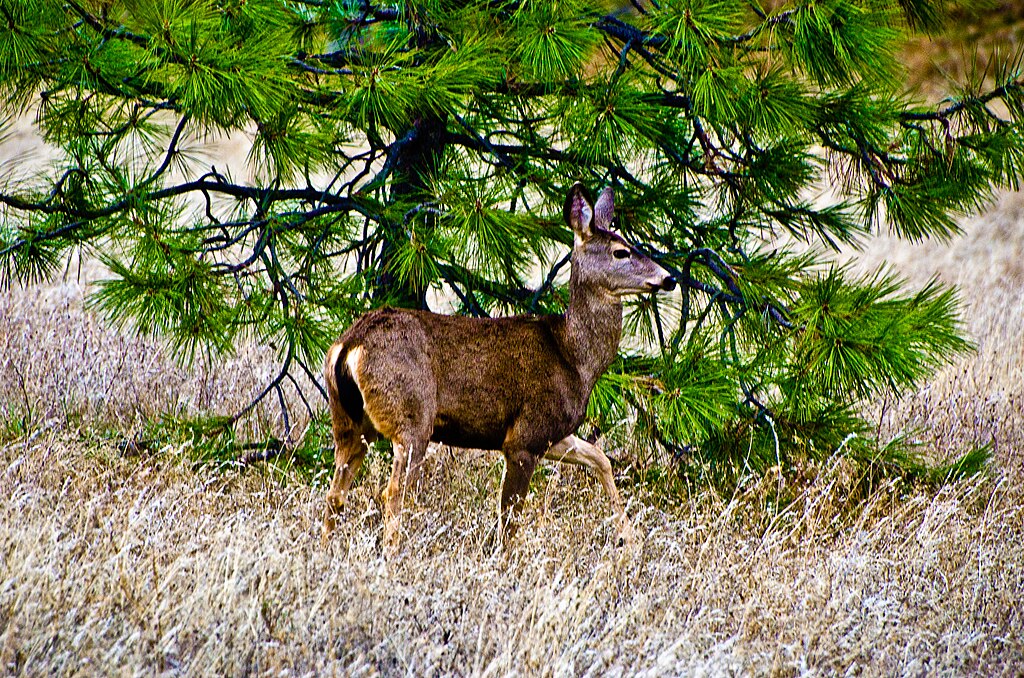
Wet ground and soft soil make wildlife tracks easier to spot and interpret. Oregon’s forests are filled with signs left by deer, elk, raccoons, and other animals that move through the undergrowth. Moisture preserves footprints, scat, and feeding marks, helping you understand animal behavior and travel patterns. Over time, you learn to read subtle differences in track depth, direction, and spacing, developing sharper observation skills in quiet woodland settings.
7. Maintaining Steady Pace in Humid, Cool Conditions
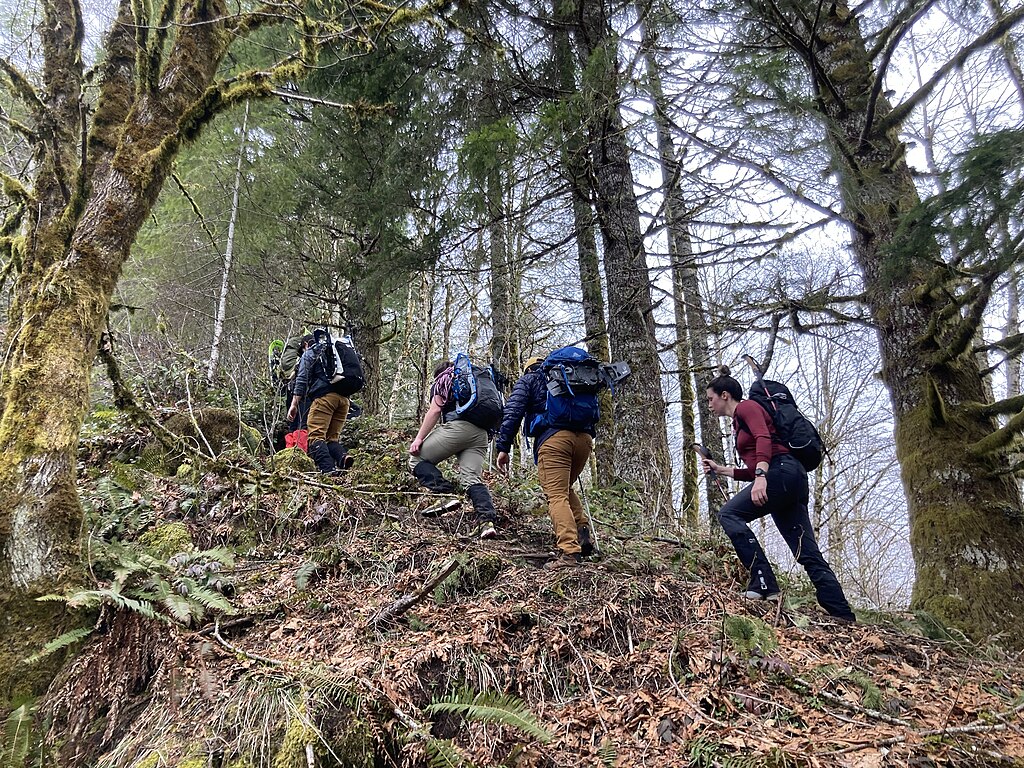
The Coast Range teaches you to manage energy in environments where humidity and cool air affect your breathing and warmth. Long hikes in damp conditions help you find a balanced rhythm that prevents overheating while also keeping you from getting too chilled. You learn to regulate your body temperature through better pacing, smart layering, and steady hydration. These habits translate well to any cool-weather wilderness experience.
8. Identifying Moisture-Loving Plants and Forest Clues
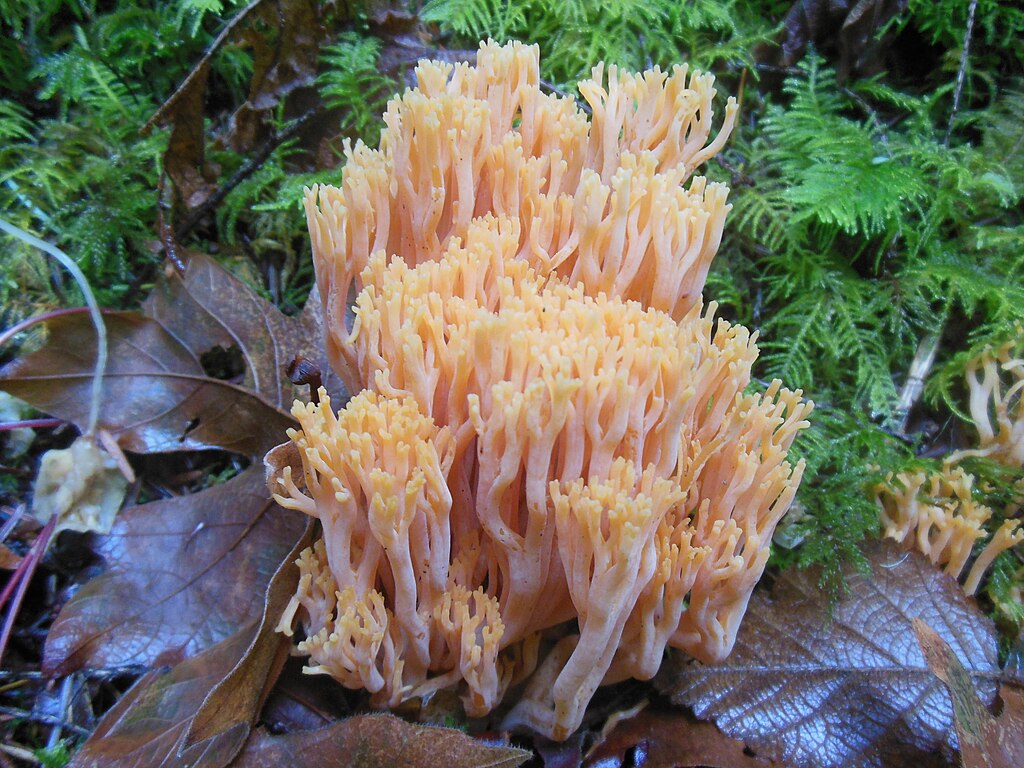
The region’s lush ecosystem is full of plants that thrive in constant moisture, giving you hands-on experience with ferns, mosses, mushrooms, lichens, and broadleaf shrubs. The damp forest floor helps you recognize how moisture shapes growth patterns and soil conditions. Over time, you become better at reading the environment through subtle plant changes, helping you understand where trails may be muddy, where water collects, and how the terrain naturally shifts with the seasons.