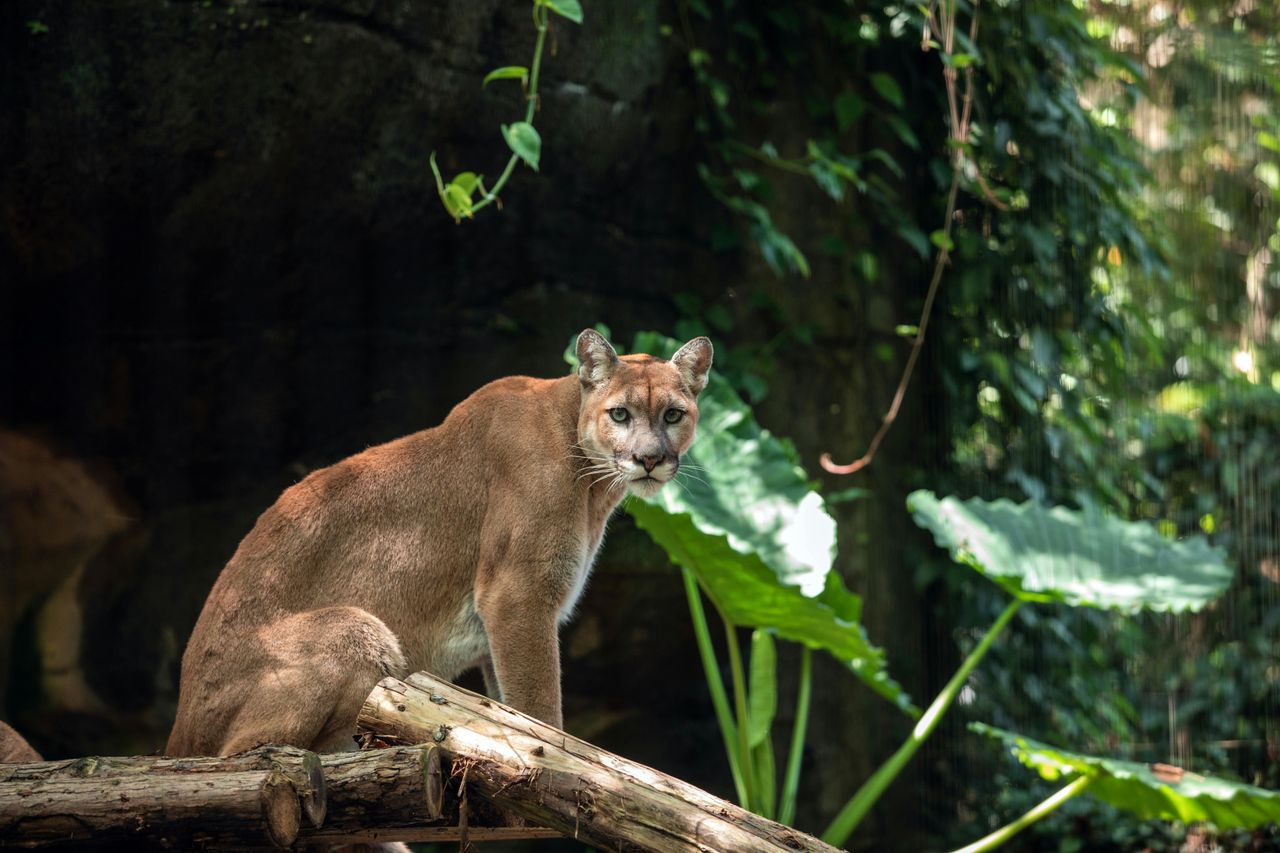
More campers are swapping casual wildlife stories for sharper awareness as mountain lion sightings rise in parts of the U.S. While these elusive cats still avoid people most of the time, expanded ranges, more trail use, and better reporting are putting them back in the conversation. Here are seven states where sightings are drawing notice and changing how some outdoor travelers prepare.
Colorado

Colorado has long been mountain lion country, but more campers are hearing about sightings closer to popular recreation areas, not just deep wilderness. With growing trail traffic along the Front Range and in mountain towns, encounters are becoming more visible even when the cats are simply passing through.
State wildlife officials regularly remind visitors that lions are adaptable and often move near deer rich habitats, which can overlap with campgrounds, trailheads, and cabin areas. For campers, that means keeping food secured, watching pets closely, and staying alert at dawn and dusk.
The takeaway is not panic. It is awareness in a state where wild spaces and weekend adventure culture sit side by side.
California

In California, mountain lion sightings have become a familiar part of the outdoor conversation from coastal canyons to inland parks. Campers in parts of Southern California and the Sierra foothills are especially tuned in, as development pushes closer to habitat the cats have used for generations.
Wildlife experts often note that sightings do not always mean populations are exploding. In many cases, more people are simply sharing space with animals that were already there. Still, for families camping near brushy terrain, the idea of a stealth predator nearby changes the mood.
That is why many regular campers now double check pet leashes, avoid solo walks after dark, and pay more attention to posted wildlife advisories.
Washington

Washington has seen periodic clusters of mountain lion reports that get the attention of hikers and campers fast. In a state where thick forest meets active recreation, a brief sighting on a trail or near a campground can spread quickly through park alerts and local social media.
The landscape gives these cats plenty of cover, especially on the west side where visibility can shrink in dense woods. Campers heading into more remote areas are increasingly mindful of making noise, keeping children close, and scanning surroundings rather than assuming a quiet trail is an empty one.
Even so, wildlife managers stress that mountain lions are elusive. The goal is respect for the setting, not fear of every rustle in the brush.
Oregon

Oregon campers are no strangers to wildlife, but mountain lion sightings have added a new edge to routine trip planning in some regions. Reports from forested recreation areas and foothill communities have made the species feel less distant, especially for people who camp with dogs or small children.
Oregon’s varied terrain helps lions move quietly between cover, water, and prey zones. That can place them surprisingly close to dispersed campsites, trail systems, and quiet roads used by weekend travelers. Many sightings are fleeting, yet they leave a lasting impression because the animal is so rarely seen clearly.
For campers, simple habits matter more than ever. Clean camps, supervised pets, and calm responses are becoming part of the standard backcountry mindset.
Utah

Utah’s mix of red rock country, mountain forests, and expanding recreation has created more opportunities for mountain lion sightings to be noticed. Campers exploring canyon country or higher elevation campgrounds may not expect a big cat nearby, but lions are remarkably comfortable moving through varied terrain.
Wildlife officials in Utah have long emphasized that deer activity often brings predators into the same zones people use for camping and hiking. A lion may never approach a campsite, yet tracks, brief sightings, or local advisories are enough to make visitors rethink nighttime walks.
That awareness is changing behavior in practical ways. Campers are more likely to store gear neatly, travel in groups, and keep a closer eye on the edges of camp after sunset.
Arizona
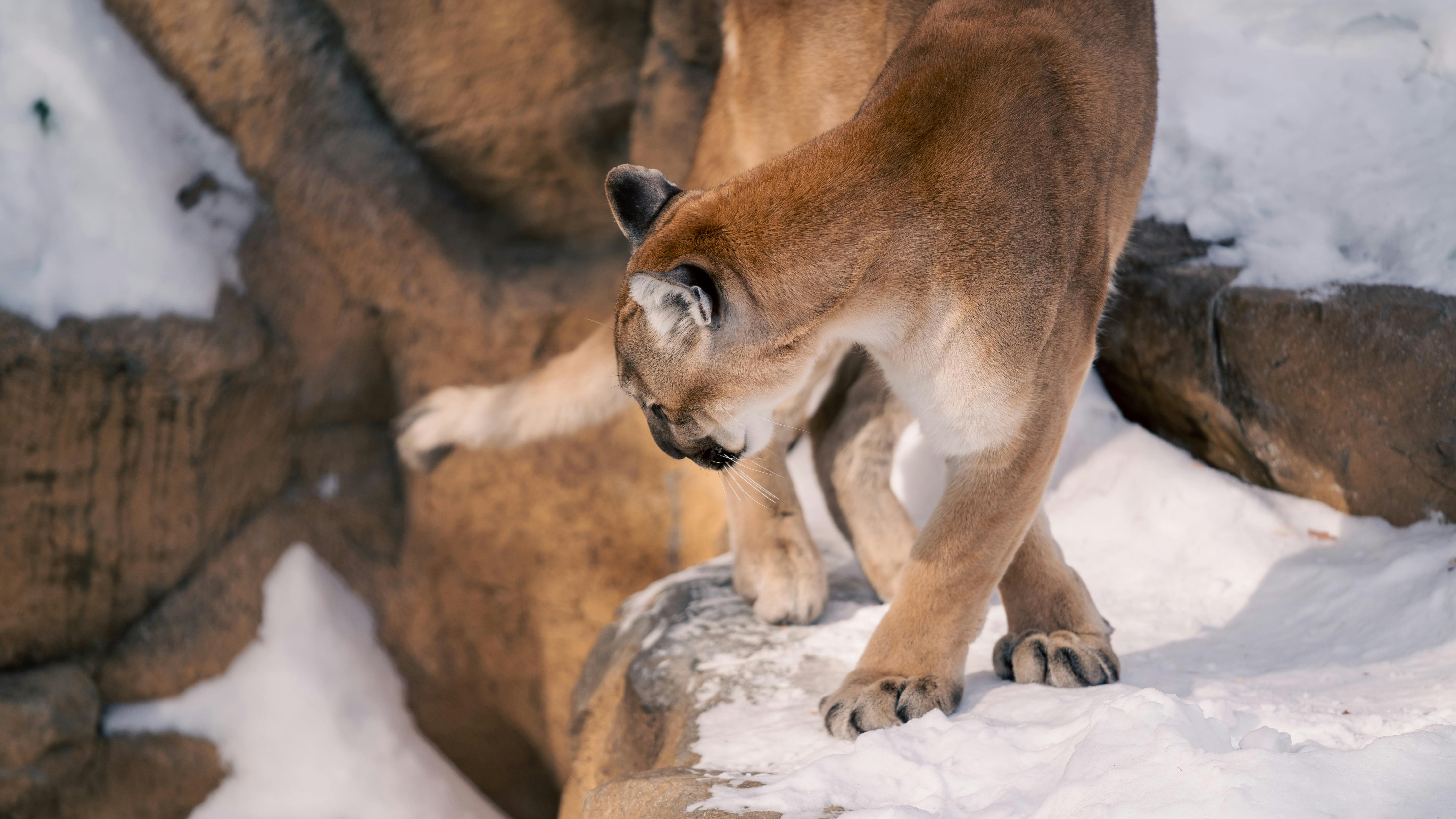
Arizona surprises some travelers because mountain lions are not limited to one kind of landscape here. From sky island ranges to desert fringes and pine covered high country, the state offers habitat that can bring these cats near campgrounds, trail corridors, and rural recreation spots.
For campers, that broad range means awareness has to travel with them. A summer trip to a cool mountain site may feel very different from a desert outing, but mountain lion precautions can apply in both settings. Pet safety is a major concern, particularly at dawn and dusk when cats are more active.
The rise in reported sightings has not stopped people from camping. It has simply made wildlife awareness feel like a core part of the Arizona outdoor experience.
Texas

Texas is not the first state many casual campers think of for mountain lions, yet sightings in western parts of the state continue to keep the species on the radar. In rugged areas where remote campsites meet open ranges and rocky cover, lions remain part of the larger wildlife picture.
Because Texas is so big, the experience varies widely. A camper in East Texas may never think about mountain lions, while someone in the Trans Pecos region is far more likely to treat the possibility seriously. That regional contrast makes local knowledge especially important before any trip.
More sightings have encouraged campers to ask better questions about the area, recent wildlife activity, and whether pets or children need extra precautions after dark.