Some hunters feel it in the parking lot before daylight. Others feel it when a tag that once took 2 years suddenly takes 6.
Why More Hunters Feel the Pressure

Ask around any deer camp or archery shop, and you will hear the same complaint in different words: hunting feels more competitive than it used to. That feeling is not imagined. In the United States, 14.4 million people hunted in 2022, according to the U.S. Fish and Wildlife Service, and 11.5 million of them were big game hunters. Even if total participation is not exploding, competition can still intensify when more hunters chase the same popular species, units, or weekends.
The bigger change is concentration. Hunters are not spreading themselves evenly across the map. They are piling into high-profile public parcels, limited-entry Western draws, and private ground with a reputation for mature animals. That creates the sense that everybody is hunting the same places and the same outcomes.
The industry has also become much better at feeding ambition. Digital maps, draw-odds tools, podcasts, and social media have made elite opportunities visible to average hunters. According to Wyoming Game and Fish and Colorado Parks and Wildlife, hunters now routinely study draw data, quota shifts, and access details the way fantasy players study stats.
That is not inherently bad. But it does mean hunting often feels less like wandering into the woods and more like entering a crowded marketplace where information, timing, and money matter more than they once did.
Access Is the Real Battleground
If hunting has become more competitive, access is the main reason. The number that matters most is not just how many hunters exist, but how many acres they can realistically use. OnX has reported that across 27 states, roughly 30 million acres of hunting opportunity come through private-land access programs. The same reporting also says more than 15 million acres of federal and state land in the West remain landlocked or otherwise inaccessible to the public.
That mismatch changes everything. On paper, a state may look rich in public land. On the ground, a lot of that country may be difficult to reach, corner-locked, or functionally crowded because legal access funnels hunters through a few roads, trailheads, and parking areas.
In regions dominated by private ownership, competition becomes even sharper. Hunters who once relied on informal permission increasingly find land leased out, sold, subdivided, or reserved for paying members. USDA and state access documents have long shown how important leased access and walk-in programs are in places where private ownership dominates.
This is why many hunters say the sport feels harder even when wildlife numbers remain solid. They are not always competing against deer or elk scarcity. They are competing for usable ground, quiet space, and permission. In practical terms, that is the modern hunt.
Draw Odds, Point Creep, and the Rise of Strategy
Western big game hunting has become the clearest example of competitive pressure. In states like Wyoming and Colorado, hunters now obsess over draw odds, quota changes, and preference-point strategy because the math can define a season before it starts. Wyoming Game and Fish publishes detailed draw results and odds, while Colorado Parks and Wildlife provides draw recap data and preference-point information to guide applicants.
The phrase many hunters know all too well is point creep. Colorado policy materials explicitly note that systems allowing hunters to keep building points can worsen preference-point creep. GOHUNT’s 2024 Wyoming analysis likewise projected added point creep in the regular draw and more pressure in accessible units.
What that means in plain English is simple: a hunt that took a certain number of points yesterday may take more tomorrow, even if you keep applying. Hunters can do everything right and still fall behind because demand rises faster than supply.
That dynamic changes the culture of hunting. It rewards spreadsheet thinking, long-term planning, and often a bigger budget for application fees, license costs, and scouting trips. For some people, that strategy is part of the fun. For others, it makes hunting feel less like a tradition and more like a contest with moving goalposts.
Technology Has Made Everyone Better and More Similar
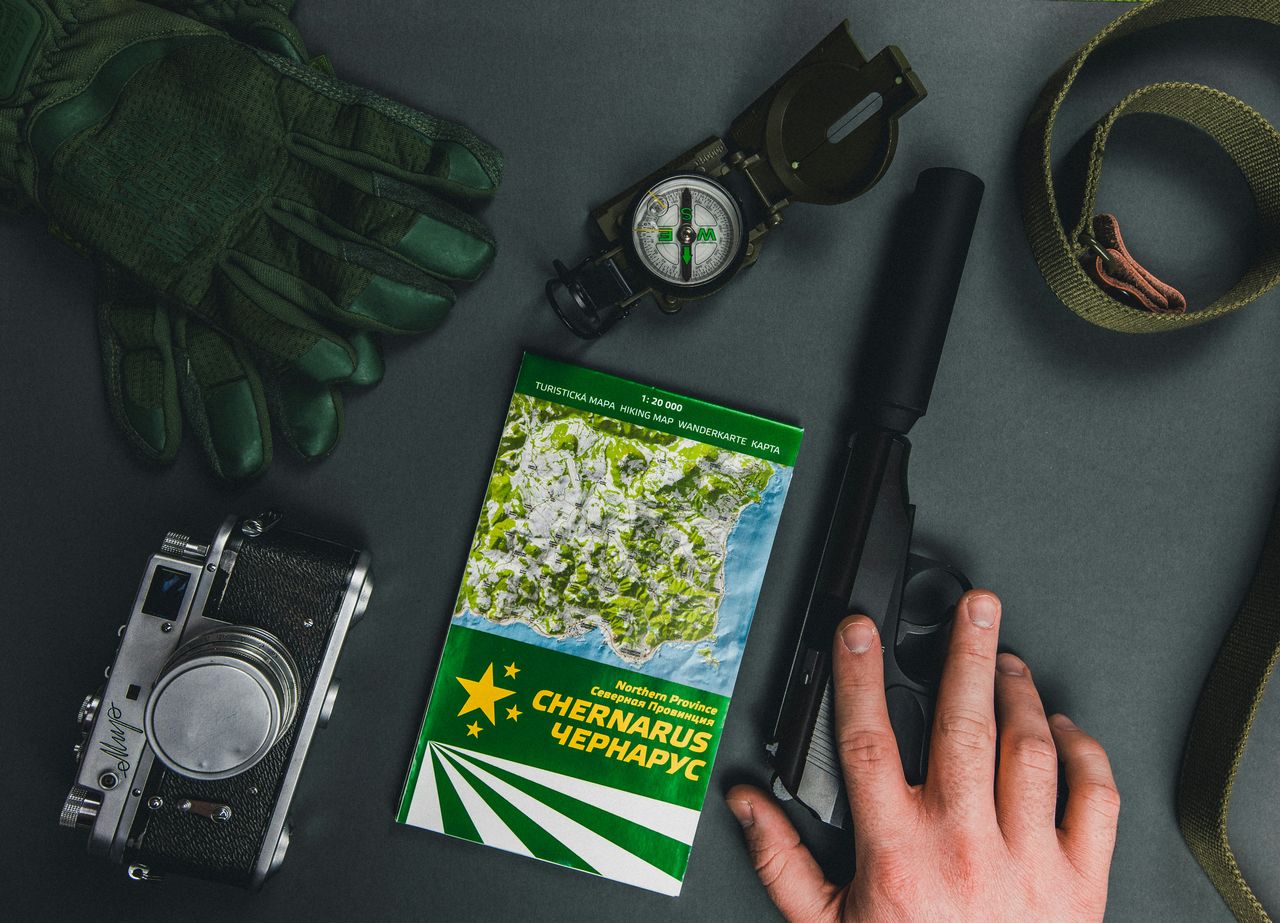
Hunters have always shared tips, but modern technology has compressed the learning curve. Mapping apps, satellite imagery, trail cameras, rangefinders, ballistic apps, and forecasting tools have made average hunters more efficient. That sounds like a win, and in many ways it is. Safer travel, better shot discipline, and improved land-boundary awareness are all real benefits.
The downside is that technology reduces the advantage once held by local knowledge alone. A hunter from three states away can digitally scout bedding cover, glassing knobs, access easements, and backup routes before ever arriving. OnX has built entire access reports around the fact that mapping now exposes both opportunities and bottlenecks in ways that were once hidden.
Technology also tends to herd people toward the same conclusions. If ten thousand hunters can identify the best north-facing basin, overlooked timber strip, or public-private pinch point, it does not stay overlooked for long. Information democratizes opportunity, but it also concentrates pressure.
Social media amplifies that effect. Photos of big bulls, giant whitetails, and successful public-land hunts reshape expectations. Hunters do not just want to hunt anymore. Many feel pushed to produce a certain caliber of result, and that pressure can make ordinary, meat-in-the-freezer hunting seem like second place.
Money Matters More Than Many Hunters Want to Admit
A hard truth in modern hunting is that money often buys options. Not guaranteed success, but options. Lease fees, guided hunts, premium gear, extra applications, nonresident tags, and flexible travel all help hunters sidestep some of the crowding and uncertainty that frustrate everybody else.
This does not mean hunting has become only a rich person’s game. Plenty of successful hunters still fill tags on modest budgets. But the gap between what is possible on a budget and what is possible with disposable income has widened. When private access tightens, paying for a lease or outfitter becomes one path around the problem.
Even state agencies and access advocates recognize the pressure. The Council to Advance Hunting and the Shooting Sports has repeatedly emphasized recruitment, retention, and reactivation, or R3, because cost, complexity, and access barriers can discourage participation. Their research on regulation complexity also found that confusing rules are a real barrier, especially for new or returning hunters.
That matters because competition is not just about who shoots first. It is also about who can afford time off, fuel, optics, maps, application fees, and mistakes. A hunter with one weekend and one local property is playing a very different game than a hunter who can chase opportunities across several states.
Competition Is Not Always Bad for Hunting
It is tempting to treat competition as a sign of decline, but that misses part of the story. Some competition means people still care. Wildlife agencies, conservation groups, and the hunting industry have spent years worrying about aging participants and the long-term need to recruit and retain hunters. The National Shooting Sports Foundation and the Council have both framed R3 efforts as essential because hunting participation, as a share of the population, has declined over decades, even if recent license data shows signs of stability.
In that sense, demand for tags and access can reflect something positive: hunting still matters. People are willing to invest time, money, and effort because the experience remains meaningful. That cultural value is not trivial. It supports conservation funding, habitat work, and public advocacy.
Competition can also sharpen skills. It forces hunters to learn terrain, improve woodsmanship, shoot better, and think harder about timing and pressure. Many of the best public-land hunters today succeed not because hunting is easy, but because they adapted to pressure instead of complaining about it.
The problem begins when competition stops being motivating and starts becoming exclusionary. If newcomers cannot find access, cannot decode regulations, and cannot imagine a realistic path in, the sport does not become stronger. It becomes narrower.
What Needs to Change for Hunting to Feel Fair Again

So, has hunting become too competitive? In some places, yes. Not because hunters are tougher or meaner than they used to be, but because access is tighter, information spreads instantly, premium opportunities are limited, and modern expectations are sky-high.
The fix is not to wish for fewer hunters. In the long run, hunting needs participants. The better answer is expanding access, simplifying regulations, protecting walk-in programs, opening more landlocked public ground, and celebrating ordinary hunting success instead of only trophy outcomes. OnX access work, state access programs, and R3 initiatives all point in that direction.
Hunters can help too. Mentor someone. Share realistic expectations. Stop pretending every season needs a giant rack and a hero photo. Respect private landowners, support conservation groups that improve access, and learn how to hunt less glamorous ground better.
Hunting is competitive now, no question. But it does not have to become joyless. At its best, the hunt is still about skill, patience, food, wildlife, and time outdoors. If the culture can remember that, competition stays manageable instead of becoming the whole story.