Elk country still holds plenty of magic, but for many hunters, the path to filling a tag is getting steeper. Across the West and beyond, pressure is rising, access is tightening, and wildlife managers are balancing tough realities from drought to predators to shifting herd numbers. This gallery explores 12 states where elk hunting is becoming more challenging, and why even experienced hunters are finding success harder to come by.
Colorado
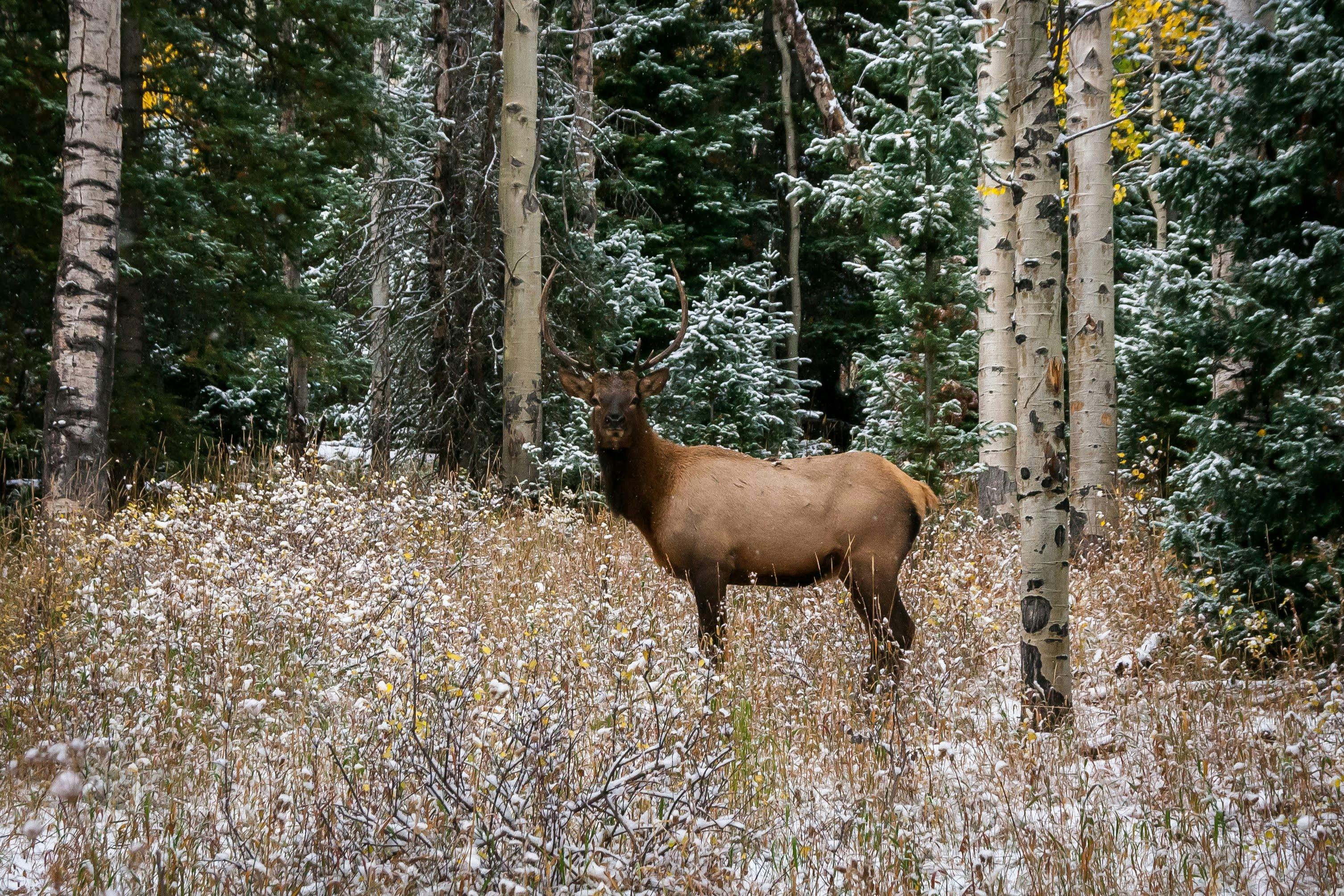
Colorado still offers legendary elk hunting, but that reputation has become part of the problem. The state draws enormous numbers of resident and nonresident hunters, and many over-the-counter areas now feel crowded long before the first bugle echoes through the timber.
On top of hunting pressure, elk behavior has adapted. Animals are moving into private ground, darker timber, and rougher country where fewer people can follow. In some units, wolves and habitat strain are also changing the equation.
The result is a state with huge opportunity on paper, yet a much tougher hunt in practice. Tags may be available, but finding an elk that hasn’t already heard every call in the playbook is another story.
Montana
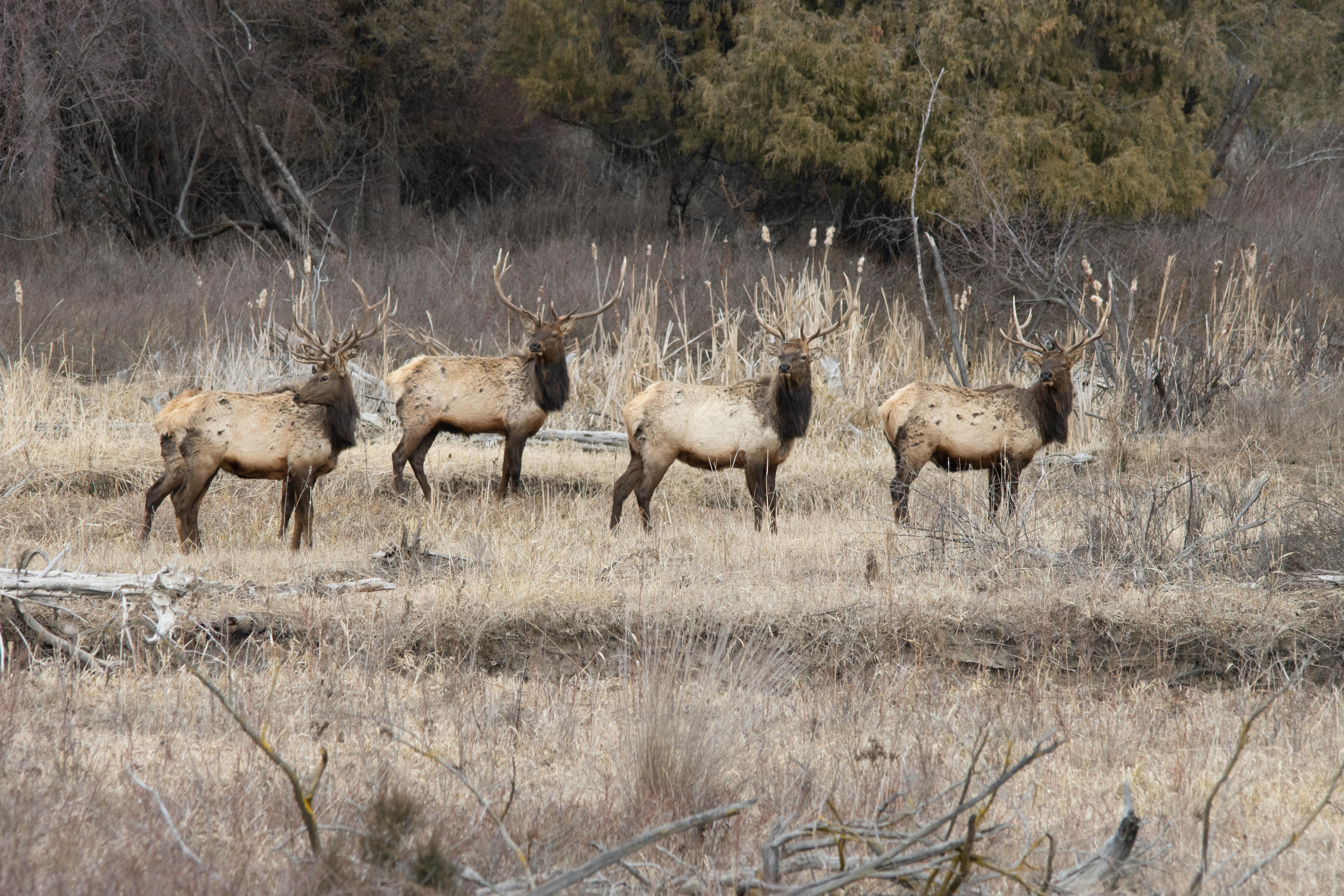
Montana remains an elk dream for plenty of hunters, but access and pressure are making the state feel less forgiving. Public land can be excellent, yet large blocks of productive habitat sit next to private ranches where elk quickly learn where they are safest.
That public-private shuffle has become one of the state’s defining challenges. Hunters may find sign everywhere on national forest ground, only to watch herds slip onto inaccessible valleys once the shooting starts.
Add increasing demand for tags, difficult terrain, and weather that can swing from generous to brutal, and success gets harder to predict. Montana still offers real opportunity, but it increasingly rewards those with time, local knowledge, and a backup plan.
Idaho

Idaho’s elk country is vast, wild, and physically demanding, which has always been part of the appeal. Lately, though, many hunters are finding that the challenge goes beyond steep ridges and long pack-outs.
Wolves have played a major role in some areas, altering elk distribution and reducing calf recruitment. In certain zones, hunters report quieter woods, more scattered animals, and fewer predictable patterns than in years past.
Tag demand and changing regulations have added another layer of complication. Idaho still produces memorable hunts, but it is becoming less of a simple do-it-yourself destination. Success often depends on adapting fast, covering serious ground, and accepting that old expectations may not fit current elk behavior.
Wyoming

Wyoming has long been a favorite for elk hunters chasing big country and quality animals, yet getting into the game is becoming more difficult. Limited tags, preference point strategy, and rising competition can turn the planning process into a multiyear puzzle.
Even after drawing, access remains a major hurdle in parts of the state. Productive habitat is often broken up by private land, checkerboard ownership, or areas that absorb heavy pressure from hunters who waited years for their chance.
Weather can still make or break everything. A mild fall can keep elk spread out and high, while an early storm can move them overnight. Wyoming remains elite elk ground, but it increasingly asks for patience before the hunt and precision during it.
Utah

Utah offers some outstanding elk genetics and well-managed units, but that quality comes with real scarcity. For many hunters, the biggest obstacle is simply drawing a tag in a hunt worth waiting for.
The state’s limited-entry structure has protected age class and trophy potential in many places, yet it has also made access to those hunts feel distant for average applicants. General season options exist, but competition can be fierce and expectations need to stay grounded.
That split creates a frustrating reality. Utah can produce remarkable bulls, but many hunters spend more time building points than chasing elk. When opportunity is rare and pressure concentrates elsewhere, the hunt becomes harder before boots ever touch the mountain.
New Mexico

New Mexico has some of the most coveted elk tags in the country, and scarcity is exactly why hunting there feels harder than ever. The state offers quality habitat and real trophy potential, but most hunters face long odds in the draw.
Because there is no preference point system, every application season brings uncertainty. For some, that keeps hope alive. For many others, it means years of trying without ever stepping into the field with a license in hand.
When hunters do draw, they often encounter warm weather, wary elk, and highly sought-after units with intense expectations attached. New Mexico still has the kind of hunt people daydream about, but simply getting a chance has become one of the steepest barriers anywhere.
Arizona
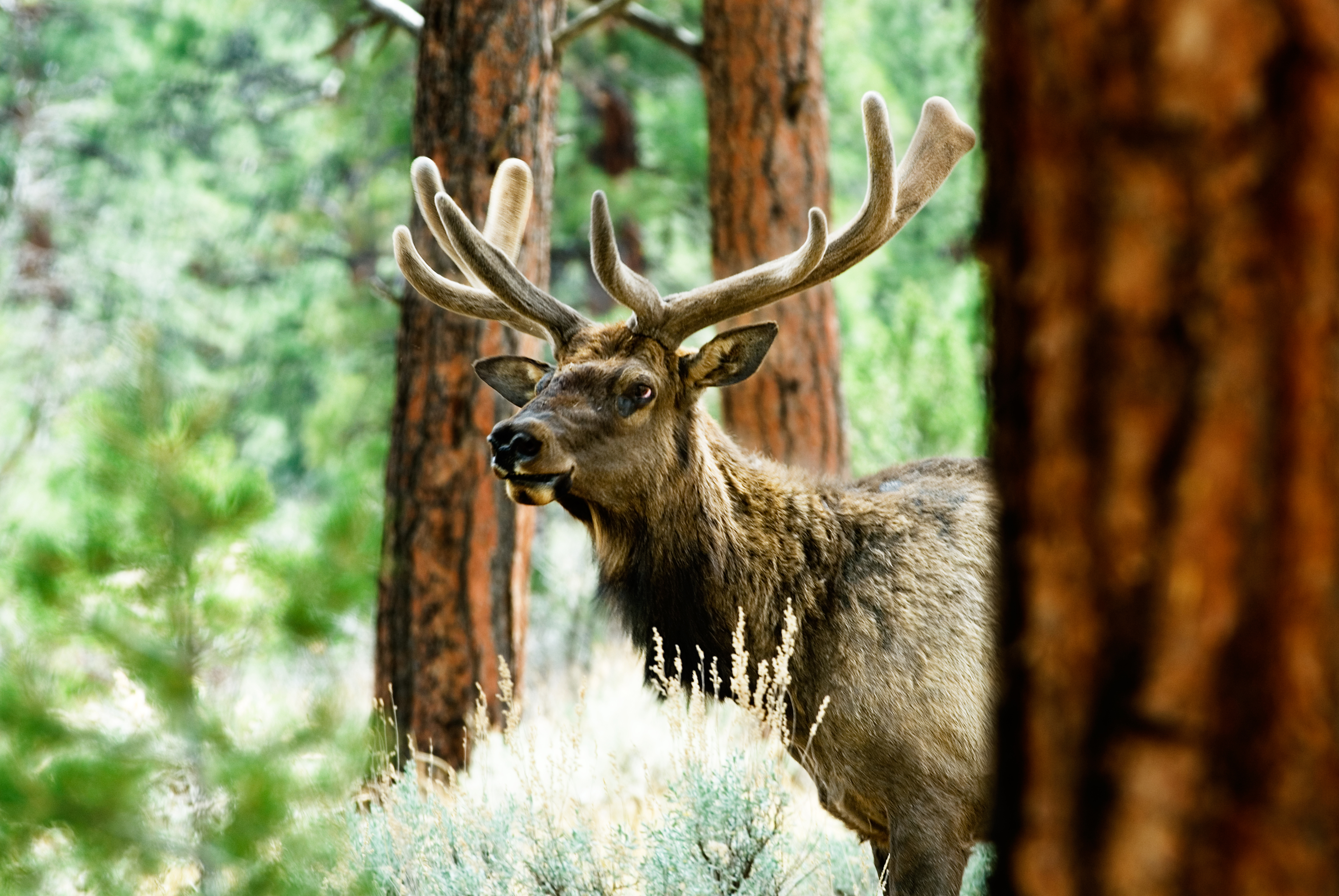
Arizona is famous for giant bulls and carefully managed elk hunting, but it may also be one of the clearest examples of quality creating difficulty. Demand for tags is intense, and many hunters spend years applying before they ever draw a premium unit.
That long wait builds enormous expectations, which can make the actual hunt feel even tougher. Elk may still be plentiful in good areas, but pressure, weather, and timing all matter when a once-in-a-decade opportunity is on the line.
Drought can also influence habitat conditions and animal movement, especially in drier years. Arizona remains a premier destination, yet for most hunters, the hardest part is that access to its best elk seasons is limited by design.
Oregon

Oregon doesn’t always dominate elk-hunting conversations, but many hunters there know the challenge has been rising. In western parts of the state, thick rainforest cover can turn every hunt into a close-range puzzle, while eastern country often demands long hikes and careful glassing.
Pressure has increased in many accessible areas, and elk quickly react by shifting into private timberlands or retreating into steep, brushy ground. That can leave public-land hunters chasing fresh sign without many clear shooting opportunities.
Predators, wildfire, and habitat changes have also reshaped some regions. Oregon still offers solid elk potential, but it rarely gives up animals easily. More often now, hunters leave with a hard-earned education and a freezer still waiting.
Washington

Washington has both Rocky Mountain and Roosevelt elk, which sounds like a gift to hunters. In reality, many of the state’s best elk areas come with a complicated mix of crowding, access rules, dense cover, and herds that know exactly how to avoid trouble.
Western Washington’s Roosevelt country can feel especially unforgiving. Thick timber and wet brush limit visibility, making elk difficult to locate and even harder to approach cleanly.
In the east, public-land pressure and changing habitat conditions can push animals into less huntable spaces. Add growing recreation pressure outside hunting season, and elk often stay on alert. Washington still offers opportunity, but the margin for mistakes seems to shrink a little more each year.
Kentucky

Kentucky helped prove that elk restoration east of the Mississippi could succeed, but hunting there has become increasingly difficult for a simple reason: everyone noticed. The state’s elk zone built a strong reputation, and demand for tags now far outpaces supply.
The draw is a major hurdle, especially for nonresidents dreaming about a different kind of elk hunt. Even for successful applicants, reclaimed mine lands, rolling cover, and private property patterns can make elk hard to pin down.
As herds mature and pressure grows, animals are behaving more cautiously in accessible spots. Kentucky still offers a fascinating and worthwhile elk hunt, but it is no longer a hidden gem. It is a high-demand opportunity that feels tougher every season.
Pennsylvania
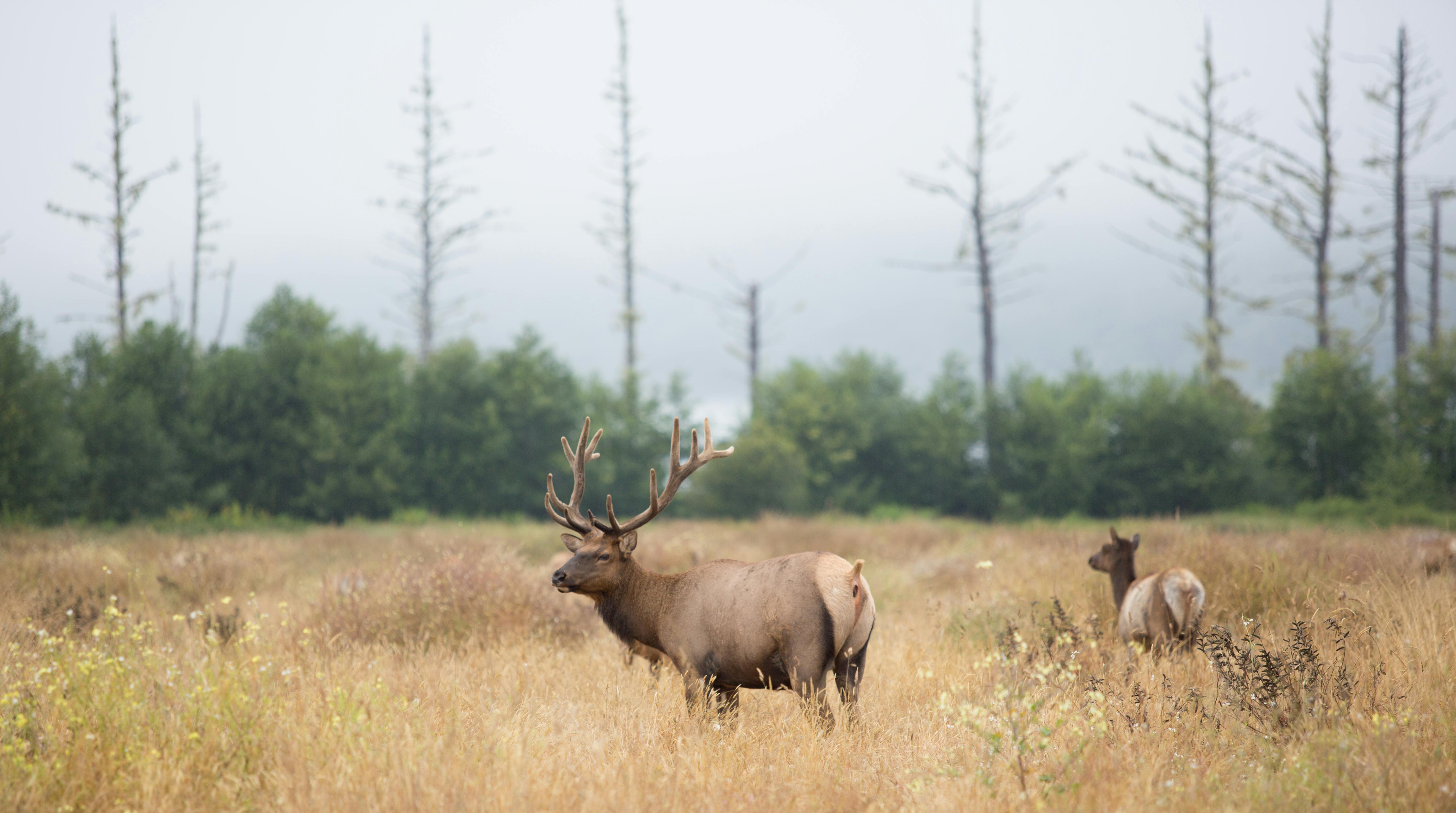
Pennsylvania’s elk herd is small compared with western states, and that alone makes hunting there exceptionally difficult. This is less a broad opportunity hunt and more a tightly controlled privilege shaped by conservation goals and public interest.
The state’s limited tag numbers mean the draw is daunting, and hunters lucky enough to participate are entering a landscape where elk are heavily watched, photographed, and managed. These are not anonymous animals drifting through endless backcountry.
That unique dynamic changes the feel of the hunt. Success depends on preparation, local familiarity, and making the most of very narrow opportunity. Pennsylvania elk hunting remains special, but difficulty begins with the lottery and continues once the season actually opens.
Michigan

Michigan’s elk herd is another eastern success story, but hunting one is extraordinarily hard for most people simply because the opportunity is so limited. The state keeps tag numbers low, which protects the herd but makes a permit one of the toughest to secure.
For the few who draw, the challenge shifts from luck to execution. Michigan’s elk range is not vast, and the animals often use a patchwork of forest openings, agricultural edges, and managed habitat that can make movement patterns surprisingly nuanced.
There is also the pressure that comes with rarity. A hunt many wait years to draw can feel compressed and emotionally loaded from the start. Michigan still offers a memorable experience, but it is difficult by design and demanding in the field.