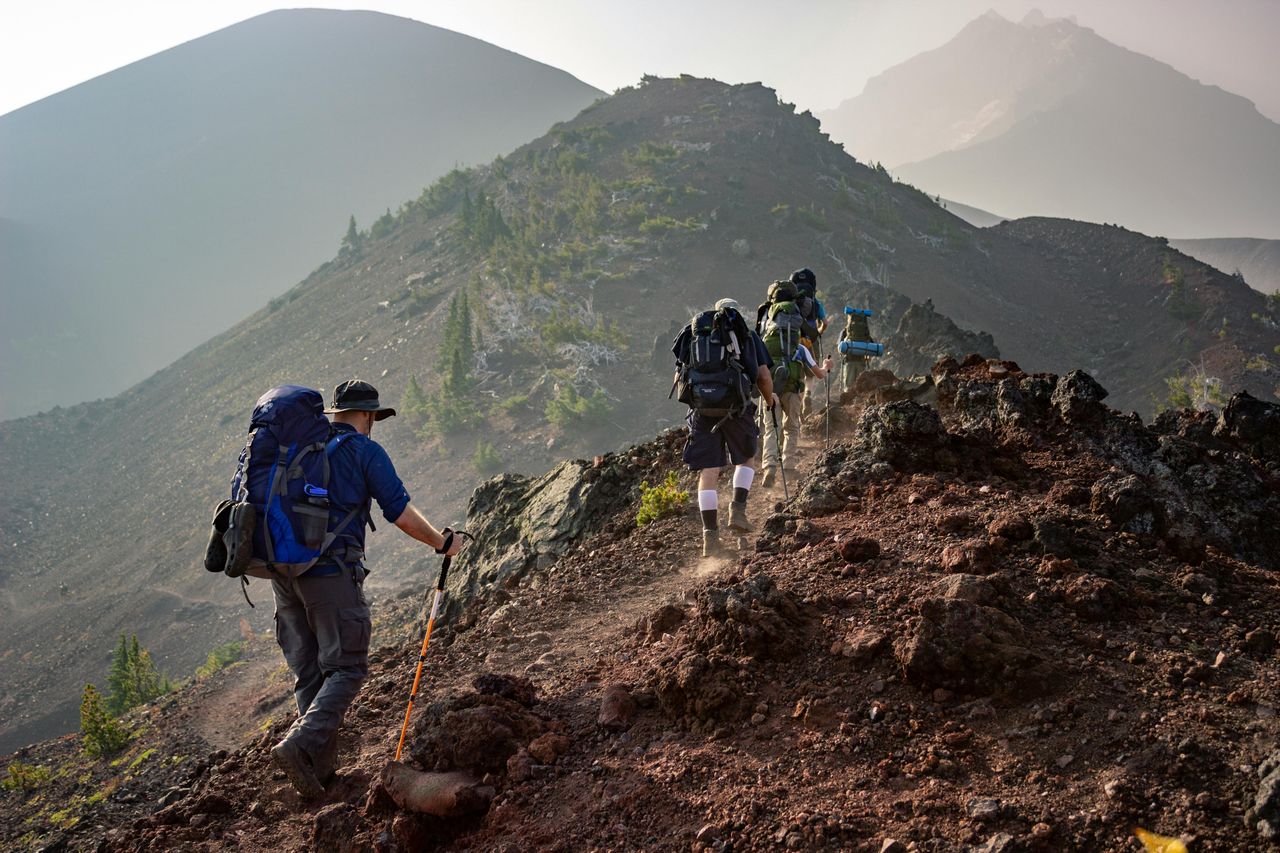
For a lot of Colorado hikers, this is the kind of law that won’t feel real until someone gets stopped at a trailhead.
And by then, confusion—not intent—may be what gets people in trouble.
What the new law actually changes on August 1

Colorado’s 2026 gun law has been framed politically as a public-safety measure, but for hikers and other backcountry users, the practical effect is much more personal. Starting August 1, the state’s new restrictions on certain semiautomatic firearms, transfer rules, and compliance requirements could hit people who carry outdoors for animal threats or emergency self-defense. The headline debate has focused on assault-style weapons, yet the lived reality is that many ordinary gun owners do not neatly sort their gear according to legislative language.
That matters because outdoor users often carry firearms differently than urban owners do. A ranch-adjacent trail walker, someone camping near dispersed sites, or a hiker in lion country may have chosen a firearm based on durability, weight, magazine compatibility, or familiarity under stress. If the law changes what can be bought, transferred, inherited, or lawfully possessed under certain conditions, those choices suddenly become legal questions.
What makes this especially disruptive is timing. August 1 lands squarely in peak hiking and camping season, when Colorado’s trails are crowded with residents, tourists, bowhunters scouting terrain, and people deep in the backcountry for multi-day trips. A law that might seem abstract at the Capitol becomes very concrete when it intersects with a trailhead parking lot, a wildlife encounter, or a routine check by law enforcement.
Why hikers are reacting so strongly
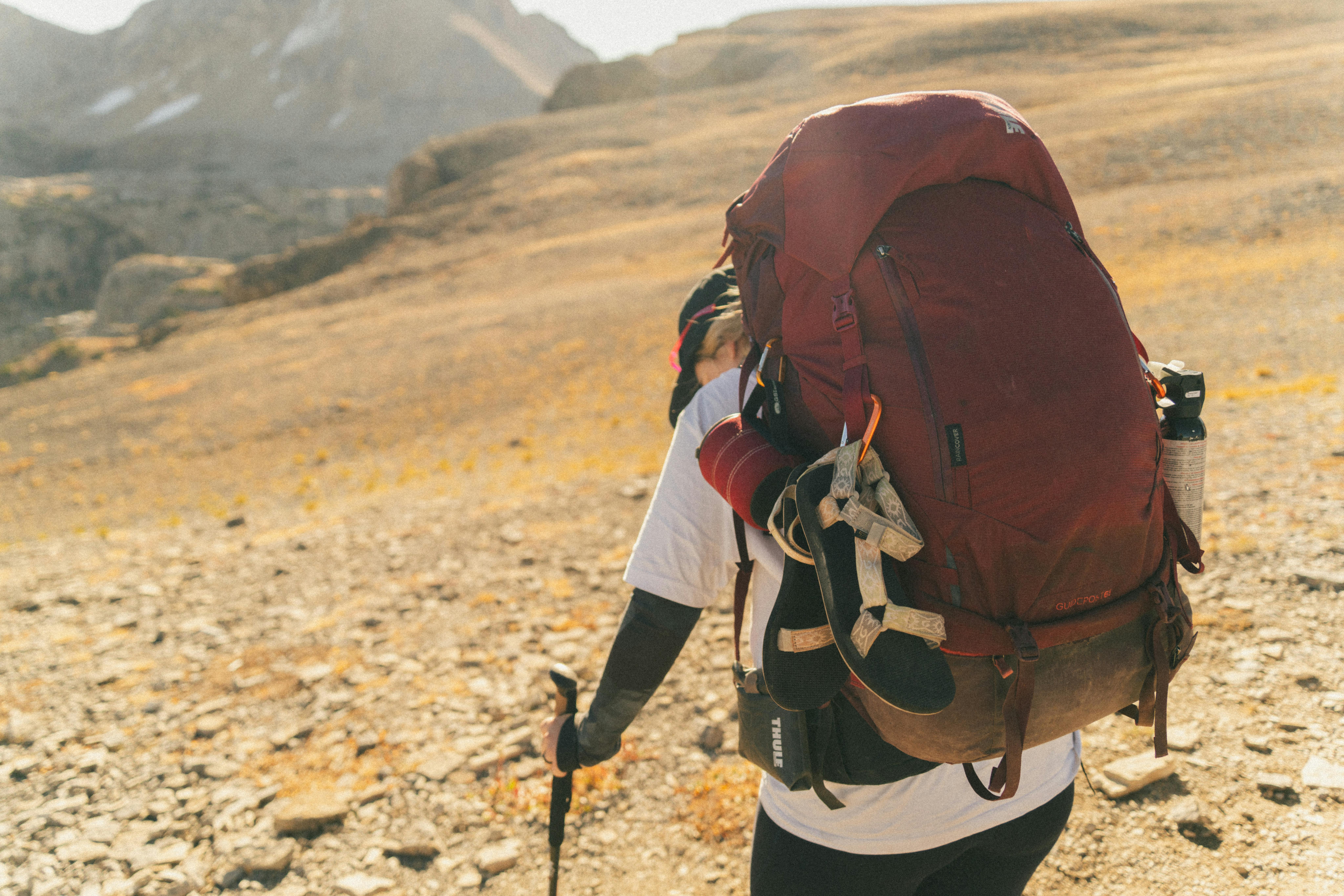
The intensity of the reaction comes from a simple fear: many hikers believe they are being dragged into a fight that lawmakers were not really aiming at them to begin with. Most people carrying in the outdoors are not doing it to make a political statement. They are thinking about remoteness, delayed emergency response, and the fact that in many parts of Colorado, self-reliance is not a slogan but a condition of being there.
Colorado’s mountain terrain changes the safety equation. Cell service disappears quickly, sheriff response times can stretch dramatically, and encounters with wildlife are not hypothetical. Black bears are common in many recreation corridors, mountain lions remain an occasional but serious concern, and human threats on isolated trails, while statistically rare, are the sort of low-frequency events that still shape behavior. Hikers do not need danger to be common for it to influence what they pack.
There is also a trust problem. Gun laws are often written around broad categories, but trial use is full of edge cases. Someone borrows a rifle for a backcountry trip. A family passes down a firearm used for camp protection. A visitor drives in from another state with gear that was legal there. According to law enforcement experts and attorneys who track firearms regulation, those gray zones are where otherwise law-abiding people make mistakes.
The legal confusion is the real trap.
For hikers, the biggest risk may not be immediate confiscation or dramatic enforcement. It may be a misunderstanding of the law, or they may think they are compliant when they are not. Firearms law is already a dense mix of federal rules, state statutes, local restrictions, public-land policies, and transportation requirements. Add a new Colorado law with technical definitions, and the average weekend hiker is suddenly expected to navigate something that can challenge even experienced gun owners.
The problem gets worse when people rely on outdated assumptions. Many hikers think that if they are legal under federal public-land carry rules, they are automatically fine everywhere in Colorado. That is not always true. National forest land, state wildlife areas, county open space, municipal trail systems, and trailheads near schools or government buildings can all introduce different legal considerations depending on the exact facts.
Then there is the issue of enforcement discretion. One deputy may view a situation as an honest misunderstanding; another may see probable cause for a weapons violation. Prosecutors may later narrow or dismiss a case, but that does not erase the cost, stress, and disruption of being cited or arrested. For hikers, the punishment often begins long before any courtroom outcome.
How the backcountry use case got overlooked
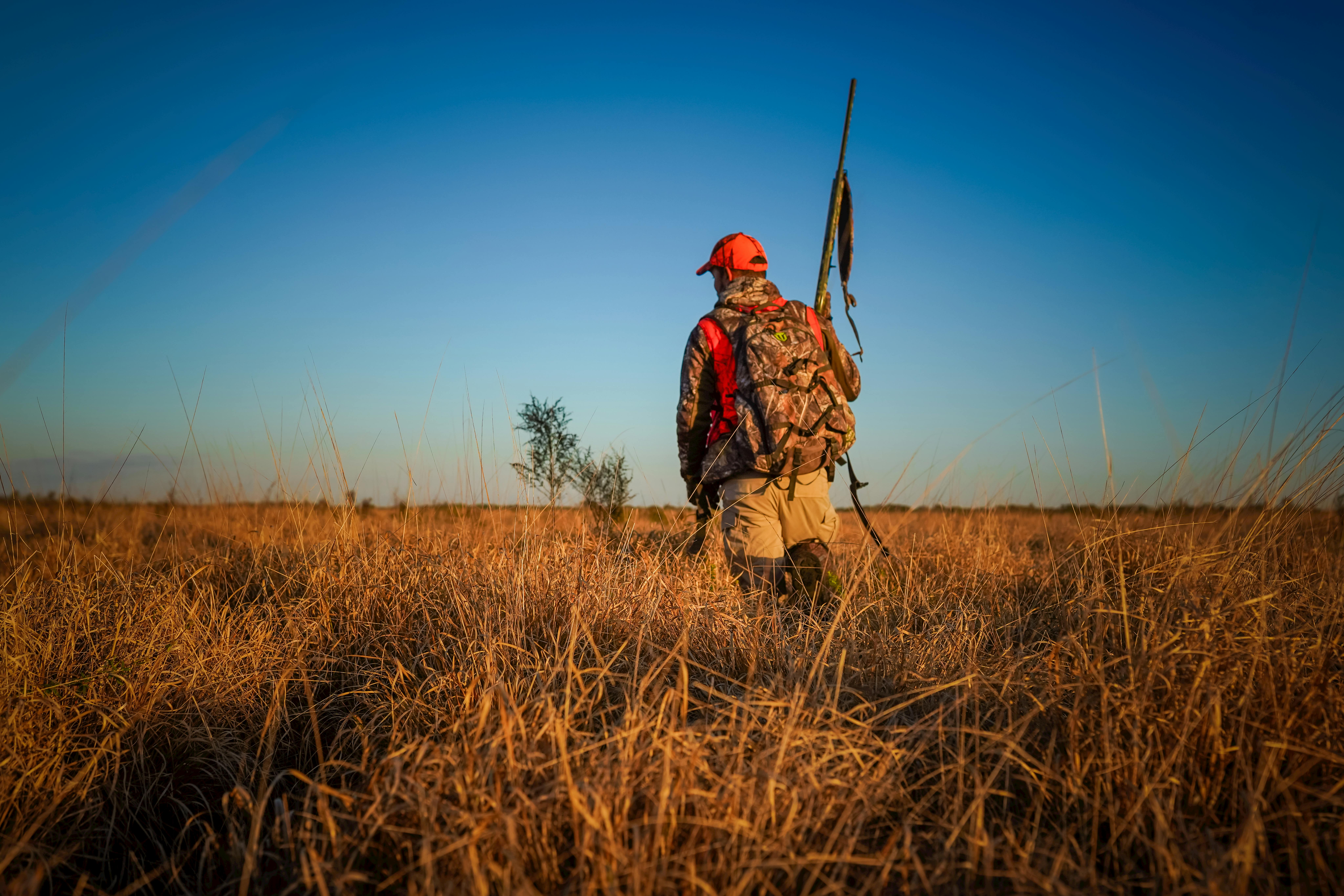
A recurring complaint from outdoor advocates is that lawmakers often discuss firearms as though all carry happens in homes, cars, or city streets. Colorado’s wilderness culture does not fit that model. People carry on horseback, in tents, while fishing, and on long trails where they may not see another person for hours. The backcountry use case is distinct, and when laws are drafted without that reality in mind, unintended consequences are almost guaranteed.
In practical terms, hikers often prioritize reliability over optics. They may use older firearms, borrowed firearms, or specific magazine setups because that is what they already own and trust. A new legal regime can turn familiar equipment into a compliance puzzle overnight. Even if grandfathering provisions or exemptions exist, many people will not understand what documentation they need or how to prove lawful possession later.
That gap between legislation and real-world behavior is where resentment builds. Outdoor users tend to accept rules they understand, even strict ones, if the purpose is clear and the boundaries are workable. What they reject is a system that makes ordinary conduct feel suspicious by default. When people say the law “screwed every hiker,” what they usually mean is that it treated their circumstances like an afterthought.
The economic and tourism ripple effect could be bigger than expected.
Colorado’s outdoor economy is not a side story here. Hiking, camping, angling, hunting-adjacent travel, and road-trip tourism feed small towns, gear shops, guides, campgrounds, and restaurants across the state. If a new firearms law creates enough uncertainty, some visitors will simply choose easier destinations. They may not boycott Colorado on principle; they may just avoid the hassle of figuring out whether their gear puts them at risk.
That kind of friction matters more than it sounds. Travelers routinely make decisions based on convenience, and legal ambiguity is the opposite of convenience. A family driving in from Wyoming, Utah, Arizona, or Texas may not spend hours parsing Colorado statutes before a vacation. They may decide New Mexico or Montana is simpler. In tourism-heavy regions, even a modest drop in visitor confidence can ripple through local businesses quickly.
Colorado has seen this dynamic before in different policy fights, where the direct legal target was narrower than the public reaction. Once people feel they could accidentally break the law, they become cautious. That is especially true in the outdoors, where visitors are already juggling weather risk, wildlife rules, fire restrictions, permit systems, and vehicle access limitations. Another layer of uncertainty can become the tipping point.
What hikers should do before August 1?
The smartest move is to stop guessing. Anyone who hikes, camps, or overlands with a firearm in Colorado should review the exact law, not a social media summary or a friend’s interpretation at the range. The key questions are basic but crucial: what firearm you have, when you acquired it, whether any magazine or accessory is covered, how transport works, and whether a permit, training certificate, or documentation could matter under the new framework.
It is also wise to map where you actually recreate. A person may assume they “just hike in the mountains,” but the legal status of a county trail system can differ from nearby federal land. State parks, city-owned open space, wildlife areas, and concession-managed sites may all create different issues. If your route crosses jurisdictions in a single day, your legal analysis may have to change with it.
Finally, hikers should think beyond possession. If you lend, inherit, store, or travel with a firearm, those facts may trigger separate rules. Families should especially pay attention because shared-use outdoor gear is common in Colorado. The safest approach is not panic buying or angry guesswork. It is careful review, updated training, and understanding that one misunderstood detail can matter more than your intentions.
The bigger fight is about who Colorado thinks the outdoors are for

At its core, this is not only a gun-law story. It is a story about cultural fit in a state where outdoor identity means very different things to different people. For some Coloradans, the mountains are a wellness space, a scenic gym, or a tourism brand. For others, they are working land, hunting country, emergency terrain, and places where carrying a firearm has long been normal. The law lands right on that fault line.
That is why the backlash feels sharper than the statute alone might suggest. Many hikers are not just worried about compliance; they feel misunderstood. They believe lawmakers treated all armed outdoor users as if they were part of a broader urban gun problem, instead of recognizing a separate backcountry reality. Whether that perception is fully fair or not, it is politically potent because it touches identity as much as regulation.
Between now and August 1, expect lawsuits, clarifying guidance, and a lot more public argument. But unless the state explains the law in plain language and addresses the backcountry edge cases directly, confusion will remain the real danger. For hikers, that may be the most frustrating part of all: the trail itself did not get more dangerous, but the legal terrain absolutely did.
Custom footer at the end of the article.