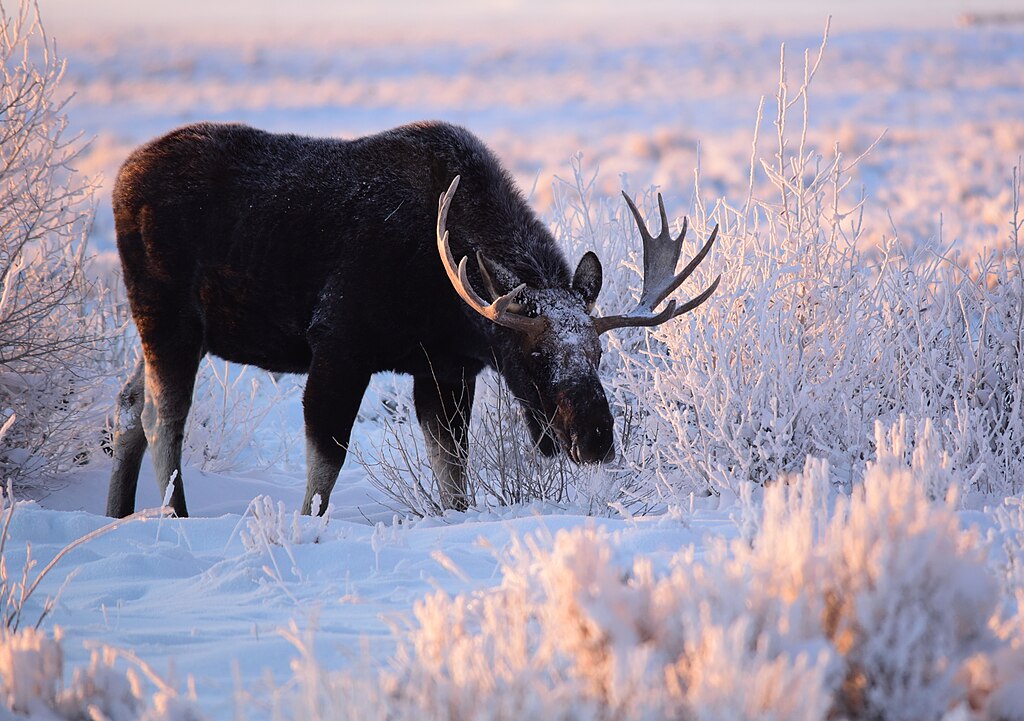
Moose hunting has a long history across the forests, lakes, and rugged wilderness of North America. From the timber country of Canada to the remote backcountry of Alaska, hunters have relied on rifles that balance dependable performance, manageable handling, and the ability to withstand harsh conditions. Classic lever-actions, proven bolt-actions, and modern hunting rifles have all earned places in this tradition. Their reputations reflect more than cartridge power alone: availability of ammunition, reliability in cold weather, and the practical demands of carrying equipment through difficult terrain have also shaped which rifles hunters choose.
1. Winchester Model 70
The Winchester Model 70 earned a lasting place in North American big-game camps through its controlled-round-feed design on many classic versions and broad chambering history. Introduced in 1936, it has been offered in cartridges including .30-06 Springfield and .300 Winchester Magnum, both used for moose where lawful and suitable. Its familiar bolt-action layout suits careful shots across varied terrain, though stock fit, rifle weight, and cold-weather practice matter as much as reputation. Details vary by production era, so verify the exact action and specifications.
2. Remington Model 700
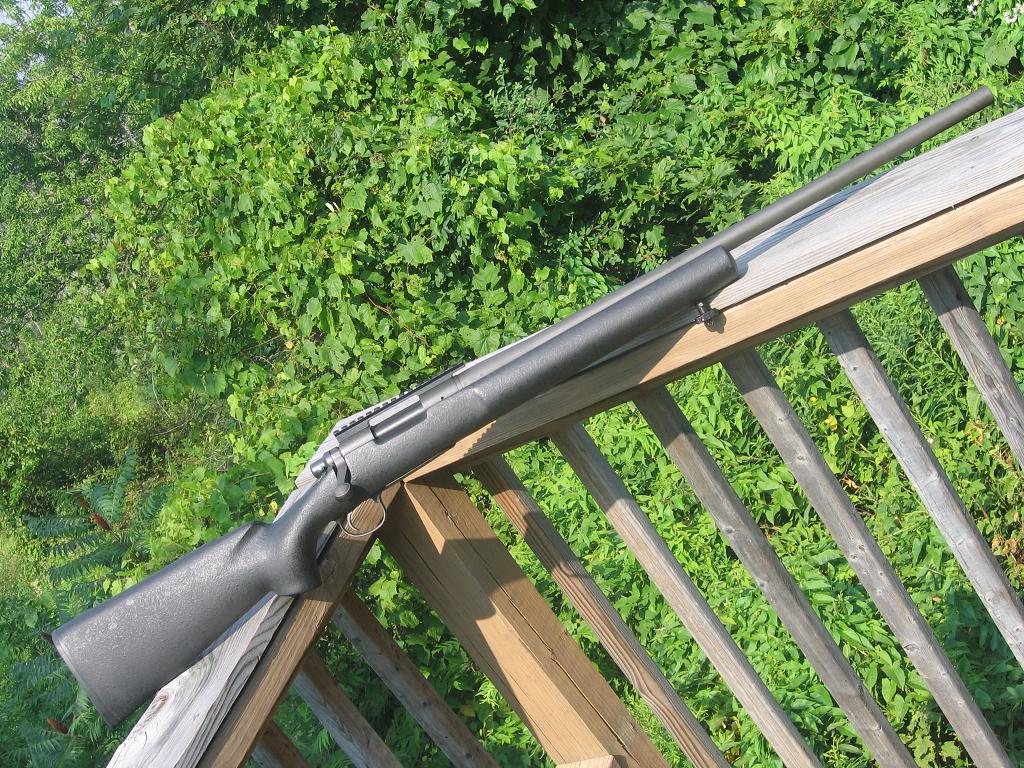
Introduced in 1962, the Remington Model 700 became one of North America’s best-known bolt-action hunting rifles. Its cylindrical receiver and broad range of factory chamberings made it common in moose country, including versions in .30-06 Springfield and .300 Winchester Magnum. Configurations differ, so barrel length, safety design, trigger system, and weight depend on the specific model and year. Its legacy rests on availability and familiarity, not guaranteed accuracy or reliability; inspect and test an individual rifle before a remote hunt in the field.
3. Savage Model 110
The Savage Model 110 has served big-game hunters since 1958, with a long production run and many chambering options. Its bolt-action design and, on many versions, user-adjustable AccuTrigger have made it an accessible hunting rifle. Moose hunters have used chamberings such as .30-06 Springfield and .300 Winchester Magnum, while variants differ in stock, barrel, and weight. The Model 110 is not one fixed specification: confirm the exact version and condition. Comfortable fit and practice in field positions matter when carrying it across rough ground.
4. Marlin 336

The Marlin 336 is a classic North American lever-action, introduced in 1948 and closely associated with woods hunting. Commonly chambered in .30-30 Winchester, it suits modest distances where the hunter can identify the target clearly and place a careful shot. Its handy profile appeals in thick cover, but cartridge and rifle limits should not be assumed suitable for every moose situation. Variants differ by era and chambering, and local rules may add requirements. Check the rifle’s markings and use appropriate ammunition. Familiarity and sound judgment are essential.
5. Winchester Model 1894
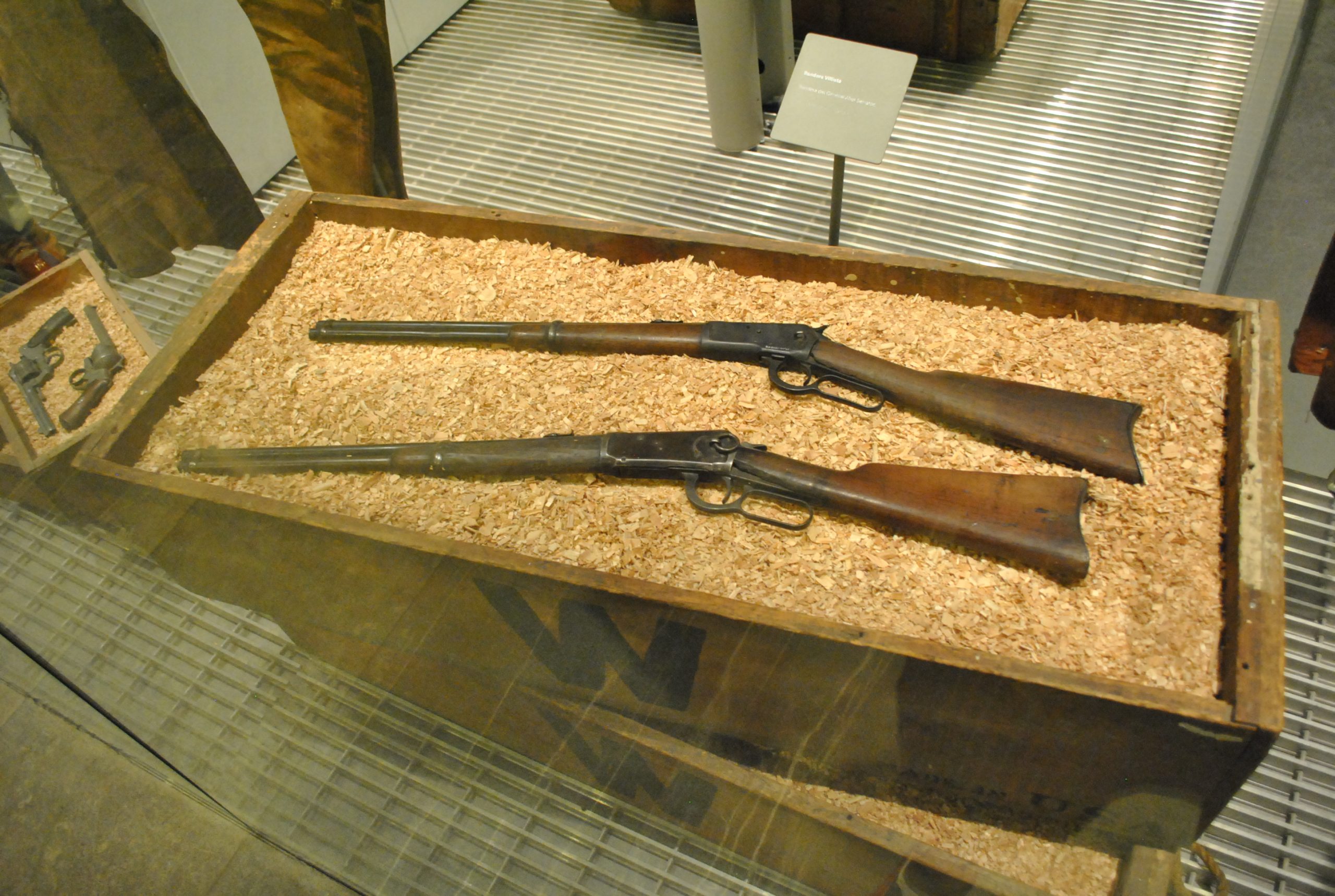
The Winchester Model 1894 helped define the American lever-action hunting rifle after its introduction in 1894. Associated with .30-30 Winchester in later production, it became a familiar companion in forests and brush where a compact rifle was easier to carry. For moose, its traditional role is tied to close-range hunting and careful shot selection, not long-distance performance. Many versions and chamberings exist, and not every rifle suits every load. Identify the exact model, condition, and ammunition before relying on an older example afield.
6. Ruger M77
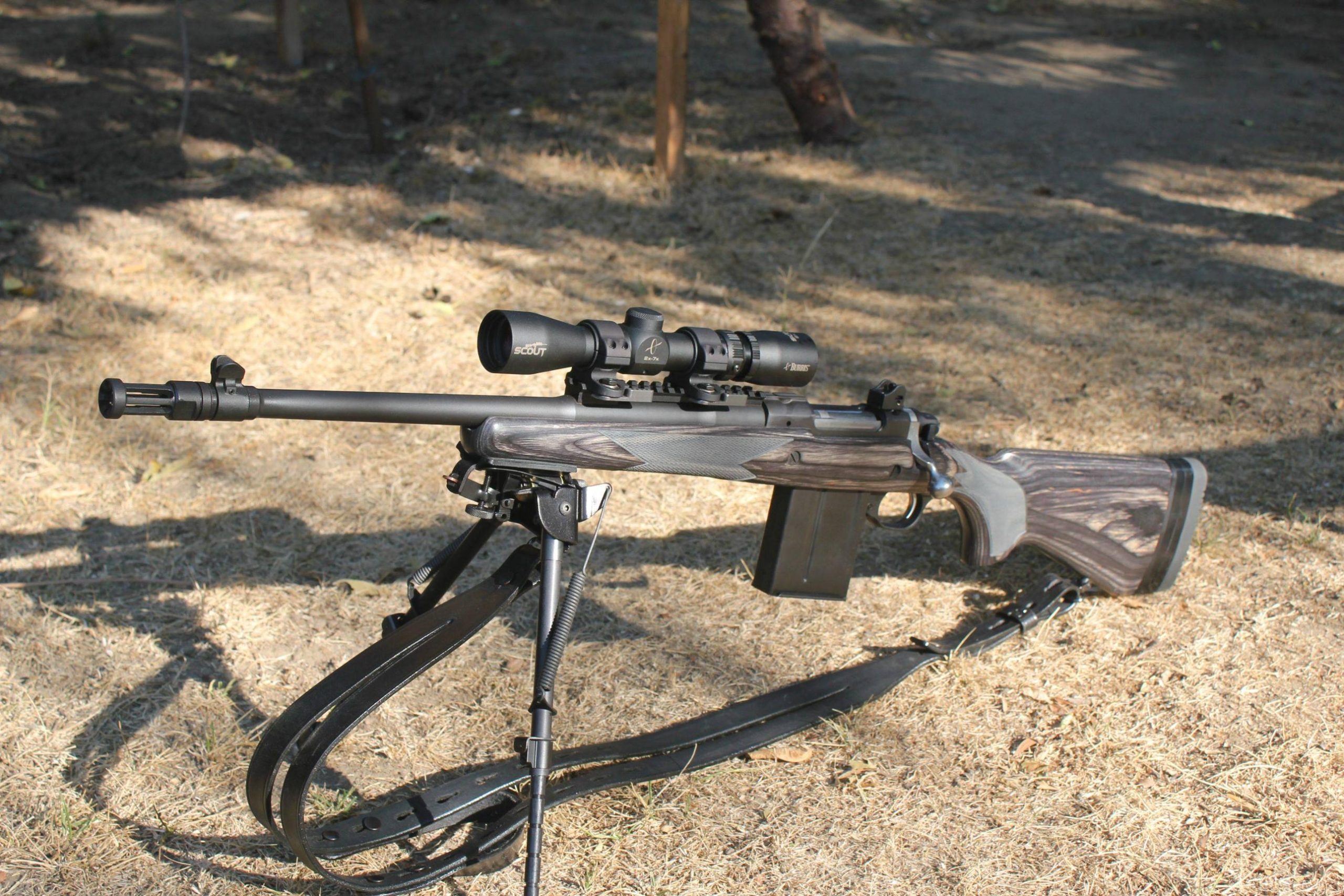
Ruger’s M77 bolt-action line, launched in 1968, attracted hunters seeking a robust rifle for demanding outdoor use. Across its generations, the family has appeared in big-game chamberings such as .30-06 Springfield and .300 Winchester Magnum. Details including feed system, safety, stock material, and barrel profile vary by model and production period. In moose country, its appeal is the straightforward bolt-action format and range of configurations. Reliability still depends on maintenance, suitable ammunition, and practice with the individual rifle before a hunt.
7. Remington Model 7600
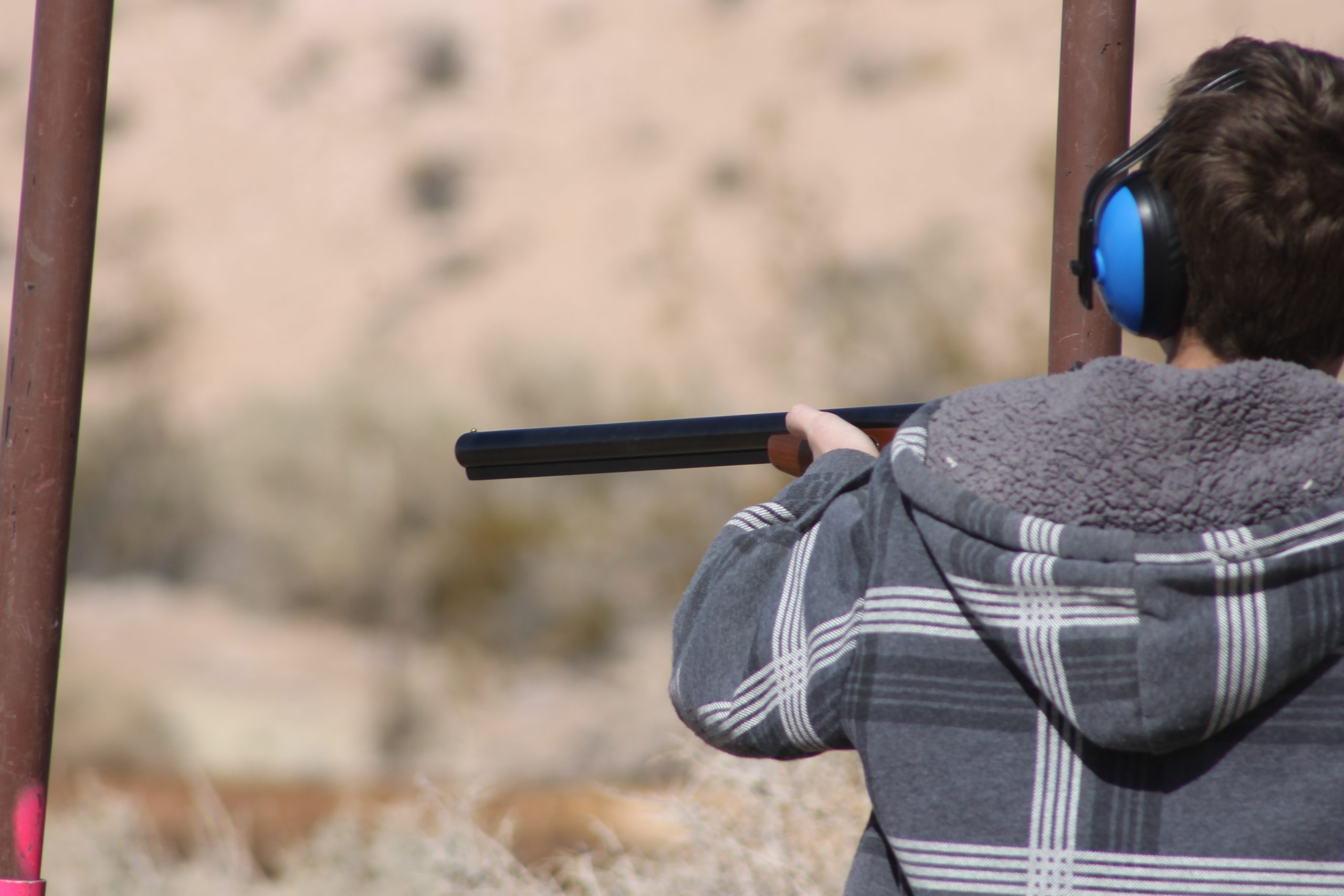
The Remington Model 7600 is a pump-action centerfire rifle introduced in 1981, valued by some North American hunters for familiar handling and fast cycling. Offered in chamberings including .30-06 Springfield, it has appeared in deer and big-game camps, particularly where pump rifles are popular. Its appeal for moose hunting lies in familiarity rather than a special advantage over a well-fitted bolt-action. Production details vary, so verify chambering, condition, and sights. Safe handling and deliberate shot placement remain essential in dense timber or open country.
8. Browning BAR
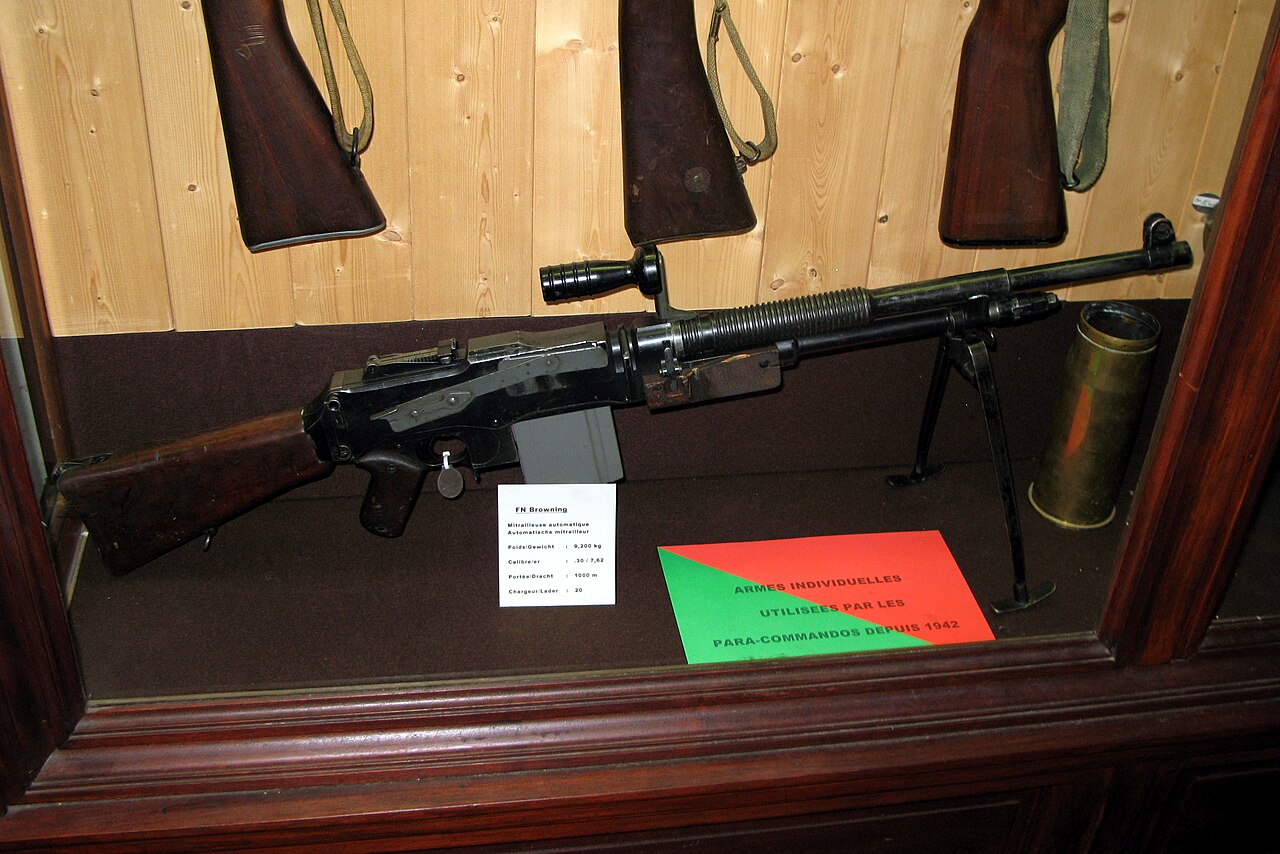
The Browning BAR hunting rifle is a gas-operated semi-automatic design introduced in 1967, distinct from the military rifle sharing its name. It has been offered in big-game cartridges such as .30-06 Springfield and .300 Winchester Magnum, making it part of North America’s hunting tradition. Its action offers smooth cycling, while the mechanism and overall weight call for proper cleaning and familiarization. Generations vary in features and specifications. For a moose hunt, check local rules on semi-automatic rifles and magazine capacity, and confirm the model’s condition before travelling.