A box of hunting ammo now tells a bigger economic story than most hunters realize. What used to feel like a routine pre-season purchase is becoming a lesson in metals, trade policy, and shrinking caliber choices.
The Price Tag Starts Long Before The Trigger Pull
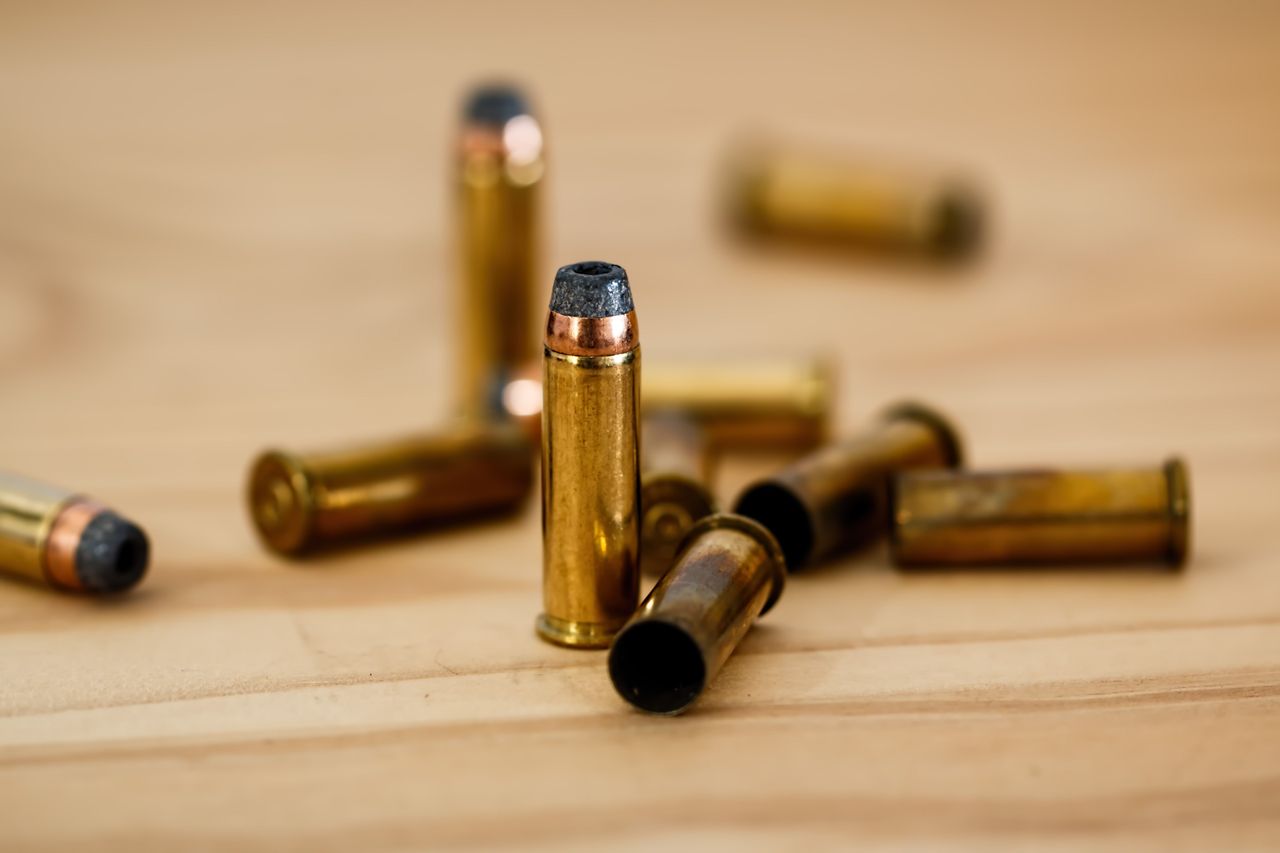
Most hunters think of ammunition as powder, primer, bullet, and brass case. In reality, every round also carries the cost of metals markets, factory energy, freight, packaging, and taxes layered in before it ever reaches a store shelf.
That matters more now because U.S. tariff policy has raised the cost pressure on steel and aluminum imports and later expanded to copper under Section 232 actions. White House actions in 2025 restored broad steel and aluminum tariffs effective March 12, 2025, then raised those tariffs from 25% to 50% effective June 4, 2025, with later actions in 2026 continuing the broader metals program. Customs guidance and Congressional Research Service reporting both show how quickly those duties widened and intensified. According to Congress.gov, ammunition also already carries a federal excise tax of 11% on cartridges and shells before the retail markups hunters see.
Ammo makers do not need to import a finished hunting round directly to feel that squeeze. If they buy copper strip for brass, steel for tooling, imported shot materials, or machinery parts touched by those tariffs, their costs still rise. Even “domestic” ammo can become more expensive because domestic producers often price against a higher replacement cost environment.
That is why the tariff story shows up so quietly. Shelves may still look stocked, but a caliber that used to be affordable enough for practice, zero confirmation, and a spare box for the hunt can start feeling like a premium item almost overnight.
Why Hunters Feel It Differently Than Target Shooters

Hunters buy fewer rounds than high-volume target shooters, but they are often more sensitive to price on a per-box basis. A deer hunter may only shoot a few boxes a year, yet each box is usually premium soft-point, bonded, copper, or monolithic ammunition that already starts at a higher price point.
That makes every extra cost layer more visible. If a practice-grade 9mm round goes up a few cents, a target shooter notices it over time. If a premium 20-round box of .270 Winchester or 7mm Remington Magnum jumps by several dollars, a hunter sees it immediately, because the whole category was expensive to begin with.
There is also less room to substitute. A turkey or elk hunter cannot simply swap to the cheapest available load without changing point of impact, terminal performance, or even legality in some places. Waterfowl hunters are boxed in even further because they must use nontoxic shot, where steel is the budget option and bismuth- or tungsten-based loads climb steeply in price. Ducks Unlimited has long noted the cost gap between steel and denser alternatives, while Alaska wildlife guidance still advises hunters to size steel differently from lead because of performance differences.
So the hunter’s problem is not just “ammo is pricier.” It is that the affordable fallback options are fewer, and switching loads can carry real performance consequences in the field.
The Calibers Most Likely To Stay Affordable
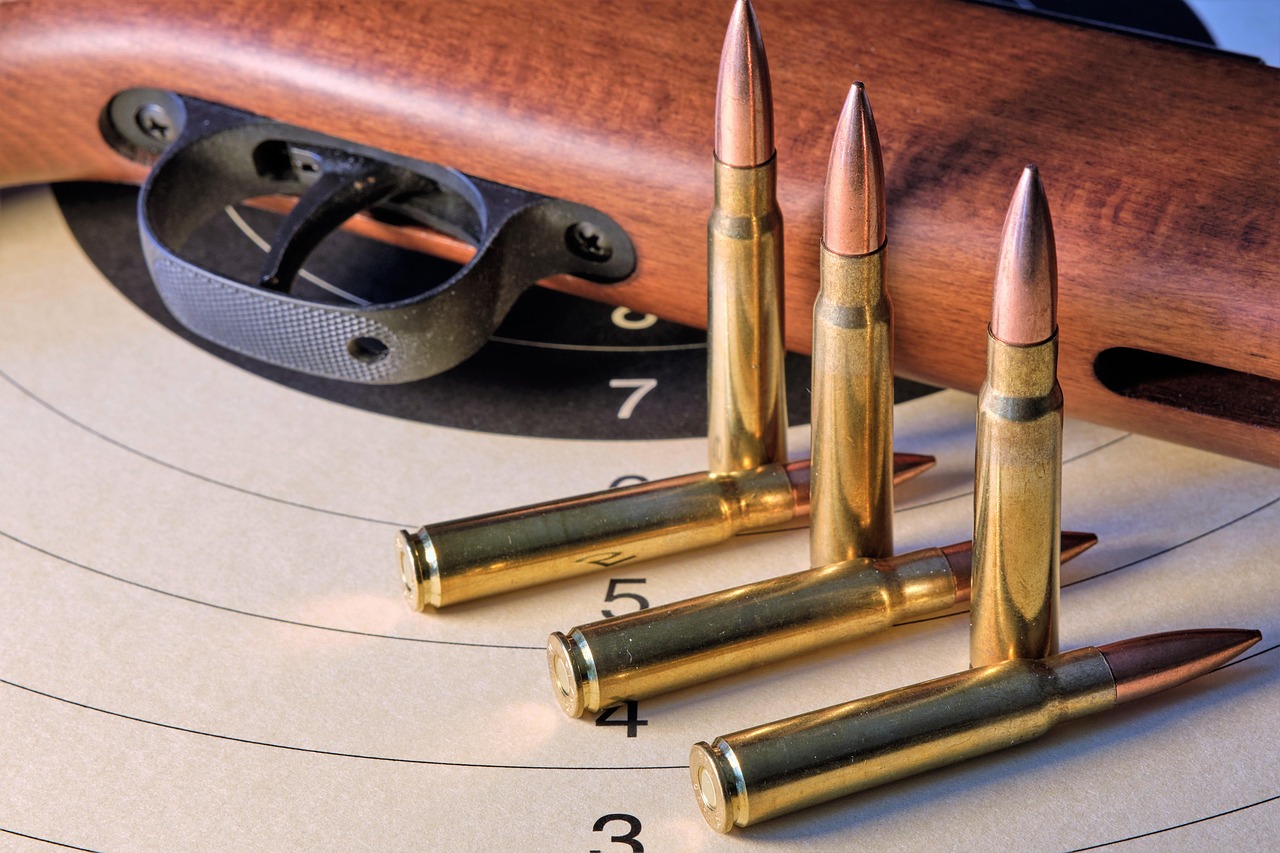
The winners in this environment are usually the calibers with the biggest installed base, the deepest production runs, and the most competition among manufacturers. That generally favors mainstream hunting rounds such as .223 Remington for varmints, .308 Winchester, .30-06 Springfield, 6.5 Creedmoor, and in many regions .243 Winchester.
These cartridges benefit from scale. More factories load them, more retailers stock them, and more component makers support them. When raw material costs rise, manufacturers tend to protect their fastest-moving SKUs first because those rounds keep lines efficient and inventory turning. A popular caliber is also more likely to have multiple tiers available, from basic soft points to premium controlled-expansion hunting loads.
By contrast, oddball, imported, or lower-volume calibers get pinched first. If a company has to allocate brass, bullets, and production time carefully, it will usually prioritize what sells in the greatest volume. That does not mean older favorites disappear, but it can mean fewer load options, longer gaps between production runs, and steeper shelf prices when stock finally returns.
Industry reporting from NSSF shows ammunition pricing in 2025 remained above 2019 levels even as the market normalized from pandemic-era extremes. In other words, availability improved, but “normal” did not mean cheap. In that kind of market, common calibers remain the safest place for budget-conscious hunters.
The Calibers And Load Types Most At Risk

The most vulnerable choices are usually niche centerfire rounds, imported hunting ammunition, and anything dependent on expensive specialty materials. Think classic European chamberings, less common magnums, and some legacy rounds that survive on periodic production rather than constant output.
Imported ammo is exposed twice. First, the finished product itself can face tariffs or trade pressure. Second, even when a foreign-made hunting load avoids the worst-case duty stack, importers still deal with freight, customs uncertainty, and a market where retailers expect future costs to rise. That tends to push prices upward before a hunter even reaches the counter.
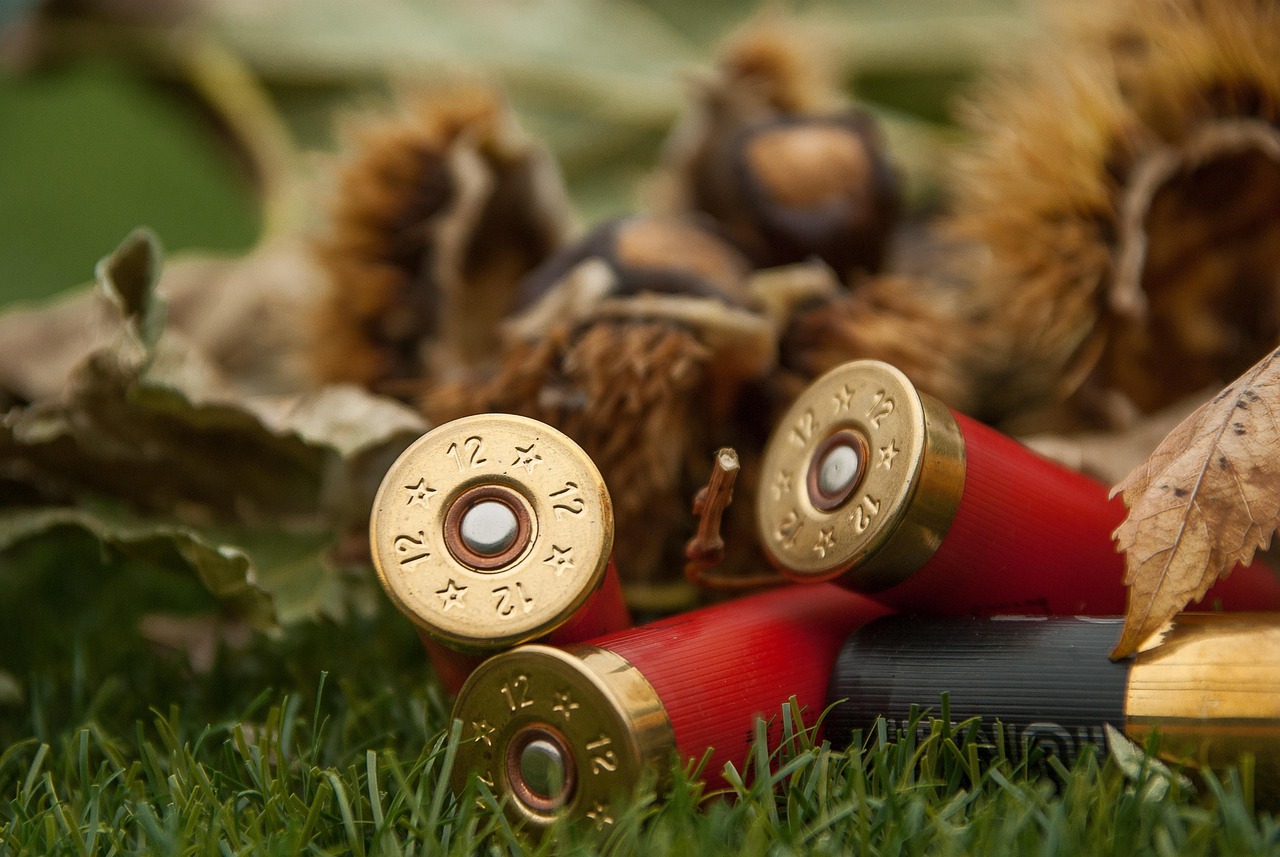
Waterfowl and turkey loads are another pressure point. Steel shot remains the entry-level nontoxic choice, but premium blends using bismuth or tungsten are tied to costly metals. Winchester’s 2025 launch of a steel-and-TSS blended waterfowl load shows where the market is going: brands are trying to deliver premium performance while rationing the most expensive dense shot materials. That is innovative, but it does not scream bargain pricing.
Lead-free rifle ammunition can also hit the wallet harder. Copper projectiles already cost more than conventional lead-core bullets, and government documents discussing lead-free transitions have acknowledged that higher copper demand can increase downstream retail prices for hunting ammunition. Hunters in states or seasons where lead-free loads are preferred or required feel that pressure first.
Why Even Domestic Ammo Is Not Immune
A common assumption is that tariffs mainly hurt imported ammunition, while American-made hunting ammo should be mostly insulated. In practice, that is too simple. Ammunition manufacturing depends on an industrial web of metals, chemicals, presses, tooling, and replacement parts sourced globally or priced against global markets.
Brass itself is a copper-zinc alloy, and copper has become a much bigger trade-policy story. The White House said in 2026 that copper had been added to the Section 232 tariff program in July 2025 at the same 50% rate as steel and aluminum, reinforcing the cost pressure on industries that rely heavily on copper inputs. For hunters, that matters because brass cases and many bullet designs are tied directly to copper pricing.
Even if an ammunition plant sources components domestically, domestic suppliers often raise prices when their own input costs climb or when tariff-protected competitors gain pricing power. Reuters and industry observers have long tracked how tariffs ripple beyond the exact imported item being taxed, especially in manufacturing sectors built around intermediate goods.
The result is a broad repricing effect. Hunters may notice it first in premium calibers, but eventually the pressure works across the whole category, from common deer rounds to shotshells and specialty predator loads.
What Hunters Are Already Doing In Response
Hunters are adapting, and their behavior tells you where the market is headed. Many are simplifying around one rifle and one easy-to-find caliber rather than maintaining several guns chambered in niche rounds. Others are sighting in with cheaper loads when possible and saving premium hunting ammo strictly for final zero checks and the season itself.
Some are moving toward calibers that balance effectiveness with retail availability. That is one reason rounds like .308 Winchester and 6.5 Creedmoor keep hanging on so well. They are common enough to survive supply disruptions better than obscure alternatives, yet capable enough for a wide range of North American games.
Retailers and distributors are adapting too. NSSF’s tariff webinars in 2025 and 2026 show the industry treating trade policy as a core business risk, not a side issue. When trade groups are coaching members on how to navigate steel, aluminum, copper, reciprocal tariffs, and refund procedures, that is a sign the pressure is structural, not temporary background noise.
For the average hunter, that means flexibility now matters almost as much as brand loyalty. The people least stressed this season may be the ones whose rifles are chambered in calibers every major ammo maker still wants to load in volume.
What Affordable Hunting Ammo May Look Like Next
The big shift is not that hunters will stop buying ammunition. It is that “affordable” may increasingly mean mainstream, versatile, and mass-produced. The old freedom to casually choose a quirky caliber because one store always had two dusty boxes in stock is getting harder to count on.
That does not mean every uncommon cartridge is doomed. It does mean the economics are tilting toward consolidation. Manufacturers will keep favoring high-volume lines, retailers will put more shelf space into sure sellers, and hunters will increasingly choose chamberings based not just on ballistics, but on whether they can still afford to practice each fall properly.
This season, the quiet reshaping is already underway. Tariffs on steel, aluminum, and copper do not have to be stamped on a box of .308 or 12-gauge steel shot to affect the final price. They are embedded in the supply chain, in the components, in the margins, and in the decisions companies make about which loads deserve another production run.
That is why caliber choice suddenly feels more economic than romantic. In hunting, affordability has always influenced popularity. Now, trade policy is helping decide which rounds stay within reach.