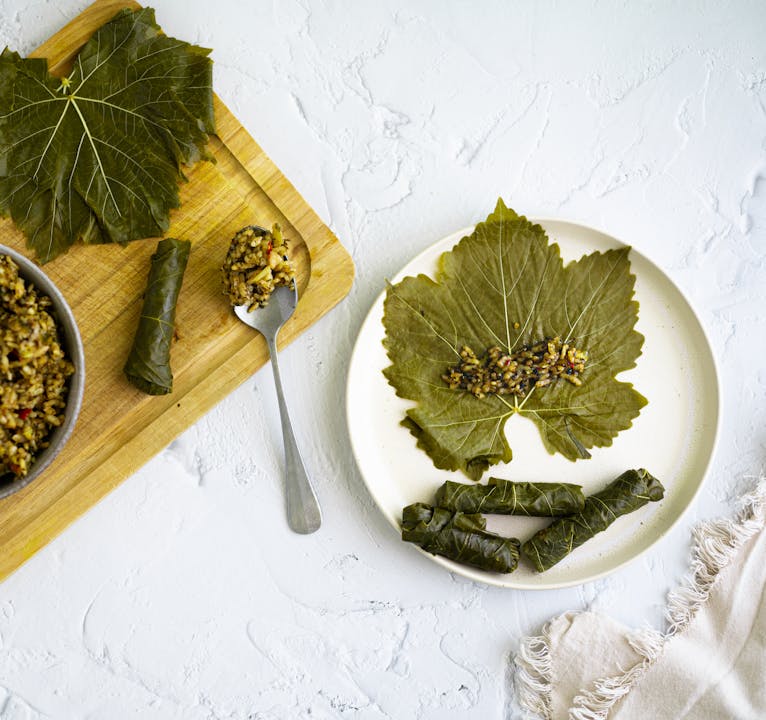
Many outdoor cooks and foragers turn to plants for practical tools that serve both function and flavor. Certain leaves, stems, and husks hold heat well, resist burning, and offer natural shapes perfect for wrapping or scooping food. These versatile plants add subtle aromas and simplify cooking in nature. Their usefulness reflects long traditions of resourceful techniques that rely on what the landscape provides.
Banana Leaves
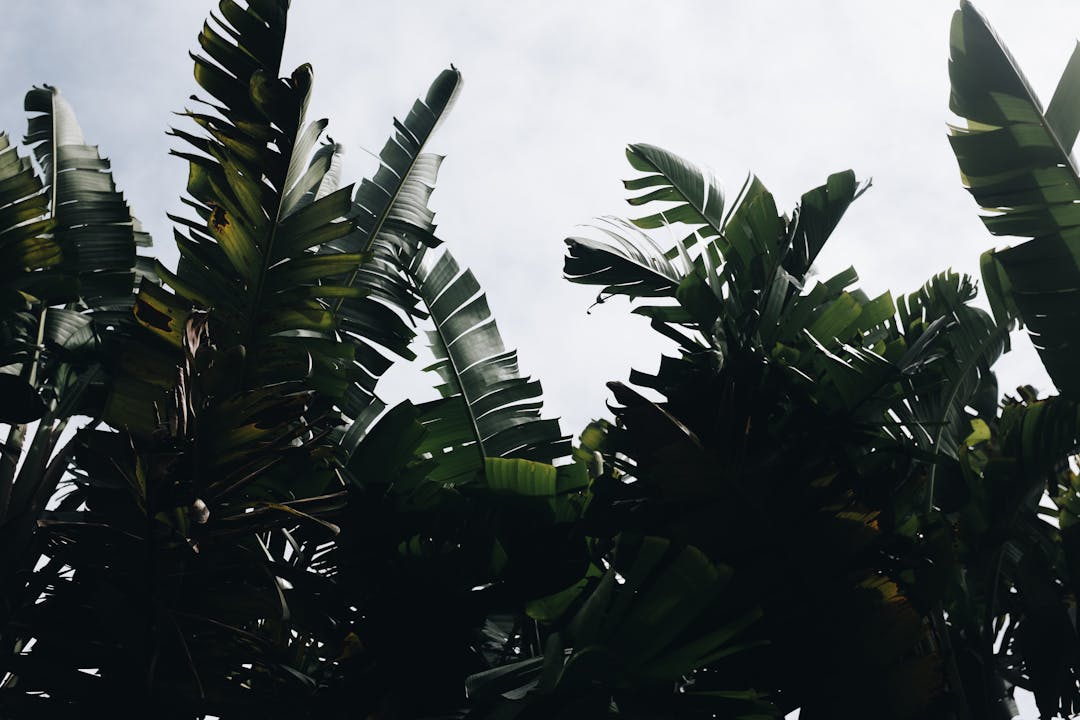
Banana leaves make durable, heat-resistant wrappers that hold moisture and infuse food with a mild aroma. Their broad surface folds easily around fish, rice, or vegetables, creating natural steam pockets. The leaves withstand grilling, steaming, and roasting without breaking apart. Their smooth texture also prevents sticking, making cleanup simple in outdoor settings.
Corn Husks
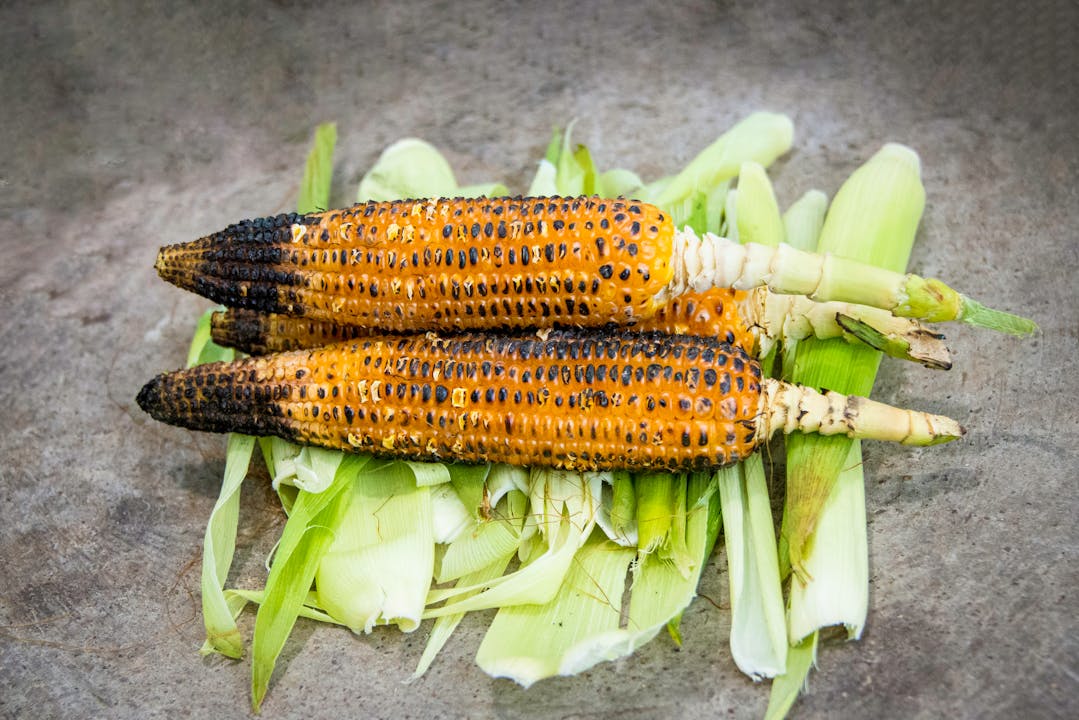
Corn husks serve as lightweight, flexible wrappers ideal for steaming or grilling. Their natural fibers soften when soaked, allowing them to fold neatly around fillings. Husks add a subtle sweetness that complements many dishes. They also provide structure for foods that need shape during cooking, making them a long-standing staple in traditional recipes.
Bamboo Shoots
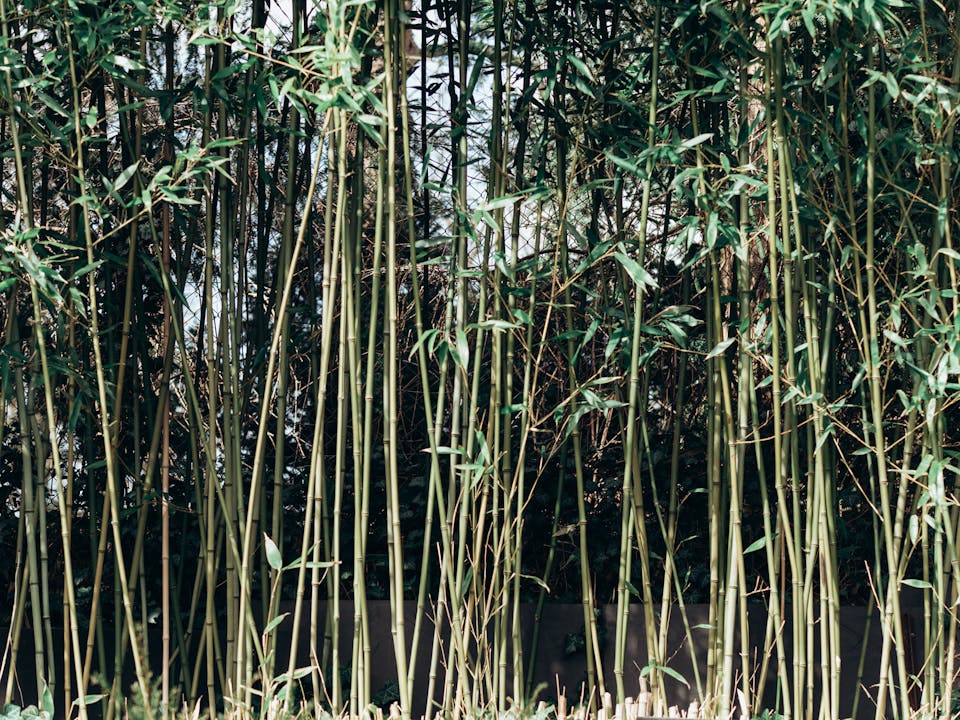
Bamboo forms sturdy, hollow segments that work well as makeshift cups, scoops, or steamer tubes. When heated, the chambers help cook rice, broth, or small portions of vegetables. The natural structure withstands direct flame and creates gentle, even cooking. Bamboo’s mild flavor allows ingredients to shine while adding a rustic touch to outdoor meals.
Cattail Leaves
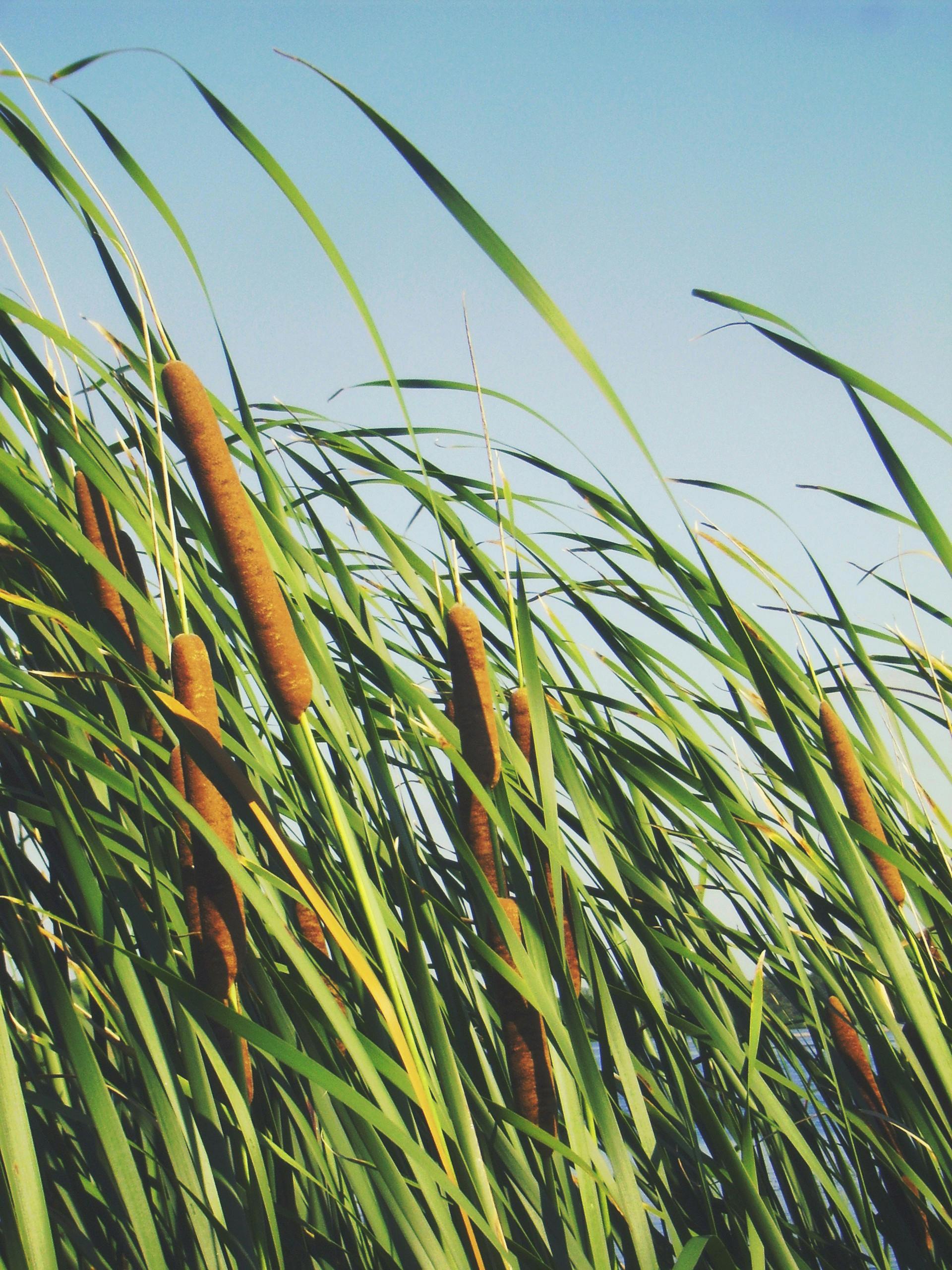
Long, flexible cattail leaves make effective ties or wraps for bundling herbs, fish, or small vegetables. Their toughness increases when dried slightly, allowing them to hold shape during steaming or boiling. The leaves resist tearing under heat and add a light, earthy scent. Their slender form makes them especially useful for securing natural food packets.
Grape Leaves
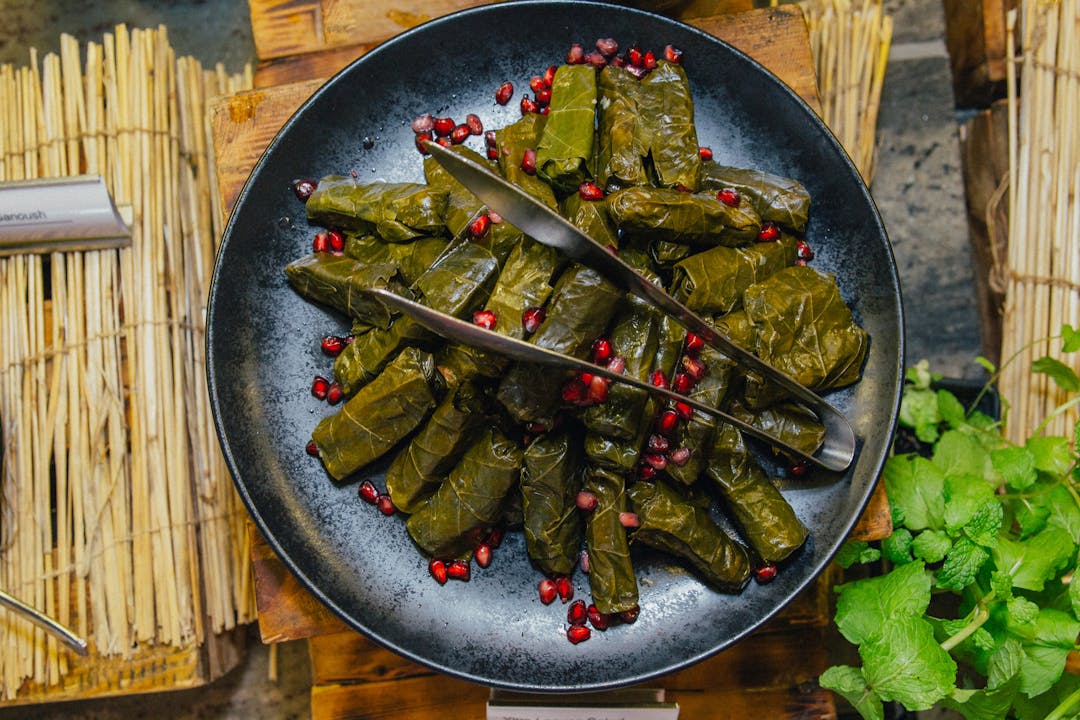
Grape leaves have a strong, pliable texture and a balanced acidity that enhances many fillings. When blanched, they become soft enough to wrap tightly around grains, meats, or vegetables. The leaves hold shape during simmering, creating compact, flavorful bundles. Their slight tartness contributes an appealing depth to traditional and modern dishes.
Palm Leaves

Palm leaves offer sturdy, breathable material suitable for lining pits, wrapping ingredients, or forming shallow cooking vessels. Their wide surface area and durable fibers withstand high heat without falling apart. The leaves help distribute warmth evenly and reduce scorching. Their versatility makes them useful for a variety of outdoor cooking methods.
Fig Leaves
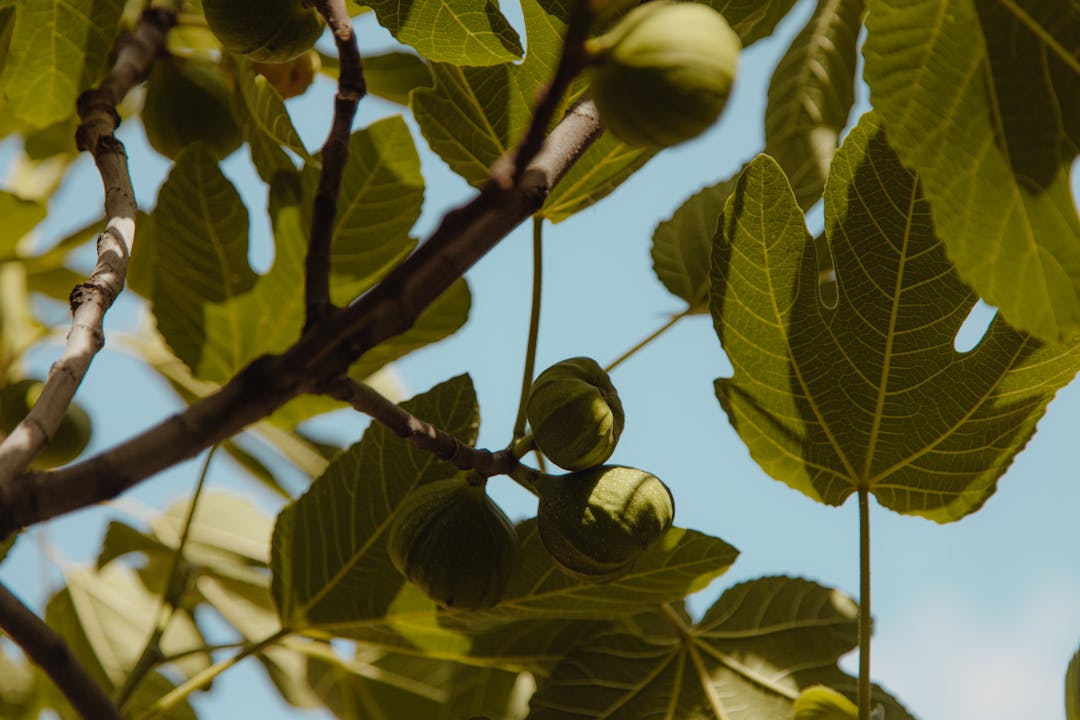
Fig leaves bring a distinctive fragrance and velvety texture to wrapped foods. The leaves hold up well to grilling or steaming, adding subtle notes reminiscent of coconut or vanilla. Their broad shape allows for easy folding around fish, cheese, or grains. Fig leaves contribute both aroma and structure during the cooking process.
Plantain Leaves
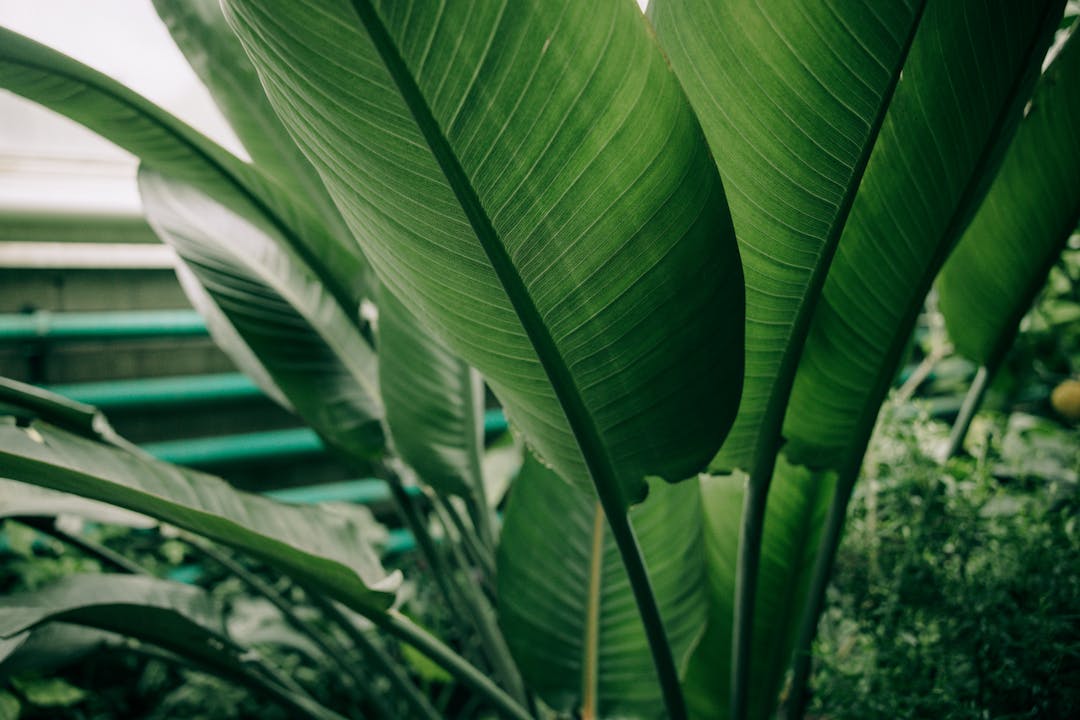
Plantain leaves resemble banana leaves but offer a slightly firmer texture and stronger fibers. They excel as steaming or grilling wrappers, trapping moisture and infusing dishes with a gentle herbal scent. Their durability prevents tearing, even under intense heat. Plantain leaves remain a popular choice in regions where traditional cooking depends on natural materials.