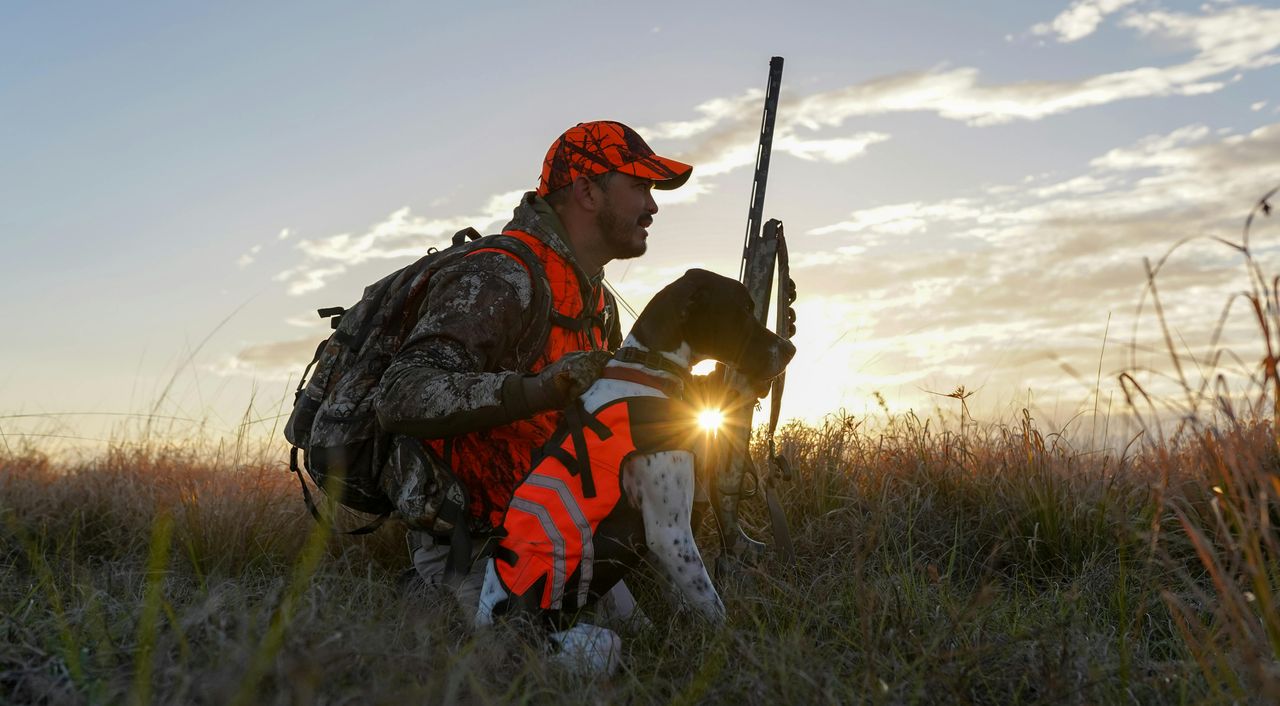
Modern technology has redefined adventure and convenience, but it’s also quietly dulling one of humanity’s oldest tools, our natural survival instincts. In the wilderness, dependence on screens and gadgets can be as dangerous as bad weather or poor planning. Many outdoorsmen now rely on apps, GPS, and social media more than intuition, observation, and preparation. Here’s how modern tech might be sabotaging your instincts when you need them most.
1. Overreliance on GPS Navigation
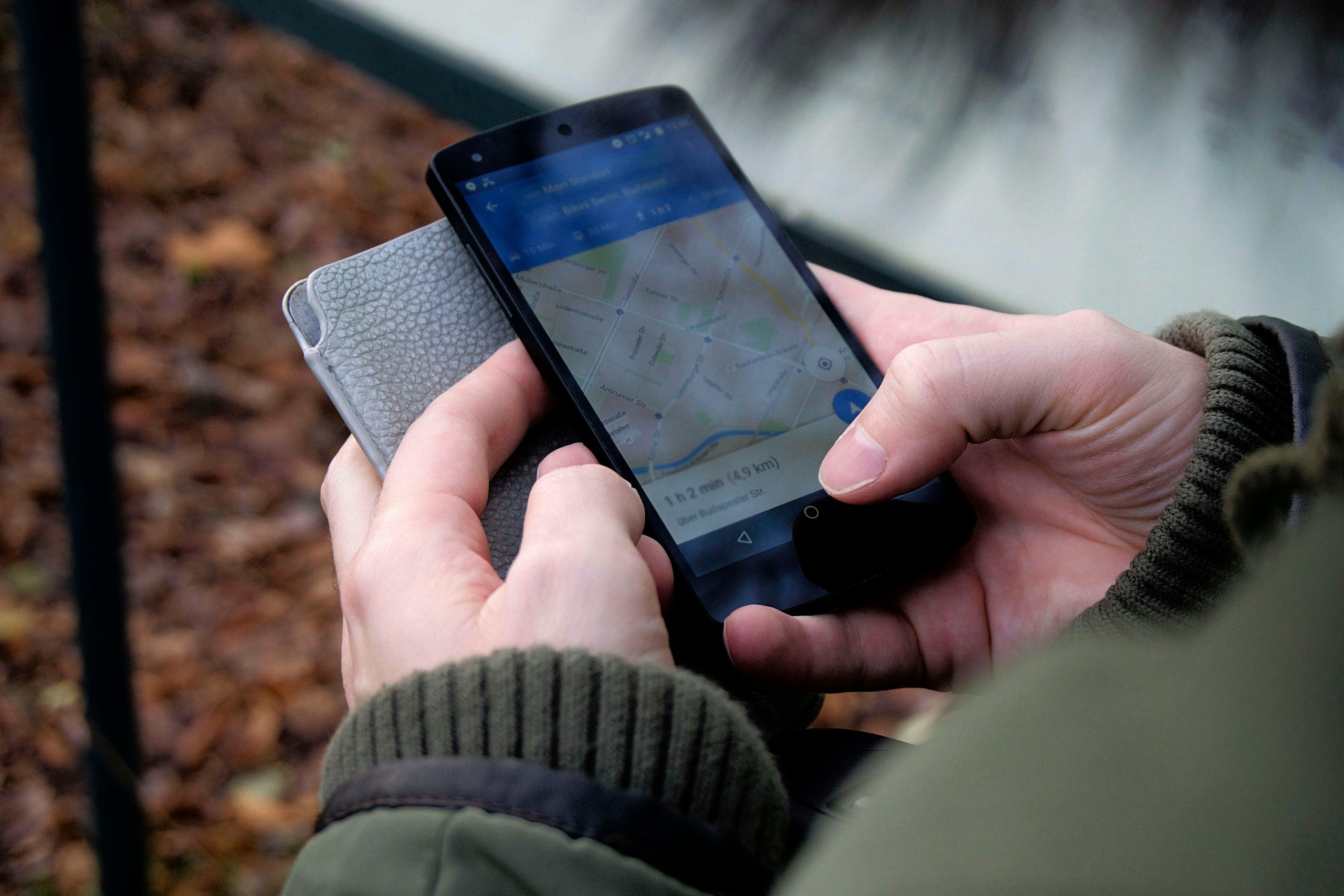
GPS devices and smartphone maps have replaced the traditional skills of reading terrain, recognizing landmarks, and navigating by the sun or stars. While convenient, they create a false sense of security. Batteries die, signals drop, and terrain changes. Without a compass or mental map, you may find yourself stranded. Real survival demands situational awareness, not just a blinking blue dot.
2. The False Confidence of Weather Apps

Checking your phone for weather forecasts is standard, but wilderness weather rarely obeys digital predictions. Mountains form microclimates that can shift in minutes, turning clear skies into storms. Relying too heavily on apps discourages reading natural signs like wind direction, cloud movement, and temperature drops. Trusting technology over experience can mean getting caught in sudden, life-threatening conditions.
3. Digital Distraction and Reduced Awareness
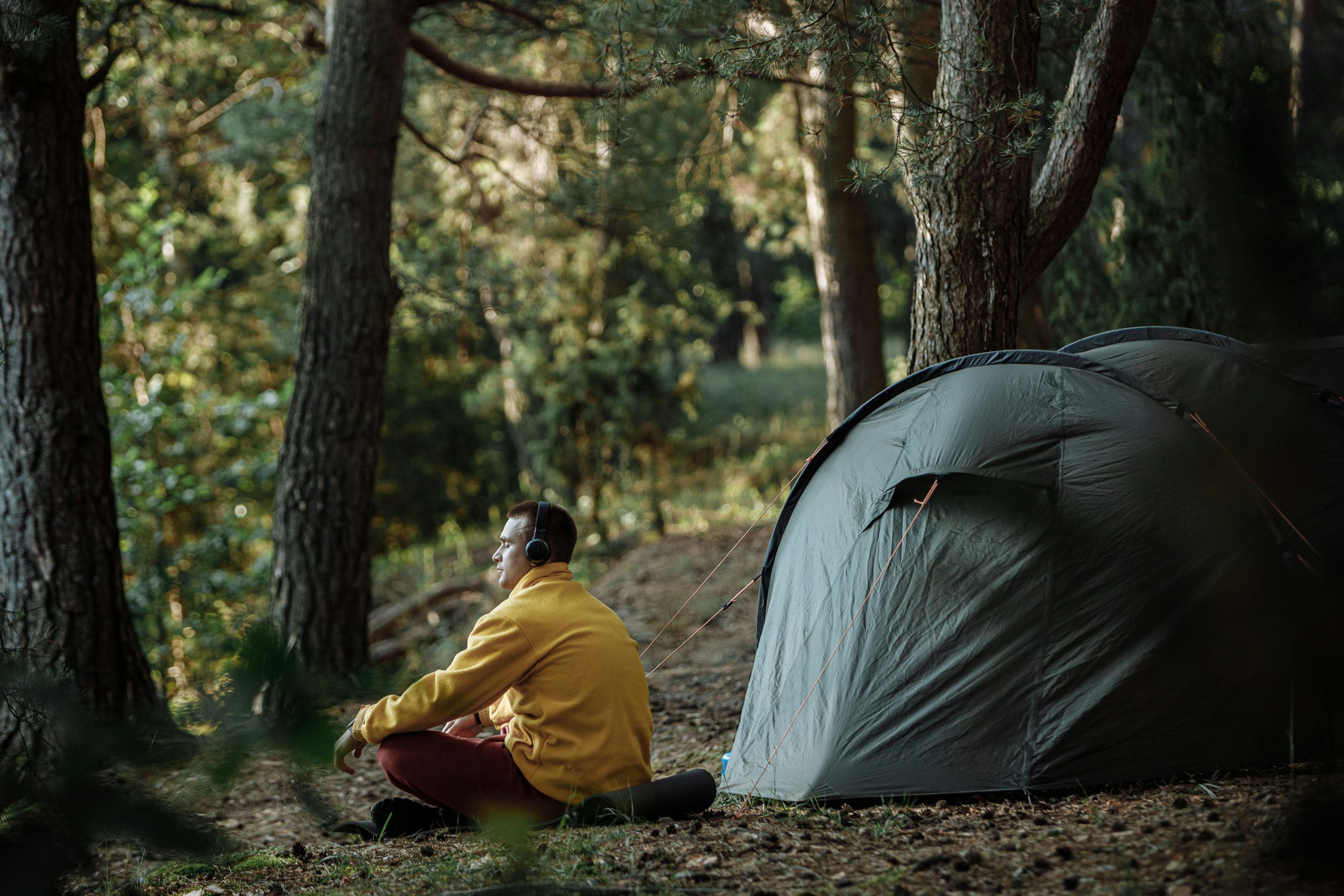
Constant connection through phones, music, and social media reduces environmental awareness, one of the most vital survival skills. With earbuds in or eyes on screens, hikers often miss warning signs like changing animal behavior, fading light, or unstable footing. Survival begins with observation, and tech distractions dull that essential sense of alertness needed to react quickly and effectively.
4. Battery Dependency for Basic Needs

Nearly every modern outdoor tool, from flashlights to stoves, relies on rechargeable power. While efficient, this dependency can backfire. When power runs out, you lose more than convenience; you lose heat, light, and sometimes communication. Survival requires redundancy: backup batteries, manual tools, and the mindset to improvise when electricity isn’t an option. True preparedness is analog at its core.
5. Artificial Comfort Reducing Resilience
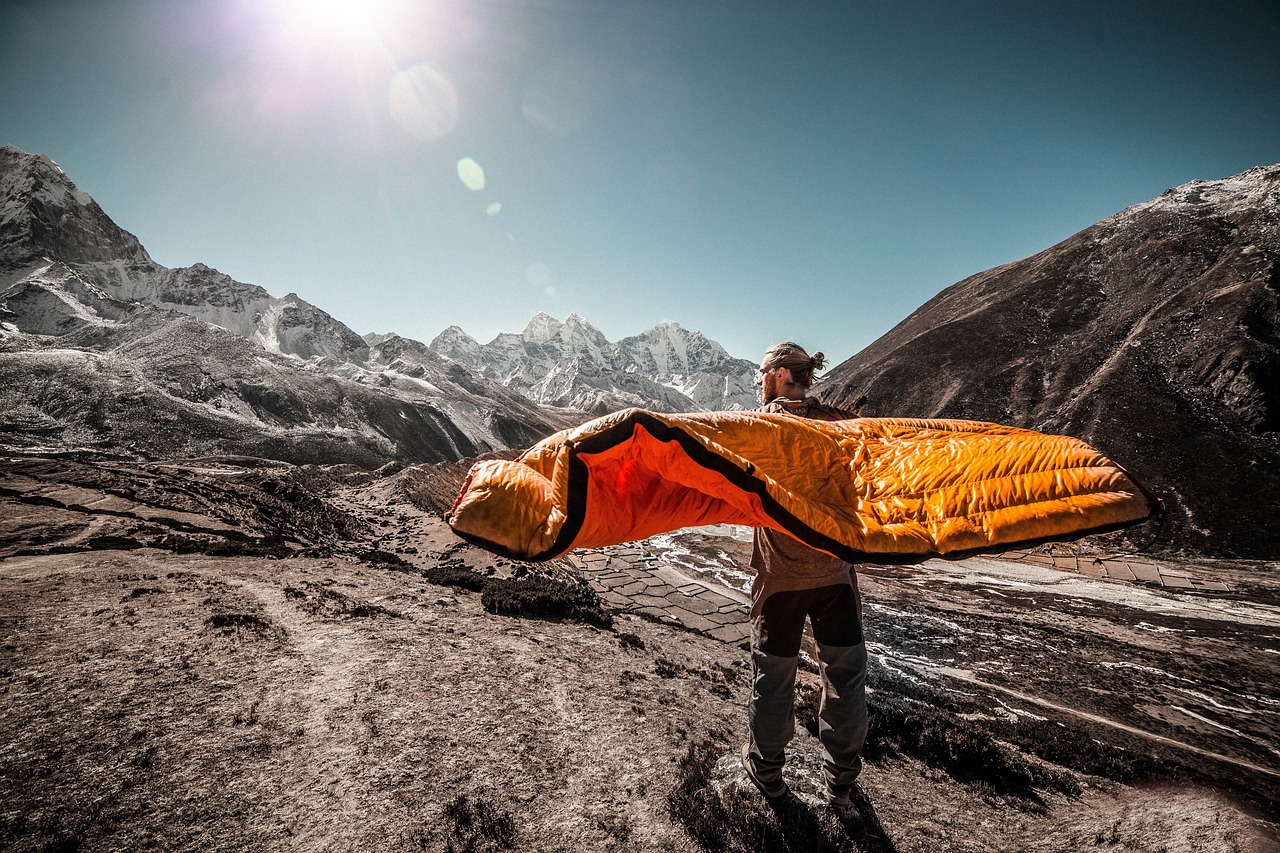
Modern gear offers unmatched comfort, heated jackets, inflatable beds, and repackaged meals, but it can soften the mental toughness needed to endure hardship. Survival isn’t just about gear; it’s about grit. When comfort tech fails, many panic or freeze. Practicing minimalism, roughing it occasionally, and knowing how to adapt without luxury help maintain psychological and physical resilience outdoors.
6. Ignoring Natural Navigation Skills

Before technology, humans used the sun’s arc, moss growth, river flow, and animal paths to find direction. Now, few can identify even basic natural cues. This disconnect leaves modern adventurers helpless if devices malfunction. Relearning these ancient skills not only increases self-reliance but also reconnects you with the rhythms of nature, something no satellite can replicate.
7. Data Over Instinct in Decision Making
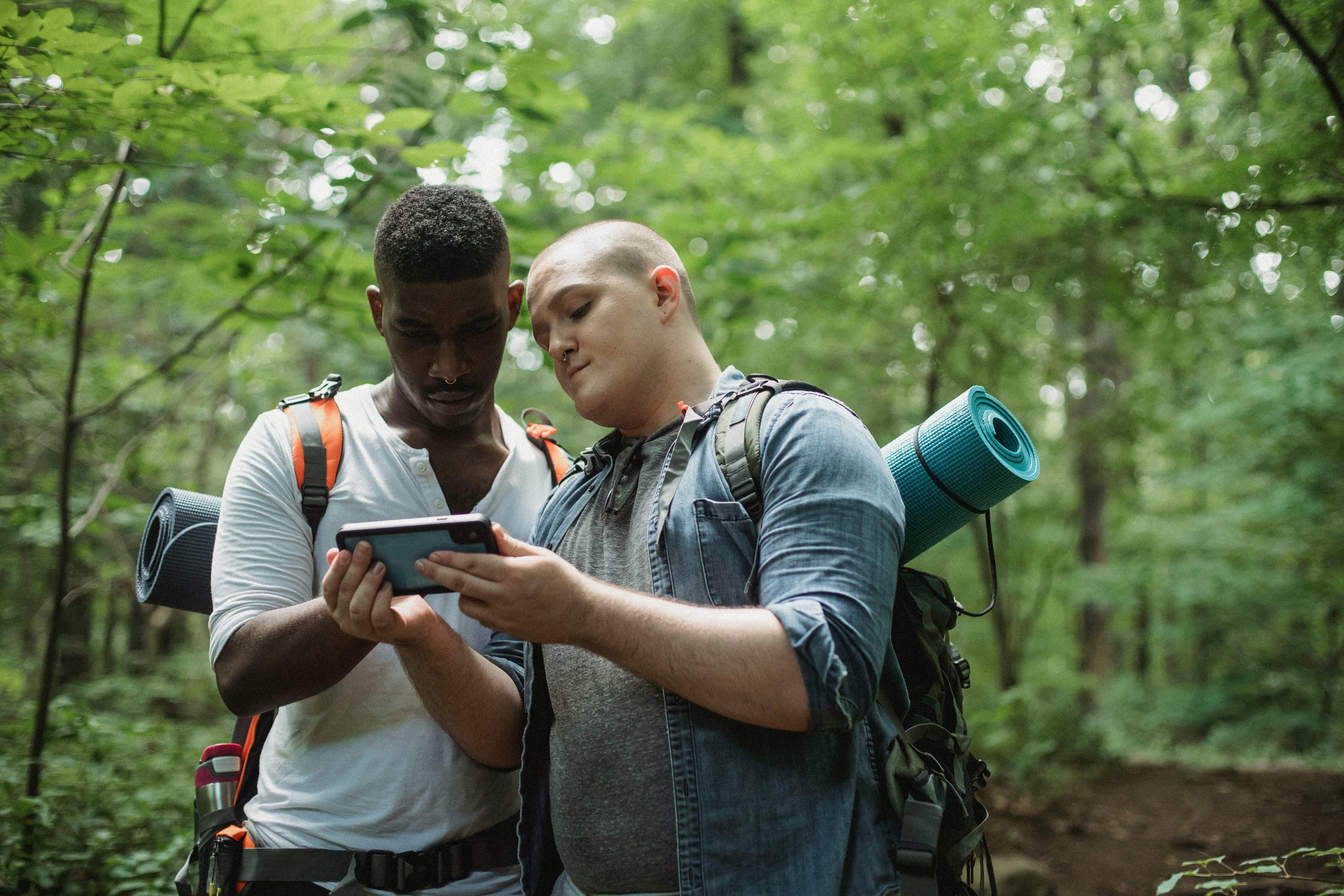
Apps now tell hikers when to rest, where to camp, and how far to go. While helpful, this outsourcing of decision-making weakens the ability to assess real-world risks using intuition and experience. Tech can’t sense fear, exhaustion, or terrain texture like humans can. Survival relies on judgment, not algorithms. The more we trust data over gut instinct, the more vulnerable we become.