The Bersa Thunder rarely enjoyed the prestige, hype, or marketing machine that boosted many rival handguns in the United States. Yet for a certain kind of owner, it earned something more durable than buzz: trust. This gallery explores why the Thunder still inspires loyalty, and why many American buyers never quite grasped what made it such a sensible, appealing sidearm.
It was built for ordinary people, not status seekers
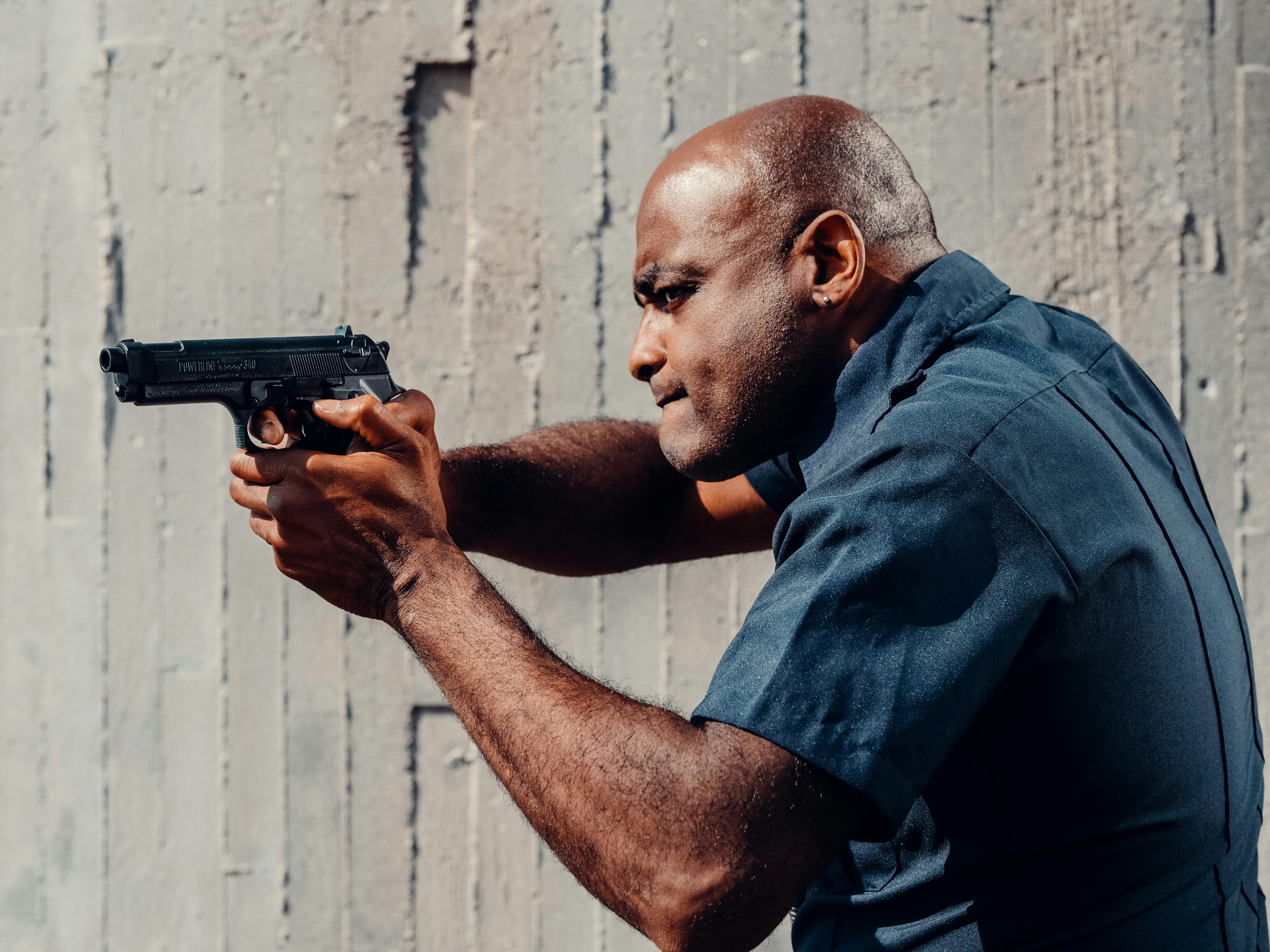
The Bersa Thunder appealed to buyers who wanted a dependable handgun without paying for prestige branding. It never tried to be a luxury object, and that was exactly the point. For working shooters, first time buyers, and people who simply wanted a practical carry gun, that straightforward mission mattered.
In the American market, handguns are often sold with a heavy dose of identity and aspiration. The Thunder came across as humble, even plain, in a culture that often rewards image. But for loyal owners, its lack of swagger was part of its charm because it felt designed for real life instead of display.
The price made it easy to say yes
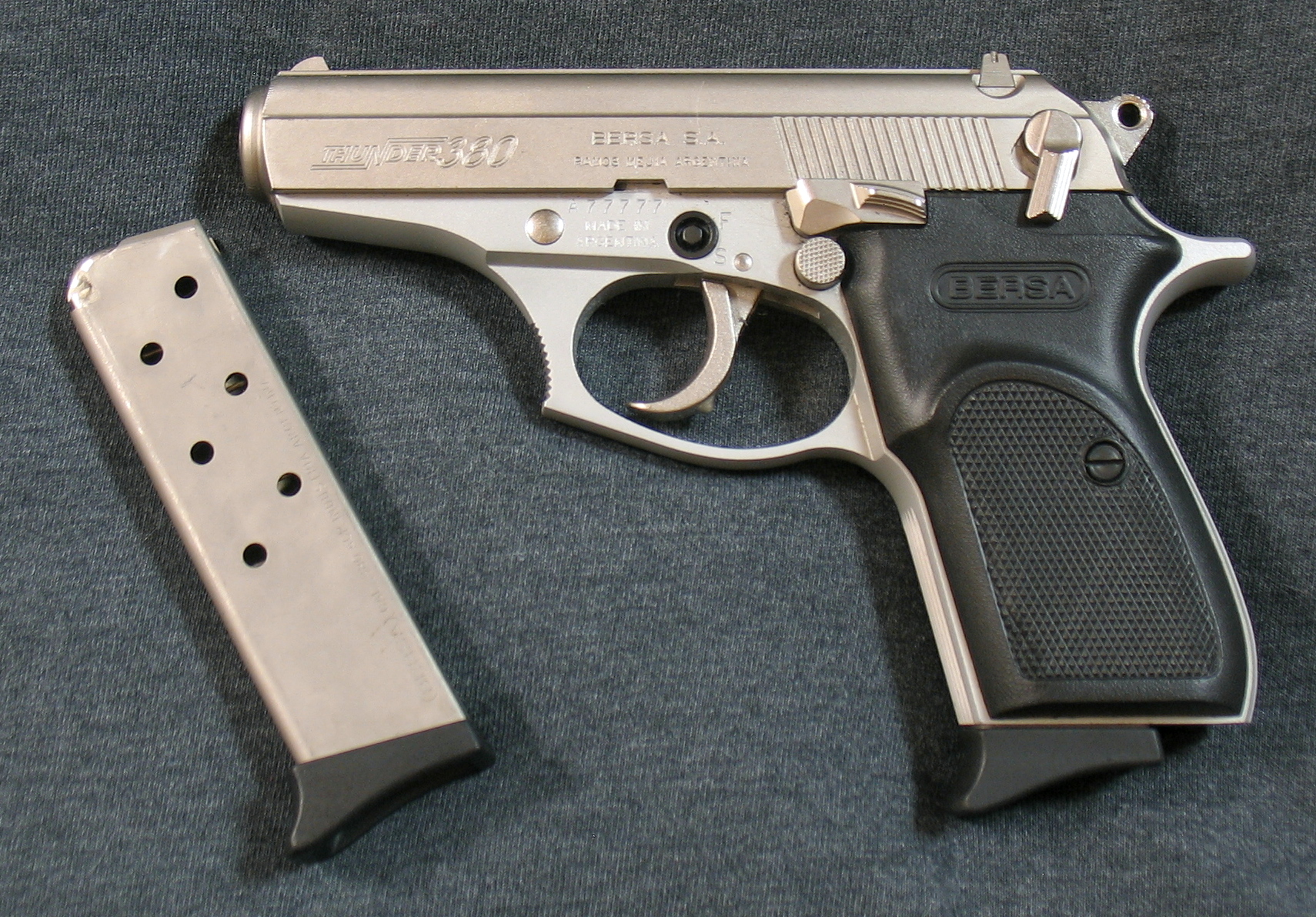
One of the Thunder’s biggest strengths was simple affordability. It gave buyers an all metal pistol with recognizable defensive features at a price that often undercut more famous European and American alternatives. That value proposition was hard to ignore, especially for people shopping with a strict budget.
In the United States, lower price is often mistaken for lower worth, even when the product performs well. The Bersa got trapped in that perception. Owners who spent real time with one often discovered it delivered much more than its price tag suggested, which created the kind of satisfaction that turns a purchase into long term loyalty.
Its controls felt reassuringly familiar
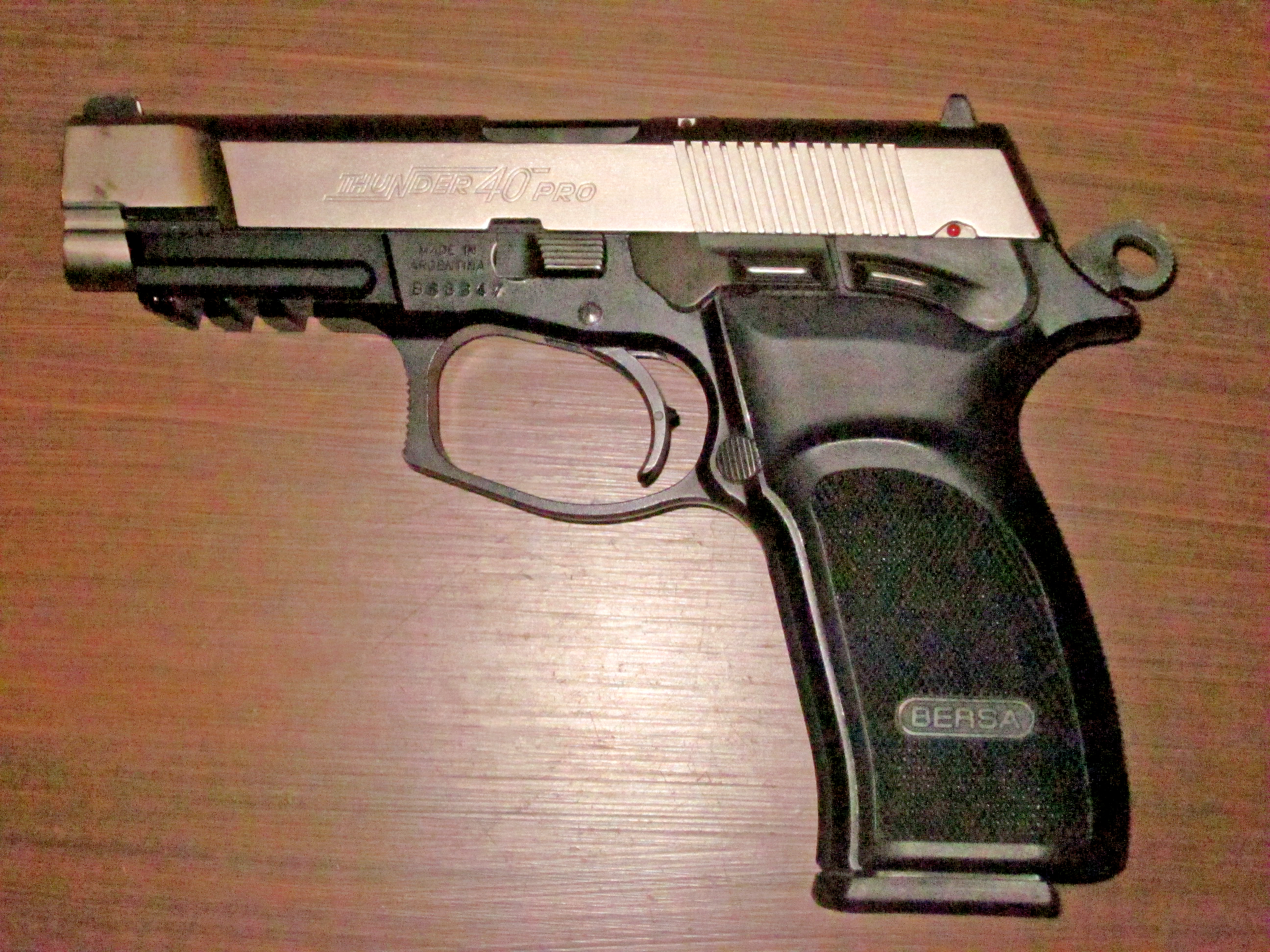
The Thunder’s layout made sense to a lot of shooters right away. With a traditional double action system, slide mounted safety and decocker, and a magazine release where many expected it, it felt approachable to people raised on older service pistol designs. There was very little mystery to its operation.
That kind of familiarity can be undervalued in a market obsessed with the next innovation. American buyers often chase what is newest, lightest, or most modular. The Bersa instead offered a manual of arms that felt settled and proven, which gave many owners confidence from the first box of ammunition onward.
The size hit a practical sweet spot

The Thunder sat in a very useful middle ground. It was compact enough to carry, yet large enough to hold comfortably and shoot with more control than many ultra small pocket pistols. For people who wanted one gun that could serve at the range, at home, and under a cover garment, that balance was attractive.
The American market often swings between full size duty guns and tiny concealment pieces, leaving less room for sensible in between choices. The Bersa lived in that middle space. Loyal owners understood that its dimensions were not accidental or outdated, but tuned for everyday usability in a way many trends overlooked.
The all metal frame gave it real shooting comfort

In an era increasingly dominated by polymer frames, the Thunder’s metal construction gave it a distinct personality in the hand. That extra heft helped tame recoil, especially in .380 ACP, and made range sessions more pleasant than many people expected from a compact defensive pistol.
American buyers often equate lighter with better because lighter guns are easier to carry all day. But there is another side to the story, and loyal Thunder owners know it well. The added weight can make practice less punishing, which encourages more shooting, more confidence, and often better performance when it matters.
It had a reputation for dependable everyday function
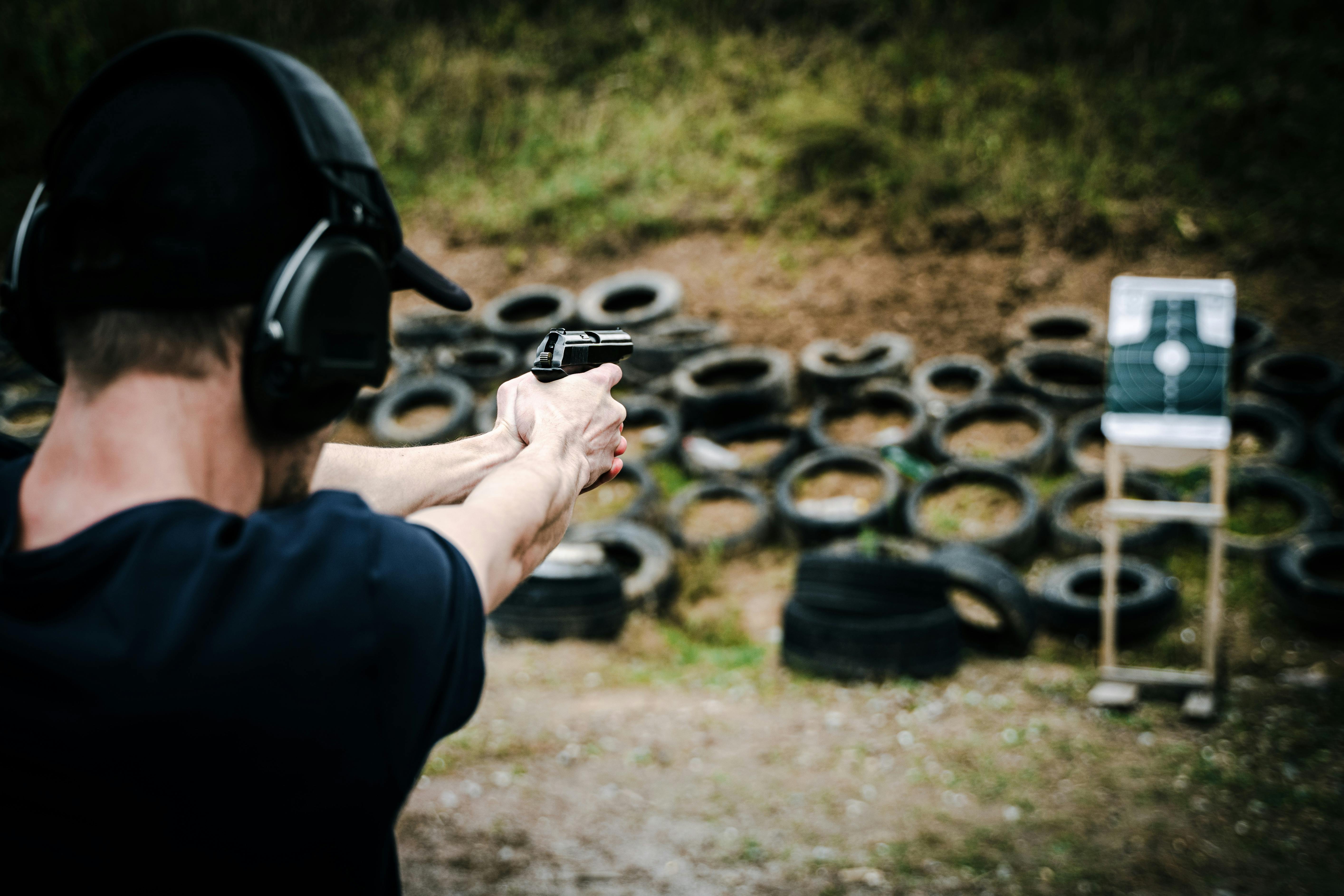
The Thunder did not build its following through flashy claims or elite tactical endorsements. It built it the old fashioned way, by running well enough for the people who carried it, trained with it, and kept it for years. In many circles, that kind of lived experience matters more than advertising copy ever could.
The American market can be unforgiving toward brands outside the top tier conversation, even when owners report solid results. Bersa never fully broke into the prestige lane, so its reliability story stayed more personal than public. That actually strengthened owner loyalty because trust came from use, not hype.
It offered more features than people expected at the price
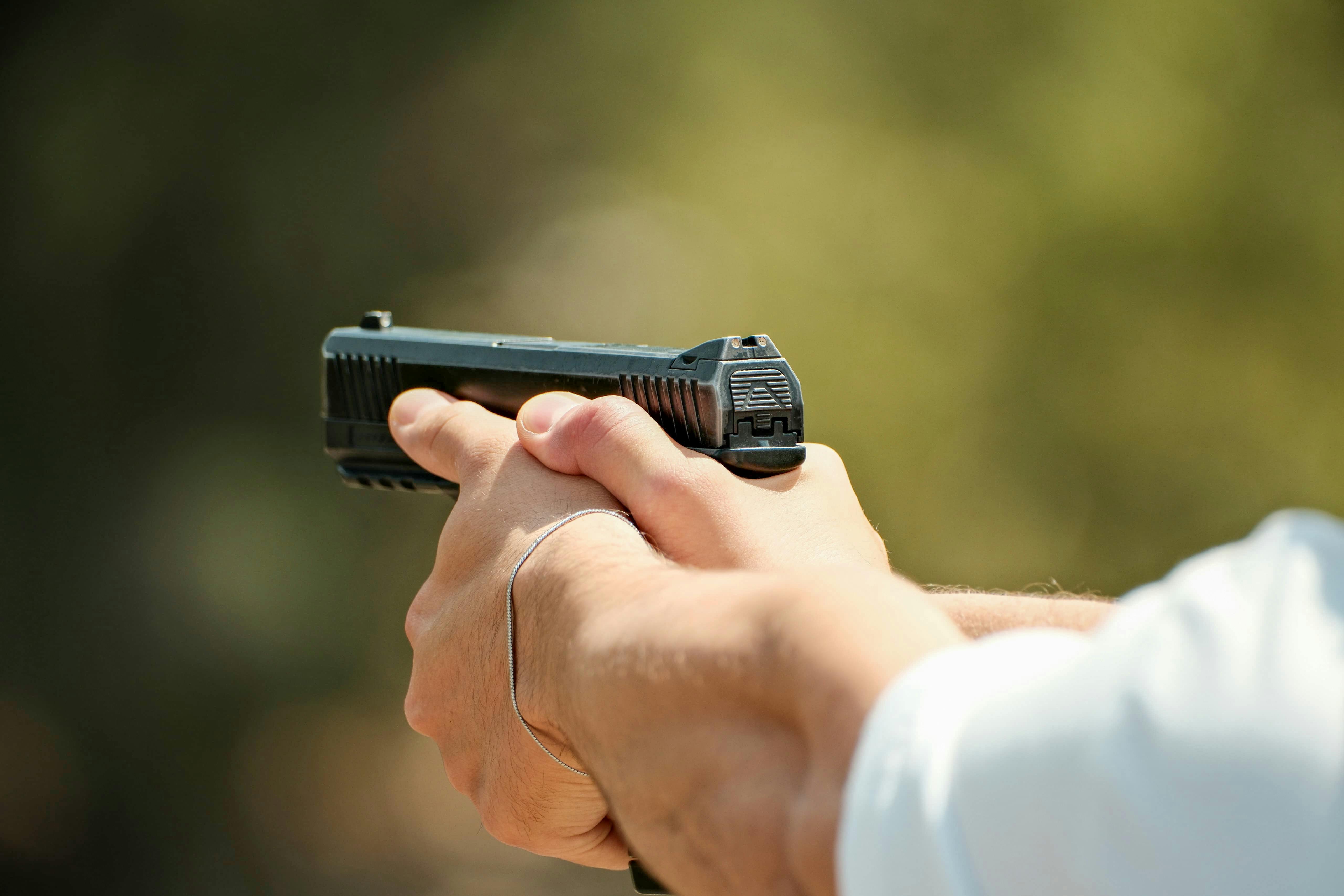
Part of the Thunder’s appeal was how complete it felt. Buyers often got usable sights, a decocker, a comfortable grip shape, and practical carry dimensions without stepping into a much higher price bracket. It did not feel stripped down or like a compromise special, which left a strong impression.
That is where the American market sometimes missed the point. A gun does not need luxury positioning to be thoughtfully equipped. The Thunder gave many owners the sense that somebody had actually considered what an average person would want in a defensive pistol, then delivered it without unnecessary drama or premium pricing.
The recoil and trigger behavior felt manageable to many shooters
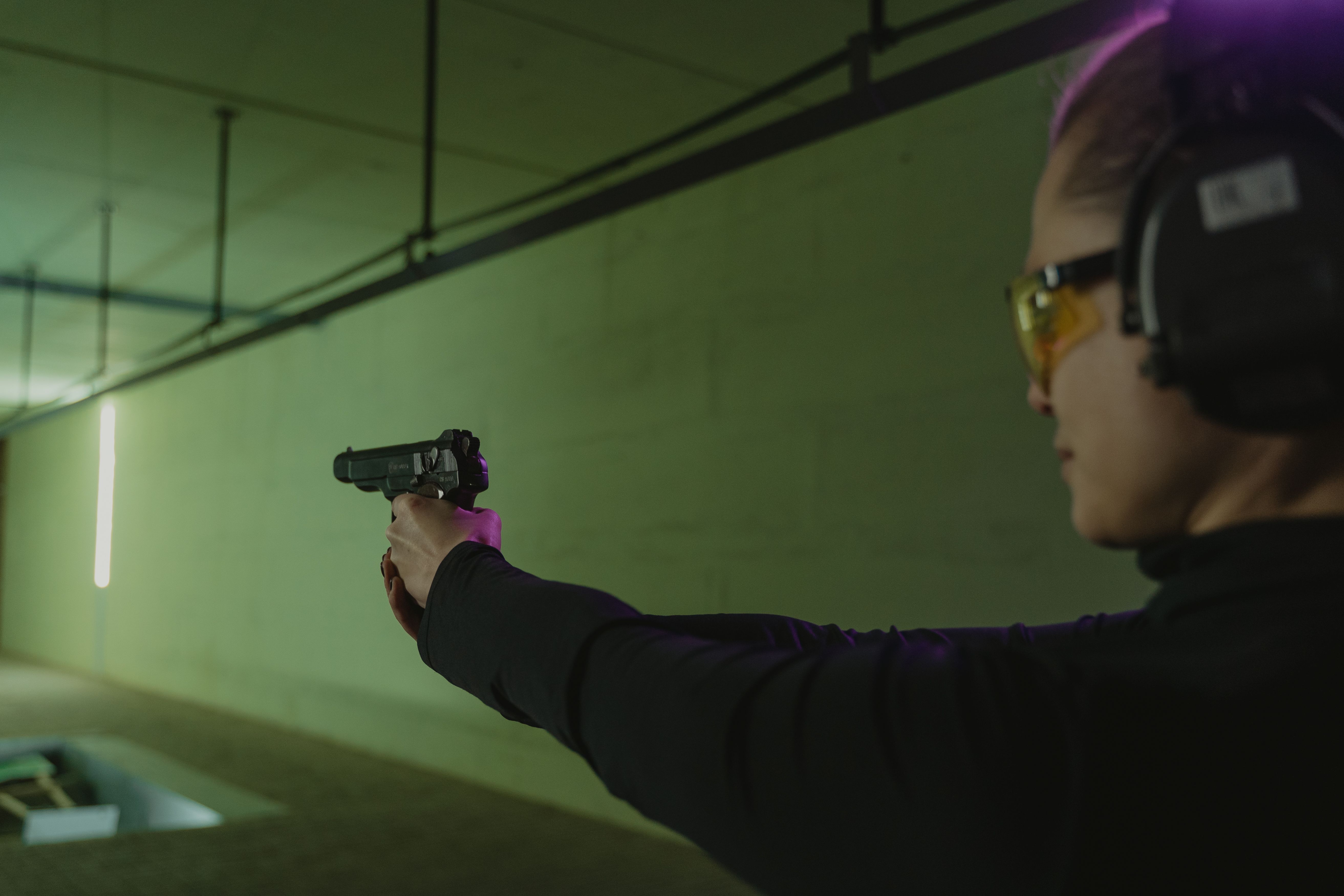
No compact blowback pistol is going to feel identical to a soft shooting full size handgun, but many Thunder owners found it surprisingly manageable. The combination of grip shape, weight, and straightforward trigger system gave people a rhythm they could learn. For shooters with average hands and average experience, that counts for a lot.
The U.S. market often evaluates handguns through spec sheets and internet shorthand. Real shooting impressions can get lost in that noise. The Thunder was one of those pistols that often made more sense on the range than it did in forum debates, which helps explain why owners tended to defend it so strongly.
It benefited from word of mouth more than marketing
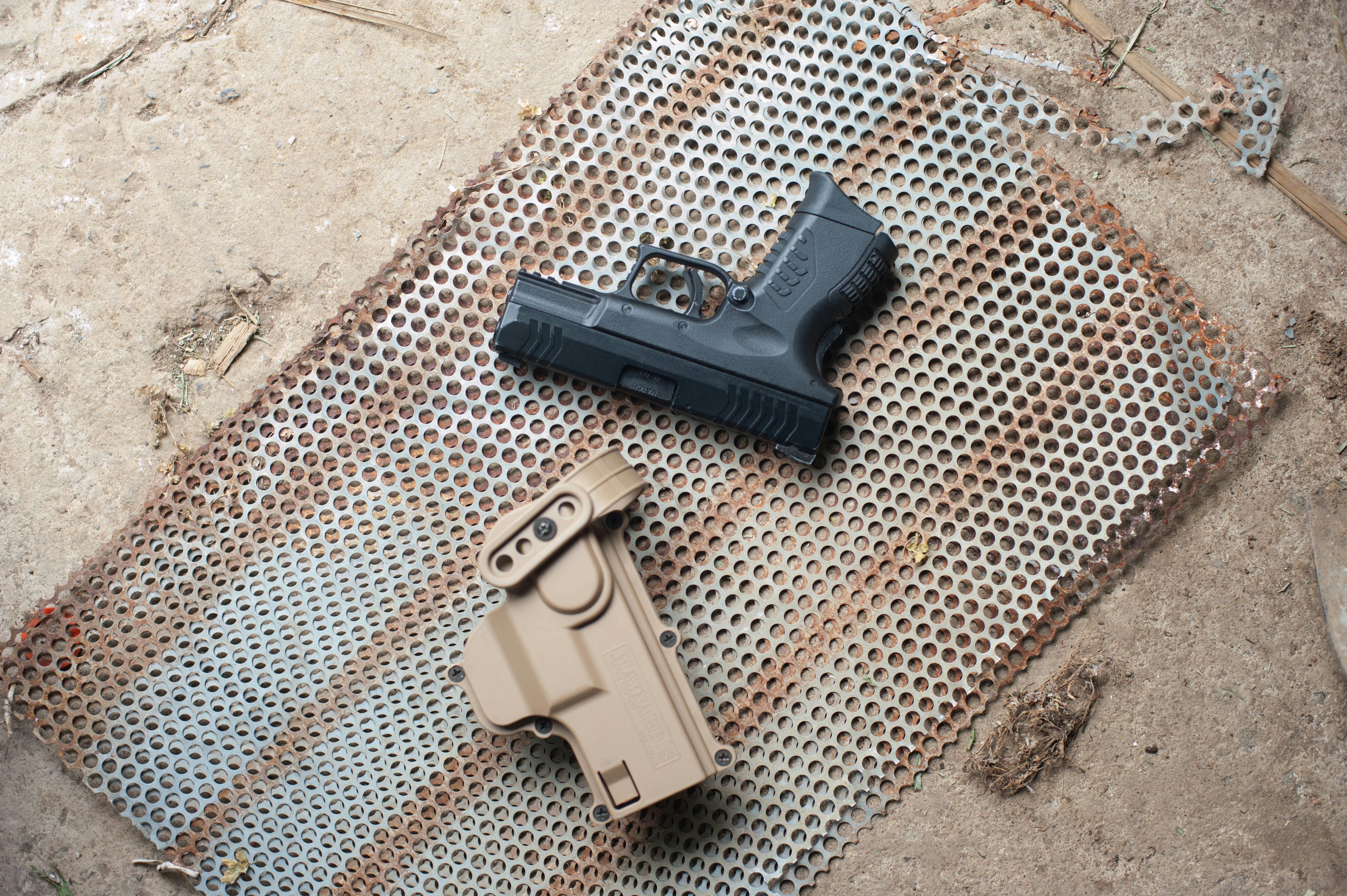
Bersa never dominated American advertising in the way some larger brands did. Instead, the Thunder often spread through quieter channels: a recommendation from a friend, a gun counter conversation, or an owner who kept saying, just try mine. That kind of endorsement carries a different kind of credibility.
When a product survives on user approval rather than image saturation, the fan base can become unusually loyal. People feel like they discovered something for themselves. The Thunder inspired that reaction because it often exceeded modest expectations, and owners who felt pleasantly surprised became some of the most convincing advocates the brand ever had.
It filled a niche before the market learned to celebrate niches
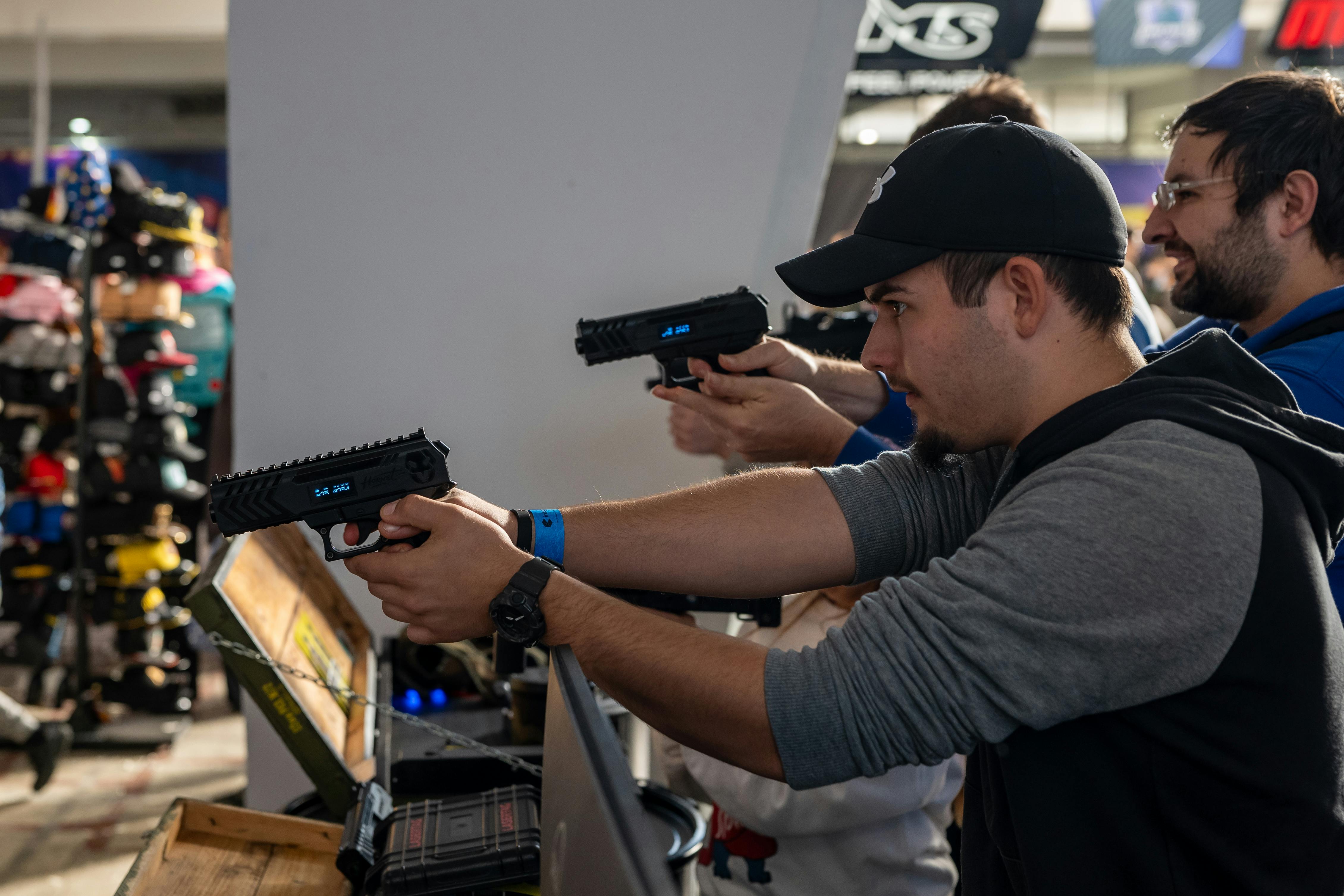
Today, the firearms world is much more comfortable with specialized categories and purpose built carry guns. The Thunder arrived in a period when many buyers still looked for broad archetypes and big name validation. It sat in a less glamorous niche: affordable, compact, traditional, and easy to live with.
That combination now seems easier to appreciate because buyers have become more open to tools that are not trying to win every comparison on paper. Back then, the Thunder was easy to overlook. Its loyal following came from people who recognized early that usefulness in daily life can matter more than category dominance.
Owners liked that it was unpretentious
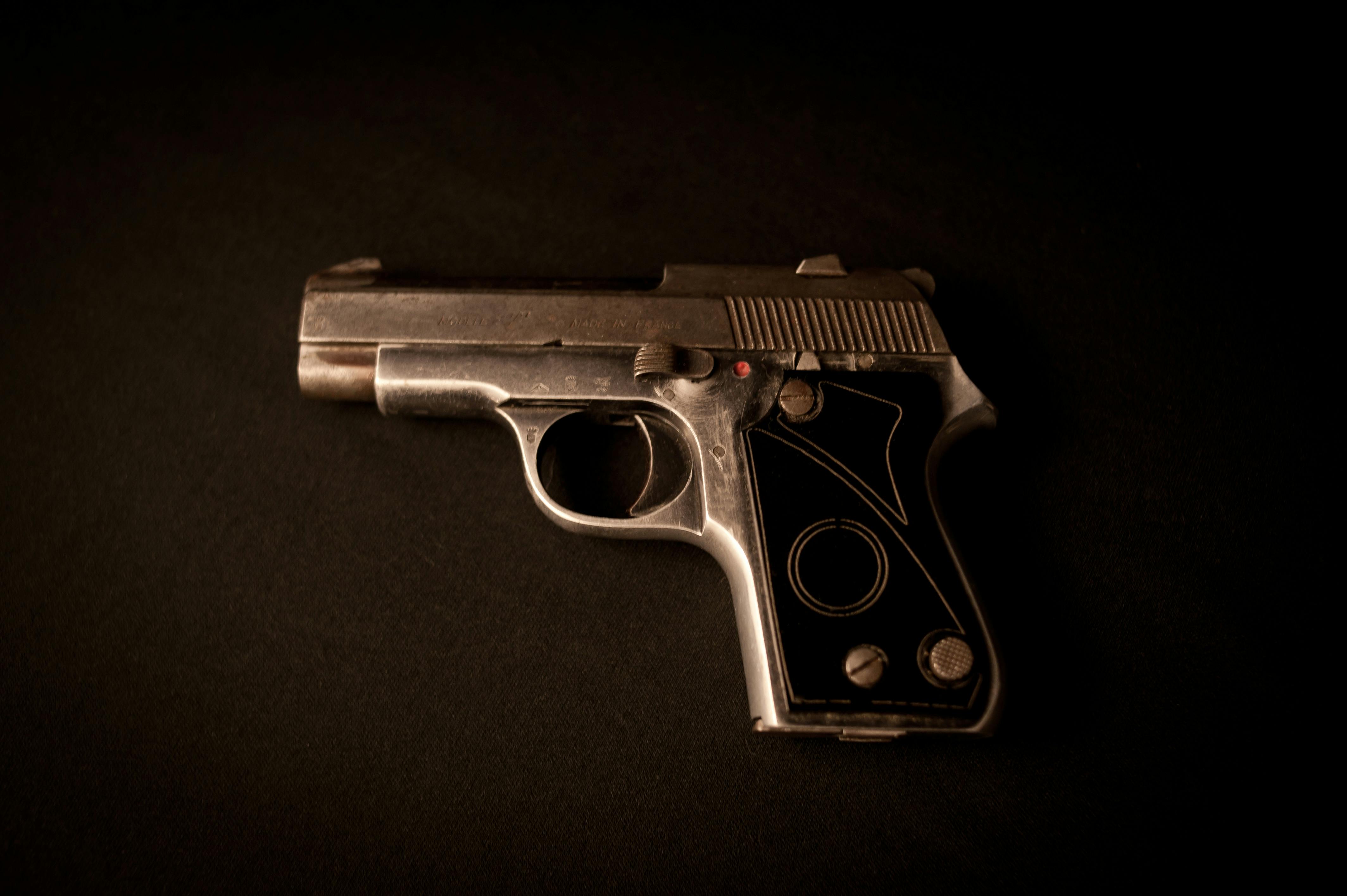
There is something refreshing about a handgun that does not arrive with a mythology attached. The Thunder was rarely treated as an elite operator’s choice or a collector’s holy grail. It was just a practical sidearm, and for many owners that lack of pretense made it easier to appreciate honestly.
American gun culture can be heavily shaped by branding, tribe, and symbolic value. The Bersa sat outside much of that. People who loved theirs often did so because it worked for them personally, not because it impressed strangers. That creates a quieter kind of loyalty, but often a more durable one.