
The Remington 870 has earned a near-mythic reputation, but much of its appeal comes from design details many owners overlook for years. Beneath its familiar profile are clever mechanical choices, practical features, and old-school manufacturing decisions that quietly shaped its legacy. This gallery breaks down 12 of the most interesting “secrets” hidden in plain sight inside one of America’s most recognizable pump shotguns.
The twin action bars are the heart of the smooth pump

One of the most important design choices inside the Remington 870 is something many shooters never think about once the gun is in hand: the twin action bars. Instead of relying on a single bar, the 870 uses two, which helps keep the fore-end moving in line and reduces the chance of binding during hard use.
That sounds like a small mechanical detail, but it changes the feel of the shotgun in a big way. The stroke tends to feel more controlled and more confidence-inspiring, especially when cycling quickly.
It is one of those hidden engineering decisions that explains why so many people describe the 870 as slick, sturdy, and dependable without always knowing exactly why.
Its steel receiver helped build the 870’s reputation

A big secret hiding in plain sight is the receiver itself. For generations, the Remington 870 used a solid steel receiver, and that gave the shotgun a feel many owners describe as substantial in the best possible way.
That extra heft was never just about weight. It contributed to a sense of durability and helped the gun earn trust among hunters, law enforcement users, and everyday owners who wanted something that felt ready for decades of service.
In a market where materials often become part of the sales pitch, the 870’s steel receiver became part of its identity long before most people thought to call it a premium feature.
The bottom-loading design keeps things simple and clean

The Remington 870 feeds and ejects through the bottom, and that layout is one of its most quietly practical secrets. It makes the gun feel streamlined, with fewer side openings to collect brush, dirt, or debris during a long day in the field.
It also gives the platform a kind of ambidextrous friendliness. Left-handed shooters have often appreciated that empties are not crossing directly in front of their face the way they might on some side-ejecting designs.
For many users, this feature fades into the background because it simply works. That is often the mark of a really smart design choice: it solves problems before most people even notice them.
The shell lifter disappears when the action is open
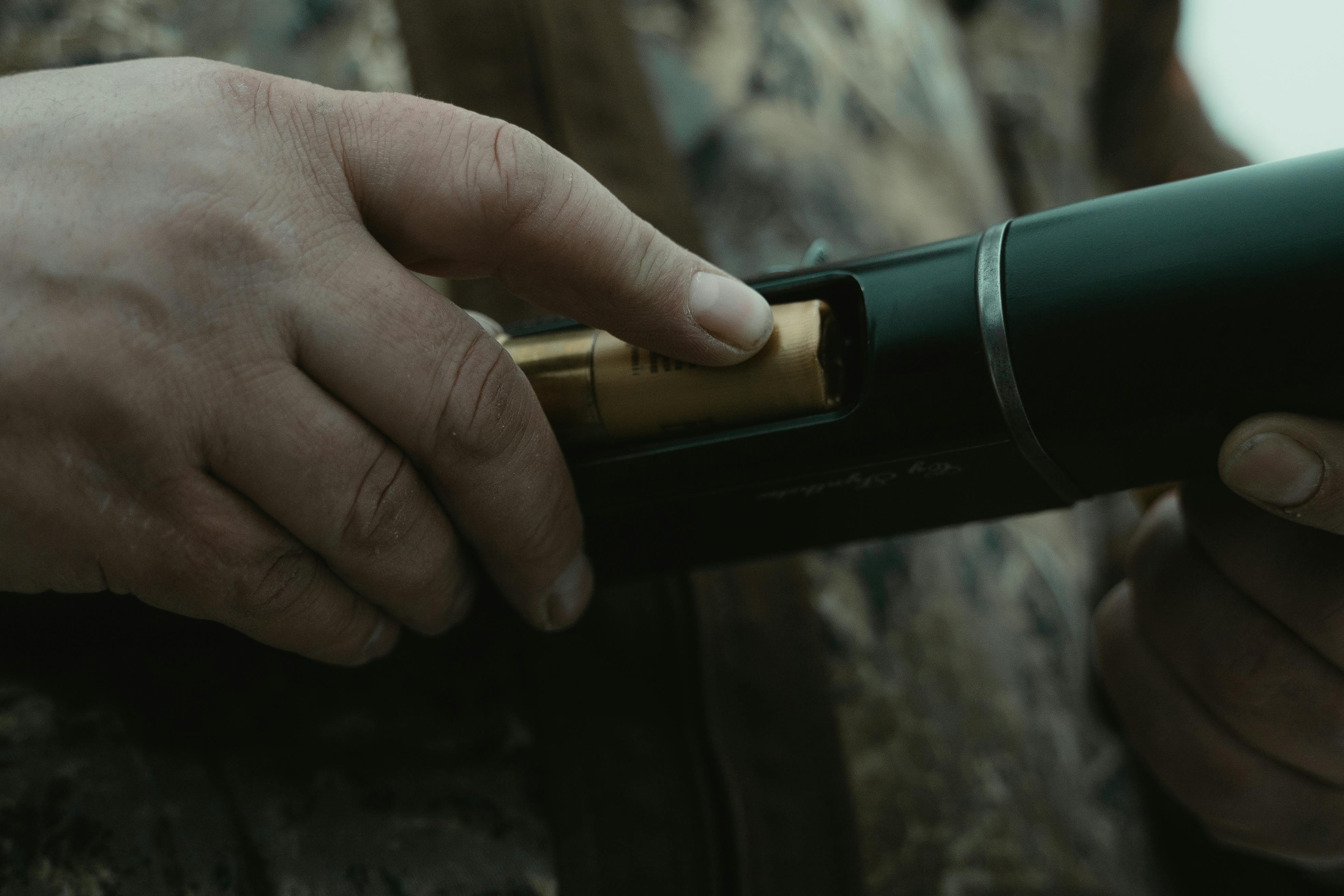
A particularly clever touch inside the 870 is the way the shell lifter moves out of the way when the action is open. On many shotguns, the loading area can feel cramped or interrupted by internal parts, but the 870’s arrangement creates a more open path when loading the magazine.
That matters more than it sounds. It can make topping off the gun feel smoother and less fussy, especially for people who spend a lot of time loading by feel rather than staring directly at the port.
This is one of those subtle features longtime users tend to love, even if they never learned the mechanical name for the part doing the work.
The magazine tube created a whole culture of customization

The 870’s magazine tube arrangement is more than a storage point for shells. Over the years, it became a gateway to one of the platform’s biggest hidden strengths: adaptability. Different barrel lengths, extensions, caps, and accessory setups turned one basic shotgun into many different personalities.
That flexibility helped the 870 move comfortably between hunting blinds, home defense roles, range use, and police service. Owners learned quickly that they were not just buying a shotgun. They were buying into an ecosystem.
Few factory guns have inspired that kind of modular following for so long, and the magazine tube layout played a major part in making it all possible.
Its trigger group was built to be removed without drama

Inside the 870 is another practical secret that gunsmiths and tinkerers have appreciated for years: the trigger group can be removed relatively simply for cleaning, inspection, or replacement. That does not mean casual owners should disassemble anything carelessly, but it does speak to the gun’s service-minded design.
This ease of access helped the 870 earn a reputation as a shotgun that could actually be maintained in the real world. It was not built like a sealed mystery box.
That approachable internal layout made the platform especially attractive to departments, armorers, and owners who valued straightforward upkeep as much as field performance.
The barrel swap system made one shotgun feel like several

One of the 870’s longest-lasting secrets is how quickly it can change character with a different barrel. A field barrel, a slug barrel, or a shorter defensive setup can give the same receiver an entirely new purpose without making the owner start from scratch.
That convenience made the shotgun feel unusually practical for families and budget-conscious buyers. One gun could cover multiple seasons and multiple jobs with far less hassle than buying separate platforms.
It also encouraged loyalty. Once people invested in the 870, they often stayed with it because the design rewarded them with options instead of forcing them into a dead end.
The lockup design was made for hard use

The 870’s bolt lockup system is one of those internal details most owners never see in action, yet it is central to the shotgun’s reputation. The design locks into a barrel extension rather than asking the receiver alone to shoulder the stress, which is a smart and proven engineering move.
That approach contributes to the gun’s sense of toughness and consistency. It is part of why the platform developed such a strong record under repeated use in very different environments.
People often describe the 870 as built like a tank, but the more accurate story is that it was built with a series of smart mechanical decisions that add up to lasting confidence.
The safety placement became second nature for generations

The cross-bolt safety on the 870 is not flashy, but it became a deeply familiar control for generations of shooters. Positioned at the rear of the trigger guard, it is easy to learn and quick to check, which helped the shotgun feel intuitive in the field and on the range.
Familiarity matters more than novelty on a firearm. A control that becomes second nature can build confidence, especially under stress or in cold weather when gloves and distractions complicate everything.
The “secret” here is really consistency. The 870 earned trust not because it reinvented basic controls, but because it gave people a layout they could remember and rely on.
The finish and furniture were designed for working life

Part of the 870’s enduring appeal comes from details that were never glamorous. The finishes, wood stocks, and later synthetic furniture were built with a working shotgun in mind, not just a display rack. This was a tool meant to ride in trucks, lean in corners, and head back out tomorrow.
That practical attitude helped define the platform’s image. Scratches and wear often looked less like damage and more like proof of honest use.
For many owners, that is the real hidden charm of the 870. It was never trying too hard to impress. It simply projected usefulness, and that quality turned out to be surprisingly timeless.
The parts commonality kept the platform alive for decades
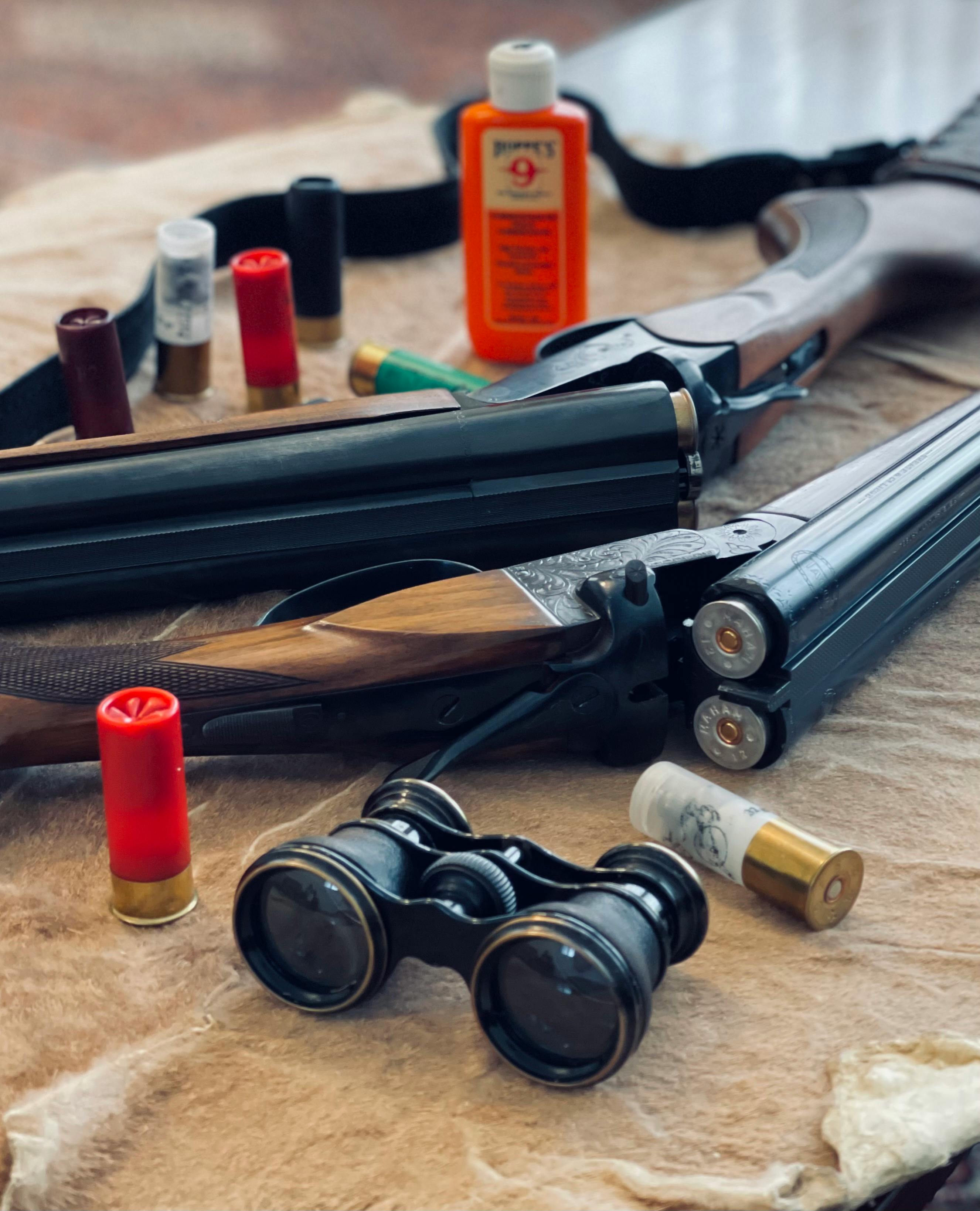
Another secret behind the 870’s staying power is how many parts, patterns, and accessories remained familiar across long production runs. That kind of continuity matters. It means repairs, upgrades, and replacements are easier to understand, and it gives owners confidence that the gun will not become obsolete overnight.
A strong aftermarket does not happen by accident. It grows around platforms that are common, trusted, and serviceable.
The 870 benefited from all three. Over time, its parts commonality helped transform it from a popular shotgun into a kind of standard, the model against which many other pump guns would inevitably be compared.
Its real secret is that nothing about it feels accidental

After all the internal features, clever controls, and practical design choices, the biggest secret inside every Remington 870 may be the way everything works together. No single detail fully explains its reputation. The magic comes from a collection of thoughtful decisions that reinforce one another.
That is why the shotgun has stayed relevant for so long. It feels intuitive, durable, adaptable, and familiar all at once, which is a rare combination in any tool.
The 870’s legend was not built on mystery alone. It was built on engineering that quietly earned trust, year after year, until its so-called secrets became part of American gun culture itself.