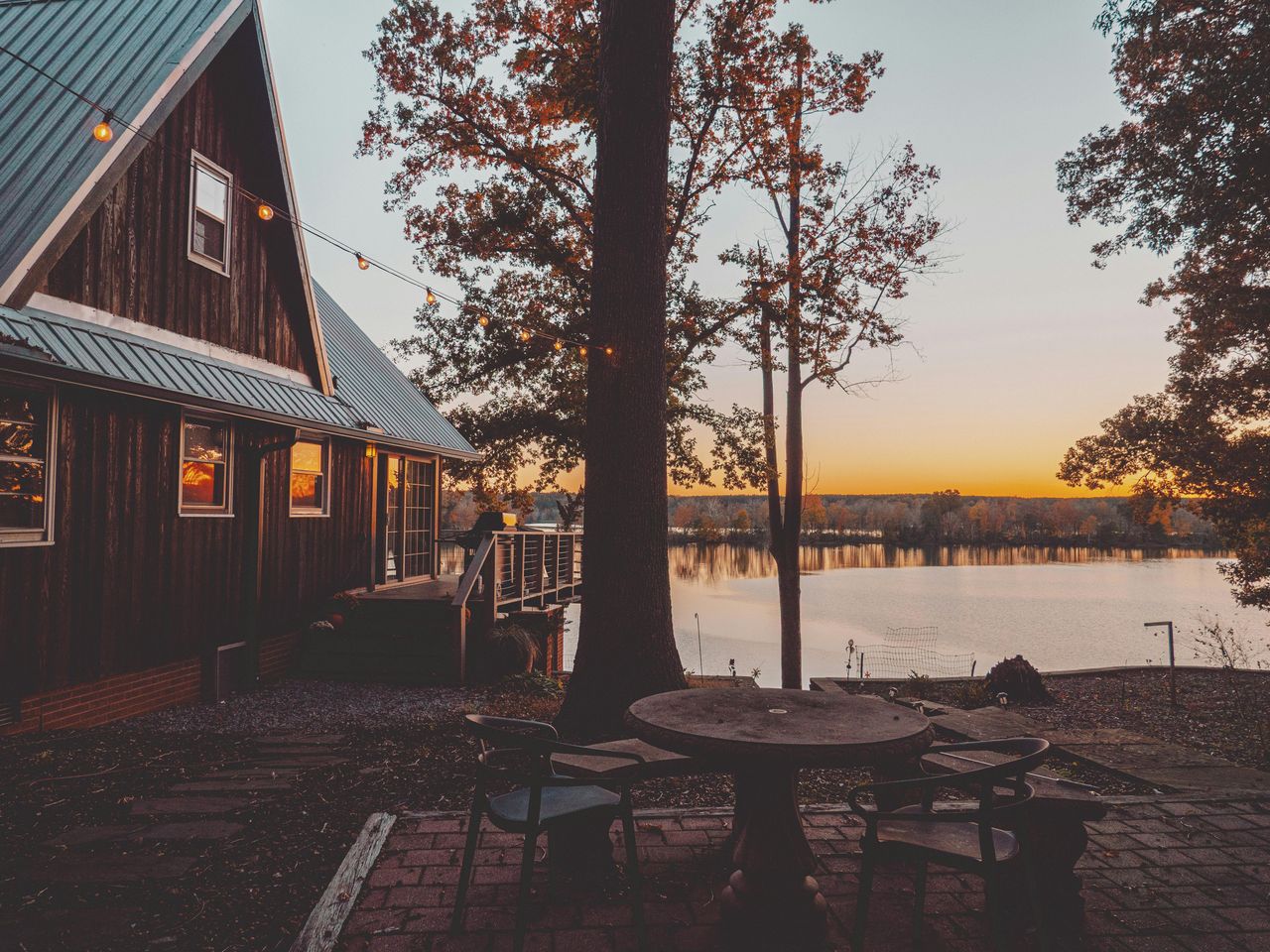
A lakeside cabin can feel like the perfect escape, but water, weather, wildlife, and remote locations add risks that a city home rarely faces. Before you light the fireplace or unpack for the weekend, it is worth making sure the property is ready for a safe overnight stay. These nine features can help protect your family, your guests, and the cabin itself when the unexpected happens.
Working Smoke and Carbon Monoxide Alarms
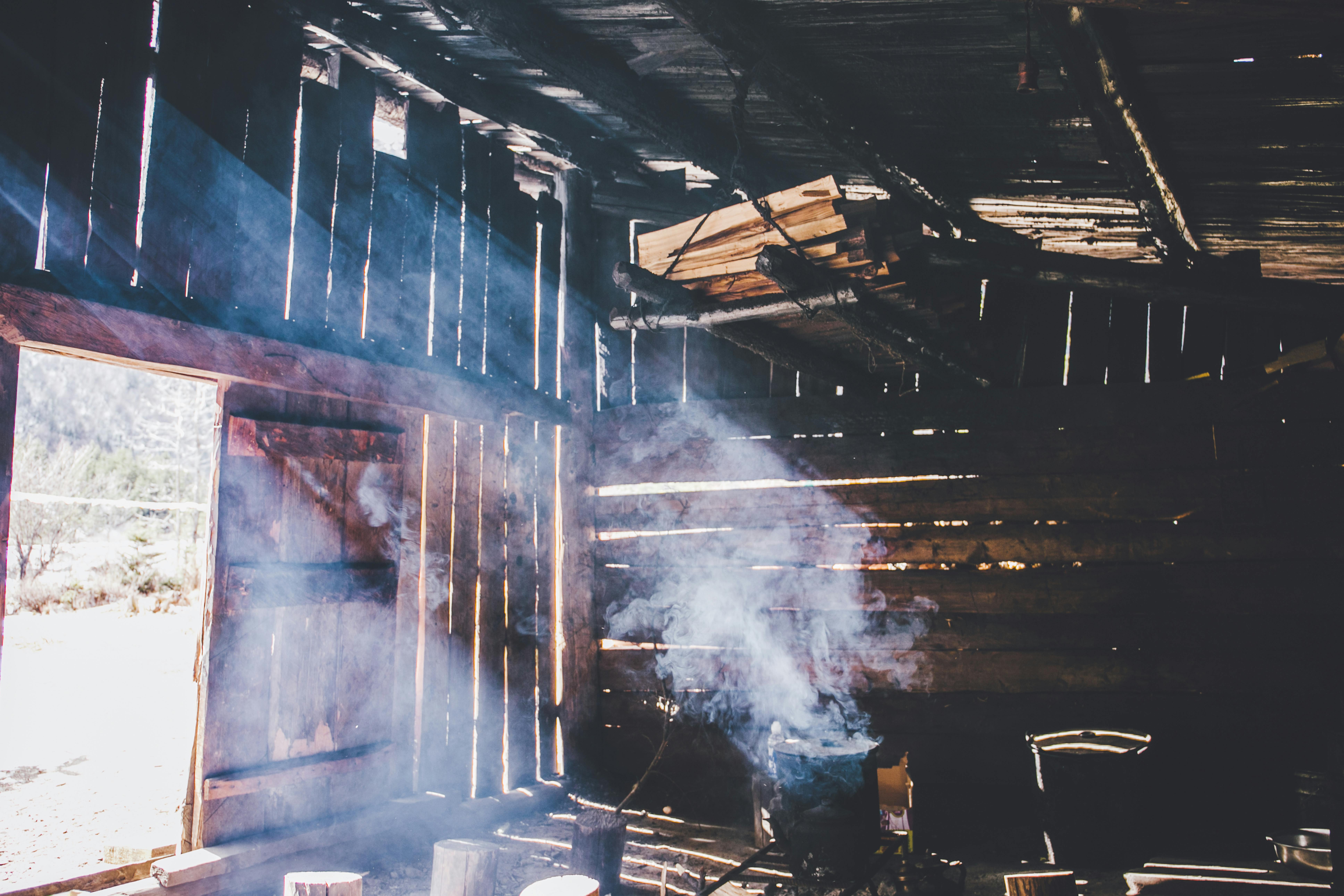
A lakeside cabin may have fireplaces, wood stoves, gas heaters, or generators nearby, which makes smoke and carbon monoxide alarms nonnegotiable. You want tested devices on every sleeping level and outside each bedroom, not one lonely detector in the hallway hoping to cover the whole place.
This is one of those details that feels boring until it matters. Fresh batteries, clear test dates, and alarms loud enough to hear over a storm can make all the difference in a small house tucked far from neighbors.
If the cabin has fuel-burning appliances, carbon monoxide protection is especially important. It is invisible, odorless, and dangerous, which is exactly why early detection has to be built in before the first overnight stay.
Fire Extinguishers in Key Rooms
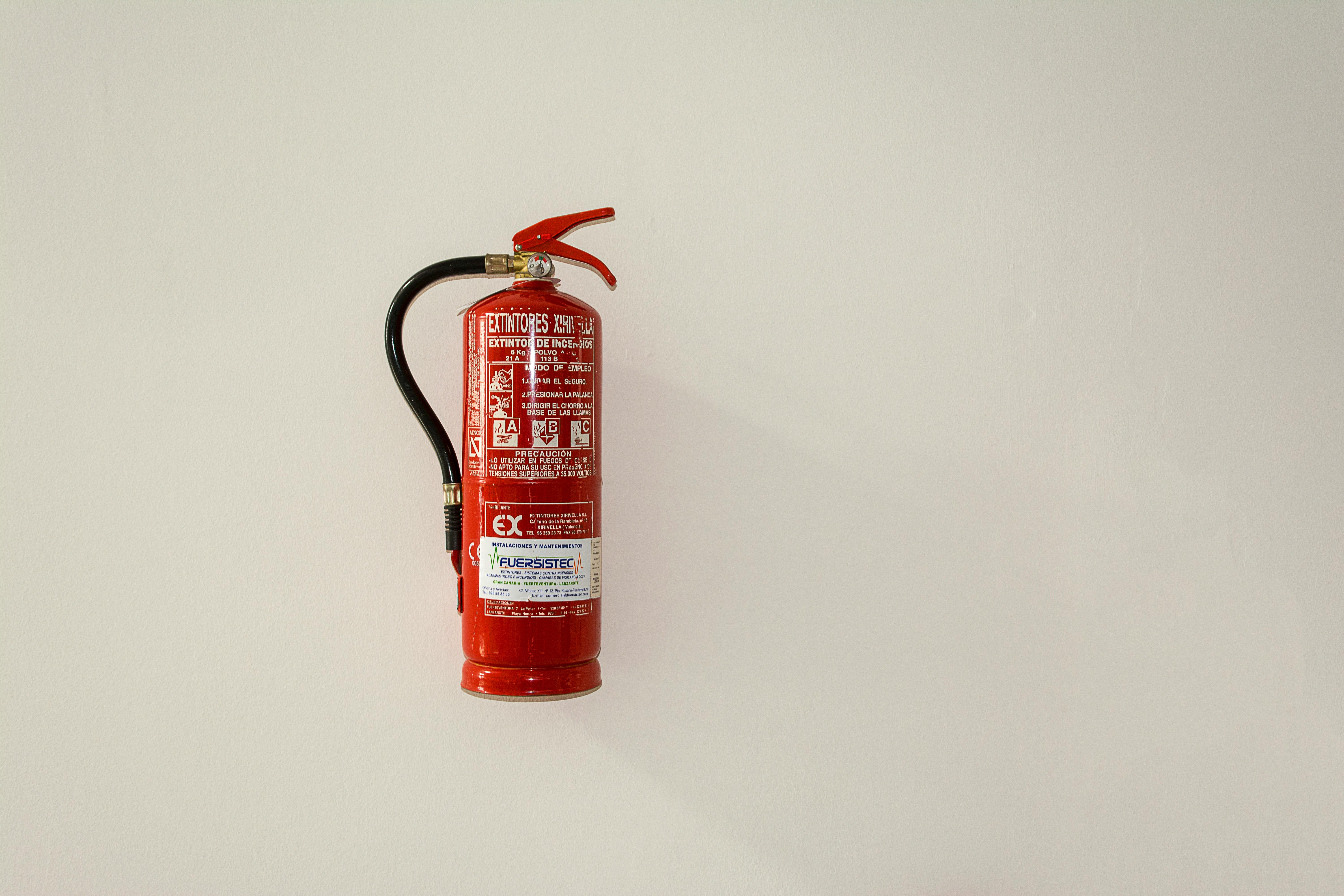
A cabin kitchen, a grill on the deck, and a crackling fire in the living room all sound charming until something flares up. Fire extinguishers should be easy to grab in the kitchen, near the fireplace or stove, and in any utility or garage space where tools, fuel, or electrical equipment are stored.
The important part is not just owning one, but knowing it is charged, accessible, and matched to common household fires. An extinguisher buried in a pantry behind paper towels is more decoration than protection.
In a remote area, firefighters may take longer to arrive than they would in town. A few well-placed extinguishers give you a crucial first response window when seconds actually matter.
Safe Railings, Steps, and Non-Slip Surfaces

Cabins near the water often come with decks, stairs, docks, and uneven paths, which can turn slippery fast with rain, mud, or morning dew. Solid railings and non-slip surfaces help prevent the kind of fall that can ruin a weekend before dinner is even served.
This matters even more if children, older adults, or pets will be using the property. Loose deck boards, wobbly porch steps, and slick entryways are not small flaws in a lakeside setting. They are hazards waiting for wet shoes and low light.
Before anyone stays over, walk every route they will actually use. The path from car to cabin, cabin to dock, and bedroom to bathroom should feel secure at any hour.
A Reliable First Aid Kit
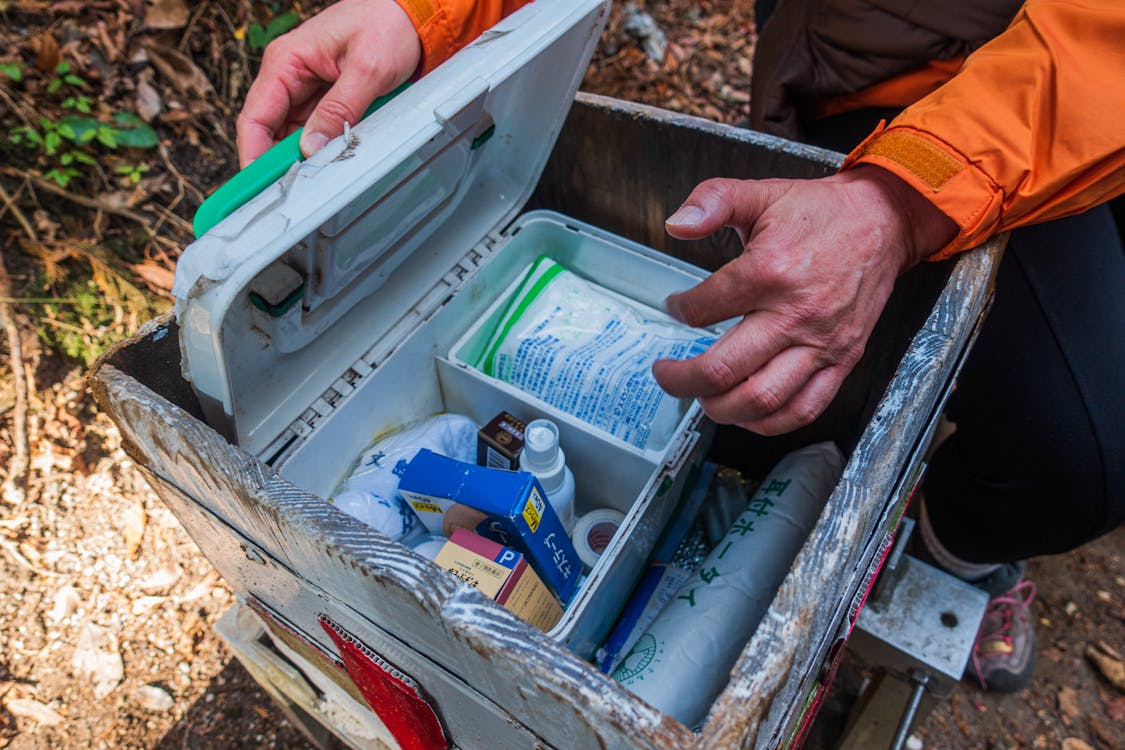
Lake life invites scraped knees, fishhook mishaps, minor burns, splinters, and bug bites, so a real first aid kit should be stocked and easy to locate. It needs more than a few loose bandages in a bathroom drawer pretending to be a plan.
A good setup includes basics for cuts, blisters, burns, allergic reactions, and sprains, especially if the nearest pharmacy is a long drive away. At a cabin, small injuries have a way of becoming bigger inconveniences when help is not around the corner.
Put the kit somewhere obvious and let guests know where it is. In an unfamiliar house, safety equipment only helps if people can find it quickly without opening every cabinet in sight.
Life Jackets and Water Rescue Gear

If your cabin has direct access to the lake, life jackets are not optional gear reserved for boating days. They should be available in the right sizes and in good condition for kids, adults, and anyone stepping onto a boat, paddleboard, or kayak.
Water rescue equipment matters too. A ring buoy, throw rope, or reaching pole stored near the dock can help in an emergency without forcing someone else into dangerous water.
Even strong swimmers can struggle with cold water, slippery docks, or sudden cramps. Lakes can look calm while hiding drop-offs and changing conditions, so having rescue gear close at hand is one of the smartest moves a waterfront property can make.
Weather Alerts and Emergency Communication

Remote cabins can lose cell service just when you need information most, which is why weather alerts and backup communication tools deserve a place on your checklist. A weather radio, charged phones, battery packs, and a clear emergency contact plan can keep a quiet getaway from turning chaotic.
Lakeside areas are especially exposed to sudden thunderstorms, high winds, and lightning. Conditions can change quickly, and the water makes bad weather feel even more immediate.
Before the first night, know how you will receive alerts and who to call if roads flood, trees come down, or power disappears. Safety often starts with information, and at a cabin, that information cannot depend on luck or one weak signal bar.
Clean Water and a Safe Septic System

Not every cabin has municipal water, and that means you need confidence in what comes out of the tap. If the property uses a well, water quality should be tested regularly so guests are not drinking, cooking, or brushing their teeth with water that may be unsafe.
A healthy septic system is just as important. Slow drains, sewage smells, or soggy ground near the tank are signs that something needs attention before people start showering, washing dishes, and using the toilets overnight.
This is not the glamorous side of cabin ownership, but it is a major safety issue. Clean water and dependable waste systems protect health in ways guests may never notice, which is exactly the point.
Secure Locks and Wildlife-Proof Storage
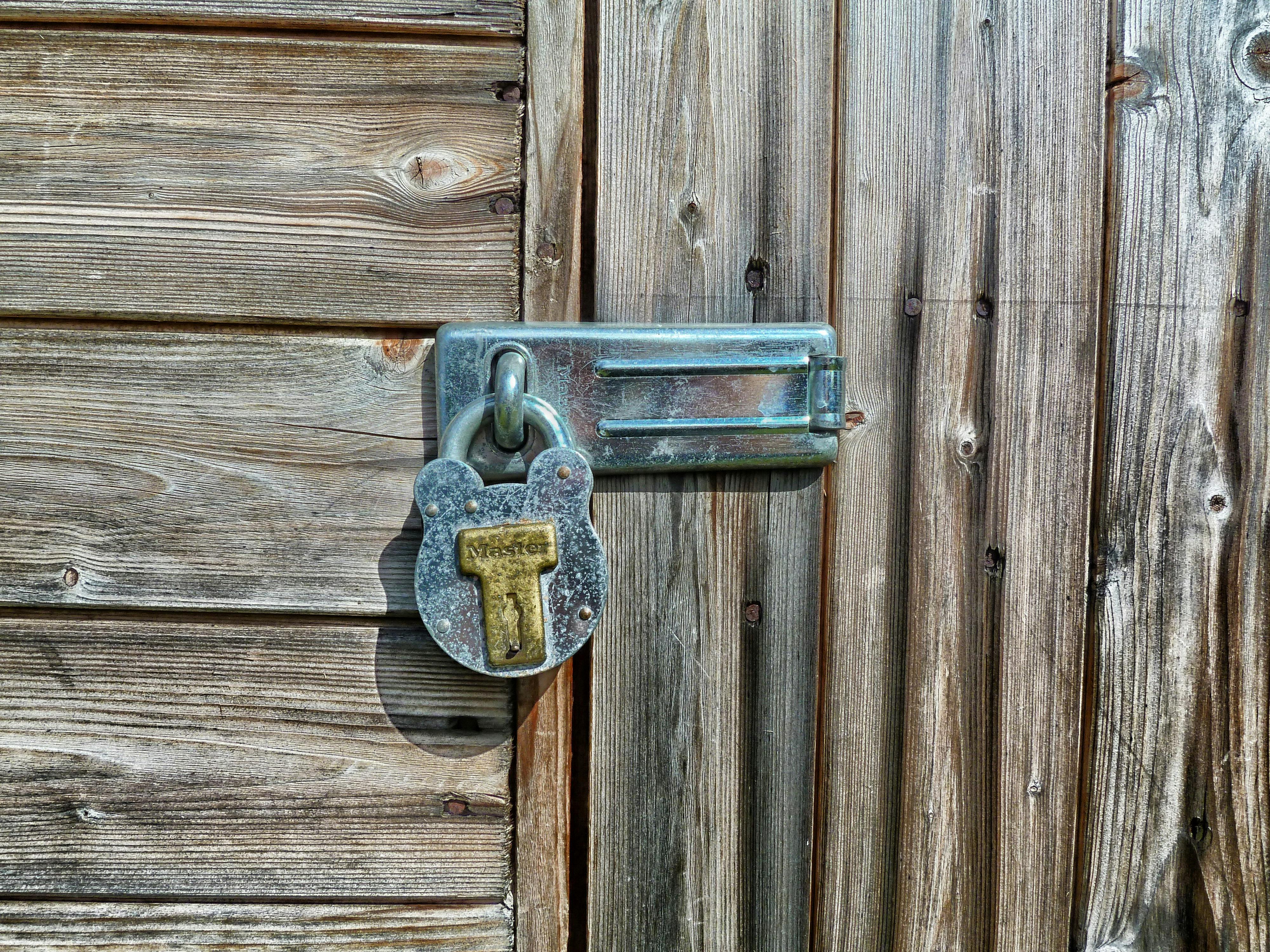
A cabin in the woods needs dependable locks on doors and windows, especially if it sits empty between visits. Good hardware helps protect guests, but it also keeps the property secure in an area where help may not be close by.
Food storage deserves equal attention. Lakeside cabins can attract raccoons, rodents, and in some regions even bears, all of which are remarkably motivated by snacks left in coolers, trash bins, or screened porches.
Think beyond simple convenience. Wildlife-proof containers, tight window latches, and solid entry locks make the cabin feel controlled rather than vulnerable. When the sun goes down in a remote place, basic security quickly becomes part of everyone’s peace of mind.
Clearly Marked Exits and an Evacuation Plan
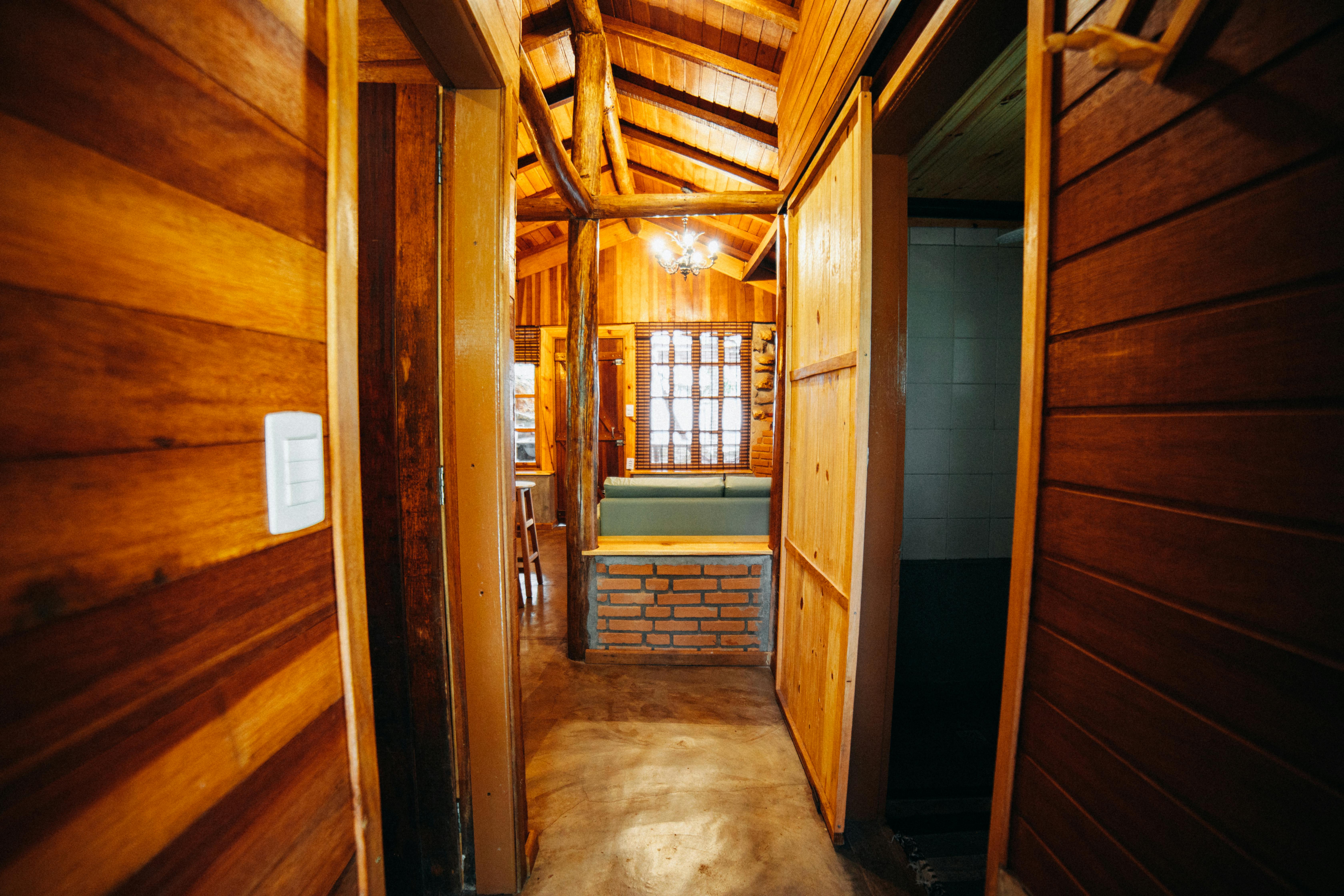
Every overnight stay should begin with a simple question: if something goes wrong, how does everyone get out? In a cabin, layouts can be quirky, bedrooms may be tucked upstairs or in lofts, and guests often do not know the house well enough to react quickly in an emergency.
Clear exits, unobstructed windows, and a shared plan matter more than people realize. If there is a fire, storm damage, or a medical emergency, confusion can waste the time you do not have.
Take a few minutes to point out doors, flashlights, first aid supplies, and a meeting spot outside. It may feel overly cautious during a relaxing weekend, but it is exactly the kind of calm preparation that makes a property truly ready for nightfall.