Walther is one of those names that serious handgun fans tend to speak about with unusual confidence. Yet in many American gun stores, the brand still gets less everyday buzz than its devoted owners think it deserves. This gallery looks at the practical, historical, and cultural reasons Walther pistols keep winning converts, even when the loudest conversations at the counter go elsewhere.
The trigger reputation is earned
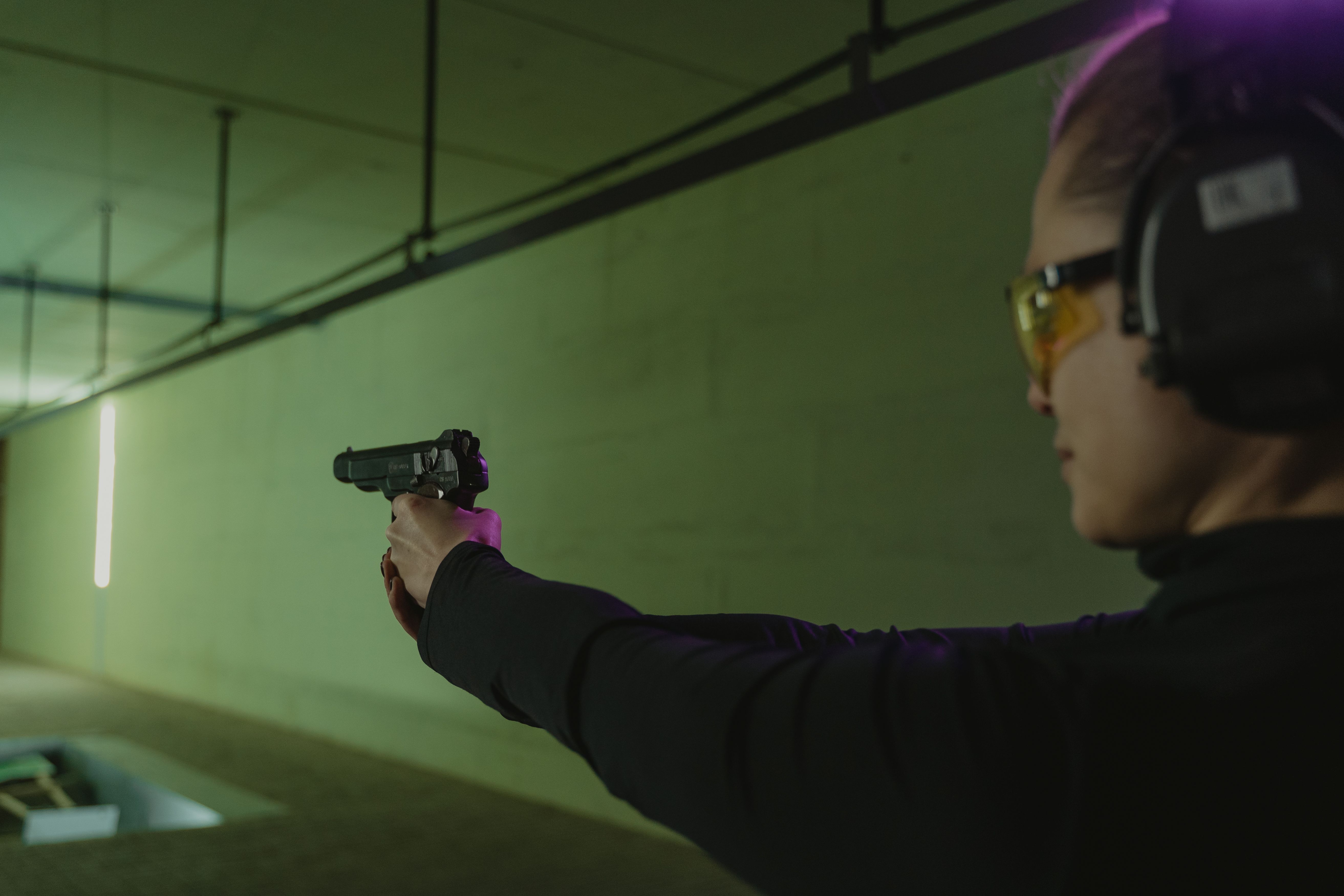
Ask Walther owners what hooked them, and the trigger usually comes up fast. Across several models, the break tends to feel crisp, the reset short, and the overall press more refined than many buyers expect from a factory handgun.
That matters because trigger feel is one of the few things a shooter notices immediately. A pistol can have solid specs on paper, but if it feels vague during live fire, enthusiasm fades.
Walther built a reputation for making guns that feel ready to shoot well right out of the box. For many fans, that first range session is where curiosity turns into loyalty.
Ergonomics stand out the moment you grip one

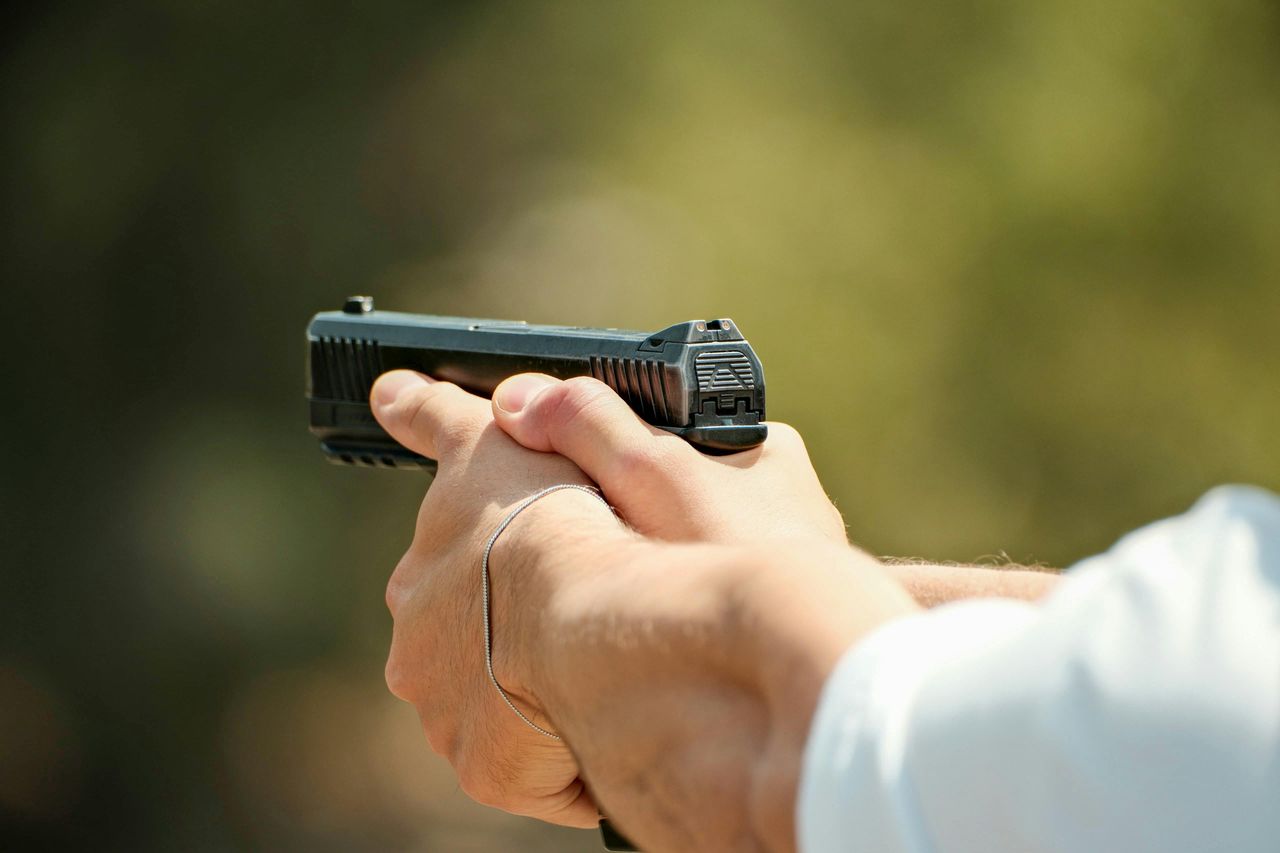
Even people who are not deep into handgun design often notice the grip first. Walther has long paid attention to contour, texture, and shape in a way that makes many pistols feel unusually natural in the hand.
That kind of comfort is not just about preference. Better ergonomics can mean steadier presentation, more confident recoil control, and less fatigue during longer practice sessions.
American buyers sometimes focus heavily on magazine capacity or aftermarket parts, but the simple reality is that a handgun that fits well tends to get shot more. Walther fans know that comfort can be a serious performance advantage.
The brand carries real historical weight

Walther is not a newcomer trying to manufacture prestige through marketing. It is a company with a deep place in European firearms history, and that legacy still shapes how enthusiasts view the brand today.
For some buyers, the appeal starts with classic models that appeared in military, police, and pop culture history. For others, it is the sense that modern Walthers come from a design lineage with real continuity behind it.
That heritage gives the brand an identity many competitors would love to borrow. In a market crowded with practical polymer options, history helps Walther feel distinct rather than interchangeable.
Walther often feels more refined than expected

A lot of American handgun shopping is driven by familiarity. Buyers see the same few brands in every case, hear the same recommendations, and end up assuming anything less common must be niche or compromised.
Then they handle a Walther and notice the fit, finish, controls, and general polish. The pistol often feels thoughtfully developed, not merely assembled to hit a price point.
That sense of refinement is a major reason the brand keeps earning repeat buyers. Once someone experiences a handgun that feels carefully dialed in, it becomes harder to shrug Walther off as just another alternative.
The guns reward people who actually train

Some pistols are easy to recommend because they are common, simple, and supported everywhere. Walther has that practicality too, but its biggest fans often appreciate something else: the guns tend to shine even more when the shooter puts in real time.
Good triggers, strong ergonomics, and predictable handling become more meaningful as skill increases. The better a person gets, the easier it is to notice where a handgun helps rather than hinders.
That creates a loyal audience among people who shoot regularly, compete casually, or take classes. Walther may be underestimated in casual conversation, but it often earns respect on the firing line.
They offer an alternative to the usual American defaults
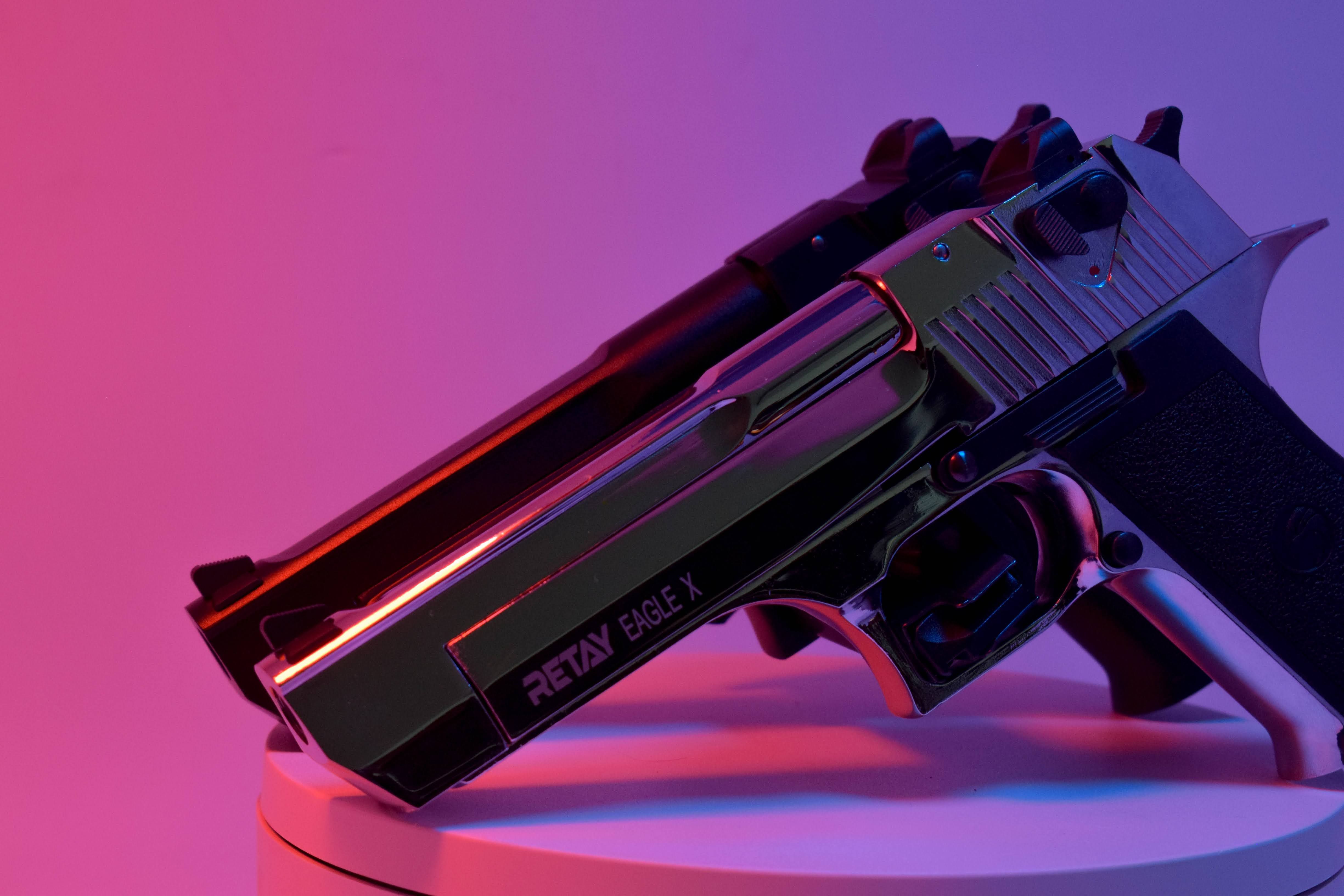
Gun store culture can be repetitive. In many places, a few dominant brands absorb most of the attention, and buyers are gently steered toward whatever is already popular with local regulars.
Walther appeals partly because it breaks that cycle without feeling obscure. It offers mainstream reliability and modern features, but with a personality that stands apart from the standard recommendations.
That difference matters to buyers who want something proven yet less predictable. Choosing a Walther can feel like stepping outside the script while still staying firmly in the category of serious, duty capable handguns.
Police and service roots still influence perception
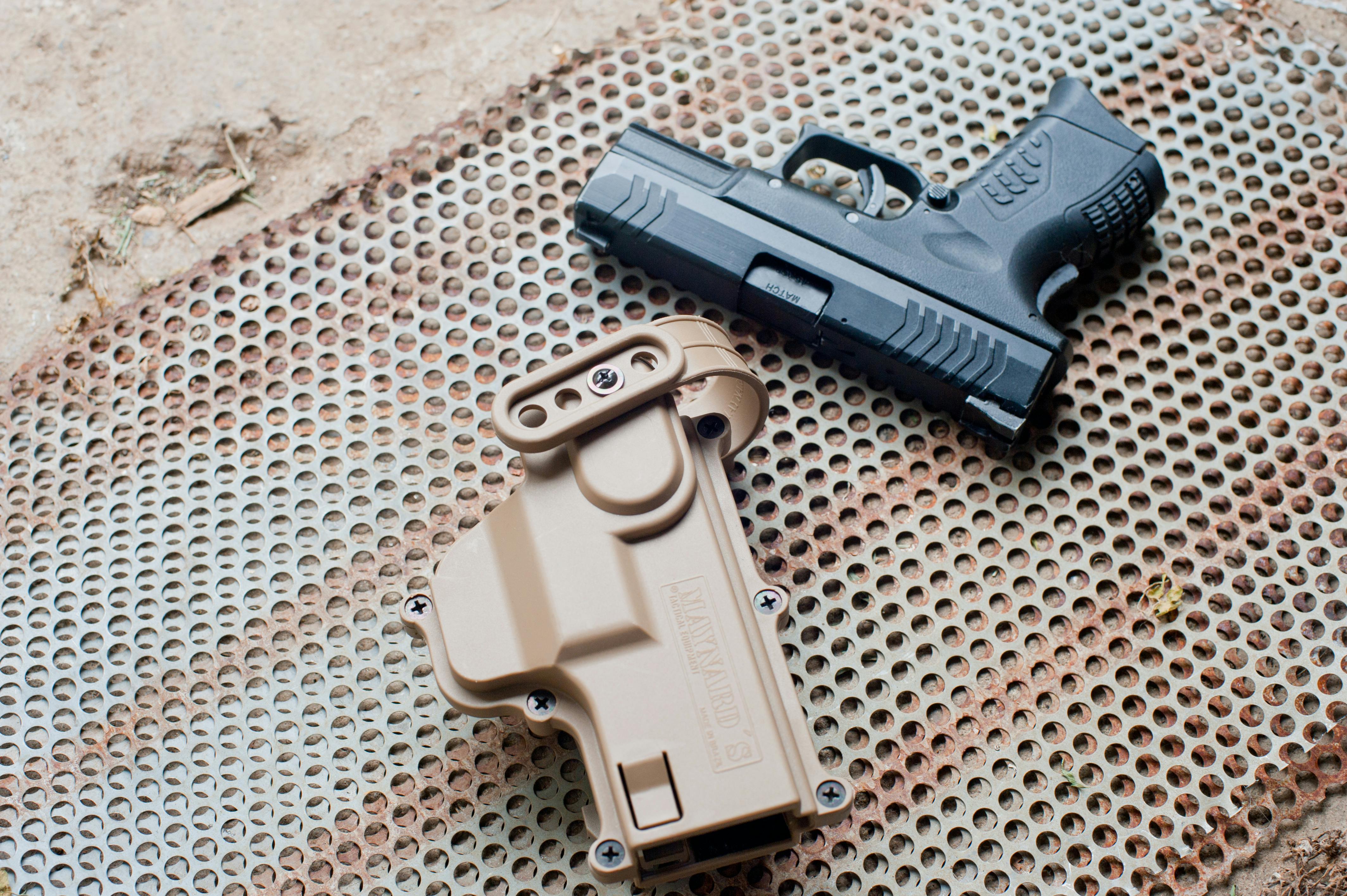
Walther’s identity has long been tied to professional use, especially in Europe. That law enforcement and service background gives the brand a practical credibility that resonates with many enthusiasts.
People tend to trust guns that were designed with real carry, qualification, and institutional use in mind. Even civilian buyers who never plan to carry on duty like knowing a pistol comes from that sort of serious design culture.
This is one reason Walther inspires confidence beyond its sales footprint in some American stores. The brand projects purpose, and for many owners, that sense of real world intent is part of the attraction.
Owner enthusiasm spreads by word of mouth
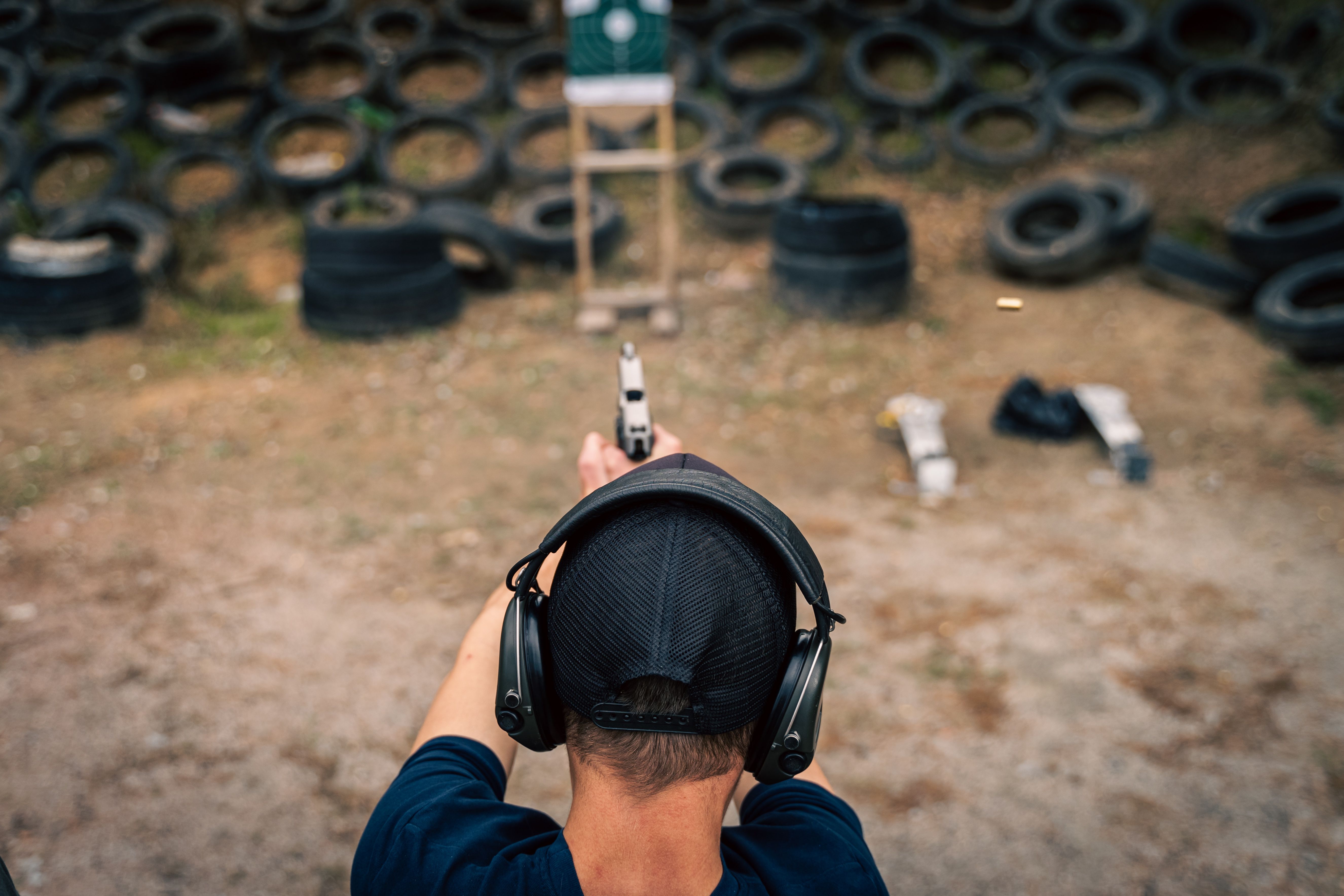
Walther owners can be unusually persuasive because many of them arrived skeptical. They were not always brand loyalists from the start. Often, they tried one after hearing a friend insist it shot better than expected.
That kind of recommendation lands differently from generic marketing. It sounds personal, specific, and rooted in actual range experience rather than internet noise.
As a result, the brand has built a following that grows through conversations, rentals, and side by side comparisons. A lot of underestimation happens before the first magazine is fired. After that, opinions often shift in a hurry.
Modern models connect heritage with current tastes
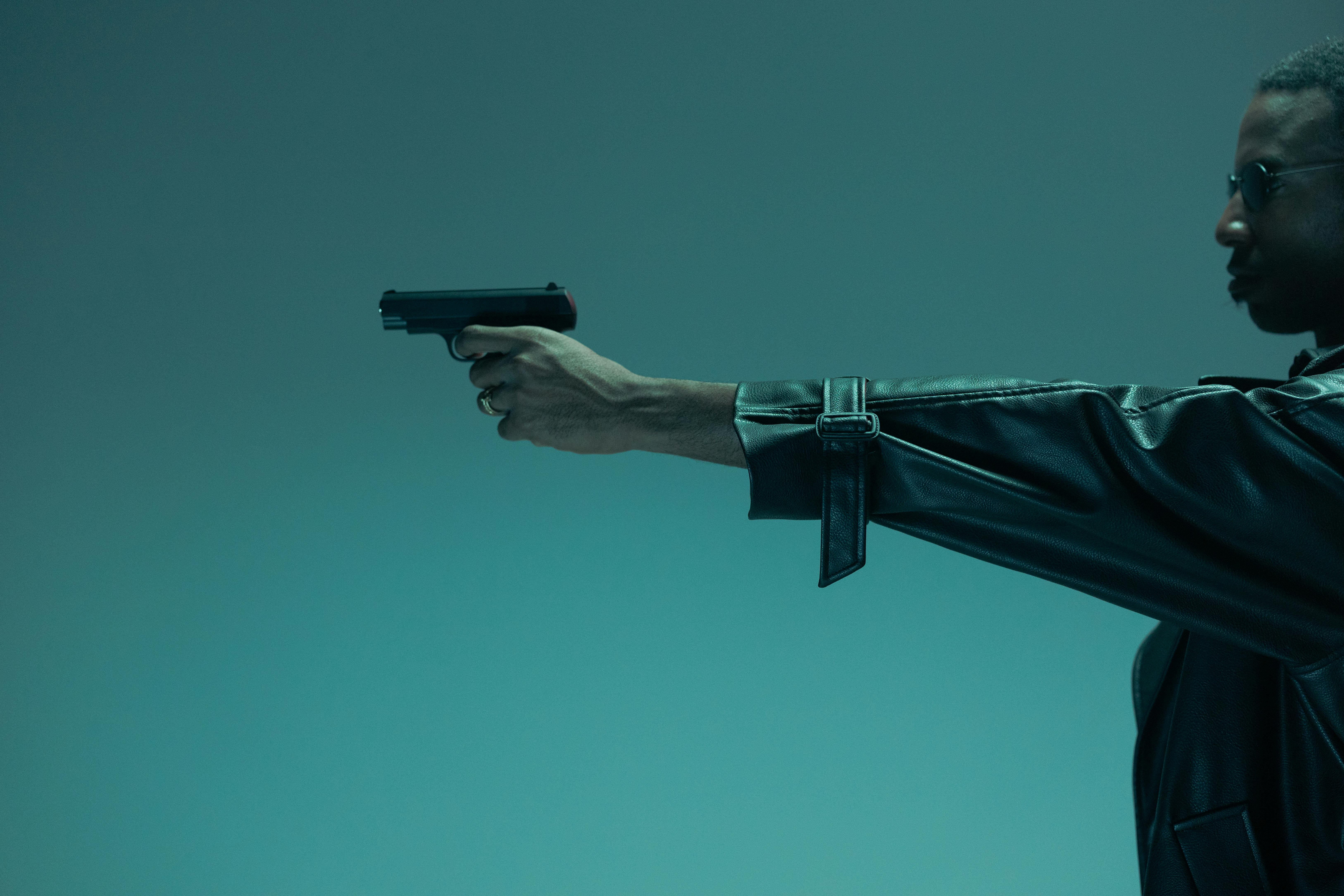
One of Walther’s strengths is that it does not live only on nostalgia. The company has managed to carry its old name into modern handgun categories that buyers actually want, including striker fired carry and duty pistols.
That balance is harder than it looks. Some historic brands feel trapped by their own image, while some new brands have features but no identity. Walther sits in a valuable middle ground.
For buyers, that means they can get contemporary capacity, optics ready options, and updated design thinking without giving up the sense that the gun comes from somewhere meaningful. That blend keeps the following broad and durable.