Winter camping in subzero temperatures demands more than basic outdoor skills. Cold magnifies small mistakes, turning minor discomfort into danger within minutes. Proper preparation, smart habits, and disciplined routines can make the difference between an unforgettable adventure and a survival situation. These winter survival camping tricks focus on heat retention, moisture control, energy conservation, and decision-making under extreme cold. Each point is designed to be practical, realistic, and field tested, helping campers stay warm, alert, and safe when temperatures drop well below freezing. Use these strategies together, not individually, to build a reliable cold-weather system.
1. Master Layering to Control Body Heat

Effective layering is the foundation of winter survival camping in subzero temperatures. Start with a moisture-wicking base layer that pulls sweat away from your skin, since damp clothing steals heat fast. Add an insulating mid-layer like fleece or down to trap warm air close to your body. Finish with a windproof and waterproof outer shell to block snow, wind, and freezing rain. Adjust layers frequently to avoid overheating during movement, because sweat will chill you once you stop. Keep spare dry layers packed in a waterproof bag. Proper layering maintains warmth, improves comfort, and prevents cold-related injuries.
2. Choose Campsites That Block Wind Exposure
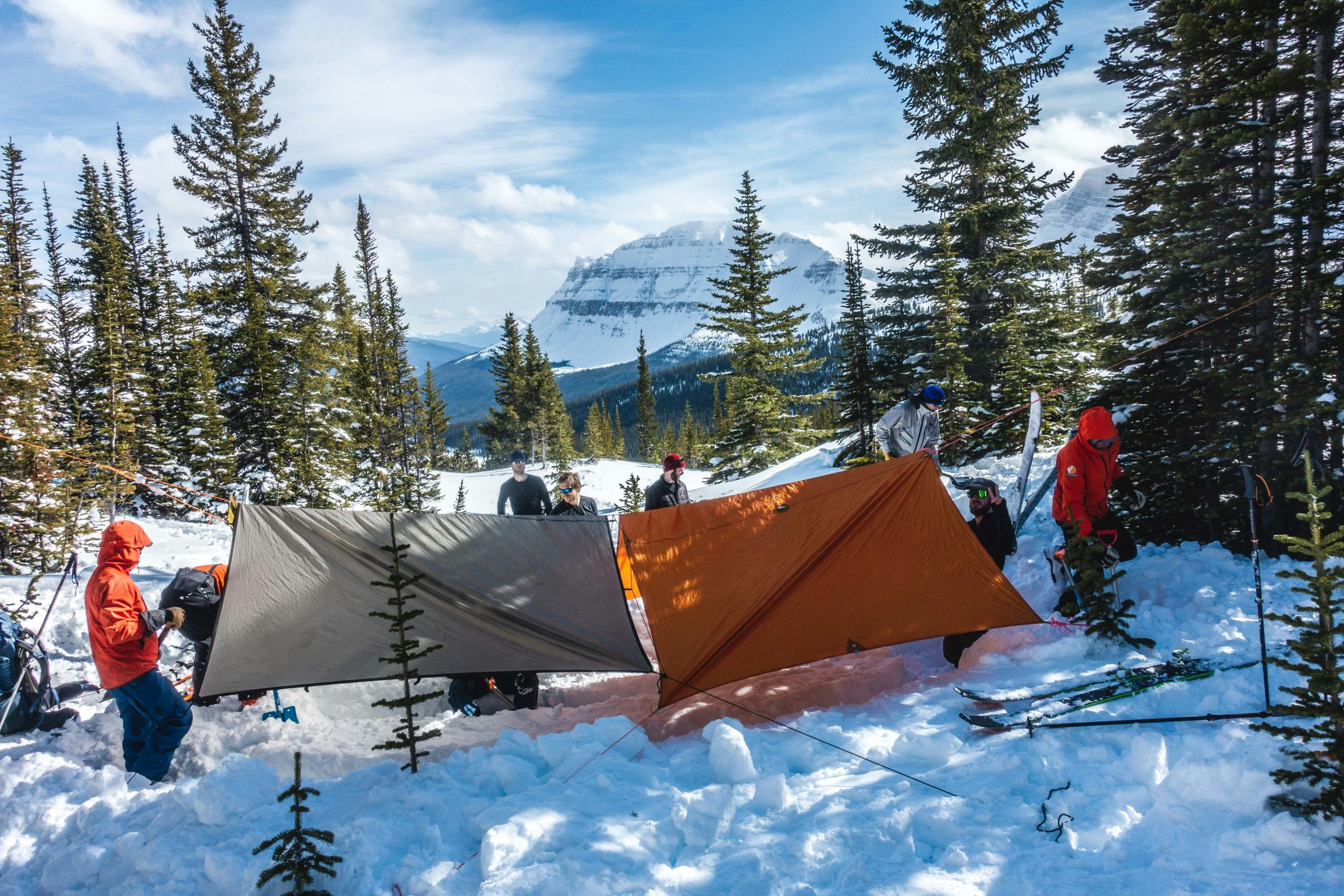
Selecting the right campsite can save more energy than any piece of gear. In subzero conditions, wind dramatically increases heat loss through wind chill. Set camp behind natural windbreaks like dense trees, rock walls, or snow banks, while avoiding low areas where cold air settles overnight. Face tent entrances away from prevailing winds to reduce drafts. Clear, sharp ice and compact snow under the tent for stability. A sheltered campsite conserves body heat, protects gear, and improves sleep quality, which is critical for maintaining strength and focus in extreme cold environments.
3. Insulate the Ground Under Your Shelter
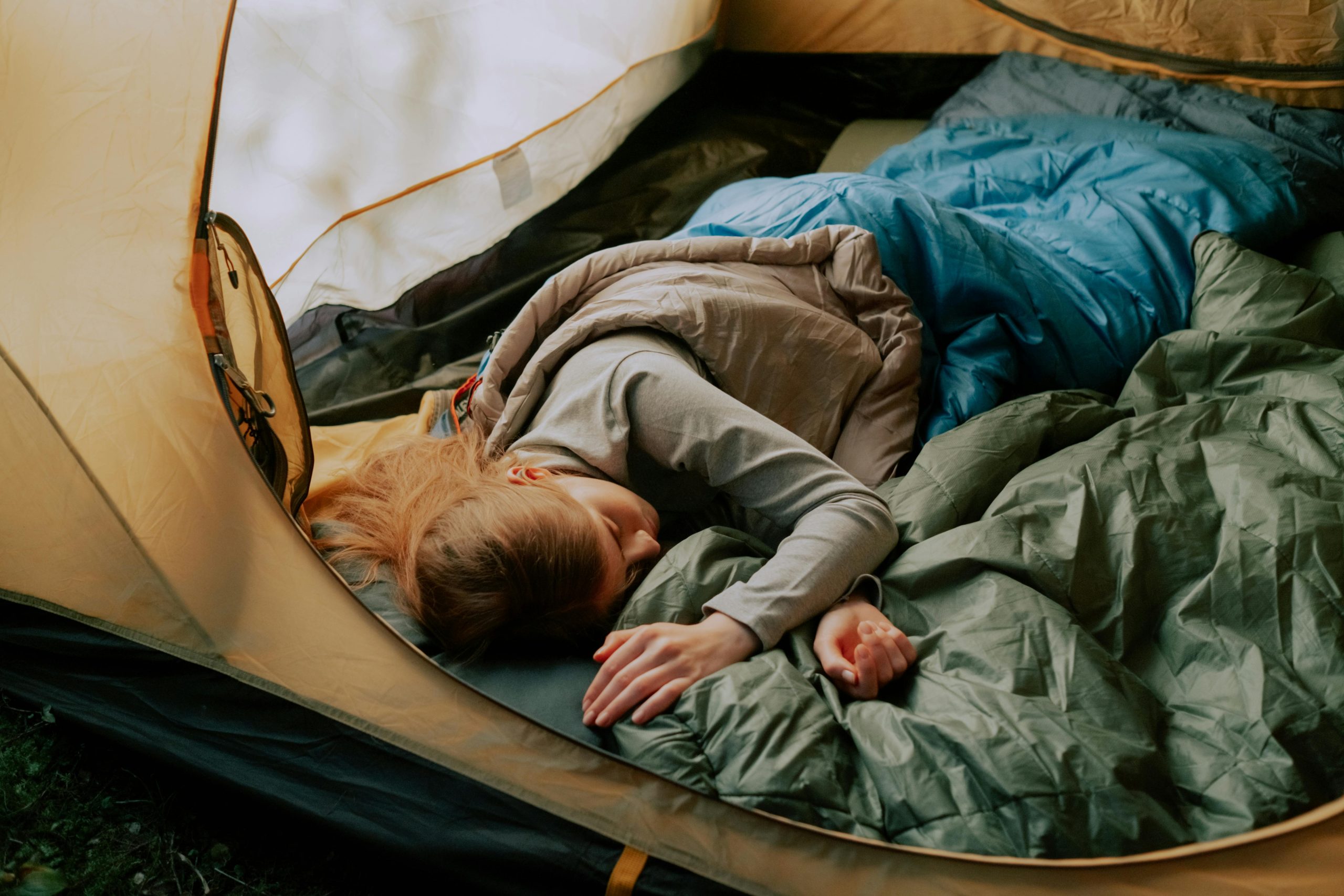
Cold ground pulls heat from your body faster than cold air, making ground insulation essential. Always use a high R-value sleeping pad designed for winter camping, or stack two pads for better insulation. Closed-cell foam pads work well as a base layer under inflatable pads. Inside the tent, place spare clothing or backpacks under your sleeping area to reduce heat loss. Avoid sleeping directly on snow or frozen soil without insulation. Proper ground insulation preserves warmth, improves rest, and reduces the risk of hypothermia during long, freezing nights.
4. Eat High-Fat, High-Energy Foods Regularly
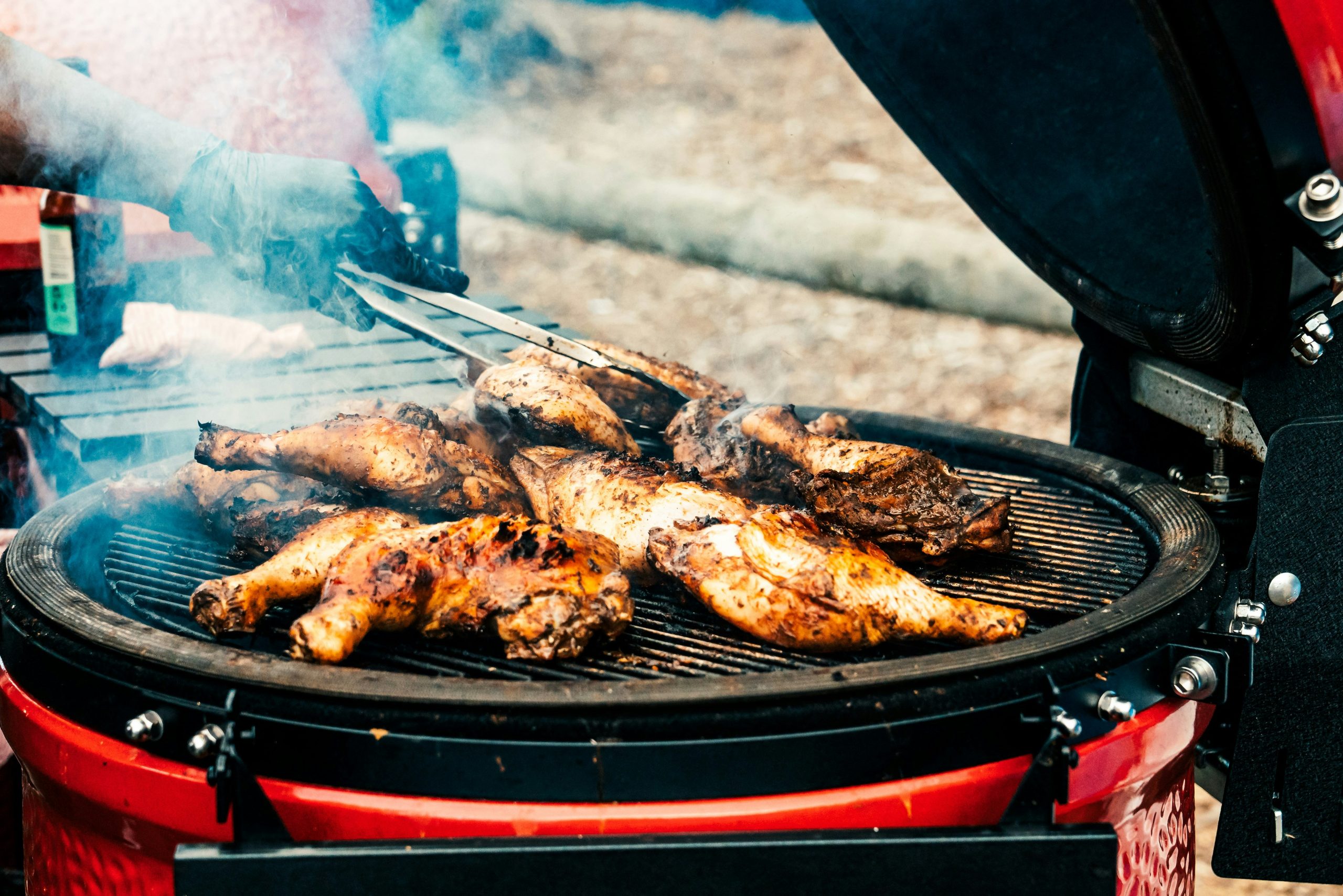
Your body burns more calories in subzero temperatures just to stay warm. Eating high-fat, high-energy foods helps fuel heat production and maintain strength. Nuts, cheese, peanut butter, chocolate, and dehydrated meals with oils provide long-lasting energy. Eat small meals and snacks throughout the day instead of waiting for large meals. Always eat before sleeping to give your body fuel for overnight warmth. Staying well fed supports circulation, improves morale, and helps prevent fatigue, which can quickly become dangerous in extreme winter conditions.
5. Manage Moisture to Stay Warm and Dry

Moisture control is critical for winter survival camping. Sweat, snow, and condensation can soak clothing and sleeping gear, causing rapid heat loss. Ventilate layers during activity to reduce sweating, and remove wet clothing immediately once you stop moving. Dry damp socks or gloves by placing them near your body or inside your sleeping bag. Keep sleeping bags and spare clothes sealed in waterproof stuff sacks. Staying dry preserves insulation efficiency, keeps body temperature stable, and prevents frostbite and hypothermia in sustained subzero environments.
6. Use a Winter-Rated Sleeping System
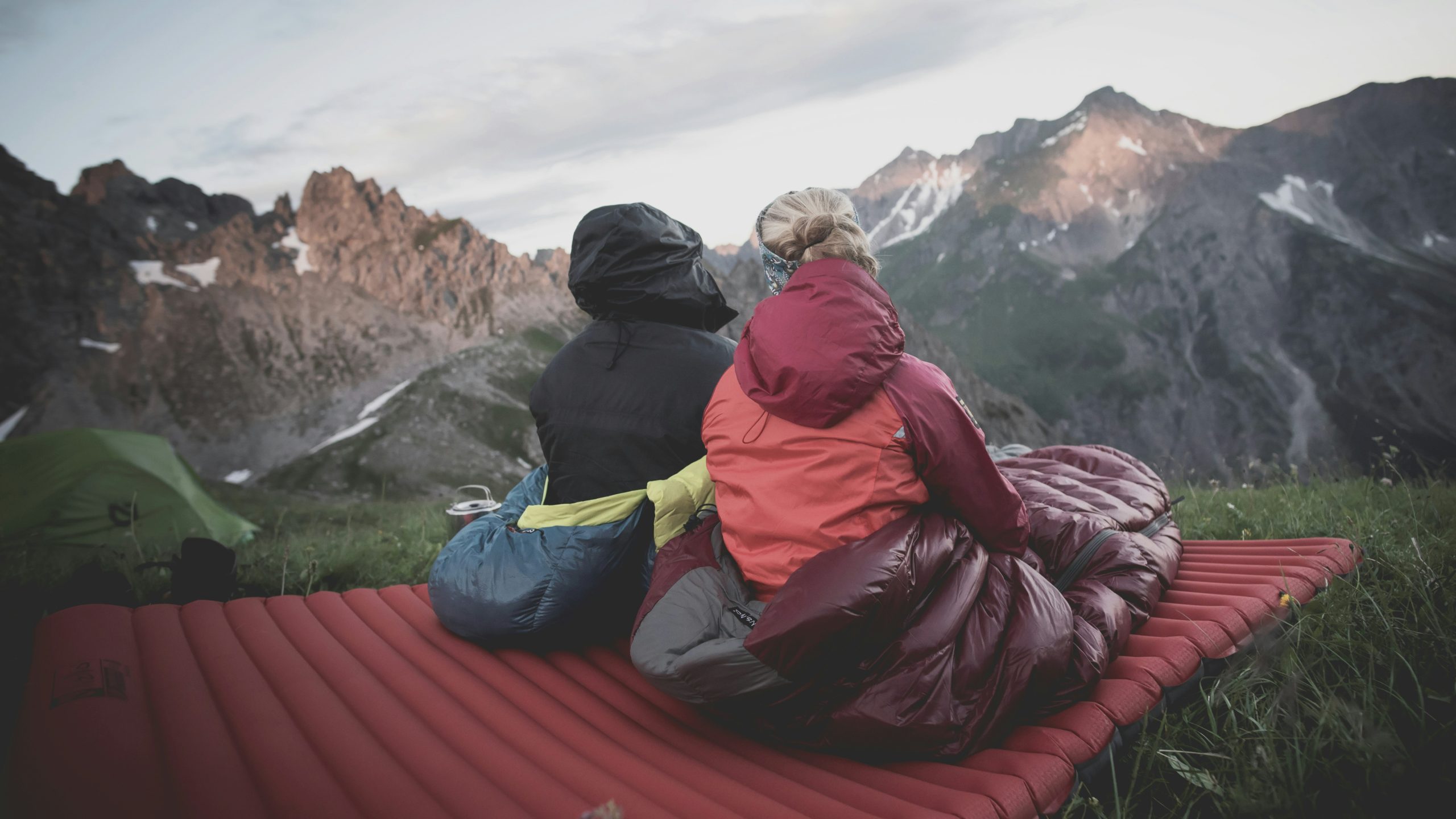
A proper winter sleeping system goes beyond a single sleeping bag. Choose a sleeping bag rated at least ten degrees lower than expected temperatures. Pair it with an insulated liner to add warmth and protect the bag from moisture. Wear dry base layers and a warm hat while sleeping, but avoid overdressing, which can cause sweating. Keep tomorrow’s clothes inside the bag to prevent freezing. A reliable sleeping system ensures recovery, mental clarity, and physical readiness for the next cold day.
7. Keep Water From Freezing Overnight
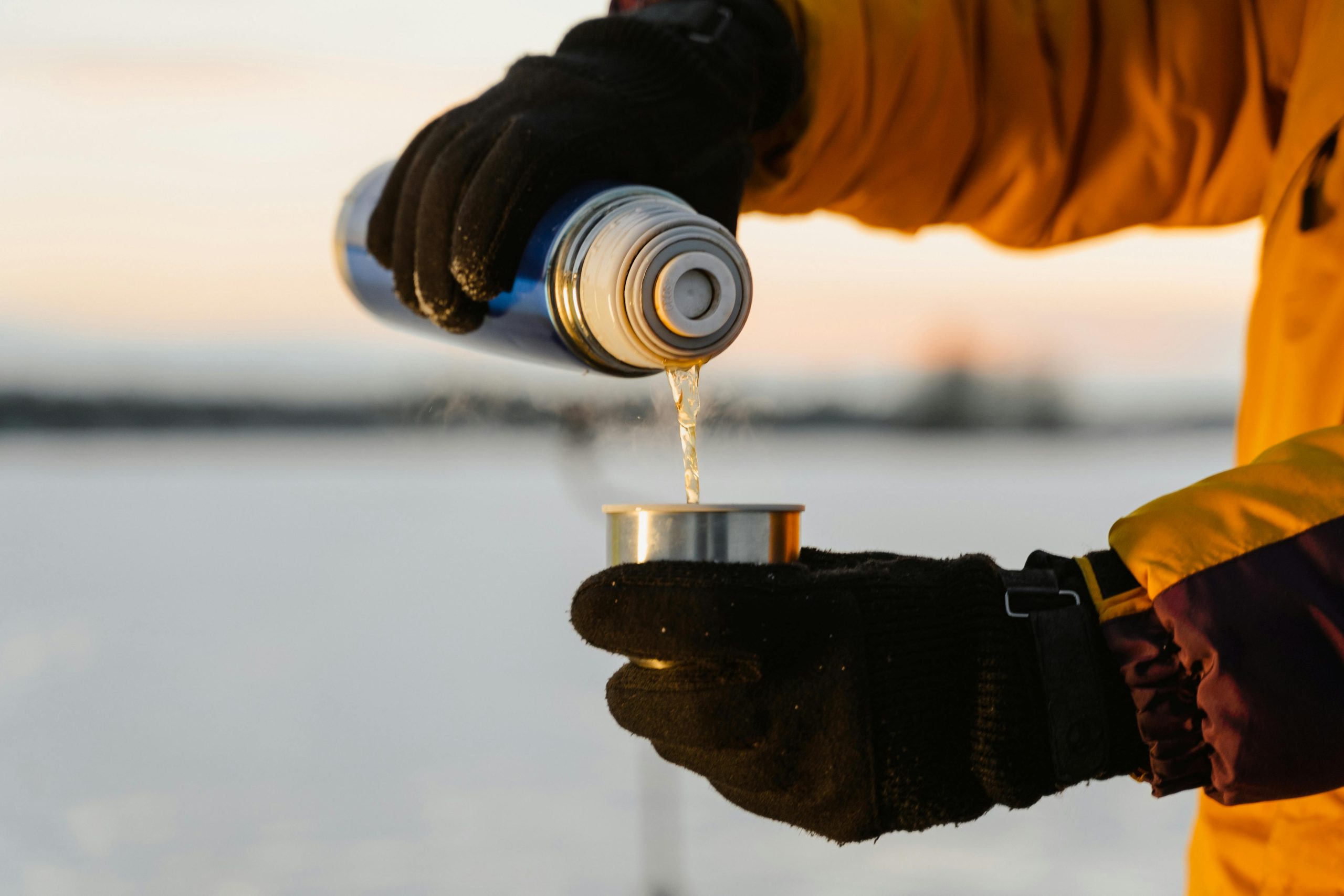
In subzero temperatures, frozen water can become a serious problem. Use wide-mouth bottles, which freeze more slowly and are easier to thaw. Store bottles upside down, since ice forms at the top first. Insulate water containers with socks or foam sleeves. At night, keep water bottles inside your sleeping bag or close to your body. Melting snow requires extra fuel, so plan accordingly. Reliable access to liquid water supports hydration, digestion, and circulation, all of which are vital for cold-weather survival.
8. Build and Maintain Reliable Fire Skills
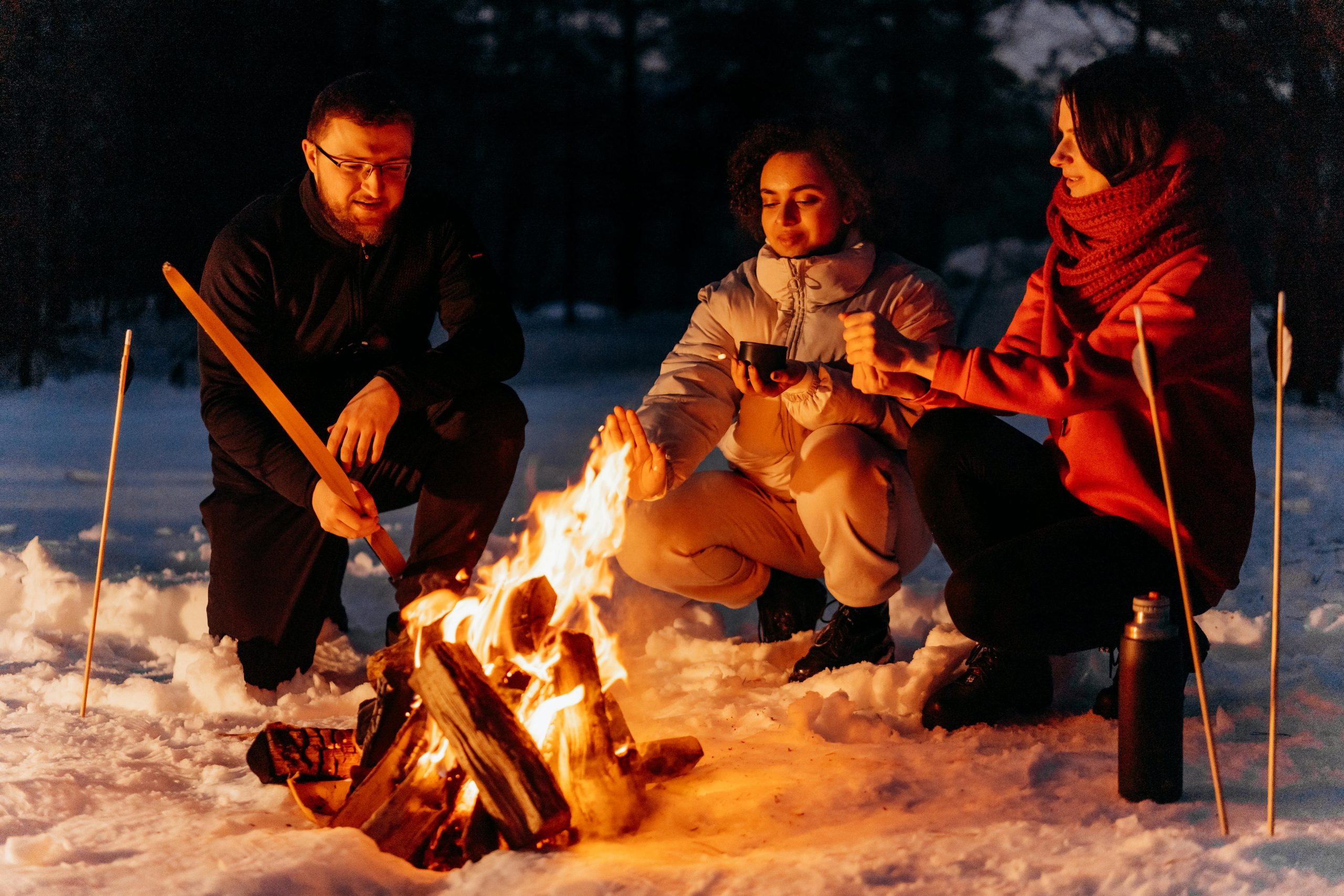
Fire provides warmth, light, and morale in extreme cold. Carry multiple fire-starting methods, including waterproof matches, a lighter, and fire starters. Collect extra dry wood early, since finding fuel after dark is difficult. Learn to identify dead standing wood, which burns better than fallen snow-covered branches. Build fires on insulated platforms to prevent snow melt. A dependable fire boosts confidence, allows cooking and drying, and serves as an emergency backup if gear fails.
9. Protect Extremities From Cold Injury
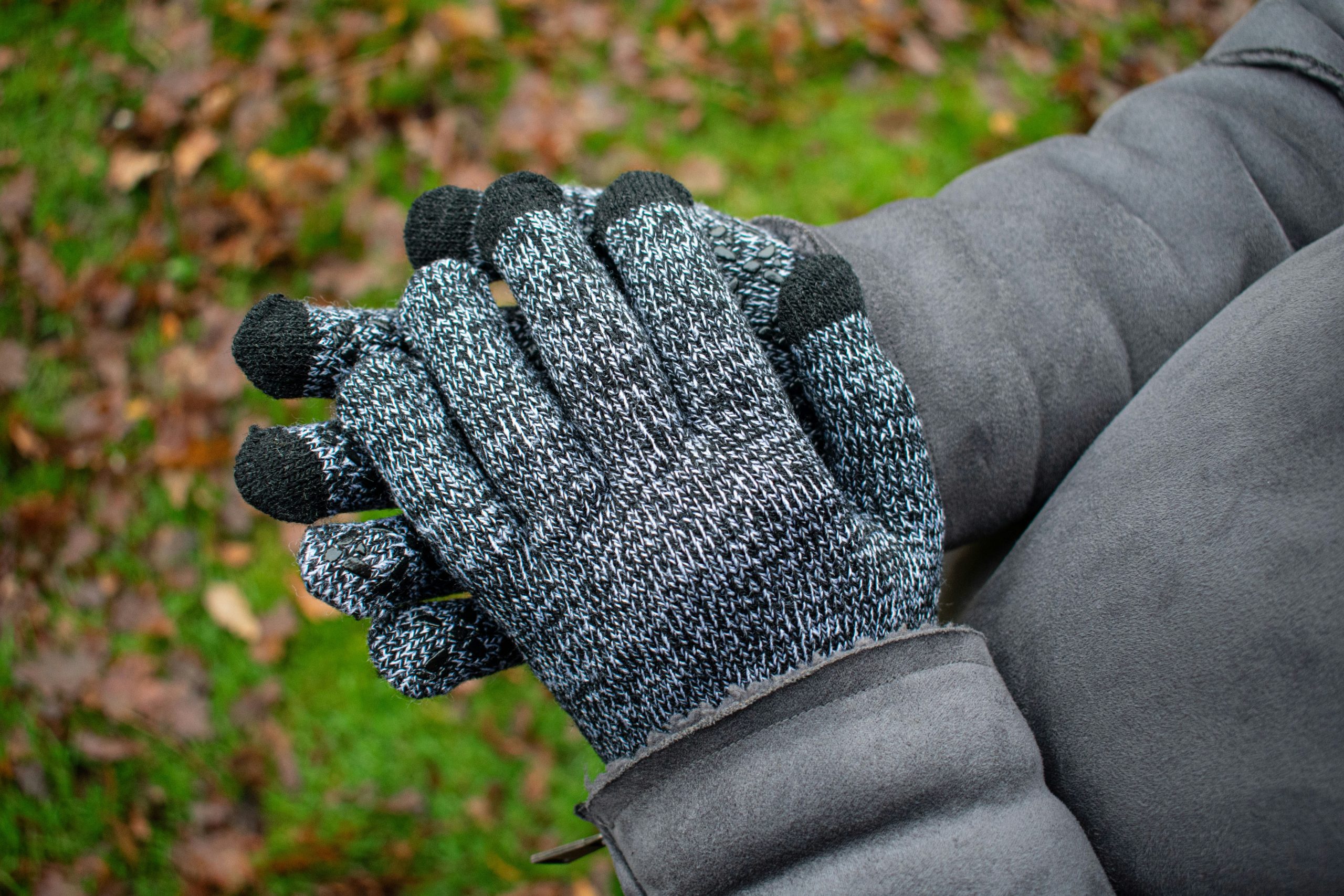
Hands, feet, ears, and face are most vulnerable to frostbite. Wear insulated gloves or mittens, and carry spare pairs in case one gets wet. Use vapor barrier socks or liners to keep feet dry. Cover ears and nose with balaclavas or face masks in high winds. Check skin regularly for numbness or color changes. Early protection and awareness prevent permanent injury, maintain dexterity, and allow you to safely perform critical tasks in subzero camping conditions.
10. Plan Movement to Avoid Sweat Buildup
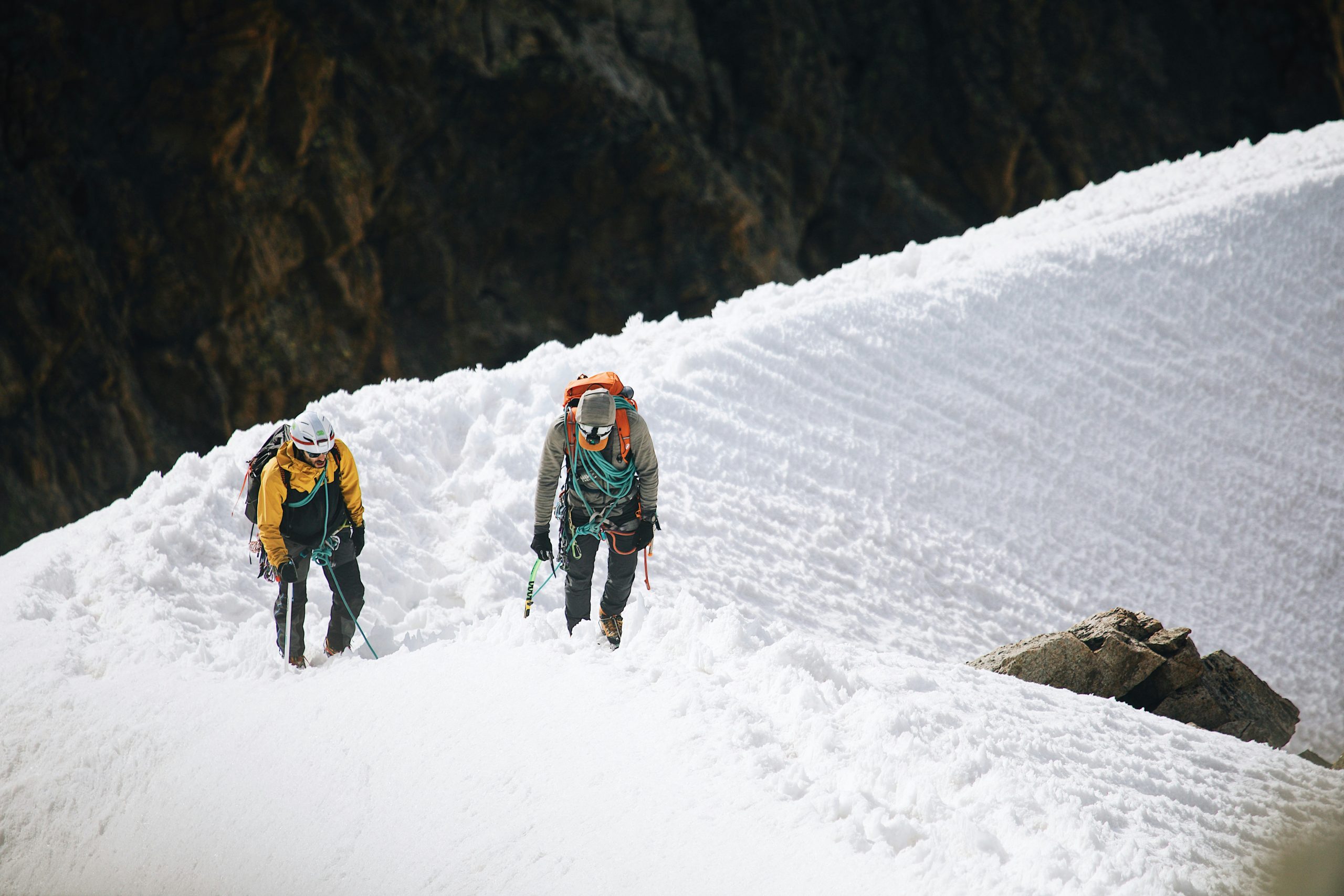
Smart pacing is a key winter survival trick. Move slowly and steadily to avoid overheating and sweating. Take short breaks instead of long stops, which allow heat to escape. Remove layers before climbing or heavy work, then add them back immediately when resting. Regulating movement keeps clothing dry and body temperature balanced. Controlled activity conserves energy, reduces the risk of chilling, and helps maintain consistent performance throughout long, cold winter days.
11. Store Gear to Prevent Freezing Damage
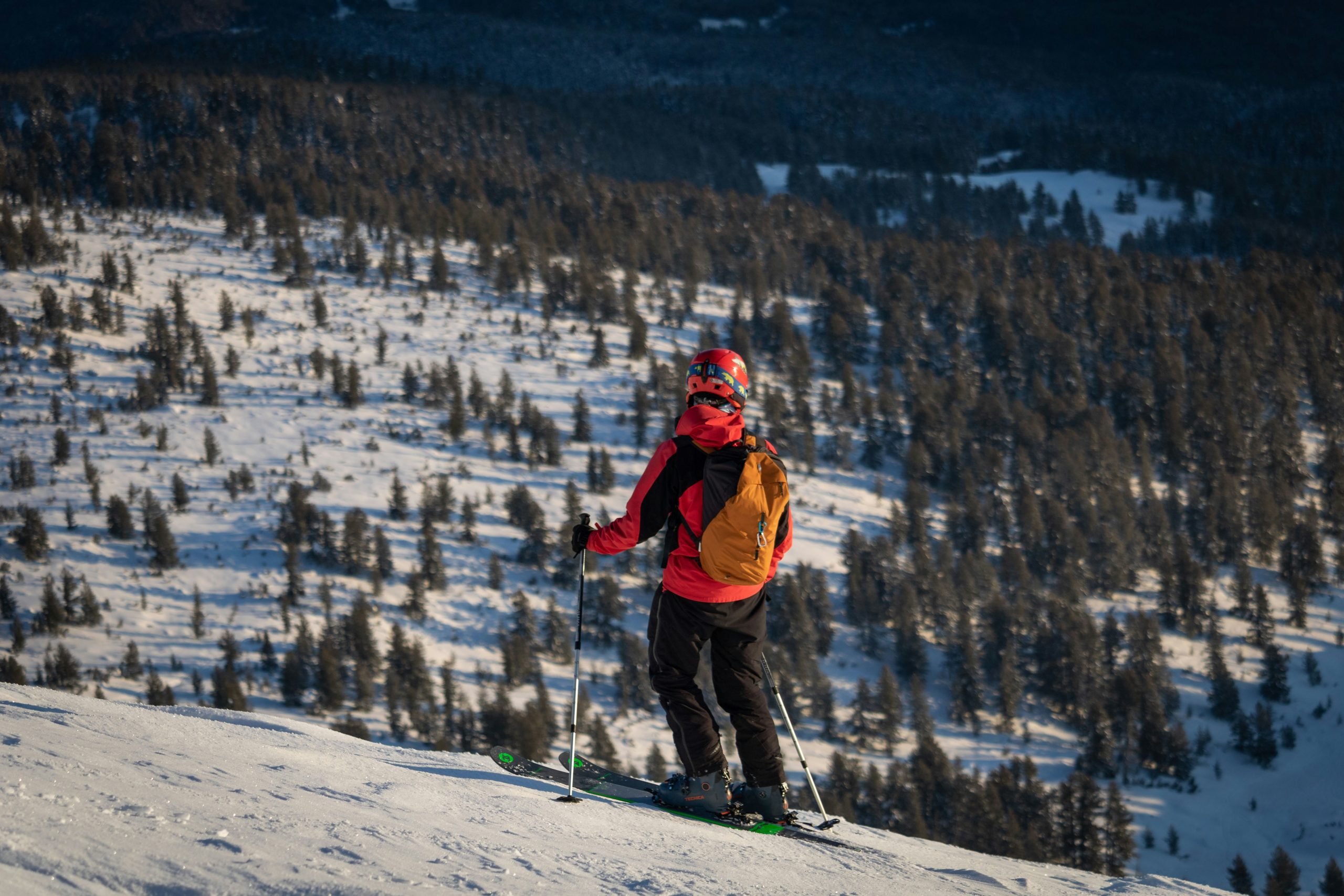
Cold can damage gear and reduce performance. Keep electronics, batteries, and fuel canisters inside insulated pockets or sleeping bags overnight. Batteries lose power quickly in freezing temperatures. Loosen boot laces before sleeping to prevent them from freezing solid. Shake snow off gear before storing it inside shelters. Organized gear management prevents equipment failure, saves time in the morning, and reduces stress during critical moments in harsh winter environments.
12. Maintain Mental Focus and Safety Discipline
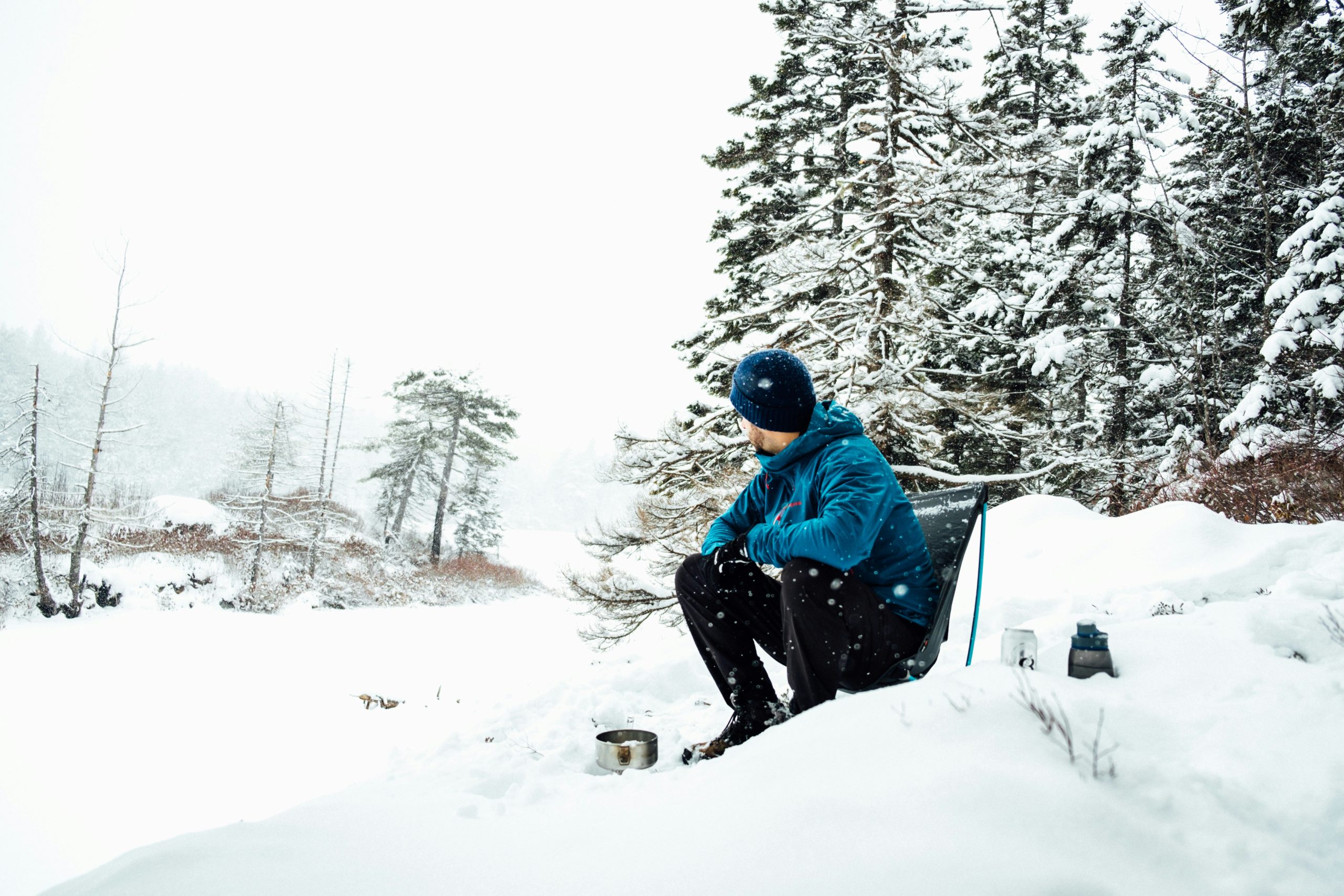
Mental strength is as important as physical preparation in subzero camping. Cold increases fatigue, slows decision-making, and lowers morale. Stick to routines for eating, drinking, and checking gear even when tired. Watch partners for signs of cold stress or confusion. Avoid rushing tasks, as mistakes multiply in freezing conditions. Staying calm, disciplined, and aware helps prevent accidents, supports teamwork, and ensures you make smart choices that keep everyone safe during extreme winter survival situations.