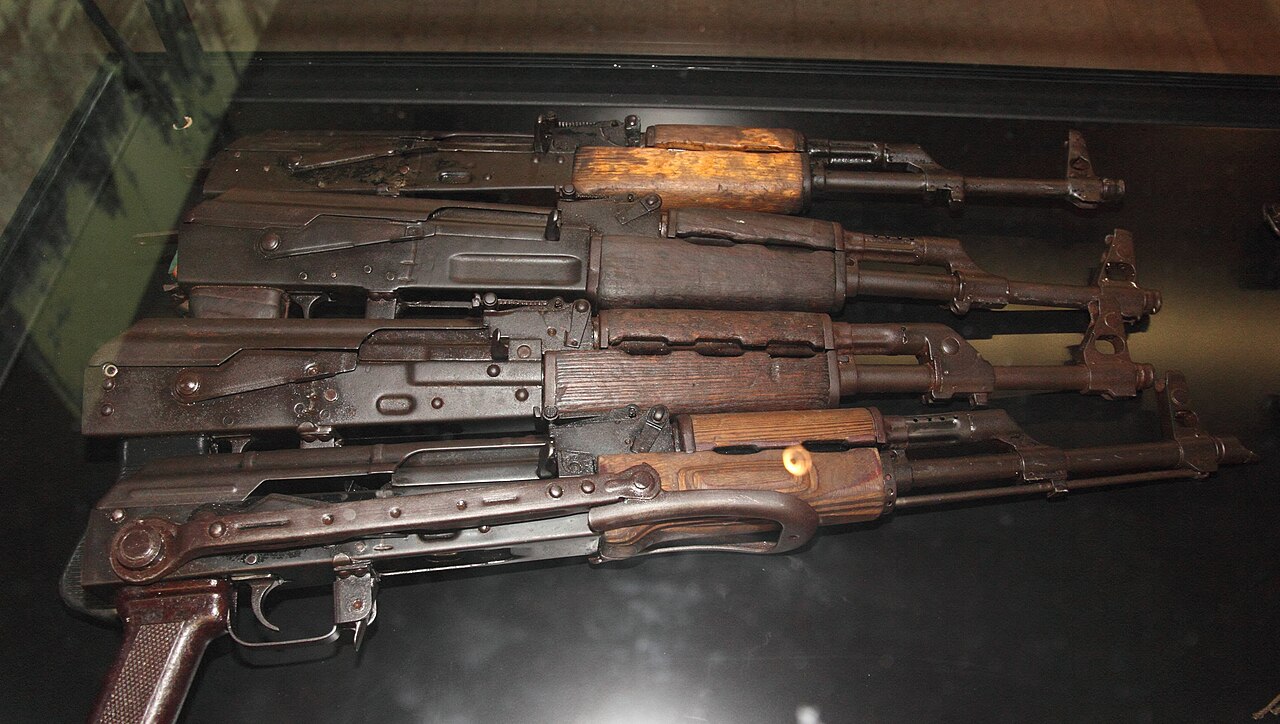
Reliability remains the single most important quality for any firearm destined for harsh environments or defensive use. History is filled with stories of 8 guns that worked when everything else failed during extreme combat conditions or environmental disasters. Soldiers and civilians alike place their trust in mechanical designs that continue to function despite mud, sand, ice, and total neglect. These legendary weapons earned their reputations by delivering consistent performance when lives were on the line in the field. This guide explores the engineering marvels that refused to quit when the elements turned against them.
AK-47
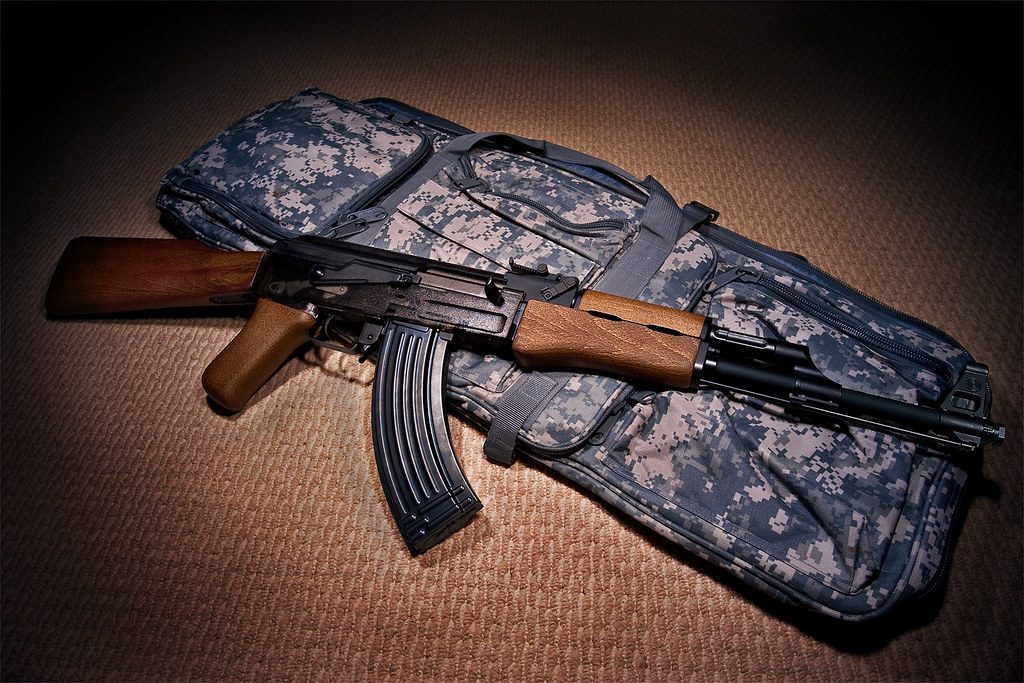
The AK-47 set the global standard for mechanical reliability by utilizing a loose tolerance design that forgives debris and neglect. Mikhail Kalashnikov engineered this rifle to function flawlessly in the freezing mud of the Russian taiga and the scorching sands of the Middle East. Its gas piston system drives the bolt carrier with enough force to overcome almost any obstruction inside the receiver. Soldiers frequently report that this weapon cycles perfectly even after being buried or submerged in dirty water. It remains the most dependable choice for diverse militaries because it simply never stops working.
Mosin Nagant
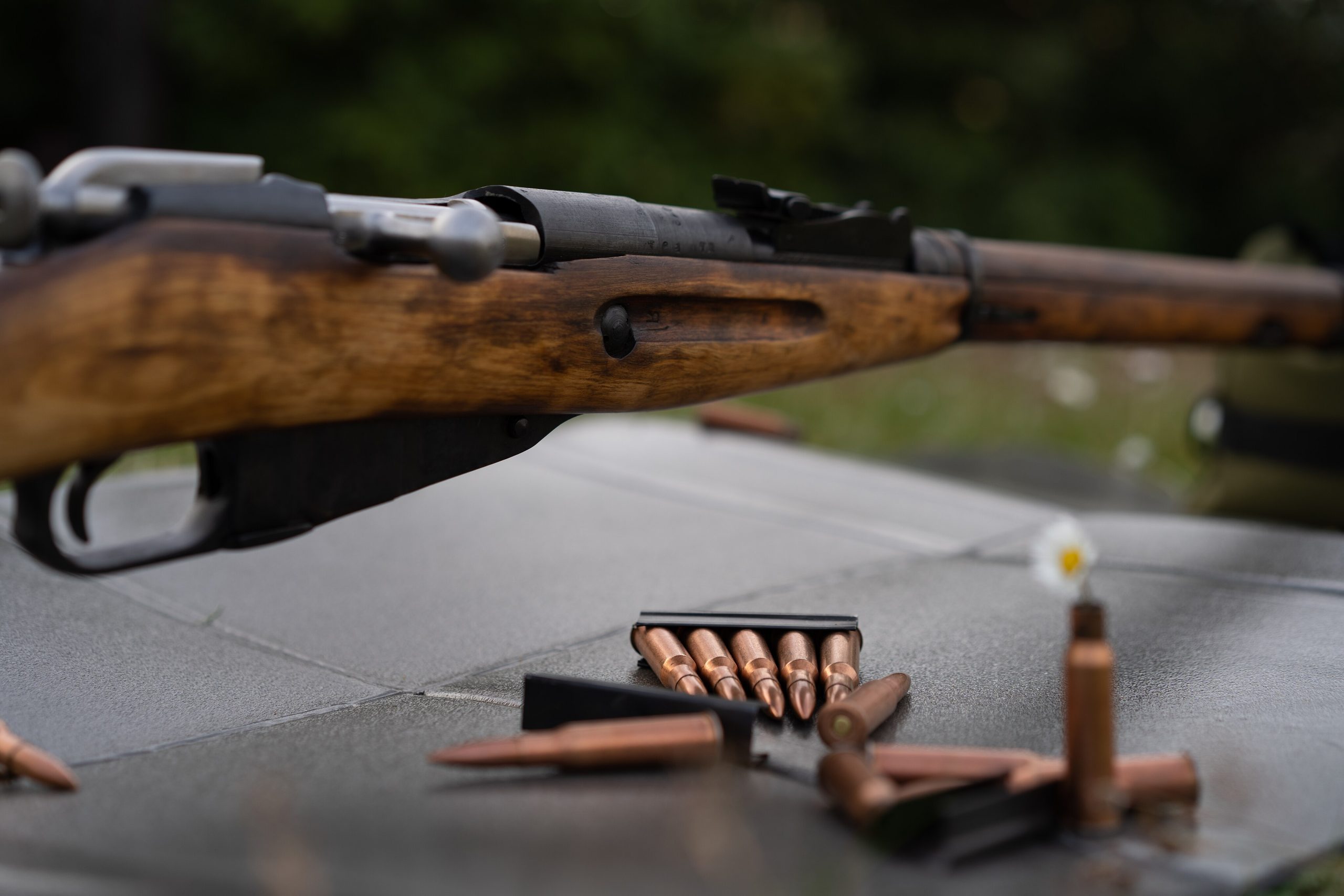
The Mosin Nagant served Russian troops through some of the most brutal winters recorded in human history without failing. This bolt-action rifle features a robust and simple mechanism that can easily crush ice or frozen mud that enters the chamber. Its sturdy wood stock and heavy steel barrel allow it to function as a club or a pike when ammunition runs dry in battle. Conscripts often found that this weapon required almost no maintenance to remain operational in the field. It stands as a testament to the durability of nineteenth-century industrial engineering.
Glock 17
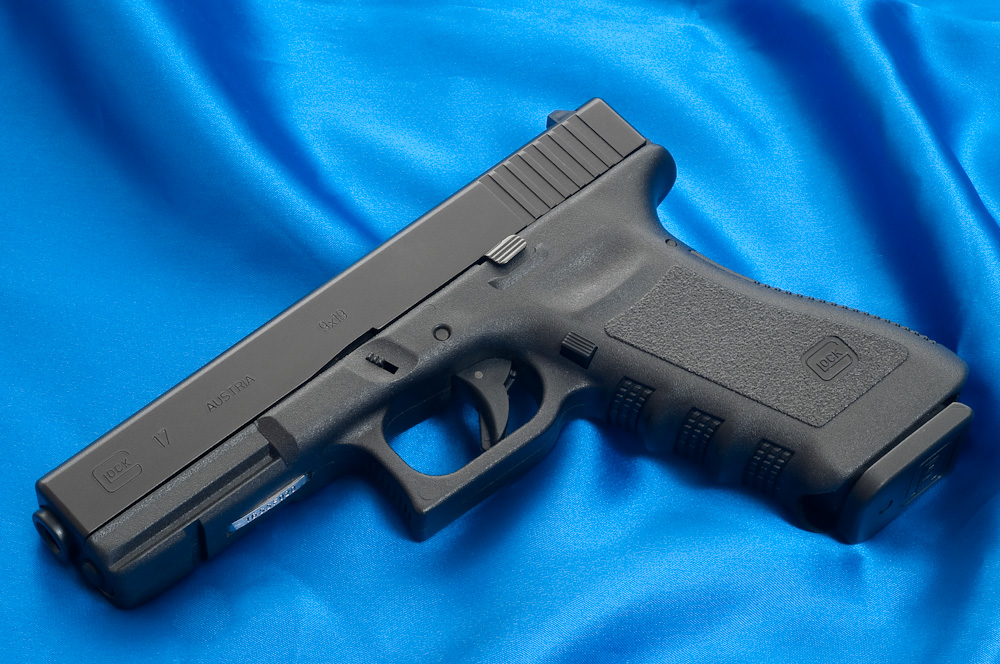
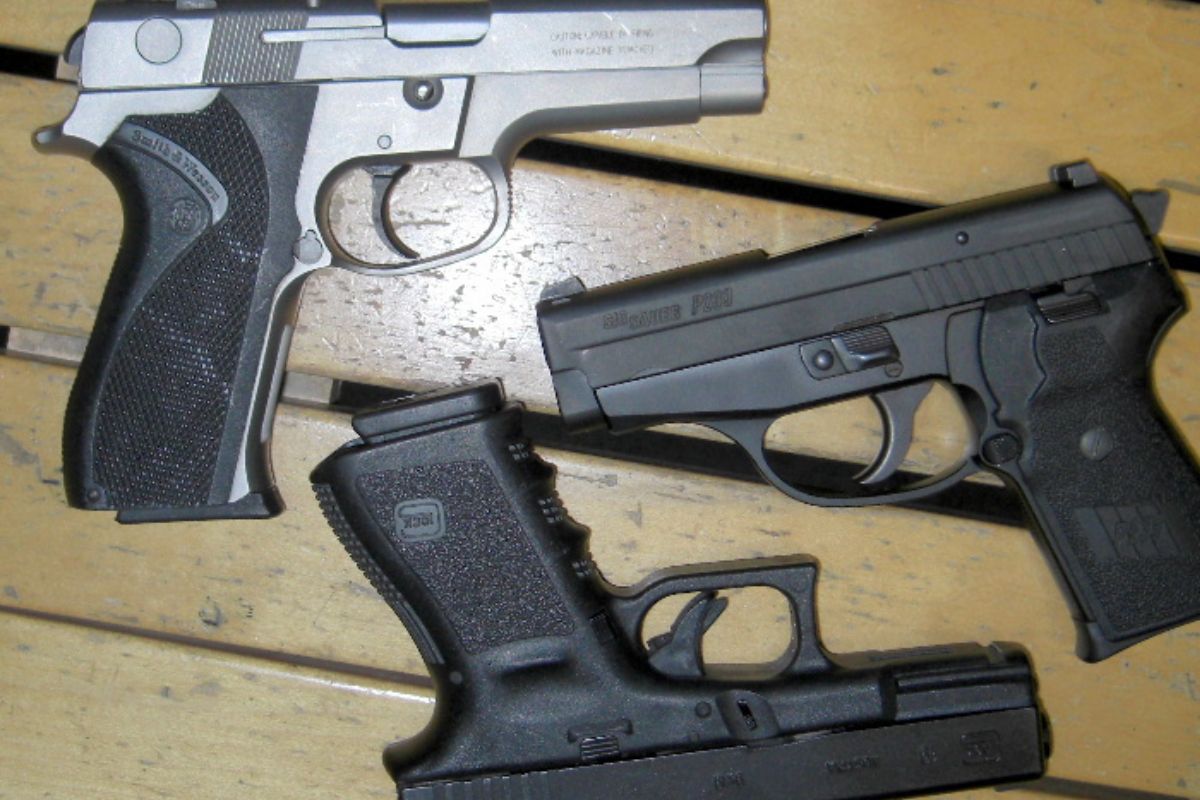
Glock changed the perception of handgun durability by subjecting the Model 17 to torture tests that destroyed traditional firearms. The polymer frame resists corrosion and temperature changes that typically seize up metal components during extended exposure. Its striker-fired action contains very few parts, which minimizes the potential points of mechanical failure during high-stress use. Law enforcement agencies adopted this pistol because it fires reliably after being dropped in sand or submerged in saltwater. It continues to function when dry and dirty, which makes it the ultimate tool for modern duty and personal defense.
Colt M1911
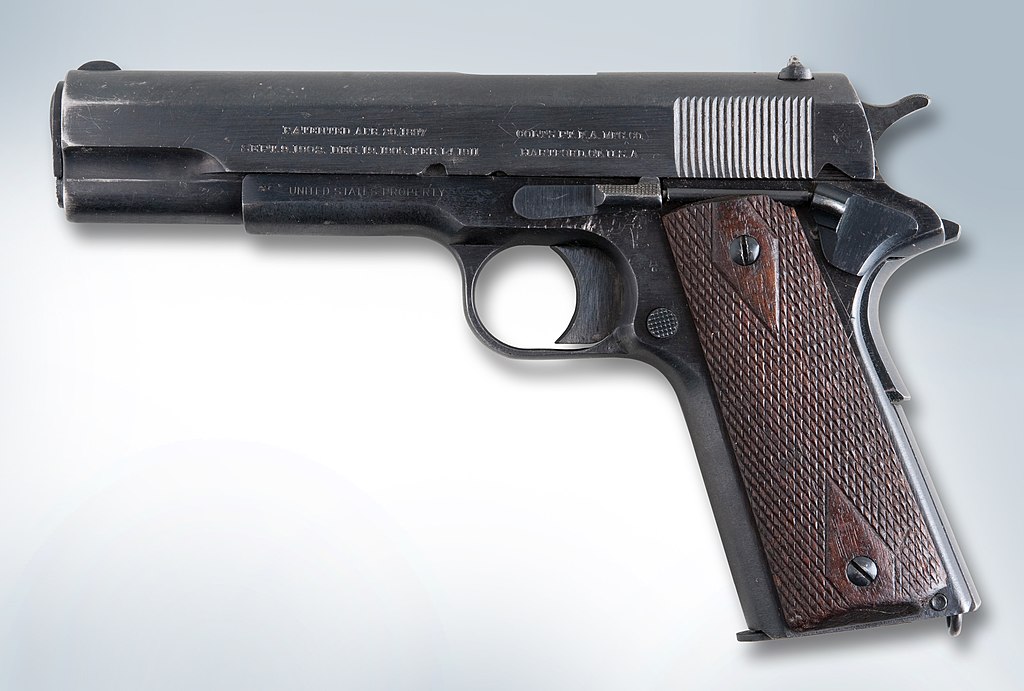
The Colt M1911 earned its legendary reputation in the muddy trenches of World War One where reliability was paramount. John Browning designed this pistol with enough internal clearance to allow grit and grime to wash out of the action during cycling. American soldiers trusted this heavy steel handgun to stop threats instantly, even when their primary rifles became clogged with debris. Its sliding trigger mechanism and external hammer proved to be incredibly resilient against the filth of the battlefield. It remains a symbol of durability and power that served the military for over seven decades.
Mauser 98
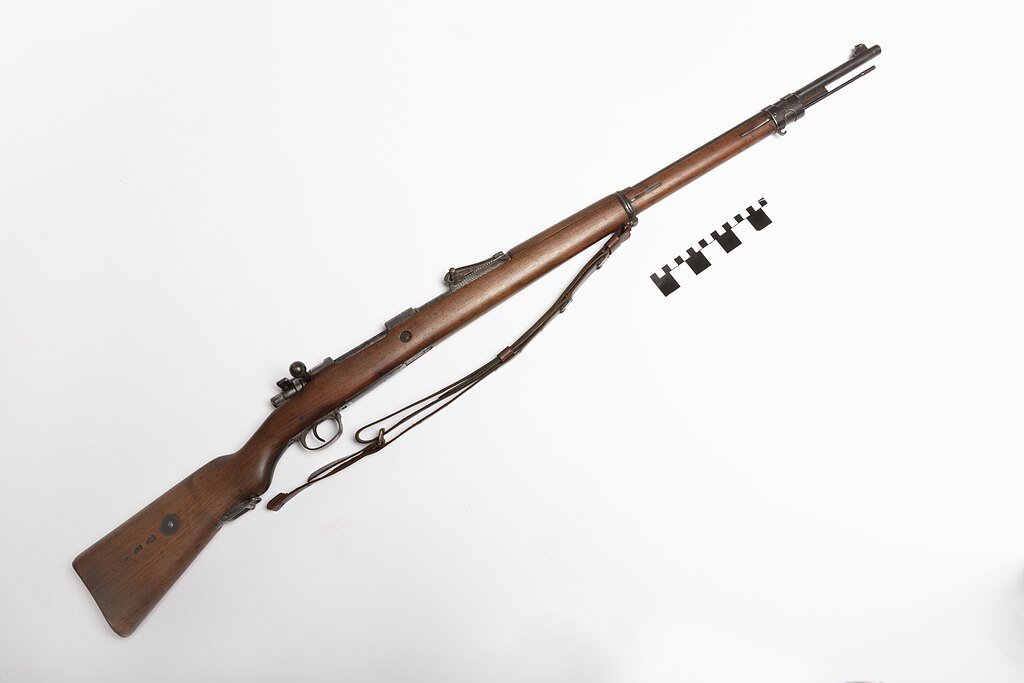
The Mauser 98 action is widely considered the strongest and most reliable bolt-action system ever invented by engineers. Its massive controlled feed extractor grabs the cartridge rim immediately and refuses to let go until the casing is ejected. This feature prevents double feeds and jams that could be fatal for a hunter facing dangerous game in the thick brush. African safari guides trust this rifle implicitly because it functions smoothly under the immense pressure of tropical heat and dust. The design is so perfect that modern manufacturers still copy its core geometry for reliability.
Remington 870
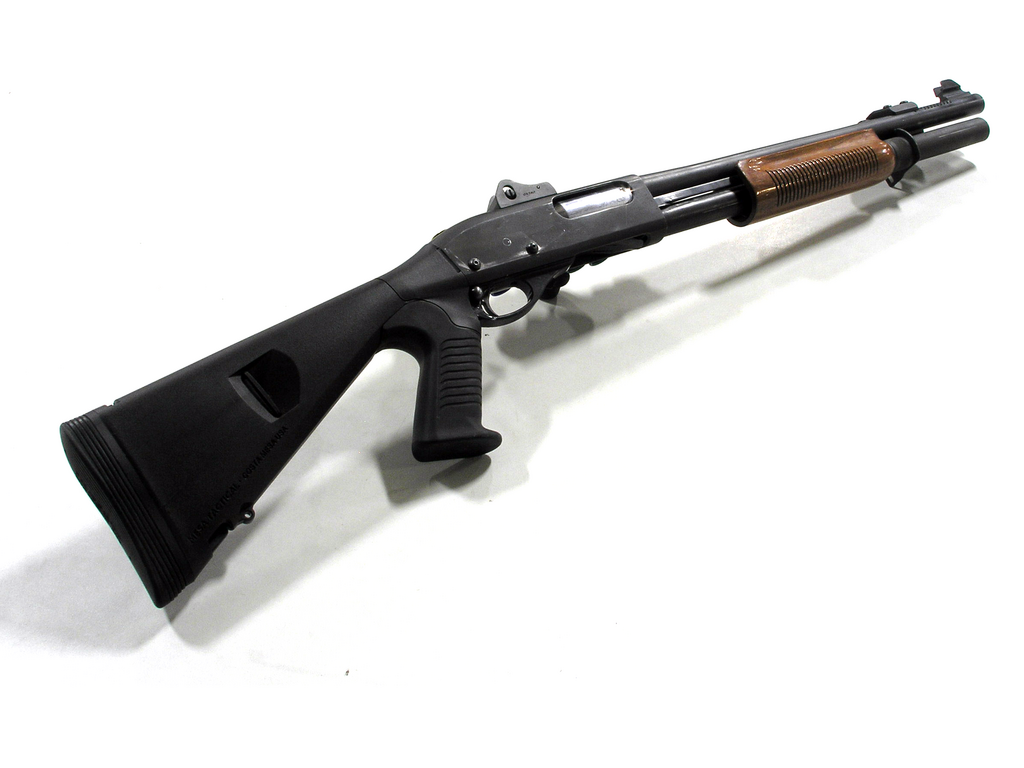
The Remington 870 pump-action shotgun has served in police cruisers and duck blinds for generations with unwavering dependability. Its twin action bars prevent binding and ensure that the slide moves smoothly even when the receiver is filled with grit. Users can essentially abuse this firearm for years without cleaning it, and it will still fire and cycle every single time. The steel receiver provides a solid foundation that resists bending or cracking under heavy recoil or rough handling. It is the definition of a workhorse tool that functions when semi-automatic designs fail.
Uzi Submachine Gun
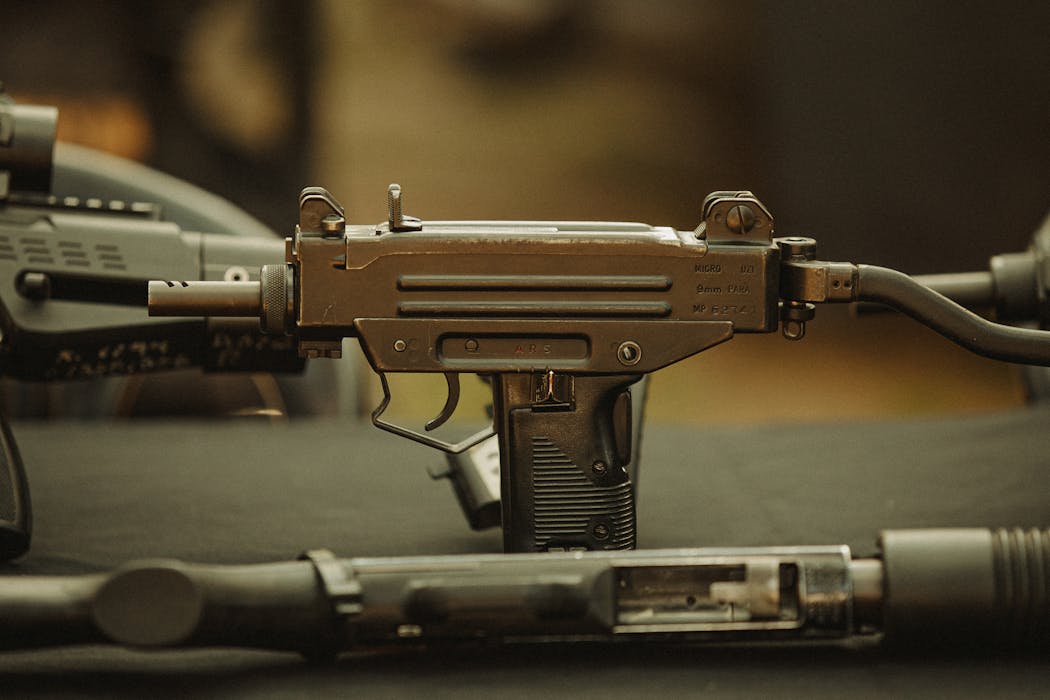
The Uzi submachine gun was specifically designed to operate in the sandy and dusty environment of the Israeli desert. Its open bolt blowback operation is incredibly simple and uses the heavy bolt to clear the chamber of sand during firing. The stamped metal receiver features large channels that allow dirt to fall away from the critical moving parts inside the weapon. Soldiers appreciated its compact size and its ability to spray lead reliably during close-quarters sandstorms. It became a global icon of ruggedness because it prioritized function over precision or comfort in battle.
FN FAL
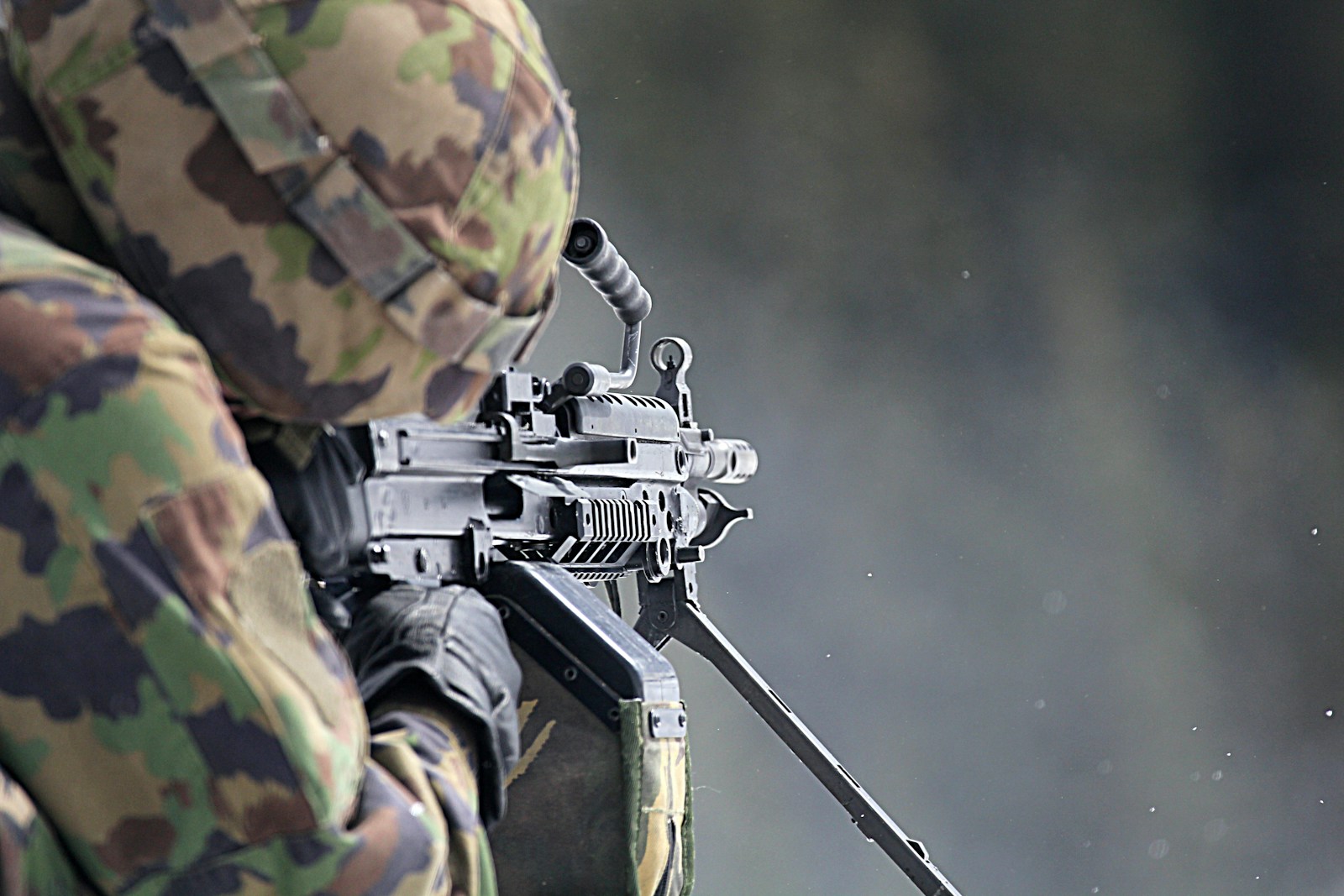
Known as the right arm of the free world, the FN FAL proved its reliability in conflicts across every continent. This battle rifle features an adjustable gas regulator that allows the soldier to increase the pressure if the gun becomes fouled. This ingenious system ensures that the weapon continues to cycle even when carbon buildup or sand threatens to jam the action. Its tilting bolt design is robust and handles the powerful NATO cartridge with ease in jungle or desert settings. It remains one of the most trusted and battle-tested rifles in history.