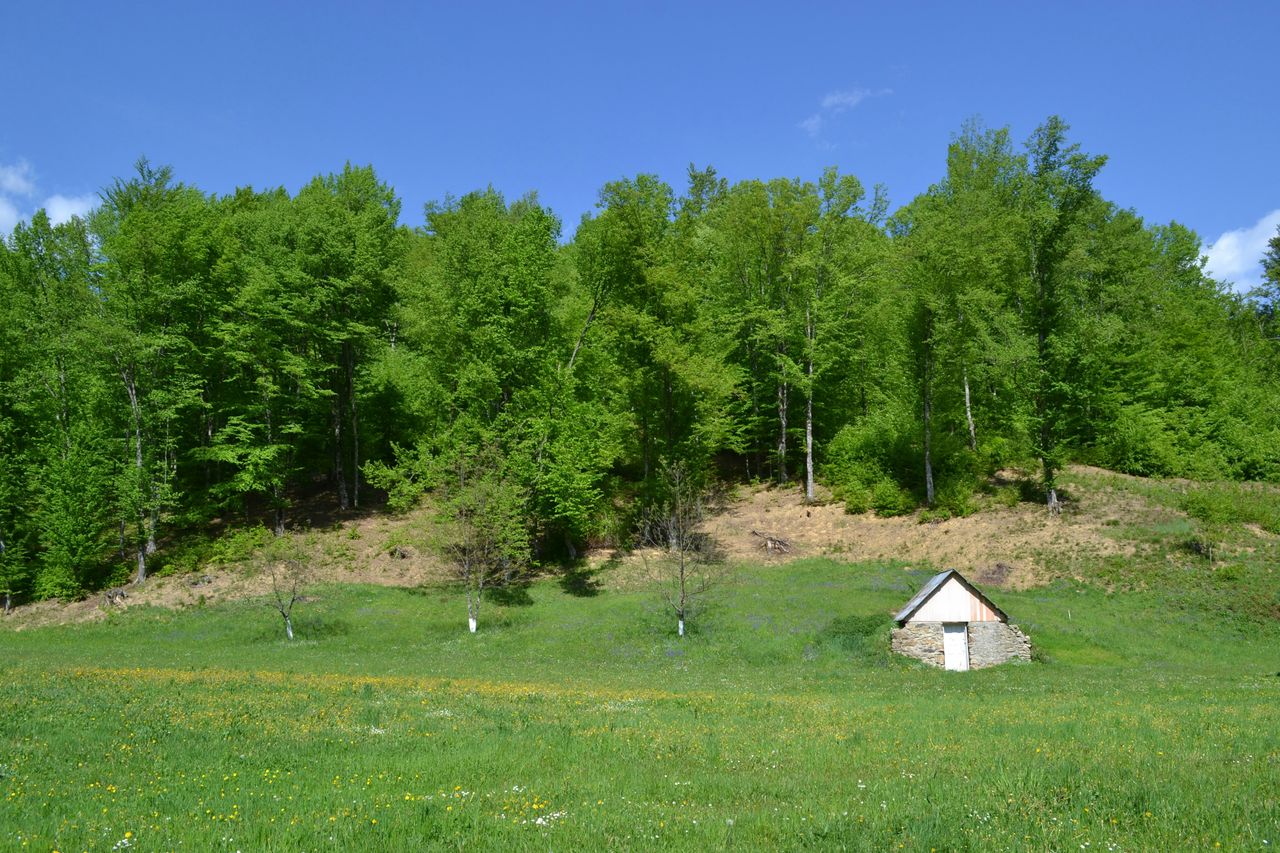
A quiet cabin lot can tell a surprisingly vivid story if you know what to look for. Seasoned outdoorsmen often notice small changes in the dirt, brush, and even the way birds behave before they ever spot the animal itself. These common signs can help you read the landscape more carefully and understand when a predator may have been nearby recently.
Fresh tracks in mud, dust, or snow

Tracks are often the first clue that something larger than a raccoon passed through your property. Experienced outdoorsmen pay attention to shape, stride, and depth, because a fresh print with crisp edges usually means the animal was there recently, sometimes within hours depending on weather.
Canine tracks from coyotes or wolves often show claw marks and a more oval shape, while cats such as bobcats leave rounder prints with a softer outline. Snow, wet soil, and dusty paths near sheds, woodpiles, and game trails are the best places to spot them.
If you see repeated tracks circling the cabin or leading toward pet areas, that pattern can matter as much as the print itself.
Scat left along trails or near structures

Predators often leave scat in visible places, almost like a calling card. Along driveways, trail intersections, and the edge of a clearing, it can signal that the animal is marking territory or using the same route more than once.
Outdoorsmen look for more than location. Hair, bone fragments, berry seeds, and a twisted shape can hint at what kind of animal left it behind and what it has been eating. Fresh scat is usually darker, shinier, and stronger smelling than older droppings that have dried in the sun.
Finding it close to porches, barns, or trash storage suggests the predator is moving comfortably through the property, not just passing at a distance.
Strong musky odor that seems out of place

Sometimes the warning arrives before any visual clue. A sharp musky smell near crawl spaces, under decks, around sheds, or along brushy fence lines can point to a predator that has been scent marking or bedding close by.
Foxes, bobcats, and some larger predators leave odors that stand out from the normal smell of damp leaves and pine. Outdoorsmen often notice it most clearly in cool morning air, when scent hangs low and does not disperse as quickly.
If the smell appears repeatedly in the same area, especially near pet food, garbage, or game activity, it can suggest the animal has made that spot part of its routine.
Birds and squirrels suddenly sounding alarms

The woods have their own early warning system, and it is often louder than people expect. Blue jays, crows, squirrels, and even songbirds can erupt into sharp, repetitive alarm calls when they spot a predator moving through the trees or across the ground.
Experienced outdoorsmen listen for direction and duration. A quick burst may just mean a hawk flew over, but sustained scolding that shifts from one tree line to another can reveal a moving animal below. It is one of the best natural clues that something is actively nearby.
When the woods go from ordinary chatter to tense commotion in seconds, many seasoned cabin owners stop and pay attention.
Deer acting nervous or avoiding usual paths

If deer suddenly stop browsing near the cabin or begin moving through the area with obvious tension, many outdoorsmen take note. Prey animals often sense a predator long before people detect it, and their behavior can change fast after a close encounter.
Watch for tail flicking, repeated staring into cover, snorting, or bunching together in a field edge they usually cross casually. Trails that normally show regular hoof traffic may also look strangely quiet for a day or two after a predator passes through.
The absence of normal deer behavior can be just as telling as any physical sign on the ground, especially in places where deer are usually dependable visitors.
Scratches on trees, posts, or soft ground

Predators do not always leave obvious paw prints, but they often leave marks. Scratches on tree bark, fence posts, or soft soil can come from scent marking, sharpening claws, or a brief territorial display that happened while the animal moved through.
Bobcats and bears are especially known for visible claw work, though even smaller predators can leave disturbed ground around a den entrance or favorite path. Fresh marks usually show lighter wood beneath dark bark or moist soil pushed up in clean lines.
When those scratches appear at nose height for a dog but much lower than a deer rub, seasoned observers start thinking about what kind of hunter may have been there.
Missing poultry, pets, or unsecured feed

A sudden disappearance in the yard is a sign few cabin owners ignore. When chickens vanish overnight, outdoor pet food gets raided, or rabbits and small animals seem to disappear from the area, experienced outdoorsmen consider the possibility of a predator testing easy opportunities.
The pattern matters. A torn coop, scattered feathers, or repeated nighttime visits to the same feeding spot suggests the animal has learned the layout of the property. Predators are efficient, and once they find a food source, they often return until the access is cut off.
That is why even small losses around a cabin can point to a larger issue than bad luck, especially if they happen more than once in a short stretch.
Carcass remains hidden in brush or under cover

Some predators feed in the open, but others drag prey into brush, under low branches, or behind outbuildings where they can return later. Finding a partially covered carcass or bones in a tucked away spot is a strong clue that a predator has been using the property very recently.
Outdoorsmen often check edges where tall grass meets woods, because that is where hidden remains are easy to miss. A cached animal may be covered with leaves, grass, or loose dirt, especially if a cat species made the kill.
This kind of sign deserves caution. If a predator plans to come back for its meal, it may still be close enough to monitor the area from cover.
Repeated nighttime activity on cameras or around the cabin

Trail cameras and even simple porch cameras have changed how people read wildlife movement. Repeated nighttime passes by the same predator, especially along the same corner of the cabin, driveway, or woodline, can confirm what tracks and other signs only suggest.
Even without a camera, clues like barking dogs at the same hour, motion lights triggering, or unexplained noise around the trash area can point to a regular visitor. Seasoned outdoorsmen trust patterns, because predators often travel efficient routes once they feel secure.
When multiple signs line up with repeated after dark activity, it is usually a good signal that the animal is not just wandering through once. It has started including your property in its routine.