A quiet drive north of Canton can still deliver a scene that feels older than the state itself. At Maxwell Wildlife Area, bison and elk move across open grass in a way that is now unusually hard to find in America.
Where Kansas Keeps A Rare Living Prairie
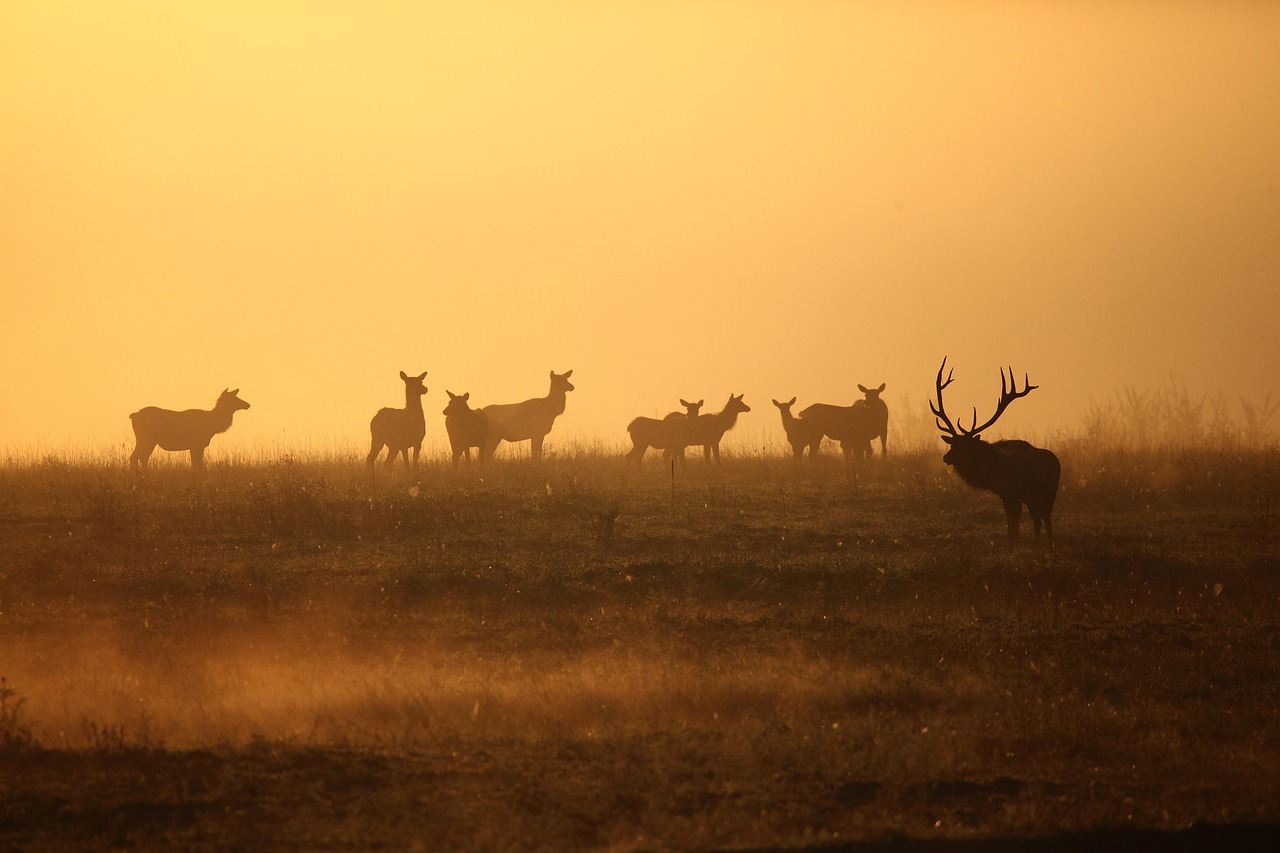
About six miles north of Canton, in McPherson County, Maxwell Wildlife Area stretches across roughly 2,560 acres of native tallgrass prairie. The Kansas Department of Wildlife and Parks describes it as the only location in Kansas where public herds of both bison and elk can be viewed together in a native prairie setting. That distinction gives the site an outsized importance for travelers, photographers, and anyone curious about the Great Plains.
The setting matters as much as the animals. According to the National Park Service, less than 4 percent of North America’s original tallgrass prairie remains, with much of what survives concentrated in Kansas and the Flint Hills region. That means a visit here is not just a wildlife stop. It is a chance to stand inside one of the continent’s rarest ecosystems.
Unlike a zoo or drive-through attraction, Maxwell still feels spacious and grounded in the old prairie landscape. Wind, grass, and distance do a lot of the work. The animals simply complete the picture.
Why Seeing Bison And Elk Together Is So Unusual
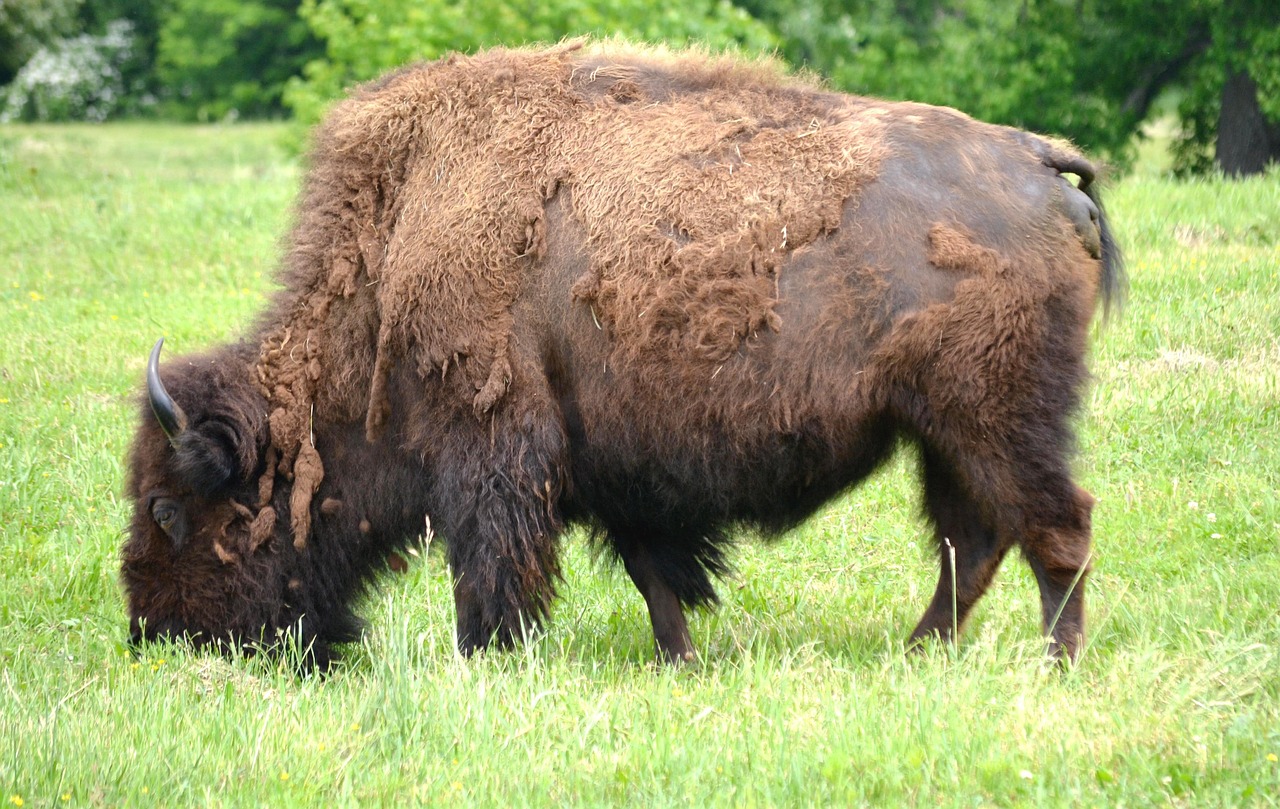
Bison once dominated the central plains, while elk also ranged across large parts of Kansas before habitat loss and overhunting pushed them out of much of their historic territory. State wildlife records note that Kansas later maintained a small elk herd at Maxwell, and the area also became home to the state’s largest public bison herd. Seeing both species together today offers a glimpse of an earlier ecological story.
That shared view is rare because modern wildlife management often separates species by habitat, ownership, or fencing. In many places, visitors may see bison in one preserve and elk somewhere else entirely. Maxwell compresses that experience into one public prairie, making the landscape feel more complete than many larger destinations.
For a general audience, the impact is immediate. Bison bring mass and motion, while elk add alertness and elegance. Together, they make the prairie feel inhabited on its own terms rather than staged for visitors.
The Best Way To Experience The Herds
You can spot animals from the road, and that alone can be worth the trip. The Kansas wildlife agency notes that roadside viewing is possible along fenced stretches, where visitors may pull over carefully and watch from the edge. On a good day, the silhouettes are visible well before you realize how large they are.
Still, the more memorable option is the guided tram tour. Maxwell’s visitor information highlights rides that take guests through the prairie with interpretation about the herds, native plants, and the refuge’s conservation story. That format turns a simple sighting into a fuller understanding of how the land works.
The tram also solves a common prairie problem: distance. Big grasslands can look empty until a knowledgeable guide helps you read them. Once that happens, every rise, trail, and animal movement starts to mean something.
What Makes The Landscape Worth The Trip
Tallgrass prairie has a subtle beauty that grows on you by the minute. It is not dramatic in the mountain sense, but it has texture, depth, and an incredible sense of scale. Seasonal wildflowers, shifting light, and long sightlines give Maxwell a visual richness that rewards slow travel.
This is also the kind of place where weather becomes part of the experience. A stiff Kansas breeze can turn the entire field into moving water, and the low sounds of grazing animals carry farther than you would expect. Photographers often talk about golden-hour wildlife shots, but even midday here has a stark, honest appeal.
For families, the landscape offers a useful lesson in what “wild” can mean in the middle of an agricultural state. Maxwell is not wilderness in the remote backcountry sense. It is a surviving fragment of an older America, still legible if you take the time to look.
A Small Site With A Big Conservation Story
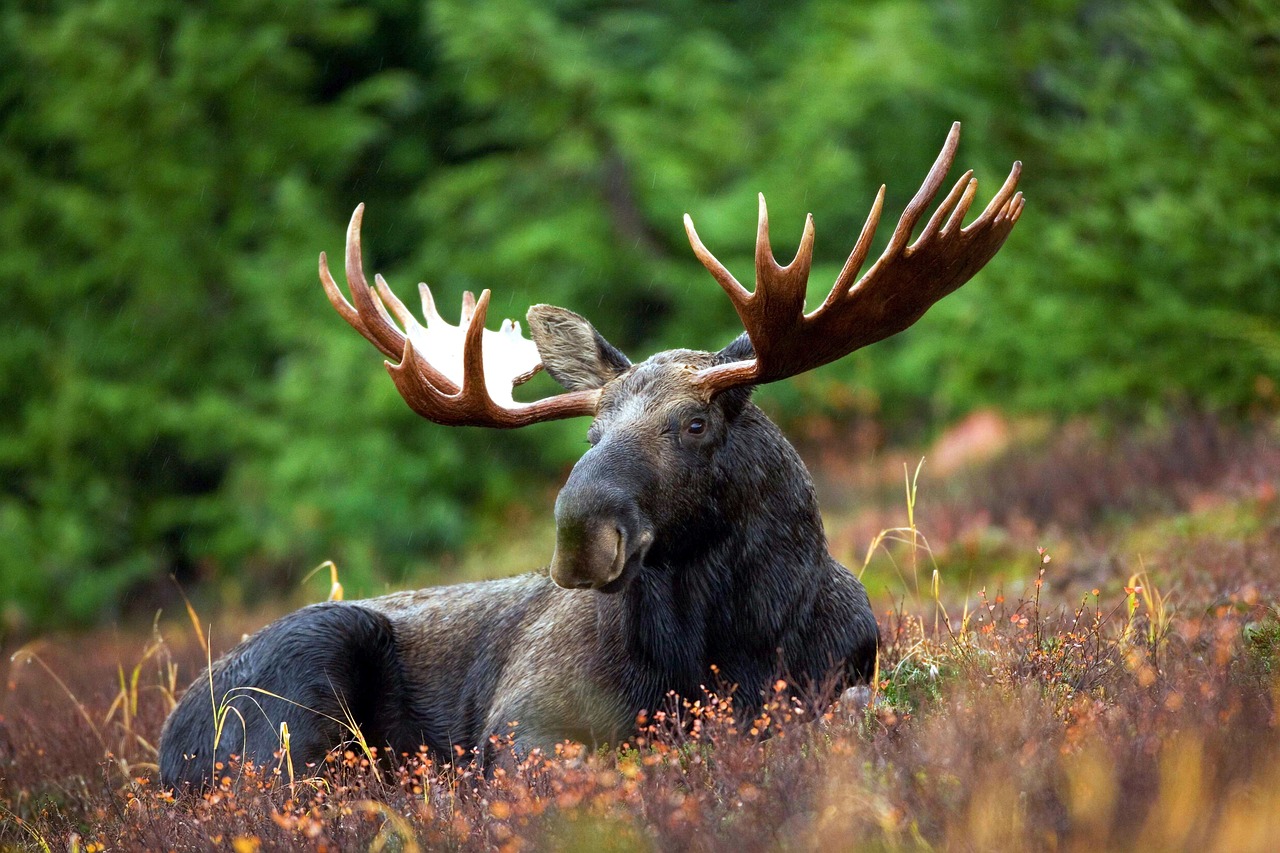
Maxwell’s importance goes beyond tourism. Public wildlife areas like this help preserve native habitat, keep large grazing animals visible to the public, and maintain a connection to species that once shaped the prairie by their sheer presence. Conservation is easier to support when people can see what is being protected with their own eyes.
There is also a cultural layer to that story. Great Plains grasslands supported Indigenous communities long before Kansas became a state, and the National Park Service notes that Native peoples in the region understood how fire, grazing, and grassland health were linked. Places like Maxwell sit inside that much longer history of human knowledge and prairie life.
That is part of what makes the refuge more than a scenic detour. It carries memory in biological form. The herds are not just attractions; they are reminders.
Why Maxwell Leaves Such A Lasting Impression
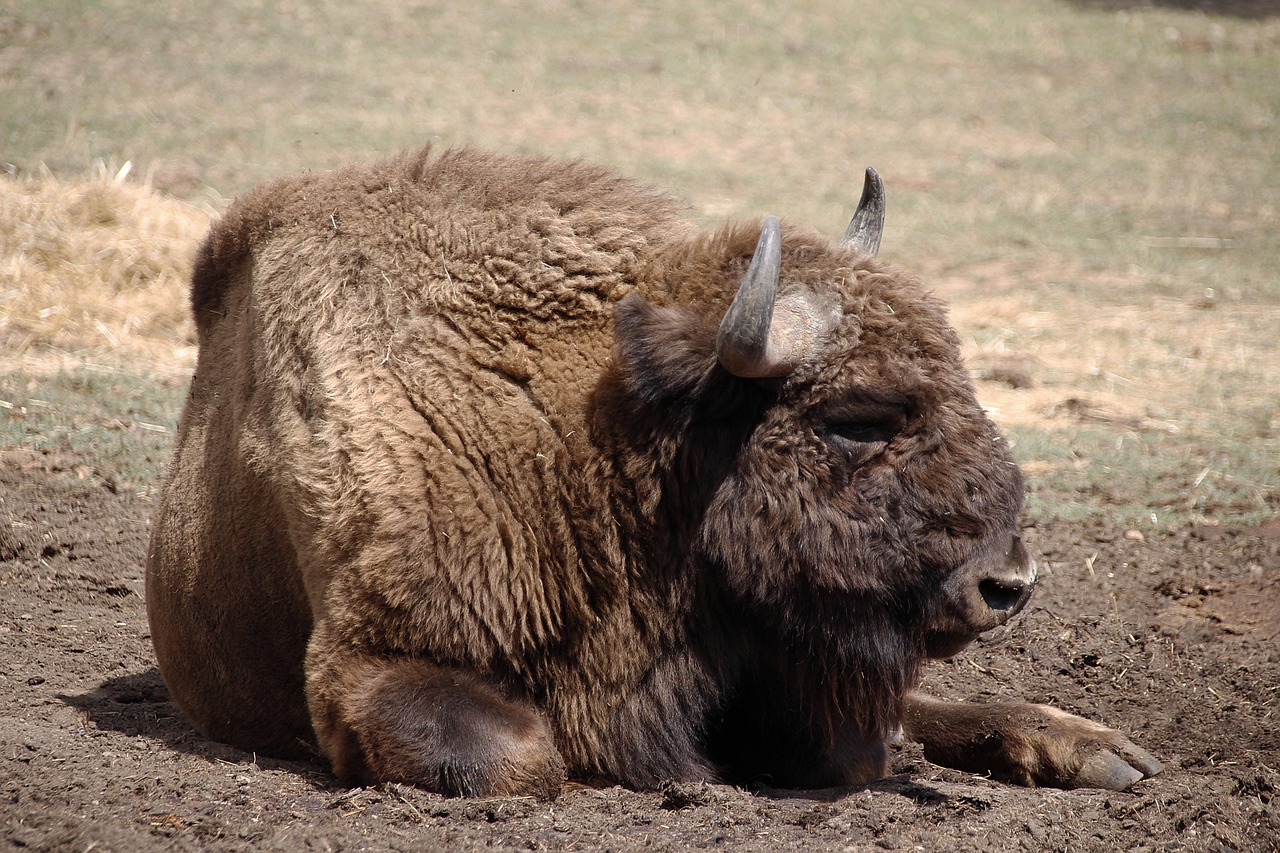
Some travel experiences impress because they are huge, crowded, or heavily advertised. Maxwell works the opposite way. It feels personal, quiet, and almost improbable, especially once you realize how few tallgrass landscapes remain and how rare it is to watch bison and elk share one public range in Kansas.
The appeal is also refreshingly direct. You go for the chance to see iconic animals, but you stay attentive because the prairie itself keeps revealing more detail. The longer you look, the less empty it seems.
That is the real power of this Kansas stop. It restores scale, both ecological and emotional, and offers one of the clearest windows into a prairie world that once stretched far beyond the horizon.