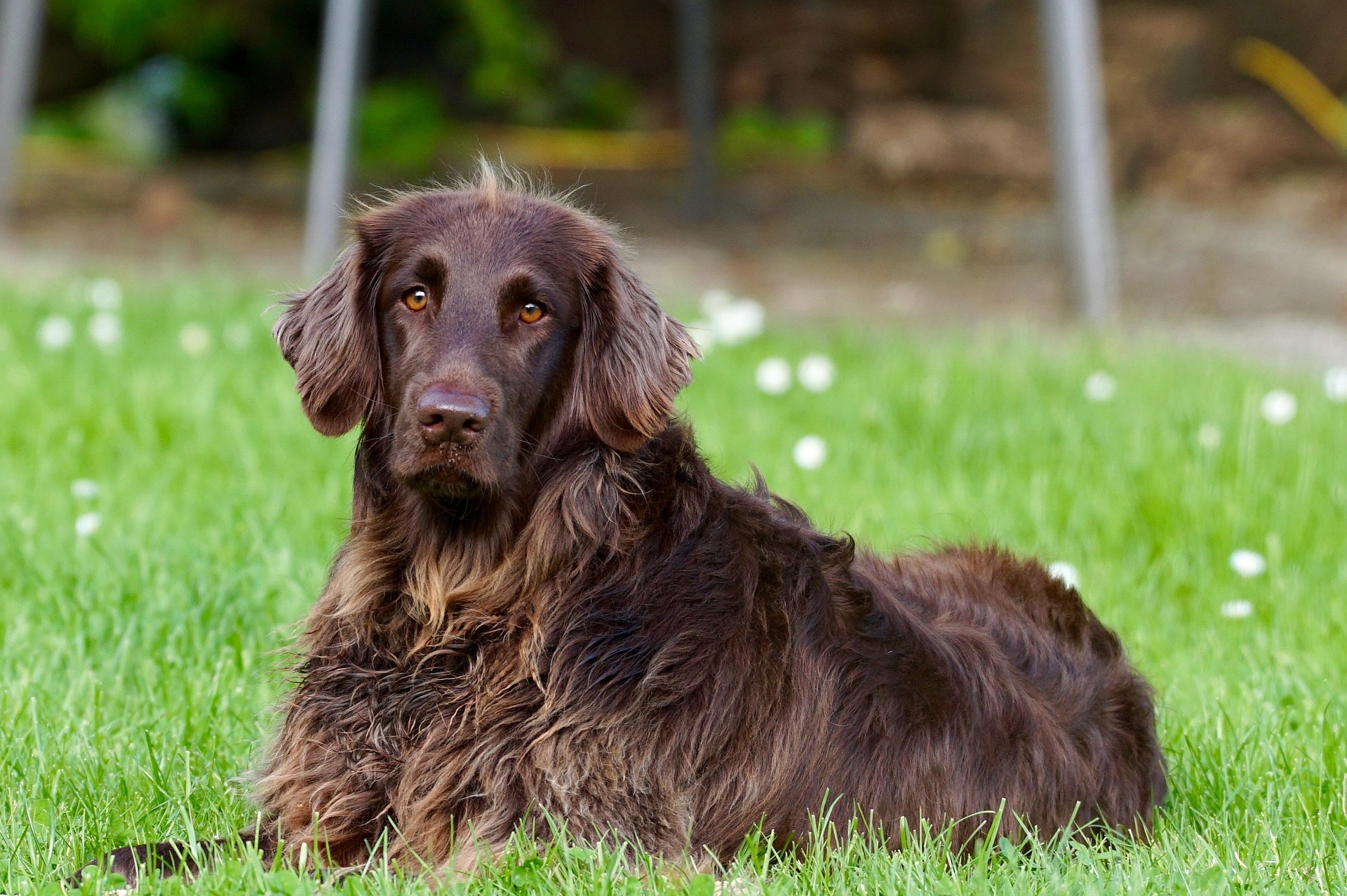
Dogs communicate in many subtle ways, and one of the most common behaviors owners notice is when a dog places its paw on them. While it may seem like a simple or cute gesture, this action can carry several different meanings depending on the situation. Dogs rely heavily on body language to express emotions, needs, and intentions. A paw placed gently on your arm, leg, or chest may signal affection, curiosity, or even a request for something specific. Understanding the reasons behind this behavior can strengthen the bond between you and your pet. By paying attention to context, tone, and the dog’s overall posture, you can better interpret what your dog is trying to communicate. The following sections explain ten common reasons dogs place their paws on people and what each behavior typically means.
1. Seeking Attention
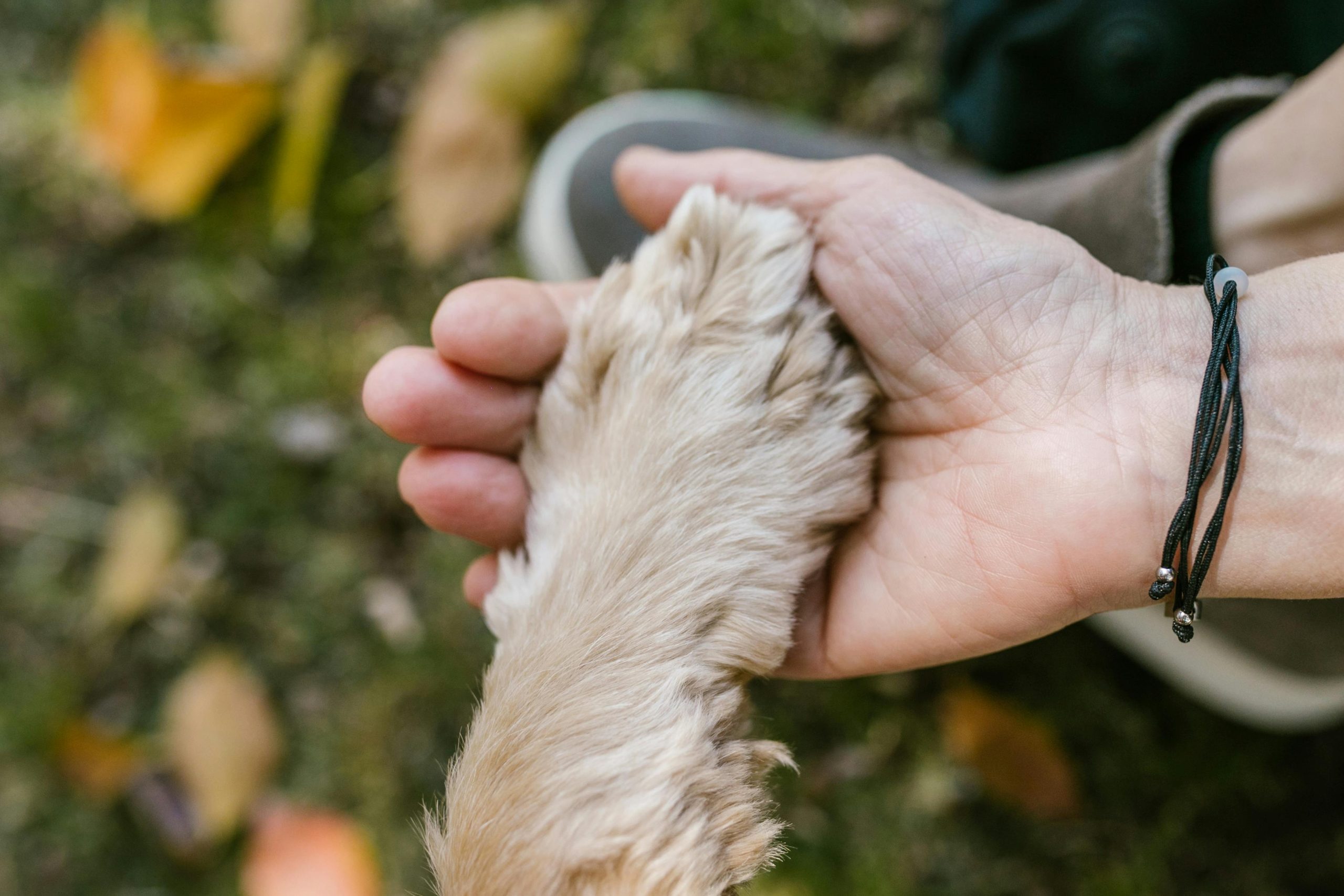
One of the most common reasons a dog puts its paw on you is simply to get your attention. Dogs quickly learn that touching their owner often results in eye contact, talking, or petting. If your dog walks up and places a paw on your arm while you are using your phone or watching television, it is often a polite request to notice them. This behavior is similar to how humans gently tap someone’s shoulder to start a conversation. Dogs that crave social interaction may use this gesture frequently because it works well. In many homes, owners respond immediately with affection or play, which reinforces the habit. The action is usually gentle and paired with a relaxed posture or wagging tail. When this happens, your dog is not being demanding but rather communicating in a clear and simple way. It is their version of saying, “Hey, I am here, and I would love your attention right now.”
2. Showing Affection
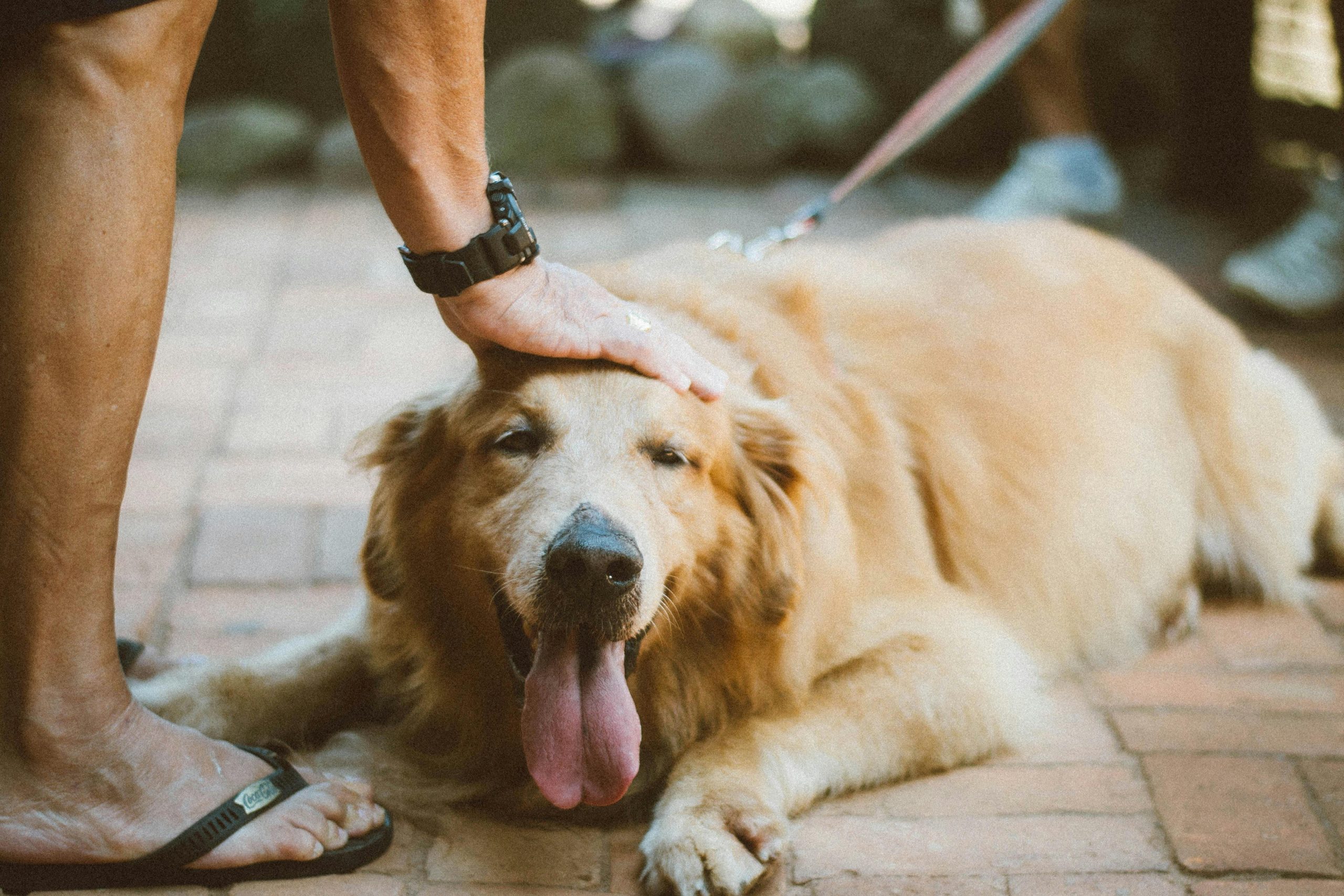
Dogs often place their paws on people as a way of expressing affection. Much like leaning against you or licking your face, this gesture can be a sign of emotional closeness. When a dog rests its paw on your knee while sitting beside you, it may be showing trust and attachment. Dogs are social animals that build strong bonds with their families, and physical contact is a big part of that relationship. A paw placed gently on you can feel similar to a hug in the canine world. The behavior is especially common when dogs are relaxed and comfortable. You may notice it when you are sitting quietly together or when your dog climbs onto the couch next to you. In these moments, the paw contact is not about asking for anything specific. Instead, it is simply a way for your dog to maintain connection and closeness with someone they care about deeply.
3. Asking for Food
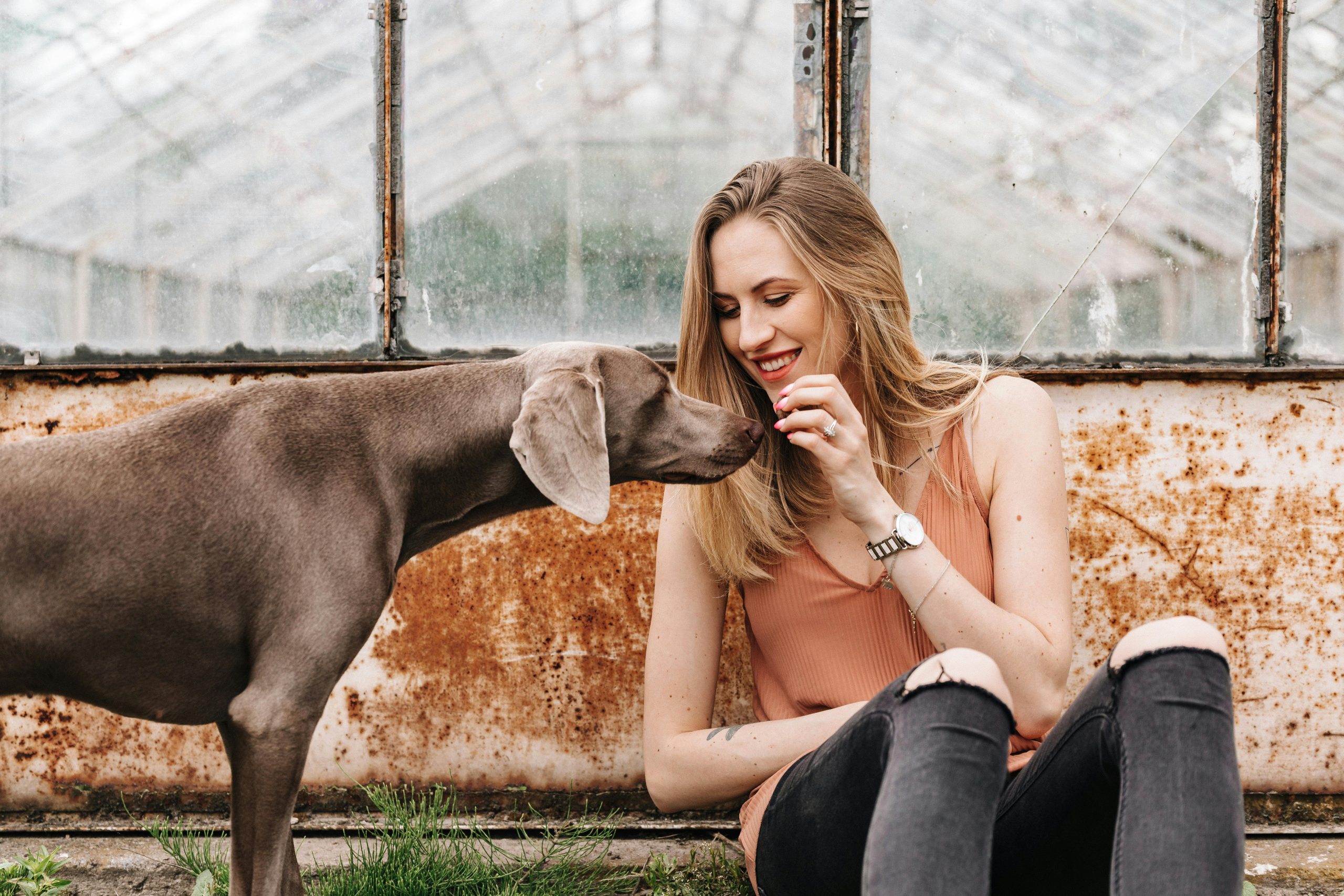
Many dogs learn that placing a paw on their owner during meals can lead to food rewards. If your dog paws at you while you are eating or preparing food, it is often a strategic move. Dogs are excellent observers and quickly recognize patterns. If they once received a piece of food after pawing you, they may repeat the action regularly. This behavior is usually accompanied by focused staring or sitting very close to you. Some dogs even combine pawing with soft whining to strengthen their request. While it may seem harmless, consistently rewarding this behavior can turn it into a persistent habit. Dogs that receive food this way may start pawing every time someone sits down with a plate. Understanding the motivation behind this action helps owners decide how to respond. Ignoring the behavior or redirecting the dog can prevent it from becoming an unwanted routine.
4. Requesting Playtime
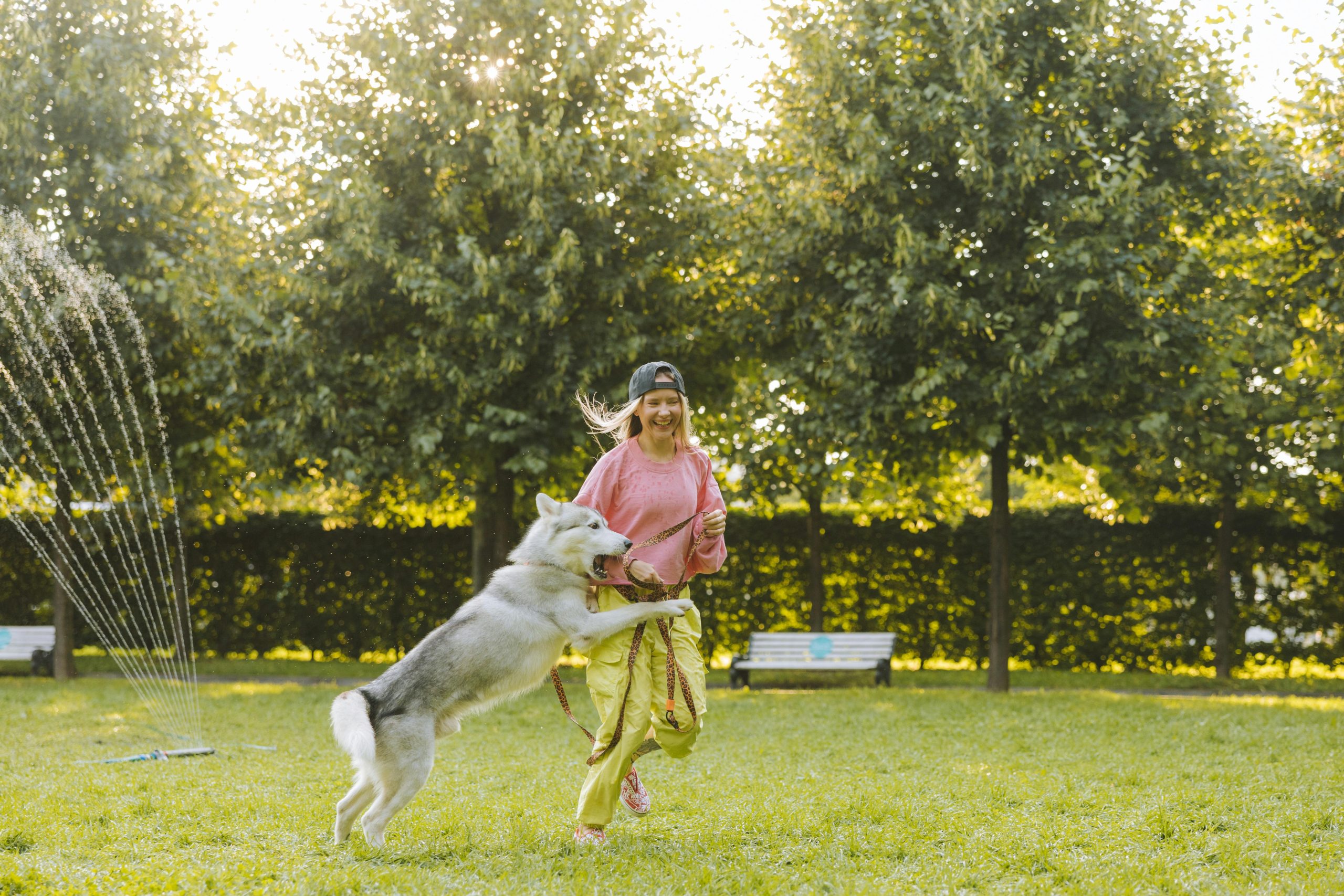
Another common reason dogs put their paws on people is to invite them to play. Dogs that are feeling energetic often look for ways to start interaction. Placing a paw on your arm or leg can be their way of saying they want to do something fun. This gesture is often paired with other playful signals such as a wagging tail, bright eyes, or the classic play bow, where the front legs stretch forward and the rear stays raised. Younger dogs and highly active breeds use this tactic frequently because they thrive on engagement. If your dog paws you and then quickly runs toward a toy, the message becomes very clear. They want you to join the game. This behavior reflects excitement and anticipation. When you respond by tossing a ball or grabbing a toy, your dog learns that pawing is an effective way to start playtime.
5. Seeking Comfort or Reassurance
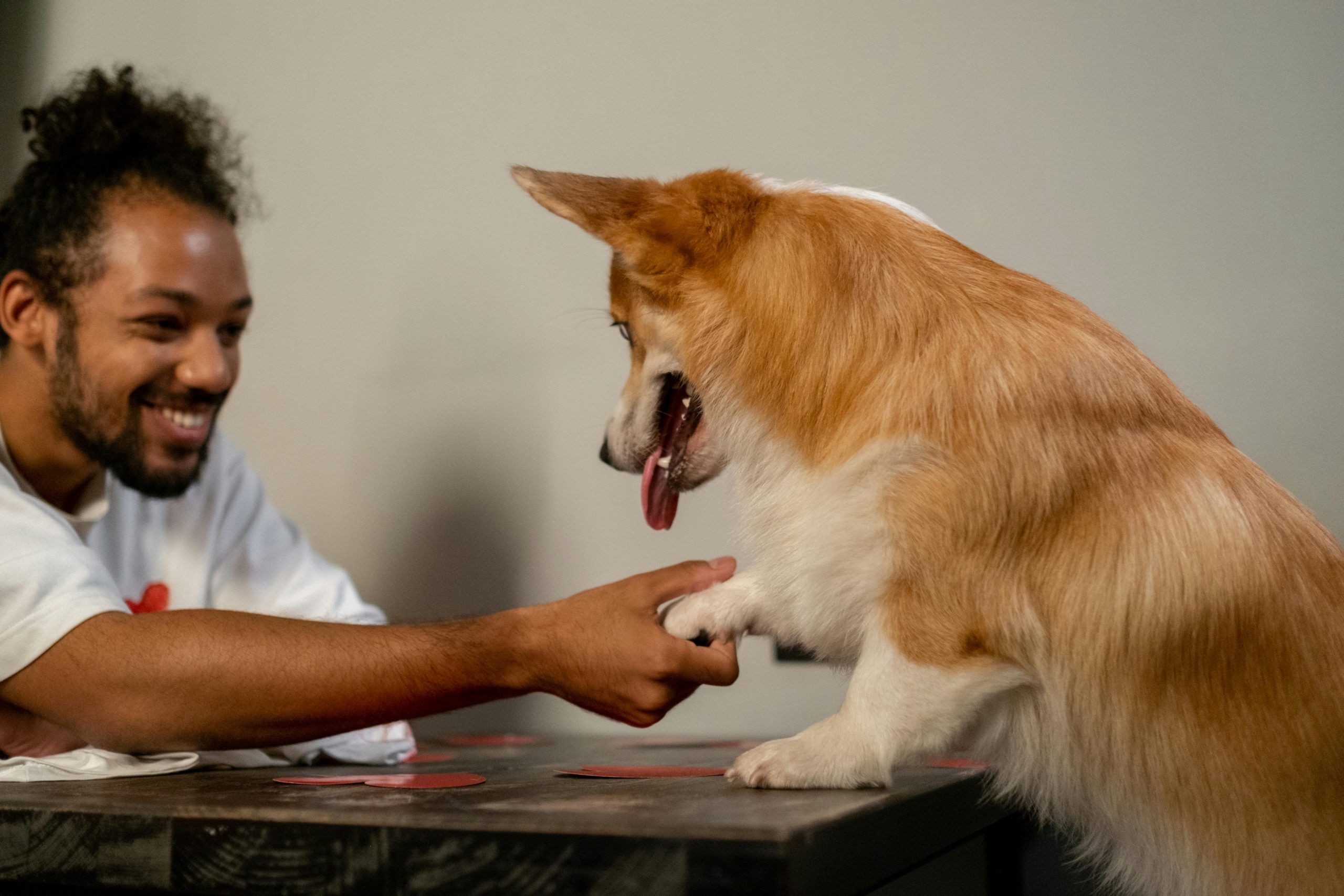
Dogs sometimes place their paws on people when they are feeling anxious or uncertain. In these moments, the gesture becomes a request for comfort. Loud noises, unfamiliar environments, or stressful situations can make dogs seek reassurance from their owners. When a dog gently rests a paw on your leg while appearing slightly tense, it may be asking for support. Dogs view their owners as a source of safety and stability. Physical contact can help them feel calmer and more secure. You might notice this behavior during thunderstorms, fireworks, or visits to unfamiliar places. Some dogs even lean closer while placing their paw, reinforcing the need for closeness. Responding with calm petting or soothing words can help your dog relax. The paw contact in these situations is a clear sign that your dog trusts you and feels safer when you are nearby.
6. Mimicking Human Behavior
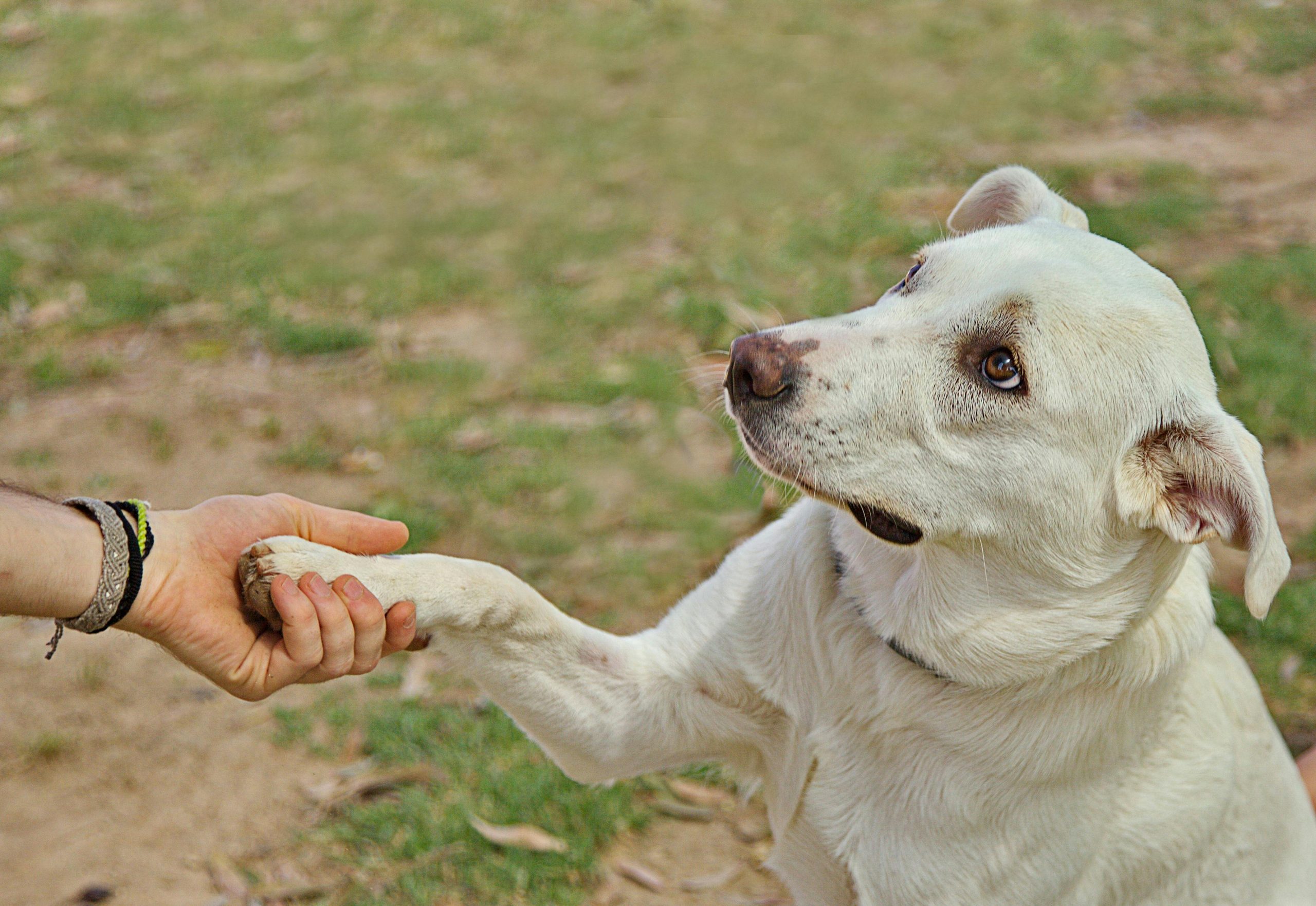
Dogs are excellent at observing human actions and sometimes mimic behaviors they see regularly. If you often reach out and touch your dog while interacting with them, they may return the gesture in their own way. Placing a paw on you can be a learned response based on repeated social interaction. Dogs naturally mirror behaviors that bring positive responses. When owners respond warmly to paw contact, dogs understand that this type of interaction strengthens communication. Over time, the behavior becomes part of the dog’s social routine. It is similar to how dogs learn commands by observing patterns and responses. In this case, your dog may simply be participating in the same type of physical communication you show them. The result is a mutual exchange that strengthens your bond. The paw becomes a simple but meaningful way for your dog to interact with you.
7. Reinforcing Positive Interaction
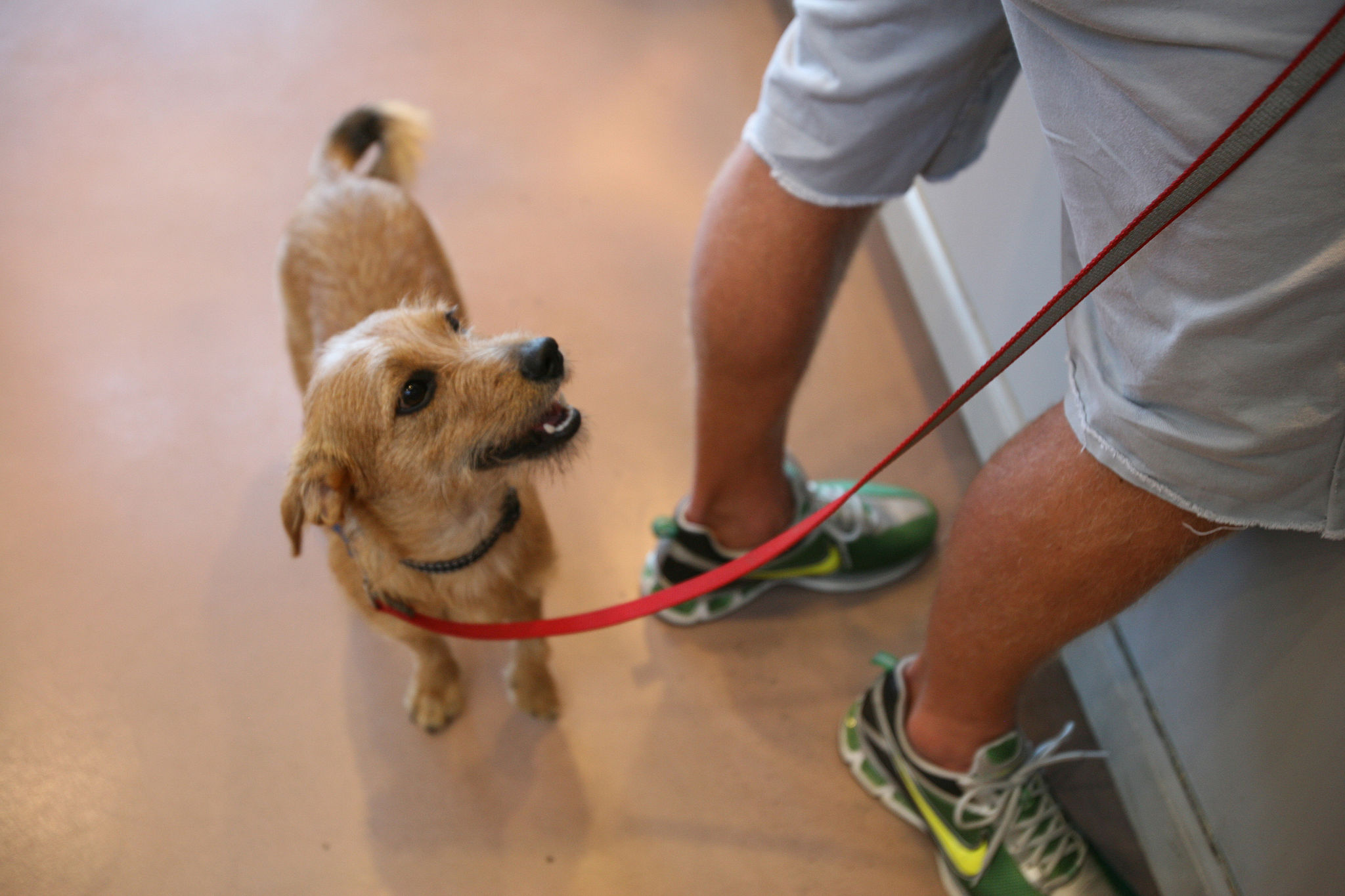
Sometimes, dogs place their paws on people during moments of affection because they want the interaction to continue. If you are petting your dog and suddenly stop, they may place a paw on your arm as a gentle reminder. This behavior signals that they are enjoying the attention and would like more of it. Dogs quickly associate certain actions with pleasant experiences. When petting, scratching, or grooming stops, pawing becomes a polite way to restart the activity. The gesture is often calm and relaxed rather than demanding. Dogs that feel comfortable and content are more likely to display this behavior. In many cases, it happens during quiet bonding moments, such as sitting together on the couch. The paw contact serves as encouragement for you to keep going. It shows that your dog values the interaction and wants the positive moment to last a little longer.
8. Establishing Social Connection
Dogs are pack animals by nature, and physical contact plays an important role in maintaining social relationships. When a dog places its paw on you, it may simply be reinforcing that connection. In canine groups, touching and leaning are common forms of social communication. These behaviors help maintain bonds within the group. Your dog may see you as part of their pack, and placing a paw on you is a way to stay connected. The gesture can occur during relaxed moments when nothing specific is happening. It may not be a request for food, play, or attention. Instead, it reflects an instinct to remain socially engaged with members of the group. Dogs that feel secure and comfortable in their home often display this behavior more frequently. The paw becomes a quiet signal that your dog values your presence and considers you an important part of their social circle.
9. Expressing Excitement
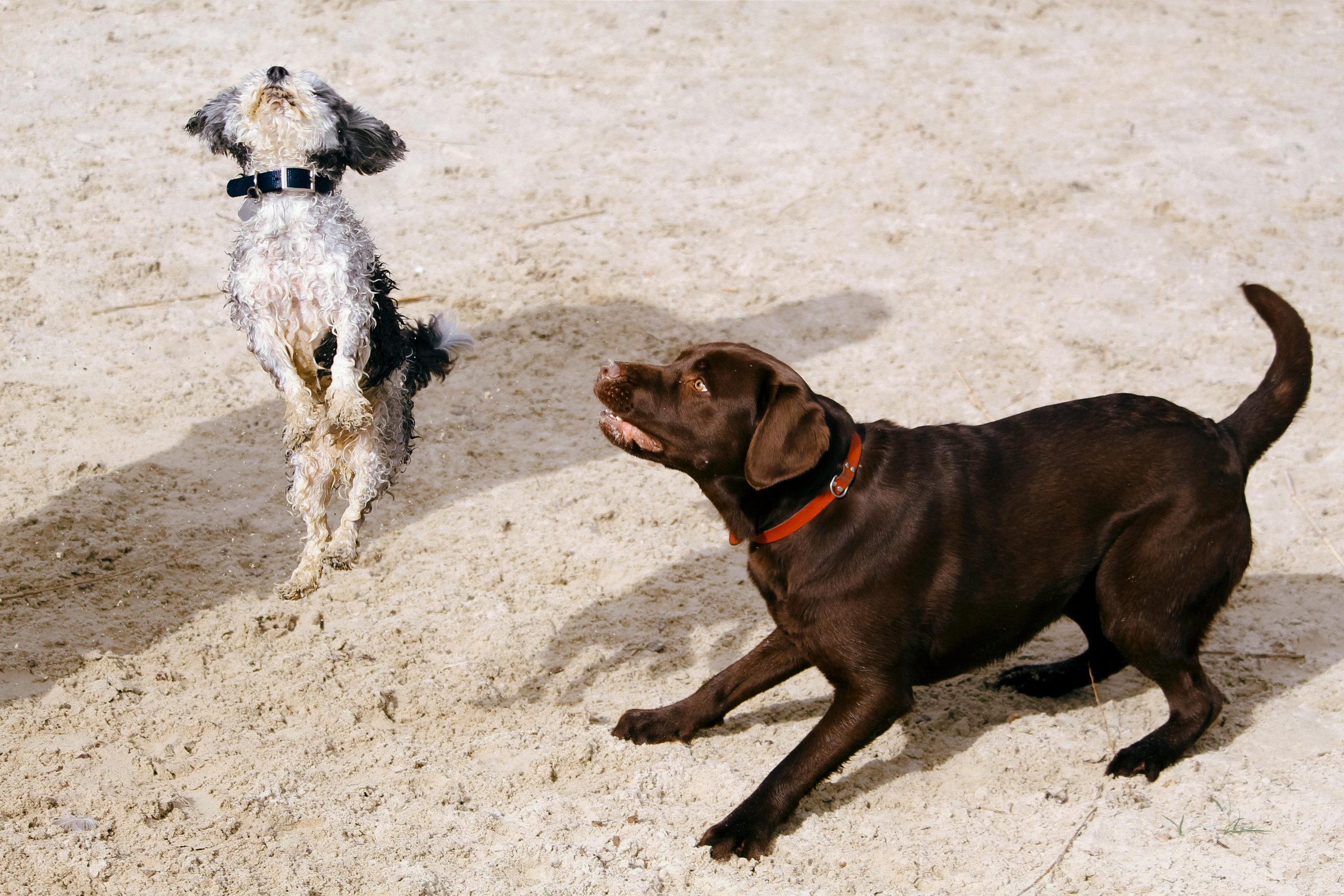
Some dogs place their paws on people when they feel excited or stimulated. This often happens when you return home after being away or when something interesting is happening nearby. The dog’s excitement builds quickly, and pawing becomes part of the physical expression of that energy. In these moments, the dog may jump slightly or move around while repeatedly touching you with a paw. The behavior reflects enthusiasm and happiness rather than calm communication. Dogs with energetic personalities may show this reaction more frequently than calmer breeds. While the intention is friendly, owners sometimes train dogs to keep all four paws on the ground to avoid accidentally scratching or knocking someone over. Recognizing the reason behind the pawing helps you respond appropriately. The dog is simply expressing joy and excitement about interacting with you.
10. Learning Through Reinforcement
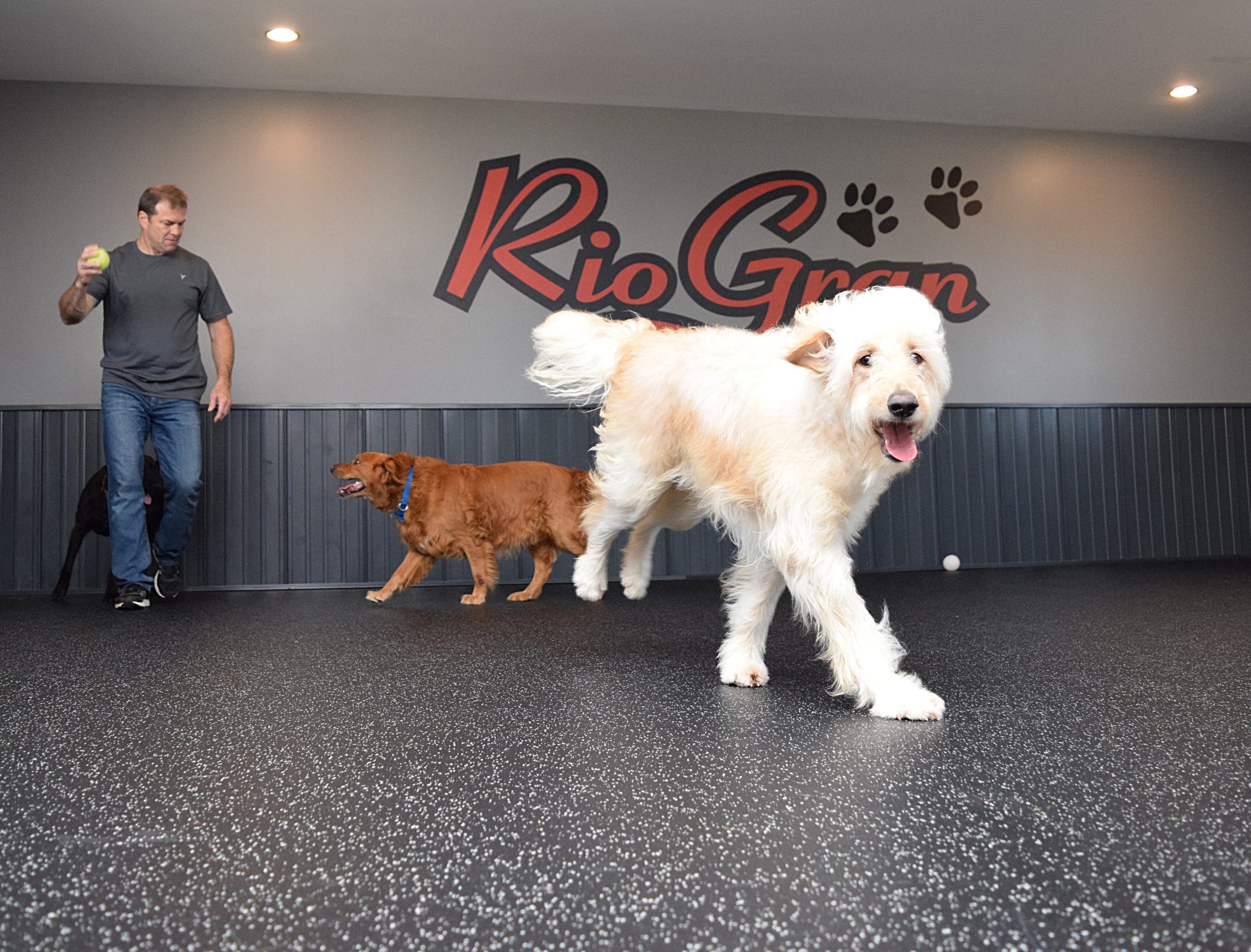
Finally, many dogs place their paws on people because the behavior has been reinforced over time. If pawing consistently leads to attention, treats, play, or petting, dogs quickly learn that it works. Dogs are highly adaptable learners that repeat behaviors producing positive outcomes. Even small reactions such as laughing, talking, or touching can reinforce the habit. Over time, the dog begins using pawing as a general communication tool whenever it wants something. The behavior becomes part of its learned social language. Owners who want to reduce the habit can simply avoid rewarding the action and instead reinforce calmer alternatives, such as sitting politely. Understanding reinforcement helps explain why some dogs paw frequently while others rarely do. In most cases, the behavior reflects a history of successful communication between the dog and its owner.