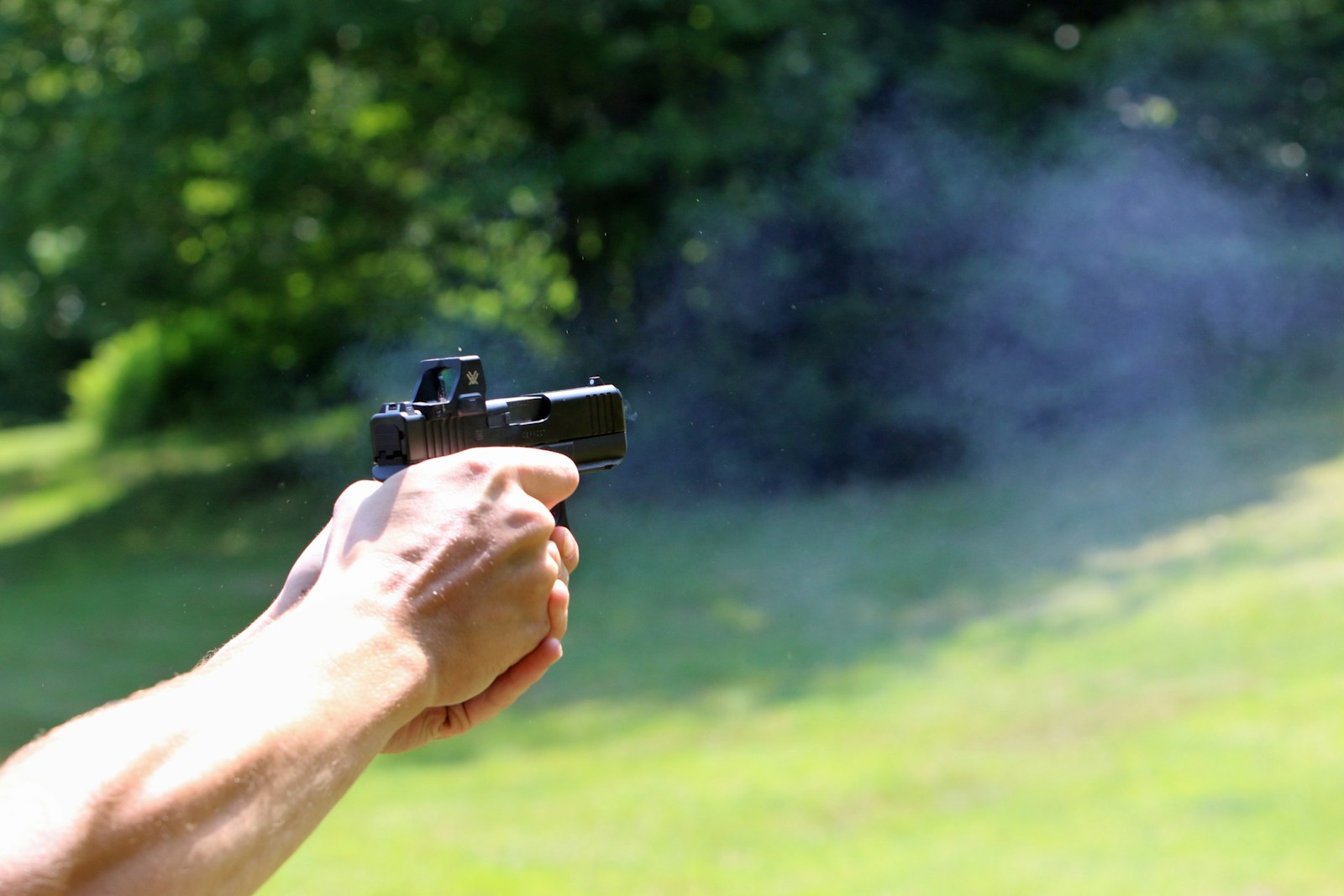
You know that handling a firearm safely requires attention, respect, and consistent habits. Understanding proper handgun safety can protect you, your loved ones, and everyone around you. By following a few clear and reliable practices, you can prevent nearly all accidental discharges or injuries. Whether you’re new to shooting or experienced, these simple yet essential steps help you stay confident and responsible every time you handle your firearm.
Always Treat Every Gun as Loaded
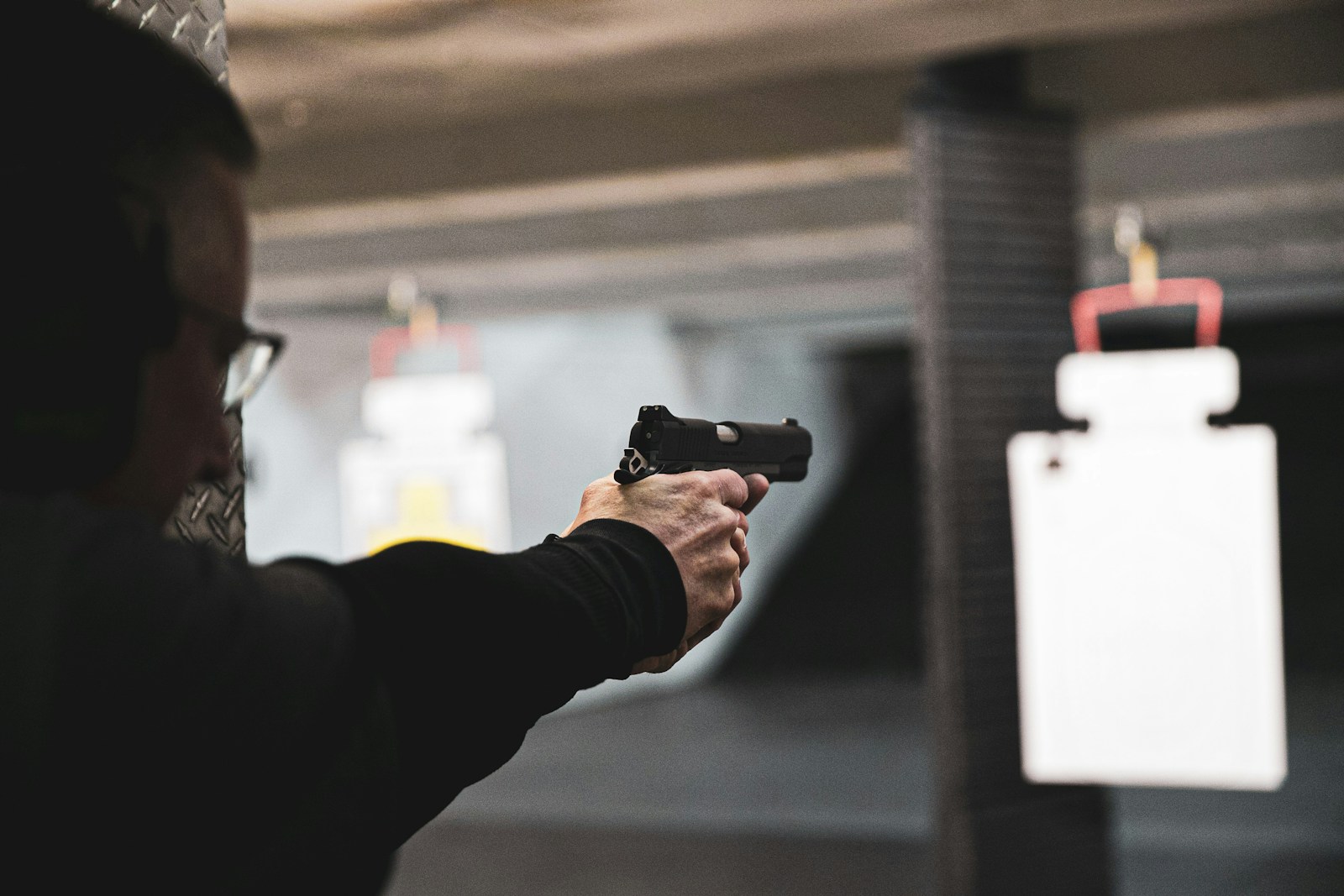
You should always assume your handgun is loaded, even if you believe it’s not. This mindset keeps you alert and careful during handling. Before touching it, check the chamber, magazine, and barrel to confirm it’s empty. Avoid relying on memory or assumptions. Treating every firearm as loaded builds a natural habit of caution that can prevent accidental discharges in any situation.
Keep Your Finger Off the Trigger
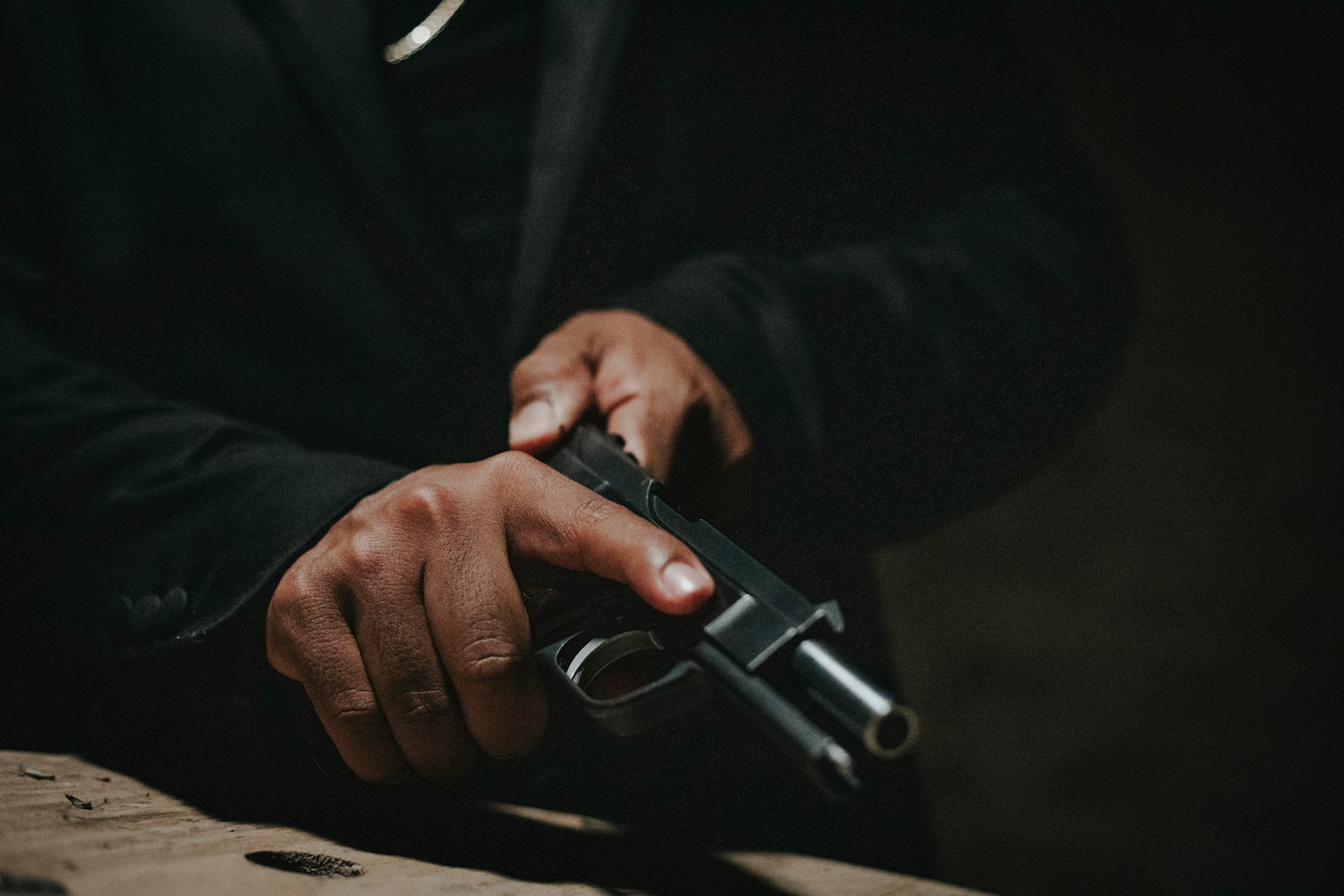
You can reduce most shooting accidents by keeping your finger off the trigger until you’re ready to fire. Rest your finger along the frame instead, keeping it outside the trigger guard. This prevents unintended shots caused by sudden movements or stress. Building this habit takes practice but becomes second nature over time, giving you greater control and peace of mind when handling your handgun.
Always Point the Muzzle Safely
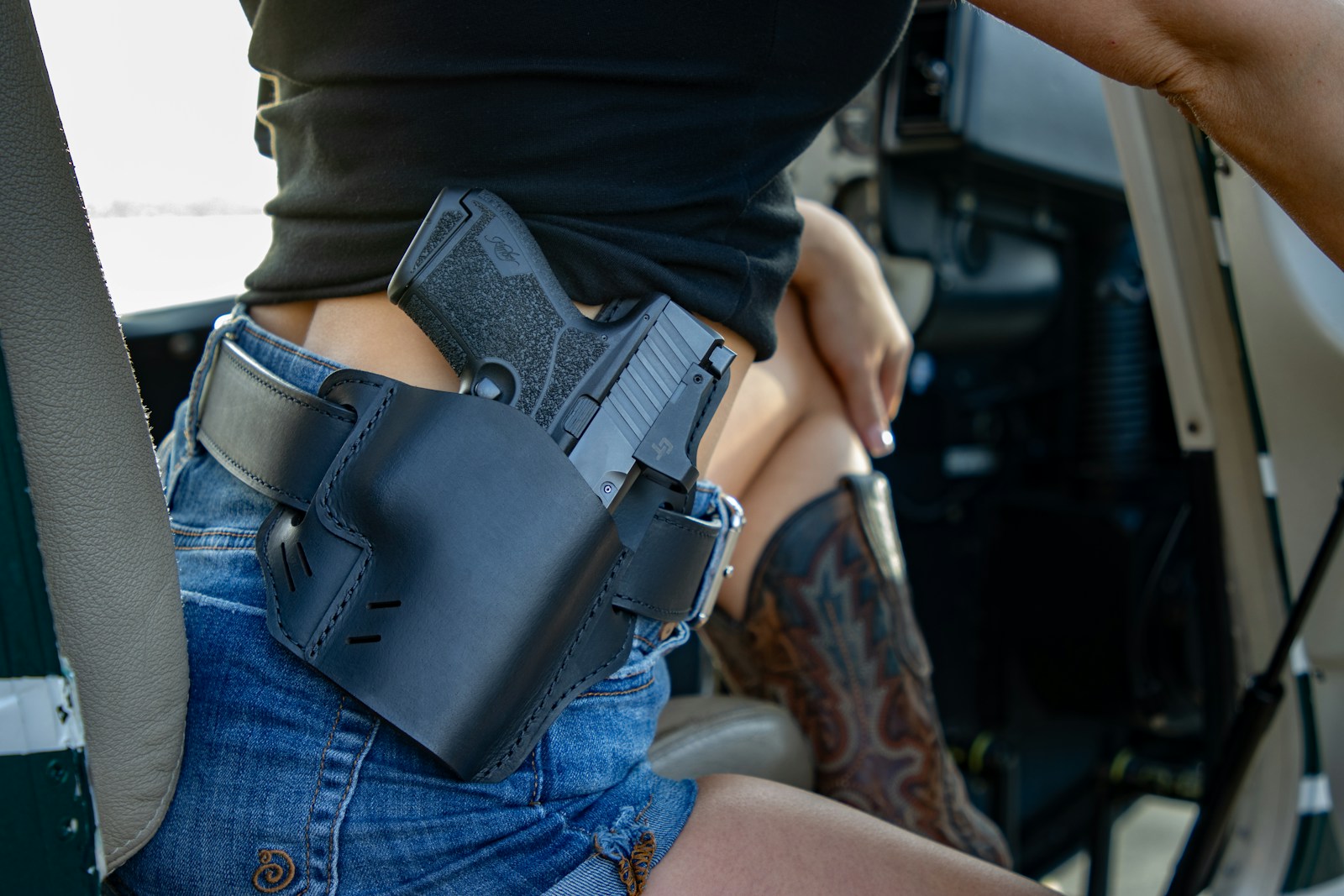
You should always keep the muzzle pointed in a safe direction, whether you’re loading, cleaning, or storing your firearm. Never aim it at anything you don’t intend to shoot. Safe directions usually mean away from people, animals, or objects that could cause injury or damage. Developing this awareness helps prevent dangerous mistakes and reinforces responsibility every time you pick up your handgun.
Know Your Target and Beyond
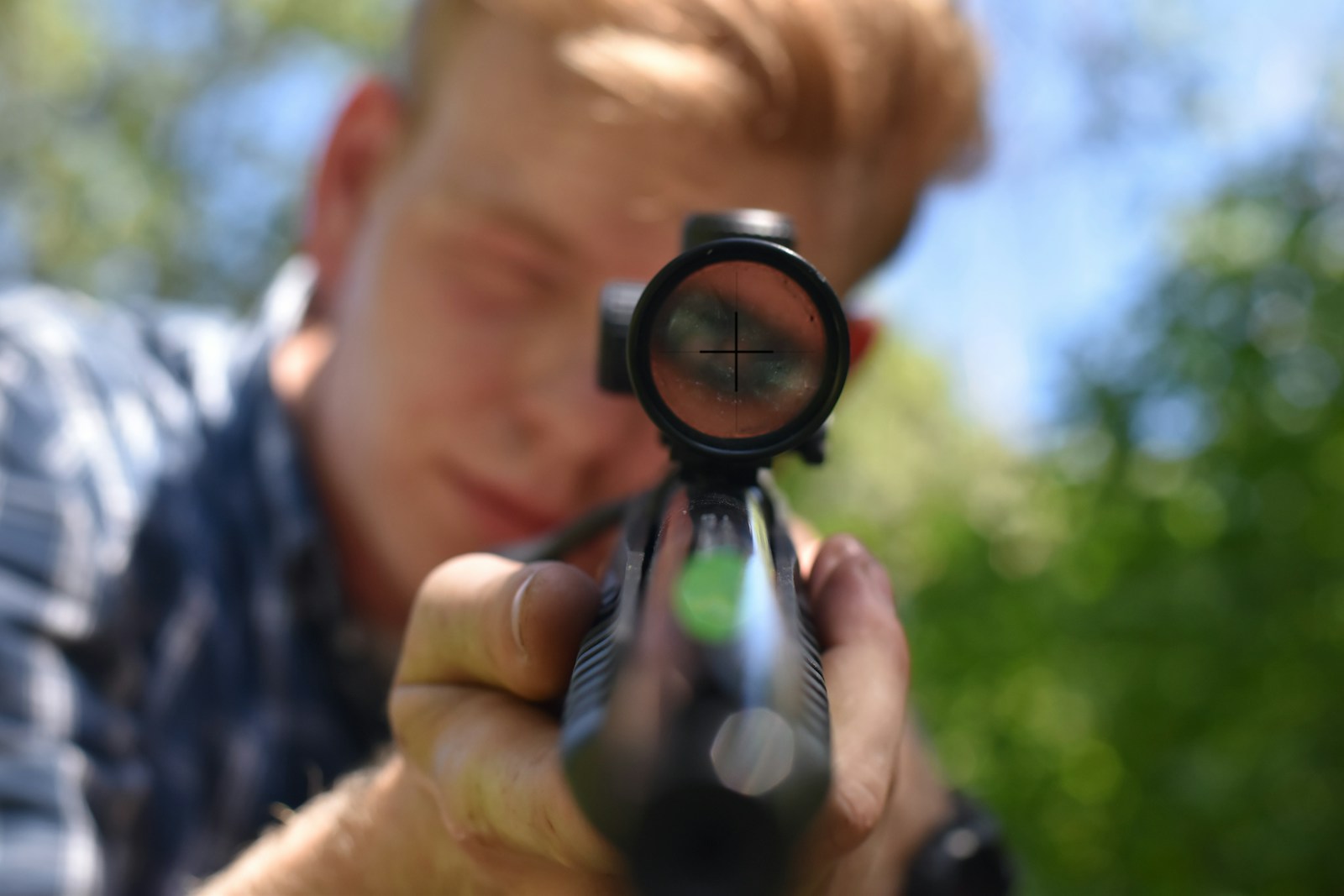
You can improve your awareness by identifying your target and what lies behind it before firing. Bullets can travel through walls, trees, or barriers, posing risks to others. Always confirm your surroundings are clear and safe. This level of caution not only prevents accidents but also helps you make more precise and ethical decisions whenever you use your firearm for sport or defense.
Store Your Handgun Securely
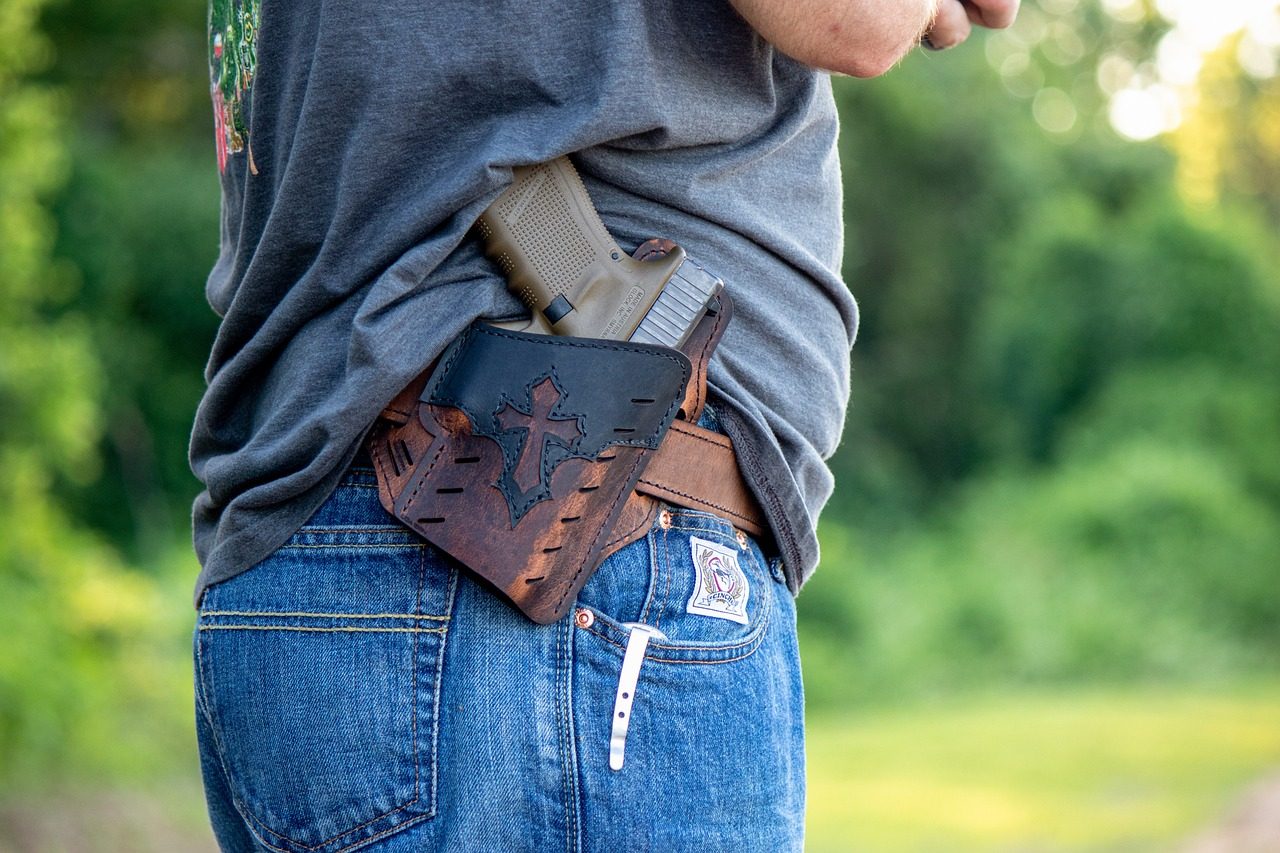
You should store your handgun in a locked container or safe when not in use. Keeping it unloaded with ammunition stored separately adds an extra layer of protection. Modern safes with biometric locks make access quick but controlled. Responsible storage prevents children or unauthorized people from accessing your firearm, greatly reducing the chance of tragic or preventable incidents at home.
Use the Right Ammunition
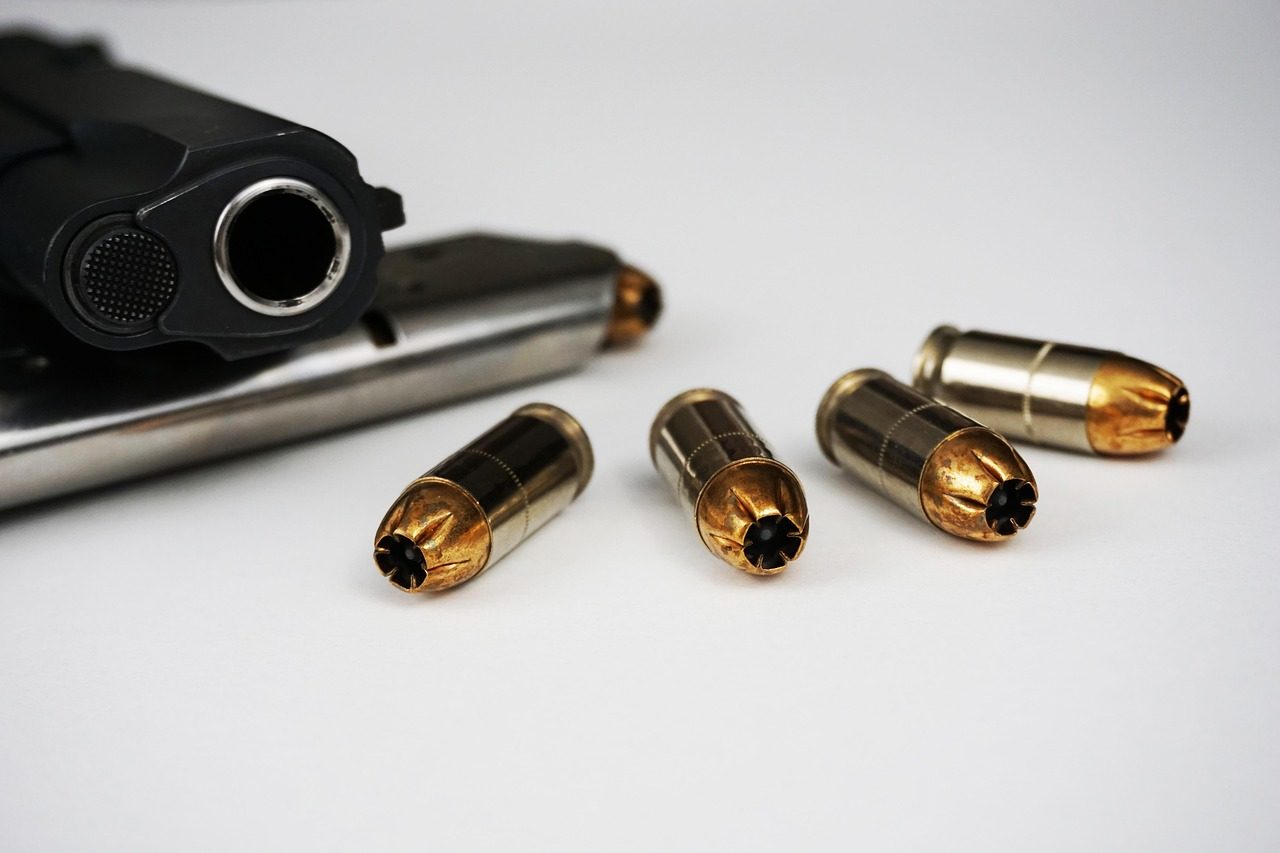
You can avoid malfunctions and injuries by using ammunition that matches your firearm’s specific caliber. Always check the markings on both the gun and the ammo box before loading. Using the wrong type can cause serious damage or misfires. Storing ammunition in a cool, dry place also ensures reliability. Taking a few seconds to double-check can save you from dangerous or costly mistakes.
Maintain Regular Cleaning and Inspection
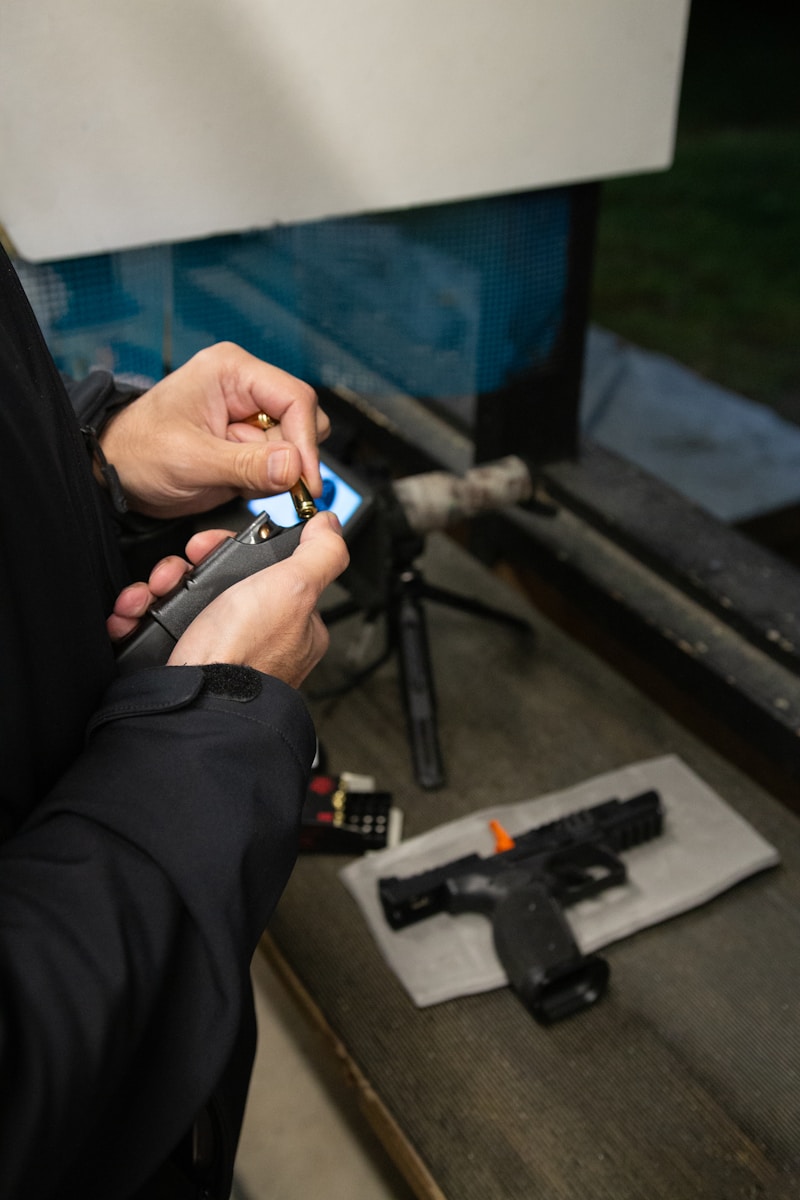
You should clean and inspect your handgun regularly to keep it in safe working condition. Dust, residue, or corrosion can interfere with performance and safety mechanisms. Follow the manufacturer’s cleaning instructions and use proper tools. Checking for worn parts or cracks ensures reliability when it matters most. Regular maintenance not only extends your gun’s life but also reinforces safe handling habits.
Wear Proper Safety Gear
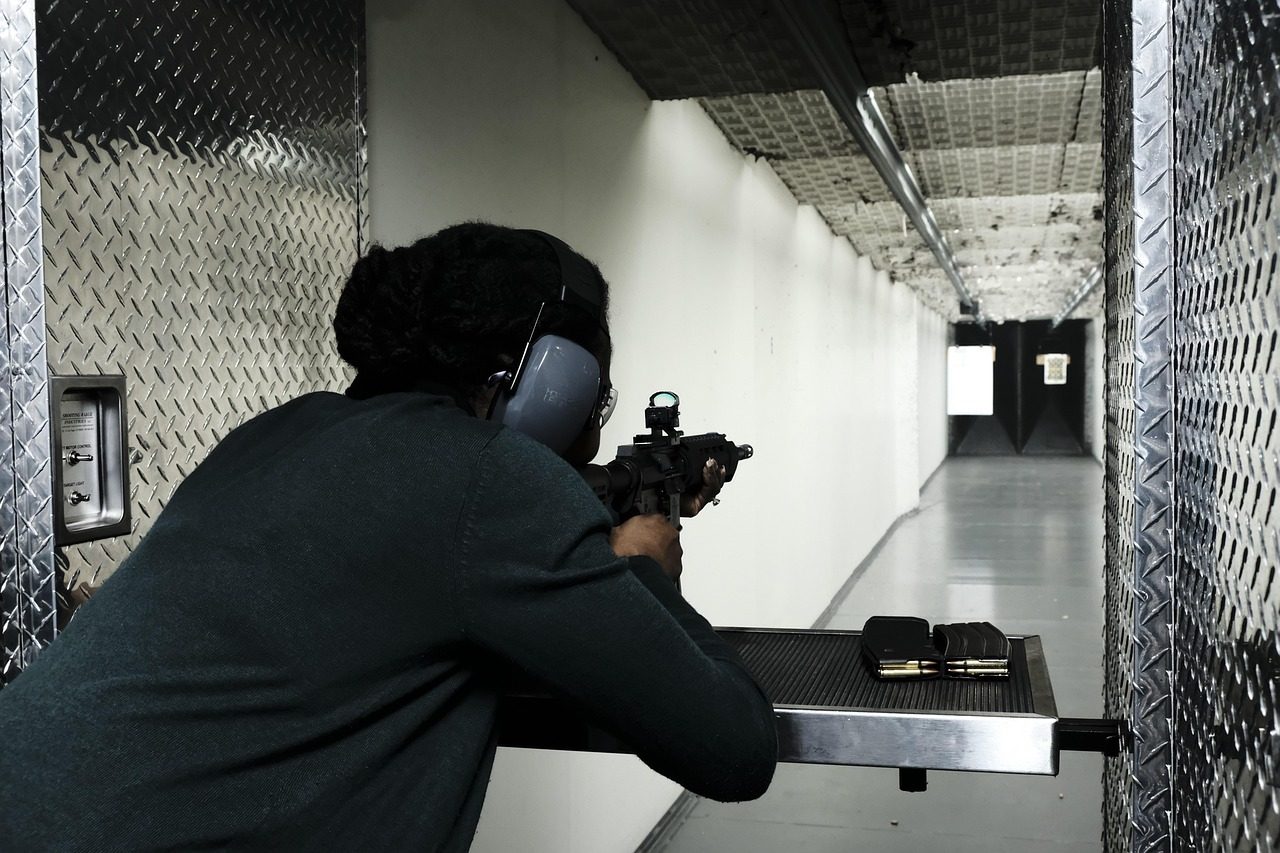
You can protect yourself by wearing ear and eye protection every time you shoot. Loud gunfire can permanently damage hearing, and ejected casings or debris can harm your eyes. Investing in quality protective gear keeps your experience safe and comfortable. Making safety gear part of your shooting routine shows awareness and care for your well-being during every practice or range session.
Educate Others Around You
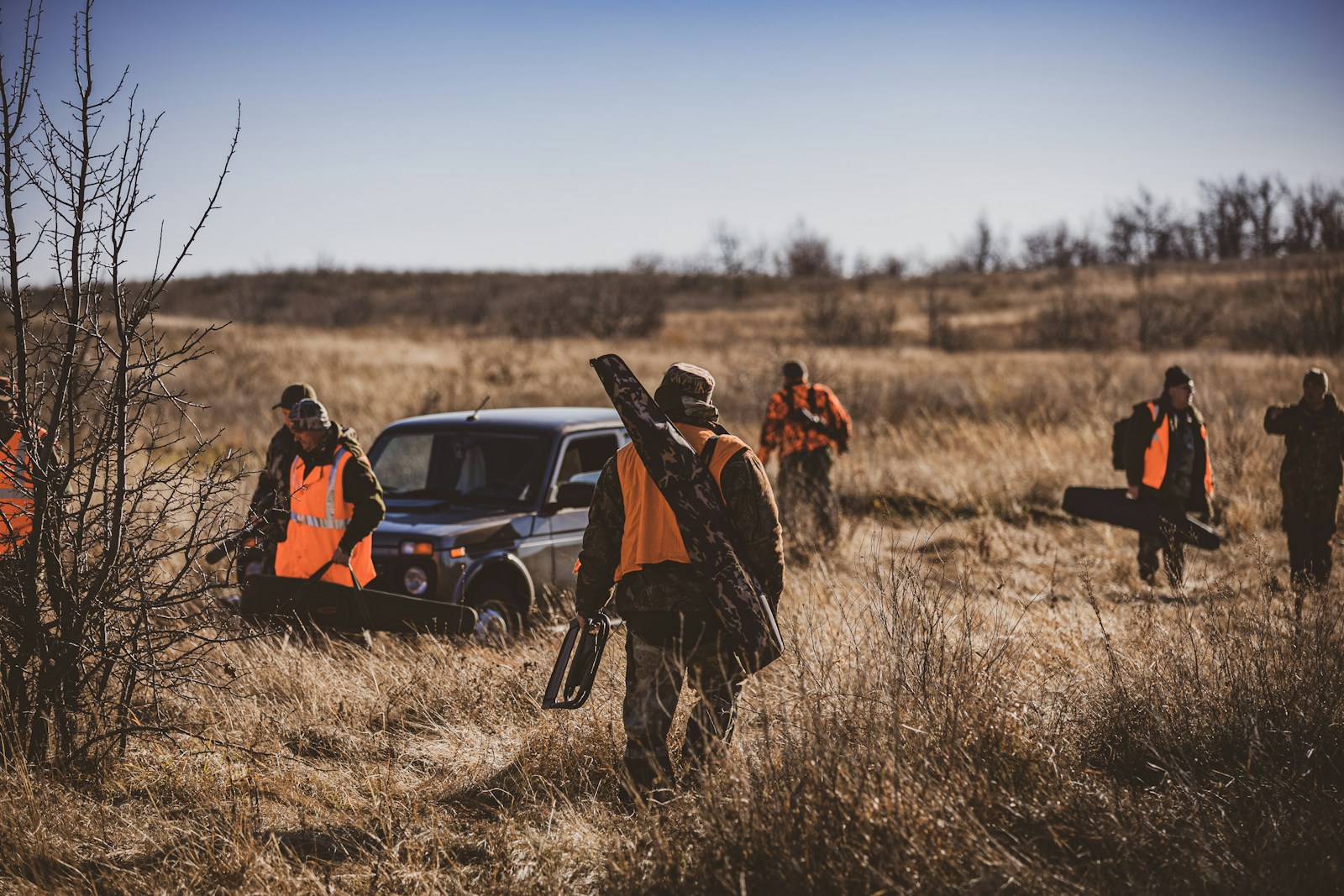
You should take time to teach friends and family about handgun safety, especially if they might encounter your firearm. Simple lessons about handling, pointing, and storage create awareness that prevents accidents. Encouraging open conversations about gun safety builds respect rather than fear. By setting a good example, you contribute to a culture of responsibility that protects everyone involved.