Names can carry a lot of weight. In this case, the famous one stamped on the receiver tells only part of the story.
The original Springfield Armory was a U.S. government arsenal.
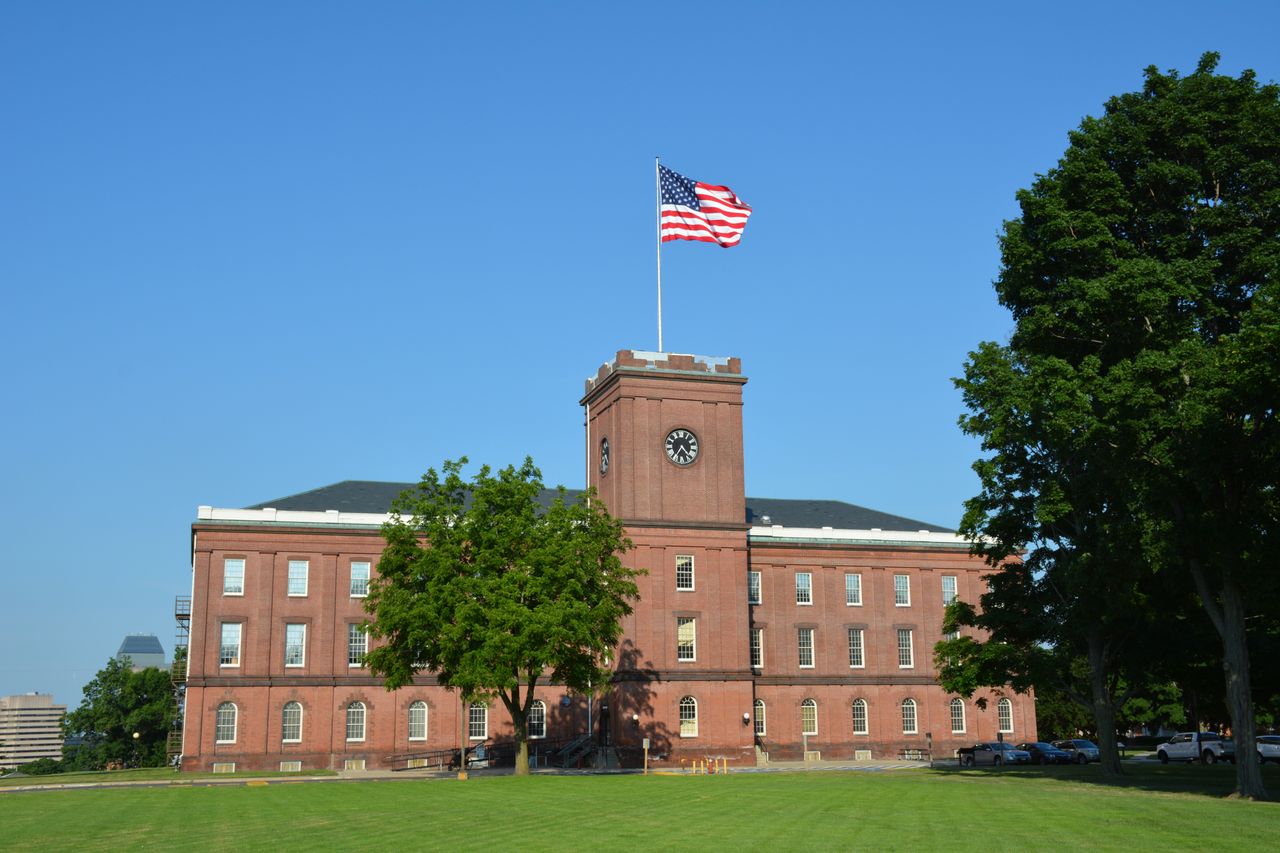
The historic Springfield Armory was a federal institution, not a private brand. Its roots go back to the Revolutionary era, and the U.S. government formally established it in Springfield, Massachusetts, in 1794 under President George Washington. For generations, it served as one of the nation’s core military armories and became a major center of arms design, production, and industrial innovation.
This was not just a factory that happened to make guns. It was a government arsenal tasked with developing and producing military firearms for the United States. According to the National Park Service, it operated for nearly two centuries and played a central role in American military history, from early muskets through later service rifles. That official mission matters because it defines what the original Springfield Armory actually was.
The place also became famous for manufacturing methods that shaped American industry more broadly. Historians often point to Springfield as a major proving ground for interchangeable parts, precision machining, gauging systems, and modern armory practice. In other words, the original Springfield Armory was not merely a famous name in gun culture. It was an arm of the federal state with a national defense mission and a massive historical footprint.
The government armory closed in 1968 and did not continue as a private company.
This is the key break in the timeline that many casual gun owners miss. The original U.S. Springfield Armory shut down in 1968. The National Park Service describes the closure as the end of the federal armory’s active life, after which the site’s historic role shifted toward preservation, museum work, and interpretation rather than ongoing firearms production.
That means there was no uninterrupted handoff from the government arsenal to a commercial manufacturer. No privatization deal turned the Massachusetts armory into the Illinois company. No continuous corporate charter kept the federal armory alive under new management. The old institution ended, full stop, and the historic site later became part of a preserved national story rather than an active industrial successor.
Congress established Springfield Armory National Historic Site in 1974, and the National Park Service assumed management of the museum later in the decade. Today, the surviving historic property in Massachusetts exists as a museum and historic landscape, not as the operating headquarters of the gun company most buyers know. Once you understand that clean institutional break, the modern branding starts to look much less like direct continuity and much more like revival.
The modern company began in Illinois in 1974 under private ownership.p
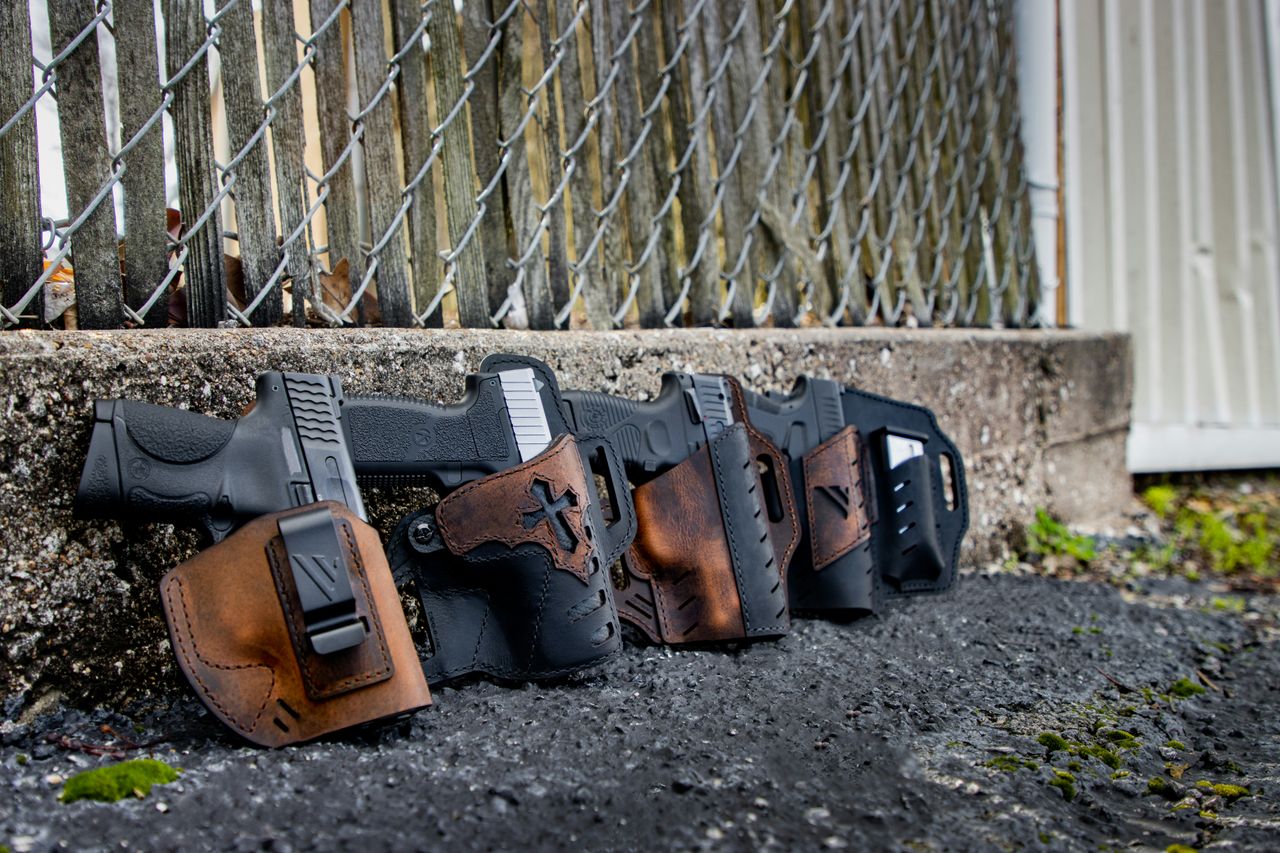
The company now known as Springfield Armory, Inc. is a modern private firearms business based in Geneseo, Illinois. Its own corporate history says the name was revived in 1974 by the Reese family. Industry accounts, including reporting from American Rifleman, also trace the company’s roots through the civilian M14-type rifle business and the move into broader commercial firearms production under Reese family ownership.
That date matters because 1974 comes six years after the original federal armory closed. The modern company was not operating as the old arsenal under a different legal form during those missing years. It emerged later, in a different state, under different ownership, serving a different market. Those are not small details. They are exactly the details that define whether two entities are actually connected.
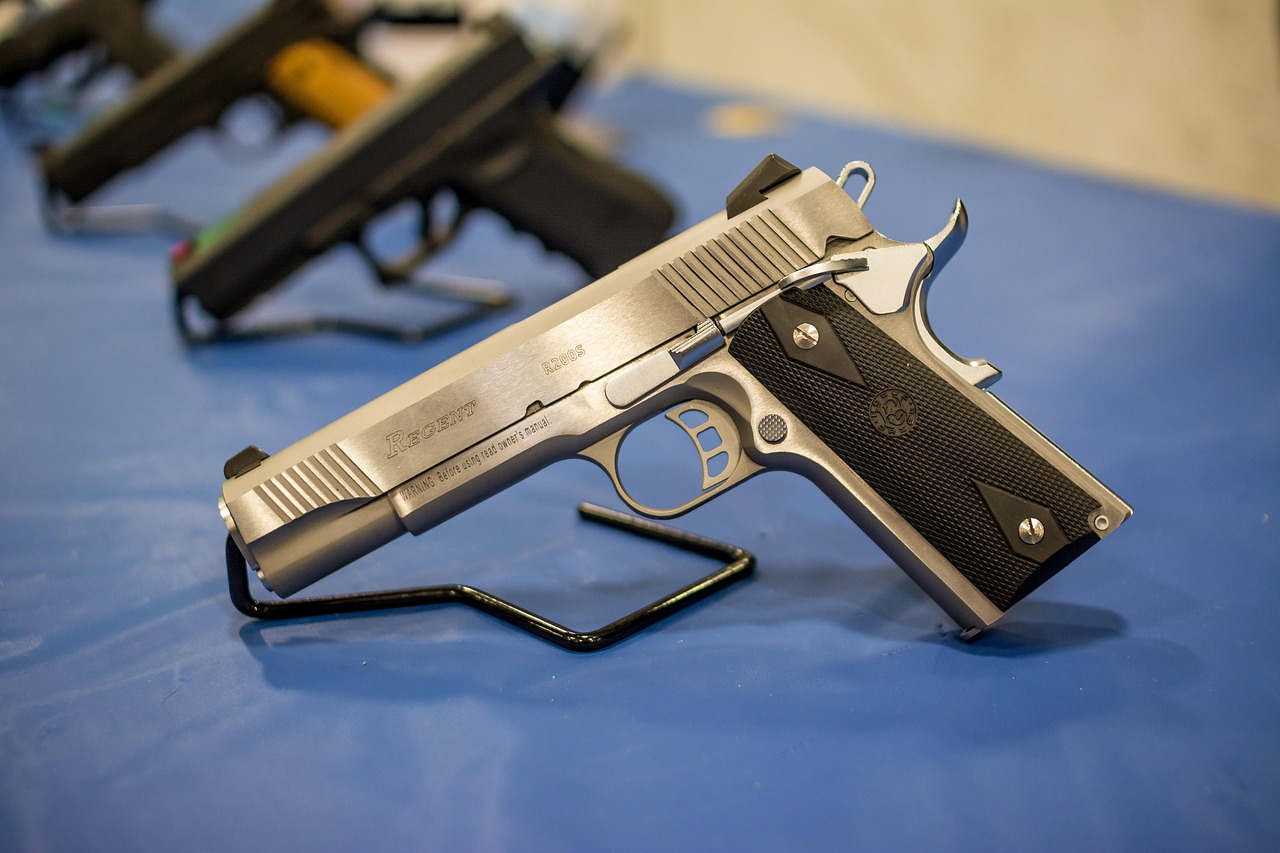
The modern firm built its reputation largely through commercial rifles like the M1A, then expanded into 1911 pistols, polymer handguns, and other products for the civilian and law enforcement markets. It is a successful gunmaker and importer in its own right. But its success should not be confused with direct descent from the old federal armory. A respected present-day company can still be historically separate from the famous institution whose name it adopted.
Why the name creates confusion for buyers and history-minded shooters

The confusion is understandable because the name “Springfield Armory” carries enormous historical authority. For many people, especially newer shooters, the phrase suggests one continuous line from Revolutionary War stores of arms to Garands, M14s, and today’s pistols. The branding naturally invites that impression, even if a careful reading of the history shows the line is broken.
Part of the confusion also comes from how strongly the old armory remains embedded in American firearms memory. Collectors speak reverently about U.S. Springfield-made M1903s, M1 Garands, and the government’s long engineering legacy in Massachusetts. Then a customer walks into a gun store, sees “Springfield Armory” on a modern handgun case, and assumes the same institution somehow survived into the present. It is an easy leap, but still a mistaken one.
The modern company itself leans heavily into that heritage language. On its website, it presents the 1974 revival as rescuing the name and carrying forward the philosophy of the historic armory. That is branding language, not proof of legal or institutional continuity. Carrying forward an idea is not the same thing as being the same organization. That distinction is where marketing and history part ways.
Shared products and military styling do not prove shared lineage.

Another reason people get tripped up is product overlap. The old federal armory made iconic U.S. military rifles, and the modern company became widely known for the M1A, a civilian semiautomatic rifle patterned after the M14. To a casual observer, that looks like continuation. In reality, similar product families do not establish corporate identity any more than a tribute car makes its builder the original automaker.
The M1A is especially important here. American Rifleman notes that the company’s rise was tied to civilian production of this M14-type platform. But the U.S. military M14 was produced under government contracts by the original Springfield Armory and other contractors in a very different institutional context. A semiauto commercial descendant sold decades later by a private Illinois firm does not erase that divide.
The same logic applies to 1911s, Garand associations, and traditional patriotic styling. A modern company can build guns inspired by U.S. service weapons and still have no formal connection to the federal armory that once produced military arms in Massachusetts. Design heritage, caliber choices, walnut stocks, parkerized finishes, and martial branding may create emotional continuity. They do not create legal continuity, operational continuity, or historical identity.
The cleanest way to say it is name continuity without institutional continuity
If you want one sentence that cuts through all the fog, this is it: the modern Springfield Armory has name continuity, not institutional continuity. The original was a U.S. government armory in Massachusetts that closed in 1968. The current company is a private manufacturer in Illinois that began using the revived name in 1974. Those are separate facts about separate entities.
There is also no meaningful geographic continuity. The historic armory’s home was Springfield, Massachusetts. The modern company’s base is Geneseo, Illinois. There is no continuous chain of federal management, no uninterrupted workforce, no direct continuation of the government arsenal’s charter, and no transfer that turned the old armory into today’s corporation. The shared label is real, but the organizational DNA is not.
That does not make the modern company fake, and it does not diminish the quality of its products one way or the other. It simply places the business in the right historical frame. Plenty of brands borrow, revive, or inherit famous names. The mistake happens when consumers assume the name alone proves direct descent. In this case, it does not.
Why this distinction matters more than it may seem
For collectors, the distinction protects historical accuracy. A rifle made by the original U.S. Springfield Armory belongs to the story of American state arsenals, wartime procurement, and federal weapons development. A rifle made by Springfield Armory, Inc. belongs to the story of the post-1968 commercial gun market, private manufacturing, and civilian demand for military-style firearms. Those are connected stories, but they are not the same story.
For buyers, this matters because provenance affects expectation. Someone shopping for an M1A or a 1911 should evaluate the gun on its actual maker, engineering, quality control, parts sourcing, and service reputation, not on an assumed link to a vanished federal arsenal. The name may evoke trust, patriotism, and tradition, but smart purchasing depends on understanding what is symbolic and what is literal.
And for anyone interested in American firearms history, the truth is more interesting than the myth. The original Springfield Armory ended as a government institution in 1968 and survives today as a National Park Service historic site and museum. The modern company, founded in Illinois in 1974, revived a powerful name and built a successful business around it. That is a real story of branding, legacy, and American gun culture, but it is not a story of direct inheritance.