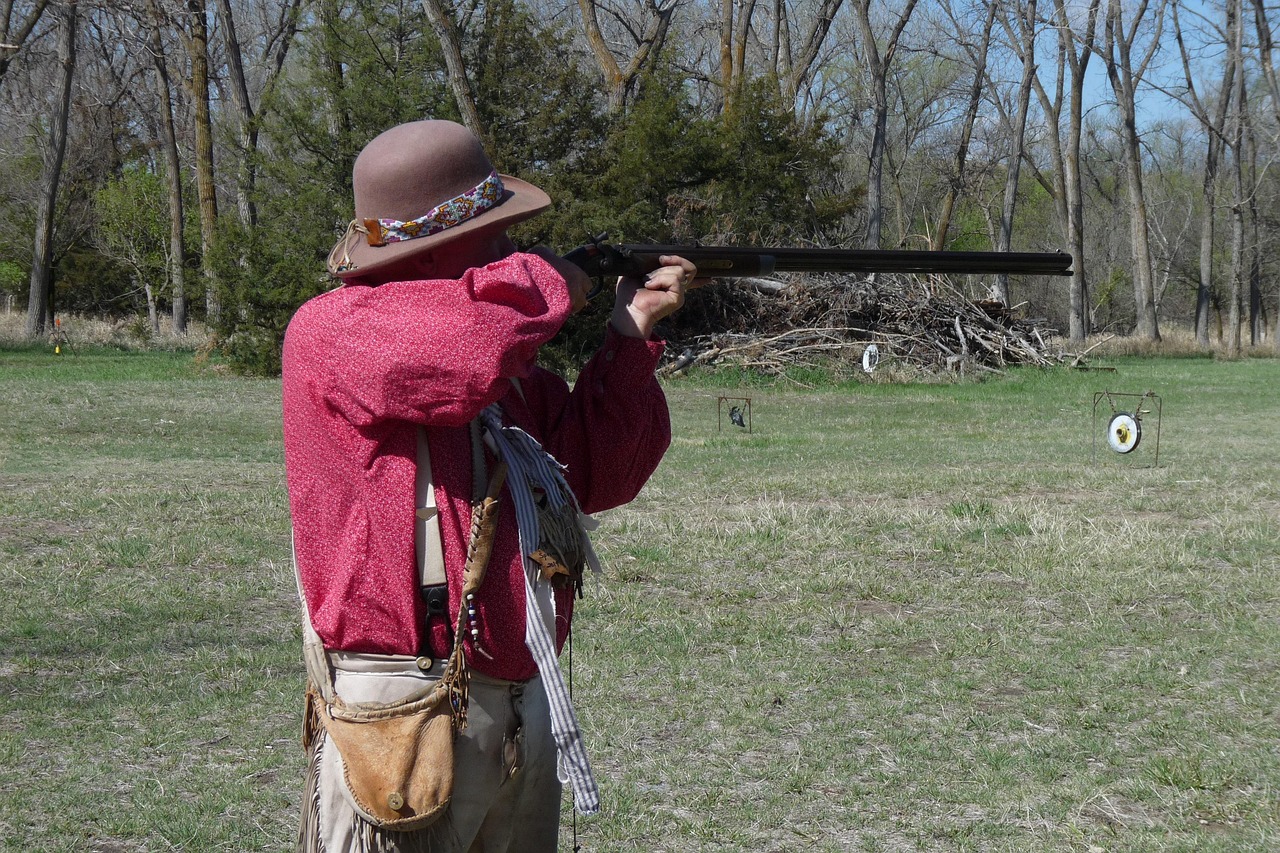
Black powder hunting has a rhythm all its own, and that is exactly why so many hunters get hooked on it. If you are starting with a CVA muzzleloader, a few smart habits can make the learning curve feel a lot less steep. These six tips focus on the basics that matter most in the field, so you can spend less time guessing and more time hunting with confidence.
Choose a Simple, Proven Load
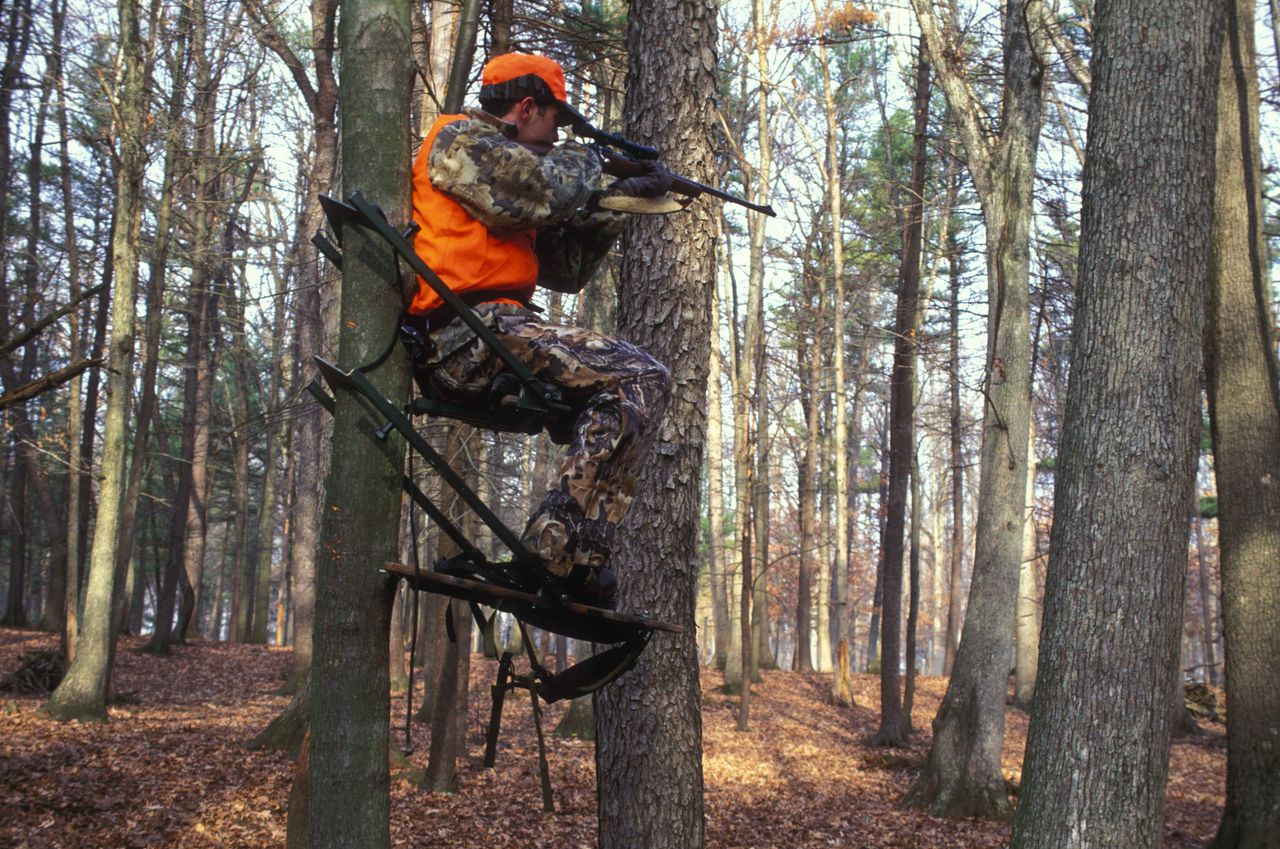
New black powder hunters often make things harder by chasing too many combinations right away. A better move is to start with a straightforward, widely used load your CVA is designed to handle well, then stick with it long enough to understand how it shoots.
That usually means matching one bullet style, one powder type, and one primer choice for your early range sessions. Consistency is what teaches you the rifle. Once you know how it groups and how it loads after a few shots, you can make small changes with a clear baseline instead of starting over every trip.
Practice Loading the Same Way Every Time
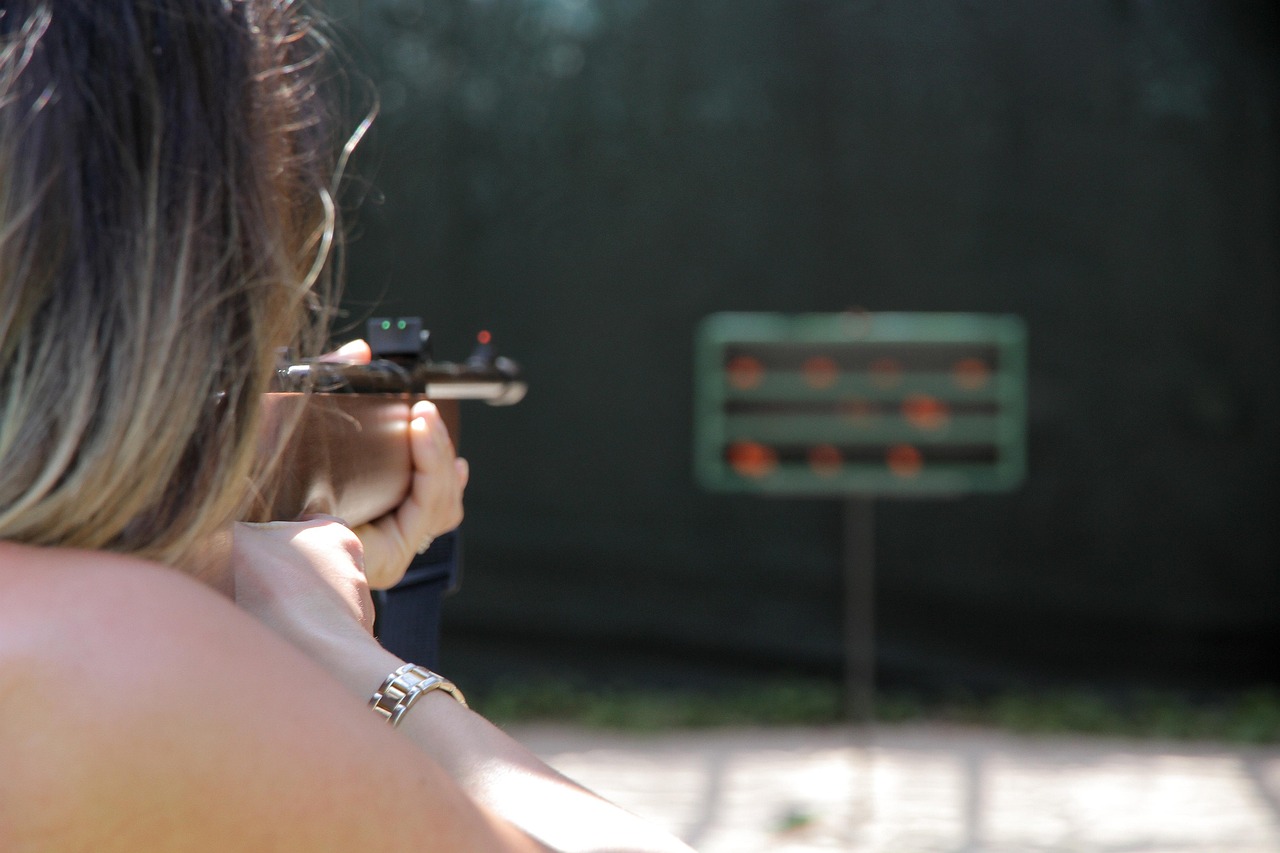
Muzzleloaders reward routine. The more consistent your loading process is, the more likely you are to get reliable ignition and repeatable accuracy when the moment of truth arrives in the woods.
Take your time with each step, from measuring or dropping the powder to seating the projectile firmly and evenly. Many experienced hunters develop a calm, almost rehearsed sequence, and that habit pays off under pressure.
It also helps to mark your ramrod so you instantly know when a bullet is fully seated. That small visual cue can prevent one of the most common beginner mistakes and gives you extra peace of mind at the range and in the field.
Swab the Barrel During Range Sessions
One thing that surprises many first-time black powder shooters is how quickly fouling builds up. Even a CVA that loads beautifully on the first shot can get noticeably tighter after a few rounds, which can affect both ease of loading and accuracy.
A simple swab between shots or every couple of shots keeps the bore more uniform and helps your practice session feel less frustrating. It is a small pause that can save a lot of struggle at the bench.
It also gives you a more honest picture of how the rifle is performing. If every shot is loaded under roughly the same barrel condition, your groups tell a clearer story.
Confirm Your Zero at Realistic Hunting Distances
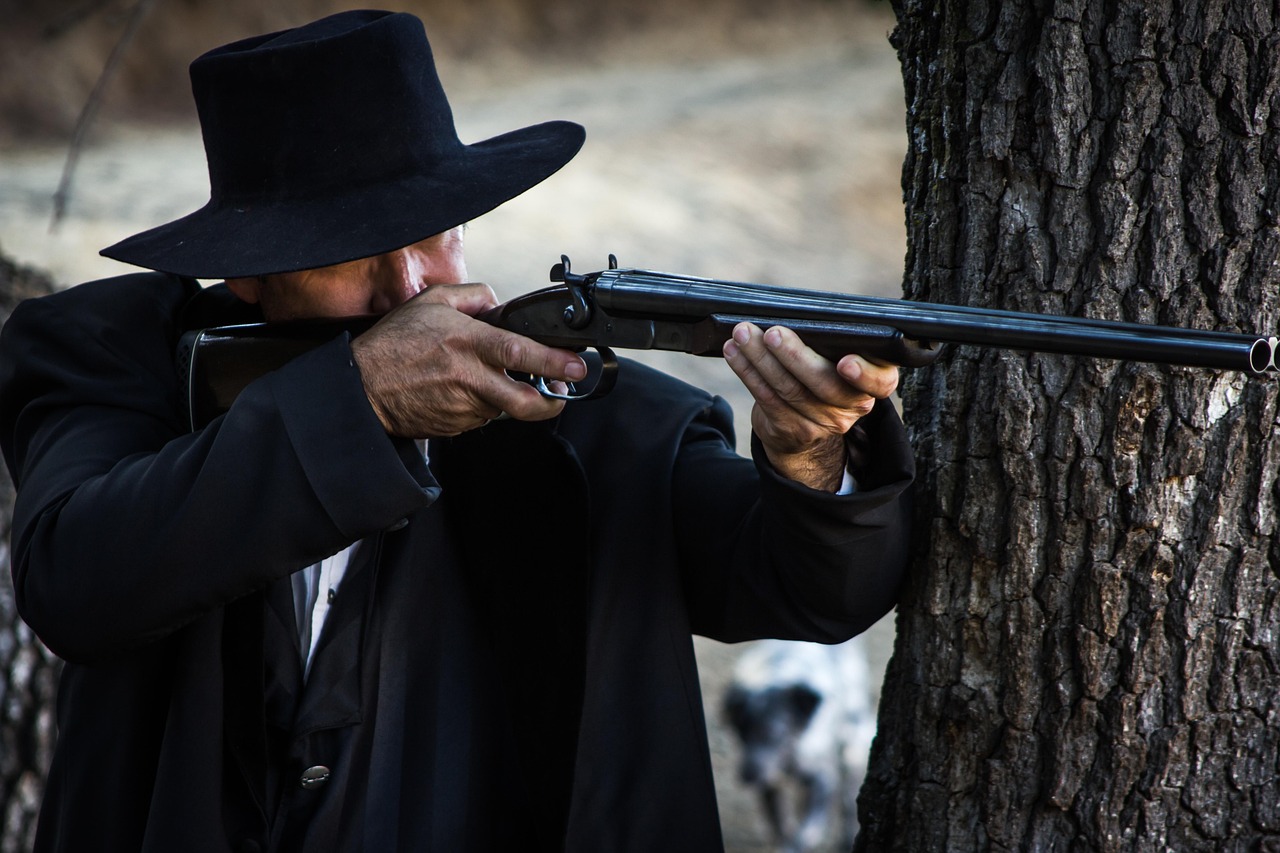
A muzzleloader may be capable of more distance than many people think, but new hunters are usually better served by practical realism than by stretching things too far. Sight in at distances you are actually likely to face where you hunt, not the longest lane at the range.
That might mean focusing hard on 50, 75, or 100 yards and learning exactly how your load prints there. The goal is not bragging rights. It is knowing, without hesitation, where that bullet will land when a deer steps out.
If possible, practice from field positions too. Benches build confidence, but kneeling, sitting, or shooting sticks are often what the season really asks of you.
Keep Primers, Powder, and Tools Organized
Black powder hunting gets smoother when your setup is simple and easy to manage. Loose gear, half-open packages, and missing tools can turn a calm morning into a scramble, especially when cold fingers and low light are part of the equation.
Set up a dedicated kit with your primers, powder, bullets, short starter, speed loaders, and a few cleaning items in the same place every time. That way you are not hunting for equipment before you can start hunting for game.
Good organization also makes your process safer. When every item has a home, it is easier to track what you have loaded, what you have used, and what still needs attention.
Clean the Rifle the Same Day You Shoot
If there is one habit that separates happy muzzleloader owners from frustrated ones, it is prompt cleaning. Black powder residue is not something you want sitting in the barrel and breech area overnight if you can help it.
The good news is that cleaning a CVA does not have to become an all-evening chore. With a routine, the job becomes quick, familiar, and much less intimidating than beginners often imagine.
Make sure the bore, breech plug, and ignition areas are all addressed, then lightly protect the metal before storage. The next time you head to the range or the deer woods, you will be starting fresh instead of undoing neglect.