Kimber 1911s often spark the same debate: are they really worth more than budget alternatives that seem similar at first glance? Serious collectors tend to say yes, and not just because of the name on the slide. From precision fit to refined finishes and long-term desirability, these are the details enthusiasts point to when explaining why Kimber occupies a different lane.
Tighter fit and finish
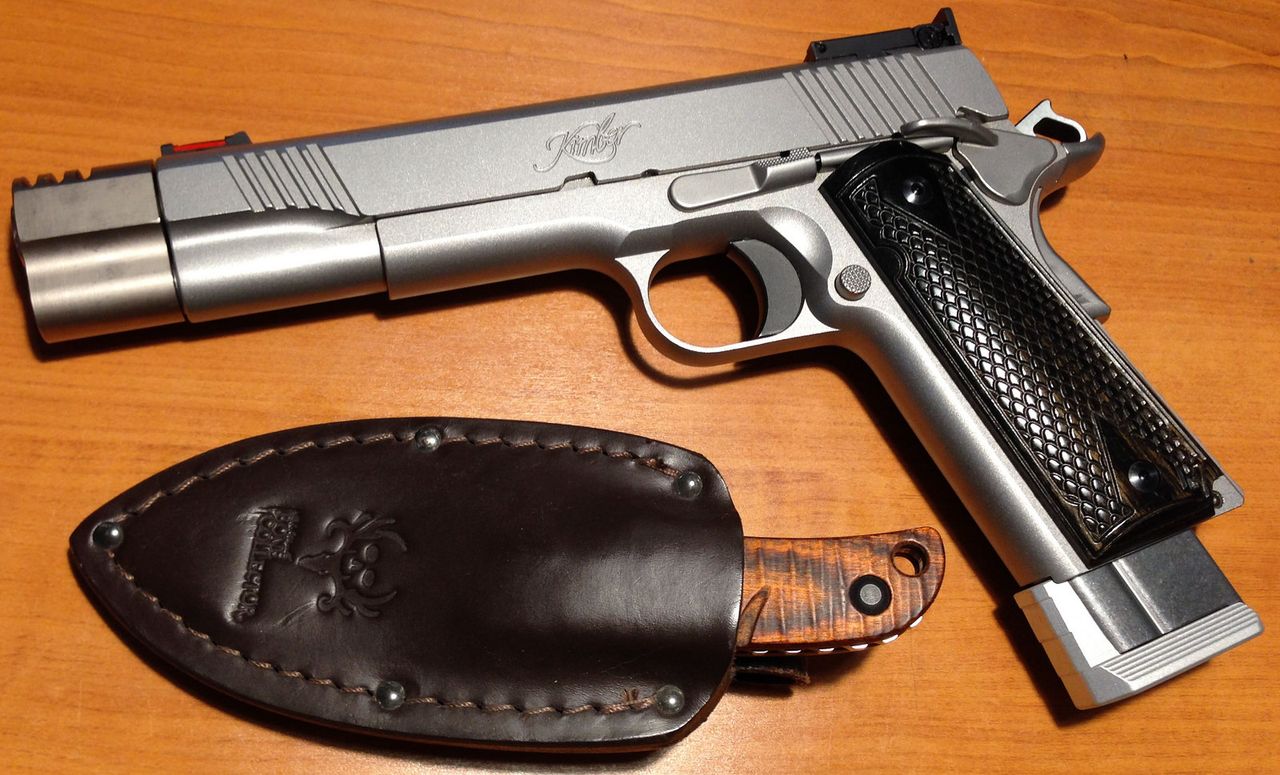
Collectors often start with the most obvious difference: how the pistol feels in the hand before a round is ever fired. On a Kimber, the slide-to-frame fit, the blending around the grip safety, and the overall polish usually communicate a more deliberate level of assembly than what buyers expect from entry-level 1911s.
That extra attention matters because the 1911 platform is all about nuance. A cleaner fit can influence perceived quality, pride of ownership, and even confidence in the gun’s consistency. Budget models can absolutely run well, but Kimber supporters say the refinement is visible and tangible in a way that cheaper options rarely match.
Match-grade barrel emphasis
One point collectors bring up repeatedly is Kimber’s long association with match-grade barrel language and performance-oriented marketing. For many buyers, that signals a pistol built with accuracy in mind rather than simply a firearm made to hit a price point and move volume.
In practical terms, that reputation shapes expectations at the range. Enthusiasts often describe Kimber pistols as guns that reward careful shooting with crisp, confidence-building groups. Plenty of budget 1911s can be accurate enough for casual use, but collectors say Kimber’s emphasis on precision helps justify the extra spend for people who care about refined performance as much as ownership.
Factory features that feel upscale
A major part of Kimber’s appeal is how many premium-style touches often arrive already installed. Depending on the model, buyers may get better sights, front strap checkering, enhanced safeties, beavertails, and attractive grips without immediately planning a list of upgrades after the purchase.
Collectors see that as more than convenience. It means the pistol comes out of the box looking and feeling closer to a semi-custom package, which can make the total ownership experience feel more complete. A cheaper 1911 might become similar after parts and labor, but Kimber fans argue the brand saves time, preserves factory cohesion, and delivers a more polished whole from day one.
A broad range of finishes and model variants
Collectors are drawn to Kimber because the lineup has historically offered more personality than many budget alternatives. Stainless models, two-tone versions, carry-focused pistols, target-oriented configurations, and visually distinctive editions give enthusiasts plenty of ways to choose something that suits their taste without leaving the brand.
That variety also feeds collectibility. When a maker offers multiple well-defined model families, owners start comparing generations, finishes, and feature sets the way car fans compare trim levels. Budget brands may offer fewer memorable standouts, while Kimber’s range gives collectors a reason to keep looking for the next interesting example rather than stopping at a single practical purchase.
Brand recognition within the 1911 world
Like it or not, name recognition matters in collecting, and Kimber has spent years building a strong identity in the 1911 market. For many enthusiasts, it occupies a middle space that feels more aspirational than entry-level brands but still more attainable than full custom makers.
That positioning gives the pistol social weight among buyers, sellers, and enthusiasts talking shop at ranges and gun shows. When collectors explain the price, they often include the value of owning a firearm with established cachet. A budget alternative may do the job, but it may not carry the same instant recognition or spark the same interest when it changes hands later.
Stronger resale and trade appeal
Collectors also think ahead, and that is where Kimber often gains ground over lower-priced competition. A pistol from a recognizable brand with a documented following is usually easier to explain, market, and trade than a lesser-known budget gun, even if both are in solid condition.
That does not mean every Kimber appreciates or avoids depreciation. It means the brand often stays in the conversation when buyers browse used cases or private collections. For owners who rotate firearms, chase specific models, or simply want their money tied up in something with more market pull, that resale familiarity becomes part of the value equation in a very real way.
More collector-friendly presentation
There is an emotional side to value that serious collectors rarely ignore. The packaging, model naming, cosmetic detailing, and overall presentation of many Kimber pistols can make the purchase feel more special from the start, which is something bargain-priced alternatives often treat as an afterthought.
That sense of occasion matters because collecting is not purely utilitarian. People remember the first time they opened the case, noticed the finishing touches, or saw how the gun photographed beside others in the safe. Kimber supporters say you are not just paying for mechanics. You are paying for a product that feels intentionally positioned as something to admire, keep, and talk about.
Attention to aesthetics
Even people who debate Kimber on technical grounds often admit the company understands visual appeal. Slide serrations, roll marks, finishes, contrasting controls, and grip choices tend to create a cohesive look that feels more curated than purely functional budget offerings.
For collectors, that design coherence is a major part of the premium. The 1911 has always been as much an object of appreciation as a tool, and a pistol that looks balanced and intentional will usually attract stronger emotional loyalty. Budget alternatives may offer rough equivalents in specs, but Kimber fans argue they often miss that final layer of style that makes a firearm feel distinctly collectible.
Model history and enthusiast interest
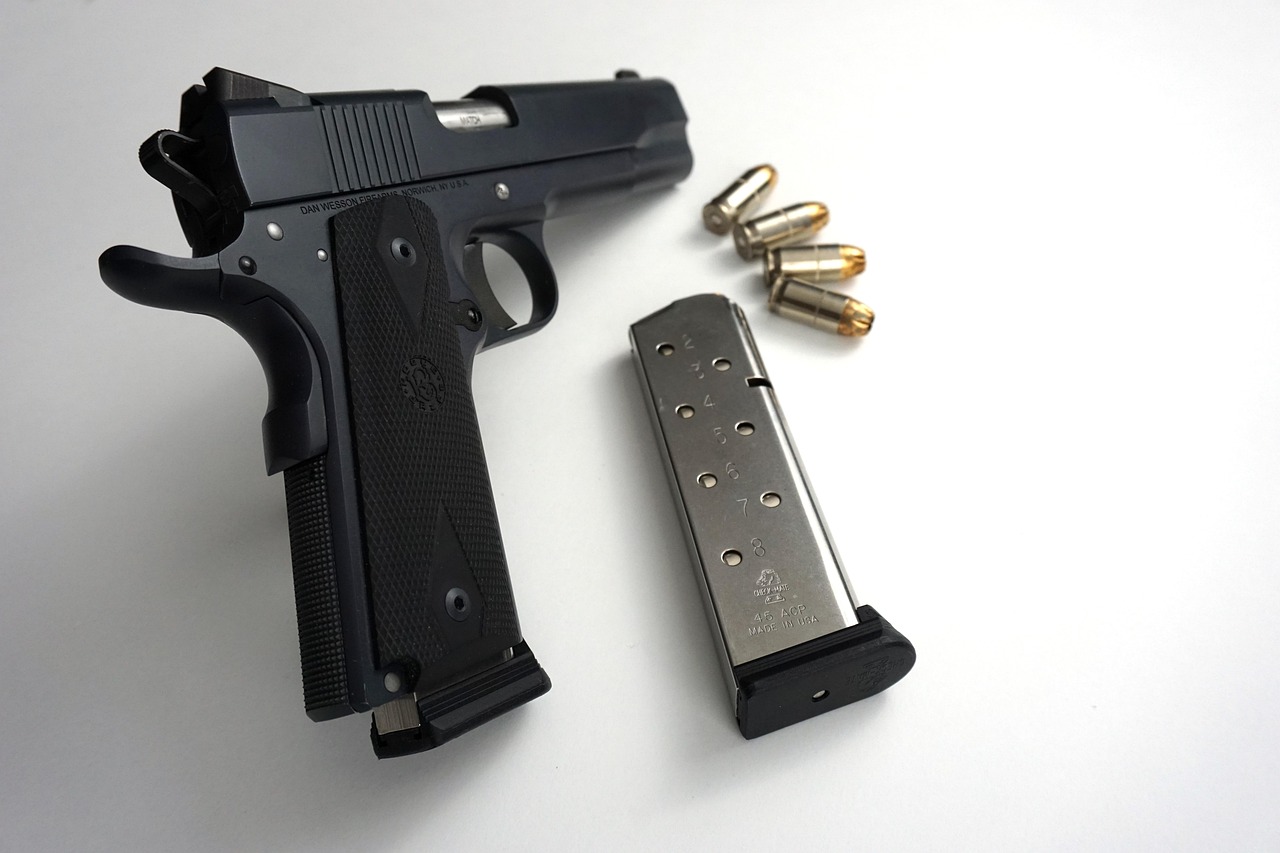
Another reason collectors defend the higher price is that Kimber has built enough model history to create real enthusiast discussion. Certain runs, discontinued variants, and older examples generate comparisons about manufacturing eras, features, and desirability, which gives the brand depth beyond a simple catalog listing.
That history adds texture to ownership. People enjoy researching serial ranges, tracking uncommon finishes, or finding examples that reflect a specific period in the company’s evolution. A budget 1911 might be perfectly serviceable, but if it lacks a wider community of interest, it rarely inspires the same hunt. Collectors often pay more for stories and context as much as steel and parts.
The overall ownership experience
In the end, collectors who justify Kimber’s price usually are not making a spreadsheet argument alone. They are talking about the combined effect of fit, accuracy expectations, aesthetics, reputation, and the feeling that the pistol occupies a more premium place than a basic entry-level 1911.
That does not mean budget alternatives are bad buys. Many are sensible, reliable, and surprisingly capable. But Kimber owners would say the higher price reflects a package that feels more finished, more collectible, and more satisfying over time. For enthusiasts who value the intangible side of ownership as much as the practical side, that difference can be enough to make the premium feel reasonable.