Long before modern gear, Indigenous communities around the world developed trapping systems that were elegant, efficient, and deeply informed by local landscapes. These methods were not just survival tricks. They reflected careful observation of animal behavior, seasonal movement, and the need to harvest responsibly over time.
Deadfall Trap

The deadfall is one of the most recognizable primitive traps, using a heavy log, rock, or slab balanced on a simple trigger. When an animal nudges the bait or disturbs the trigger, the weight drops quickly. It is straightforward in concept, but getting the balance right takes practice and a close read on animal size and movement.
Many Indigenous communities used versions of the deadfall because the materials were everywhere and the design could be adapted to local conditions. A heavier build might be used for larger game, while smaller versions targeted rodents or rabbits. Its lasting appeal comes from that mix of simplicity, precision, and reliable mechanics.
Figure-Four Trap
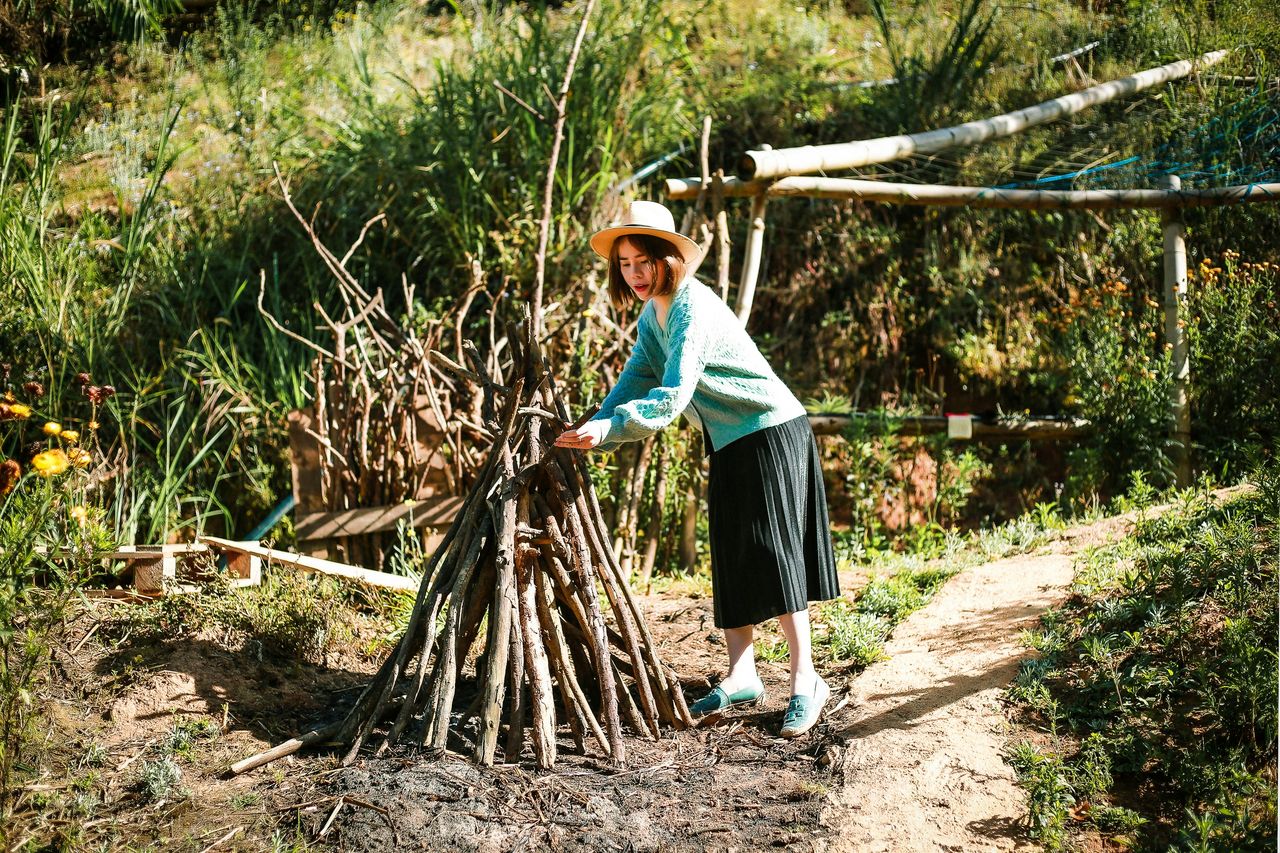
The figure-four trap is really a refined deadfall trigger, named for the way its three sticks resemble the number 4 when assembled. It is admired for turning a few carved pieces of wood into a sensitive release system. Once set properly, even a small touch can collapse the structure and drop the weight above.
Indigenous trappers valued this kind of design because it relied on skill more than manufactured parts. A careful notch, a stable stance, and a good sense of where an animal would approach mattered more than brute force. Today, it remains a favorite in survival instruction because it shows how smart engineering can come from very simple tools.
Simple Ground Snare
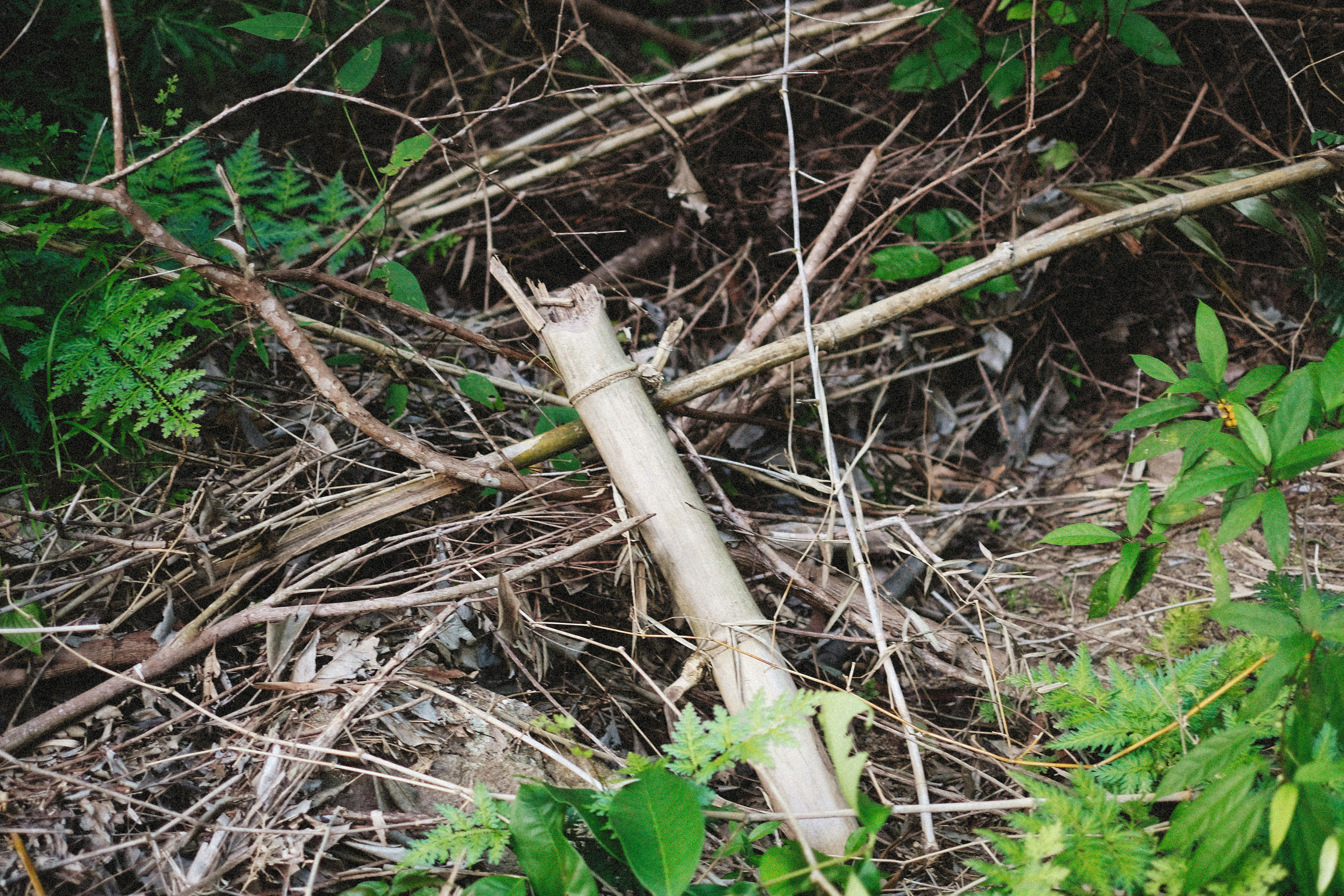
The ground snare is less dramatic than a spring-powered setup, but it can be remarkably effective when positioned on a narrow trail or at a burrow entrance. A loop is held open at the right height and size for the target animal, then tightened when the creature pushes through. The idea depends on restraint and accuracy rather than force.
Indigenous hunters often understood the smallest details of track patterns, feeding routes, and seasonal habits, which is exactly what a good snare requires. In snowy regions, grasslands, and scrub country alike, this low-profile trap could blend into the surroundings. Its continued usefulness comes from being quiet, economical, and easy to tailor to local game.
Fish Weir
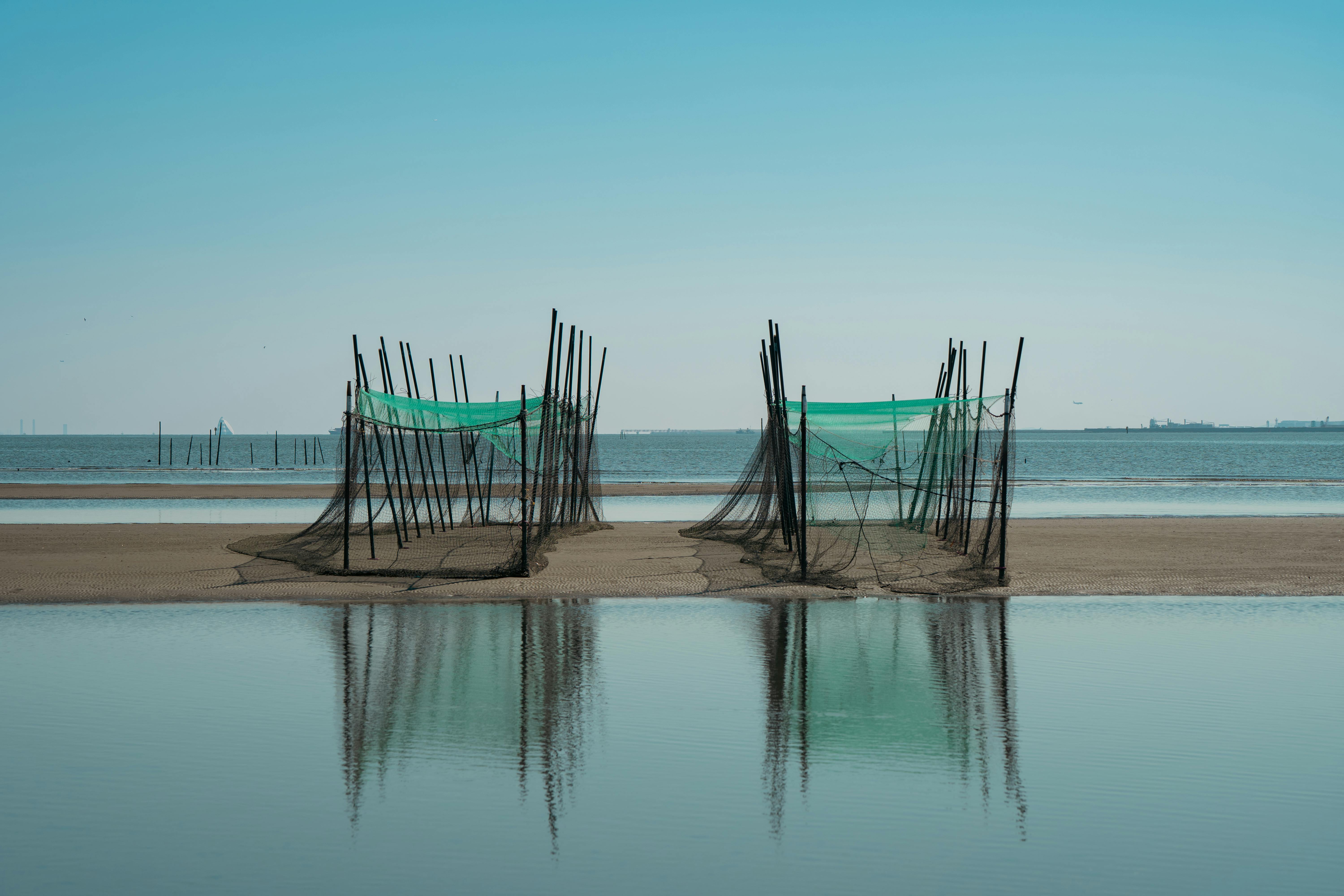
A fish weir is less a trap than a carefully built system, using stones, stakes, or woven barriers to guide fish into a narrowing channel where they can be caught. In tidal flats, rivers, and stream mouths, these structures could work with the water itself, turning currents and migrations into an advantage. It is a beautiful example of harvesting by reading the rhythm of a place.
Many Indigenous communities built and maintained weirs collectively, which says a lot about their importance. They were often timed to runs of salmon, eels, or other seasonal species and could feed many people efficiently. Even now, the principle is sound because fish still follow edges, flow, and bottlenecks just as they did centuries ago.
Basket Fish Trap
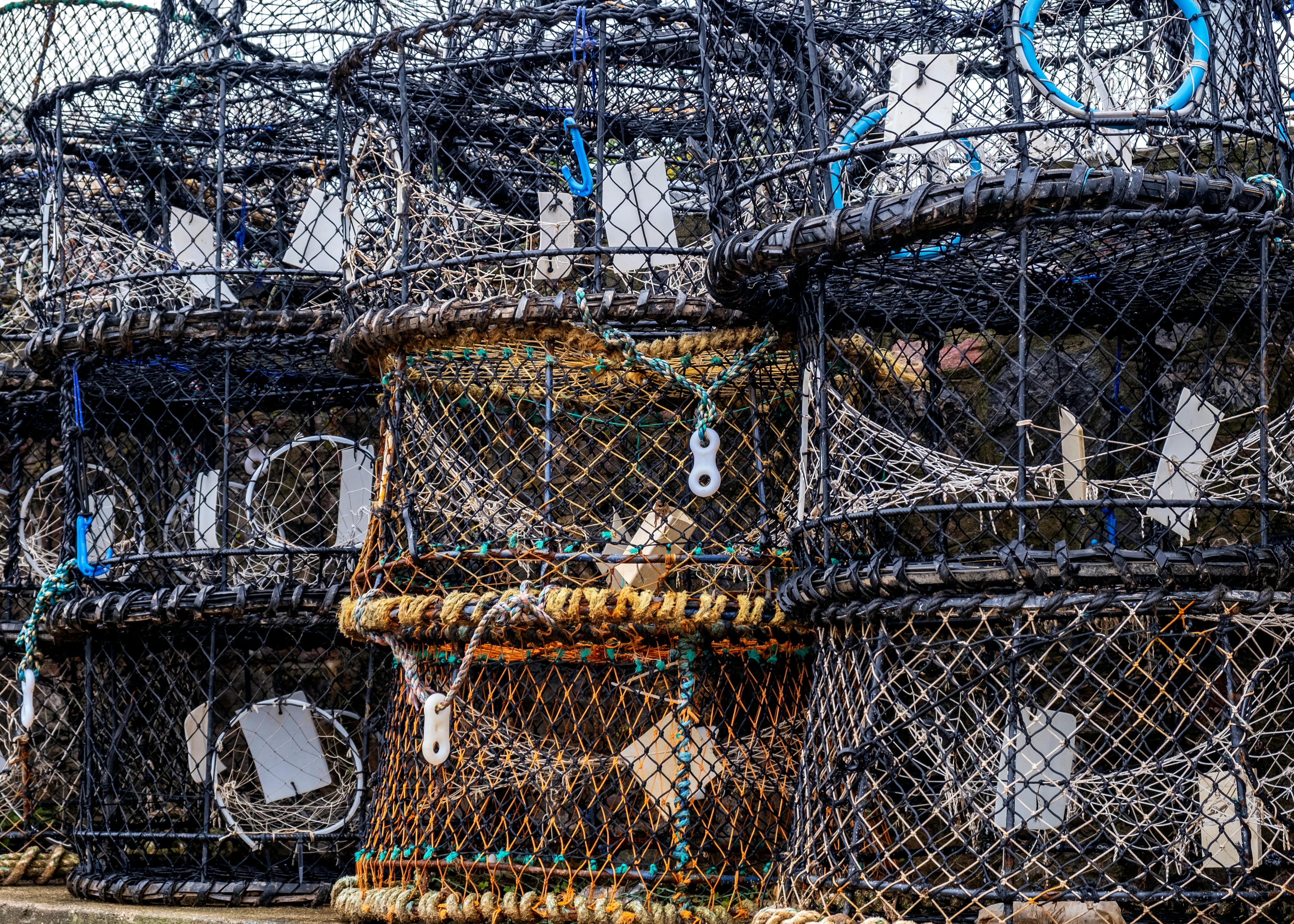
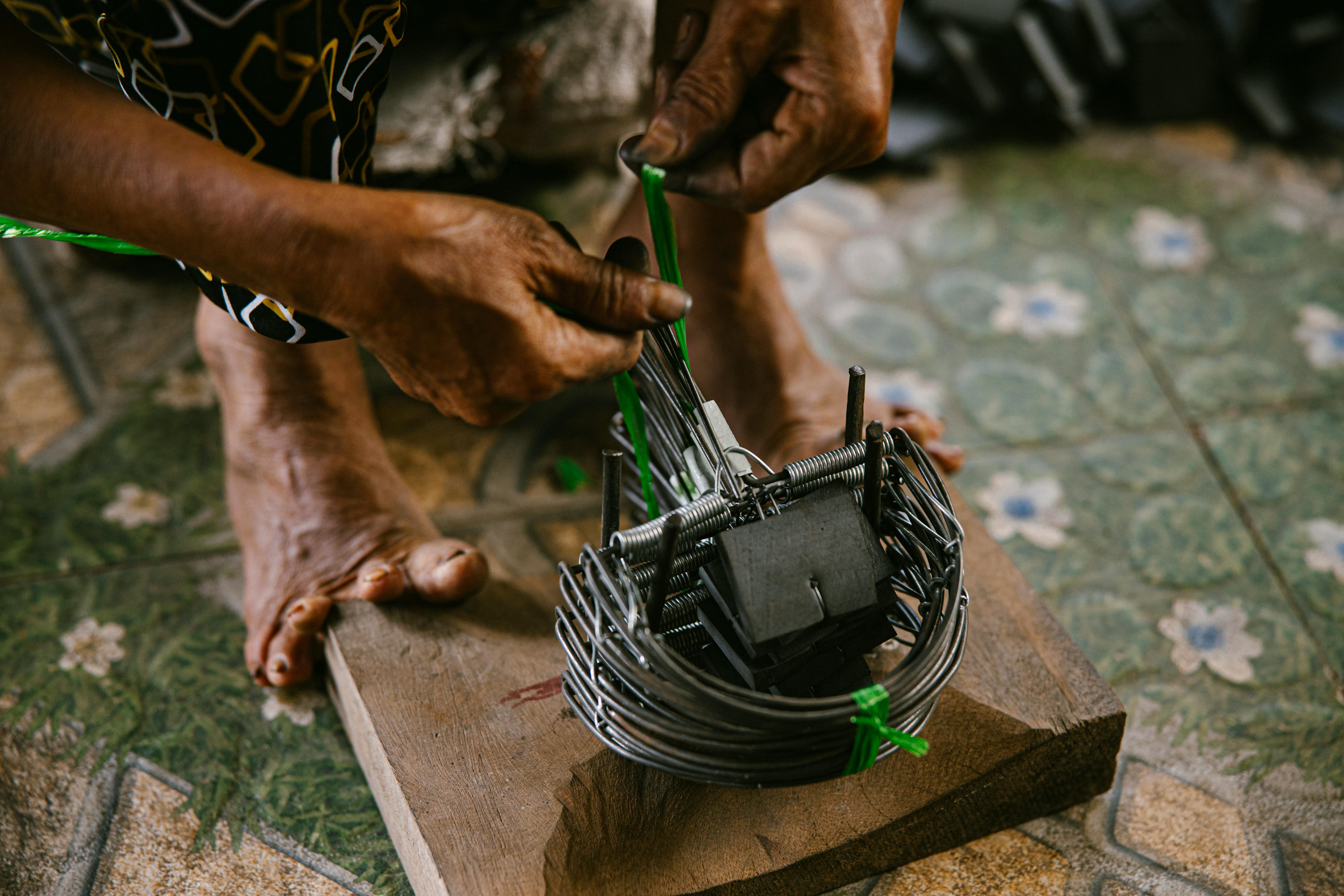
Basket fish traps use a woven body and a funnel-shaped entrance that lets fish swim in easily but makes it hard for them to find their way back out. Set in streams, ponds, or tidal waters, they can work passively over hours with very little disturbance. The design is both clever and elegant, relying on shape and current rather than constant supervision.
Indigenous makers often crafted these traps from reeds, willow, cane, or other flexible local materials, adjusting size and weave for different species. Some were small enough to carry by hand, while others were substantial enough for larger catches. Their durability and quiet efficiency are exactly why similar traps still appear in traditional fisheries around the world.
Pit Trap

The pit trap is one of the oldest hunting concepts in the world: dig where animals travel, disguise the opening, and let gravity do the rest. Depending on the target, pits might be narrow and deep, wide and camouflaged, or lined with brush to make the surface appear solid. The method works best where repeated animal movement creates predictable routes.
Indigenous communities that used pit traps were not simply digging random holes in the ground. They understood terrain funnels, watering paths, and migration habits, and they often built traps where natural features already directed movement. While labor-intensive, a well-placed pit could provide a substantial payoff, especially in places where larger game followed fixed corridors.
Funnel Fence Trap

A funnel fence trap uses guiding walls made from brush, stones, or stakes to steer animals toward a narrow opening, noose, enclosure, or deadfall. The brilliance lies in the psychology of movement. Animals tend to follow lines, avoid pushing through dense barriers, and drift into the path of least resistance, which is exactly what the trap builder creates.
This method was especially useful in open country or along known travel routes, where game could be gently directed rather than chased. Indigenous trappers often paired funnel systems with other trap types, turning a simple barrier into a force multiplier. It still works today because it is based on behavior, not technology, and behavior changes very little.
Bird Snare Perch
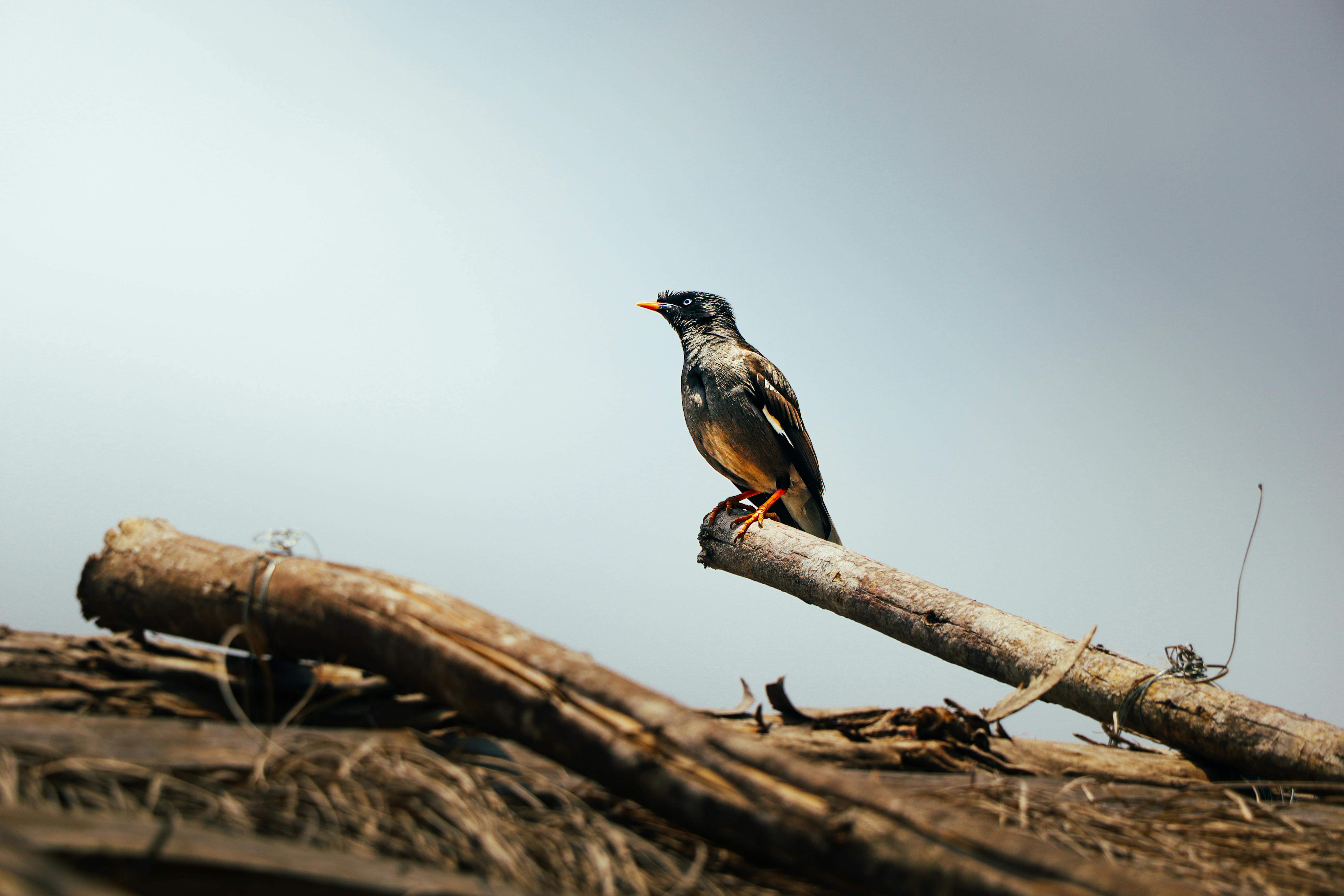
Bird snares often took advantage of a familiar habit: landing on a convenient perch. A loop could be set on or near a branch, roost, or feeding spot so that a bird stepping into place would tighten the snare. In some designs, multiple loops were arranged along a perch to increase the chance of success without much extra material.
Indigenous communities that depended on birds for food, feathers, or seasonal harvests paid close attention to flock behavior and habitat. Knowing where birds settled at dusk or what routes they used near wetlands made all the difference. The trap may look delicate, but it reflects sharp observation and a practical understanding of how routine shapes animal movement.
Rockfall Trap

In rocky country, a trapper could use the landscape itself by arranging unstable stones or slabs over a trigger area. A baited stick, a guiding gap, or a narrow pass encouraged the animal to enter, and a slight disturbance brought the rocks down. This is the same logic as a deadfall, but adapted to places where stone was more practical than timber.
What makes the rockfall trap so interesting is how local it feels. Indigenous builders often worked with the exact terrain at hand, turning a hillside, talus edge, or natural crevice into part of the mechanism. That ability to improvise from the environment is a hallmark of enduring trap design and a reminder that effective tools do not always look like tools at first glance.
Turtle Trap

Turtle traps varied by region, but many relied on bait, funnel entrances, or barriers placed in shallow water where turtles fed or surfaced. Some designs used woven enclosures, while others guided turtles into holding spaces they could enter more easily than leave. Because turtles follow habitual routes along shorelines and vegetation edges, placement mattered enormously.
For Indigenous communities living near marshes, ponds, and slow rivers, turtles could be an important seasonal food source. The trap itself was often less about force and more about patient interception. That is what gives the method its staying power. Even simple designs can be effective when they align with the steady, predictable behavior of the animal being sought.
Crab and Eel Trap
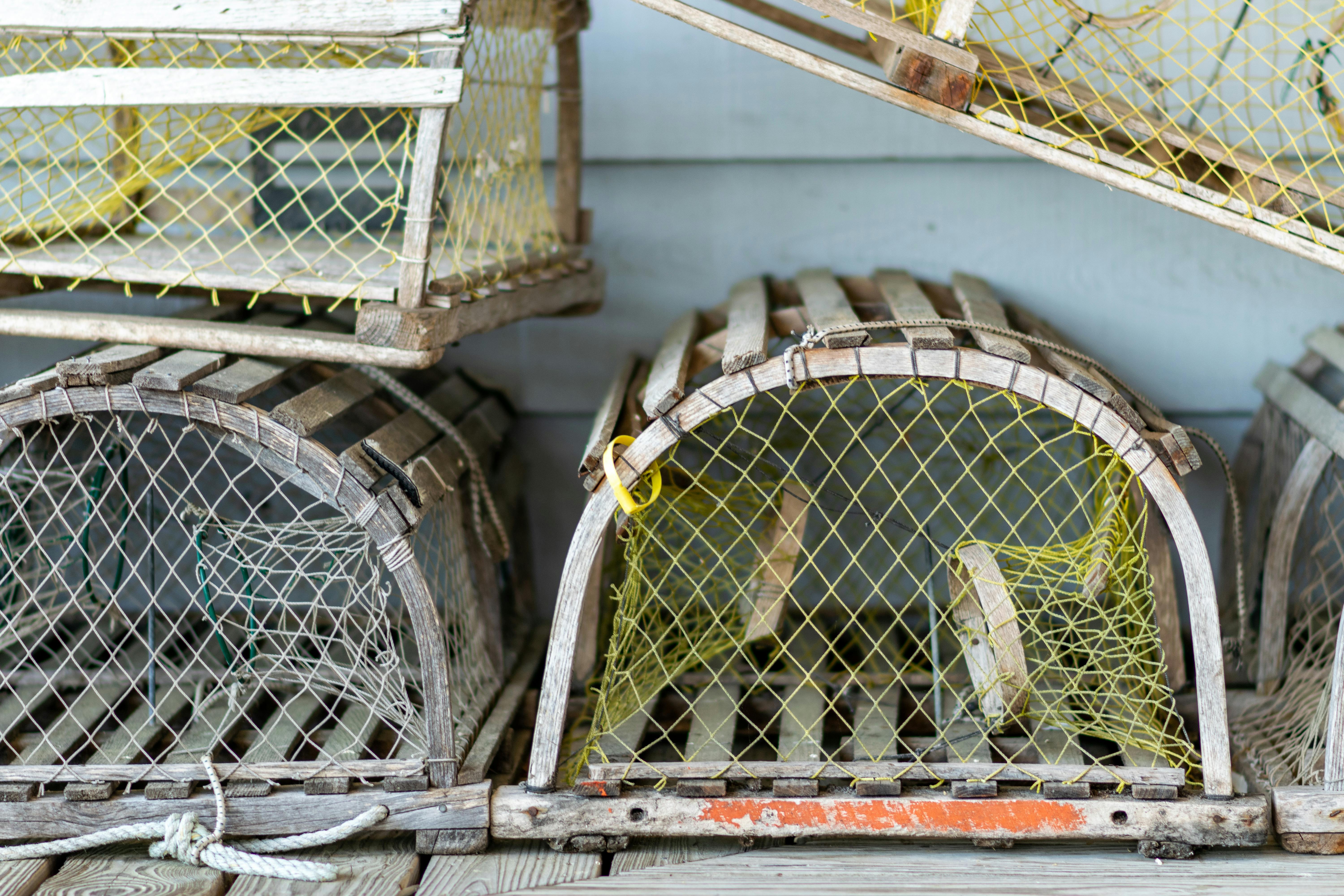
Crab and eel traps are a great example of how one idea can be adapted for very different animals. Both often use a baited enclosure with a narrow or inward-facing entrance, allowing the catch to enter while making escape difficult. In tidal creeks, estuaries, and river margins, these traps could be set and checked with the rhythm of the water.
Indigenous communities in coastal and riverine regions developed these traps from materials close at hand, including reeds, wood splints, vine, and fiber cordage. The exact shape changed by species and habitat, but the principle remained consistent. Use the animal’s own habits, feeding drive, and movement through confined spaces to do the work for you.