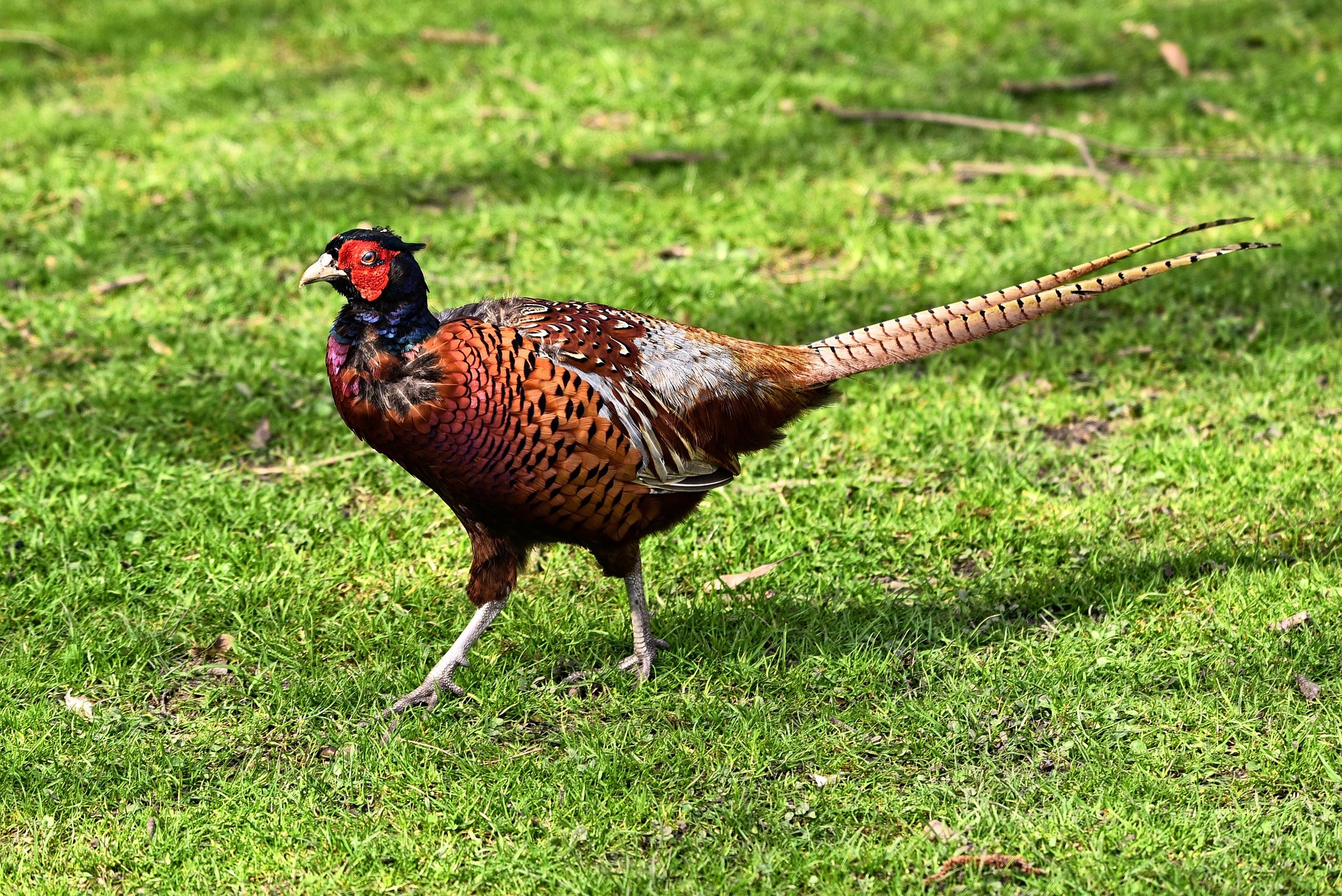
Pheasants may look predictable when they feed along field edges or disappear into tall grass, but their behavior can change quickly when they sense danger. These ground-dwelling birds rely on camouflage, sharp hearing, sudden bursts of flight, and an instinct to escape through cover. Their reactions also vary with habitat, weather, hunting pressure, and the season. For hunters, recognizing these patterns requires patience and close observation rather than relying on familiar assumptions. The following seven behaviors explain why pheasants can remain challenging quarry even for people with years of field experience.
1. Running Through Dense Cover
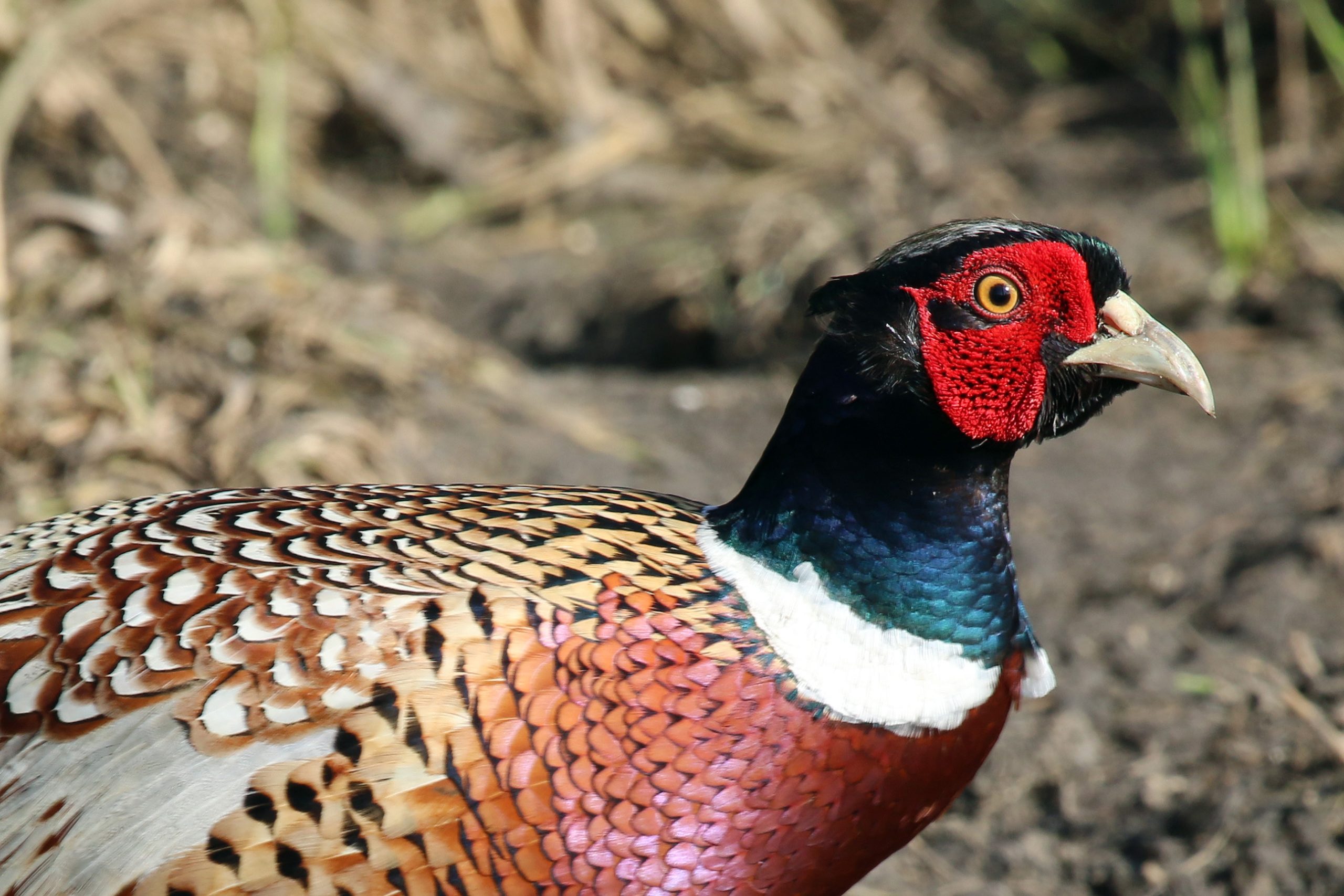
Pheasants often prefer running to flying when they first detect a disturbance. Their strong legs help them move quickly through grass, crop stubble, and tangled vegetation, where their bodies remain difficult to see. A bird may cover several yards before stopping beneath cover, making its original position misleading. Experienced hunters can lose sight of a pheasant within seconds, especially when vegetation reaches knee height or higher. The challenge is recognizing movement without mistaking swaying grass or other wildlife for a bird. Pheasants may flush suddenly when they decide running no longer offers enough protection.
2. Flushing Without Warning
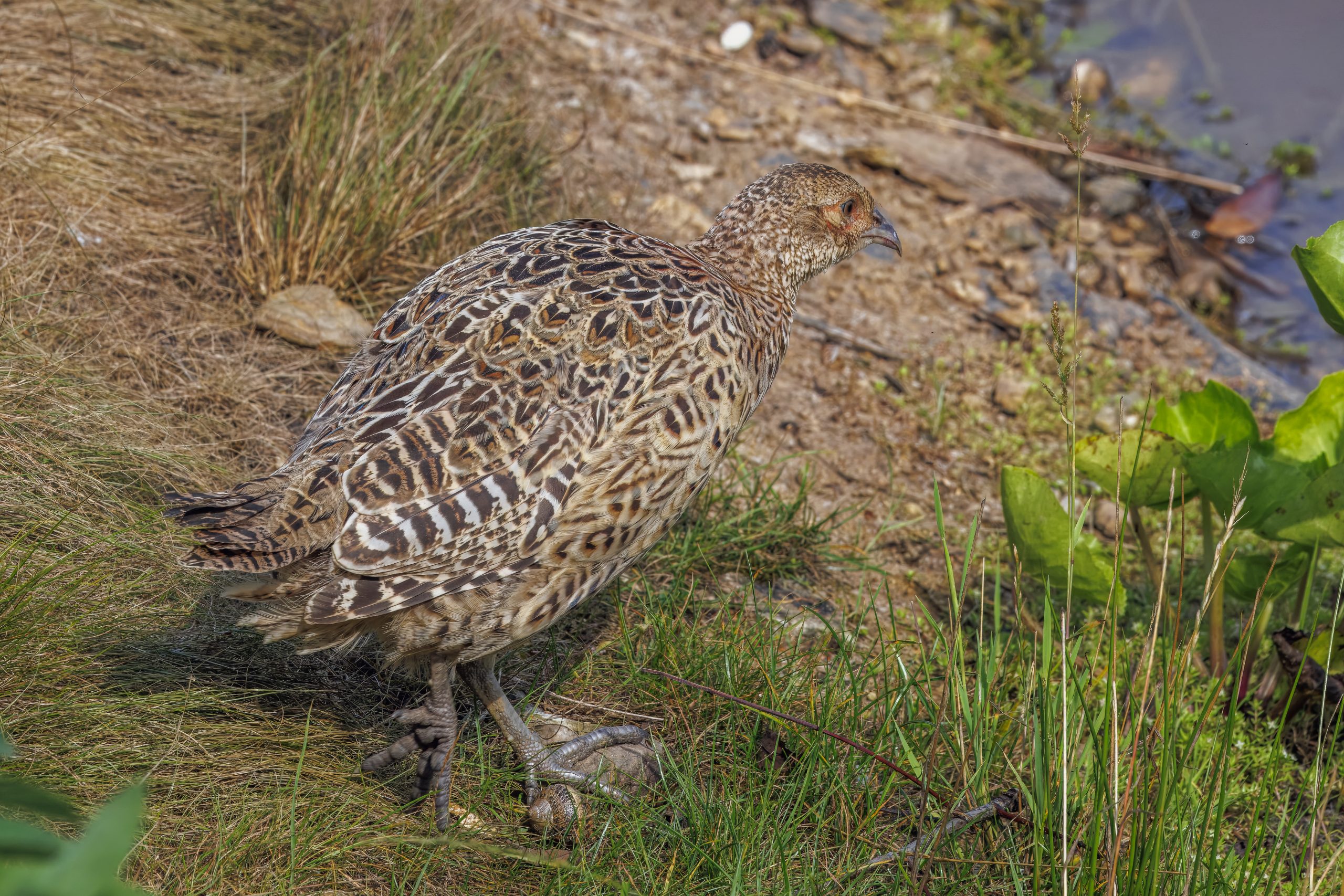
A pheasant can explode from cover with little visible warning, producing a burst of wing noise that surprises even experienced hunters. This reaction is especially startling when a bird rises from dense grass just a few feet away. Ring-necked pheasants can fly at roughly 40 to 60 miles per hour in short bursts, although speed varies with conditions. Their rapid acceleration leaves little time to identify the bird clearly before it moves beyond the immediate area. Remaining alert to sudden movement is difficult when several birds occupy the same field or vegetation conceals their starting positions.
3. Holding Still to Avoid Detection
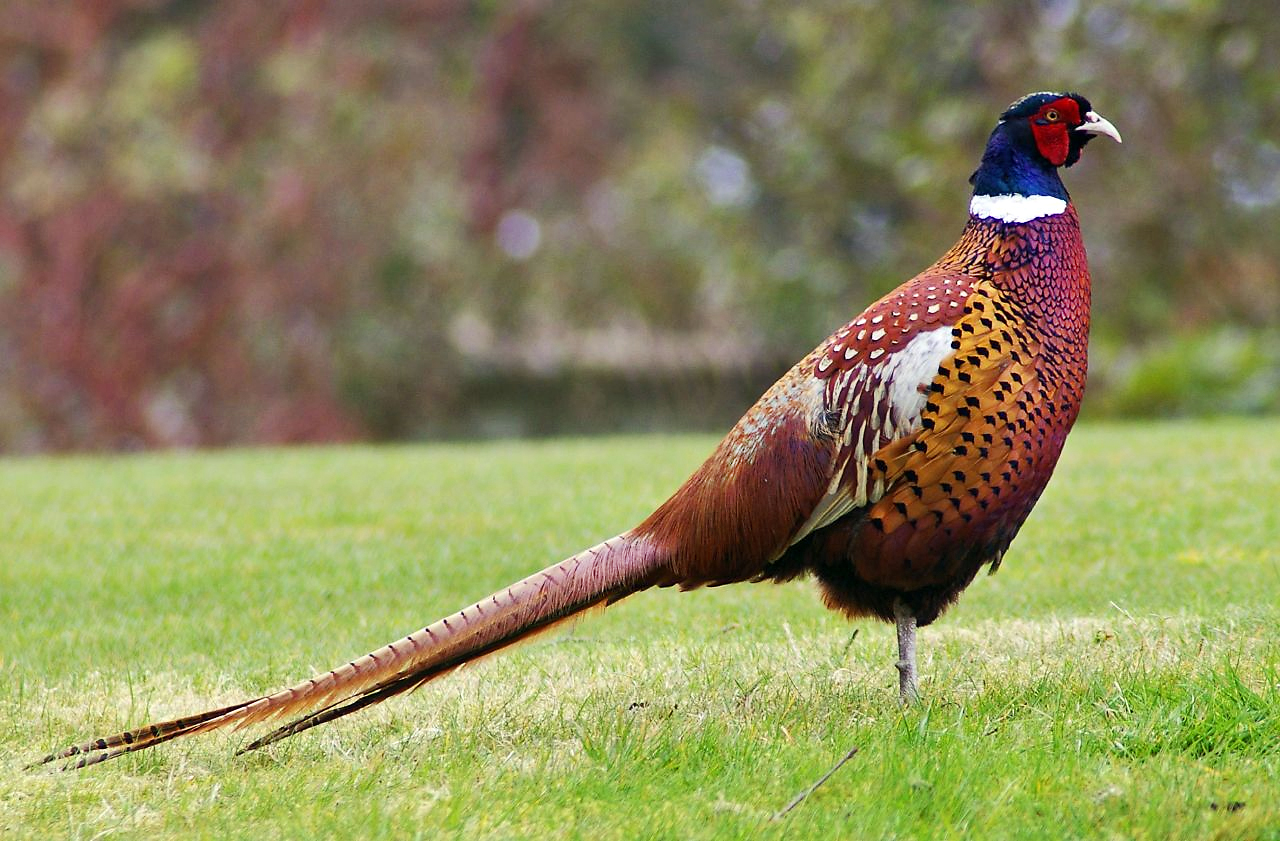
Not every pheasant responds to danger by running or flying. Some crouch motionless against the ground, using mottled brown feathers to blend into dry leaves, soil, and crop residue. This camouflage can make a bird nearly invisible even when it is relatively close. A hunter may walk past a pheasant without noticing it, particularly where broken shadows and tall stems interrupt its outline. The bird may remain still until the perceived threat approaches too closely. This behavior tests observation skills because searching harder does not always reveal an animal that relies on remaining completely motionless.
4. Changing Direction at the Last Moment
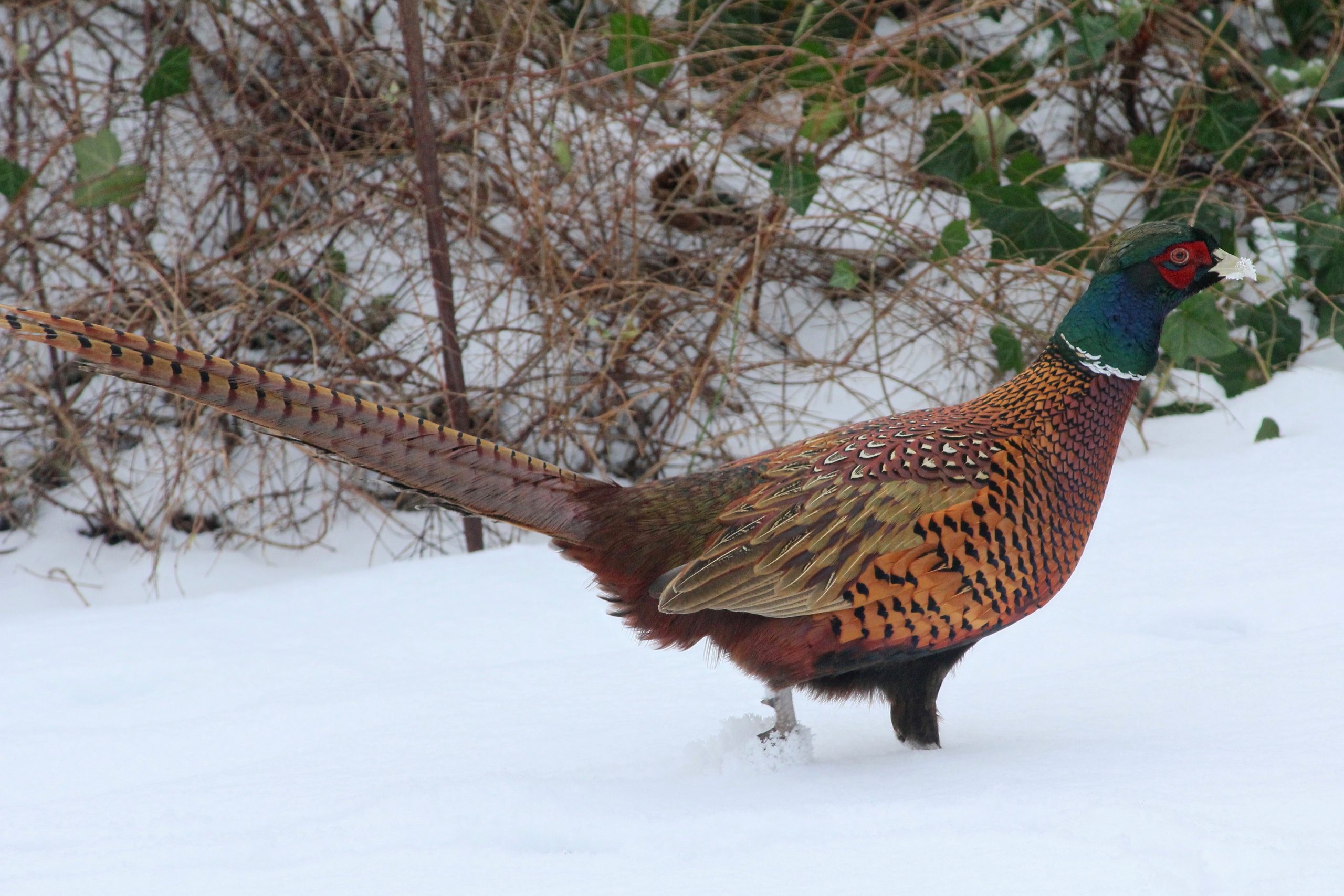
Pheasants do not always travel in a straight line when moving through cover. A bird may turn behind thick vegetation, double back through a patch of grass, or disappear into a neighboring field before its movement becomes clear. Even a short change of direction can create confusion when several openings and cover strips meet. Their ability to move between concealment and open ground makes it difficult to determine where a bird has gone. A pheasant may travel tens of yards before appearing again, and its route can be obscured by vegetation. This unpredictability rewards patience and careful observation.
5. Using Field Edges and Crop Residue
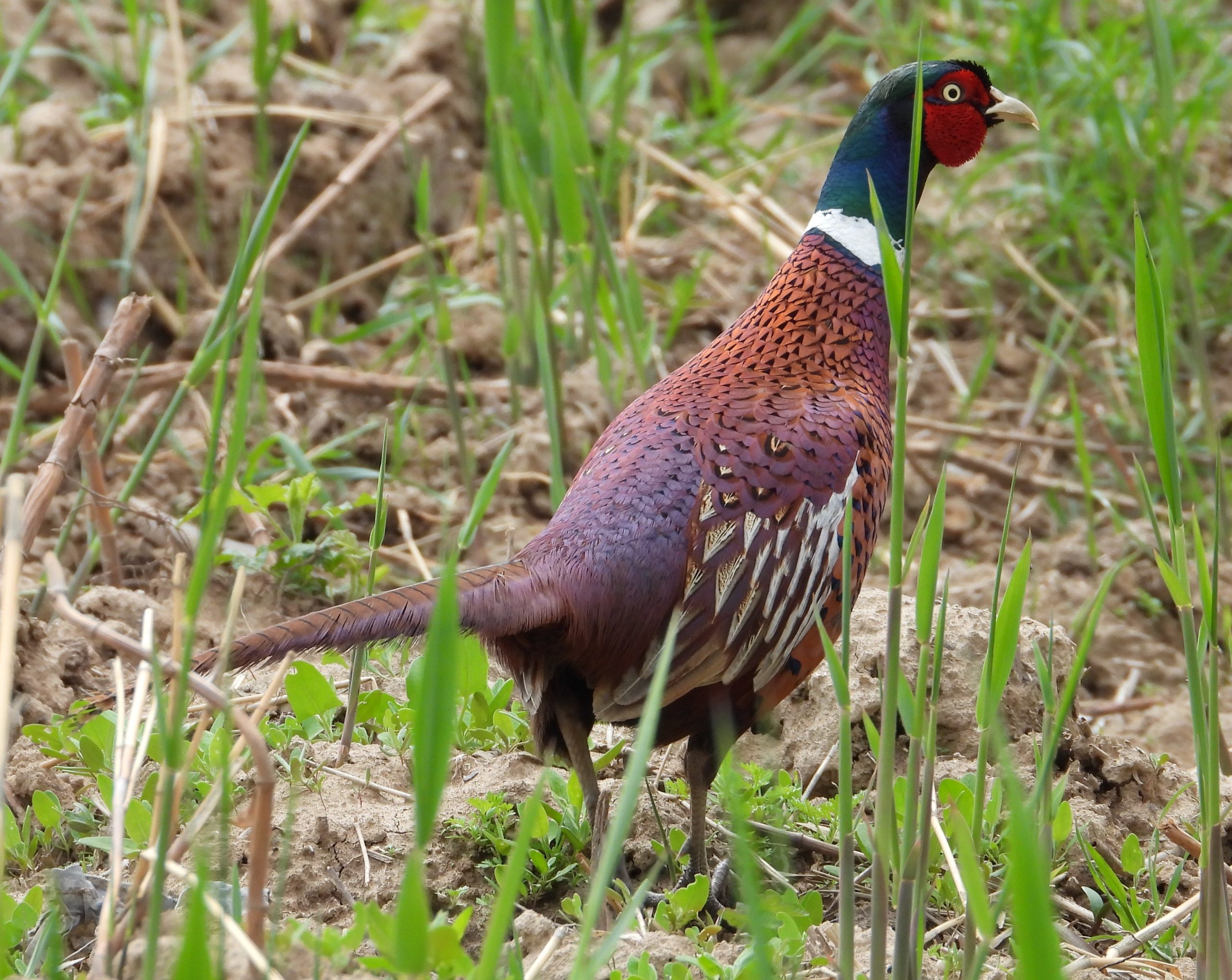
Pheasants frequently use field margins, hedgerows, and leftover crop cover because these areas provide food and concealment. Grain, seeds, and insects can attract birds to agricultural landscapes, while nearby vegetation offers shelter from predators. However, a field edge that held birds yesterday may be quiet after harvesting, mowing, or a change in disturbance. Even a strip only 5 to 10 yards wide can provide enough cover for a bird to remain hidden. Hunters must understand how vegetation and food availability influence pheasant distribution instead of assuming that productive locations will remain reliable throughout the season.
6. Responding Differently to Hunting Pressure
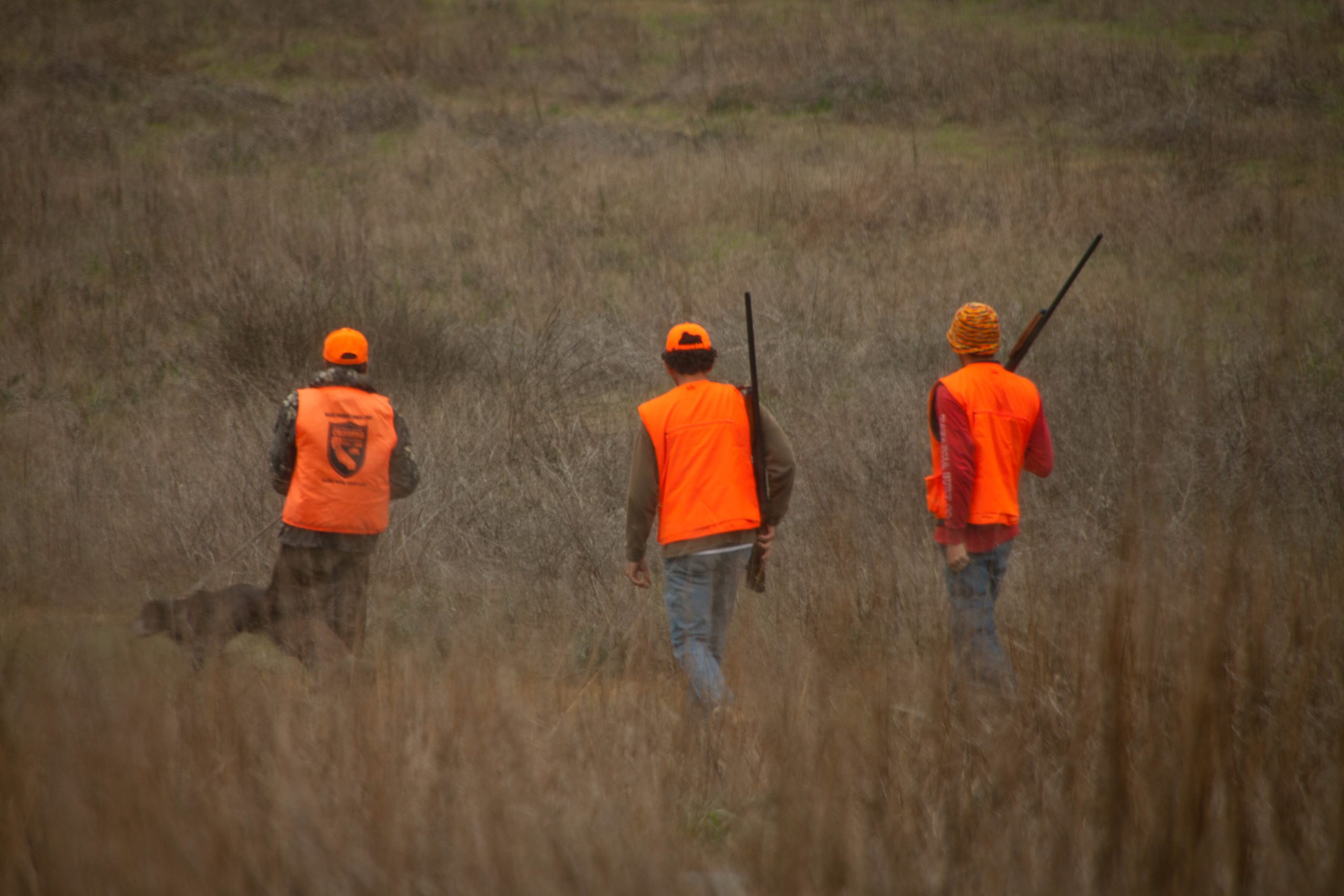
Pheasants exposed to repeated disturbance may become more difficult to approach or observe. Some run earlier, flush farther away, or spend more time in thick cover after encountering people and dogs. Their responses are not identical, however, and habitat conditions can influence how quickly they react. A field hunted several times in one week may produce different encounters from a quieter area, but there is no universal number of disturbances that makes every bird wary. Experienced hunters must recognize changing behavior without assuming that all pheasants follow the same pattern. Local regulations and designated hunting hours also shape when birds encounter people.
7. Moving Between Feeding and Roosting Areas
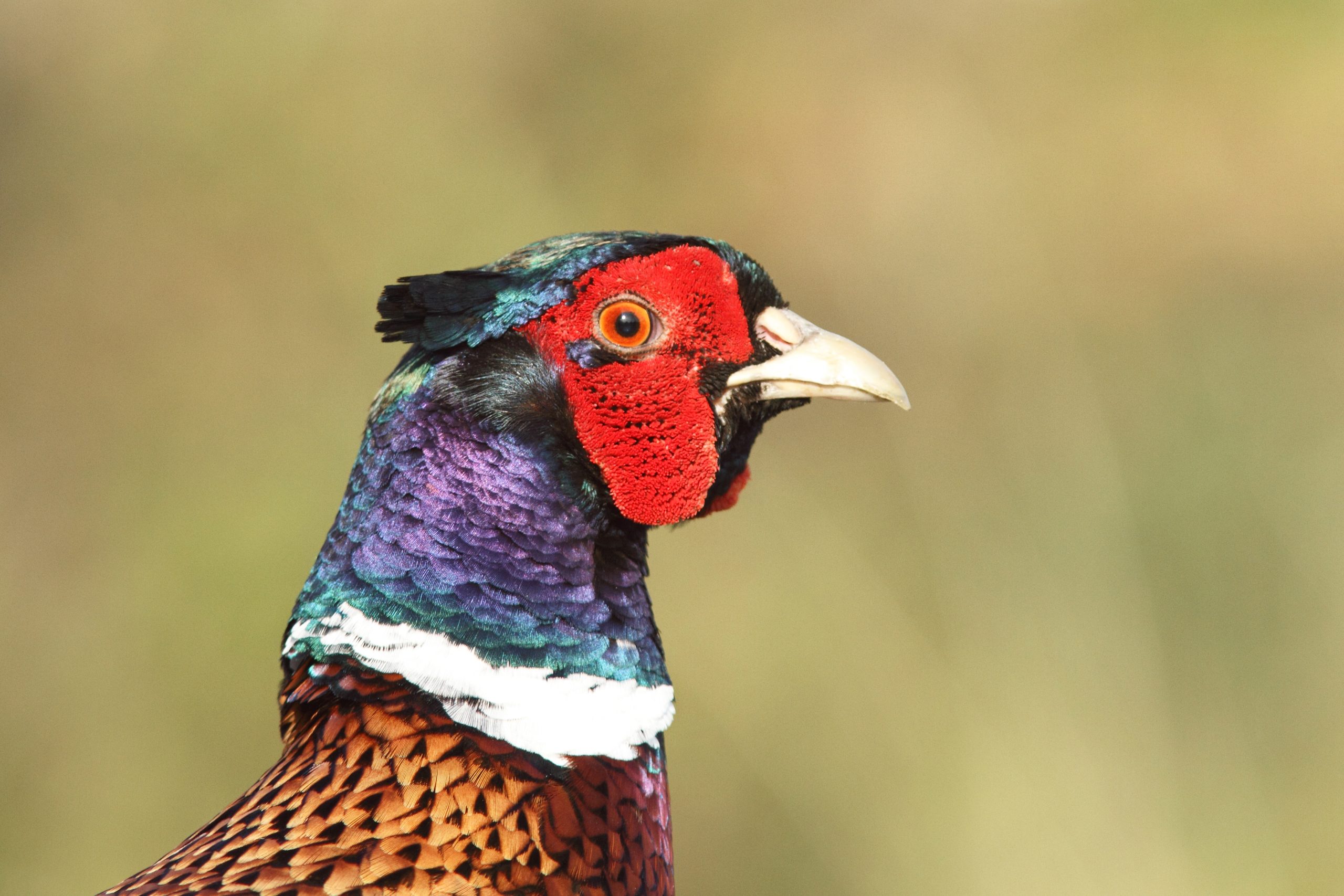
Pheasants balance feeding, resting, and seeking shelter throughout the day, so their location can change with light, temperature, and disturbance. Birds may feed in open agricultural areas and later move toward dense grass or other protective cover. At night, they commonly roost on the ground in vegetation, although suitable sites vary by habitat and local conditions. A bird seen in one field during the morning may be elsewhere by late afternoon, leaving no obvious sign of its movement. Understanding these daily shifts requires observing the landscape over time rather than expecting pheasants to remain in one dependable location.