The rut is the breeding period when many game animals change their normal routines in noticeable ways. Species that usually feed quietly, avoid rivals, or travel predictable routes may become more active, vocal, territorial, or less cautious. These changes are driven by hormones, competition for mates, and seasonal conditions, but the timing and intensity differ between animals. Understanding these differences helps explain why familiar habitats can seem completely different during breeding season. From solitary deer to social elk, each species follows its own pattern of courtship, movement, and competition.
1. White-Tailed Deer
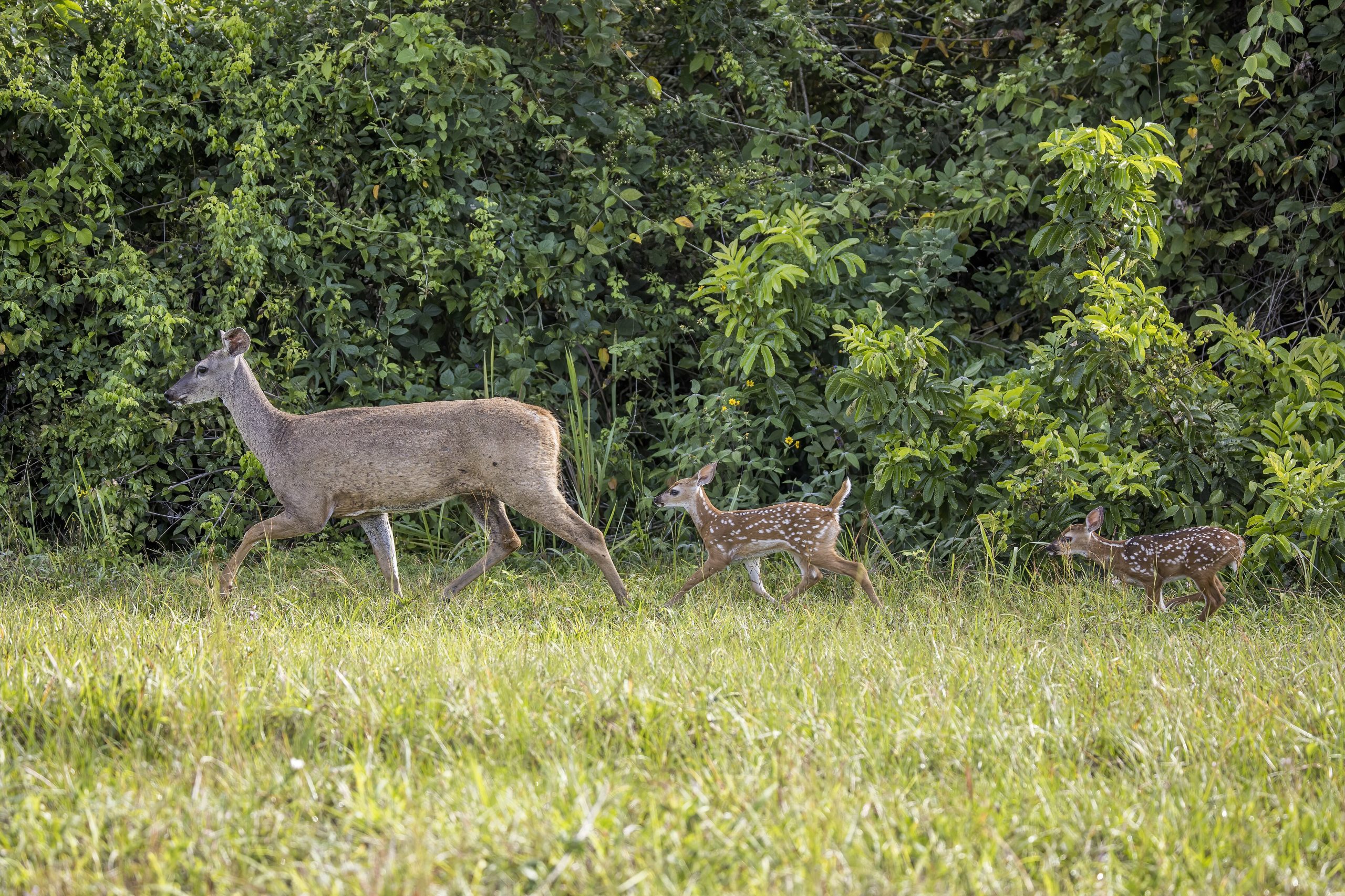
During the rut, white-tailed bucks often abandon their usual cautious routines to search for receptive does. They may travel across several areas in a single day, follow scent trails, and spend less time feeding. Mature males can become aggressive, using their antlers to challenge rivals and establish temporary dominance. The breeding period generally peaks in November across much of the northern United States, although local timing varies. Bucks may appear during daylight in places where they were previously difficult to spot. Their increased movement makes sightings less predictable, even when familiar trails remain active.
2. Elk
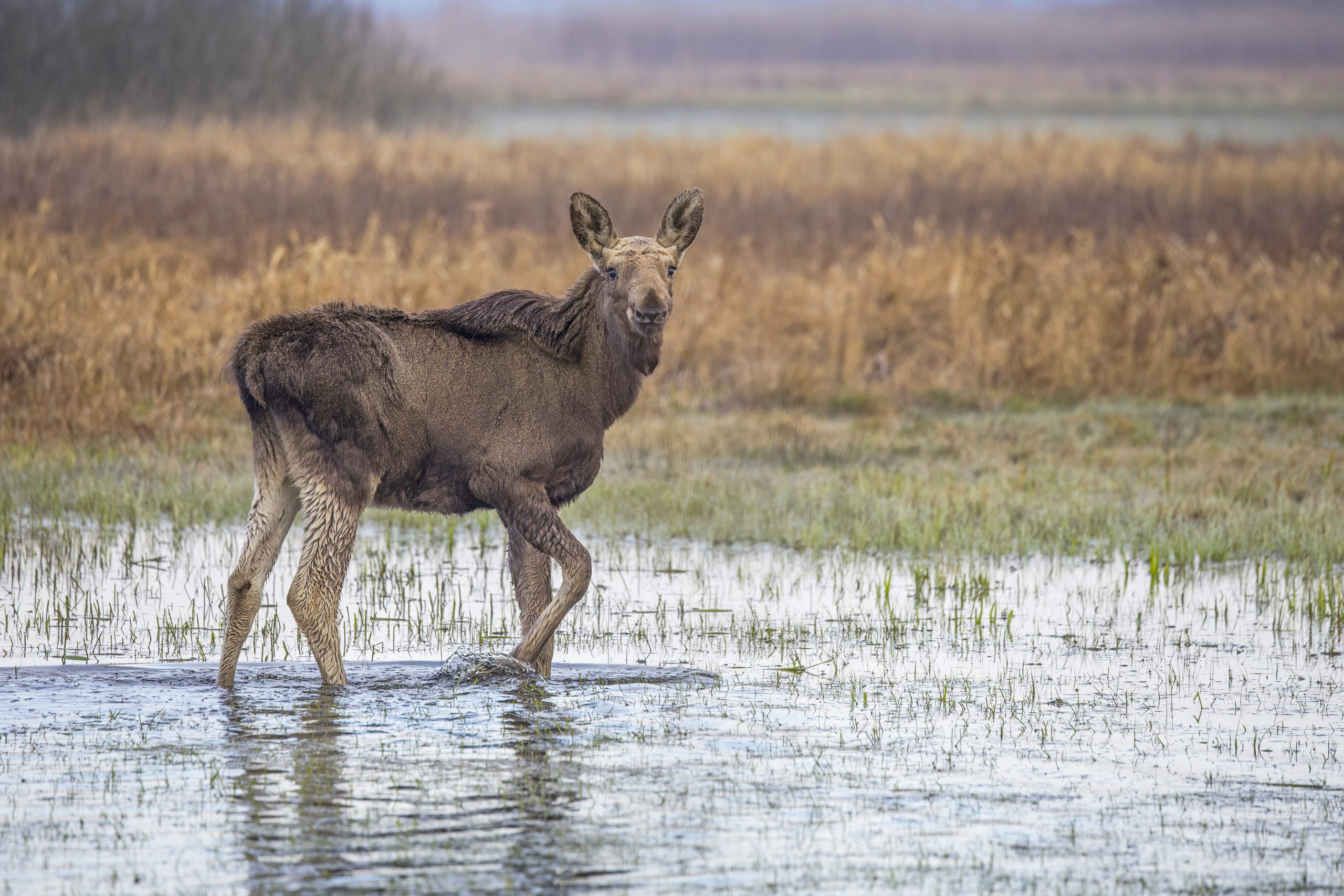
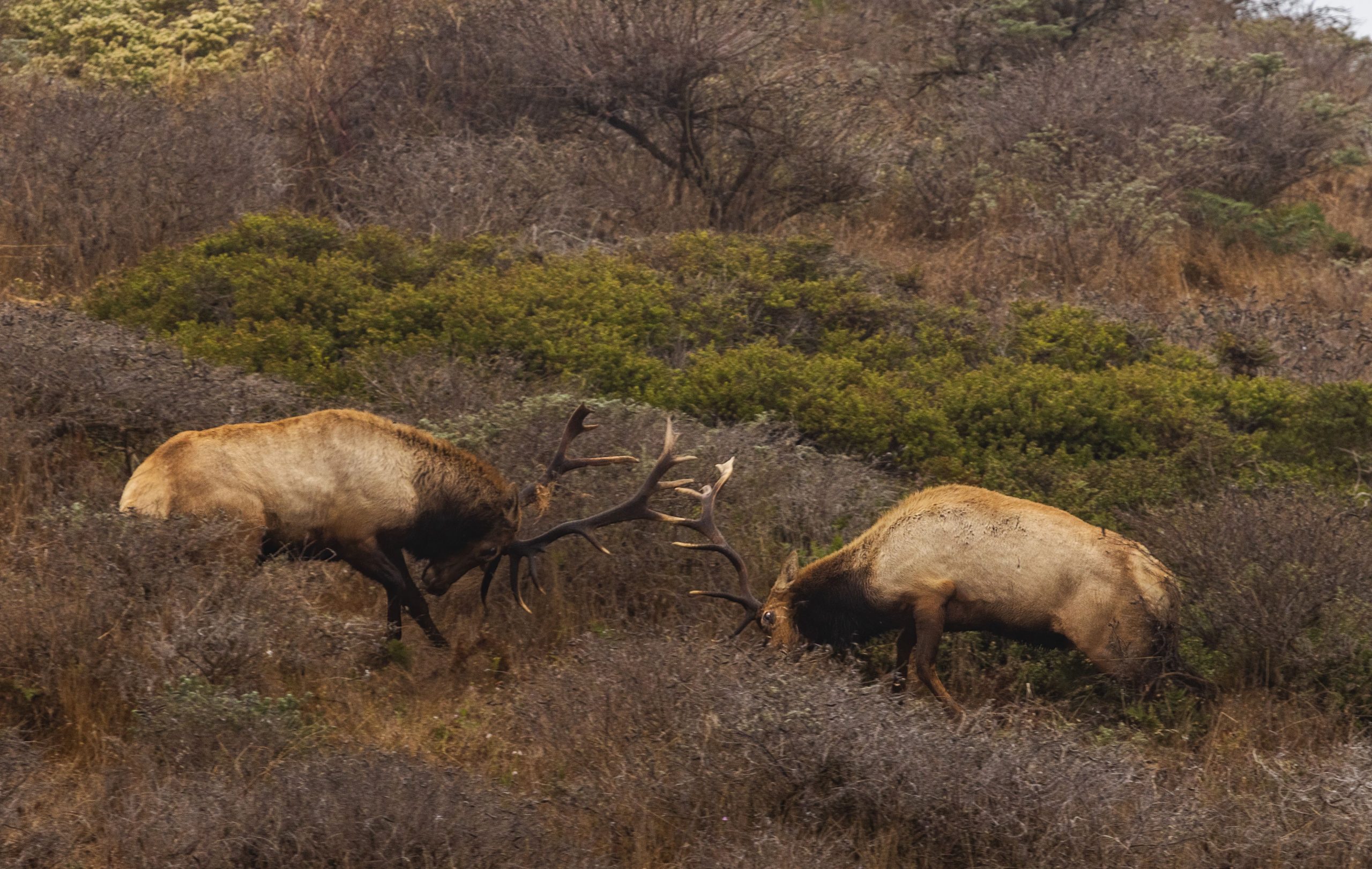
Elk undergo one of the most dramatic behavioral changes during their rut, usually occurring from September into October across much of North America. Bulls produce loud bugling calls to advertise their presence, attract cows, and warn competing males. A dominant bull may gather a group of females and aggressively defend access to them, sometimes challenging rivals through parallel displays and physical clashes. These activities can make normally quiet meadows surprisingly noisy. Bulls may also eat less while guarding a herd, losing body condition during the breeding period. Their attention shifts from routine feeding toward courtship and competition.
3. Moose
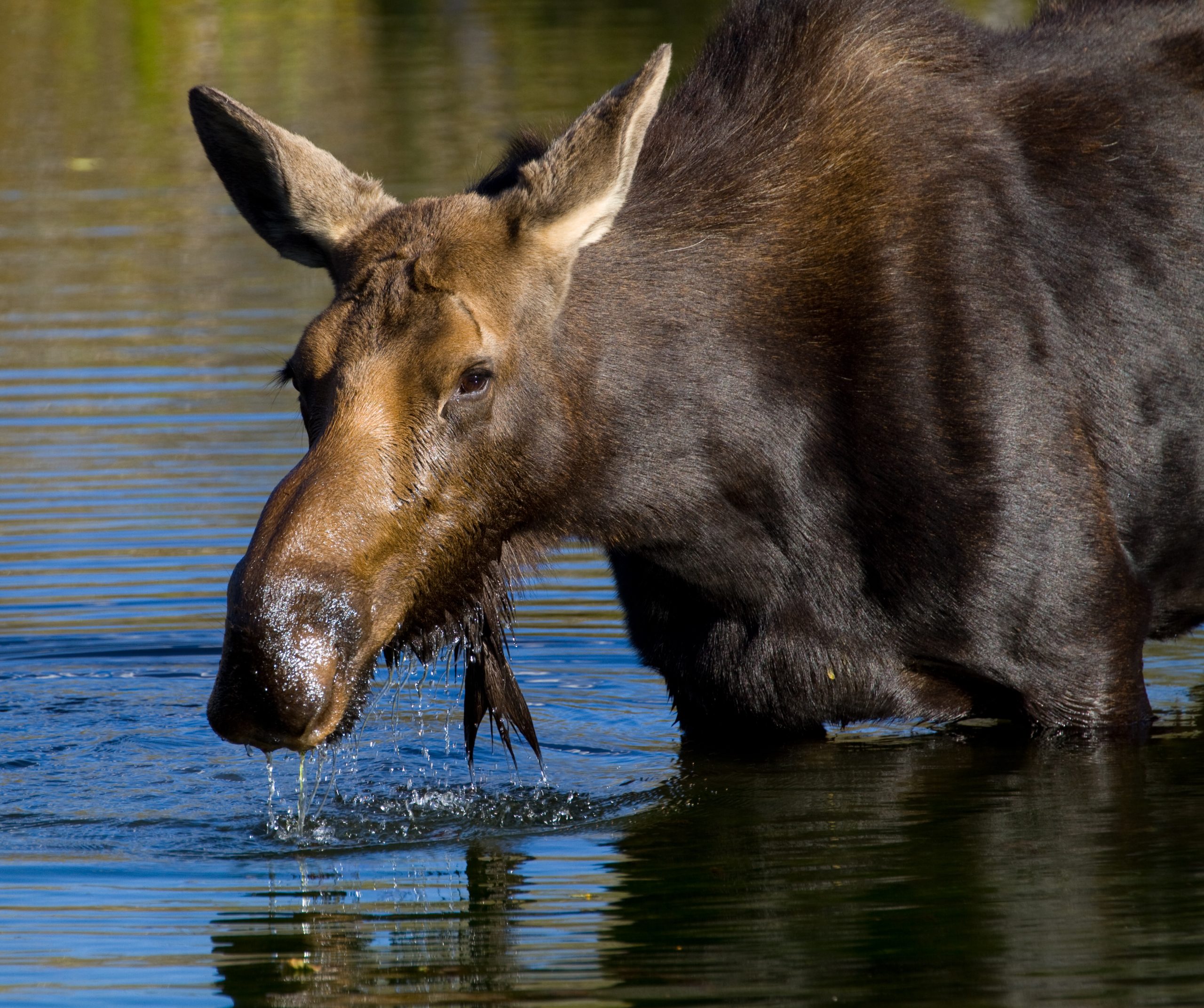
During the fall rut, bull moose become more focused on locating females and challenging competing males. Their usual solitary behavior may give way to intense interactions around receptive cows. Bulls can use grunts, scent marking, and displays of their broad antlers to communicate dominance. The breeding period commonly occurs from September through October, depending on latitude and local conditions. When rivals meet, they may engage in forceful antler contests, making close encounters dangerous. Moose can also become less responsive to disturbances while focused on breeding, so their apparent calmness should never be mistaken for safety.
4. Mule Deer
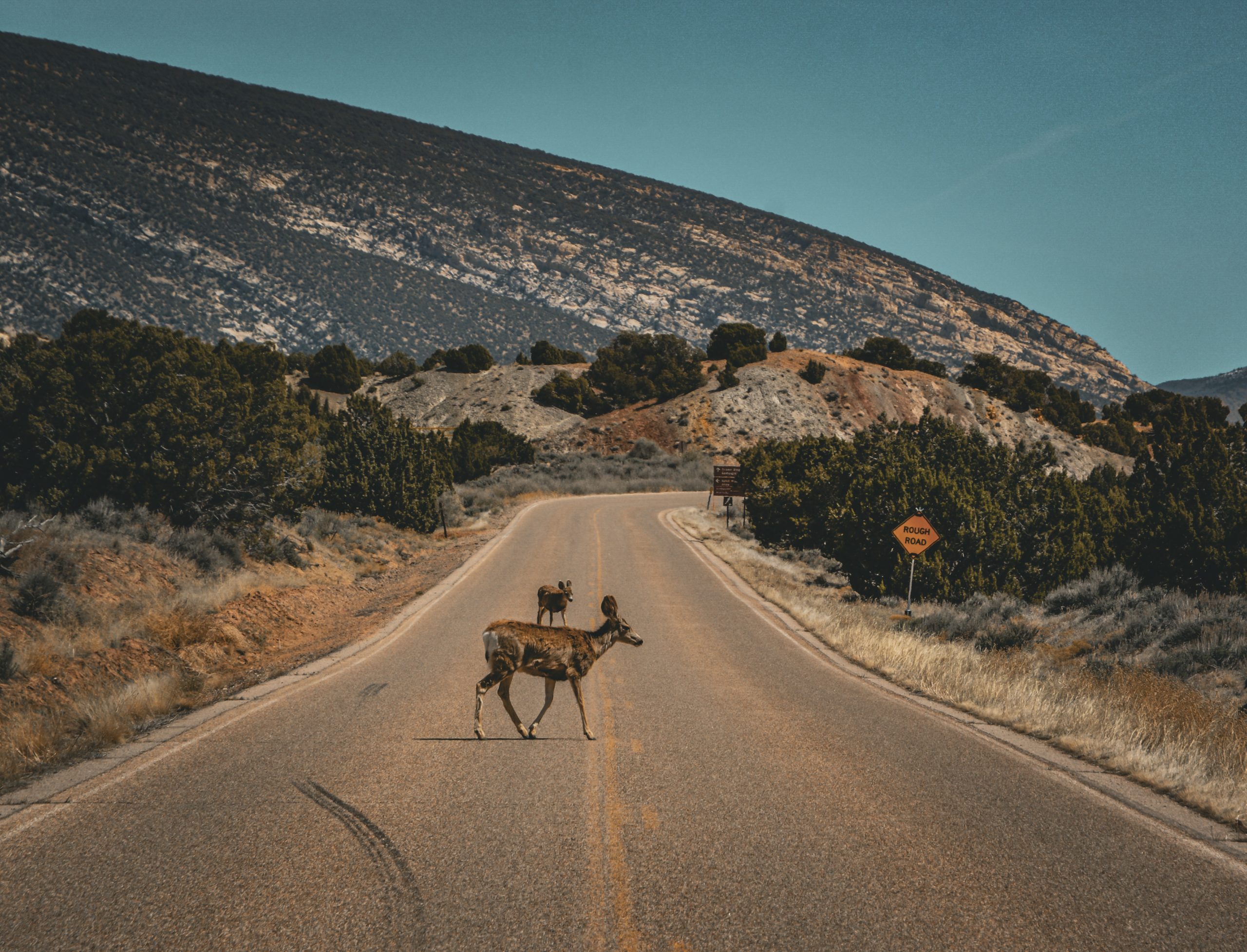
Mule deer bucks often change their movement patterns during the rut, traveling widely to locate does and investigate fresh scent. The breeding period commonly peaks in November or December, with timing varying by region and elevation. Unlike their normal feeding-focused routine, bucks may spend long periods following females and monitoring competing males. Their large ears and characteristic bounding gait remain useful for recognizing the species, but behavior becomes less predictable during courtship. Mature bucks may confront one another with antler displays or direct clashes. Even deer usually seen in open country can shift between feeding areas and sheltered terrain.
5. Pronghorn
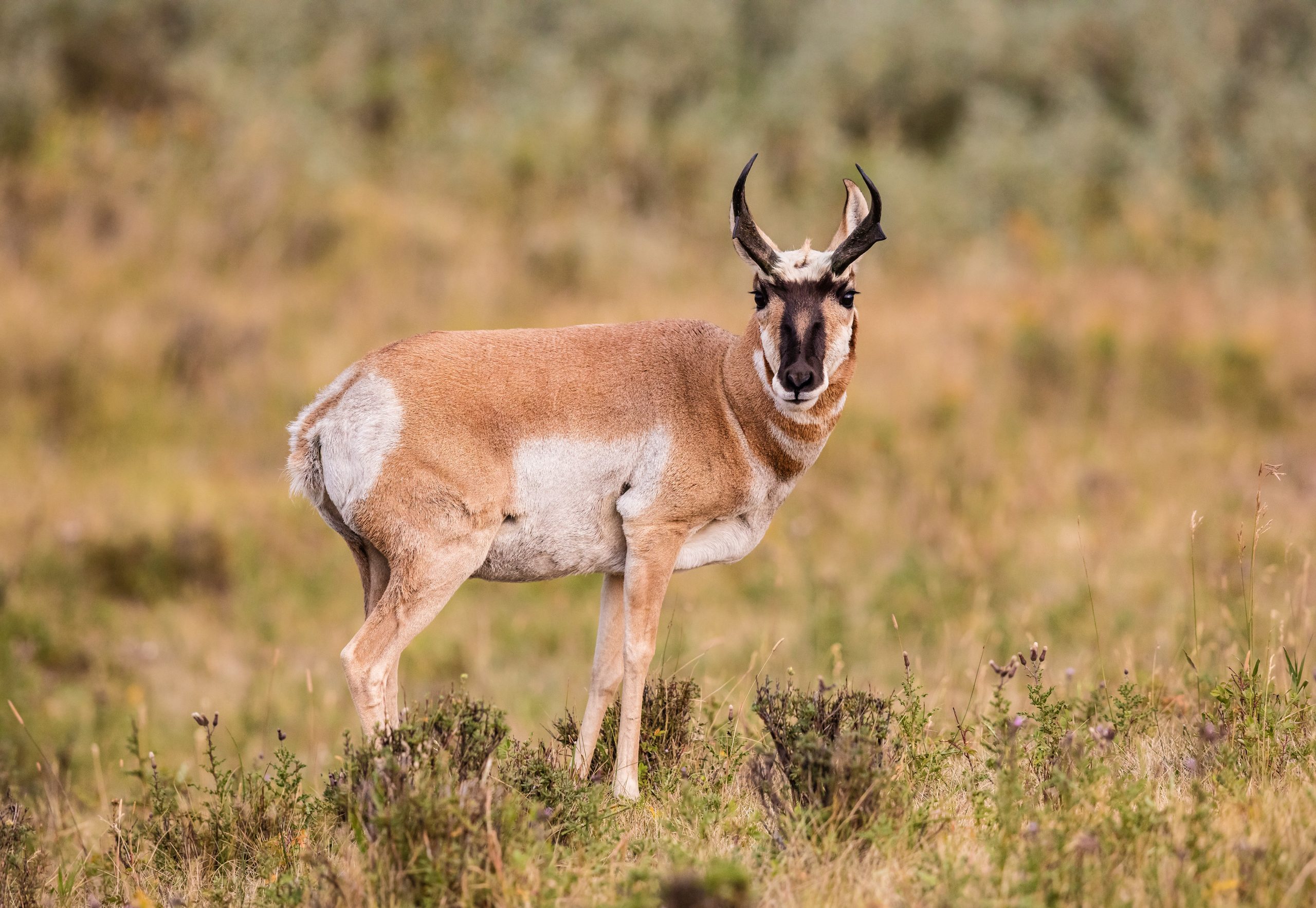
Pronghorn bucks become notably territorial during the breeding season, which generally takes place from late summer into early fall. A male may defend a defined area, patrol its boundaries, and attempt to keep rival bucks away from females. These displays can include head movements, scent marking, and short chases across open grassland. Pronghorn are exceptionally fast, capable of reaching speeds around 55 miles per hour over short distances, although actual speed varies with conditions. During the rut, their attention shifts toward rivals and breeding opportunities, creating sudden bursts of activity across otherwise quiet plains.
6. Black Bear
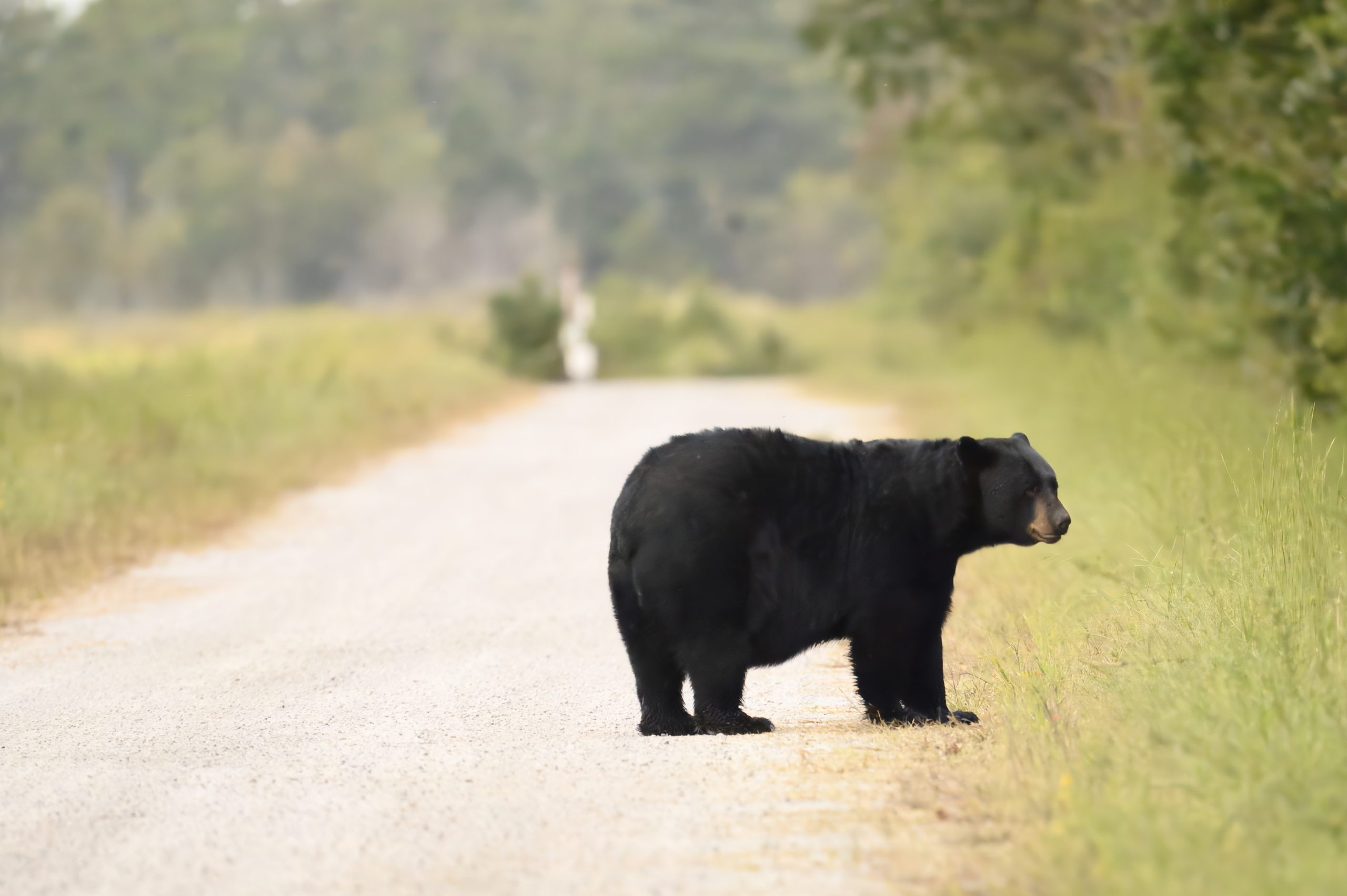
Black bears differ from deer and elk because they do not establish the same kind of conspicuous, herd-centered rut. Their breeding season generally runs from late spring through summer, with timing varying by region. Males may travel considerable distances to locate females, sometimes crossing areas they normally visit less frequently. Females can mate with multiple males, and competition may occur when several bears encounter the same receptive female. Although bears may be less focused on routine feeding while searching for mates, they still need substantial energy. Their movements can therefore overlap with familiar food sources, making cautious observation essential.
7. Wild Turkey
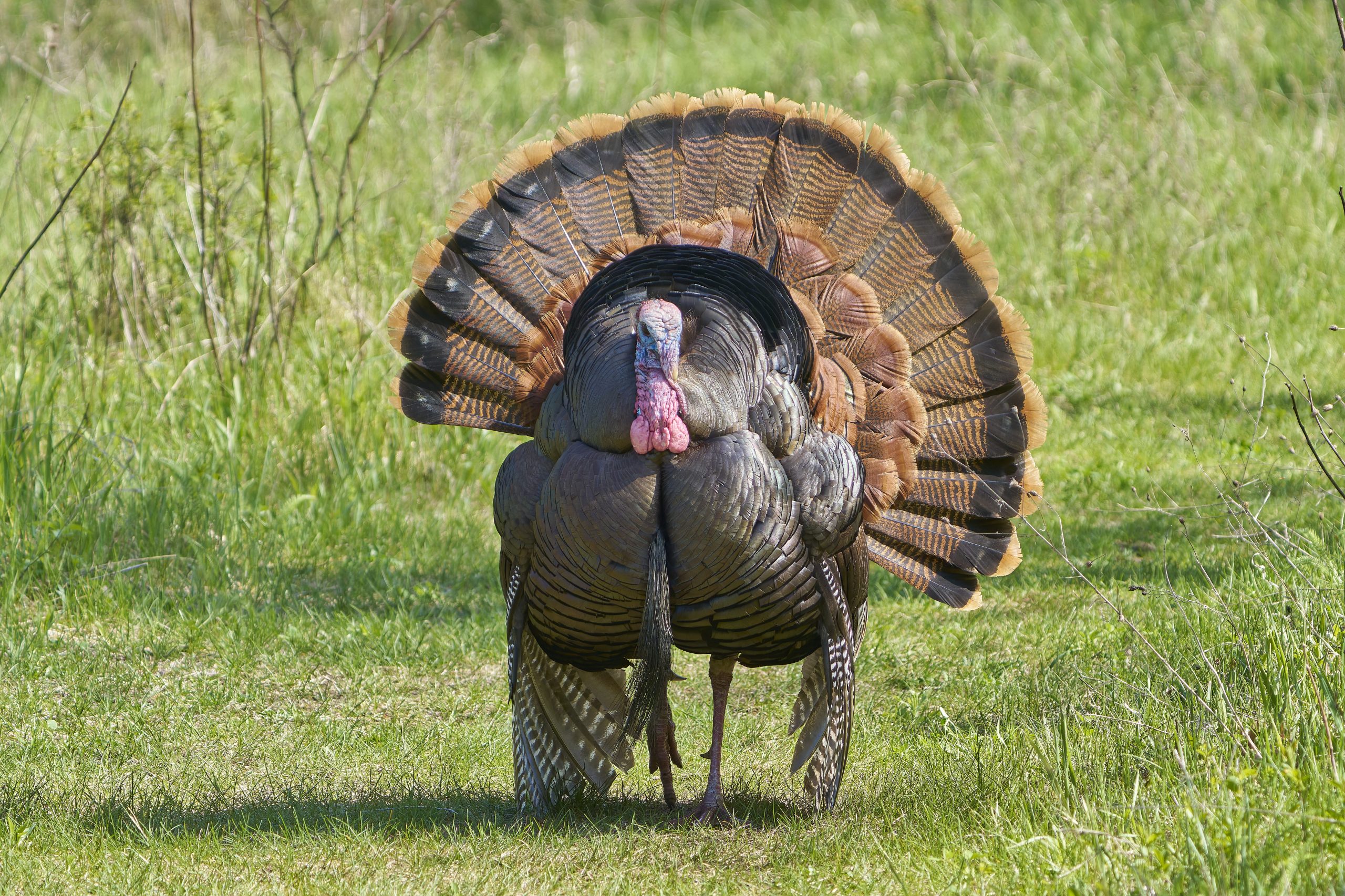
Wild turkeys show a clear shift in behavior during their spring breeding season, generally beginning in March or April in many parts of the United States, with northern areas often starting later. Gobblers call repeatedly to attract hens, fan their tail feathers, and strut to display their size and plumage. Males may compete for dominance through displays and occasional physical confrontations. A gobbler can spend considerable time responding to calls or following hens instead of feeding normally. Since hens select nesting sites after mating, flock patterns can change as the season progresses. These courtship routines make turkey behavior noticeably different from winter flocking.