Squirrel hunting can be surprisingly different depending on the species, its habitat, and its daily behavior. Some squirrels spend much of their time climbing tall trees, while others move through open woodlands, dense forests, or rocky country. Their size, coloration, feeding habits, and reactions to danger can all affect how hunters observe and identify them. North America has several squirrel species that present distinct challenges in the field. Understanding these differences helps hunters appreciate the wildlife they encounter and recognize why the same approach may not work equally well in every habitat.
1. Eastern Gray Squirrel
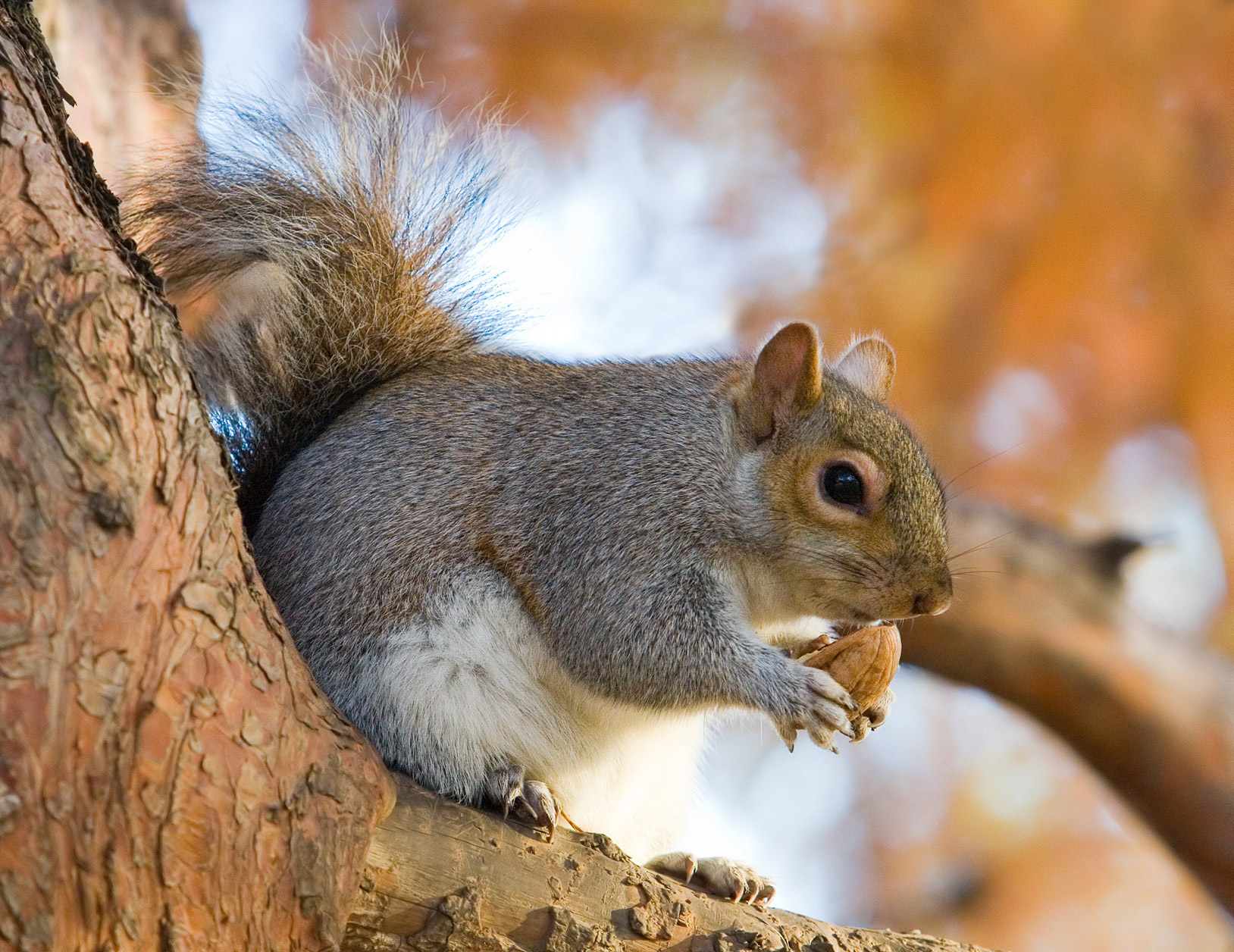
Eastern gray squirrels are common in mature hardwood forests, parks, and suburban woodlots across much of eastern North America. Their gray, brown, or occasionally black coats can blend into shaded trunks, while their long tails help them balance as they move between branches. They feed heavily on acorns, hickory nuts, and other seeds, so activity may change as food becomes available. Their alert calls and quick movement make careful identification challenging, especially where leaves and branches hide part of the animal. Look-alike color variations mean coat color alone is not reliable.
2. Eastern Fox Squirrel
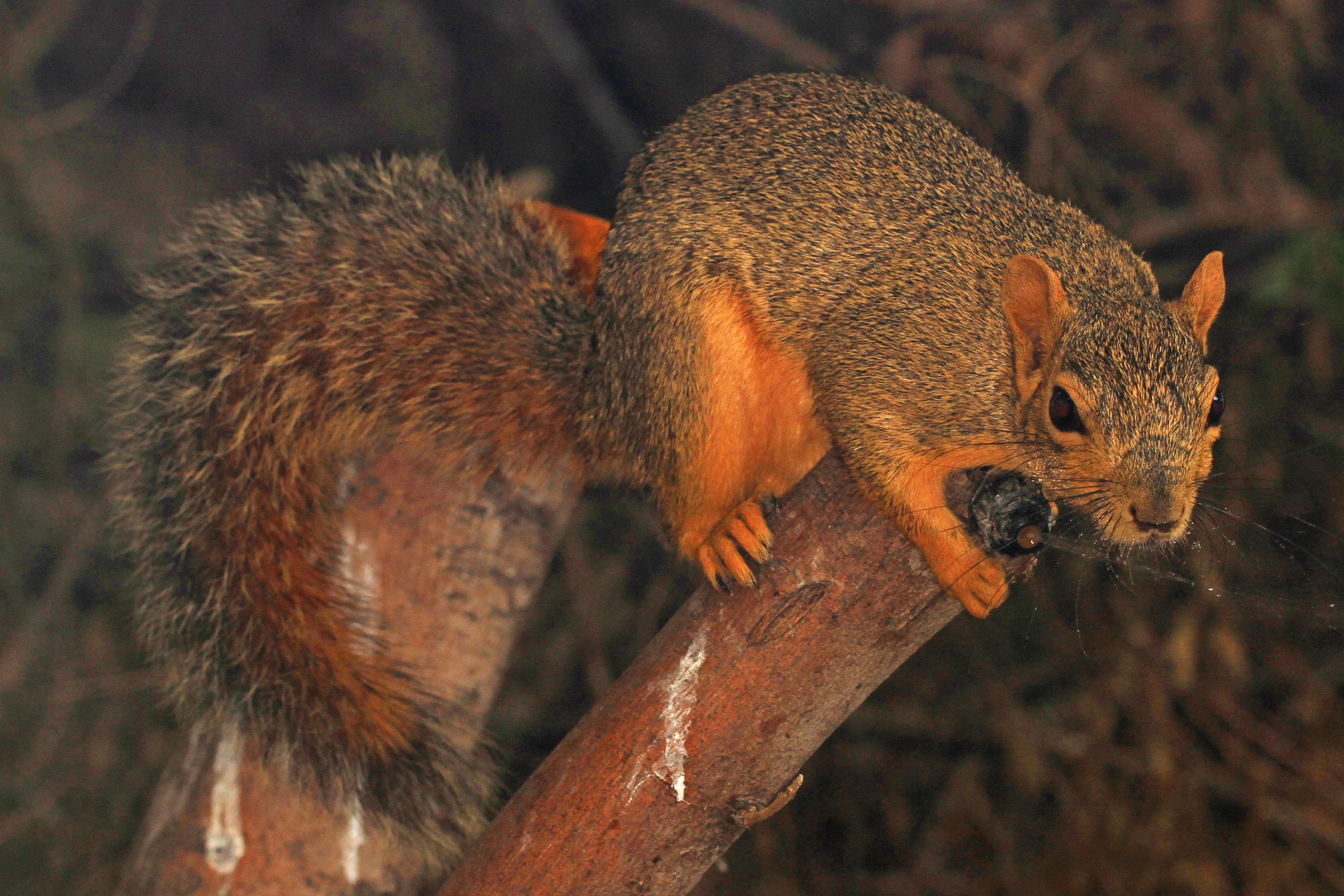
The eastern fox squirrel is generally larger than the gray squirrel and often uses open oak-pine woods, woodland edges, farm groves, and scattered mature trees. Its coat can range from rusty yellow and orange to gray or nearly black, so appearance varies by region. Fox squirrels often spend more time on the ground searching for nuts and seeds, which can make them easier to spot in open areas but harder to follow when they reach cover. Mature trees with cavities provide shelter. Their size and color differences reward patient observation rather than quick assumptions.
3. American Red Squirrel
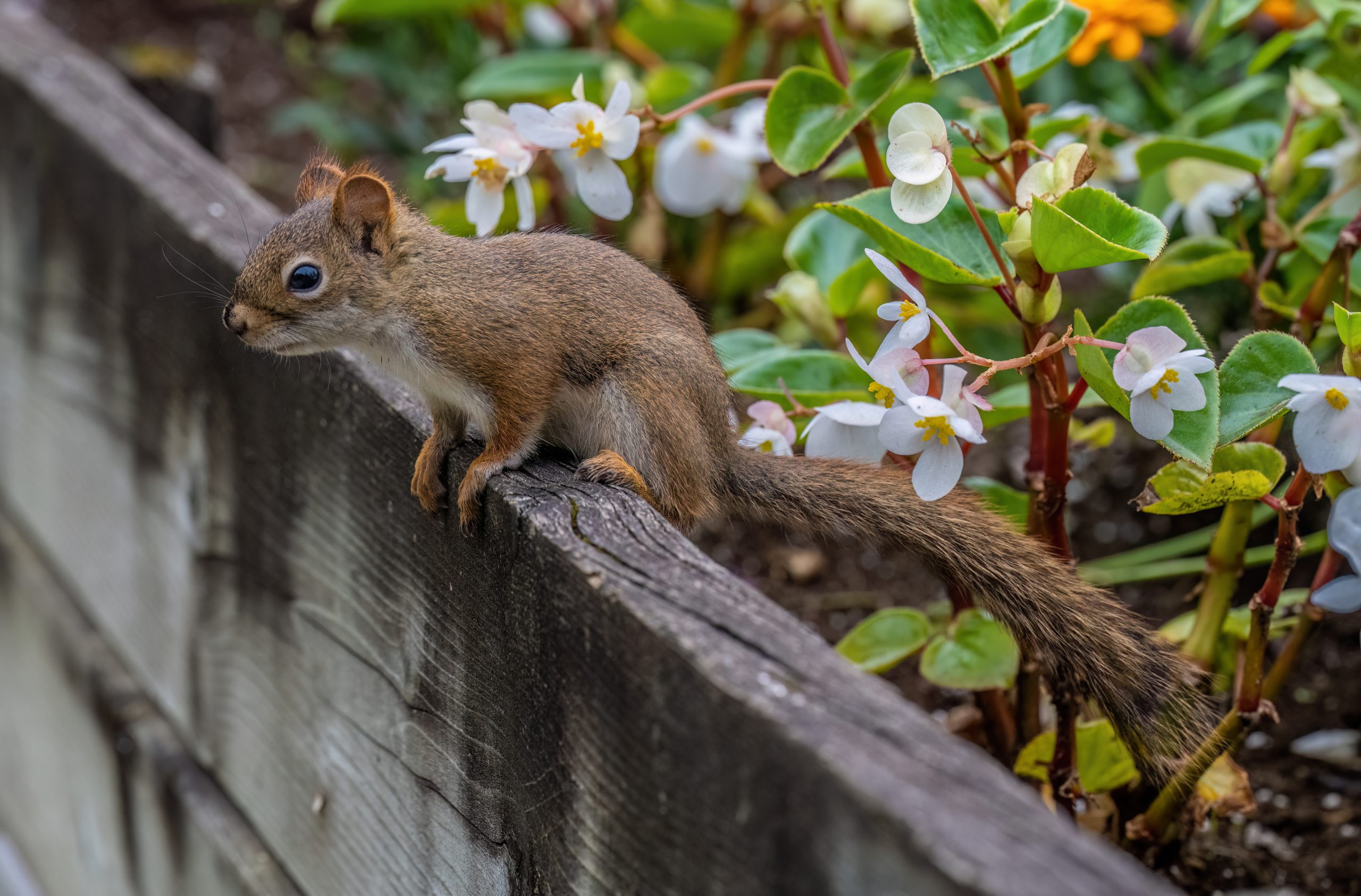
American red squirrels are smaller, lively residents of conifer forests, where spruce, pine, and fir seeds provide much of their food. Their reddish backs, pale eye rings, and sharp calls can help distinguish them from larger tree squirrels, but they dart quickly around trunks and branches. They often defend a food cache or territory noisily, giving away their presence before they are clearly visible. In some regions, they are protected or subject to different rules from gray and fox squirrels, so hunters should confirm local regulations before treating them as a legal small-game species.
4. Douglas Squirrel
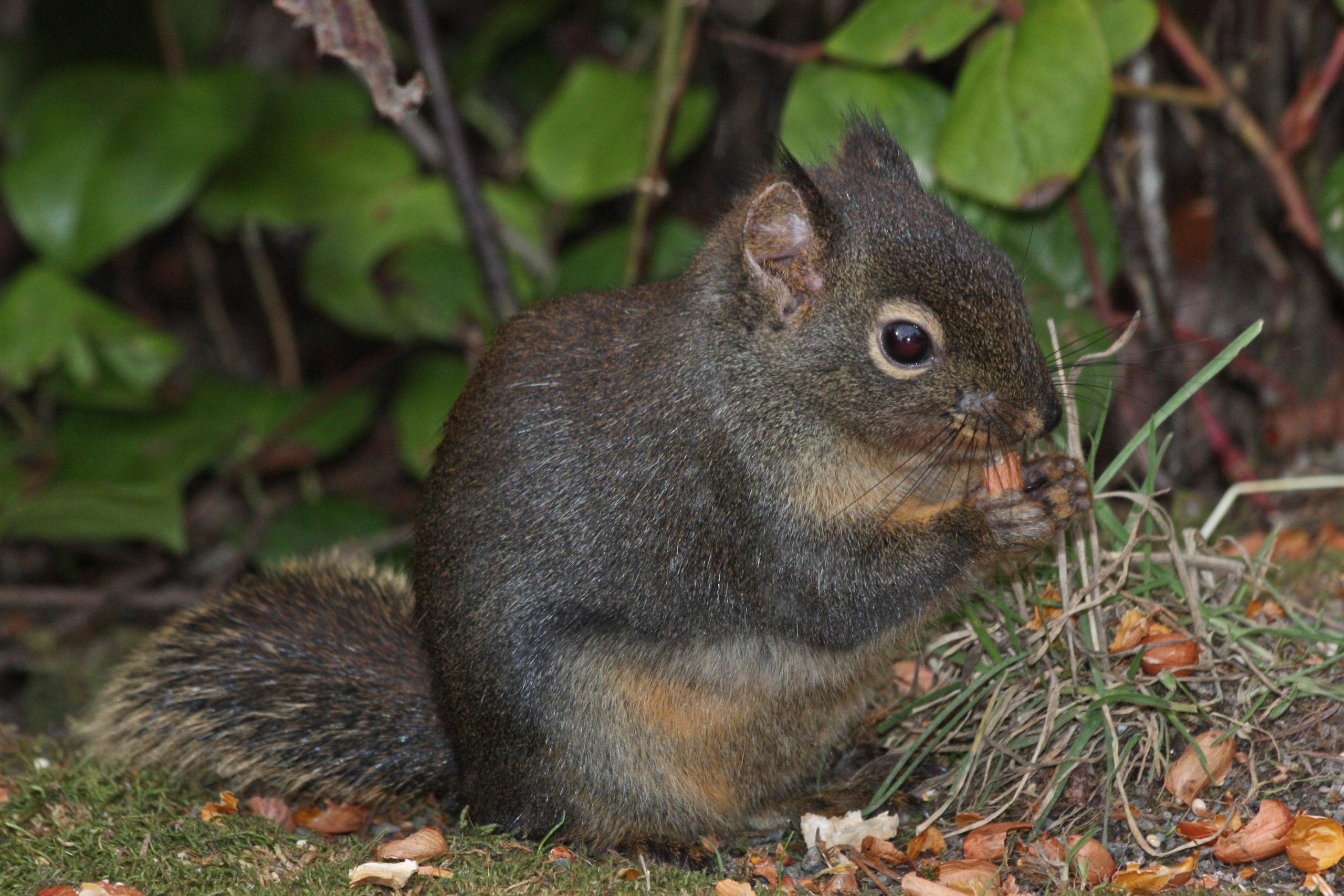
The Douglas squirrel inhabits conifer forests of the Pacific Northwest, especially areas with Douglas-fir and other cone-producing trees. Its compact body and reddish-brown coloring can resemble the American red squirrel, making location an important clue. Douglas squirrels store cones, and their calls may reveal activity high in the canopy. Thick evergreen branches can obscure the animal, while similar-looking species add another challenge. Its range is limited compared with eastern gray squirrels, and its legal status differs by jurisdiction, so check current wildlife rules before any hunt.
5. Western Gray Squirrel
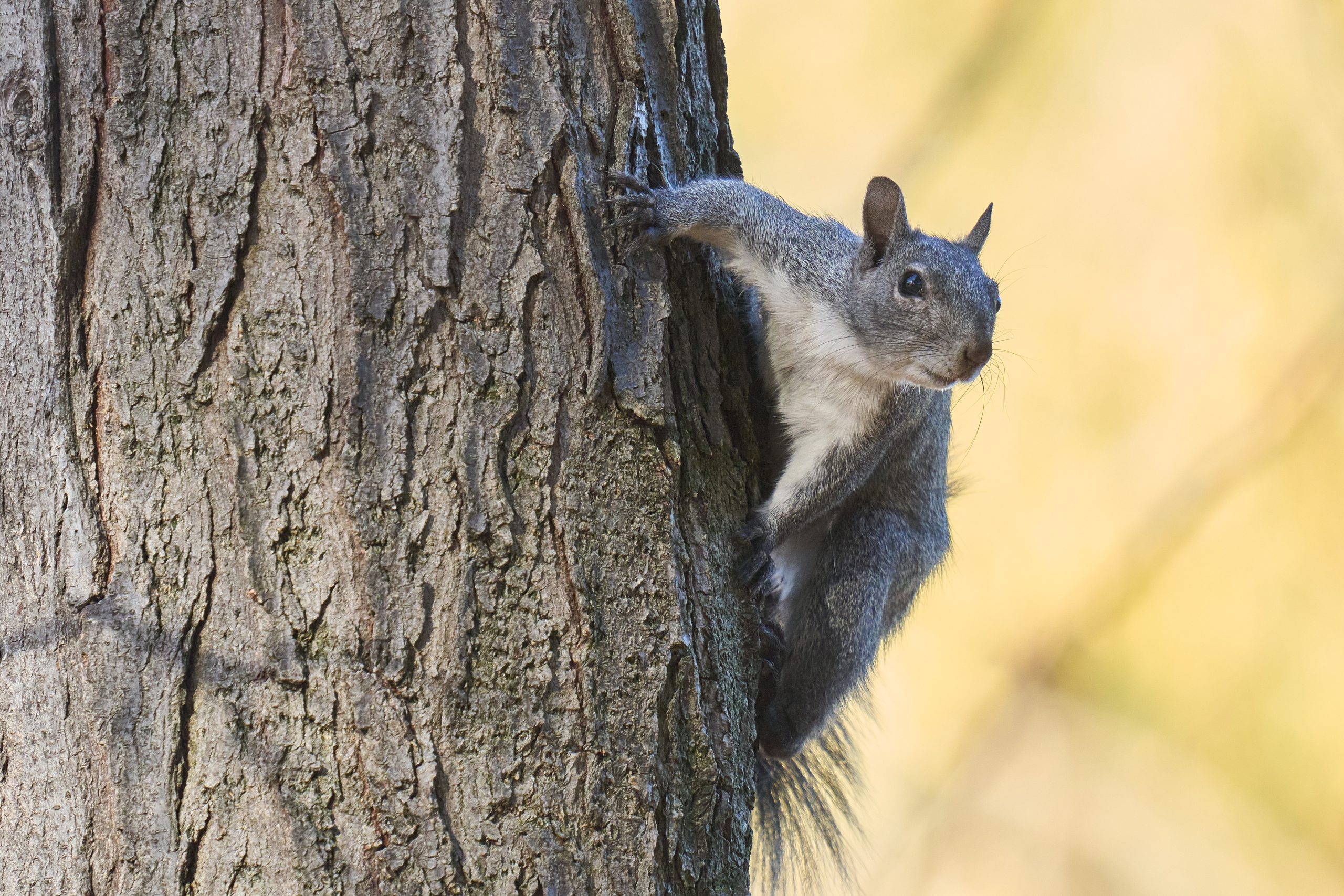
The western gray squirrel lives mainly in oak woodlands and mixed forests of the western United States. Its silvery-gray coat, large ears, and especially bushy tail help set it apart from several other species, although distance and poor light can make identification uncertain. It may forage on the ground for acorns before climbing into the canopy, where branches provide cover and escape routes. Habitat loss has affected some populations, and legal protections apply in parts of its range. Hunters must verify the species and local rules rather than assume every squirrel is harvestable.
6. Abert’s Squirrel
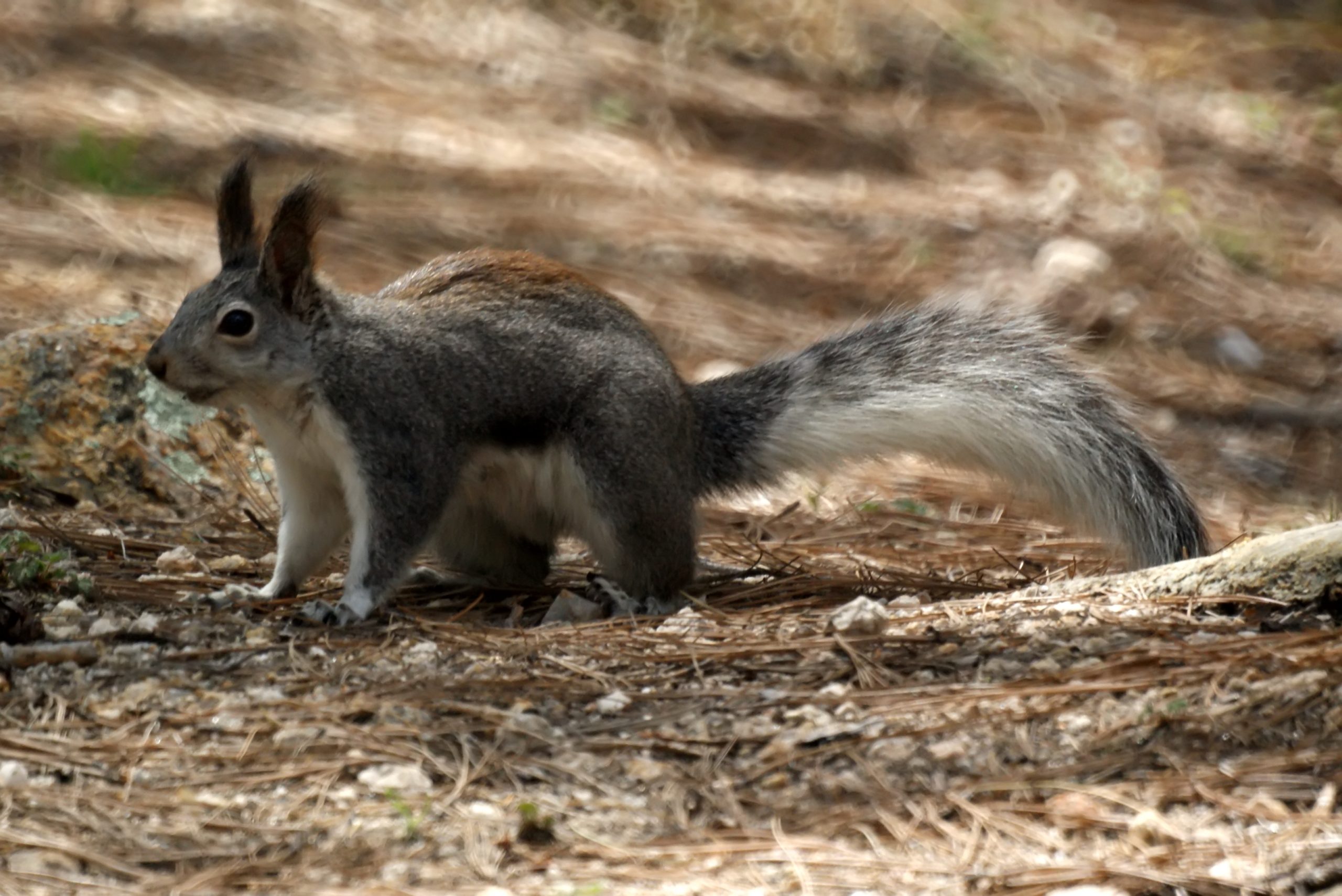
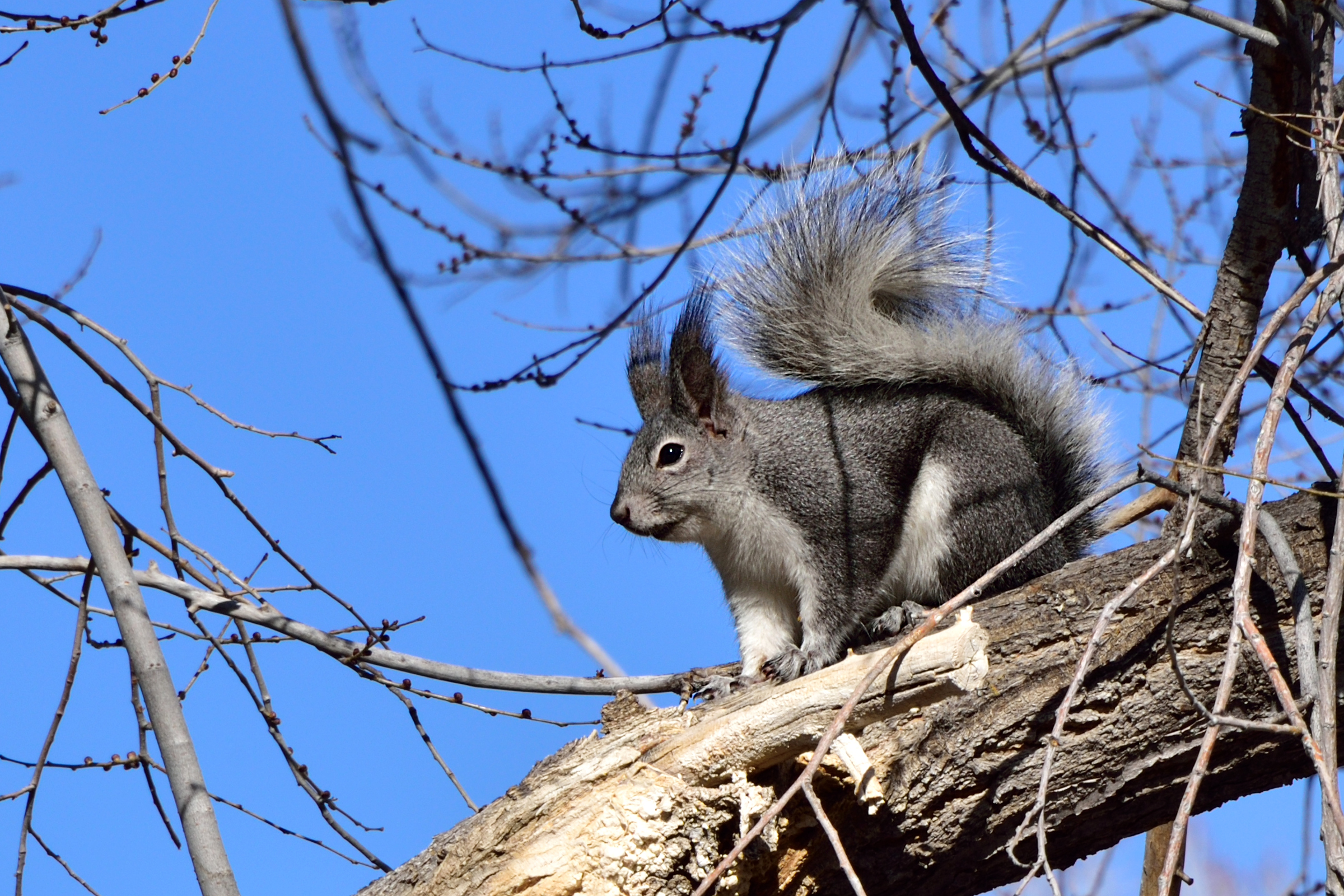
Abert’s squirrel is closely associated with ponderosa pine forests in parts of the southwestern United States and Rocky Mountain region. Its long, tufted ears are especially noticeable in winter, while its gray body and pale underside can blend with tree bark and dry branches. It feeds on pine seeds, buds, and inner bark, often spending much of its time in the trees. Forest structure and seasonal food supplies influence where it is seen. Because its range and regulations are regional, careful identification and a current check of local hunting rules are essential.
7. Thirteen-lined Ground Squirrel
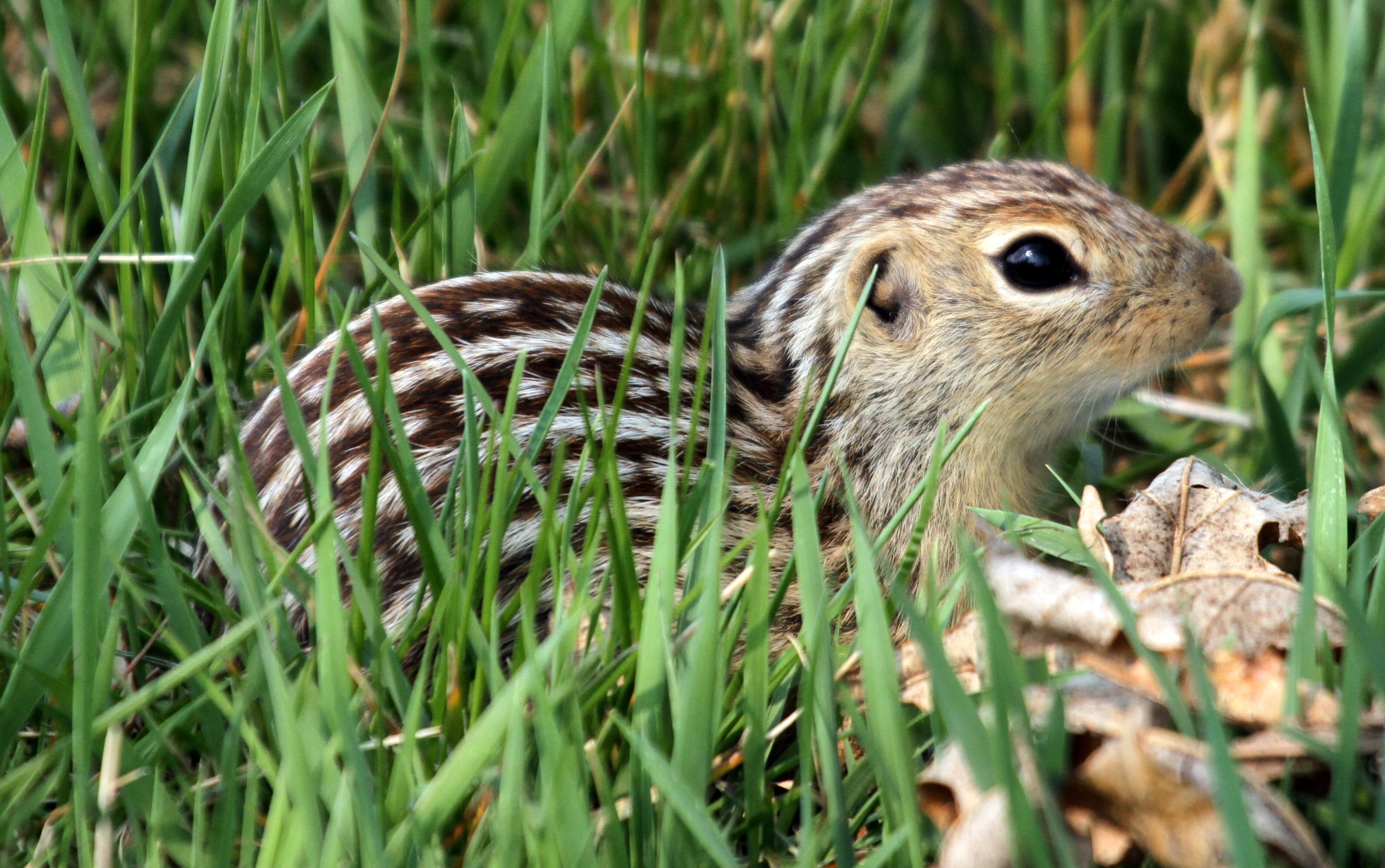
Unlike tree squirrels, the thirteen-lined ground squirrel spends much of its time on open grasslands, prairies, and short-grass fields. Its cream-colored stripes and rows of pale spots are distinctive. It uses burrows for shelter and may disappear underground when disturbed, making sightings brief. Its smaller body and ground-dwelling habits create a different challenge from squirrels seen climbing trees. This species is not legally huntable everywhere, and some places protect it or regulate take differently. Confirm the exact species and local rules before considering small-game hunting.