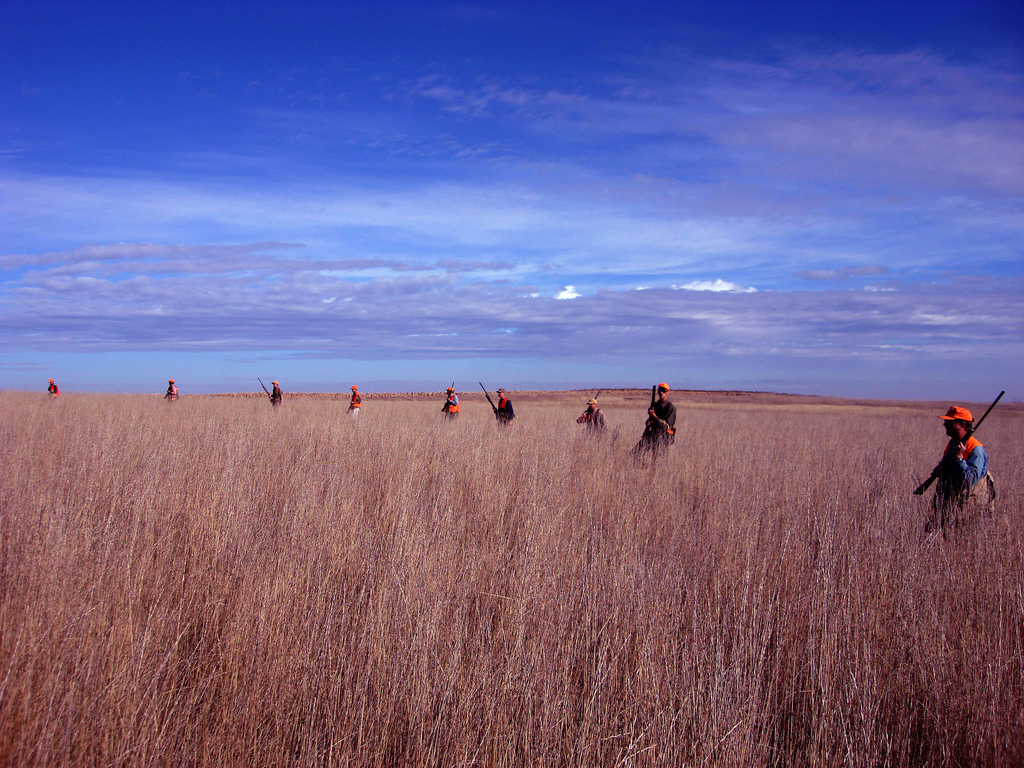
Camouflage is one of the most effective ways game animals avoid detection in North America. Instead of relying entirely on speed, many species blend into forests, grasslands, wetlands, and snowy landscapes until danger passes. Their colors, markings, body shapes, and natural behaviors help break up their outlines against surrounding vegetation. Some change coat color with the seasons, while others remain remarkably difficult to distinguish from shadows, leaves, or dry grass. Understanding these adaptations reveals why even familiar animals can remain hidden in plain sight across a wide range of hunting environments.
1. White-Tailed Deer
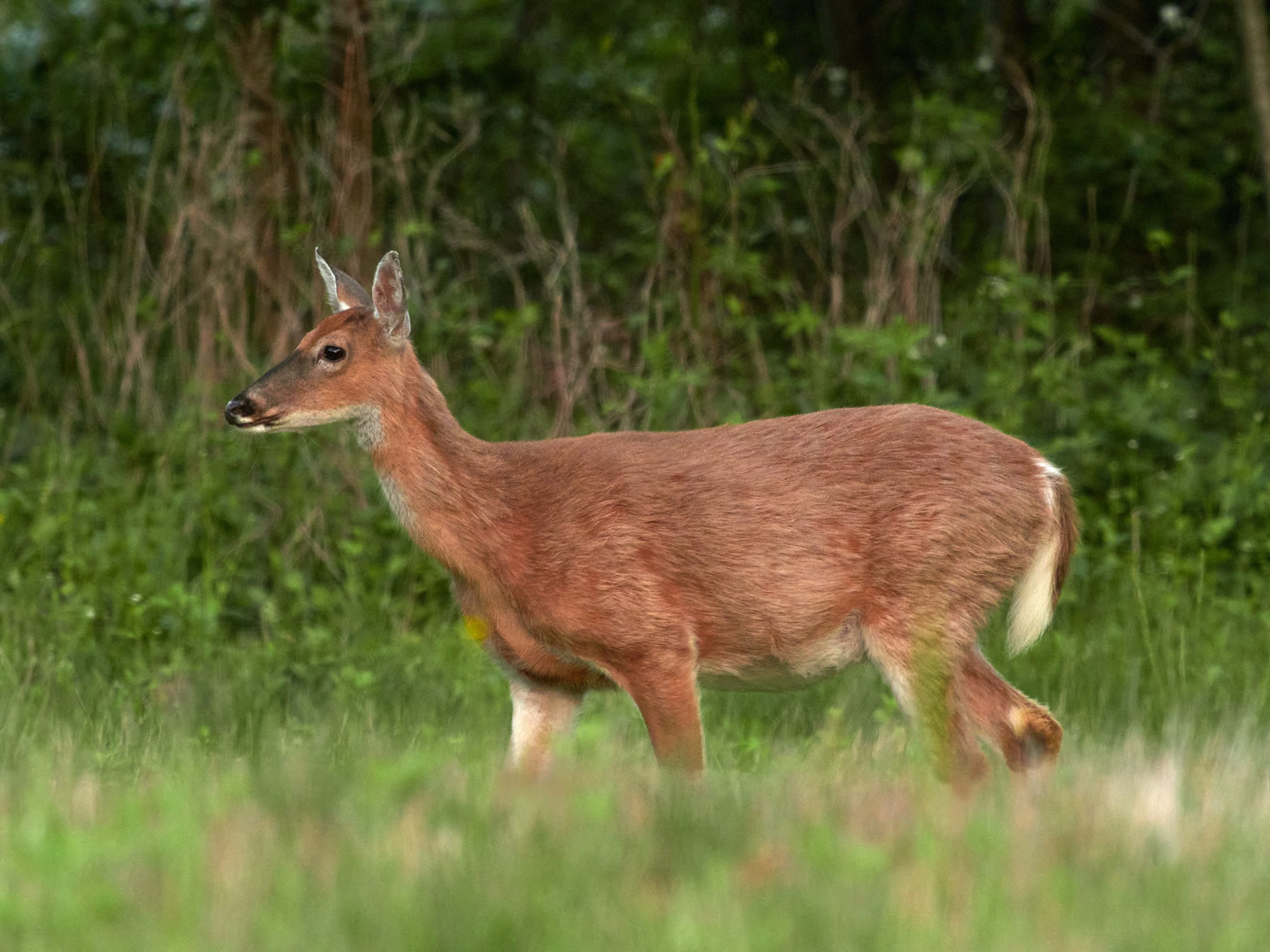
White-tailed deer use a reddish-brown summer coat and a grayer winter coat to blend into changing surroundings. Their coloring helps them disappear among tree trunks, fallen leaves, and patches of woodland shadow. Fawns have white spots across their backs during early life, breaking up their outlines in dappled sunlight. Adults also remain motionless when they sense danger, making their bodies difficult to distinguish from vegetation. With a shoulder height of roughly 2 to 3.5 feet, a deer can stand surprisingly close without being noticed when its coat matches the background.
2. Mule Deer
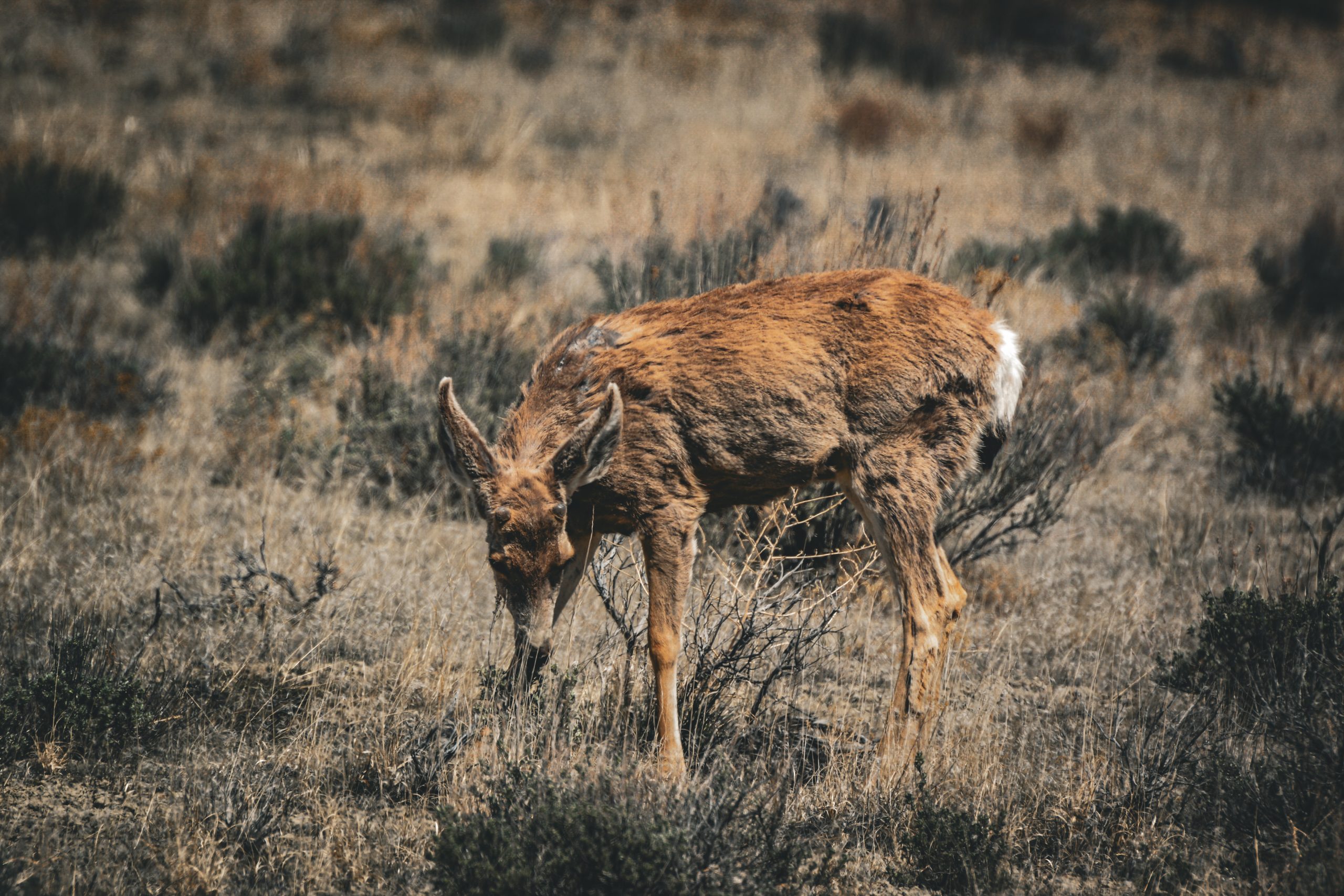
Mule deer rely on grayish-brown coats that blend well with rocky slopes, dry grass, and sparse mountain vegetation. Their large ears help detect approaching danger, while their tendency to pause among shrubs makes their outlines harder to recognize. In western North America, this camouflage is especially useful across open terrain where concealment is limited. Adults commonly stand about 3 feet tall at the shoulder, depending on sex and location. Their pale rump patches may be visible when they move, but when stationary, the muted coat can make a deer almost indistinguishable from surrounding rocks and earth.
3. Elk
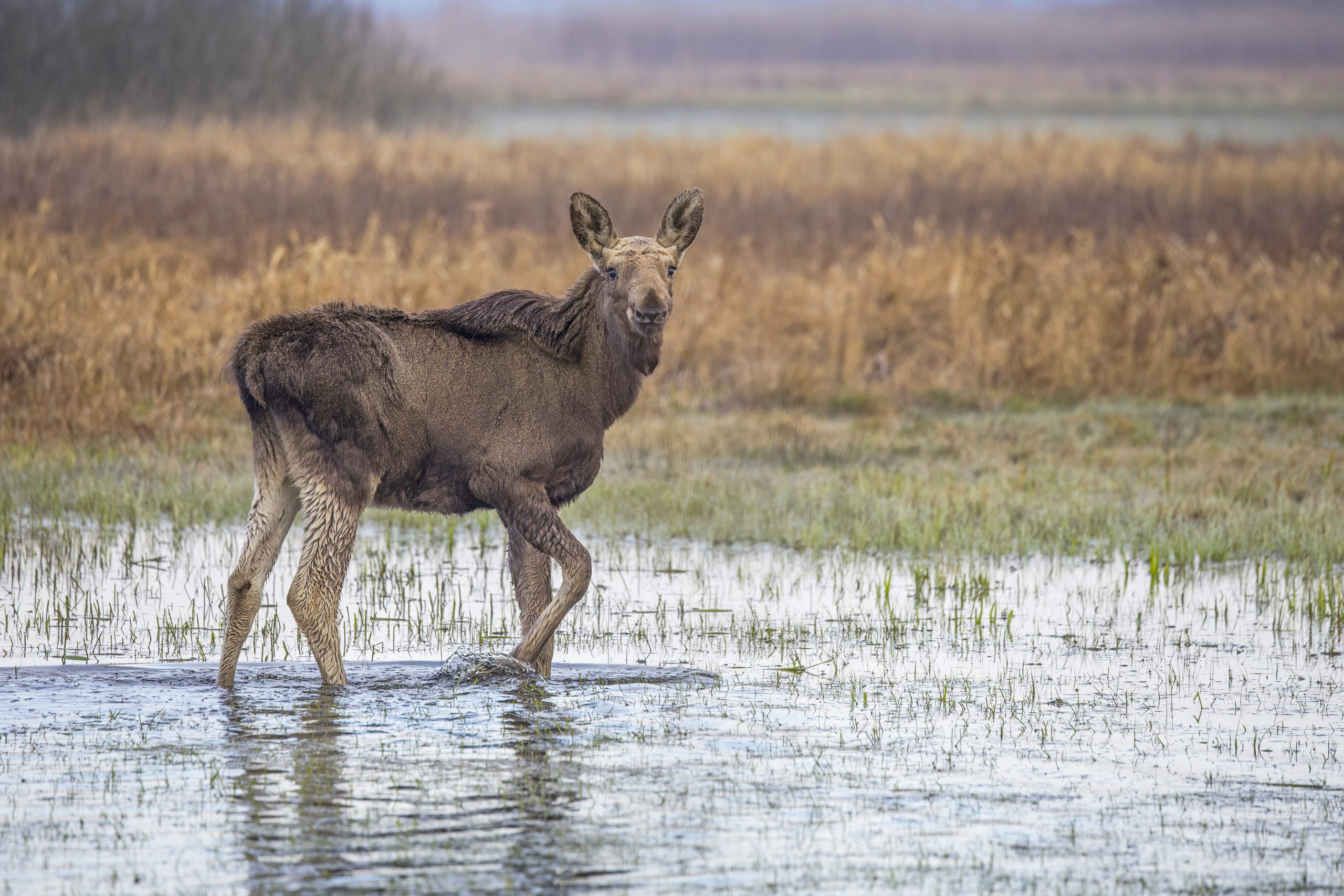
Elk use earthy brown coats to blend into forest edges, tall grass, and shadowed mountain terrain. Their darker necks and lighter tan bodies create natural shading that can break up their outline, particularly in uneven light. During autumn, fallen leaves and dried vegetation provide backgrounds that closely match their coloring. Adult bulls can weigh more than 700 pounds, yet their size does not always make them easy to spot when they stand behind timber or brush. Elk often pause to assess disturbances, allowing their natural coloration to conceal them before they decide whether to move away.
4. Snowshoe Hare
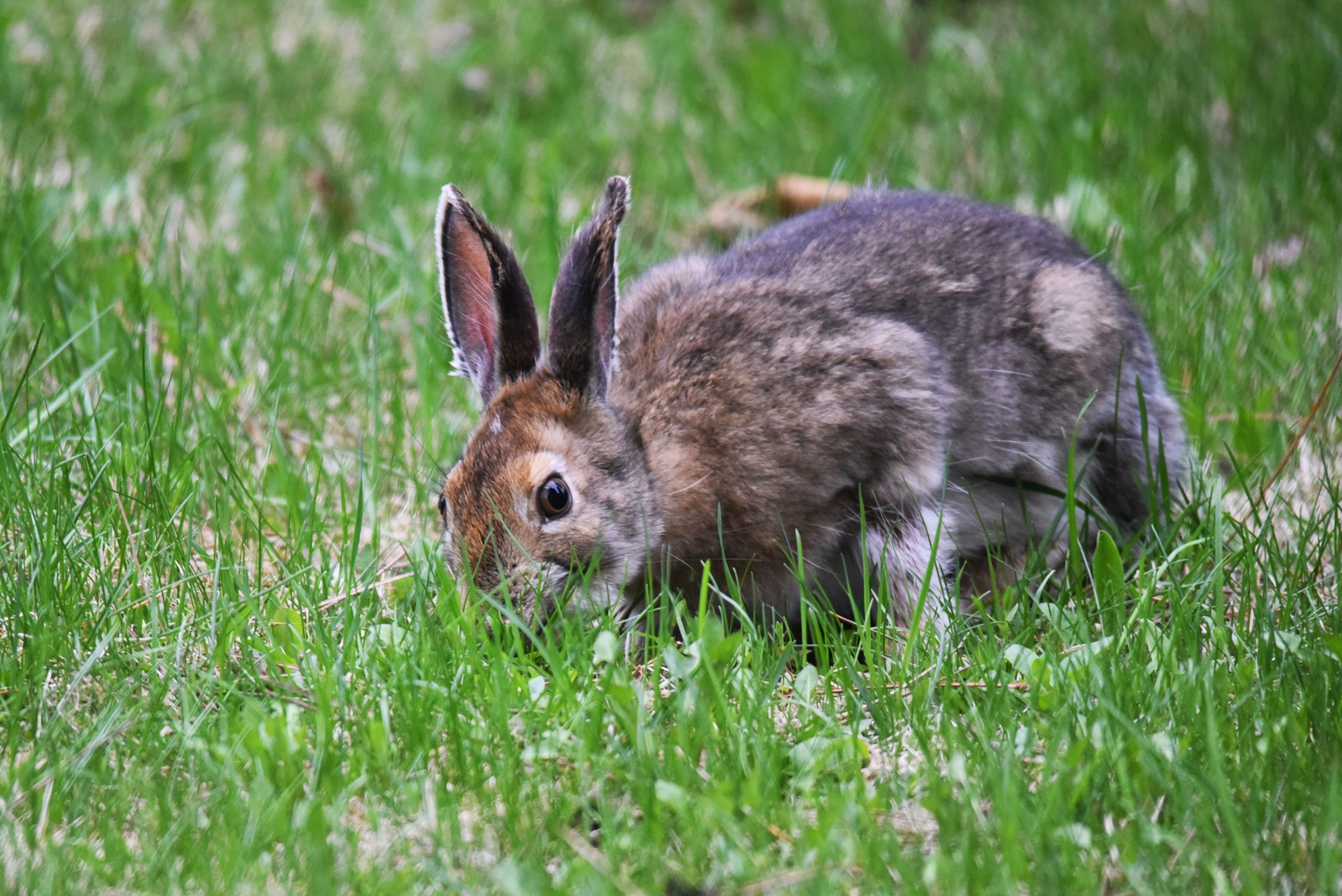
Snowshoe hares are famous for seasonal camouflage. In many northern populations, their summer coats are brown, while winter coats become predominantly white as snow covers the ground. This change helps reduce contrast against the landscape, although timing varies with local conditions and some hares retain darker patches. Their bodies are generally around 16 to 20 inches long, excluding the tail. During daylight, they often remain still beneath branches or in dense vegetation, where their coloring and compact posture make them difficult to distinguish. When snow arrives late or melts early, however, a white coat can become conspicuous.
5. Ruffed Grouse
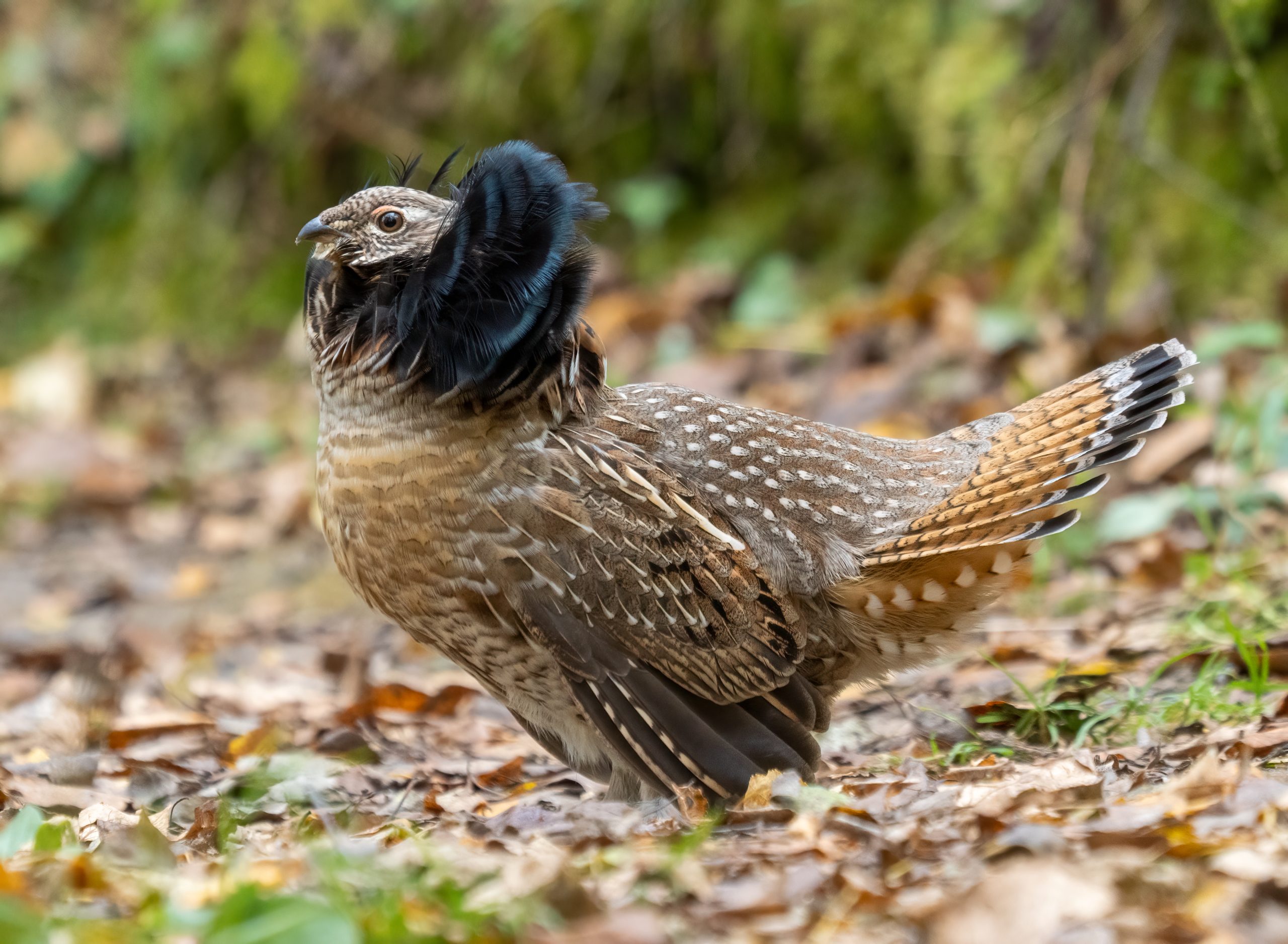
Ruffed grouse use patterned feathers to disappear among fallen leaves, tree bark, and forest-floor shadows. Their plumage varies geographically, with reddish and gray color forms helping birds match different woodland conditions. Dark bars, mottled patches, and irregular markings disrupt the bird’s outline instead of creating a single obvious shape. An adult typically measures about 16 to 19 inches long. When threatened, a grouse may crouch and remain still rather than immediately fly, relying on its feathers to conceal it. This behavior can make a bird surprisingly difficult to notice just a few yards away.
6. American Woodcock
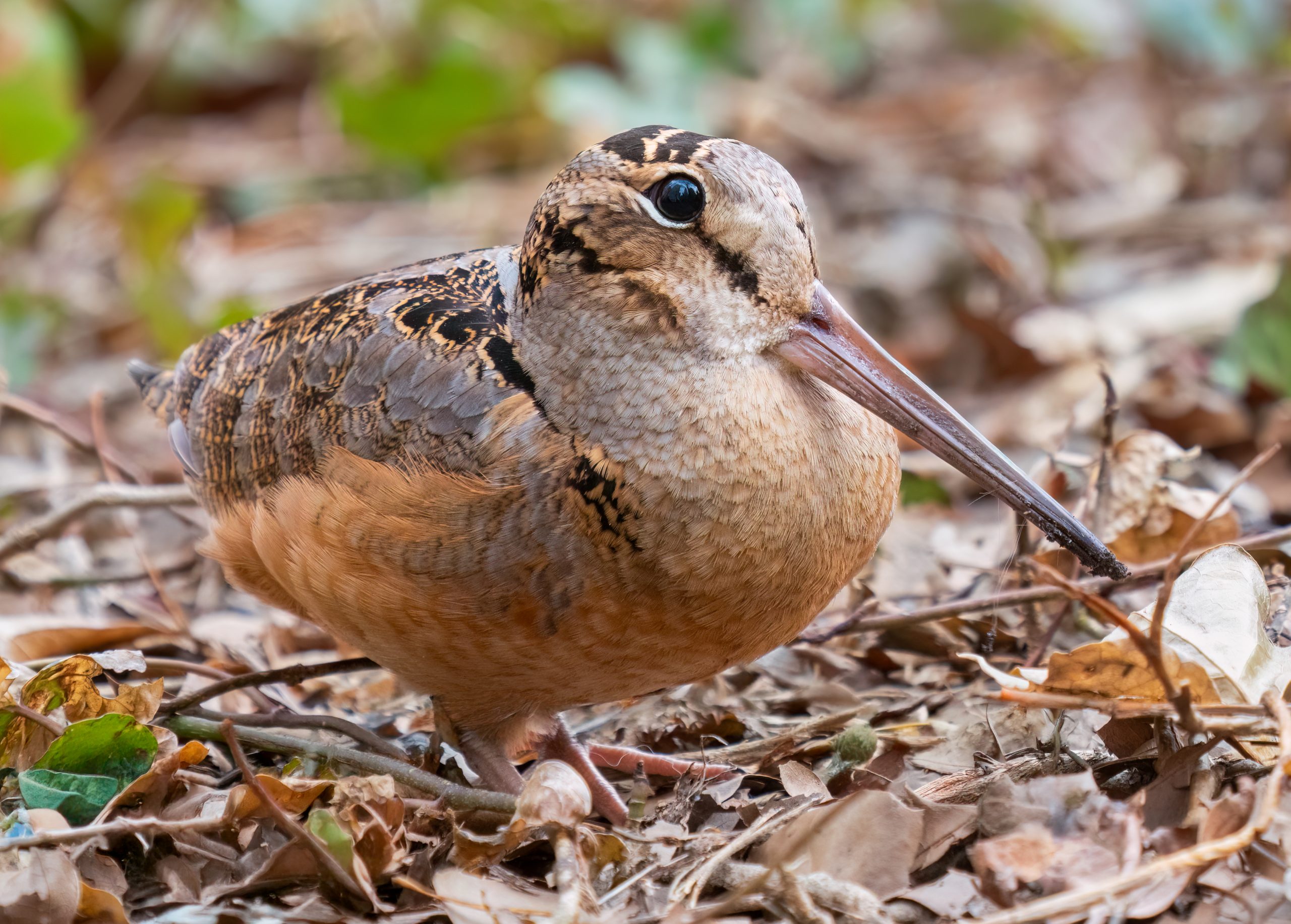
The American woodcock has intricately mottled brown, black, and buff feathers that resemble dead leaves and damp woodland soil. Its rounded body and short legs help it remain low among forest litter, where the feather pattern disguises its shape. Adults generally measure around 10 to 12 inches long, making them easy to overlook in thick cover. Woodcock often freeze when approached, trusting their natural coloring to keep them hidden until danger gets close. Their camouflage is particularly effective in young forests and brushy wetlands, where scattered sunlight creates a confusing mixture of light and dark patches.
7. Pronghorn
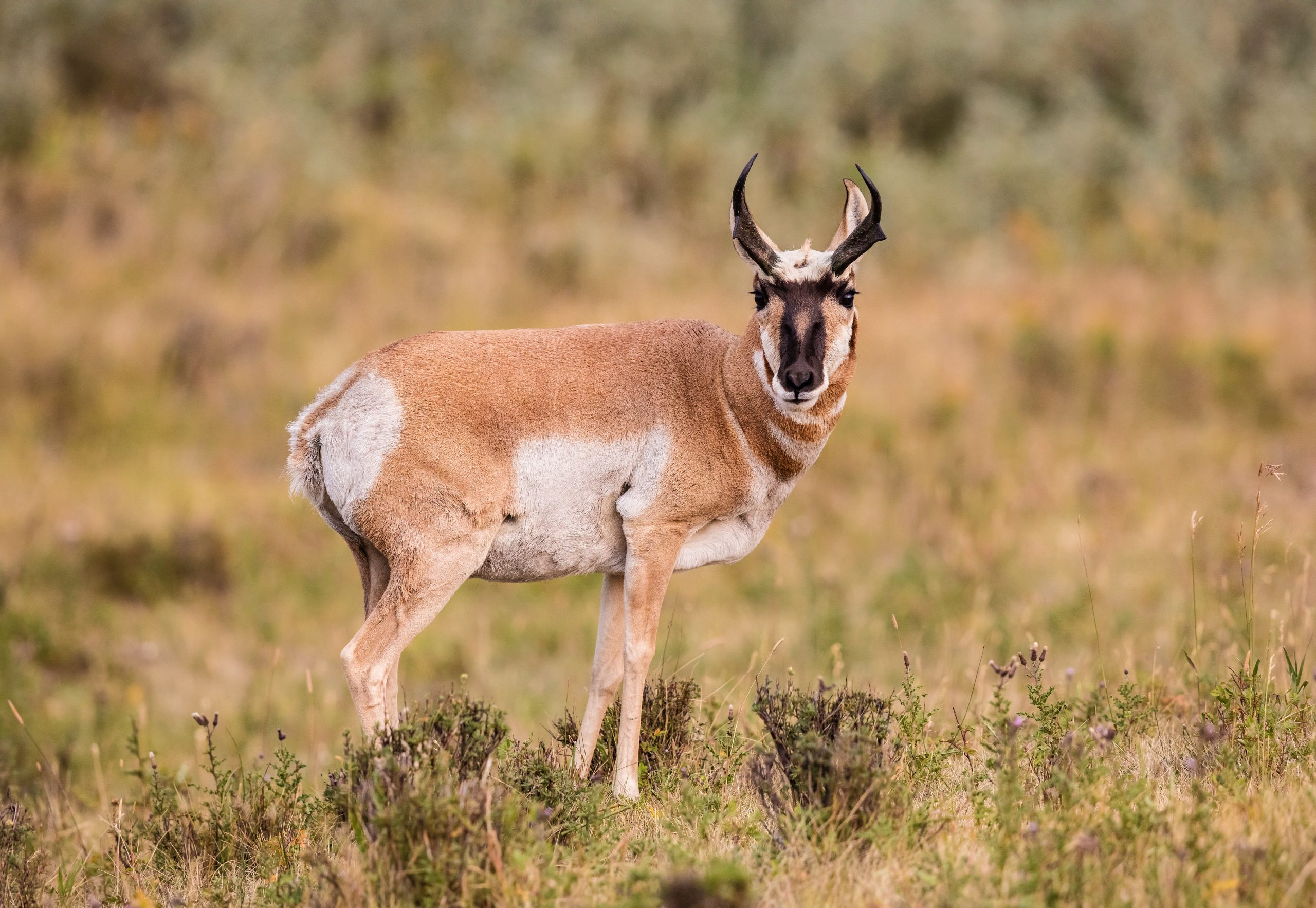
Pronghorn use tan, reddish-brown, and white markings to blend into the open grasslands and scrublands of western North America. Their sandy upper bodies often match dry vegetation and soil, while their pale undersides reduce contrast in bright surroundings. Adults stand roughly 3 feet tall at the shoulder, and their long legs help them escape quickly if concealment fails. Unlike animals hidden in dense forests, pronghorn depend on matching the colors of broad, open landscapes. They also use distance and alert posture to detect danger early, making their natural coloring one part of a wider survival strategy.
8. American Wood Duck
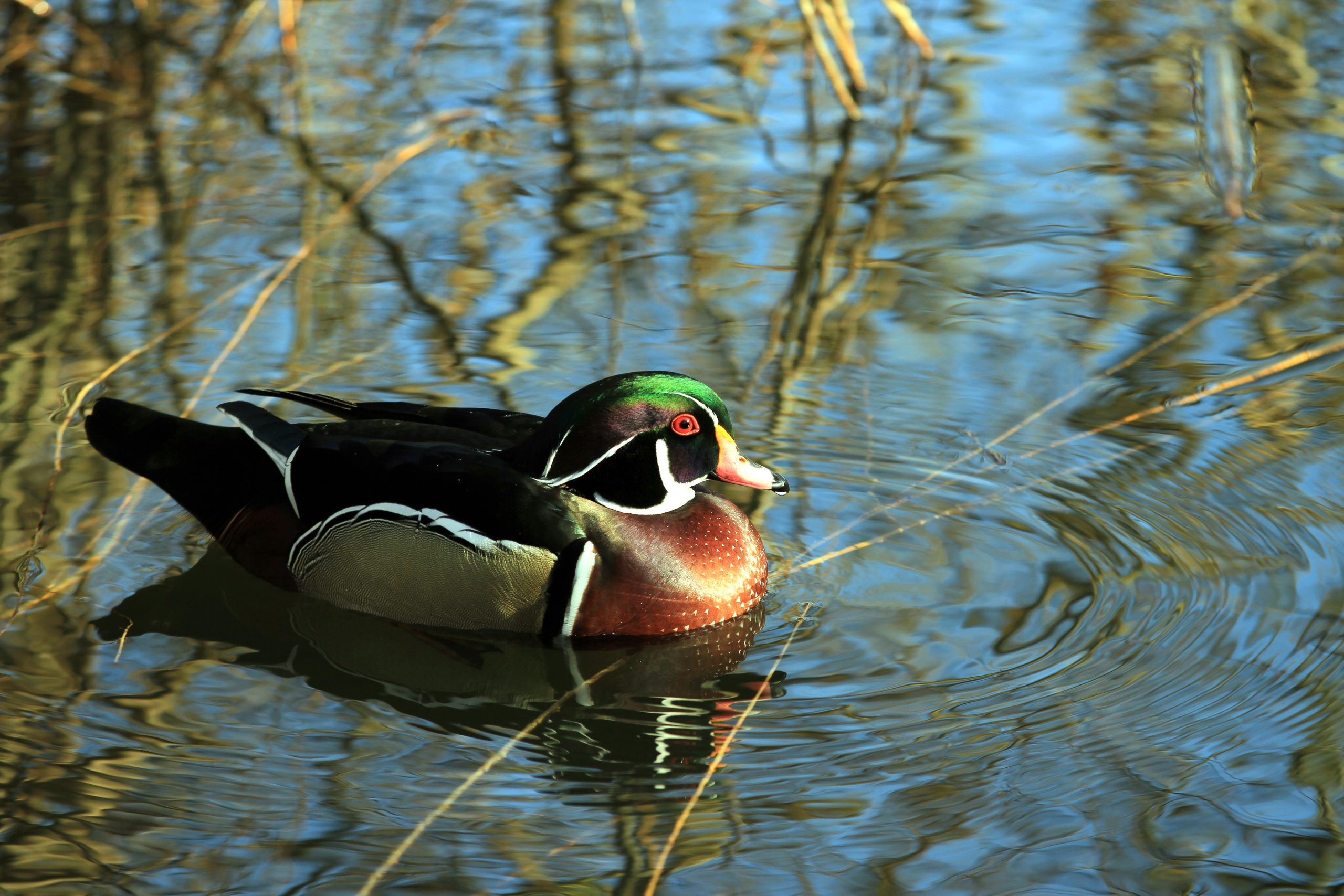
The American wood duck uses different camouflage strategies depending on sex and season. Females have mottled brown feathers that blend into nesting cavities, reeds, and shaded wetland vegetation, while males display brighter breeding plumage that is less suited to concealment. Adults measure roughly 18 to 21 inches long. Females often nest in tree cavities, sometimes more than 30 feet above the ground, where bark and surrounding foliage help conceal the entrance. In wooded wetlands, subdued female coloring and careful nesting behavior reduce visibility to predators, particularly when birds remain still among branches or dense vegetation.