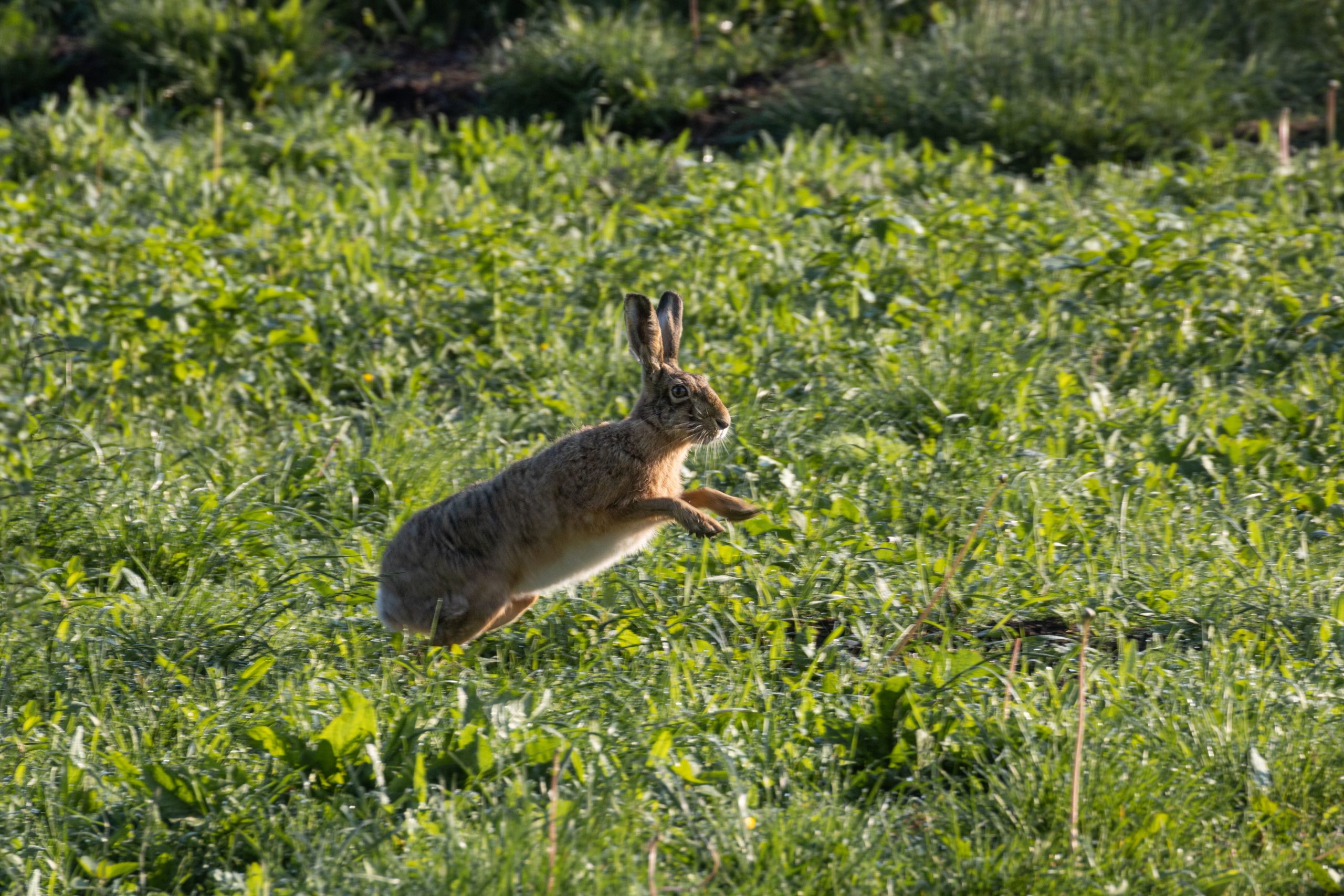
Wild rabbits may be small, but their daily routines reveal a great deal about survival in the outdoors. They rely on sharp senses, familiar escape routes, protective cover, and careful timing to avoid predators. For hunters, observing these habits offers useful lessons in reading terrain, recognizing subtle signs, and understanding how wildlife responds to disturbance. From the way rabbits feed along field edges to their ability to disappear into thick vegetation, each behavior provides a practical reminder that successful observation often depends on patience rather than movement.
1. Learn to Recognize the Value of Protective Cover
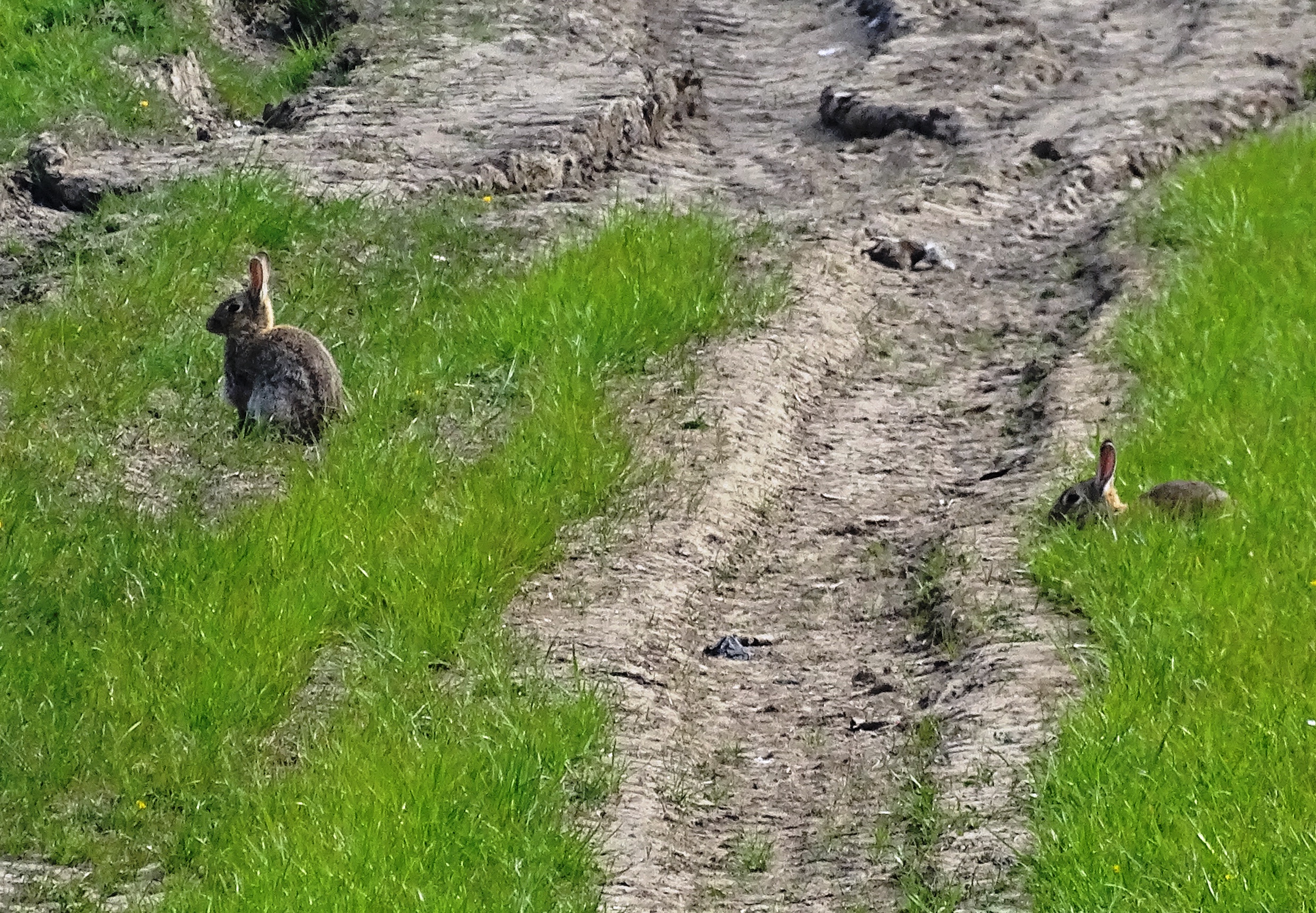
Wild rabbits rarely depend on open ground for long when safer cover is nearby. Brush piles, tall grass, fallen branches, and dense hedgerows provide places to hide when danger approaches. Cottontail rabbits may remain close to escape cover while feeding, often retreating into vegetation within seconds of detecting movement. Hunters can learn to examine the transition between open feeding areas and sheltered ground instead of concentrating on one obvious trail. Look for several signs, including droppings, clipped vegetation, and tracks. Even a distance of 10 feet can separate exposed ground from useful shelter.
2. Pay Attention to Feeding Times
Rabbits commonly feed during dawn, dusk, and other low-light periods, although weather, disturbance, and local conditions can change their routines. They may nibble grasses, clover, leaves, and other available plants before retreating to cover during brighter hours. Hunters who understand this pattern can observe feeding areas more carefully without assuming animals will appear at exactly the same time every day. Spend 20 to 30 minutes watching a field edge from a concealed position, and note where fresh feeding signs appear. Repeated observations across several days provide better clues than a single visit.
3. Read Tracks Instead of Following Them Blindly

Rabbit tracks can reveal direction, movement, and the type of ground an animal recently crossed. During a bound, the larger hind feet usually land ahead of the smaller front feet, creating a recognizable pattern in snow, mud, or soft soil. However, rain can erase edges, while dry leaves may hide individual impressions. Hunters should compare at least 3 or 4 consecutive track groups before deciding which way the rabbit traveled. Track spacing also changes with speed, so long gaps may indicate faster movement rather than a different animal. Always interpret prints alongside nearby cover and feeding signs.
4. Understand How Rabbits Use Familiar Escape Routes
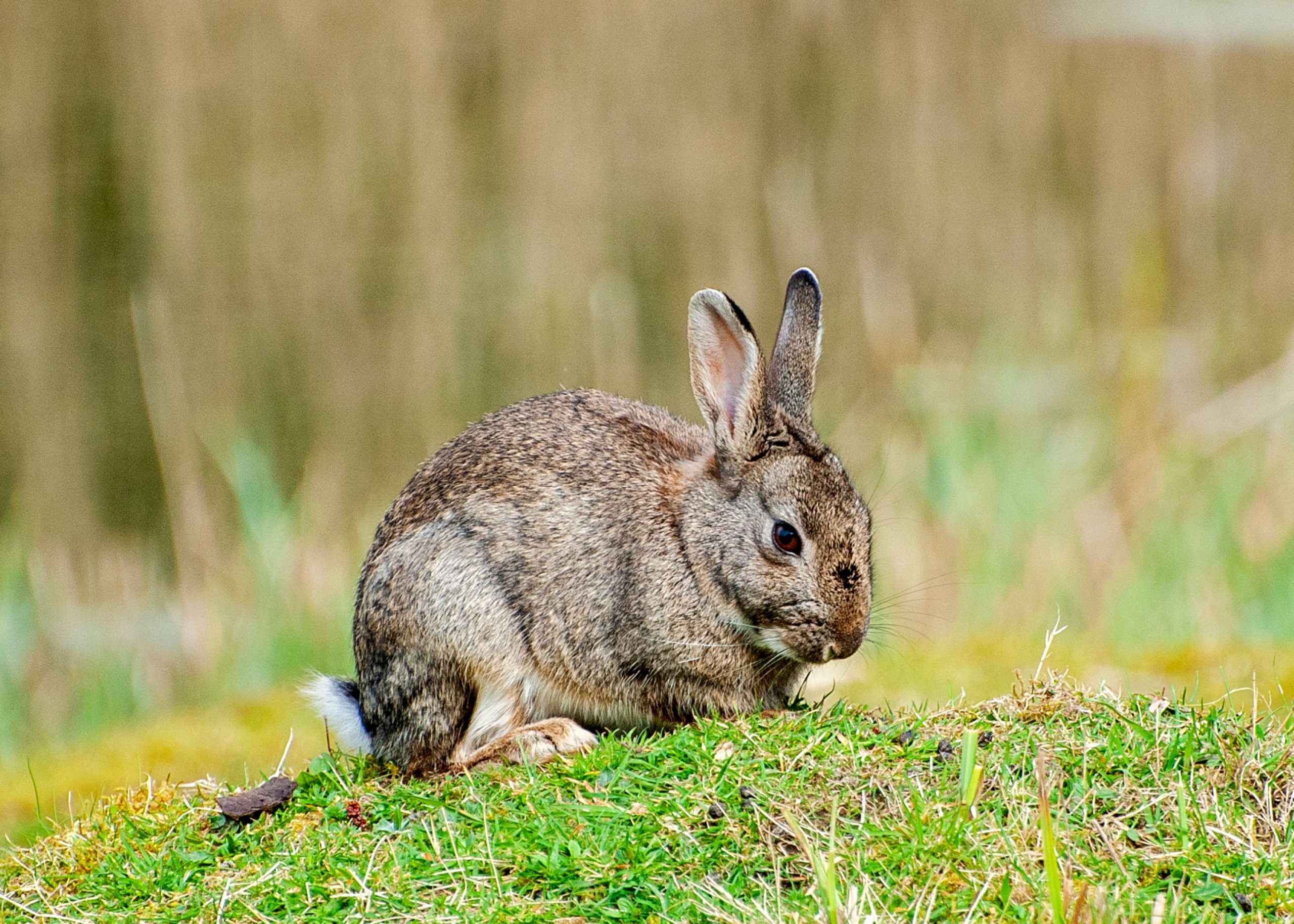
A rabbit startled in familiar territory may flee toward dense brush, a burrow, or another sheltered area it already knows. These routes can follow fence lines, vegetation borders, and narrow openings between obstacles. Hunters can learn to notice such natural connections instead of treating every patch of cover as an isolated hiding place. Watch an area from a distance and identify 2 or 3 possible escape directions without approaching the animal. Rabbits do not always choose the same route, especially after repeated disturbance, so these observations should guide awareness rather than be treated as guaranteed paths.
5. Notice How Wind Changes Their Awareness
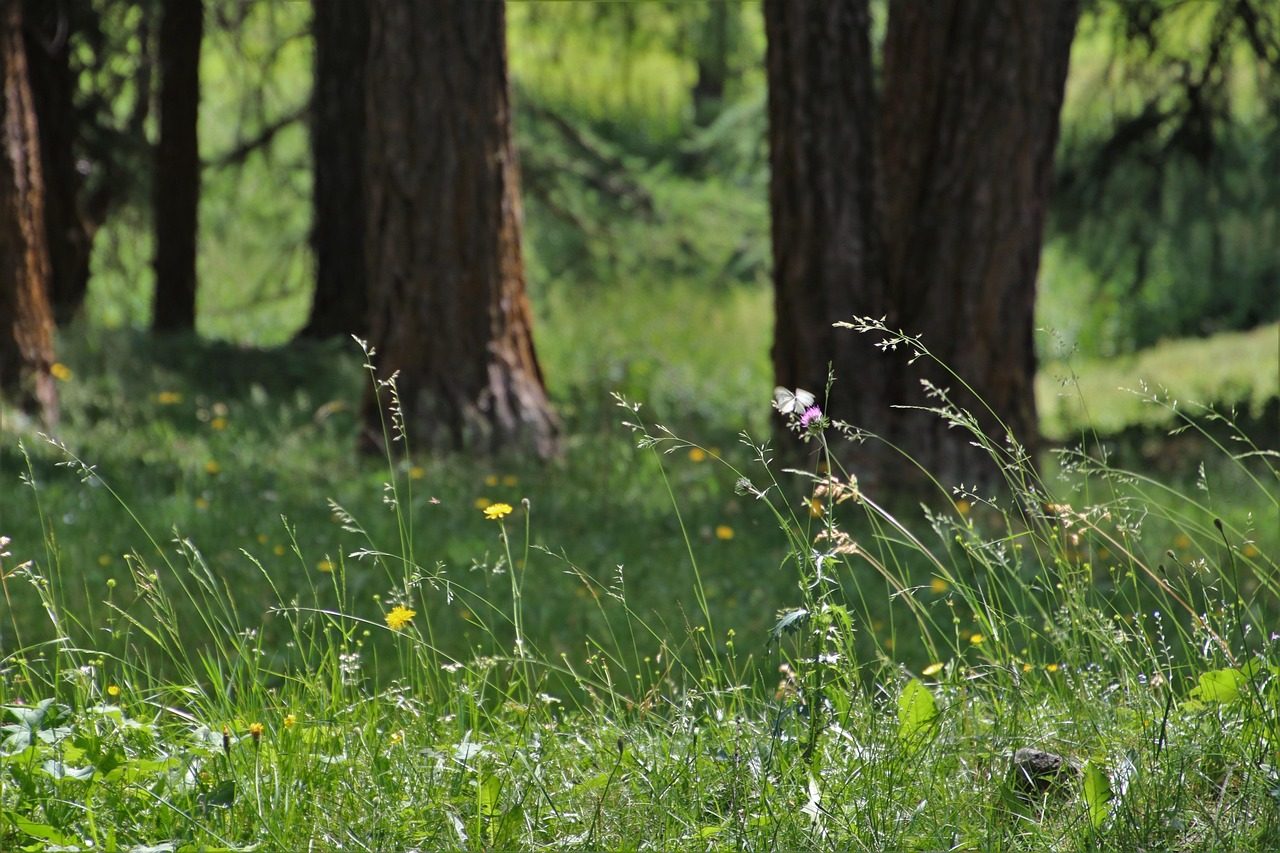
Wind affects more than the movement of leaves and grass; it also changes how easily animals detect sounds and movement around them. Rabbits rely heavily on hearing and vision to notice approaching threats, and gusty conditions can make their surroundings harder to interpret. Hunters should observe how vegetation moves and avoid assuming a rabbit cannot detect them simply because the wind is strong. Watch from roughly 20 to 30 yards away when practical, using available cover and minimizing sudden movements. Wind direction, background noise, and visibility together provide a better picture of what the animal may notice.
6. Recognize the Importance of Feeding Signs
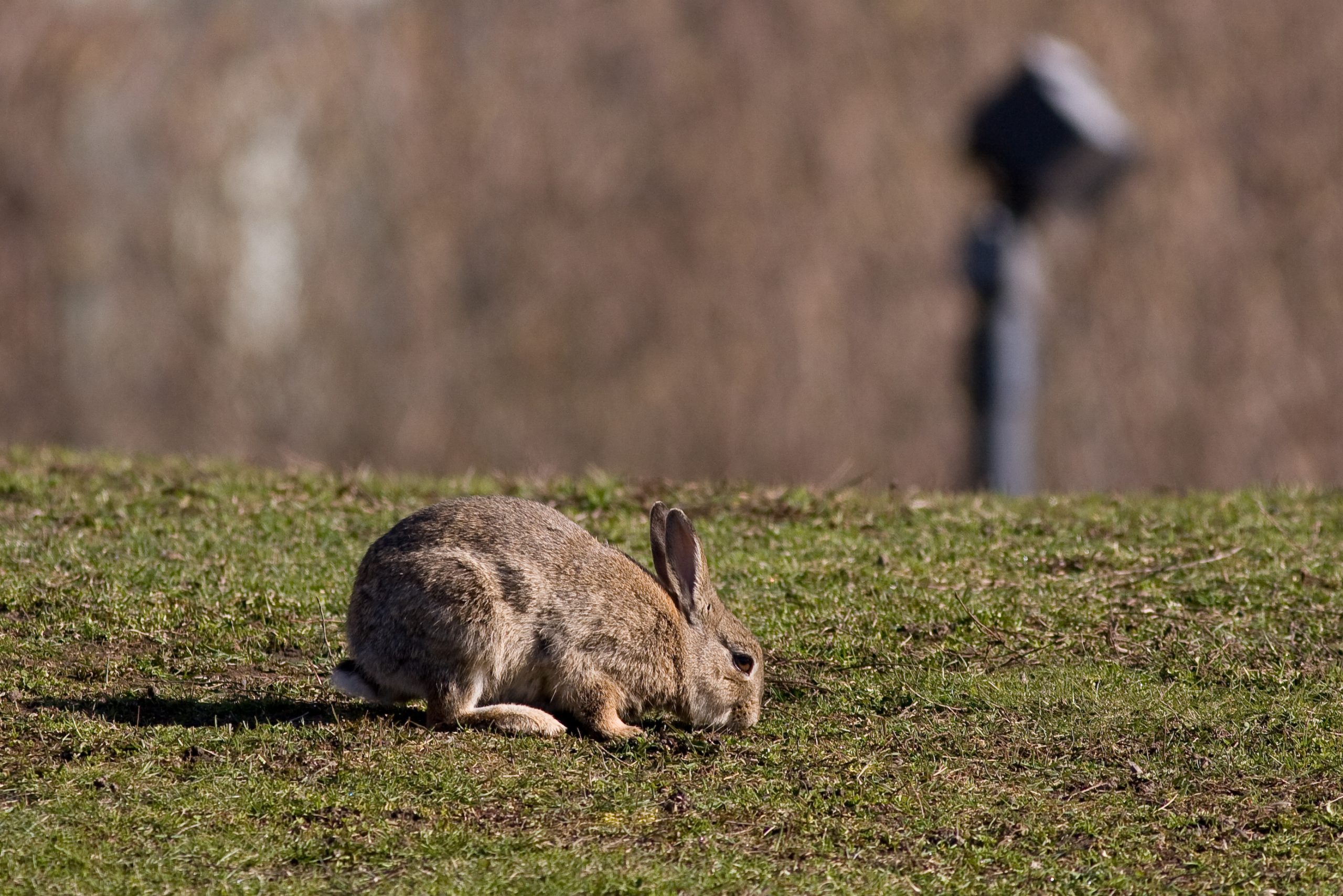
Fresh feeding marks can reveal where rabbits have recently found suitable plants. Grass blades cut close to the ground, nibbled leaves, and small droppings may indicate regular activity, especially along field margins and sheltered vegetation. Still, no single sign proves that a rabbit is nearby at the moment. Examine several clues across a small area of about 10 square yards, comparing fresh damage with older, weathered vegetation. Rain can soften droppings and wash away tracks, while dry conditions preserve some evidence longer. Learning to combine signs helps hunters distinguish a useful observation area from an assumption.
7. Practice Patience Instead of Constant Movement

Rabbits can remain motionless when they sense danger, relying on camouflage to blend into grass, soil, and surrounding vegetation. A hunter walking continuously through a field may overlook an animal that becomes visible only when it moves. Choose a safe observation point, remain still for 15 to 20 minutes, and scan slowly from nearby cover to the edges of open ground. Look for subtle changes in shape rather than expecting obvious movement. Patience also makes it easier to notice other wildlife and environmental details. Local hunting regulations and ethical distance from animals should always guide observation.