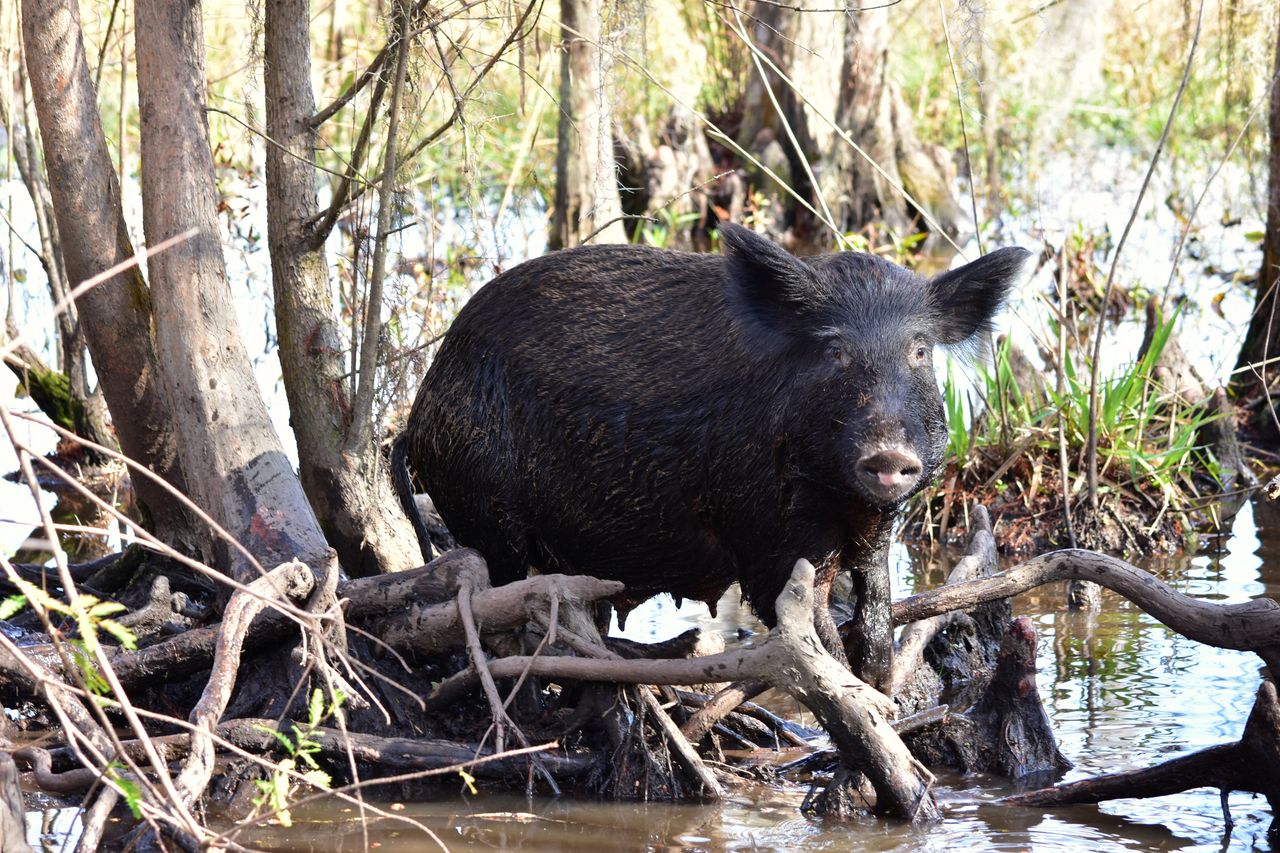
They don’t look like a national crisis. That’s exactly why they’ve become one.
The problem is bigger than most Americans realize
Feral hogs still get treated like a regional headache, something ranchers in Texas complain about and everybody else ignores. That picture is badly outdated. The USDA’s Animal and Plant Health Inspection Service says feral swine are now found in at least 35 states, and its researchers estimate they cause about $2.5 billion in damage and control costs each year in the United States, with at least $800 million tied directly to agriculture.
Those numbers matter because they reveal a shift from annoyance to systemic risk. A species that can destroy crops, spread disease, damage fences, tear up pasture, and reproduce quickly is not just another wildlife issue. It is an infrastructure issue for rural communities that already operate on thin margins.
In places where hog numbers are entrenched, landowners talk about them the way coastal residents talk about storms. You may not see the damage every day, but you know it can arrive overnight. One sounder can rip apart a field, pond edge, hay meadow, or food plot in a single evening.
What makes the threat overlooked is that it is diffuse. There is no dramatic national broadcast when hogs destroy irrigation lines, ruin calf pasture, or contaminate water sources. The losses are spread across farms, ranches, roadsides, and wetlands, which makes them easier for the wider public to miss and harder for local communities to absorb.
They hit rural economies where they are already weakest
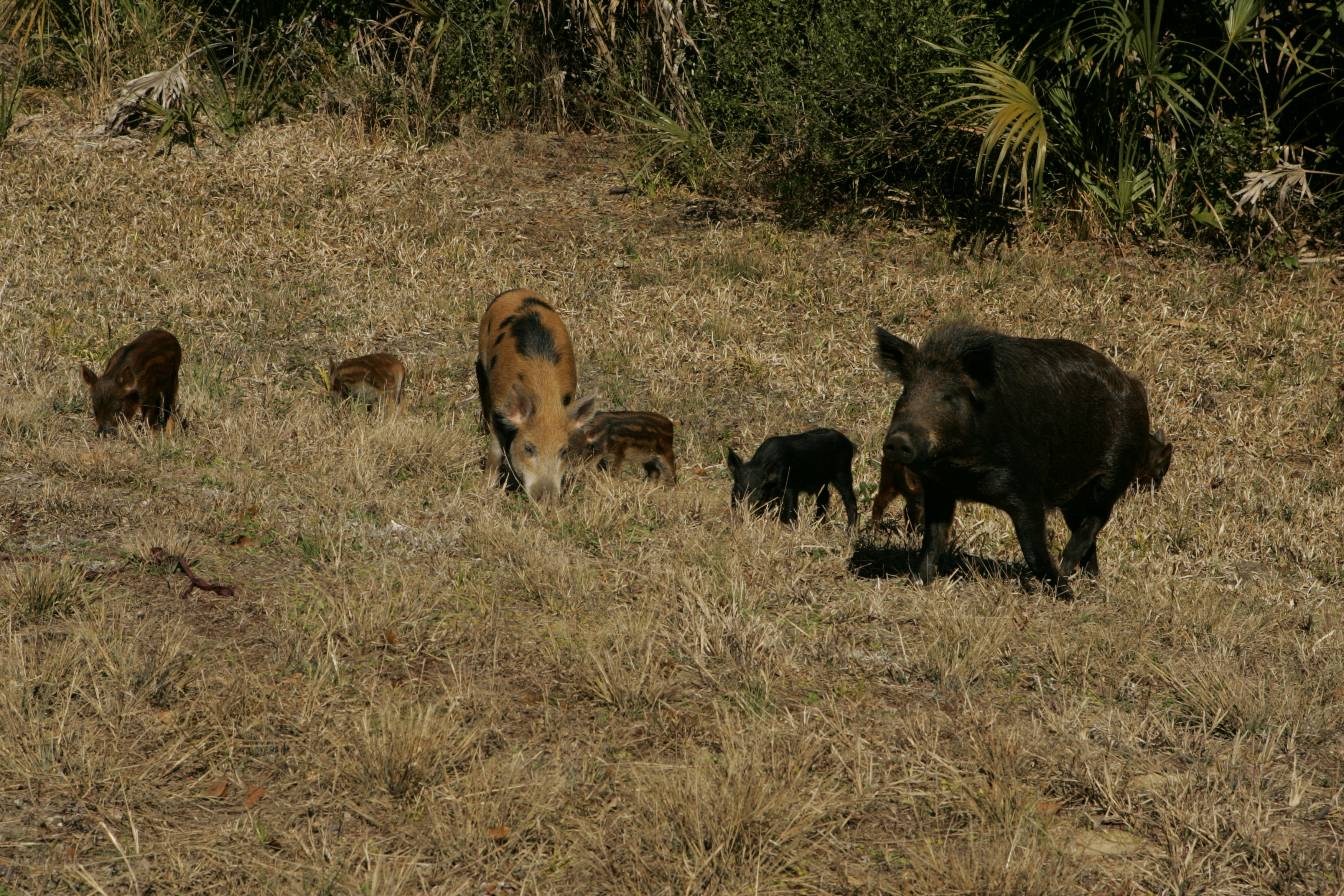
Rural America does not need glamorous threats to be dangerous; it only needs costly ones. Feral hogs are devastating precisely because they exploit the most fragile parts of rural life. They root through row crops, flatten pasture, damage young trees, erode pond banks, and force landowners to spend money on repairs before they can even think about profit.
USDA says feral swine damage agriculture ranging from row crops and pasture to forestry and livestock operations. Texas A&M AgriLife, where the problem is especially visible, says Texas alone has at least 3.5 million feral hogs, the largest population in the country. The same AgriLife material says agricultural losses exceed $670 million, while landowners spend an estimated $130 million or more each year on control and damage mitigation.
That combination is what makes hogs economically brutal. They do not just destroy value once. They create recurring costs: trapping, fencing, repairs, reseeding, veterinary concerns, and lost grazing time. For a large operation that hurts. For a smaller family place, it can wipe out the margin that makes the year work.
USDA researchers also estimated roughly $40 million in annual livestock predation and disease damages across 13 surveyed states. That is the part many people still underestimate. Hogs are not merely opportunistic scavengers. In the wrong setting, they are active predators of vulnerable young animals and a constant source of pressure on already stressed producers.
The public health risk is far more serious than the stereotype
The common image of a feral hog problem is agricultural damage, not human health. That is too narrow. The CDC identifies feral swine as relevant to brucellosis risk, especially for hunters and others handling animal tissues and fluids. The agency also says leptospirosis is common in pigs and feral swine worldwide and can affect both people and animals.
USGS goes even further in describing the disease burden, noting that feral pigs are known to spread more than 30 diseases and 37 parasites. Some threaten livestock first, but the line between animal health and human health is thinner in rural areas than urban audiences often appreciate. Hunters field-dress hogs. Working dogs engage them directly. Farmers encounter contaminated mud and water. Families live close to the land those animals roam.
The danger is not that every rural resident is about to be attacked by a diseased boar. The danger is that repeated low-visibility exposure adds up. A cut on the hand while processing a carcass, a dog infected after contact, or contaminated runoff reaching stock water can turn a “wildlife issue” into a household problem quickly.
And then there is the emergency scenario nobody wants to test. USDA’s surveillance program screens more than 6,000 feral swine samples a year because officials are watching for major animal disease threats. That is a clear signal from the federal government that these animals are not being monitored as curiosities. They are being monitored as a biosecurity concern.
Their damage extends far beyond farms and ranches
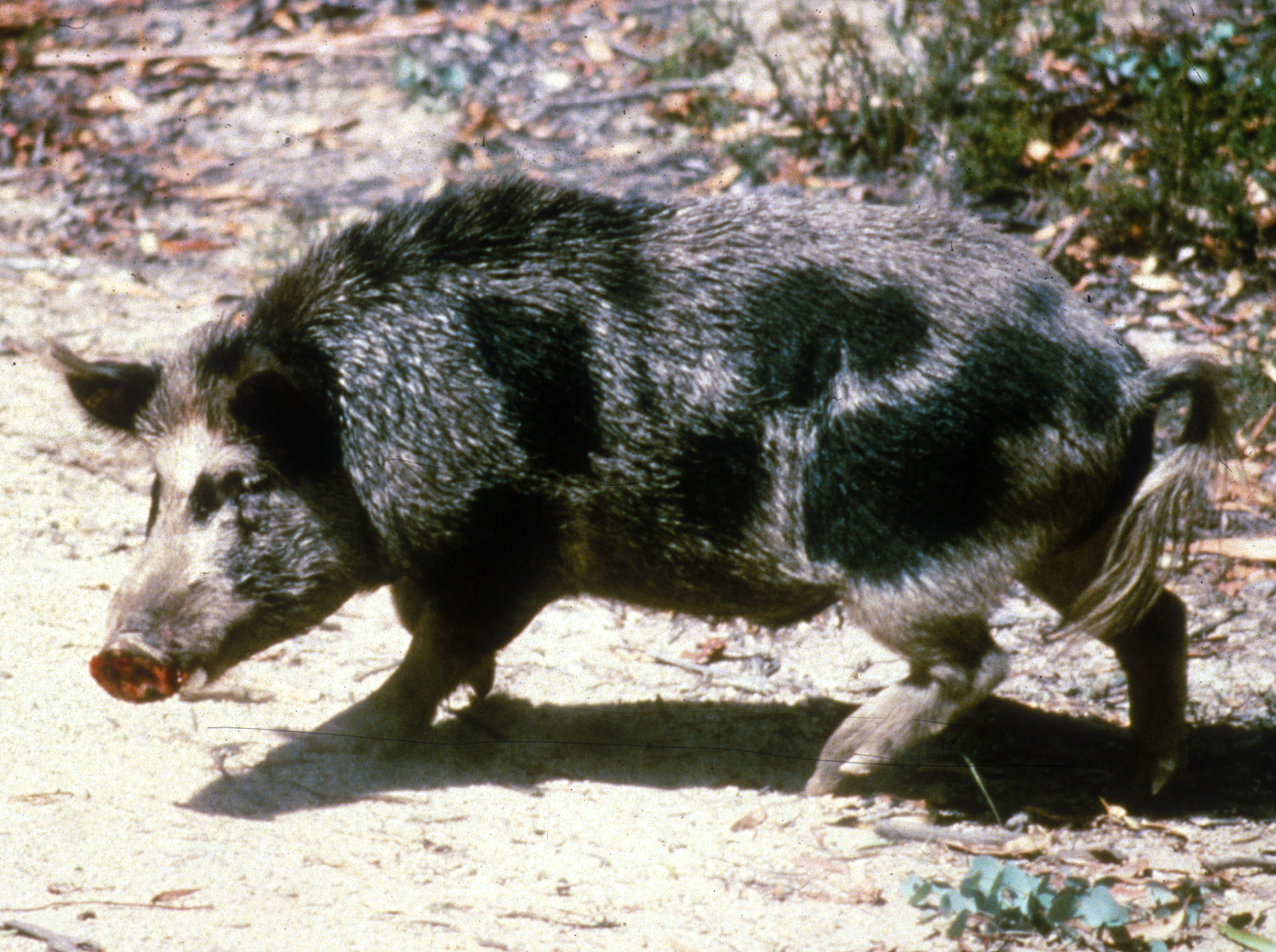
One reason feral hogs remain underestimated is that the harm is not confined to private land. They rip up wetlands, disturb streambanks, degrade water quality, and damage habitat used by native wildlife. Federal and conservation documents repeatedly describe rooting and wallowing as destructive to sensitive ecosystems, especially in wet areas where soils are easily torn apart.
The National Park Service has documented feral hog impacts at places like Congaree National Park, where the animals damage natural areas and force coordinated research and management. U.S. Fish and Wildlife Service materials describe swine-related erosion, water-quality impacts, and damage to wetland habitats. Other federal reports detail threats to ground-nesting birds, amphibians, reptiles, and rare species that rely on fragile breeding sites.
This matters because rural America depends on working landscapes that are also ecological systems. A torn-up creek bank is not only a habitat problem. It can become a drainage problem, a sediment problem, and a downstream management problem. A wrecked wetland is not only bad for biodiversity. It can undermine the natural water storage and filtration that nearby communities benefit from.
In plain terms, hogs do not recognize property lines or conservation boundaries. They move between cropland, timber, parks, and waterways as if it is all one buffet. For the people trying to protect those places, that makes the threat persistent, expensive, and deeply frustrating.
Hunting alone has not solved the crisis

A lot of Americans assume the answer is simple: if hogs are so destructive, why not just hunt more of them? The uncomfortable truth is that recreational hunting by itself rarely fixes the problem. Experts have been saying this for years, and the reason is simple biology. Feral hogs reproduce quickly, disperse widely, and adapt fast when pressured.
National Geographic has reported that hunting has become popular but generally does not limit overall populations. USDA’s current approach also points in the same direction. Its feral swine program is built around coordinated damage management, surveillance, technical support, and in some places eradication efforts, not a casual reliance on sport hunting.
In practice, random pressure can even make the situation harder. Disturbed hog groups may shift movement patterns, become more nocturnal, and spread into neighboring properties. Landowners then end up with smarter, more elusive animals and the same basic population problem. That is why professionals emphasize whole-sounder trapping, coordinated removal, and regional cooperation rather than isolated weekend hunts.
This does not mean hunting has no role. It absolutely can remove animals and reduce immediate damage in some areas. But the idea that private citizens casually shooting a few hogs will solve a multistate invasive-species problem is one of the biggest reasons the danger remains underestimated in the first place.
The safety threat is real even when attacks are rare
Human attacks by feral hogs are uncommon, but dismissing them as folklore is a mistake. A U.S. Forest Service research summary on fatal wild pig attacks worldwide shows the issue is serious enough to track systematically. Wild pigs are powerful, fast, unpredictable animals with tusks, and they do not need to attack often to deserve respect, especially in isolated rural settings where help may not be close.
The more common safety threat may be indirect. USDA technical material notes that feral swine-vehicle collisions are becoming an issue. That matters on dark rural roads where visibility is poor and drivers already contend with deer, livestock, and bad shoulders. Hitting a mature hog is not like striking a small animal. It can mean major vehicle damage, loss of control, and a dangerous roadside situation far from immediate assistance.
Then there are the worksite hazards. Farmers repairing rooted ground with heavy equipment, ranchers dealing with injured animals, and hunters using dogs all face added risk because hogs create chaotic, unstable conditions. Even when the animal is not charging a person, it may be setting up the circumstances for injury.
That is the real theme of the hog problem: not cinematic terror, but cumulative danger. Rural America gets hurt not only by dramatic moments, but by repeated hazards that chip away at safety, money, and resilience.
Why this threat stays overlooked and what has to change
Feral hogs remain overlooked because they sit at the intersection of categories Americans usually separate. They are an invasive species, an agricultural pest, a livestock threat, a disease reservoir, an environmental destroyer, and at times a public-safety problem. When an issue belongs to too many boxes, it often ends up fully owned by none of them.
Urban audiences may see hog stories as quirky local news. Policymakers may treat them as a niche wildlife management matter. Even some rural communities normalize the damage because they have lived with it so long. But normalization is not the same as control. USDA created its national program back in 2014 precisely because the federal government recognized expanding hog populations as a coordinated national damage issue, not a scattered local annoyance.
What needs to change is the framing. Feral hogs should be discussed the way rural leaders discuss drought, invasive insects, or animal disease outbreaks: as a compounding threat that multiplies existing vulnerabilities. That means better funding for coordinated control, continued surveillance, landowner cooperation, and honest public communication about the scale of the problem.
The overlooked danger is not just the hog itself. It is our habit of treating a sprawling rural threat as if it were still someone else’s nuisance. By the time a problem reaches your pasture, your creek, your road, or your livestock, it is already much bigger than that.