Safe reloading depends on noticing small shifts in how your firearm and ammunition behave, yet many hunters overlook early pressure warnings that quietly build into dangerous situations. These signs rarely appear all at once; instead, they usually show up as subtle changes in extraction, case appearance, bolt feel, and even sound. Understanding what these clues mean and responding immediately rather than pushing a load further can prevent equipment damage, ruined hunts, and serious injury. The key is learning to read the details before they escalate.
1. Flattened Primers That Lose Their Natural Curve
Flattened primers are among the earliest warnings that chamber pressure is rising beyond a safe margin. A primer normally shows a slight rounded edge after firing, but when pressure spikes, that curve disappears, and the primer begins to smear outward, appearing unnaturally level with the case head. Hunters often overlook this shift because accuracy may still seem acceptable, but primer flattening usually precedes harder-to-extract cases and velocities exceeding the rated limit. When this sign appears consistently across a batch, it’s a clear prompt to back down powder charges or reassess bullet seating depth.
2. Stiff or Sticky Bolt Lift That Demands Extra Force
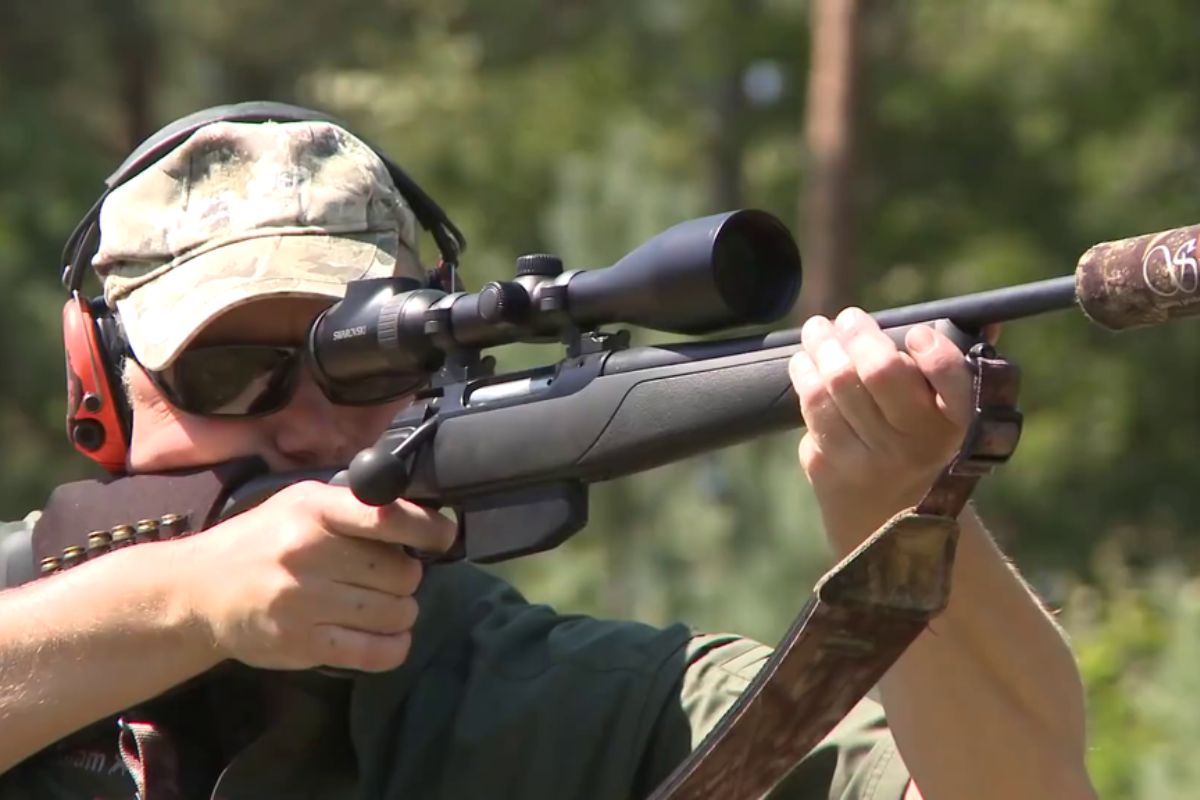
A sticky bolt lift indicates that the brass has expanded heavily against the chamber walls from excessive internal pressure. Many hunters chalk this up to dirt, lubrication issues, or a rifle needing cleaning, but mechanical resistance following ignition almost always means the load is running too hot. If the bolt handle requires a sudden tug or feels noticeably tighter than the previous shot, it’s a sign that the cartridge is generating more strain than the rifle is designed to handle. Ignoring this and continuing to fire can result in sheared lugs, damaged actions, or catastrophic case failures.
3. Ejector and Extractor Marks Etched Into the Case Head
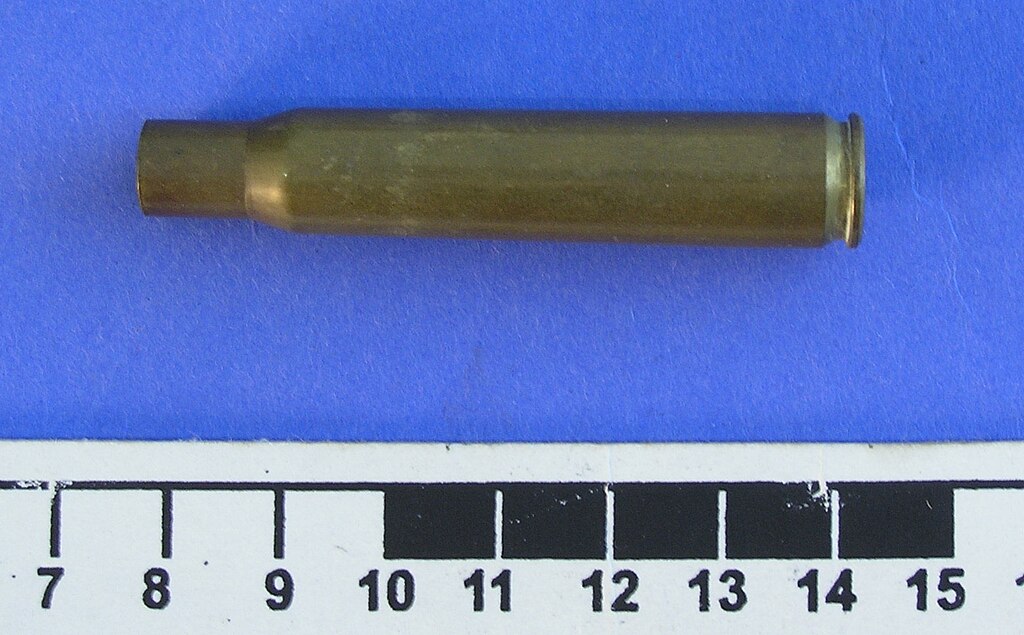
When shiny crescent-shaped or circular marks appear on the case head, it’s evidence that the brass has slammed into the bolt face hard enough to imprint the ejector or extractor. This only happens when pressure peaks sharply and forces the case rearward with abnormal force. Because these marks can look faint or cosmetic, many hunters dismiss them as normal wear, yet they show that the load is approaching structural limits. Continued firing risks pierce primers, cause ase head separation, and increase bolt thrust that can compromise both brass longevity and rifle safety.
4. Case Head Expansion That Creeps Beyond Safe Tolerances
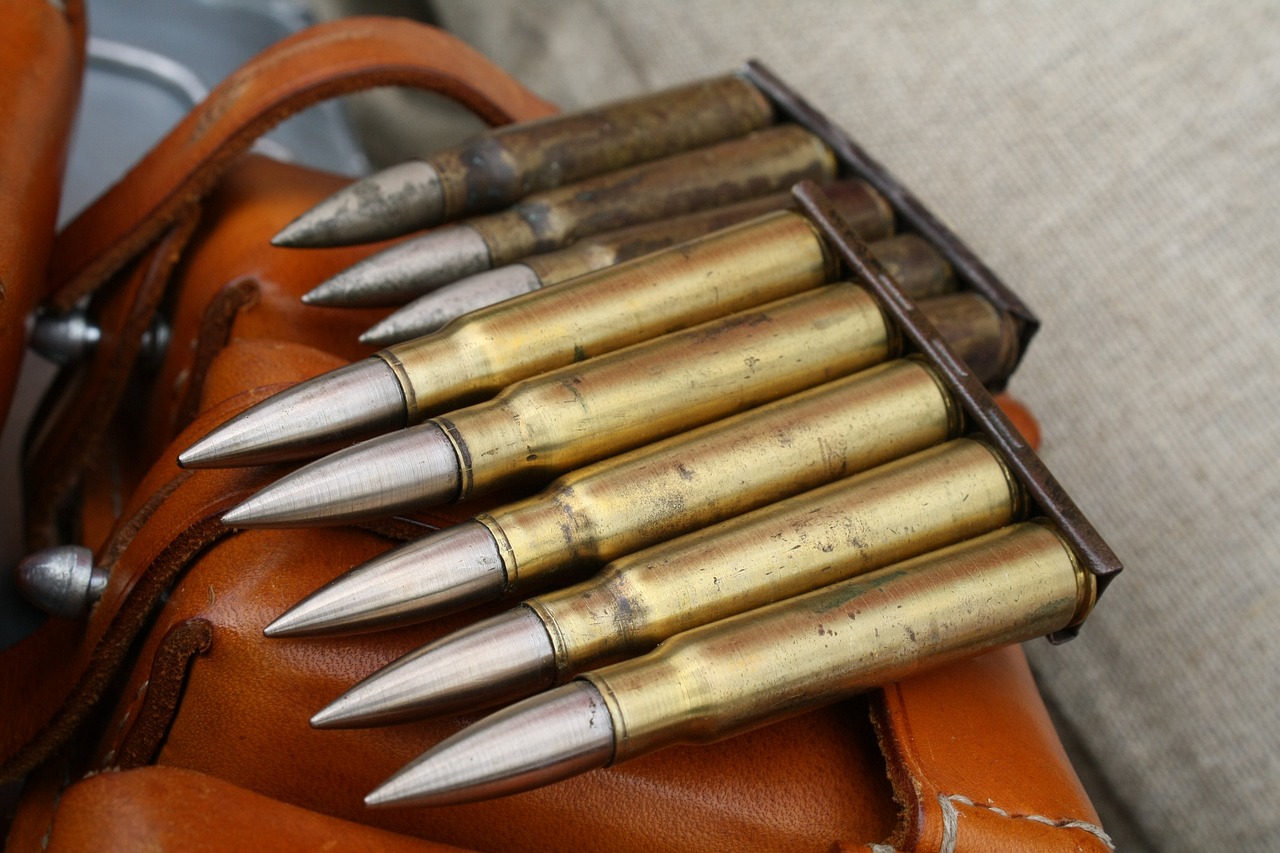
Measuring case head diameter is a reliable way to detect rising pressure, but it’s often skipped by hunters who reload quickly or rely solely on published data. When repeated firings cause the rim area to grow even a few thousandths of an inch, it signals that the load is stressing brass elasticity beyond its design. Expansion at this point is a precursor to case failures, particularly at the web where brass is thickest. Although slight growth is normal after several firings, steady measurable expansion following just one or two cycles means the load is too hot and must be reduced immediately.
5. Primer Cratering Around the Firing Pin Strike
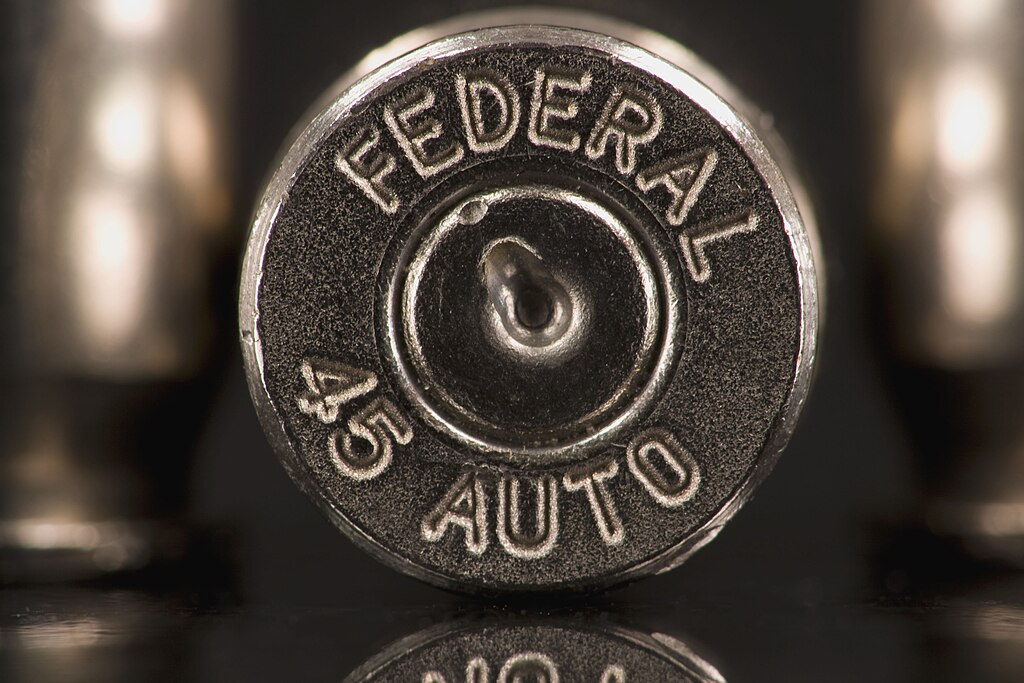
Cratering occurs when excess pressure forces primer metal back into the firing pin hole, creating a raised, volcano-like rim around the indentation. This distortion is a common sign of gas pressure exceeding the strength of the primer cup. While some rifles with large firing pin holes show minor cratering even with mild loads, pronounced craters signal that the primer is being overtaxed. Hunters who overlook this may assume their rifle simply “does that,” but repeated cratering increases the risk of pierced primers, gas blowback, and accelerated wear on the bolt face and firing pin assembly.
6. Shiny Swipe Marks from Case Drag on the Bolt Face
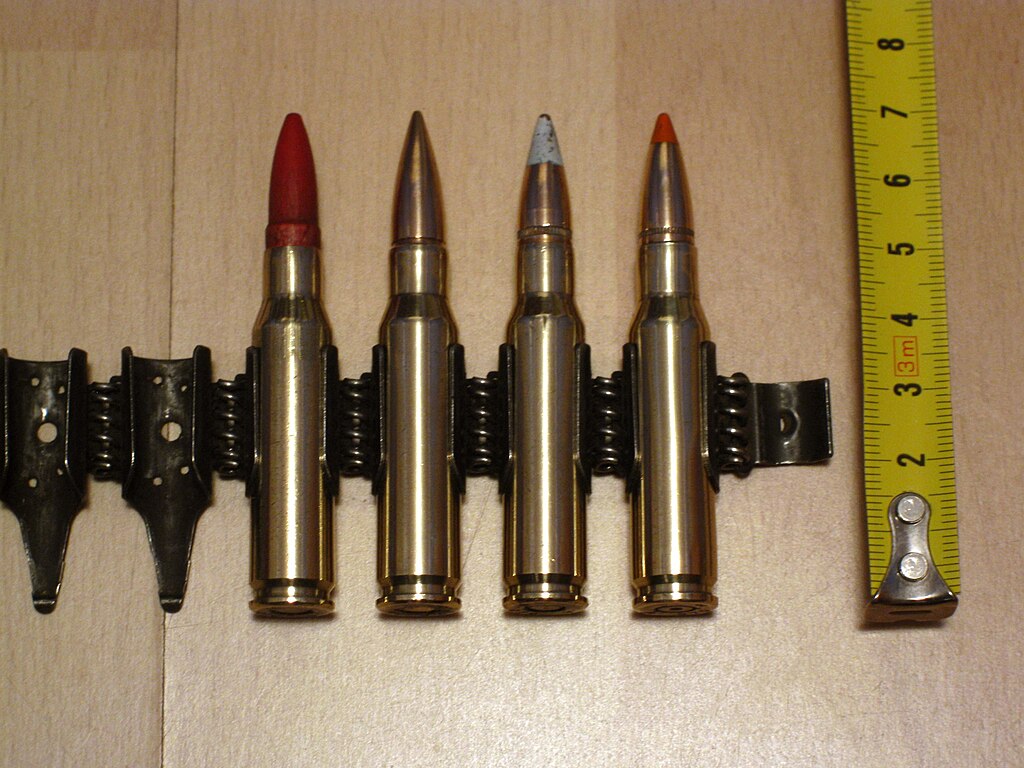
Swipe marks appear as polished streaks across the case head, caused by the case dragging against the bolt face while pressure is still high. This typically happens when the load’s burn curve is too sharp or when the powder charge pushes the cartridge past its safe pressure envelope. Although these streaks may look harmless, they are proof that extraction is beginning prematurely under high stress. If ignored, swipes often progress into gouging, torn rims, or ruptured brass, especially in semi-auto rifles, where timing and gas pressure amplify the strain on the case.
7. Unusual Muzzle Blast, Recoil, or Report Sharpness
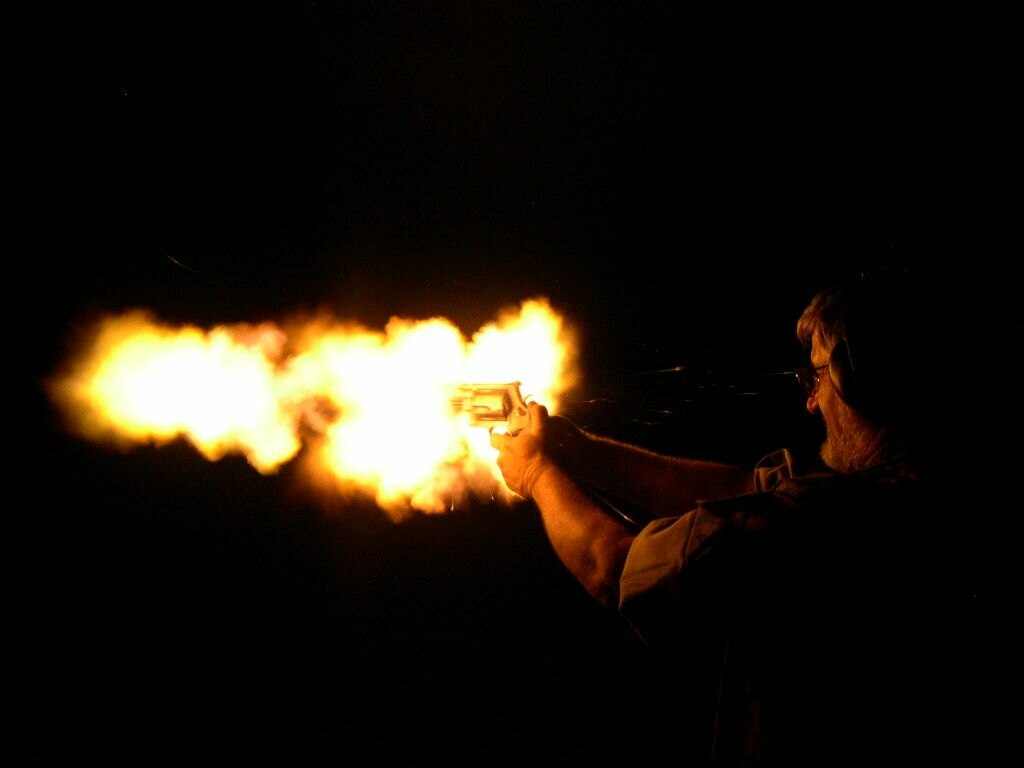
One of the easiest signs to miss is a sudden change in how a rifle feels or sounds. Excessive pressure can cause the report to become noticeably sharper, recoil to feel snappier, or muzzle blast to appear brighter or more concussive. Because hunters often attribute these sensations to weather or adrenaline, the warning is frequently dismissed. Yet a louder-than-normal shot or a recoil impulse that feels “spiky” usually means the powder charge is producing unpredictable pressure spikes. Recognising these sensory changes early can prevent a dangerous overpressure event later in the firing string.
8. Hard-to-Extract Brass That Requires Pulling or Tapping
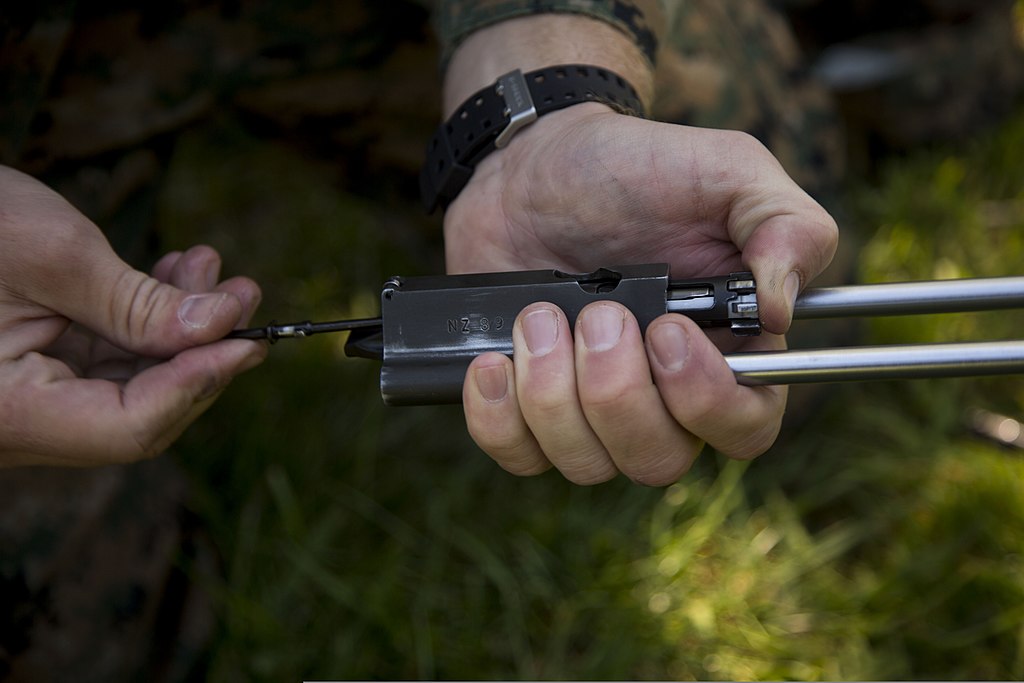
Difficult extraction is a classic indication that pressure has expanded the case too tightly against the chamber walls. When hunters need to tug the bolt harder than usual or tap the bolt handle to initiate movement, it’s usually more than simple fouling. Overpressure causes brass to stretch and grip the chamber aggressively, risking case separation or rim tearing. If ignored, the condition worsens quickly, making each subsequent shot progressively more dangerous. Proper response means stopping immediately, checking brass condition thoroughly, and reducing or reworking the load before firing again.
9. Split Necks or Cracked Shoulders After Firing
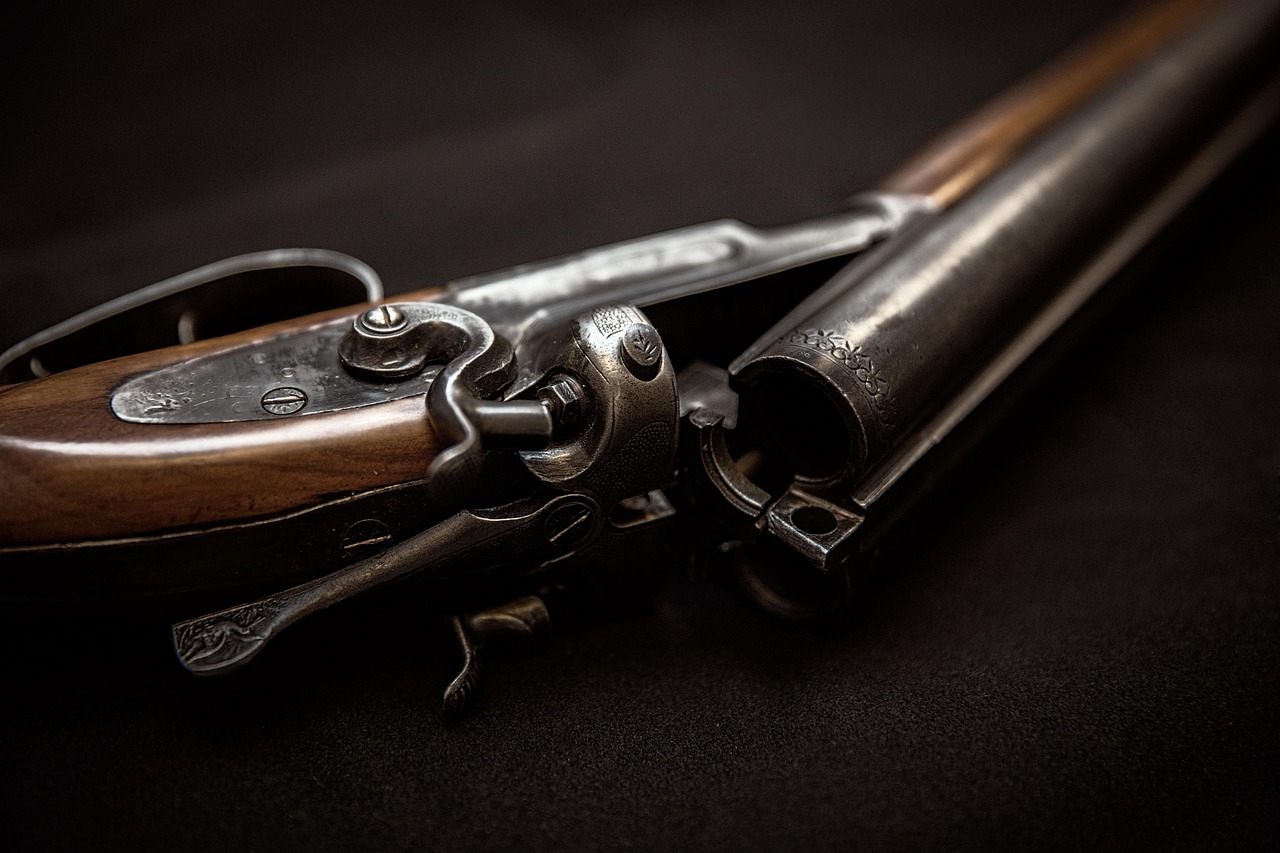
Neck and shoulder cracks reveal that the brass has been stressed beyond its ability to flex, often due to excessive pressure combined with repeated work-hardening from resizing. Hunters sometimes attribute these failures solely to old brass, but pressure plays a direct role by pushing the metal beyond its elastic limit. Even small hairline splits signal that the load is too intense or that the brass is no longer safe for reuse. Continuing to fire compromised cases risks gas leakage, unpredictable chamber pressures, and dangerous fragmentation of weakened brass during ignition.