The .22-caliber pistol has earned a special place in firearms history through its combination of manageable recoil, economical ammunition, and remarkable design variety. Over the decades, manufacturers have produced everything from elegant target pistols to compact carry-oriented models and dependable recreational handguns. Some became famous for their accuracy, while others stood out through distinctive engineering or lasting commercial success. The seven pistols below represent important milestones in the development of rimfire handguns, each offering a different story about innovation, craftsmanship, and shooting history.
1. Ruger Standard Model
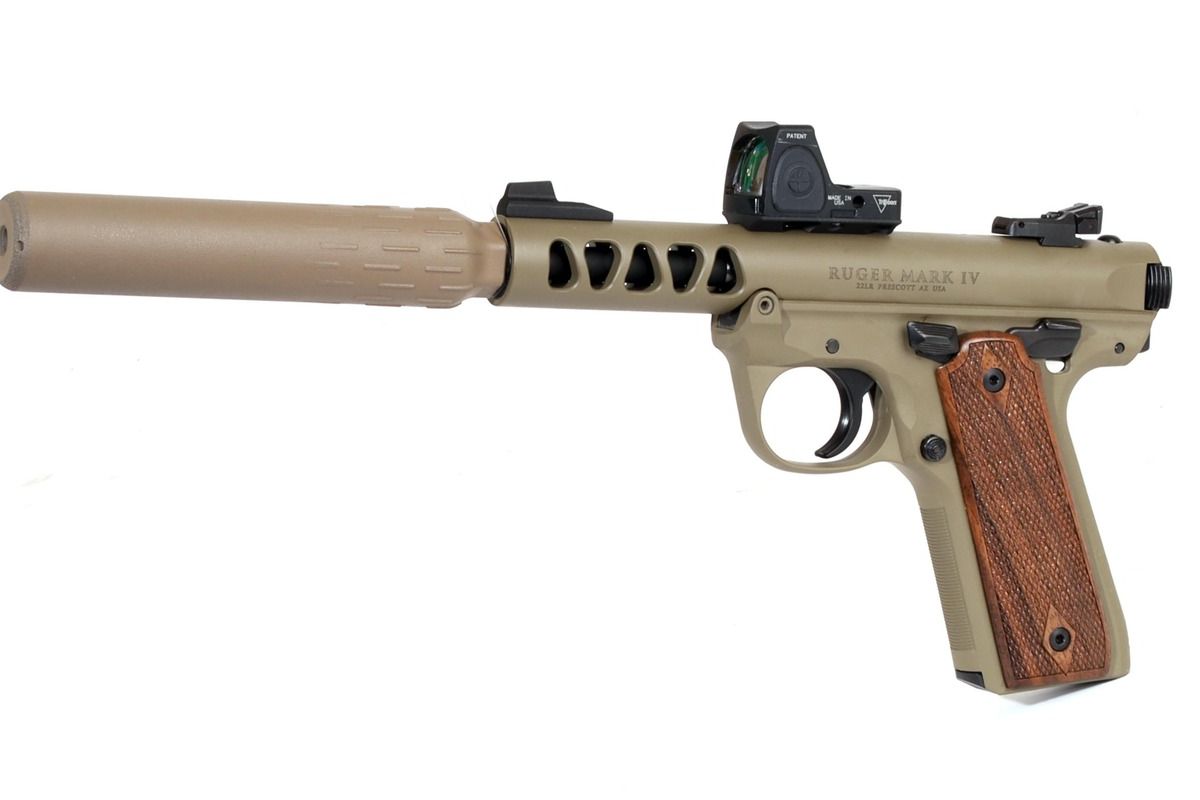
Introduced in 1949, the Ruger Standard helped make rimfire pistols more accessible. Its tubular receiver and bolt-action layout looked different from exposed-slide designs common at the time. Chambered in .22 Long Rifle, the original model used a 9-round magazine and a 4.75-inch barrel. Its straightforward construction kept costs manageable while providing a solid feel. The design evolved into the Mark series, which continued through several generations. The Standard matters not simply as an affordable sporting pistol, but as the foundation of a long-running family of American .22 handguns.
2. Colt Woodsman
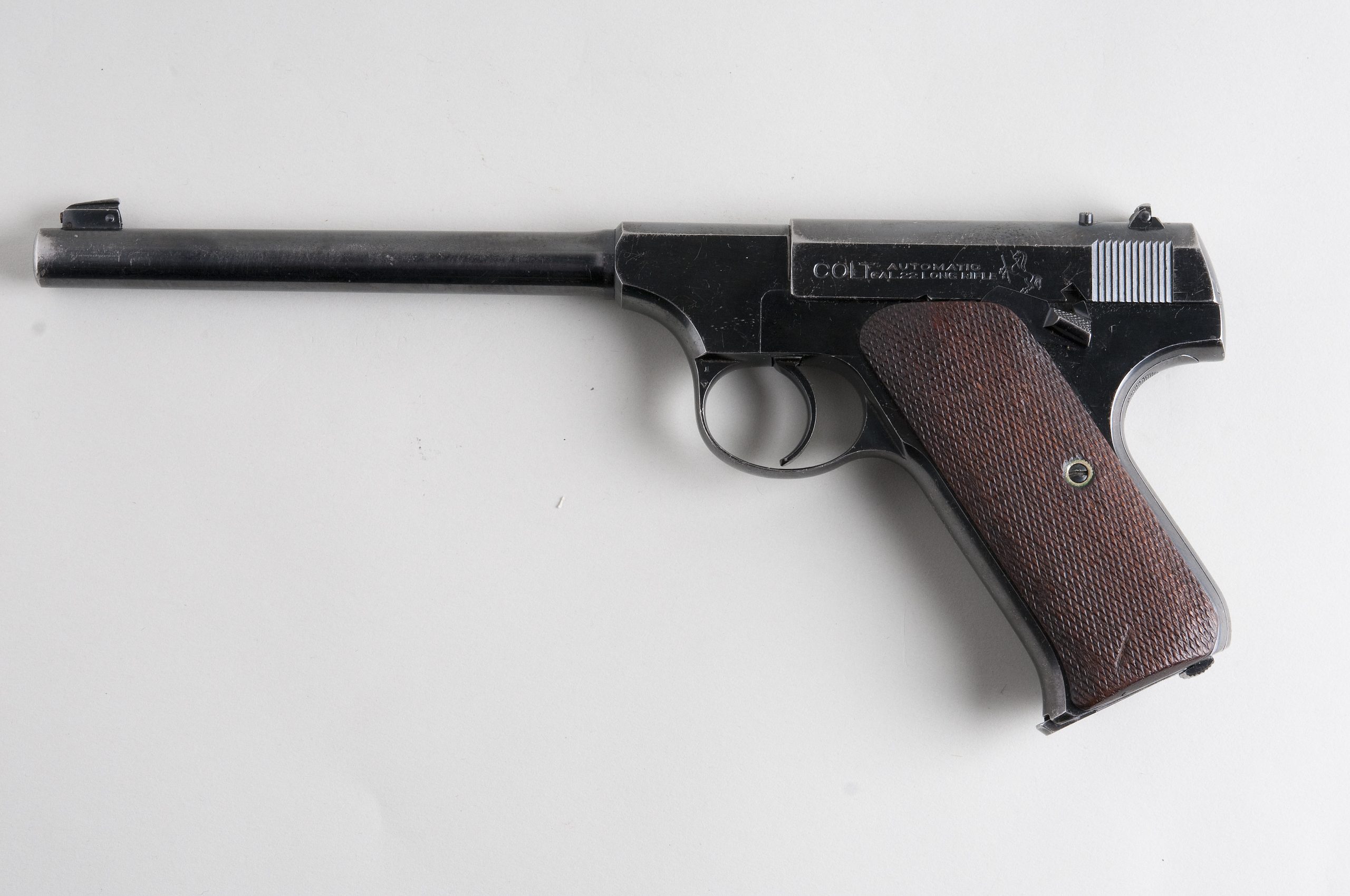
The Colt Woodsman began in 1915 as the Colt Automatic Pistol, Caliber .22, and became a defining sporting handgun of the twentieth century. Designed by John Browning with contributions from Colt engineers, it paired graceful lines with a slim profile and a reputation for precision. Early examples had a 6⅝-inch barrel and a 10-round magazine; later Sport and Match Target versions offered different features. Colt ended production in 1977, after more than six decades and over 690,000 examples. Its legacy lies in the high standards it established for a refined, accurate rimfire pistol.
3. High Standard HD Military
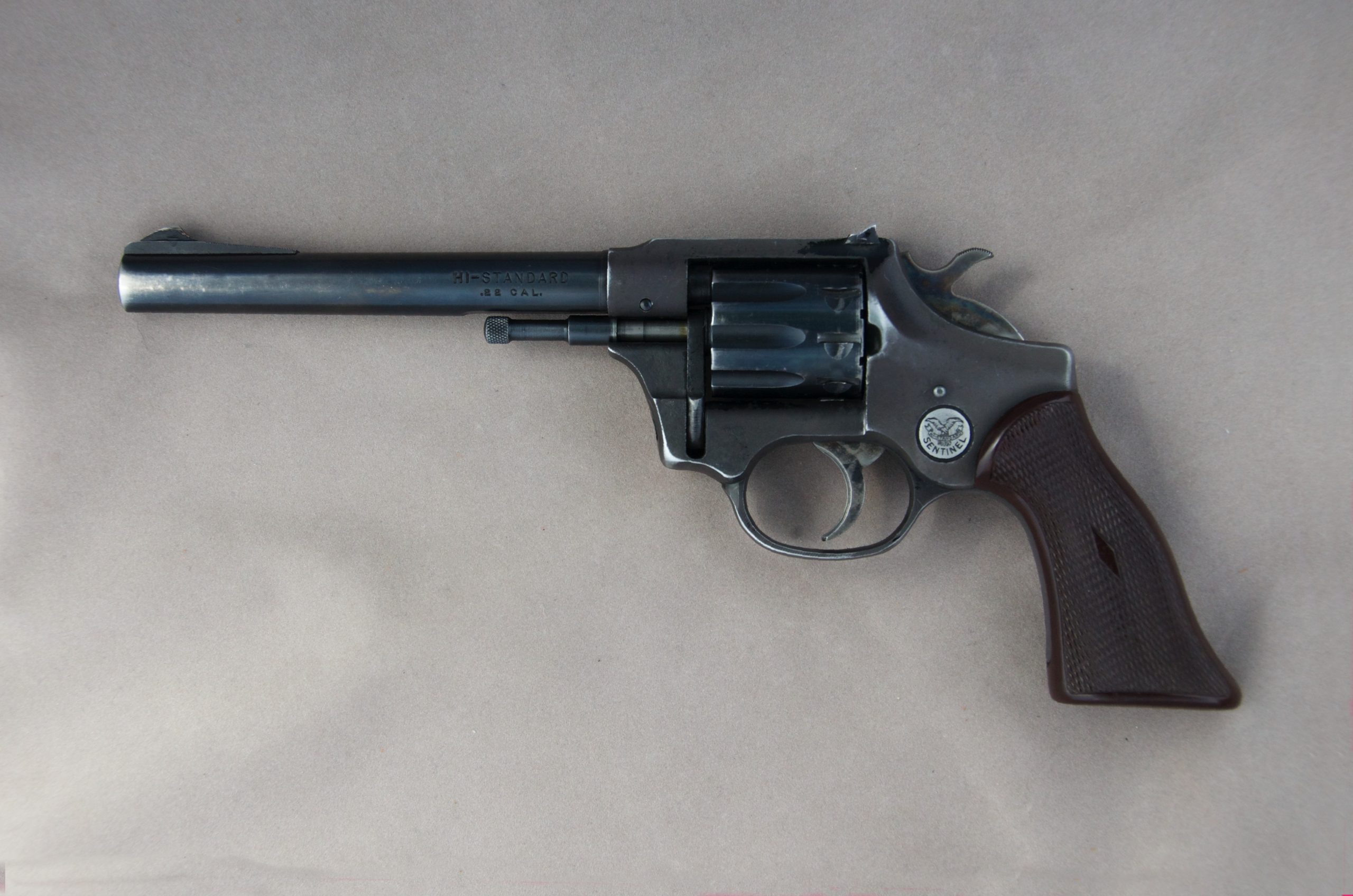
High Standard’s HD series, introduced around 1940, became familiar among American rimfire shooters and military trainers. The steel-framed, single-action pistol was chambered in .22 LR and typically used a 10-round magazine. Its Luger-influenced grip angle and substantial construction gave it a distinctive character, while different barrel lengths broadened the line. During World War II, High Standard supplied .22 training pistols to U.S. forces. The HD remains part of the company’s legacy in target-pistol design, later continued by models such as the Supermatic and Victor.
4. Smith & Wesson Model 41

Introduced in 1957, the Smith & Wesson Model 41 was designed as a .22 LR target pistol, not a general-purpose sidearm. Its target grip and carefully tuned trigger helped it earn a place in precision shooting. Early examples featured a 7⅜-inch barrel, while later configurations included 5½-inch options. The pistol uses a 10-round magazine and straight-blowback operation. Production experienced pauses and revivals, but the Model 41 remains an enduring reference point for American target handguns. Its reputation rests on accuracy, refined handling, and a distinctly competition-focused design.
5. Browning Buck Mark
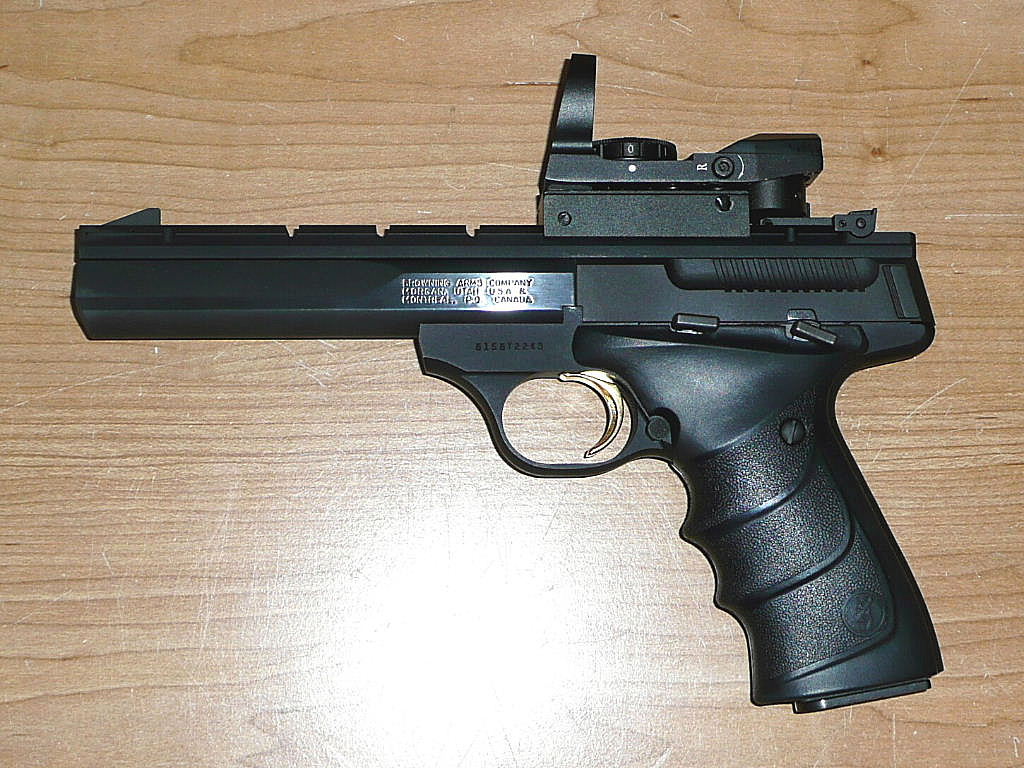
Browning introduced the Buck Mark in 1984, updating its long-running line of sporting rimfire pistols. Chambered in .22 LR, it uses a 10-round magazine and blowback operation, with an aluminum-alloy frame. The family has expanded into numerous versions, including target models with longer barrels and adjustable sights. Its appeal comes from balancing useful accuracy with a comfortable grip and clean styling. The Buck Mark also connects modern shooters to earlier Browning designs such as the Challenger, making it an important link in the company’s rimfire-pistol history.
6. Beretta 21A Bobcat
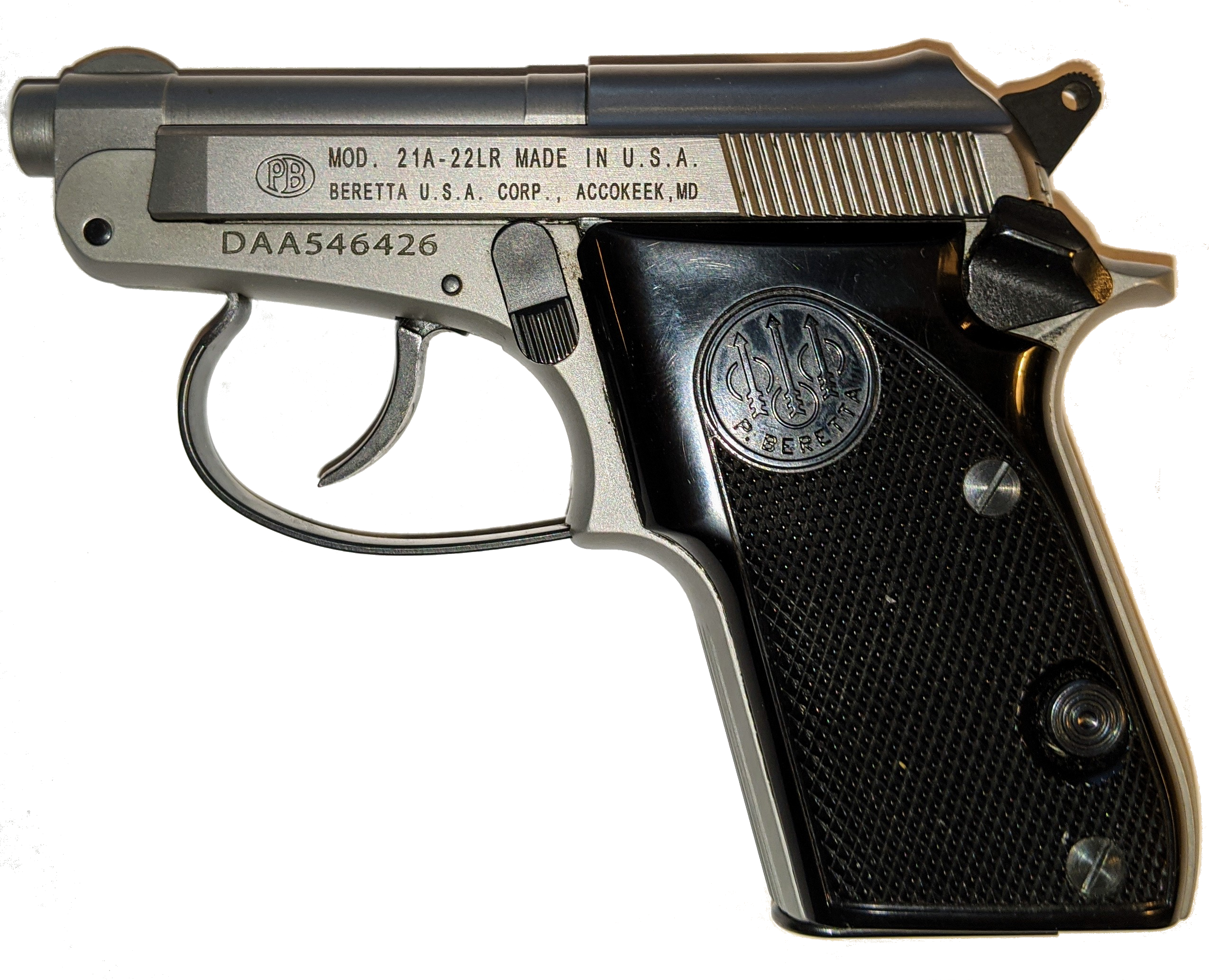
The Beretta 21A Bobcat, introduced in 1984, brought a compact profile to the .22 LR pistol market. Its defining feature is a tip-up barrel, allowing a cartridge to be placed directly into the chamber without retracting the slide. The small double-action/single-action pistol has a 7-round magazine and a 2.4-inch barrel in its .22 LR version. Its proportions and top-mounted safety give it a character quite different from full-size target pistols. The Bobcat shows how Beretta adapted pocket-pistol styling and practical design ideas to a rimfire format.
7. Walther P22
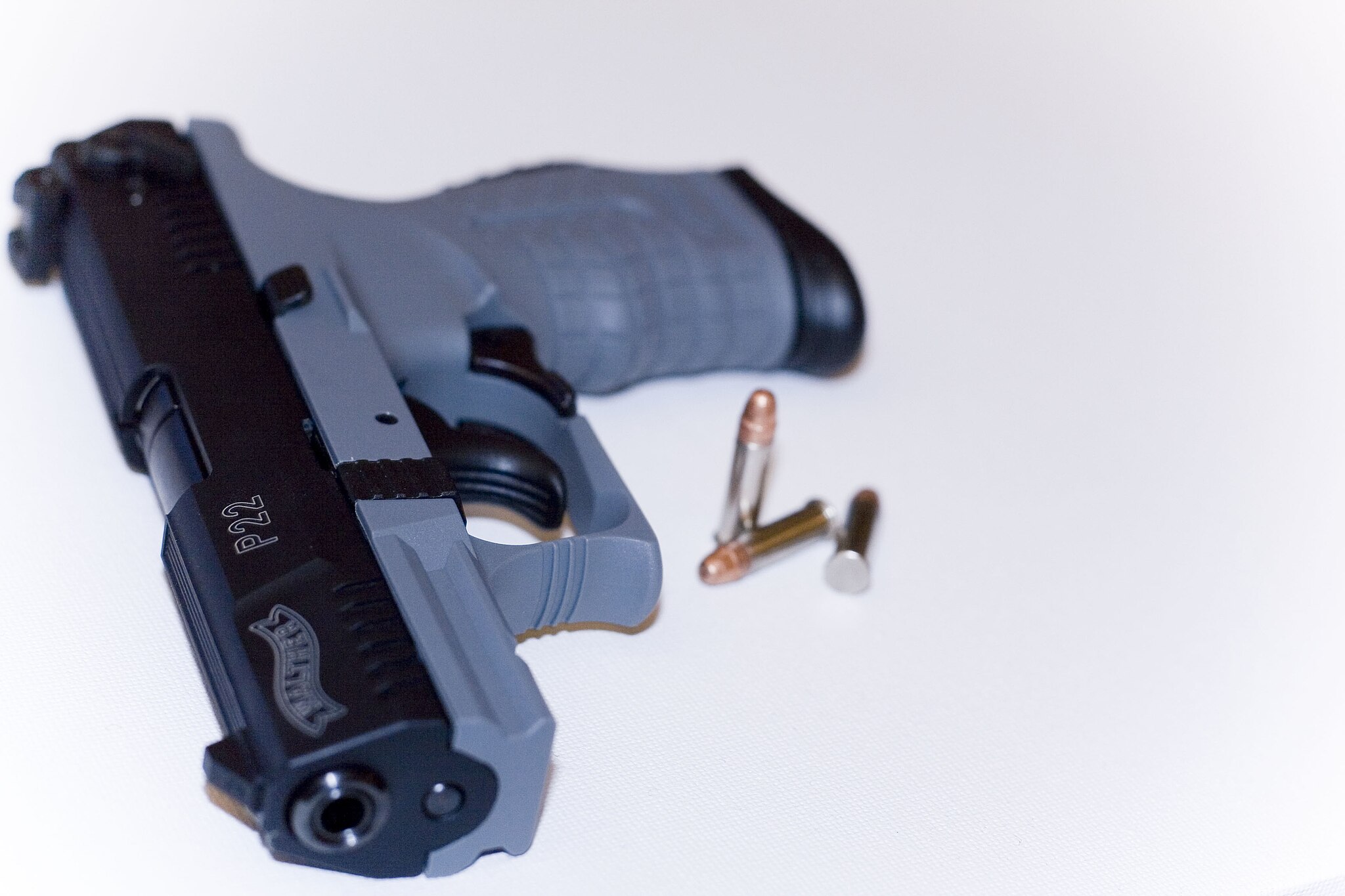
Introduced in the early 2000s, the Walther P22 gave the .22 LR sporting pistol a contemporary, service-pistol-inspired appearance. Its polymer frame, interchangeable grip backstraps, and compact proportions distinguished it from traditional steel target models. The original configuration used a 10-round magazine and a 3.4-inch barrel, although later versions vary. The P22 brought modern styling and ergonomics to a new generation of rimfire handguns. It serves a different role from specialist competition pistols, but its recognizable profile secured it a place among notable modern .22 designs.