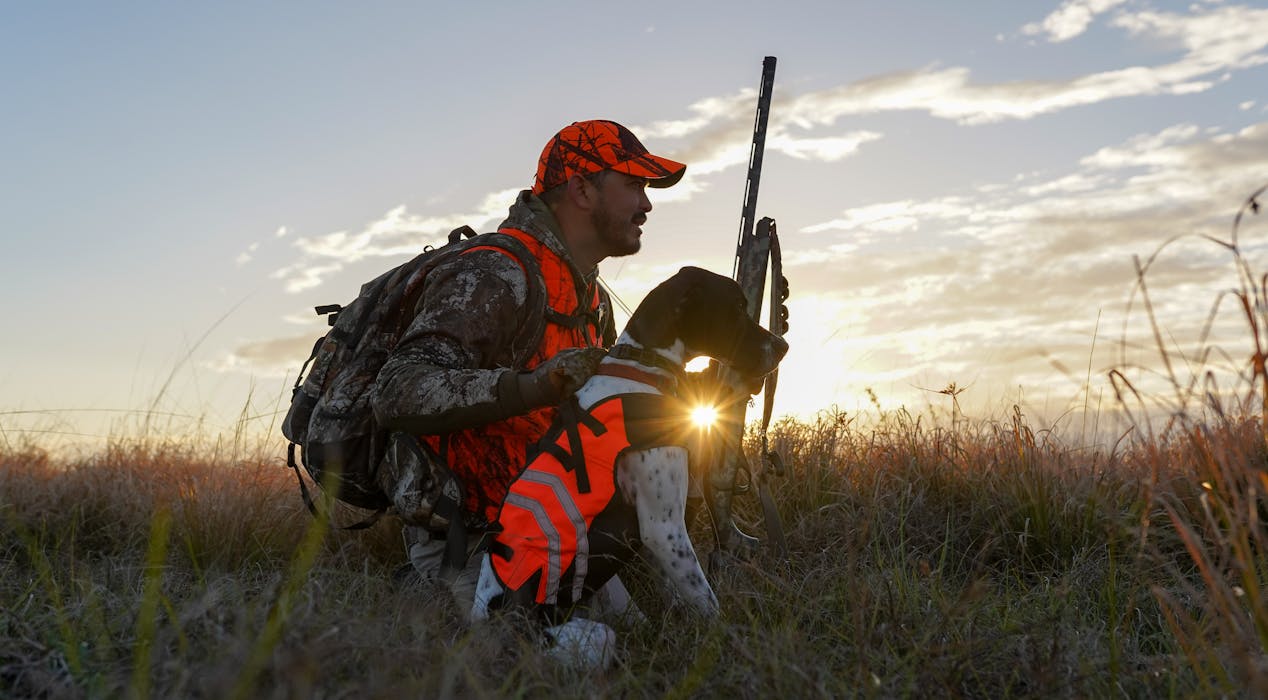
Field shooting often feels straightforward in calm conditions, yet real scenarios introduce tension, shifting weather, and unexpected movement that challenge even experienced hunters. Pressure amplifies small errors and reveals habits formed during practice that do not translate well once adrenaline rises. Understanding these mistakes helps explain why accuracy slips when the stakes are high. Field environments demand stable positions, calm breathing, and clear decision-making, all of which become more complicated when heart rate increases or animals behave unpredictably. Recognizing where shooters commonly struggle encourages a more thoughtful approach to preparation, offering a clearer path toward ethical and confident field performance. These insights help reinforce why controlled practice alone does not guarantee success in fast-changing outdoor settings.
Rushing the Shot Instead of Settling In
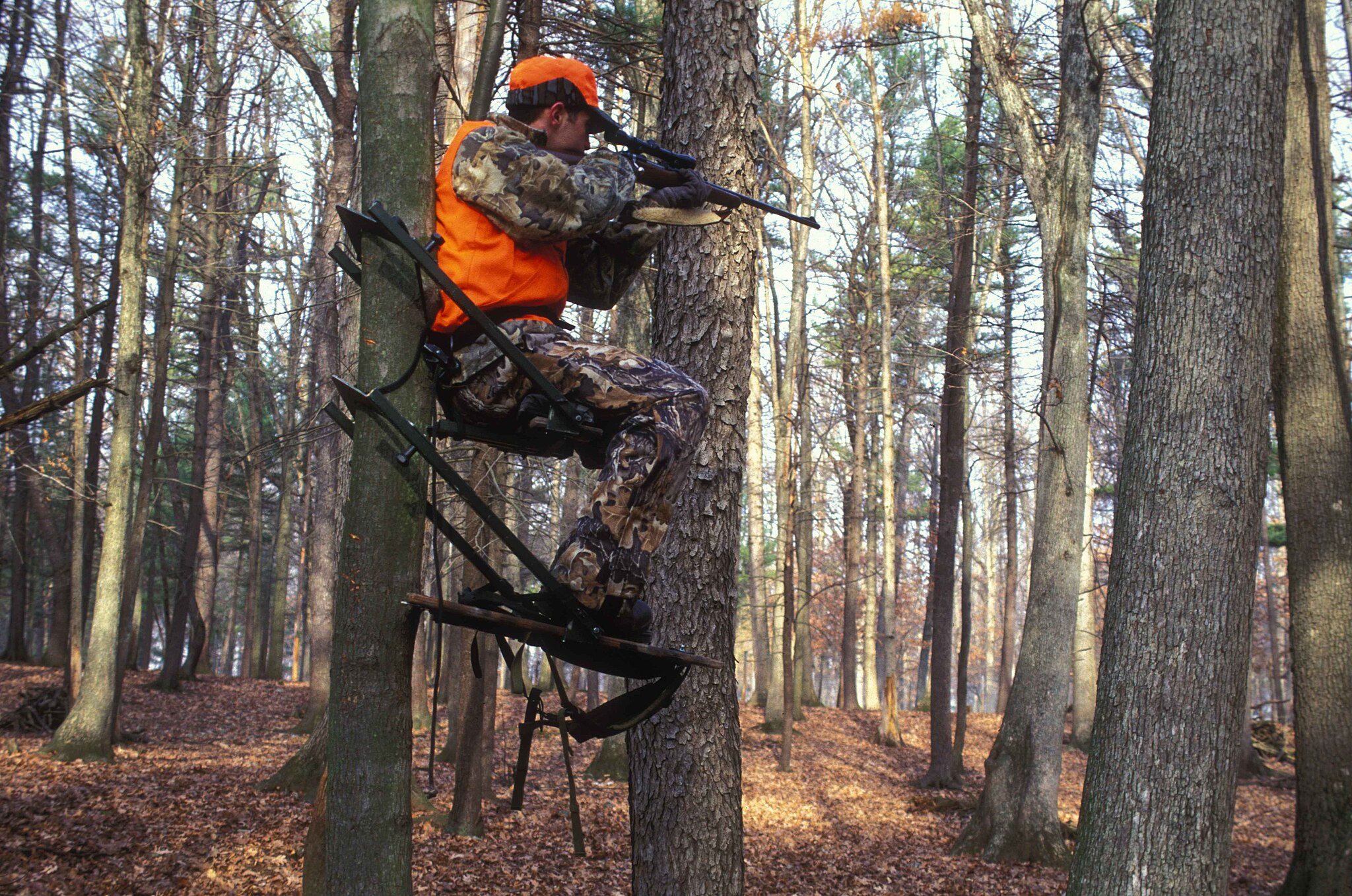
Rushing a shot remains one of the most common mistakes hunters make when conditions shift, and target opportunities appear briefly. The pressure to act quickly can override fundamentals such as breath control, sight alignment, and a stable rest. Many shooters underestimate how much steadiness they lose when adrenaline rises and how important it is to pause long enough to build a proper position. Taking even a brief moment to stabilize the rifle improves control and reduces the likelihood of pulling the shot. Rushed firing often leads to missed opportunities or poorly placed rounds that do not match a hunter’s usual practice results. Slowing down enough to recognize movement, adjust support, and reset breathing helps restore consistency under stress.
Misjudging Distance in Varied Terrain
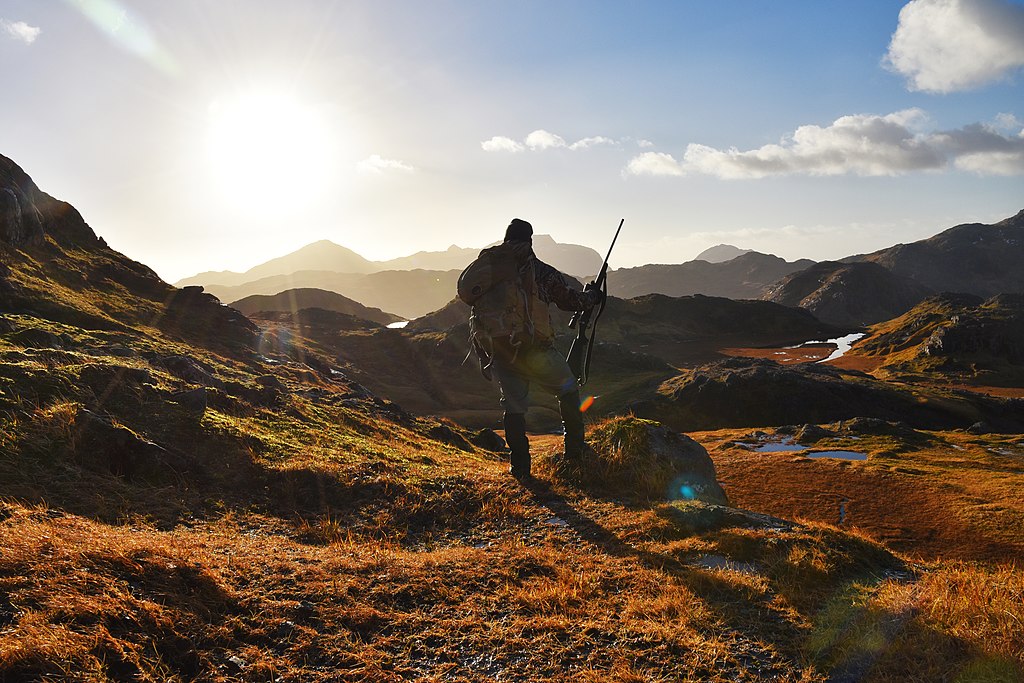
Misjudging distance often happens in rugged terrain where slopes, shadows, and unpredictable wind distort depth perception. Even experienced hunters find that visual estimation becomes unreliable when pressure builds or when animals appear unexpectedly across large valleys or ridges. Without accurate distance, holdover, and bullet drop calculations become guesswork, leading to shots that fall short or drift unexpectedly. Rangefinders help reduce this error, but only when used deliberately in calm moments before a shot opportunity arises. Terrain features can deceive the eye by compressing or expanding perceived space, especially at dawn or dusk. Recognizing how conditions affect perception encourages more frequent distance checks and smoother decision-making in fast-paced shooting situations.
Poor Shooting Position or Unstable Rest
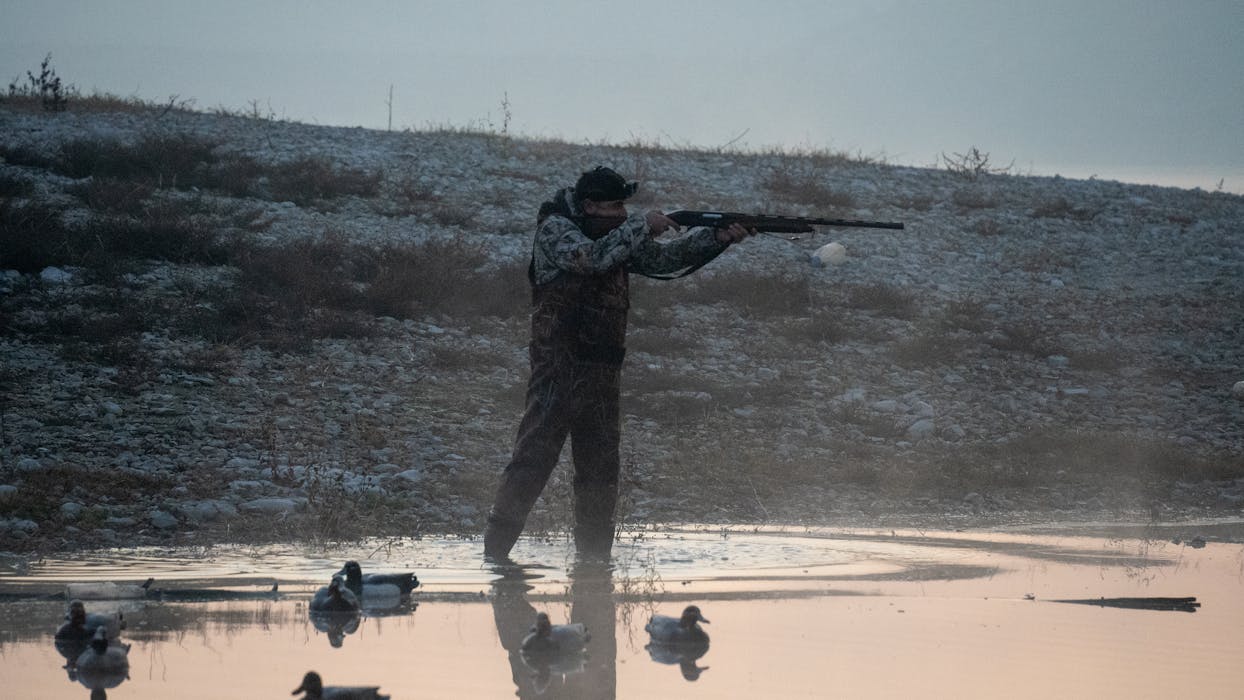
An unstable shooting position contributes to many field errors because it magnifies natural movement and disrupts sight picture stability. Hunters often drop into positions that feel convenient rather than secure, especially when pressured by limited time or awkward terrain. Kneeling or standing without adequate support increases sway, while prone positions can become compromised by vegetation or uneven ground. Using natural rests such as rocks, packs, or tree trunks helps reduce instability, but only when the shooter aligns correctly behind the rifle. Poor alignment creates canting or torque that shifts the shot off target. Building a reliable position under stress requires practice in varied environments so stability becomes instinctive.
Neglecting Wind Effects at Moderate Distances
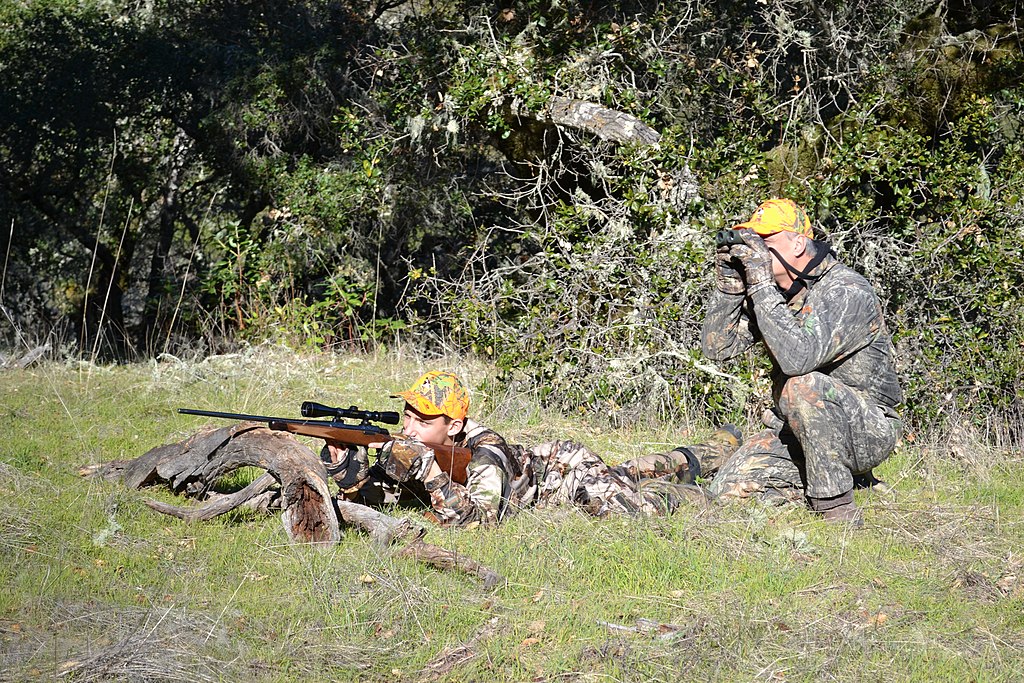
Wind remains one of the most underestimated factors in field shooting accuracy, particularly when shots extend beyond moderate distances. Many hunters focus solely on steady aim and overlook how crosswinds push bullets off course, even at ranges considered comfortable on the range. Under pressure, shooters often rush their evaluations or assume the wind is lighter than it appears. Vegetation movement, dust, and terrain funnels provide clues that must be read quickly and interpreted correctly. Ignoring wind or applying an incorrect correction results in lateral misses that do not reflect a shooter’s true capability. Developing confidence in reading subtle cues reduces uncertainty and encourages deliberate adjustments before breaking the shot.
Failing to Control Breathing Under Stress
Breathing plays an important role in shooting accuracy, yet many hunters lose control of their breath when excitement or physical exertion spikes. Rapid breathing creates natural sway that becomes more noticeable in magnified optics, making it difficult to settle crosshairs on target. Field situations often involve climbing, rushing to position, or reacting quickly, which raises heart rate and magnifies movement. Skilled shooters pause long enough to slow their breathing and allow a gentle, natural respiratory pause before firing. Without this discipline, even well-aimed shots drift unintentionally. The ability to regain steady breathing under stress improves confidence and consistency in unpredictable outdoor environments.
Overestimating Stability of Improvised Supports
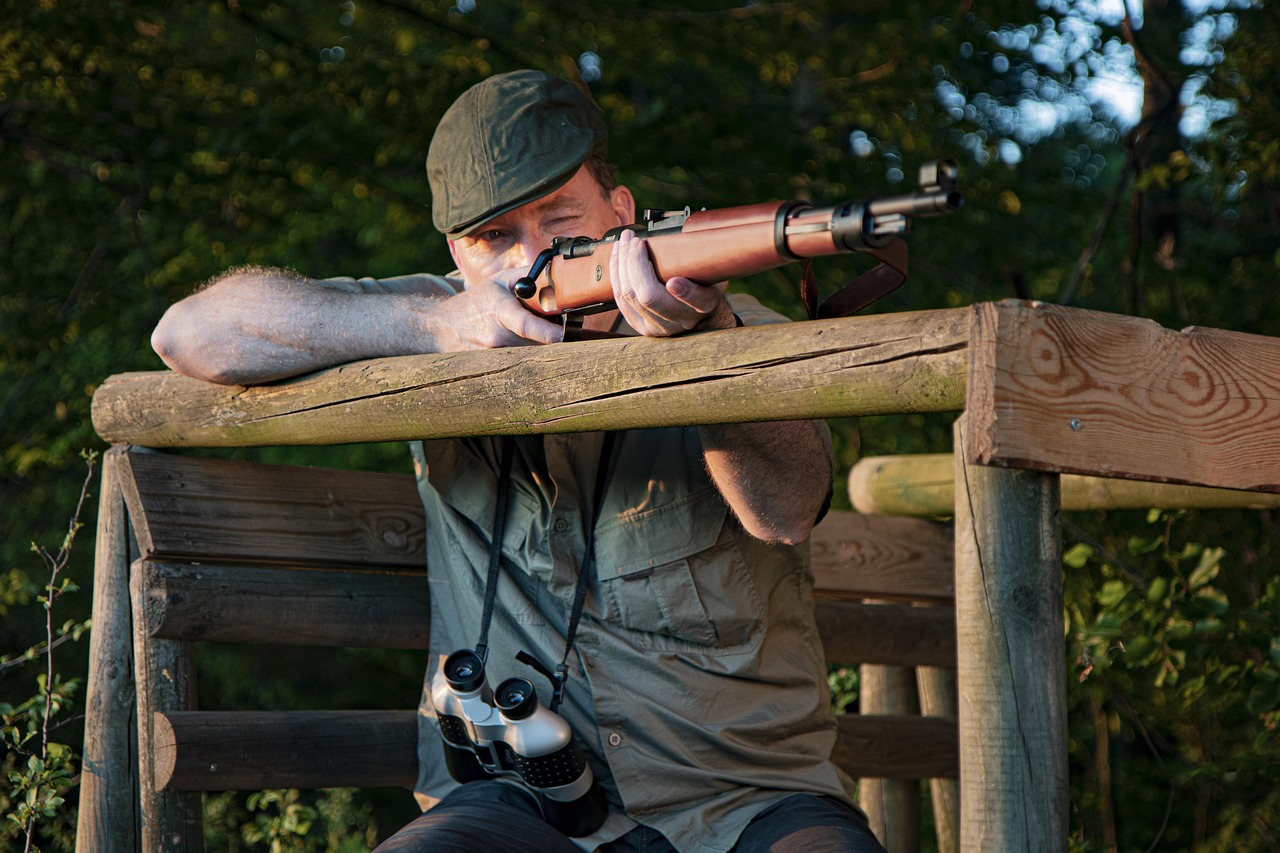
Improvised supports like tree branches, fence posts, or boulders feel stable at first glance, yet many do not provide the level of control needed for precise shooting. Hard surfaces create bounce or slide that disrupts aim, while uneven materials cause the rifle to cant slightly without the shooter noticing. Under pressure, hunters often lean heavily into these rests for quick stabilization, which increases tension instead of improving accuracy. Soft rests, such as backpacks, can compress unpredictably and alter the point of aim. Successful field shooting requires recognizing the limitations of improvised supports and adjusting body position to compensate for irregular surfaces.
Forgetting to Adjust for Uphill or Downhill Angles
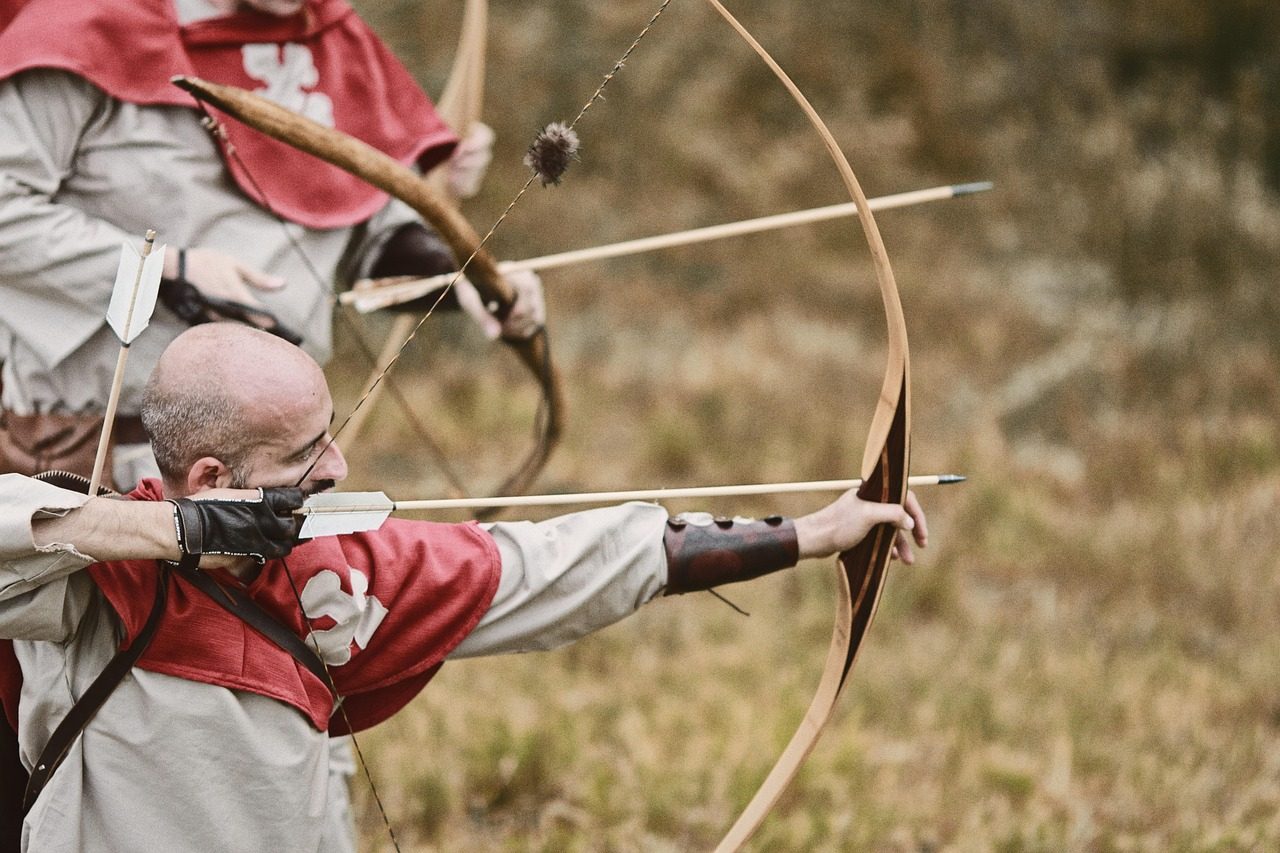
Shooting uphill or downhill introduces angle-based errors that catch many hunters off guard when pressure rises. Gravity affects a bullet differently along angled paths, causing shots to impact higher than expected when the shooter aims as if the target were on level ground. Under stress, hunters often focus entirely on the sight picture and forget to account for the shortening of true horizontal distance. This mistake becomes more pronounced in mountainous terrain, where steep slopes influence aim. Even modest angles can produce noticeable misses when uncorrected. Successful shooters practice angled shots in controlled conditions so these adjustments feel natural in the field. Recognizing when elevation changes demand compensation helps prevent high impacts and strengthens overall accuracy.
Inconsistent Trigger Control
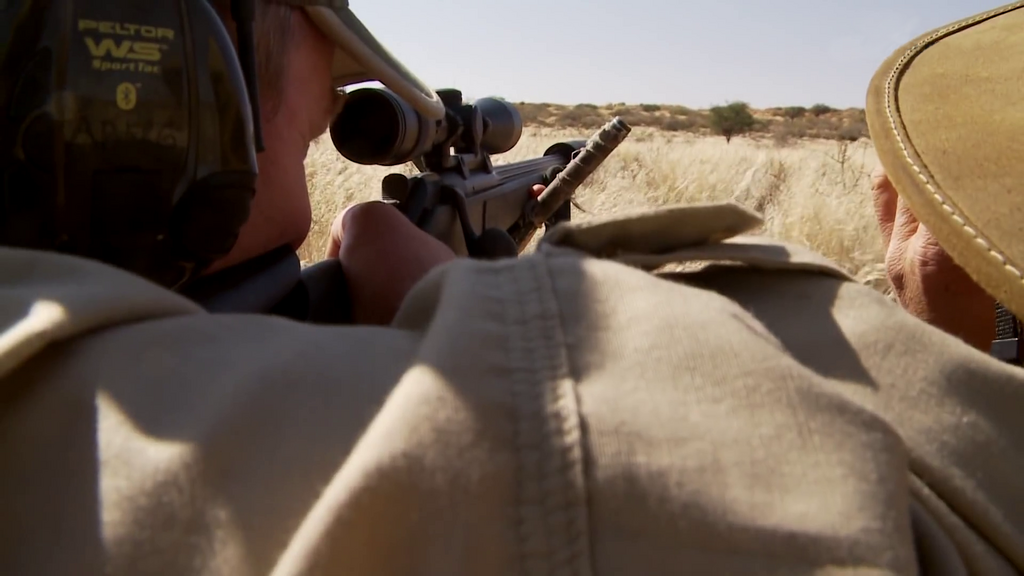
Inconsistent trigger control remains a major contributor to missed shots because tension, anticipation, and rushed movements increase dramatically in real hunting scenarios. When excitement builds, shooters often slap or jerk the trigger rather than applying slow and steady pressure. This abrupt motion disrupts alignment and pulls the shot off target. Field shooting conditions amplify this problem because unstable rests, cold fingers, or heavy gloves interfere with smooth performance. Good trigger discipline requires maintaining focus through the final moment of the shot, even when time feels limited. Practicing controlled trigger presses under realistic stress conditions helps build consistency. Understanding how small changes in trigger movement affect accuracy encourages more deliberate and repeatable technique.
Changing Magnification at the Wrong Moment
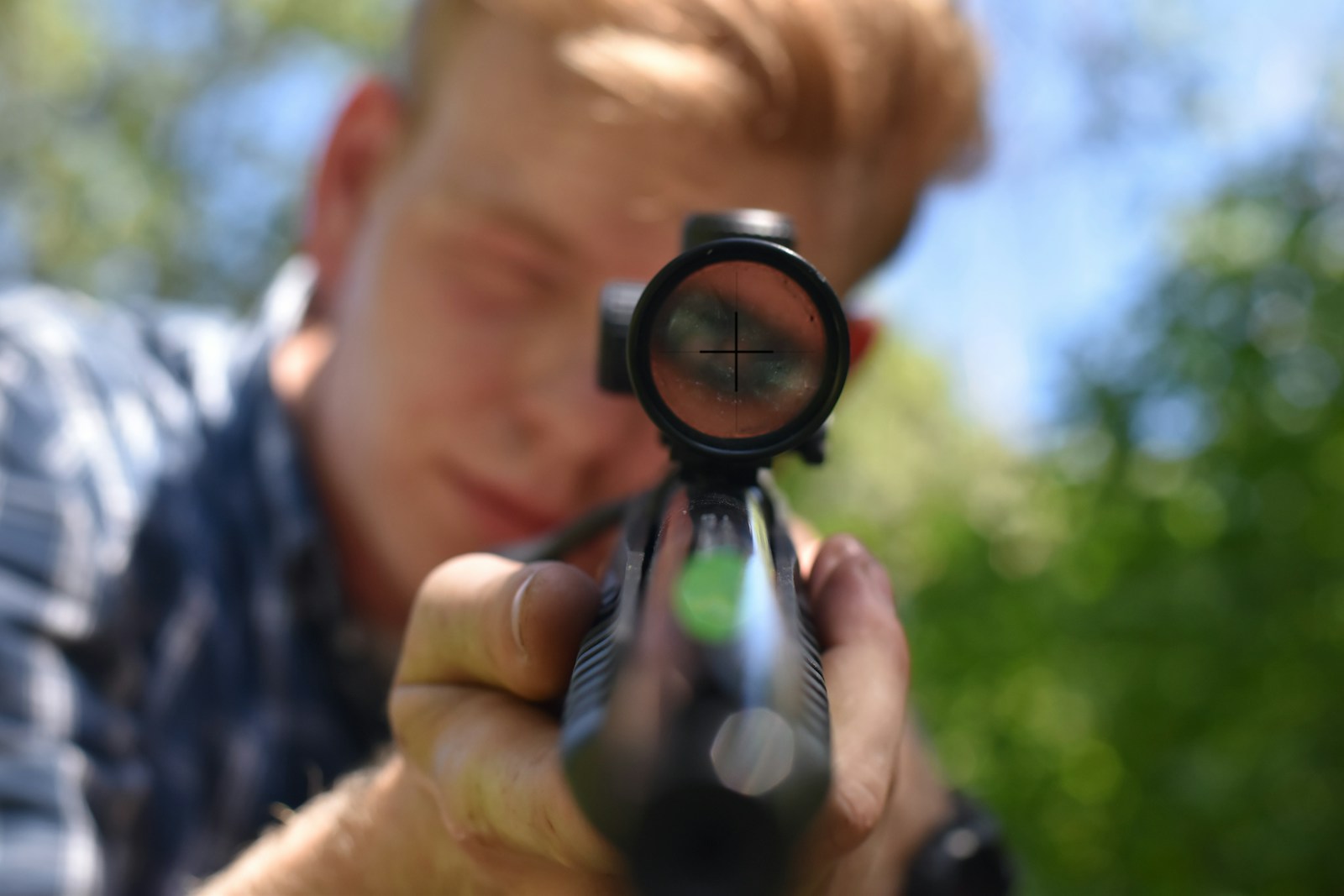
Changing magnification during a pressured encounter often leads to lost opportunities because it disrupts sight picture and situational awareness. Many hunters zoom in too far when an animal appears, making it difficult to track movement or reacquire the target after recoil. High magnification also exaggerates natural wobble, increasing anxiety as the reticle moves unpredictably. Conversely, some shooters forget to increase magnification for longer shots, limiting their ability to identify vital zones clearly. Adjustments should occur before engagement or during calm moments rather than in the heat of action. Practicing with magnification settings in varied terrain prepares hunters to select appropriate levels quickly and confidently when real field conditions shift unexpectedly.
Not Confirming Zero Before the Hunt
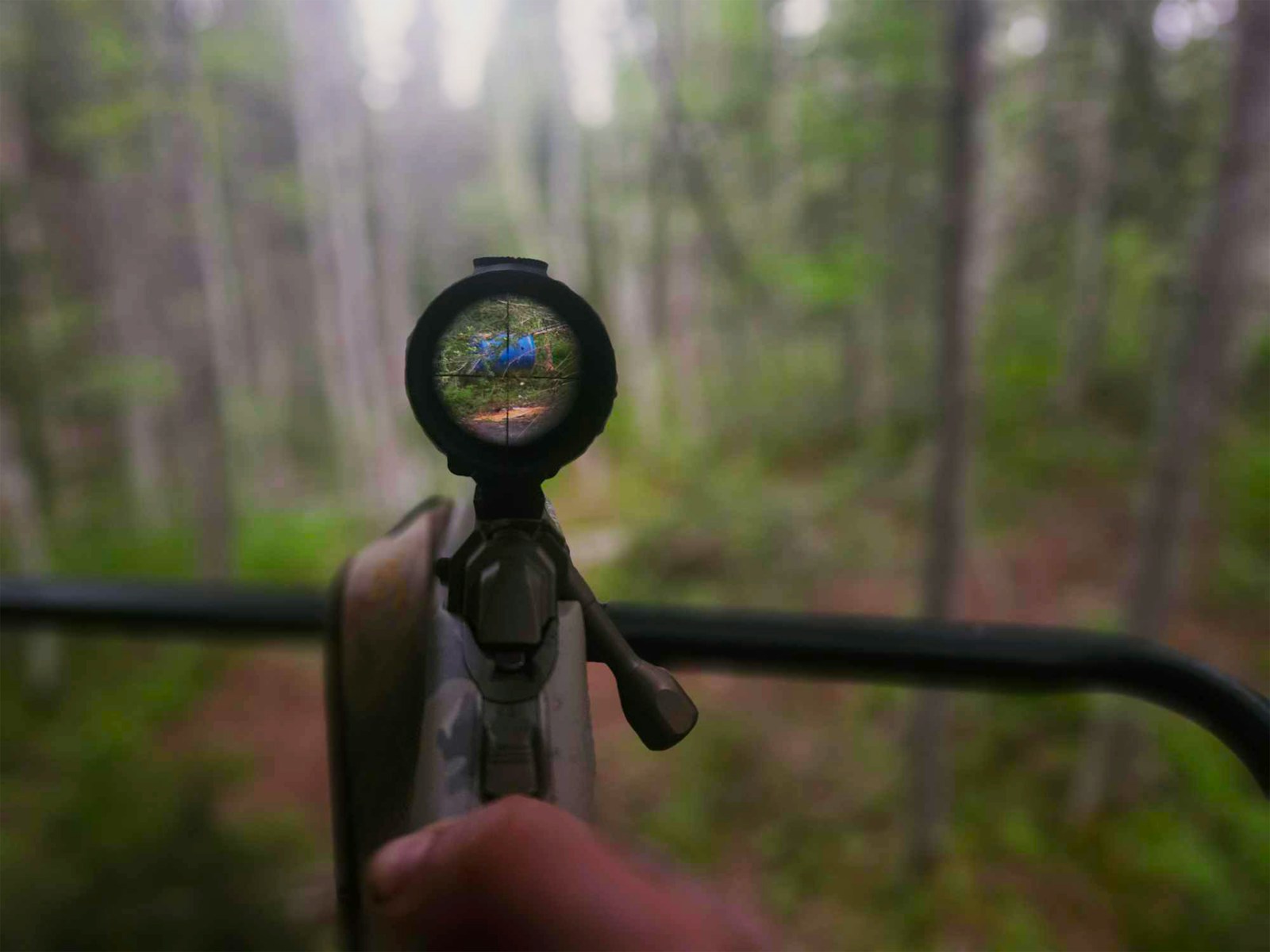
Failing to confirm zero before heading into the field often results in missed or poorly placed shots, especially when rifles experience bumps, temperature shifts, or optic adjustments during travel. Even high-quality scopes and mounts can shift slightly from impacts or environmental changes. Under pressure, hunters may trust their last range session and overlook the importance of verifying accuracy before the season or trip begins. A quick check ensures that both rifle and ammunition are working together predictably. Confirming zero also boosts confidence, which directly affects composure during shot execution. Skipping this step introduces unnecessary uncertainty that becomes magnified in high-pressure moments when precision matters most.
Overlooking Natural Shooting Positions
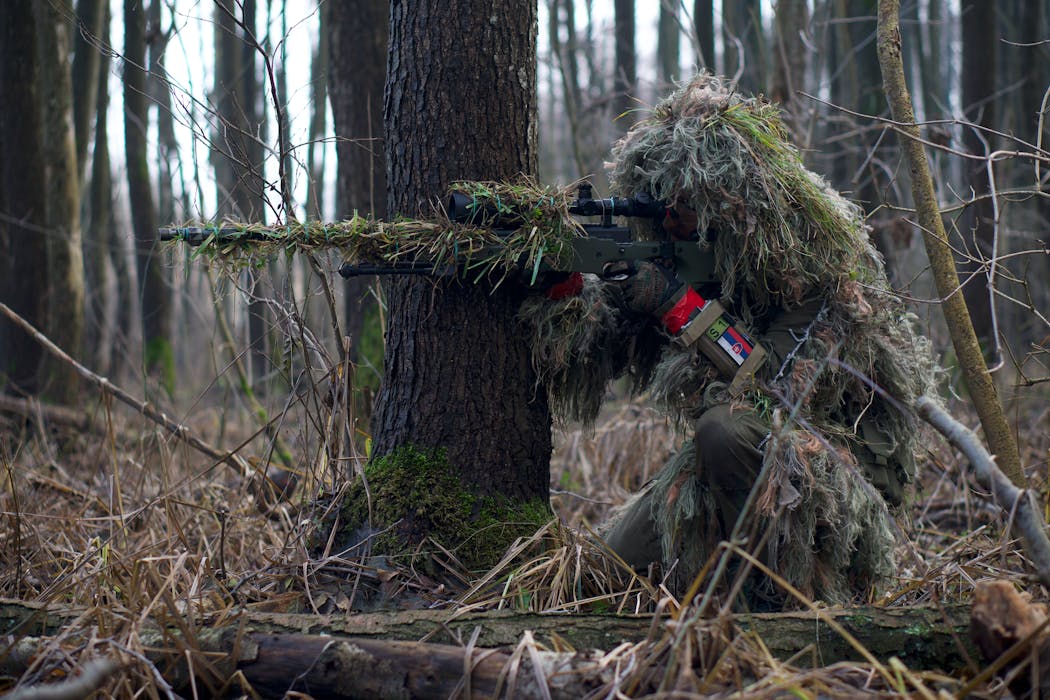
Hunters often overlook natural shooting positions that provide greater stability because the urgency of the moment pushes them to use whatever stance they fall into first. The terrain frequently offers supportive options such as tree trunks, logs, rocks, or knees that can enhance balance. Relying solely on standing or kneeling positions decreases accuracy, especially when the heart rate is elevated. Recognizing potential rests quickly and incorporating them into a stable shooting platform dramatically improves results. Under pressure, shooters may forget to lower their center of gravity or use available support, but practiced awareness allows these positions to become instinctive. Using land features effectively helps steady aim without requiring additional gear.
Failing to Follow Through After the Shot
Follow-through is often forgotten in high-pressure moments because hunters shift focus immediately after pulling the trigger, expecting to see impact or movement. Lifting the head prematurely or relaxing the shooting position disrupts the shot and introduces unnecessary movement during the most critical fraction of a second. Consistent follow-through means maintaining sight alignment, keeping contact with the rifle, and allowing recoil to complete naturally. This habit not only improves accuracy but also helps the shooter observe animal reaction for a more informed next step. Practicing deliberate follow-through ensures this discipline carries into the field, where pressure otherwise encourages rushed movements.
Mismanaging Shooting Sticks or Bipods
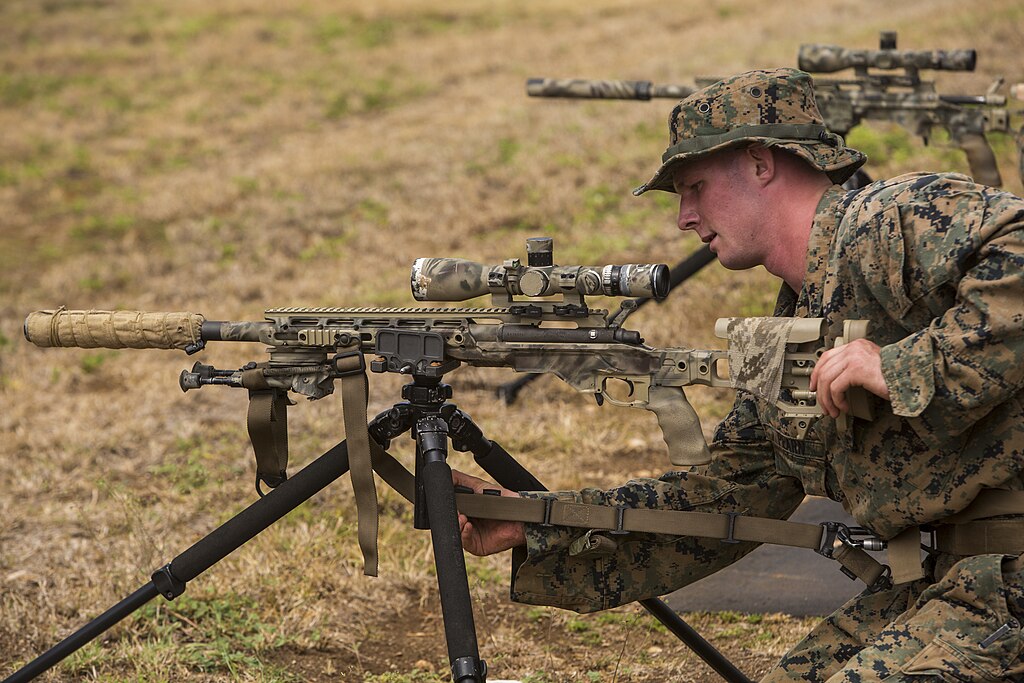
Mismanaging shooting sticks or bipods becomes a common field mistake when pressure builds, and hunters try to set up quickly without proper positioning. These tools offer excellent stability, but only when deployed correctly and adjusted to the appropriate height. In rushed situations, sticks are often placed unevenly or too far forward, causing the rifle to wobble or bounce. Bipods may dig into soft ground or slide on smooth surfaces, creating instability that did not exist during practice sessions. Efficient use requires familiarity with terrain, body alignment, and the time needed to establish a solid platform. Hunters who train with their support in varied conditions gain confidence in using them smoothly when unpredictable opportunities arise. Proper deployment allows these tools to enhance precision rather than complicate the moment.
Ignoring Body Alignment
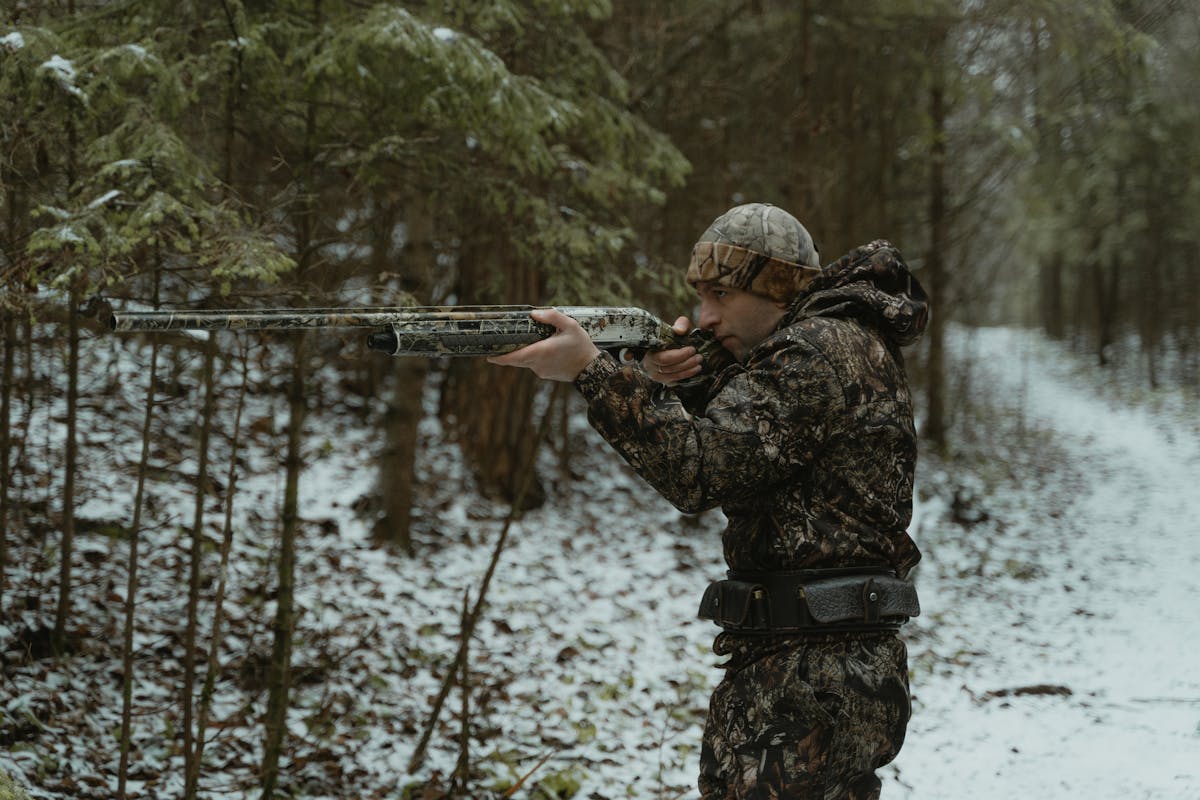
Ignoring body alignment often leads to accuracy problems because even a stable rest cannot compensate for improper positioning behind the rifle. When pressure rises, hunters tend to twist, crouch, or lean awkwardly in an attempt to gain a quick sight picture. These misalignments introduce torque that shifts the muzzle off target. Proper alignment ensures the rifle recoils straight back rather than drifting sideways, which helps maintain consistency and follow-through. Adjusting the torso, shoulders, and legs into a natural line behind the firearm minimizes strain and increases control. Field situations rarely present perfect shooting stances, but recognizing how to adjust quickly allows hunters to build more effective positions. Maintaining alignment under stress is one of the most reliable ways to improve shot placement across changing terrain.
Allowing Clothing or Gear to Interfere
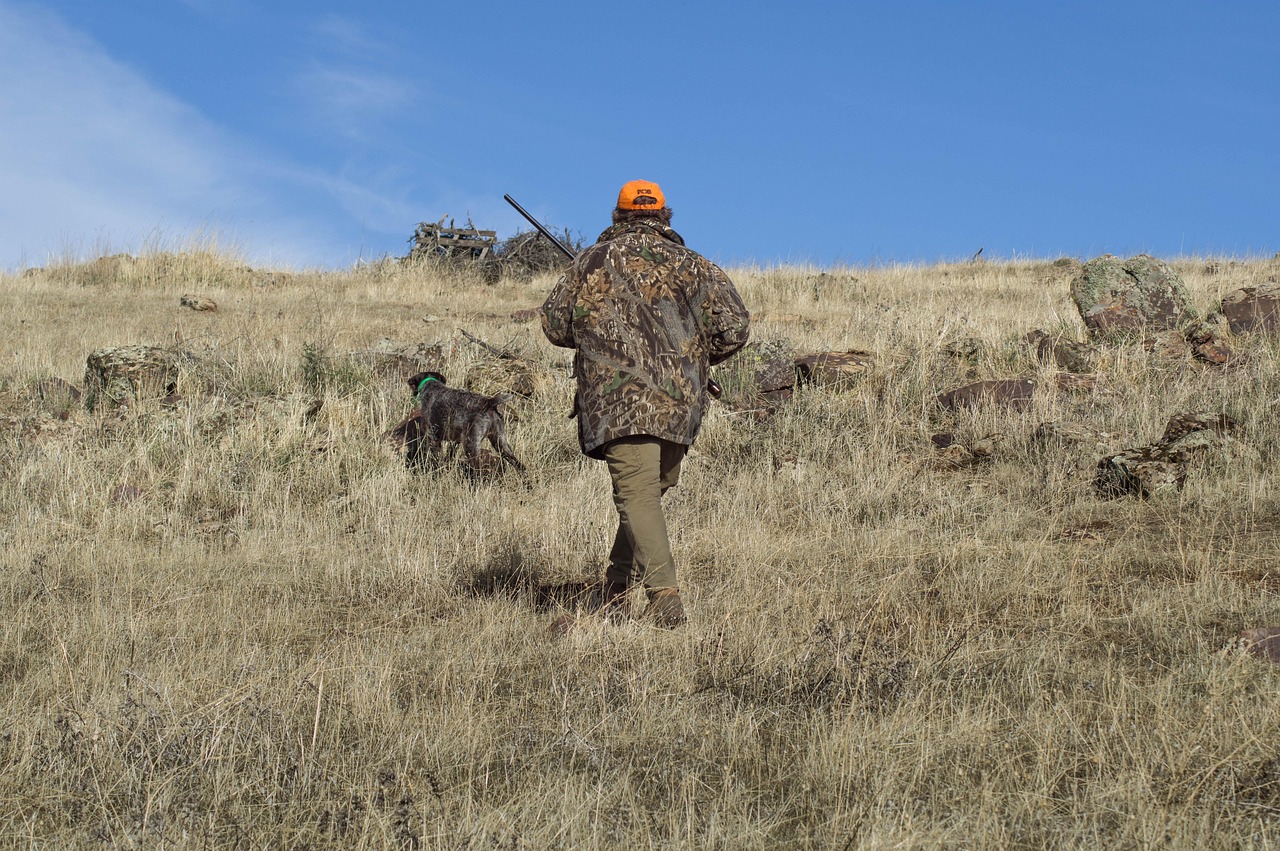
Clothing and gear often interfere with shooting performance when hunters forget to account for layers, straps, or bulky insulation that restricts movement. Cold-weather jackets can bunch near the stock, altering cheek weld or trigger reach. Backpacks and slings may shift unexpectedly, causing an imbalance at the moment of firing. Under pressure, hunters may not notice how gear placement changes their shooting platform until the shot breaks. Practicing with the same clothing and accessories used in the field helps identify these issues before they matter. Adjusting layers, tightening straps, and clearing the stock area improve consistency and control. Recognizing how equipment interacts with shooting form prepares hunters to avoid small mistakes that lead to noticeable misses.
Misinterpreting Animal Movement
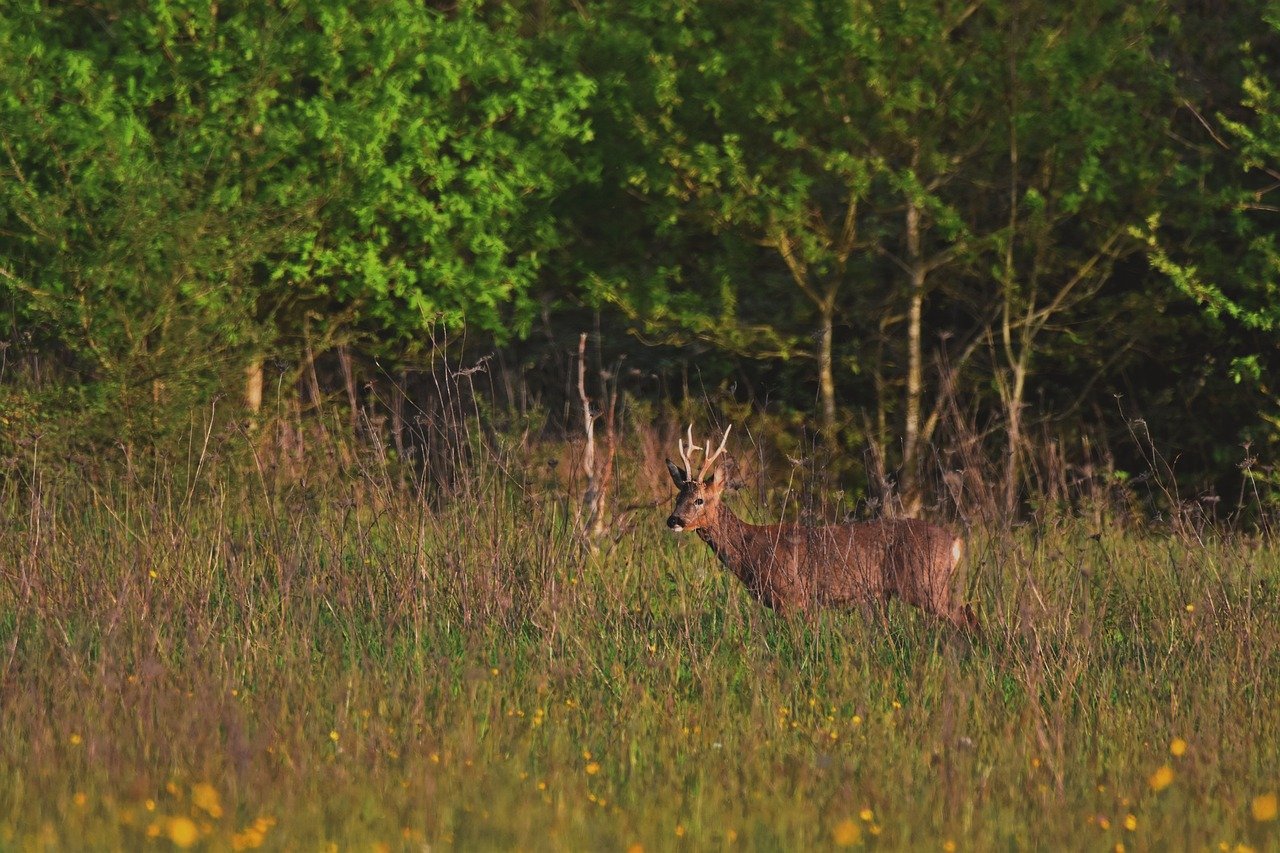
Misinterpreting animal movement creates rushed decisions when hunters assume an animal will behave predictably under pressure. Animals often change pace, direction, or posture quickly, making shot timing more complex than expected. Many hunters fire too soon or attempt to lead a moving target without understanding distance or speed, which increases the likelihood of poor placement. Observing body language and waiting for a pause allows for a more controlled shot. Recognizing patterns in movement helps determine when an animal may stop, turn, or enter a clearing. Patience and observation become valuable tools in these situations, reducing the chance of hasty misjudgments. Practiced awareness of natural behavior supports ethical and accurate shooting decisions.
Mental Overload and Loss of Focus
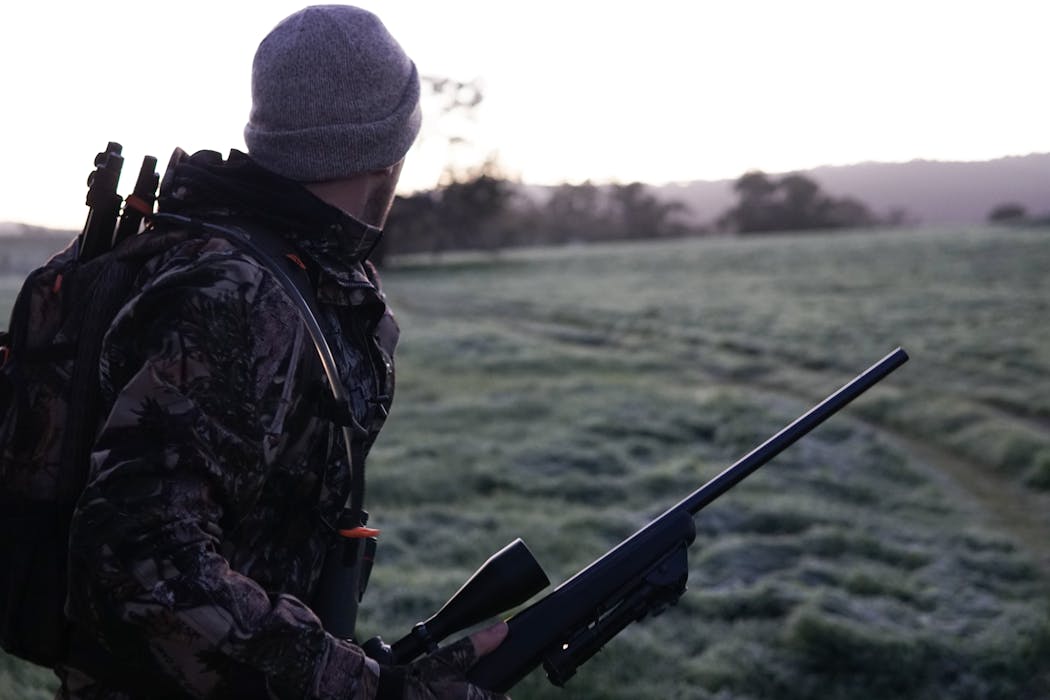
Mental overload occurs when pressure, excitement, and environmental variables all demand attention at once, causing hunters to lose focus on essential fundamentals. The combination of movement, noise, terrain, and anticipation can overwhelm decision-making. This leads to forgotten steps such as checking the safety, adjusting optics, or controlling breathing. Many hunters experience tunnel vision, narrowing their awareness and causing mistakes they would never make in calm practice. Developing a repeatable mental checklist helps maintain composure and prioritize key actions even when adrenaline rises. Training in varied conditions and practicing under time constraints reinforces this discipline. Maintaining mental clarity supports more deliberate, confident shots when real opportunities emerge in the field.