Pocket pistols were never glamorous, but they quietly taught designers how to build a reliable gun in a tiny space. Between 1892 and 1970, engineers working on frames that weighed as little as 10 ounces had to solve problems that larger handguns could ignore, such as snag-free profiles, safe carry, and dependable feeding from slim magazines. Calibers in this list run from .25 ACP to .380 ACP, barrels measure roughly 2 to 4 inches, and magazine capacity ranges from 5 to 8 rounds. Many ideas we take for granted today, including striker-style simplicity and hammerless carry, were tested first in these little guns. Each one below earns its place with a specific contribution.
1. Colt Model 1903 Pocket Hammerless: The Gentleman’s Sidearm
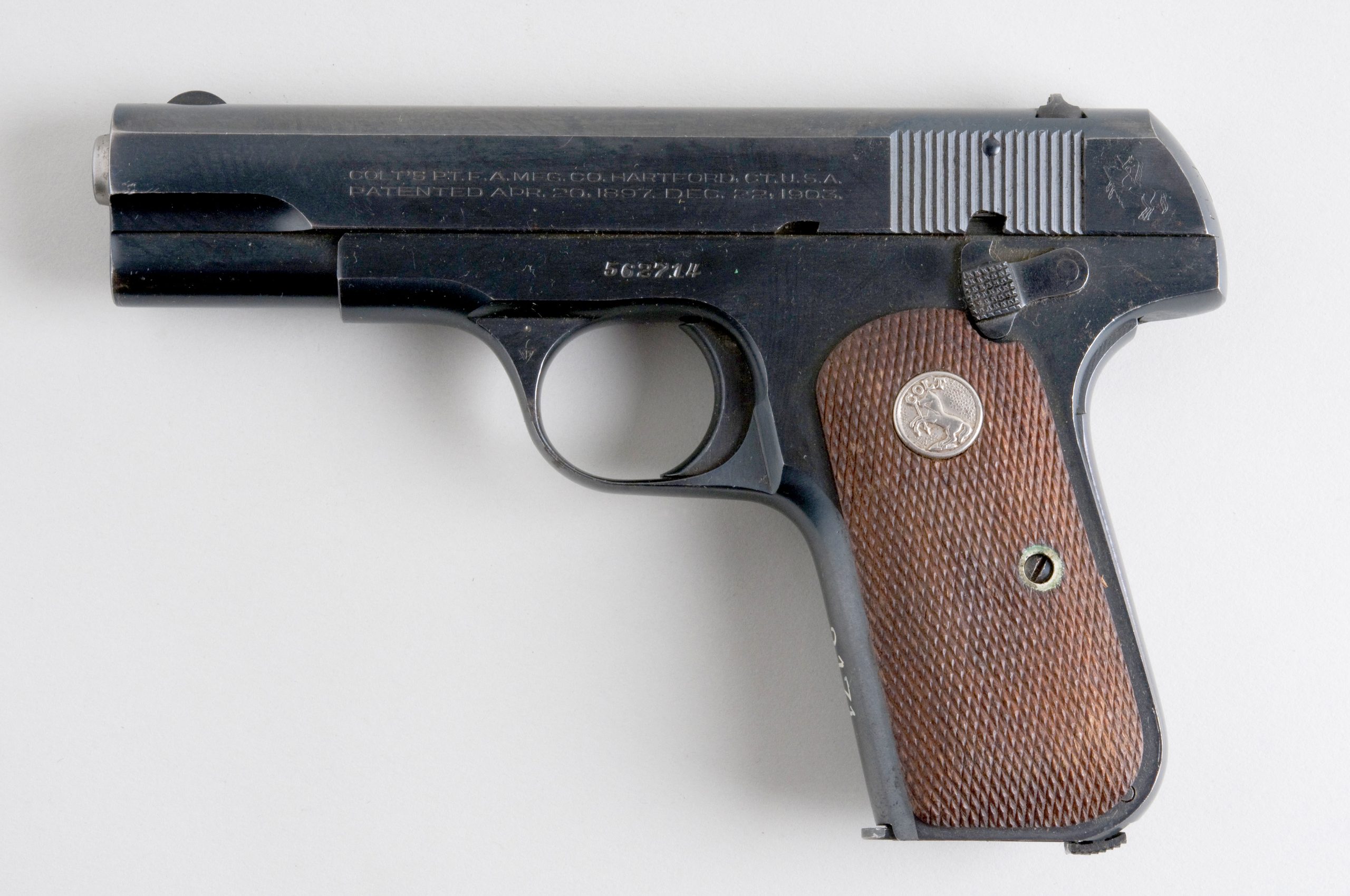
John Browning’s design for Colt, introduced in 1903, fused elegance with sound engineering. This .32 ACP pistol holds 8 rounds in a single-stack magazine, carries a 3.75-inch barrel, and weighs about 23 ounces. The hammer is concealed inside the slide, so nothing catches on a coat lining, which was a major selling point. A grip safety and a thumb safety add layers of protection. Colt built roughly 572,000 of them through 1945, and many went to officers and detectives. The slim, rounded profile influenced countless pocket guns that followed. Its 71-grain bullet leaves at around 900 feet per second, mild but adequate for its era. Used examples commonly sell for $700 to $1,300.
2. FN Model 1910: The Browning Blueprint for Slim Carry
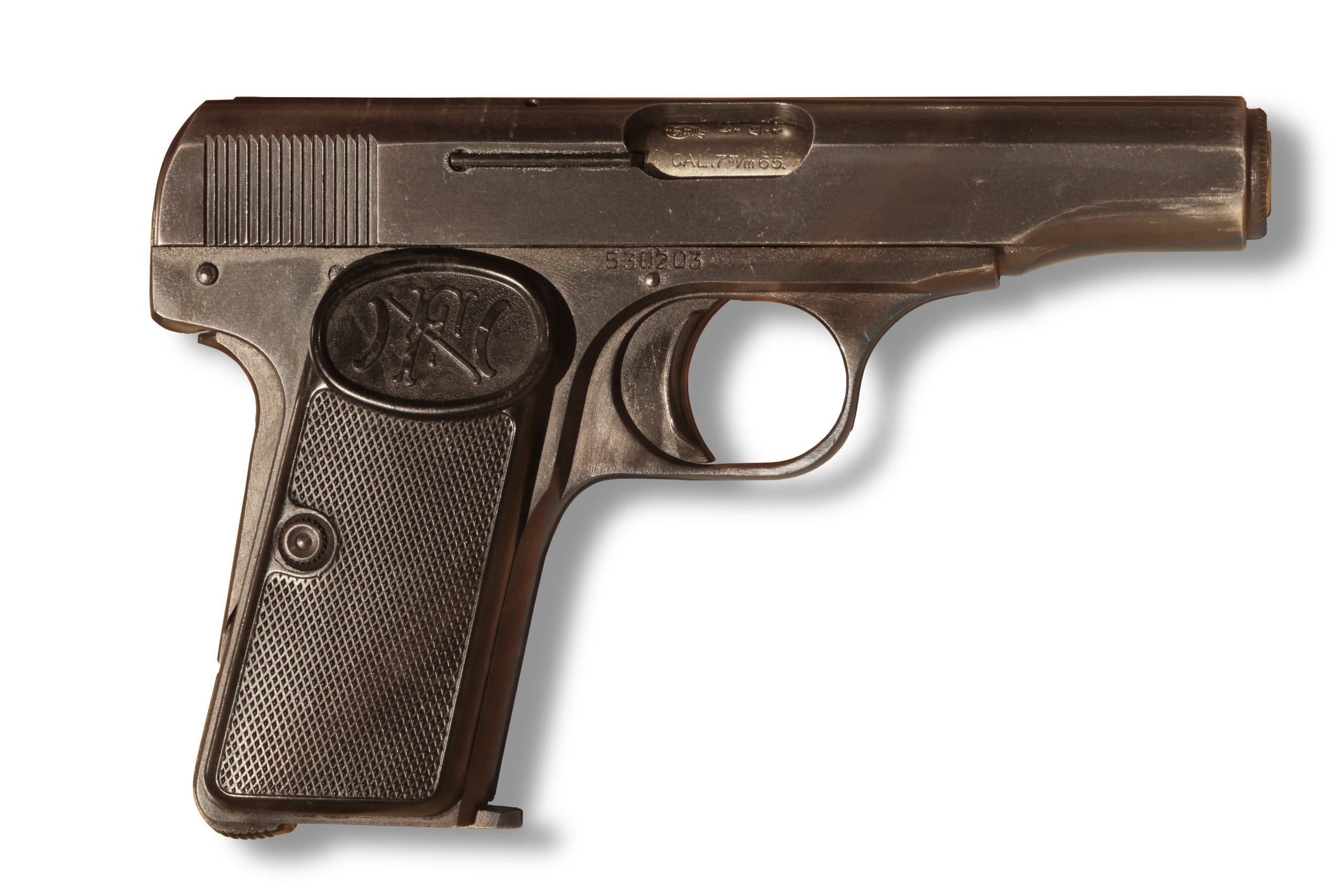
Belgium’s FN Model 1910 showed how thoughtful layout could shrink a pistol without hurting reliability. Chambered for .32 ACP or .380 ACP, it holds 7 or 6 rounds, with a 3.5-inch barrel and a weight near 20 ounces. Its recoil spring wraps around the barrel, which lets the slide stay low and balanced. That arrangement helped create the slim look many later pistols borrowed. A striker-fired action keeps the profile clean, and both a thumb safety and a magazine disconnect guard against accidents. The Model 1910 also had a minor role in history, as the pistol is linked to the 1914 assassination of Archduke Franz Ferdinand. Collector prices usually fall between $450 and $900, depending on condition.
3. Walther PP: The Double-Action Pioneer
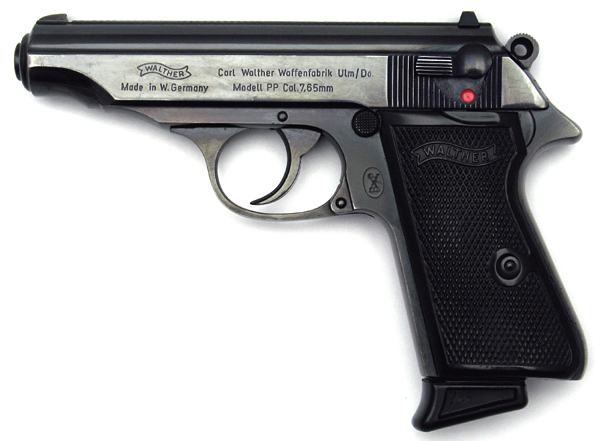
Introduced in 1929, the Walther PP, short for Polizeipistole, changed how pocket-sized guns operated. It was among the first successful pistols with a double-action first shot and a single-action follow-up, so officers could carry it with the hammer down and still fire quickly. Chambered in .32 ACP or .380 ACP, it carries a 3.9-inch barrel, holds 7 or 8 rounds, and weighs about 23 ounces. A loaded-chamber indicator pin protrudes from the slide, a small touch that increases safety. The design influenced James Bond’s reputation, thanks to the smaller PPK cousin, and inspired the Makarov and numerous modern compacts. Clean examples typically cost $600 to $1,200, with wartime pieces going higher.
4. Walther PPK: The Cinematic Shrunken Cousin
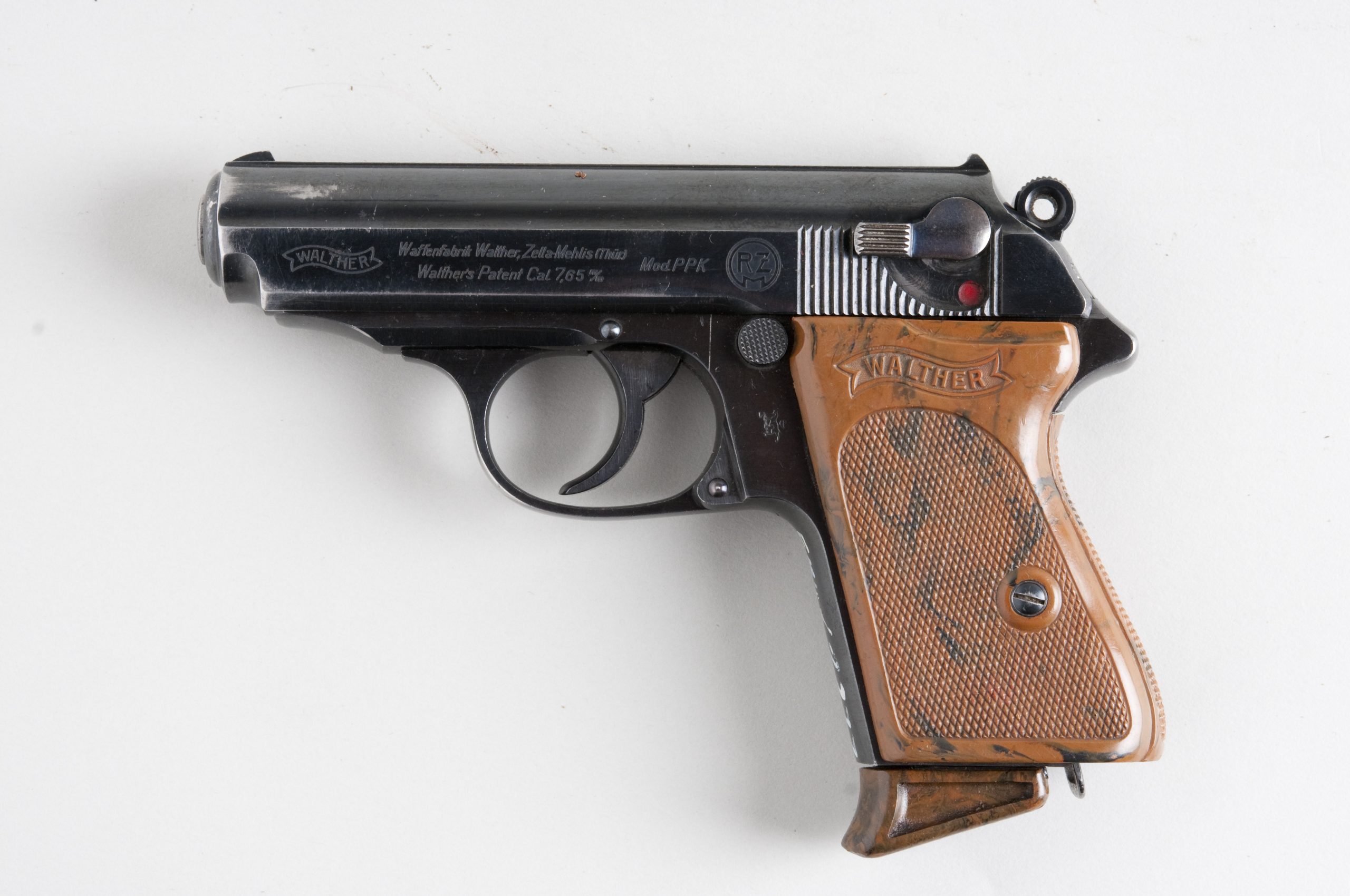
The Walther PPK arrived in 1931 as a shortened PP, aimed at plainclothes detectives who needed deeper concealment. The K stands for Kriminal, and the gun trims the barrel to 3.3 inches, the weight to about 21 ounces, and the capacity to 7 rounds of .32 ACP or 6 of .380 ACP. Its double-action trigger is heavy, around 11 pounds, but the single-action follow-up drops near 4.5 pounds. Fans know it best as the pistol attached to the fictional agent 007, which drove sales for decades. After 1968, American import rules made the PPK hard to bring in, and U.S.-assembled versions followed. Prices typically run from $700 to $1,400 for good examples.
5. Browning Baby: The Vest-Pocket Wonder
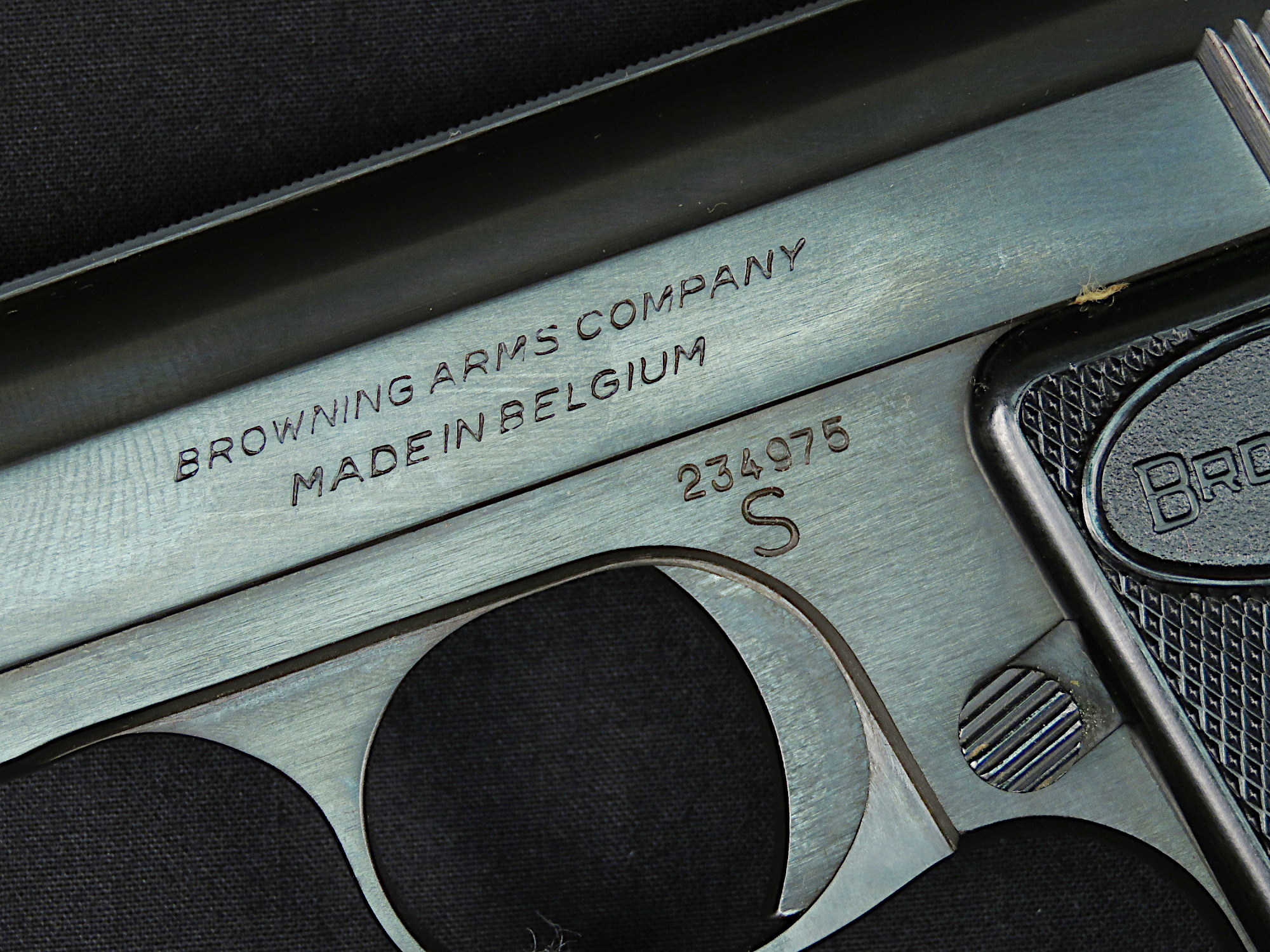
The Browning Baby, produced by FN from 1931, may be the smallest successful semi-auto of its era. Chambered in .25 ACP, it holds 6 rounds, has a barrel of roughly 2 inches, and weighs only about 9.5 ounces, so it vanishes in a vest pocket. Its 50-grain bullet leaves near 750 feet per second, which is more of a last-resort option than a serious defensive load. Still, the pistol proved that careful engineering could keep a tiny gun smooth, accurate at 7 yards, and dependable. It spawned dozens of look-alikes, many of them stamped with the Baby Browning name. Production continued into the 1970s, and surviving examples usually cost between $350 and $700.
6. Beretta Model 1934: The Italian Service Pocket Pistol
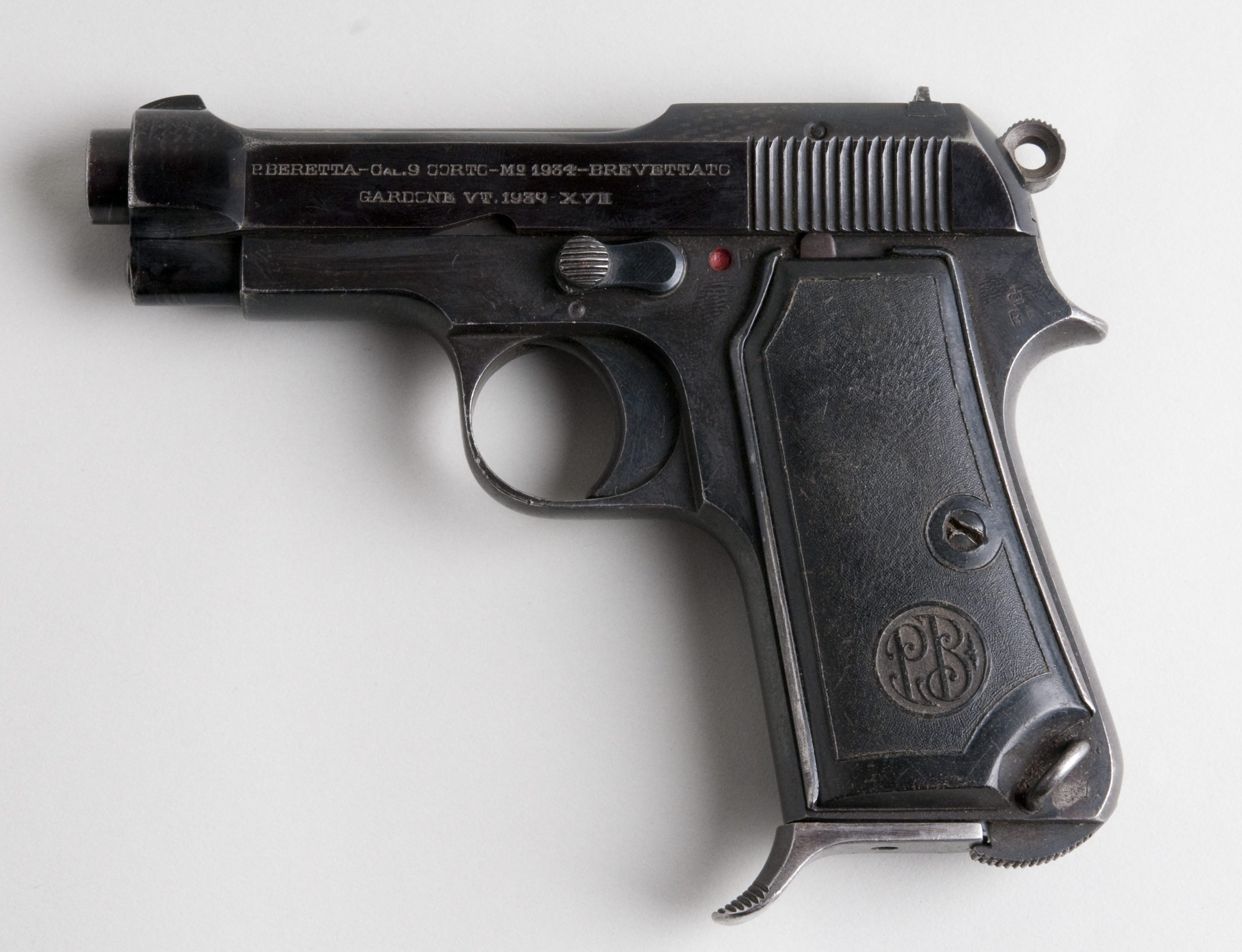
Italian soldiers carried the Beretta Model 1934 through World War II, and it proved that a pocket-sized gun could also work as a service sidearm. Chambered in .380 ACP, it holds 7 rounds, features a 3.5-inch barrel, and weighs about 23 ounces. Its blowback action is simple and rugged, with an exposed barrel that sheds dirt well. A 95-grain bullet leaves at roughly 950 feet per second, so the gun carries more punch than many .32 caliber rivals. The Italian military ordered hundreds of thousands, and the design later evolved into the Model 70 and the compact Beretta 84 series. Collectors enjoy its wartime markings, and values typically range from $500 to $900.
7. Colt Model 1908 Vest Pocket: The .25 Caliber Trailblazer
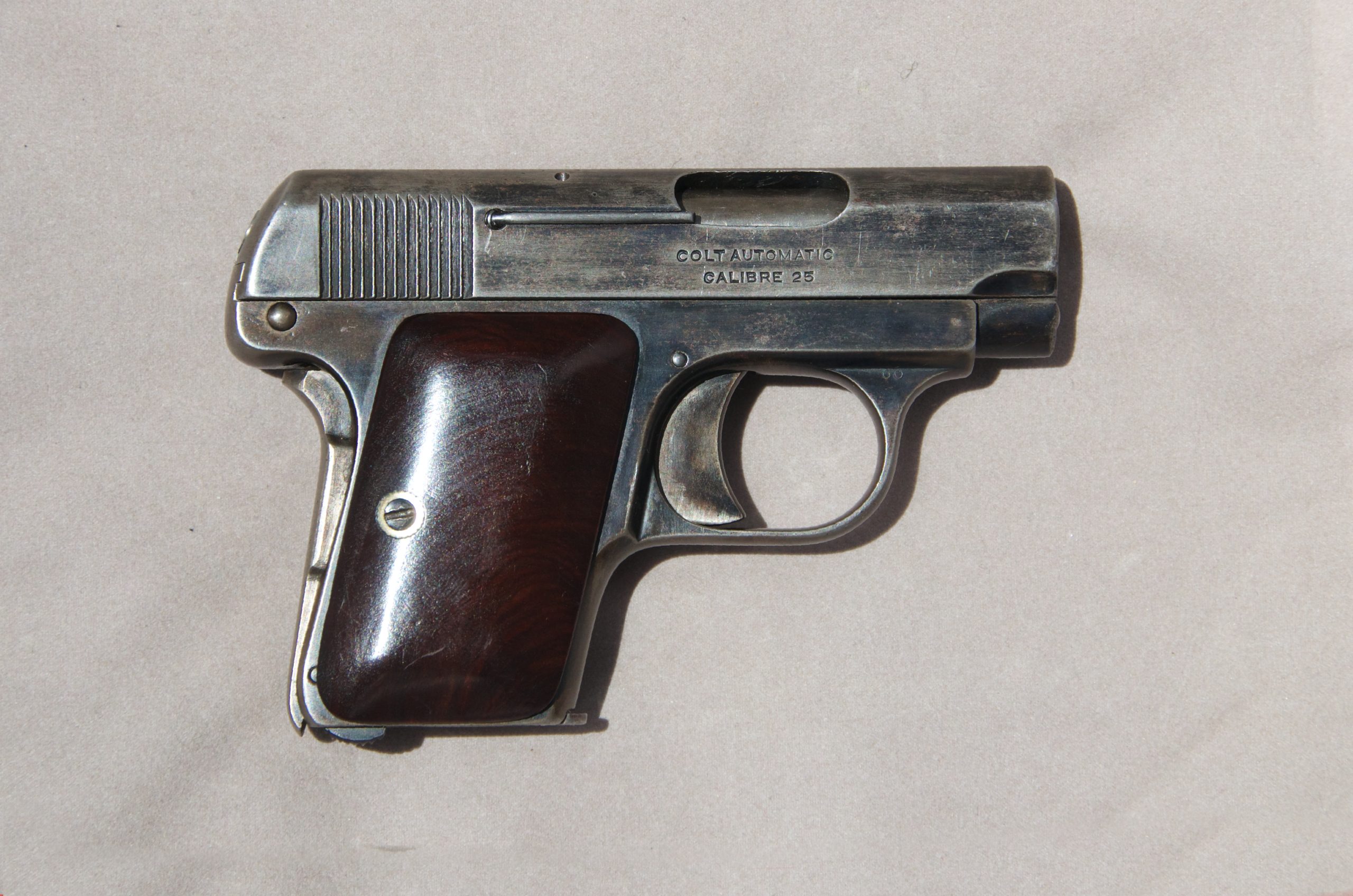
Colt’s Model 1908 Vest Pocket was another Browning creation, and it set the template for tiny .25 ACP carry guns. It weighs roughly 13 ounces, holds 6 rounds, and uses a 2-inch barrel, making it about 4.5 inches long overall. A hidden hammer and grip safety kept the outline clean for pocket carry. Colt produced over 400,000 between 1908 and 1948, and plenty of soldiers and civilians tucked one into a pocket as a backup. The 50-grain bullet moves near 760 feet per second, light by modern standards but typical for a vest gun. Shooters often rate its sights as barely usable. Fine examples frequently sell between $450 and $850.
8. Mauser HSc: The Late-Blooming Compact
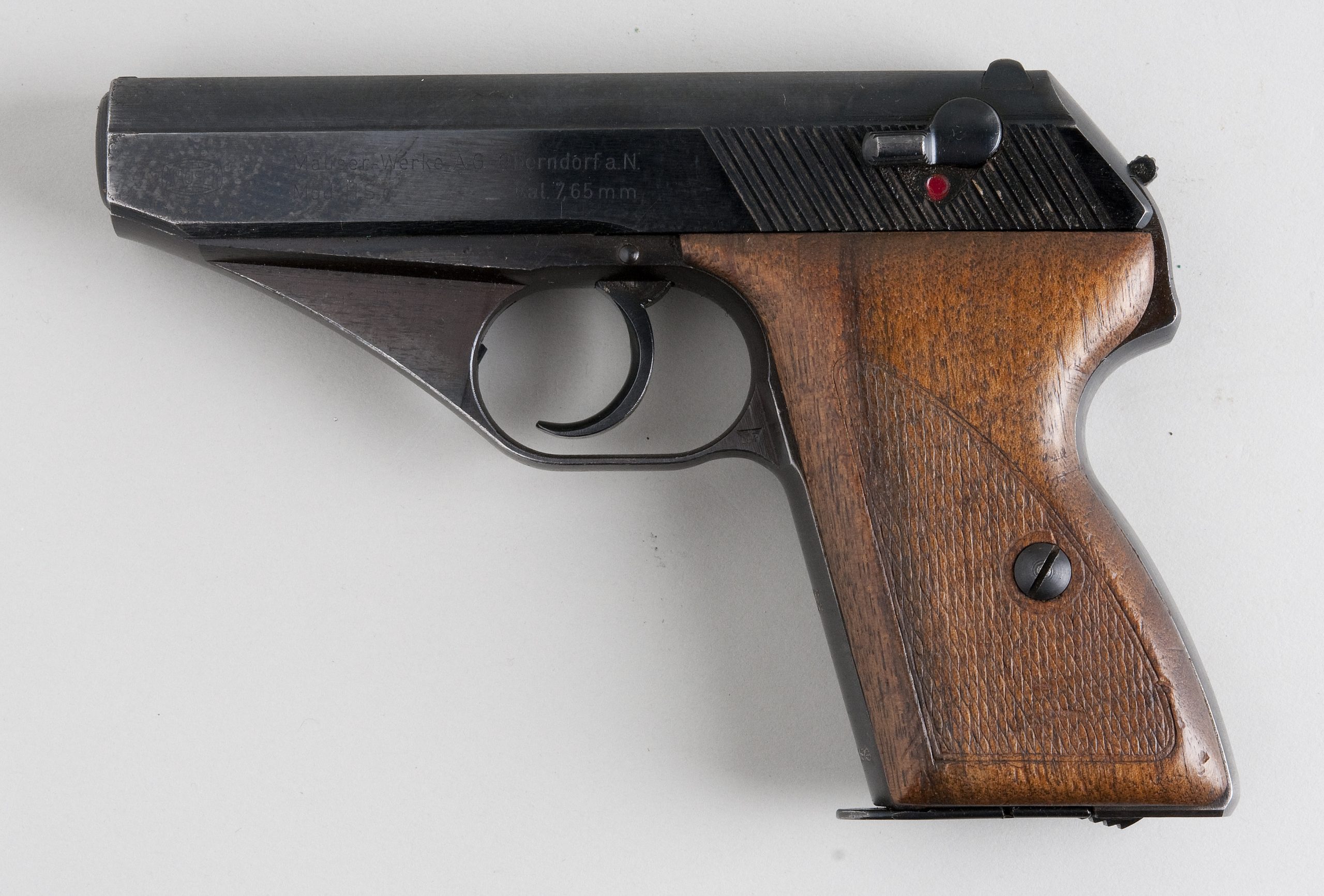
Mauser’s HSc, introduced in 1940, was a successful pocket pistol that bridged the wartime and modern eras. Chambered in .32 ACP or .380 ACP, it has a 3.4-inch barrel, a magazine of 8 or 7 rounds, and a weight near 21 ounces. Its double-action trigger, internal hammer, and rounded contours let it slide smoothly from a pocket. Production ran through the Nazi period, French occupation, and postwar years, with a total estimated above 500,000 guns. Later American-market versions were built in the 1970s and 1980s. Many shooters praise its crisp single-action break near 4 pounds and its comfortable grip. Clean examples usually range from $600 to $1,100, and wartime pieces cost more.