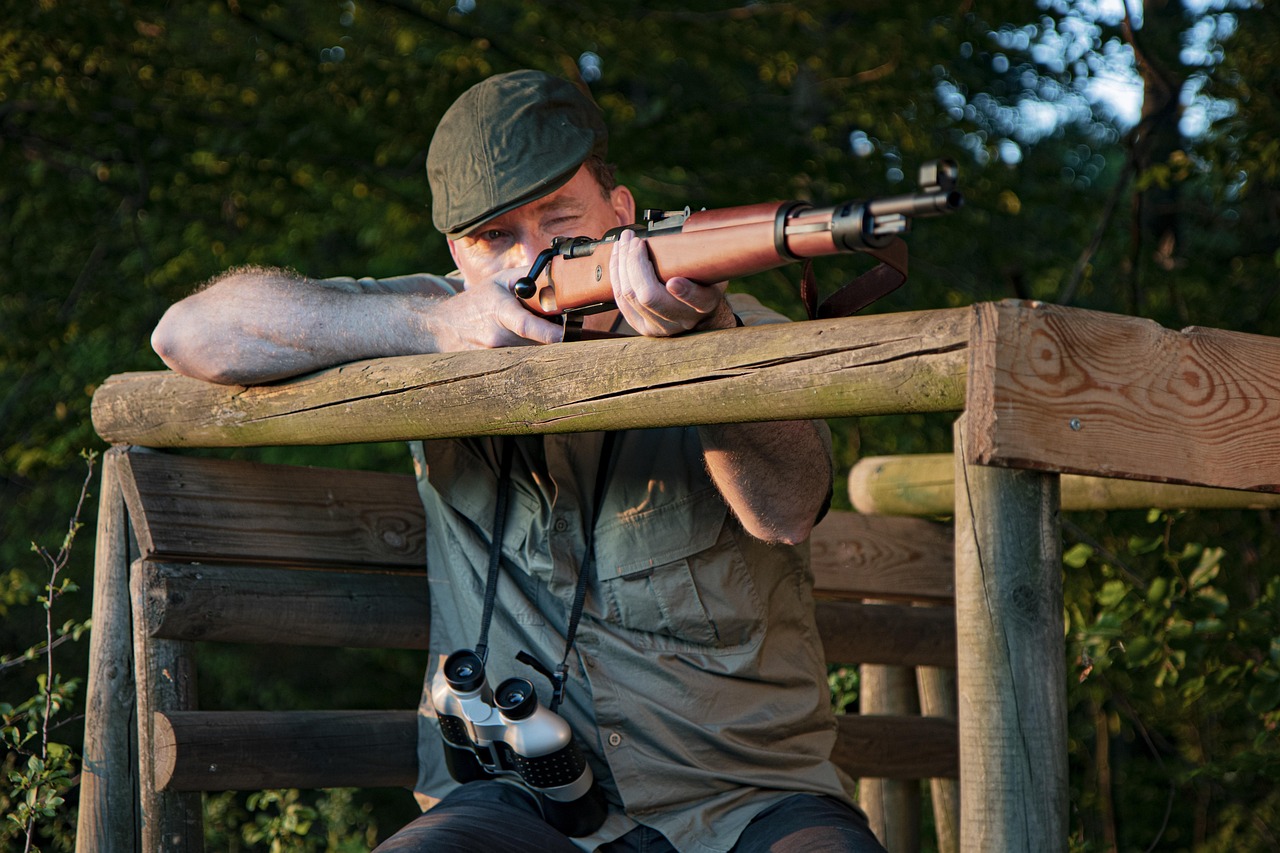
To beginners, many guns can seem easy to sort into simple categories like good, bad, accurate, or outdated. Experts usually see a messier picture, where design choices, doctrine, history, maintenance, and real-world use all collide. These nine firearms have a special talent for starting arguments, not because they are obscure, but because knowledgeable people can make strong cases both for and against them.
M1911 Pistol
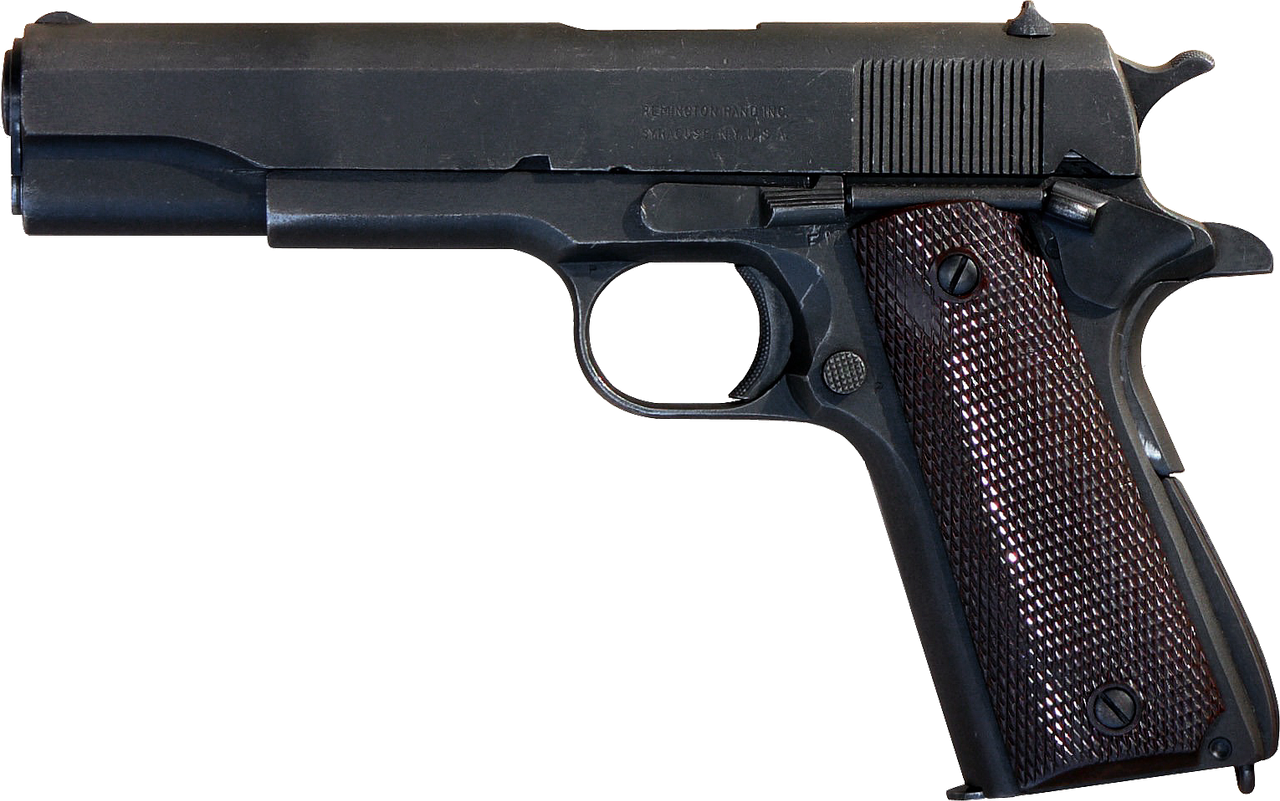
The M1911 has a reputation that can make any discussion feel settled before it starts. Beginners often see a classic American sidearm with a legendary trigger and a century of battlefield credibility, and that seems like the whole story.
Experts tend to split quickly. Some praise its ergonomics, crisp single-action pull, and natural pointability as standards that many newer pistols still chase. Others point to weight, lower magazine capacity, and platform sensitivity, especially when modern manufacturers stray from tight quality control.
That is what makes the 1911 so divisive. In skilled hands and with proper tuning, it can feel almost perfect. In less ideal form, it can also become a reminder that nostalgia and performance do not always line up neatly.
Glock 19
To many newcomers, the Glock 19 looks like the safe answer to every handgun question. It is widely issued, easy to recommend, and backed by an enormous aftermarket, which gives it an aura of practical inevitability.
Among experts, the debate gets more interesting. Admirers see a durable, simple, high-capacity pistol that changed expectations for reliability and ease of maintenance. Critics argue that its trigger feel, grip angle, and plain sights are tolerated more than loved, and that its status can overshadow equally strong alternatives.
The Glock 19 divides experts because it sits at the intersection of excellence and ubiquity. It may not be glamorous, but its dominance forces people to ask whether best-selling means best, or simply most proven.
AR-15 Rifle

The AR-15 is often where beginner conversations become surprisingly simple. Many see it as either the default modern rifle or the symbol of a broader political argument, leaving little room for technical nuance.
Experts rarely keep it simple for long. Supporters highlight modularity, low recoil, strong ergonomics, and impressive practical accuracy. Skeptics push back on overbuilt marketing claims, platform quality differences, and the way countless configurations can turn one rifle family into a maintenance or reliability puzzle.
Its divisiveness comes from how broad the category really is. A well-built AR can be excellent, but experts know that barrel length, gas system, parts quality, and intended use matter enough to make sweeping praise or criticism feel incomplete.
AK-47 Pattern Rifle
Beginners often meet the AK through legend. It is the rifle that always works, shrugs off abuse, and carries a rugged mystique that seems almost impossible to dent.
Experts usually begin by asking a less romantic question: which AK? That opens a long discussion about country of origin, receiver quality, parts compatibility, sighting systems, ammunition variation, and the large gap between a great example and a poor one.
Some professionals admire the platform’s durability and intermediate-cartridge effectiveness. Others argue that the controls, mounting options, and practical accuracy can lag behind more refined systems. The AK remains divisive because its reputation is larger than any single rifle wearing the name.
Beretta M9
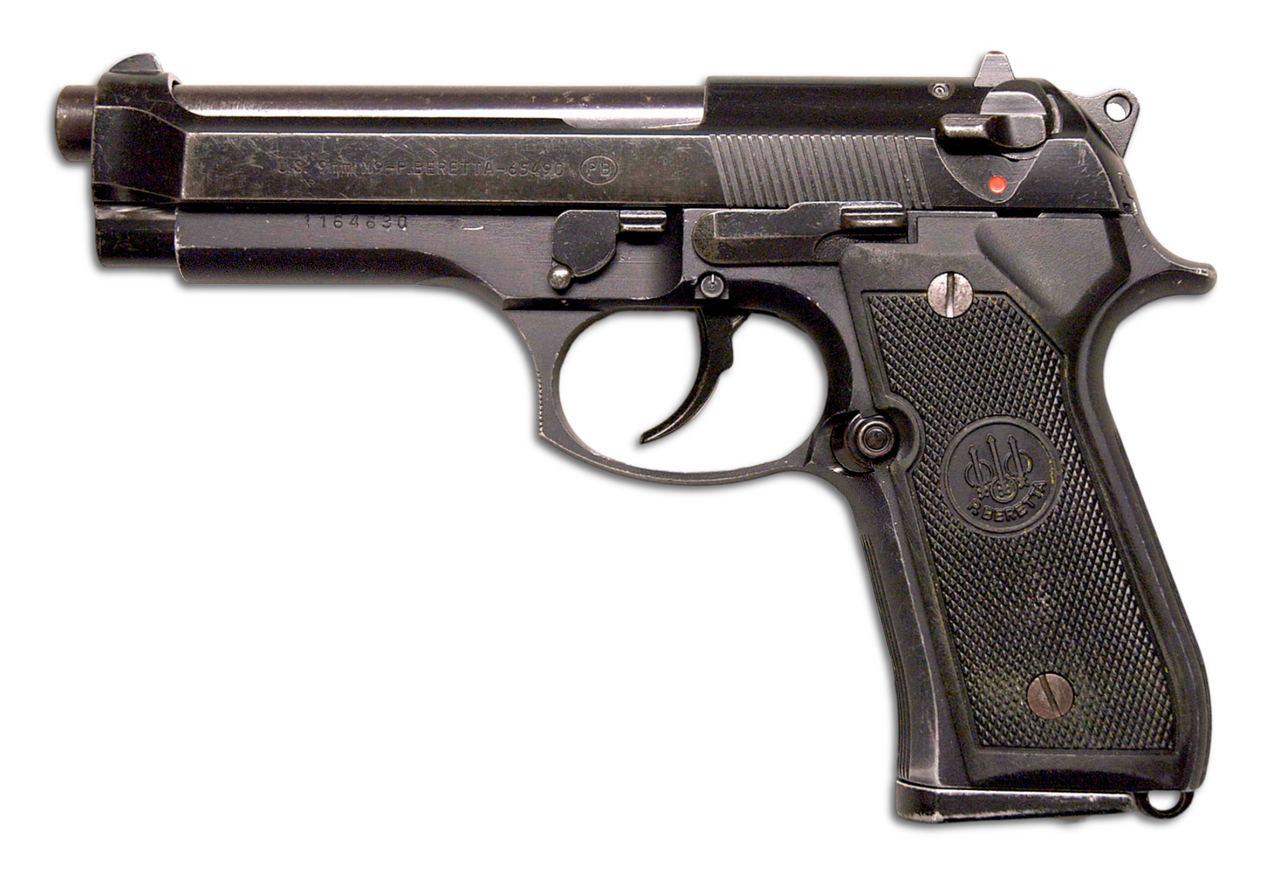
The Beretta M9 looks straightforward to a beginner: full-size, military tested, and visually distinctive. That combination gives it an instant legitimacy, as if service history alone settles every argument.
Experts tend to focus on tradeoffs. Fans praise the soft shooting feel, excellent reliability with proper magazines, and a trigger system that rewards practice. Detractors point to the large grip circumference, slide-mounted safety placement, and the double-action to single-action transition that some shooters never fully embrace.
What divides opinion is that the M9 does many things well without fitting every hand or training style. It is neither relic nor universal answer, and that middle ground is exactly where experts often disagree the most.
Remington 870 Shotgun
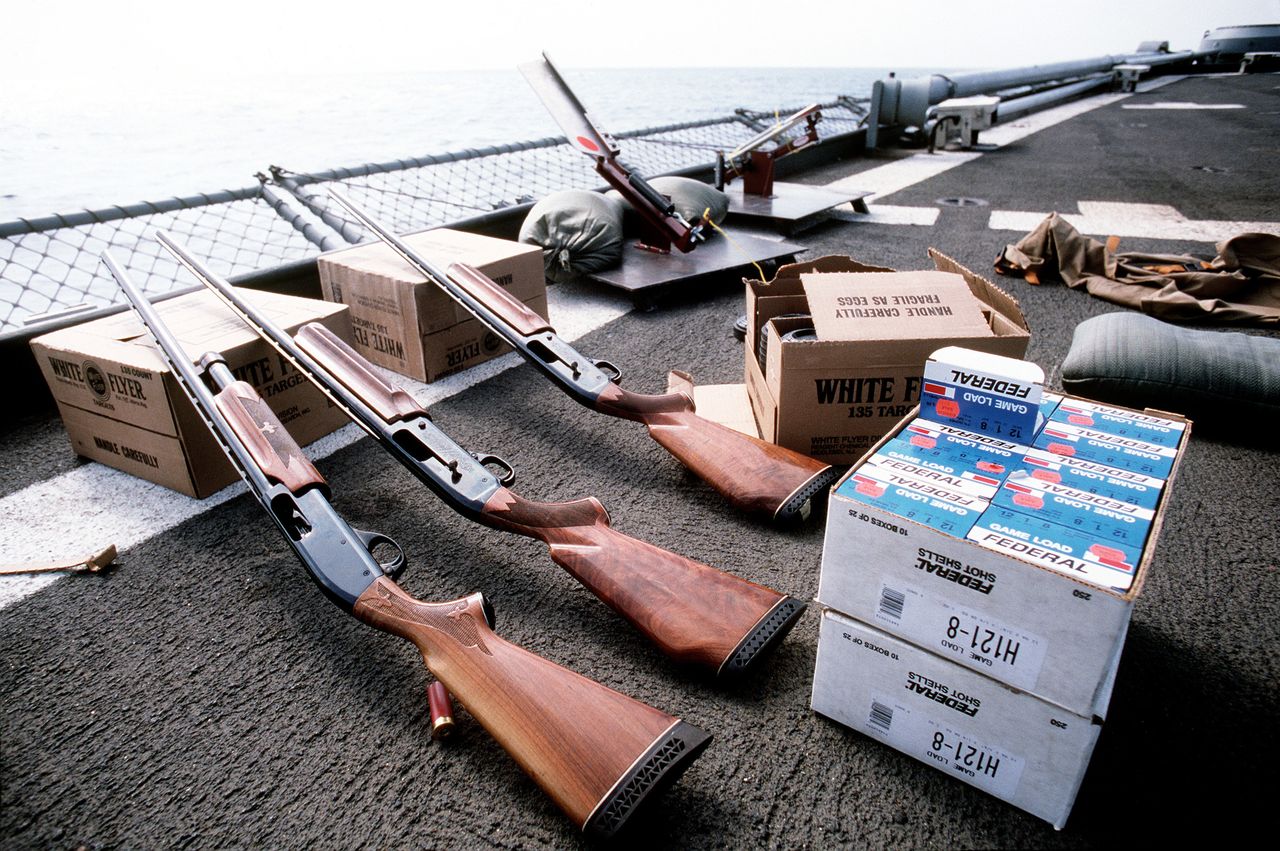
At first glance, the Remington 870 can seem almost beyond debate. Beginners see a classic pump shotgun with decades of police, hunting, and home-defense use, and that history suggests a settled verdict.
Experts, however, often divide along timeline and production era. Many still swear by older Wingmaster and Police models, praising their smooth action and long-term dependability. Others warn that later quality-control issues changed the conversation enough that the model name no longer guarantees the same confidence.
That split makes the 870 fascinating. It is a beloved design with a legacy strong enough to survive criticism, yet experts know that when and how one was made can matter as much as the badge on the receiver.
M1 Garand
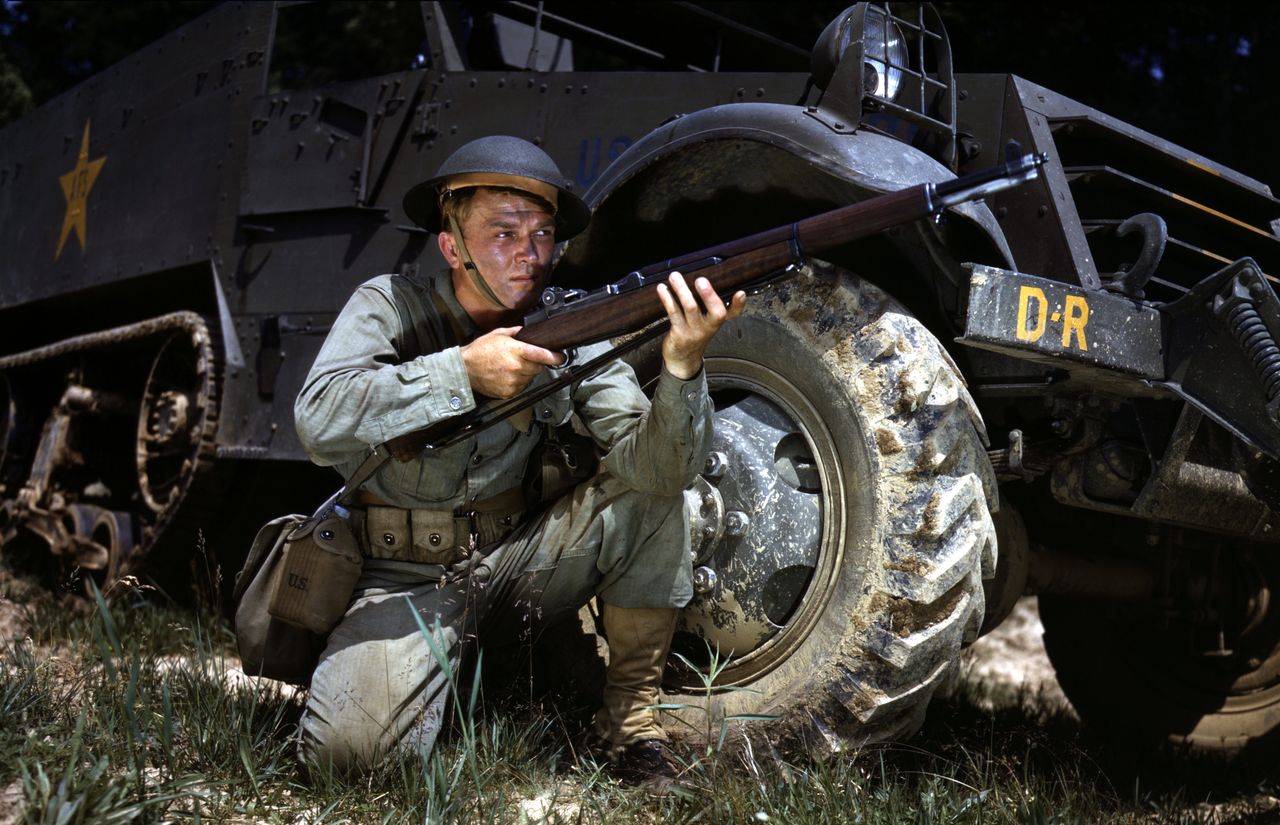
The M1 Garand arrives wrapped in reverence. Beginners are usually drawn to its World War II pedigree, handsome wood-and-steel construction, and famous en bloc clip, all of which make it feel more iconic than controversial.
Experts see both brilliance and limitation. They praise its historical leap forward, robust action, and satisfying shooting experience. At the same time, they note its weight, ammunition preferences, loading quirks, and the practical reality that historical greatness does not always equal modern efficiency.
The Garand divides experts because admiration is almost universal, while conclusions are not. Some see a timeless fighting rifle. Others see a superb artifact whose best role today is educational, ceremonial, or simply deeply enjoyable range time.
FN SCAR
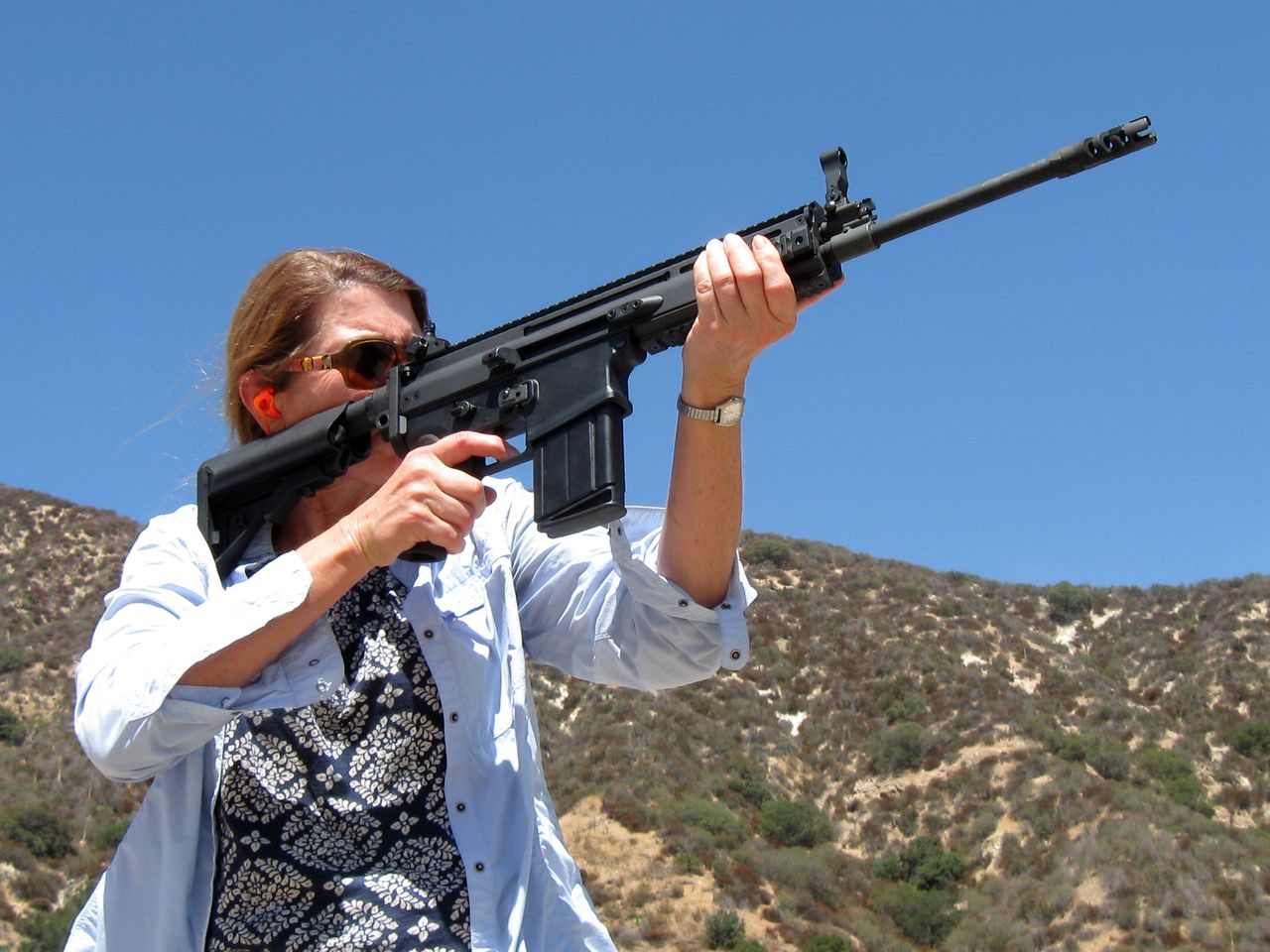
To a beginner, the FN SCAR often looks like elite hardware made visible. It has the silhouette, branding, and military associations that can make a rifle seem automatically superior before a single shot is fired.
Experts tend to be more conflicted. Supporters value its light weight for the caliber, folding stock, reliability reputation, and strong performance in harsh conditions. Critics question whether the price, recoil characteristics in larger versions, and proprietary parts really justify the platform’s prestige.
That tension keeps the SCAR in constant debate. It is undeniably capable, yet experts are quick to ask whether it is truly a leap forward or simply a very expensive answer to problems other rifles already solve well enough.
SIG Sauer P320
The P320 can look refreshingly modern to beginners. Its modular concept, military adoption, and broad lineup suggest a pistol family designed for flexibility, customization, and contemporary carry needs.
Experts often approach it with more caution. Many admire the modular fire-control unit, good shootability, and how easily the platform scales across sizes and roles. Others remain focused on safety controversies, upgrade history, and the way high-profile incidents can reshape trust even after engineering changes.
That is why the P320 sparks such sharp disagreement. For some, it represents innovation done right. For others, it is a reminder that confidence in a sidearm is built not just on features and contracts, but on a long, quiet record of uneventful use.