Magnum revolvers have always been about more than raw power. They carry stories, from police shootouts to silver-screen heroes, and each one earned its fame in a different way. Since 1935, when the first .357 Magnum left the factory, designers have chased bigger bullets, stronger frames, and higher pressures. Calibers in this list run from .357 to .500, barrels measure 4 to 8.375 inches, and weights range from about 40 to 72 ounces. Muzzle energy climbs from roughly 600 to over 2,500 foot-pounds. These seven revolvers each carved out a personality of their own, and the numbers below explain why shooters still talk about them decades later.
1. Smith & Wesson Model 27: The Original Magnum
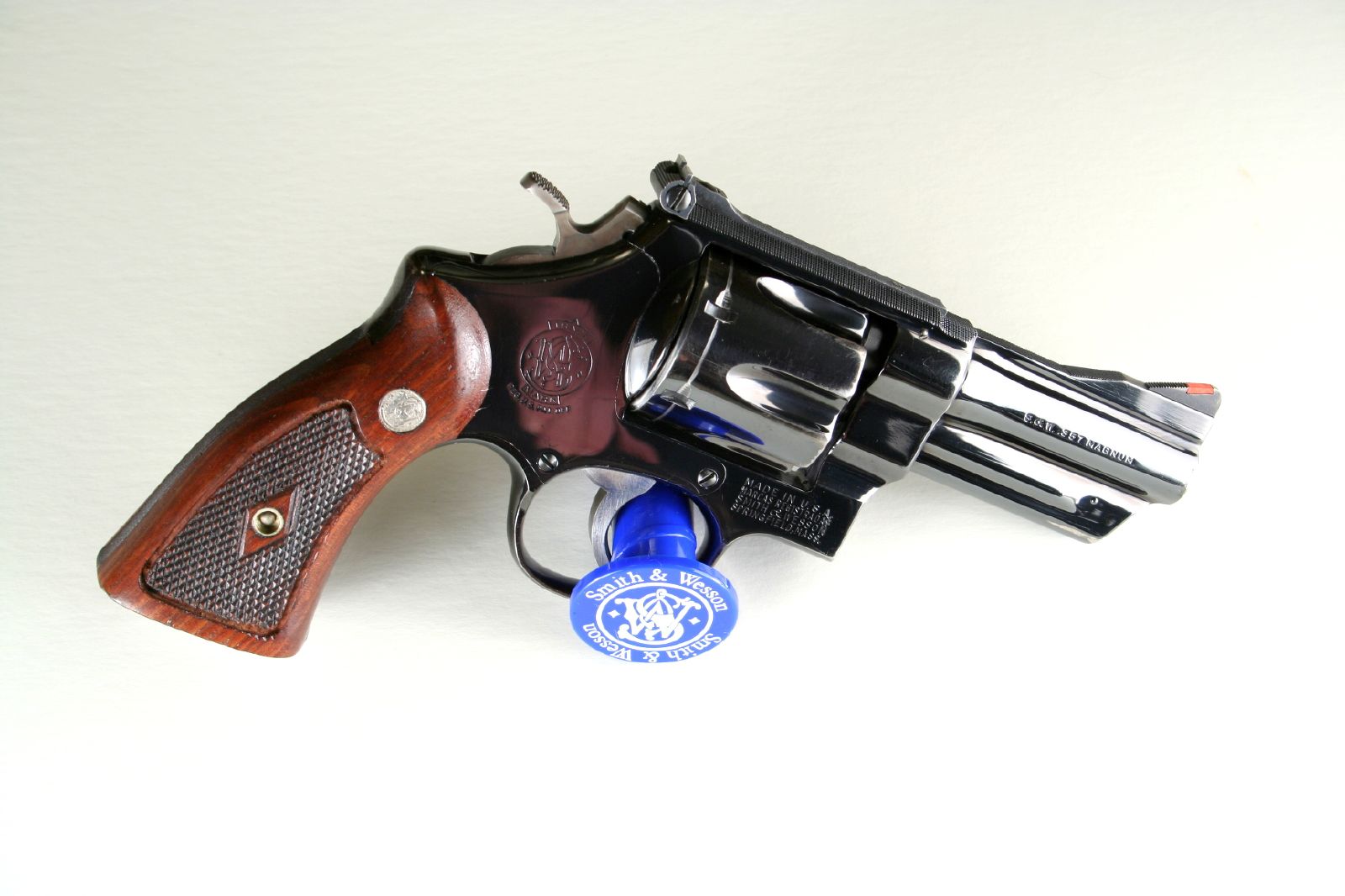
Smith & Wesson created the first magnum revolver in 1935 for a Texas lawman and gun enthusiast named Phillip Sharpe, and the result was originally called the .357 Magnum. A 8.375-inch barrel version showed off the cartridge best, while 4- and 6-inch barrels arrived for duty use. The N-frame is built on a large steel platform and weighs around 44 ounces with a 6-inch barrel, so recoil feels manageable. A 158-grain bullet leaves near 1,235 feet per second from six inches. It holds six rounds, and the hand-fitted bluing gave it a reputation for craftsmanship. Early Registered Magnums were serial-numbered by hand, and collectors prize them. Prices for clean examples usually run from $900 to $2,500.
2. Smith & Wesson Model 29: The Dirty Harry Icon

Introduced in 1955, the Model 29 chambered the new .44 Magnum and became a cultural phenomenon after 1971, when Clint Eastwood carried one in Dirty Harry. The N-frame holds six rounds, and the 6.5-inch barrel version weighs about 47 ounces. A 240-grain bullet leaves near 1,400 feet per second, producing roughly 1,000 foot-pounds of energy, enough for whitetail deer inside 100 yards. The film made the gun so popular that dealers struggled to keep them in stock for months. Its blued finish and wood grips remain iconic. Recoil is heavy, so many shooters start with .44 Special loads for practice. Modern production models sell for about $1,300 to $1,500, while vintage examples can cost more.
3. Ruger Redhawk: The Strongest Double-Action Magnum
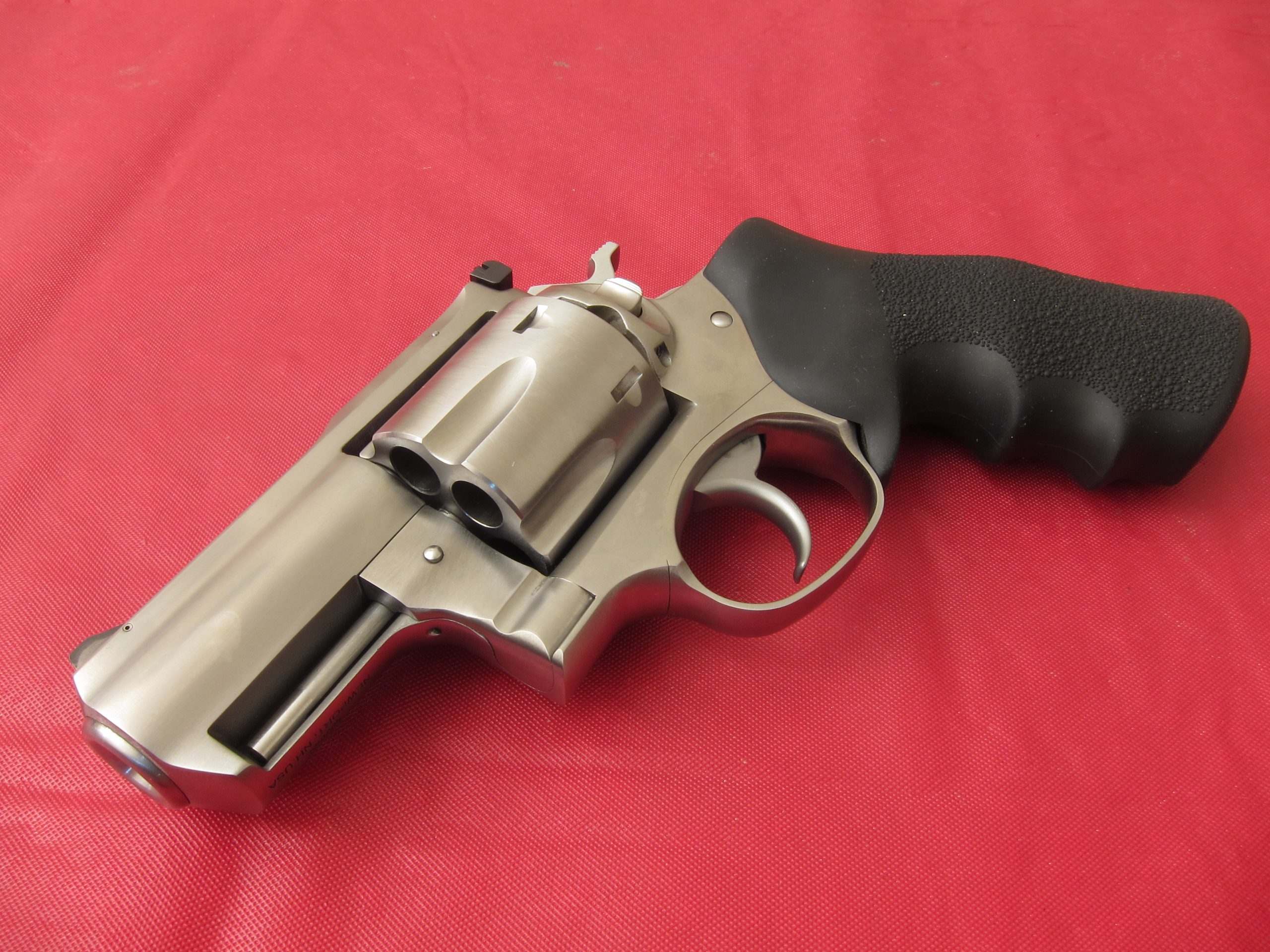
Ruger introduced the Redhawk in 1979 as a tougher answer to the S&W N-frame, using a stout solid-frame design and a triple-locking cylinder. Chambered in .44 Magnum, it holds six rounds and wears a 5.5- or 7.5-inch barrel, with a weight near 49 ounces. The strong frame handles heavy loads, such as 300-grain hunting bullets leaving around 1,250 feet per second. Hunters value the integral scope mount cuts, since a mounted optic extends useful range. The trigger is smooth, and the action stays sturdy under daily use. Some shooters complain about the weight, though that mass keeps recoil under control. Later versions appeared in .357 Magnum and .45 Colt, and prices typically range from $950 to $1,200 new.
4. Colt Python: The Rolls-Royce of Revolvers
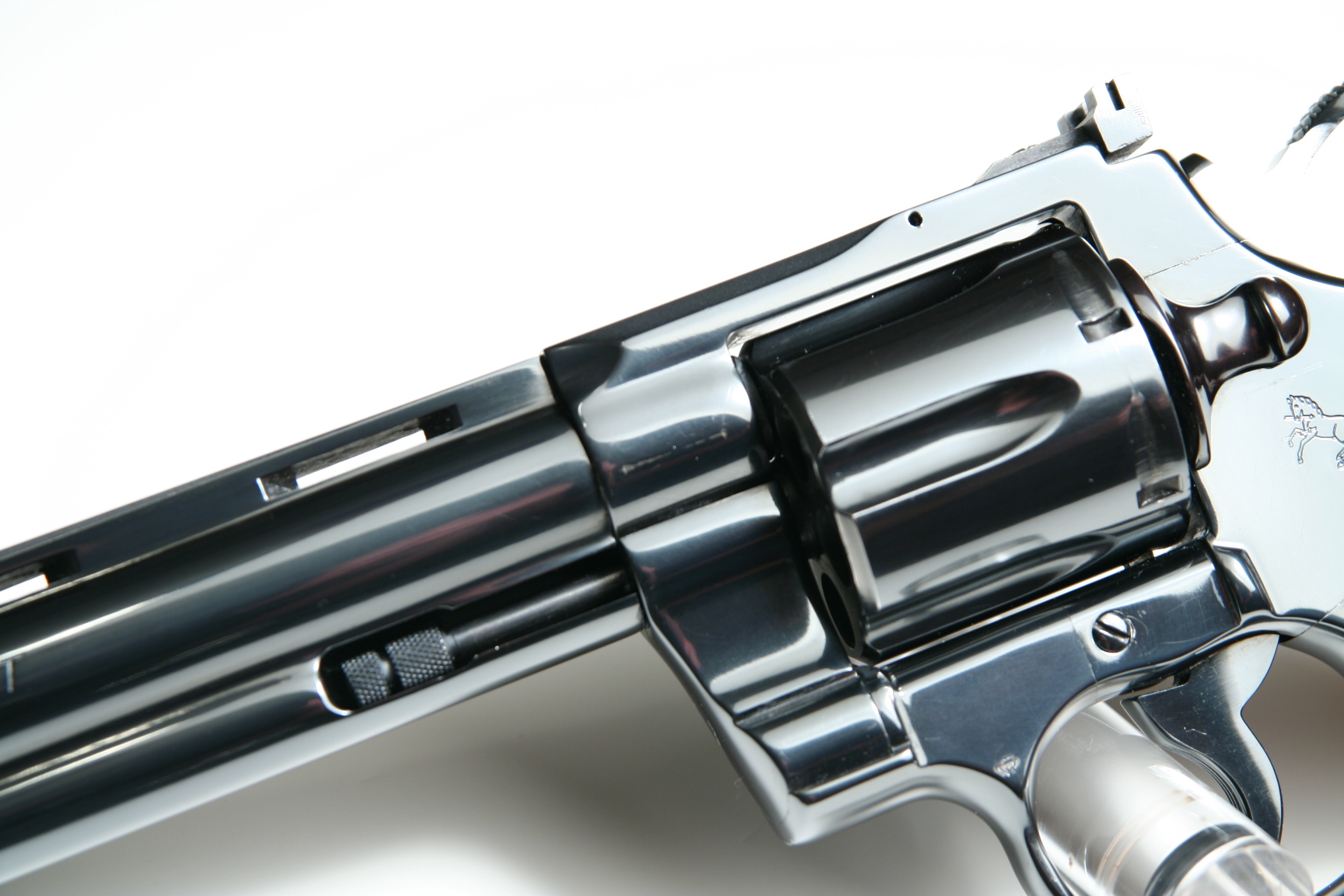
Colt launched the Python in 1955 as a premium .357 Magnum, and its reputation for fit and finish earned it the Rolls-Royce nickname. The ventilated rib, full underlug barrel, and deep royal blue finish gave it a presence that few rivals matched. Barrels came in 2.5, 4, 6, and 8 inches, and a 6-inch gun weighs about 44 ounces. A 158-grain bullet leaves near 1,235 feet per second, and the six-round cylinder locks tight. The trigger is famously smooth, with a single-action break near 3 pounds. Colt discontinued the original in 1999 and revived it in 2020. Vintage examples often sell for $1,500 to $4,000, and nickel or rare variants can climb much higher.
5. Ruger Super Blackhawk: The Single-Action Workhorse
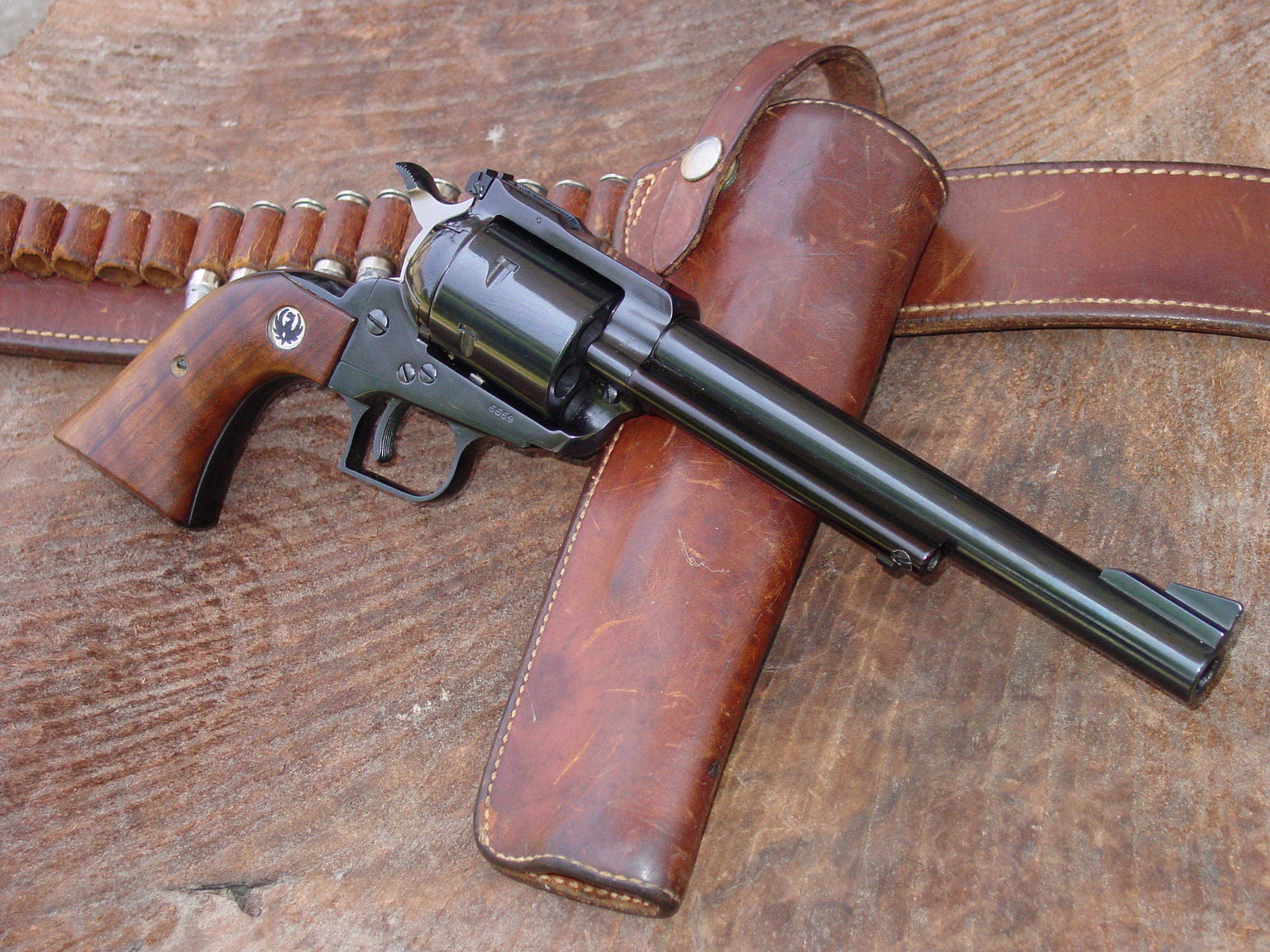
Ruger launched the Super Blackhawk in 1959 as a stronger single-action .44 Magnum, and it became popular with hunters and handloaders. The gun holds six rounds, has a 7.5-inch barrel, and weighs near 45 ounces in its standard form. A 240-grain load leaves around 1,450 feet per second, delivering about 1,100 foot-pounds of energy. Its steel frame, transfer-bar safety, and adjustable rear sight made it far more modern than traditional Colt-style single actions. The grip, with a squared-off trigger guard and a distinctive Dragoon-style shape, takes practice to control under heavy recoil. Since the cylinder uses a simple action, reloading is slow but reliable. Prices typically run from $850 to $1,100 for new guns.
6. Smith & Wesson Model 500: The Big-Bore Heavyweight
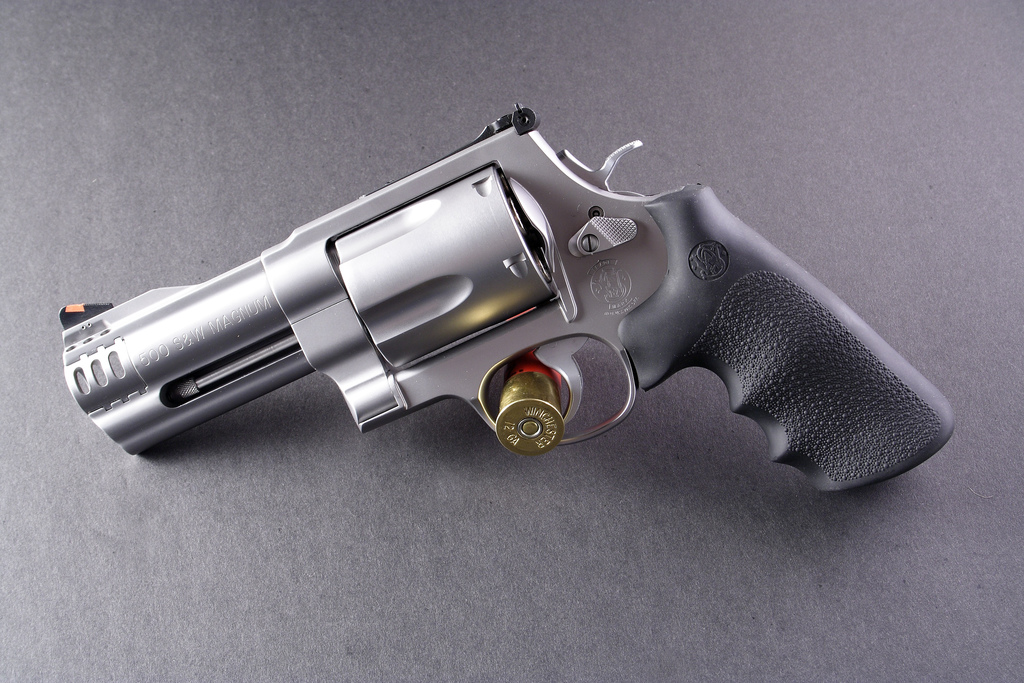
Smith & Wesson stunned the market in 2003 with the Model 500, a revolver built around the .500 S&W Magnum, which was the most powerful production handgun cartridge of its day. The X-frame holds five rounds, and the 8.375-inch barrel version weighs about 72 ounces. A 350-grain bullet leaves near 1,975 feet per second, producing over 3,000 foot-pounds of energy, a figure that rivals some rifle cartridges. Recoil is brutal, so most shooters need a firm stance and gloves. The integral muzzle brake helps slightly. Hunters use it for bear, hog, and moose at ranges under 75 yards. Price tags generally run from $1,300 to $1,500, and ammunition costs about $2.50 per round.
7. Smith & Wesson Model 686: The Everyman’s .357
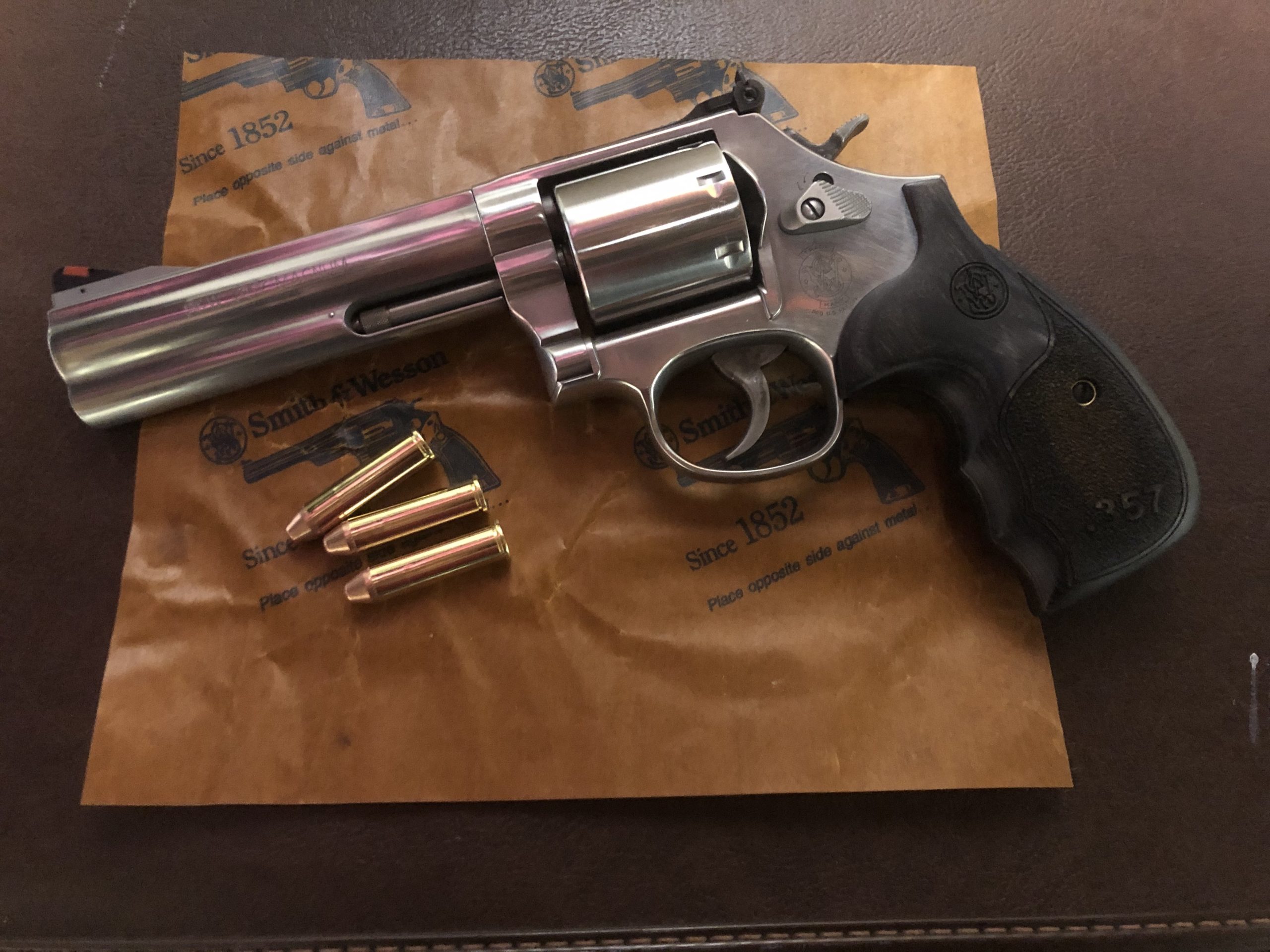
The Model 686, introduced in 1980, is the stainless-steel .357 Magnum that many shooters consider the sweet spot for handloading, home defense, and range work. It holds six rounds, with a 4-inch barrel weighing about 38 ounces empty, and a 6-inch version tips the scale near 42 ounces. Stainless construction resists rust, and the L-frame is slightly smaller than the N-frame, so recoil is easier to control. A 158-grain load leaves near 1,235 feet per second, while .38 Special loads make practice cheap. The 686 Plus holds seven rounds. Its popularity grew with police departments, and it became a standard for revolver competition. Prices usually run between $750 and $950, and used guns often cost less.