Break-action firearms may have centuries of history behind them, but their straightforward designs continue to attract shooters today. Unlike repeating firearms, these models open at the breech to expose the chamber, making it possible to inspect the firearm and access the barrel without complicated mechanisms. Their appeal goes beyond nostalgia. Modern manufacturing has brought improved materials, refined triggers, interchangeable components, and better-fitting stocks to traditional designs. From sporting shotguns used in competitive clay shooting to single-shot rifles valued by hunters, these firearms demonstrate that simplicity can remain relevant even as shooting technology advances.
1. Beretta 686 Silver Pigeon I

The Beretta 686 Silver Pigeon I remains a familiar choice for shooters who want one over-and-under for clay targets and field use. The 2025 range includes 12-, 20-, and 28-gauge versions, with selected configurations also offered in .410 bore. Depending on the model, barrel lengths and chamber dimensions vary, so buyers should check the exact specifications rather than assume every version is identical. Its two-barrel layout gives the shooter a choice of two chokes in a single, balanced package. The 686’s long-standing appeal comes from its refined handling and broad sporting support.
2. Browning Citori 725
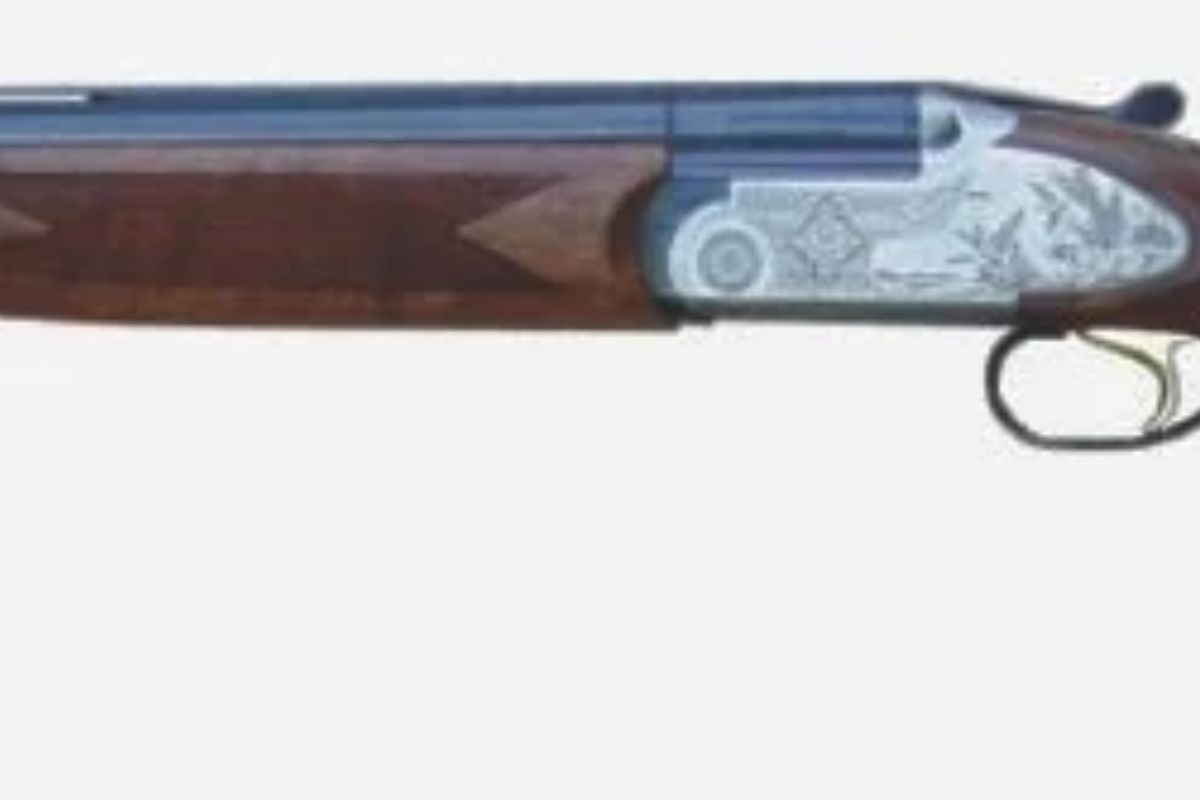
The Browning Citori 725 carries the Citori name into modern sporting use, especially among clay shooters who value an over-and-under layout. The family includes sporting versions, with 12-gauge models commonly offered with 30-inch barrels and chambers rated for 3-inch shells. Its low-profile receiver and mechanical trigger system distinguish it from simpler field models. The two-shot arrangement is uncomplicated, while stock dimensions and barrel options vary by model. It is a substantial shotgun, built around repeatable handling rather than magazine capacity or rapid follow-up fire.
3. Blaser F3

The Blaser F3 shows how a break-action shotgun can be engineered for serious competition. The 2025 catalogue lists the F3 Competition in 12/76, 20/76, 28/70 and .410 configurations, with barrel lengths of 71, 76 or 81 cm. Its modular design lets shooters tailor balance and fit, while the Balancer System provides adjustment for different shooting styles. The F3 is intended for sporting clays, Compak Sporting, and Olympic skeet. Its premium construction places it above entry-level models, but its design remains rooted in the simple two-barrel action.
4. CZ Bobwhite G2

The CZ Bobwhite G2 offers a modern take on the traditional side-by-side shotgun. The 2025 catalogue lists it in 12-gauge with a 76 mm chamber, 28-inch barrels and a weight of approximately 2.9 kg. Its straight English-style stock and double triggers preserve the character of classic field guns, while a CNC-machined receiver and updated internal parts bring contemporary manufacturing to the design. Five flush-fitting choke tubes are supplied for different sporting uses. It is a reminder that break-action appeal is not limited to over-and-under shotguns.
5. Stevens 555

The Stevens 555 makes the over-and-under format more accessible without the weight of many traditional steel-receiver shotguns. It uses a lightweight aluminium receiver reinforced with a steel breech insert, chrome-lined barrels and a Turkish walnut stock. Published specifications for the 12-gauge version list 28-inch barrels and a weight of about 6 pounds; 20-gauge versions use 26-inch barrels and weigh roughly 5½ pounds. Five interchangeable choke tubes broaden its sporting role. The 555 suits shooters seeking a relatively light break-action for clay practice or field outings.
6. Henry H015-44 Single Shot Rifle

Henry’s H015-44 is a clear example of the break-action rifle’s continuing place in the sporting market. The manufacturer lists it as a single-shot rifle chambered for .44 Magnum and .44 Special, with a 22-inch barrel and an overall length of 37.5 inches. It weighs about 6.96 pounds and has a walnut stock, steel receiver, and adjustable folding-leaf rear sight. The rifle’s one-round capacity encourages a deliberate approach rather than repeated firing. Its appeal is the straightforward handling and traditional format, making it distinct from today’s magazine-fed sporting rifles.
7. CVA Scout Series
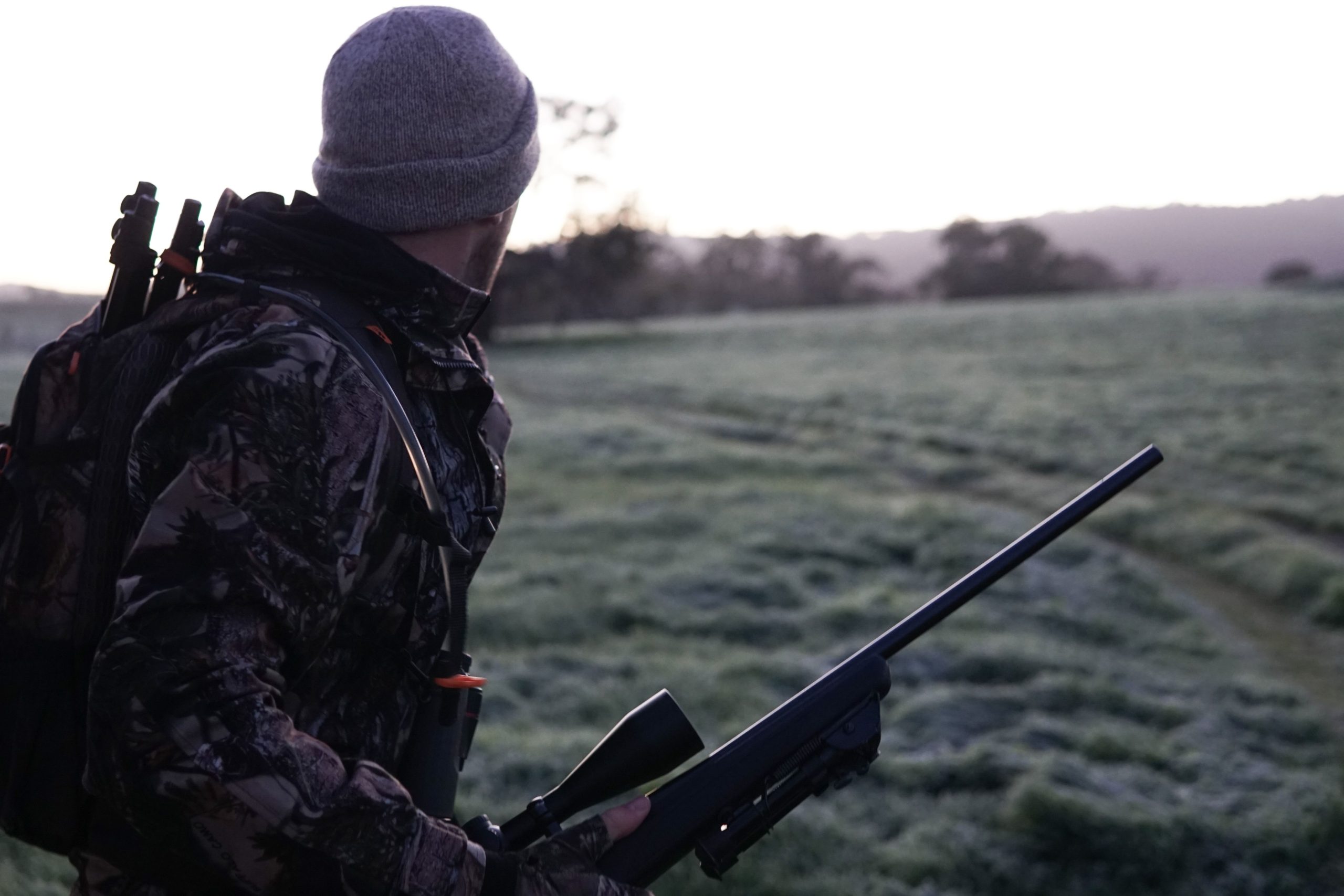
CVA’s Scout line keeps the single-shot break-action rifle relevant for hunters who prefer a compact sporting arm. The current Scout family includes rifle and shotgun versions, with the newer Version 3 range refining the appearance while retaining the series’ single-shot identity. A Scout holds one round at a time, making careful shot placement central to its purpose. Available chamberings and specifications vary by model, so barrel length, calibre and stock arrangement should be checked before purchase. The series shows that this traditional format still has a defined modern audience.
8. Ruger Red Label
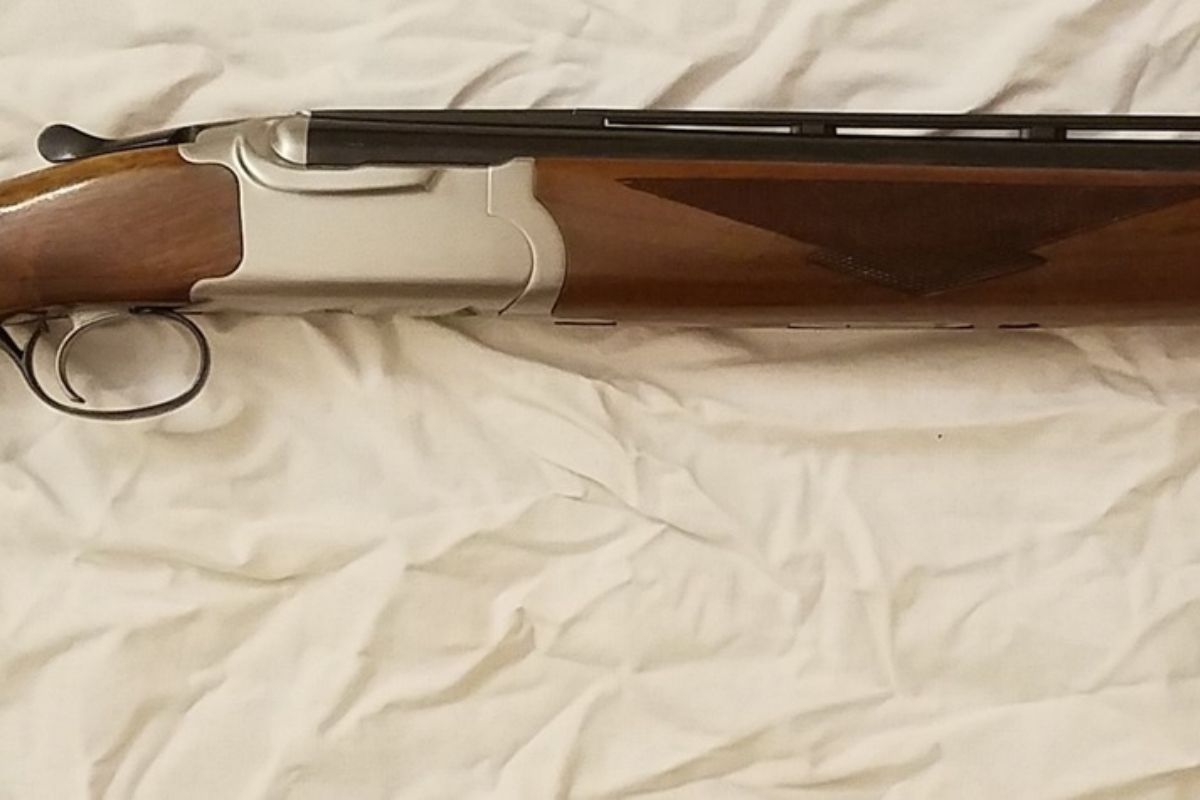
The Ruger Red Label remains a respected American over-and-under, although today it is best approached as a used-market model rather than a regular-production choice. Introduced in 1977, it gained a following among hunters and clay shooters for its robust construction and understated styling. Later 12-gauge versions were offered with 26-, 28-, and 30-inch barrels and a 3-inch chamber. Ruger’s production history records the original run through 2011, followed by a short return in 2013. Its continued appeal shows how a break-action can retain sporting value long after production ends.