Some guns are tools. Others become stories people carry for life.
Ask enough shooters about the one that got away, and the answers start sounding less like gear talk and more like memory, regret, and legacy.
Why certain firearms stay in memory
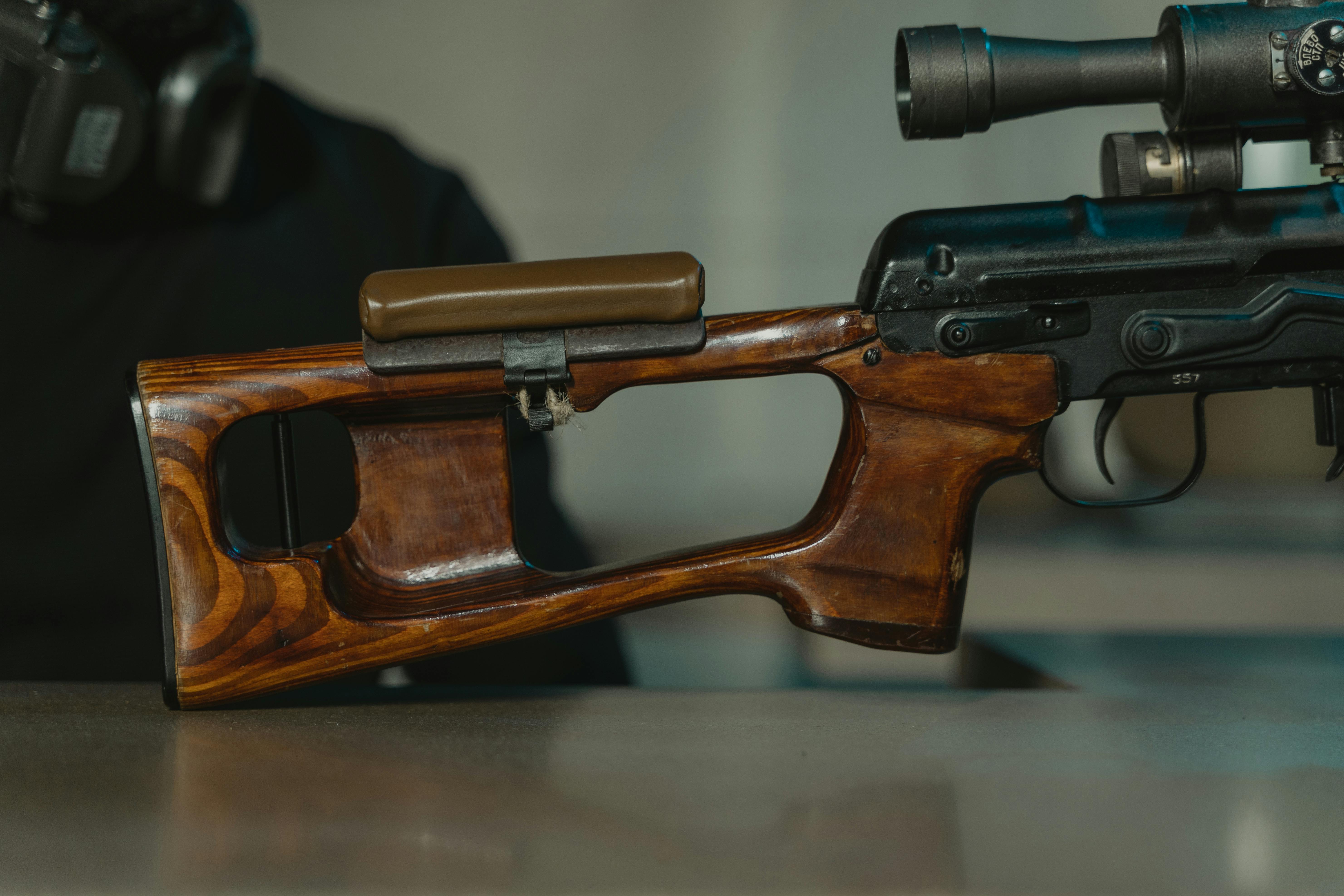
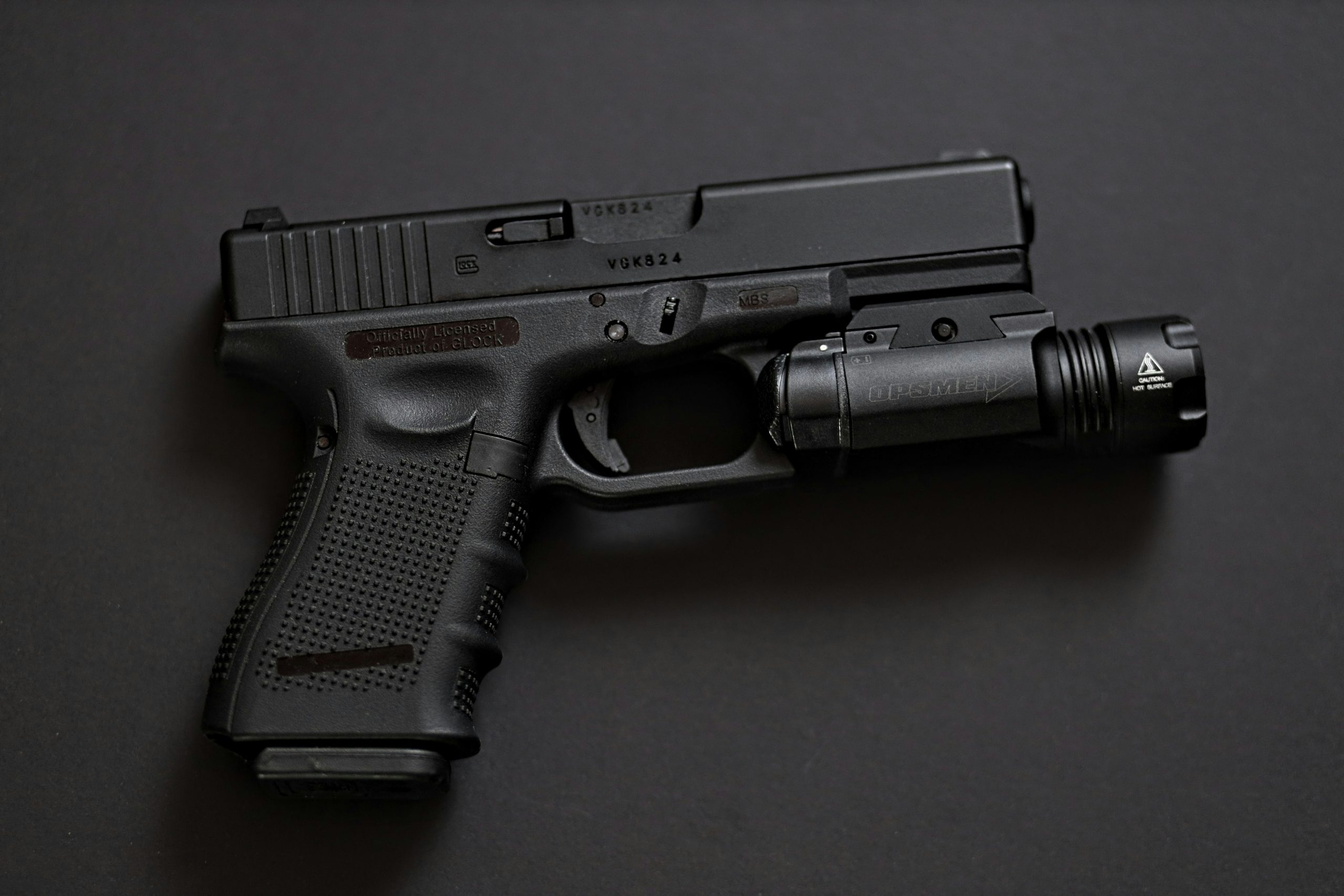
Most shooters can name at least one firearm they no longer own but still think about regularly. It may have been sold to cover bills, traded during a wave of enthusiasm for something newer, or simply handed down and later lost track of through the turns of family life. What remains is not just the memory of steel and wood, but of a particular fit, feel, and moment in time.
That emotional hold is not imaginary. Psychologists who study memory often note that tactile experiences, especially those tied to ritual, become unusually durable. Cleaning a shotgun with a parent, carrying a deer rifle on a freezing morning, or learning trigger discipline with an old .22 creates sensory anchors that outlast ownership. In shooting culture, these rituals matter as much as performance.
There is also the element of era. A revolver from the 1970s or a walnut-stocked hunting rifle from the postwar years represents a design language many shooters believe has faded. Even when modern firearms are lighter, more modular, or more accurate on paper, they may not replace what older guns represented: patience, craftsmanship, and a slower, more deliberate style of shooting.
According to longtime gun writers and collectors, regret often follows practical decisions. The gun that was sold because “I can always get another one” is frequently the one that proves impossible to replace in the same configuration, condition, or sentimental context. That combination is why shooters pass guns on, yet never quite forget them.
The family guns that became heirlooms
The most unforgettable firearms are often not the rarest or most expensive. They are the ones tied to family. A single-shot shotgun used by a grandfather, a service pistol carried home after military duty, or a lever-action rifle that opened every deer season can become a household artifact long before anyone calls it that.
These heirloom guns gather meaning through repetition. A son watches a father unlock the cabinet every November. A daughter learns to mount an old bird gun that shows wear exactly where a previous generation carried it. Over time, the marks on the stock become as familiar as handwriting. To outsiders, it is wear; to family, it is biography.
Real-world estate appraisers often point out that inherited guns create unusual decisions. Market value may be modest, especially for common production models, yet families will fight to keep them. The reason is simple: the value sits in continuity. A plain Winchester, Remington, or Savage may hold more emotional weight than a custom rifle because it was present for ordinary life, and ordinary life is what people miss most.
When these firearms leave the family—through probate confusion, casual sale, or lack of clear planning—the regret can last decades. Many shooters who “passed on” a gun in youth later spend years searching gun shows and dealer racks for a replacement. They may find the same model, even the same year, but rarely the same history.
The guns people sold too quickly
Financial pressure has forced countless shooters to sell firearms they assumed they would one day buy back. During layoffs, relocations, divorces, and other disruptive periods, guns often become liquid assets. A clean revolver, a classic duck gun, or a well-kept 1911 can turn into rent money or emergency cash within a day. The logic is understandable, but the emotional cost often arrives later.
Collectors and dealers hear the same stories repeatedly. A shooter sells a pre-lock Smith & Wesson before prices rise. Another lets go of a Belgian Browning because “older shotguns aren’t my thing anymore.” Someone trades a vintage Colt for a polymer pistol and accessories, then realizes a year later that utility and attachment were not the same thing. In hindsight, many describe the sale as rational but incomplete.
Part of the regret comes from changing markets. Firearms that once seemed common can become scarce or sharply more expensive. Limited-production models, old configurations, and discontinued finishes often appreciate because manufacturers stop making them in the same way. A rifle sold for convenience in 2008 may be emotionally and financially out of reach by 2024.
But market value is only part of it. Shooters often miss the role that the gun played in their identity. The upland hunter who sold his side-by-side may still hit birds with a modern autoloader, yet feel something is absent. The gun was never just equipment; it was part of how he understood himself in the field.
Firearms remembered for craftsmanship and feel.

Many guns are remembered less for what they did than for how they felt in the hand. Older revolvers with deep bluing, checkered walnut, and smooth double-action pulls often inspire this kind of loyalty. So do classic bolt-action rifles with controlled-round feed, hand-cut checkering, and triggers that break with almost no drama. These details are hard to quantify, but shooters notice them instantly.
Manufacturing changed dramatically over the past few decades. CNC machining improved consistency, polymer lowered cost and weight, and modular systems gave users more customization than previous generations could imagine. Yet those advances also altered texture and character. When shooters say an older gun had “soul,” they usually mean it combined function with visible craftsmanship in a way newer products often do not.
Experts in firearms history frequently note that nostalgia should not be confused with denial. Modern guns are often safer, easier to maintain, and better suited to hard use. Still, the affection for older designs is not irrational. A 1960s sporting rifle or a classic double gun may reflect labor-intensive finishing techniques that manufacturers abandoned because the market would no longer support the time or cost.
That is why shooters remember particular examples so vividly. Two guns of the same model can feel different because one has exceptional balance, an unusually crisp action, or a stock that fits like custom work. Once that specific gun is gone, replacing the model does not necessarily replace the experience.
Military, duty, and service guns carry a history.
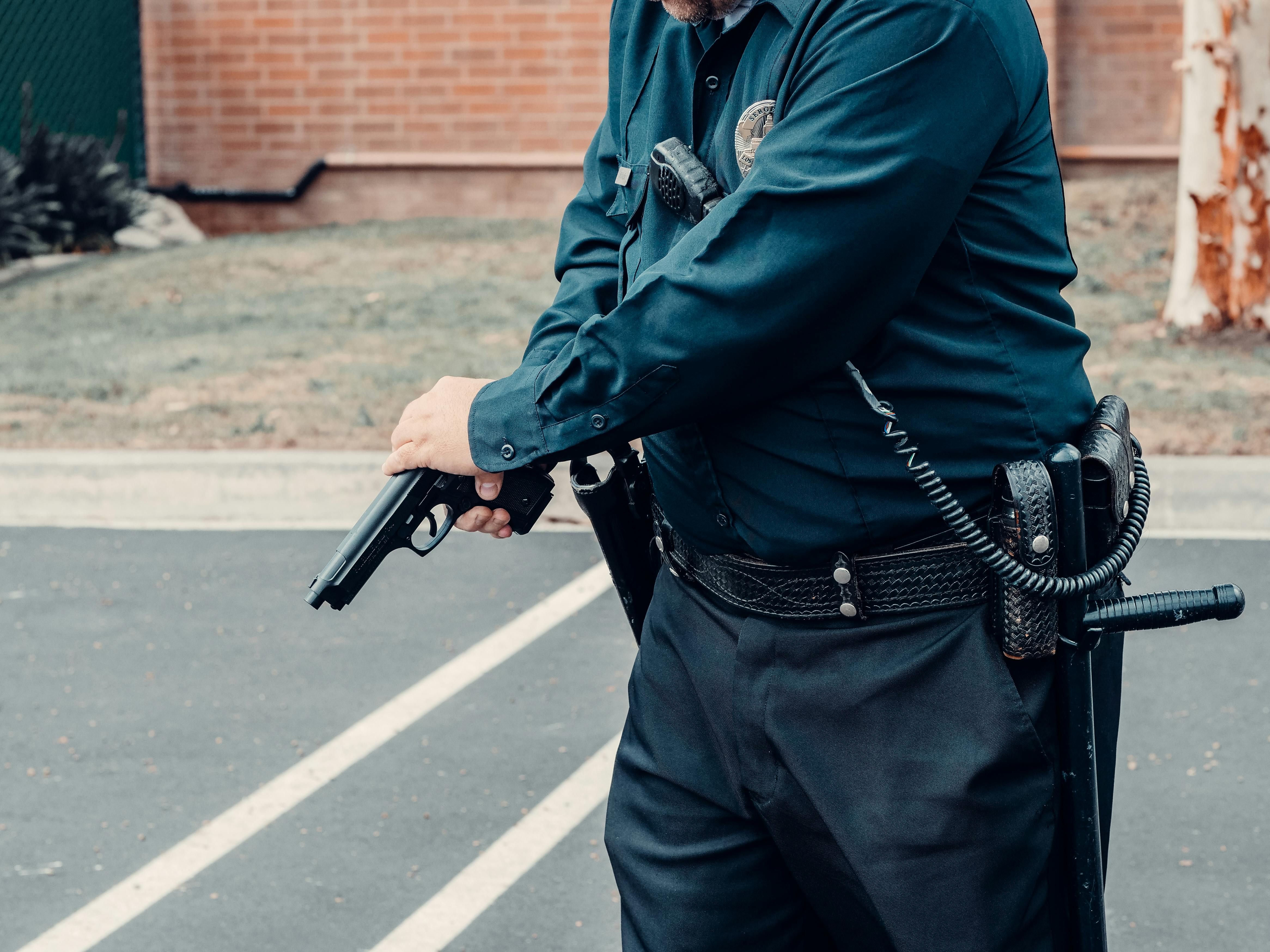
Service-related firearms often occupy a special category in memory because they connect private life to public events. A sidearm carried by a police officer, a surplus rifle brought home through legal channels generations ago, or a training weapon used during military service can hold a gravity that ordinary ownership does not. These guns are tied to discipline, risk, and a chapter of life that never fully fades.
Veterans frequently describe remembering not just the weapon but the conditions around it. They recall the smell of oil in an armory, the weight of a sling on a march, or the pressure of qualification day. Law enforcement retirees tell similar stories about issue revolvers and early semiautos, especially those carried through years when equipment standards were changing rapidly.
In many cases, these firearms were passed on formally or informally. A retiring officer may buy his duty weapon if policy allows. A veteran may preserve a legal commemorative sidearm or training counterpart as a symbol of service rather than a practical tool. Over time, the gun becomes a vessel for stories that younger relatives would otherwise never hear in full.
When such firearms are sold, misplaced, or divided after death, families often realize too late that they let go of more than an object. They lost a conversation piece that helped translate experience across generations. The memory remains, but the physical anchor is gone.
Hunting guns and the weight of place
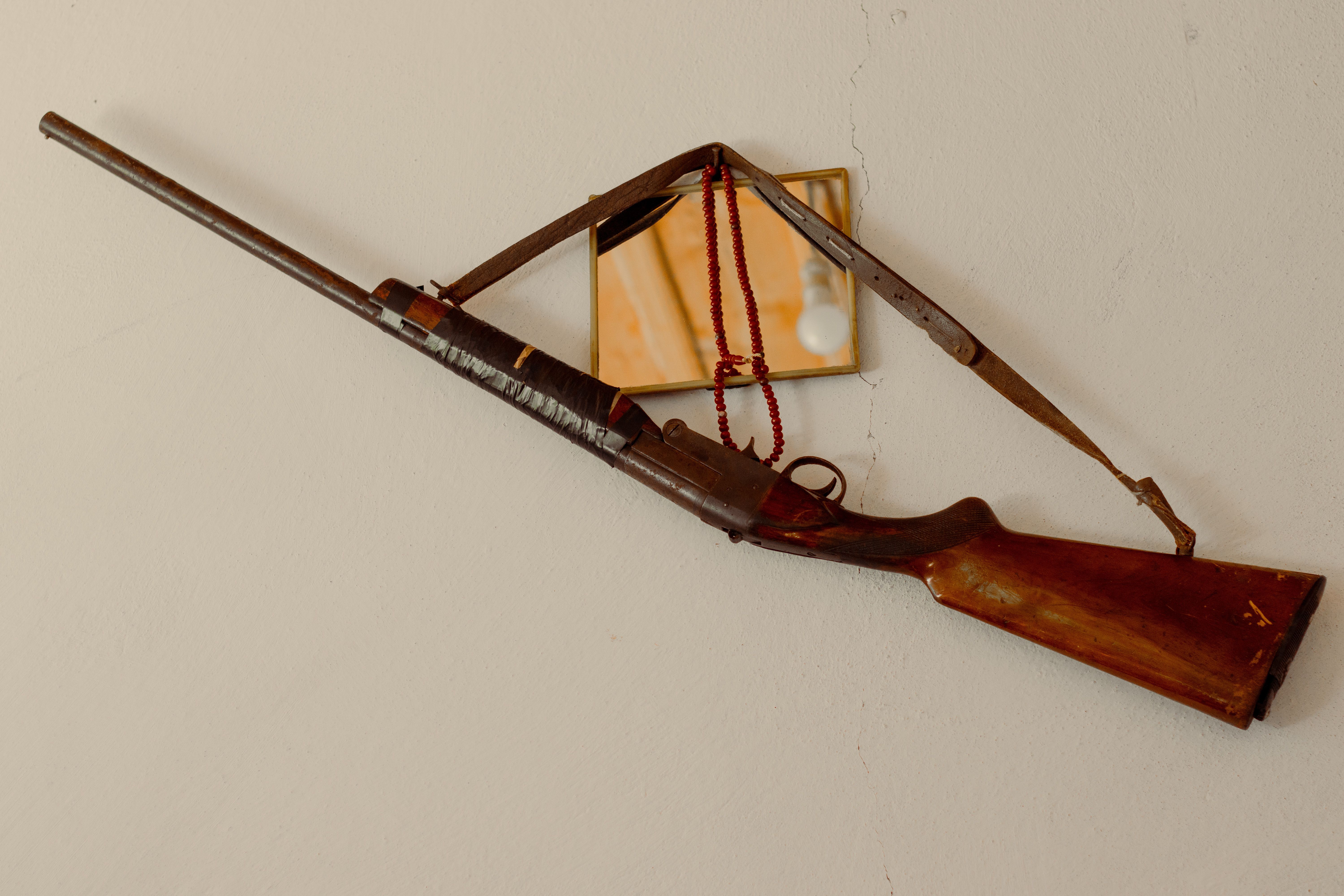
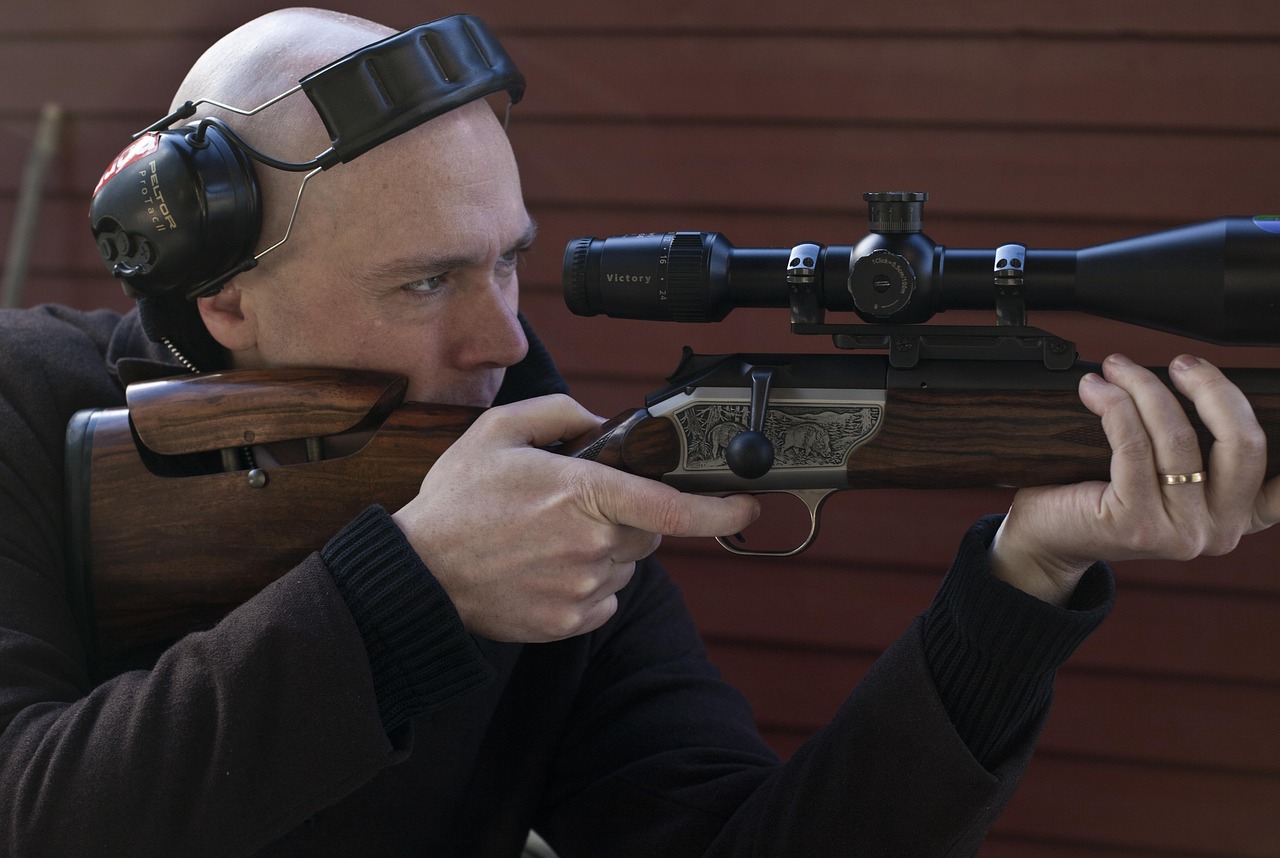
Hunting firearms are especially hard to forget because they are linked to the landscape. A rifle carried in cedar thickets, a duck gun used in flooded timber, or a mountain rifle packed above the tree line absorbs the memory of place as surely as it collects scratches. When shooters remember these guns, they often remember weather, terrain, and companionship in the same breath.
Research on autobiographical memory suggests that location powerfully reinforces recall, and hunting culture proves that point constantly. The old .30-30 is not just a caliber and action type; it is the sound of leaves under boots and the sight of a treestand ladder in gray dawn. The worn 12-gauge is not just a shotgun; it is marsh mud, cold coffee, and a dog shivering with anticipation in the blind.
Case studies from regional sporting traditions show how specific guns become almost symbolic. In the Northeast, a family deer rifle may be a modest bolt gun used across three generations. In the South, a bird hunter may remember an old double-barreled that came alive every quail season. In the West, hunters often speak of one trusted rifle as if it were a longtime partner rather than gear.
That bond explains why hunters regret passing these guns on without a clear plan. A replacement can fill the same role, but not the same emotional ground. The new rifle may shoot tighter groups. It will not have been there when the story was first written.
Why shooters keep remembering them
In the end, the gun shooters passed on and never forgot to reveal something larger than firearm preference. They show how objects become memory containers when they accompany routine, hardship, learning, celebration, and loss. A gun may begin as a purchase, gift, or tool, but repeated use turns it into a witness. That is why its absence can feel surprisingly personal.
There is also a lesson here about stewardship. Firearms owners who understand the emotional and historical value of certain pieces often become more deliberate about records, inheritance plans, and family conversations. They label provenance, document serial numbers, and explain who carried what and why it mattered. That practical care can prevent the kind of regret that echoes for years.
The most memorable guns are rarely unforgettable because they were perfect. Many were heavy, old-fashioned, limited in capacity, or less accurate than modern alternatives. What shooters remember is trust, familiarity, and timing. The gun was present during a chapter that shaped them, and memory fused the object to the moment.
So when people talk about the revolver they sold, the shotgun they inherited, or the rifle that disappeared after an estate sale, they are really talking about continuity. The firearm is gone. The story, clearly, is not.