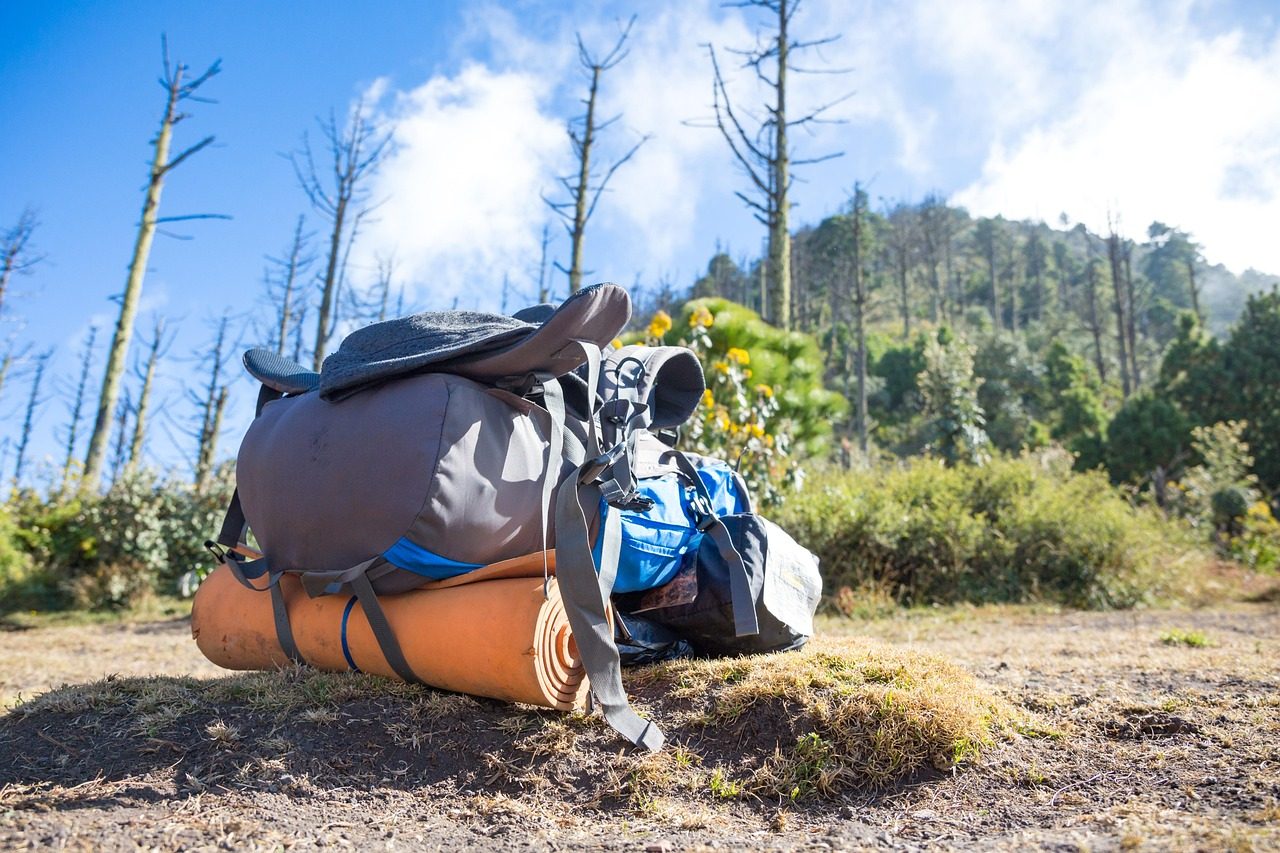
Backpacking is all about freedom, mobility, and efficiency. Yet many adventurers fall into the trap of overpacking, weighing themselves down with items they won’t use. Overpacking not only strains your back and shoulders but can also limit your ability to move quickly, adapt to conditions, and enjoy the journey. Recognizing the signs of overpacking is key to a smarter, lighter, and more enjoyable backpacking experience. Here are twelve clear indicators that your pack might be too heavy.
1. Your Pack Feels Heavy Before You Even Start
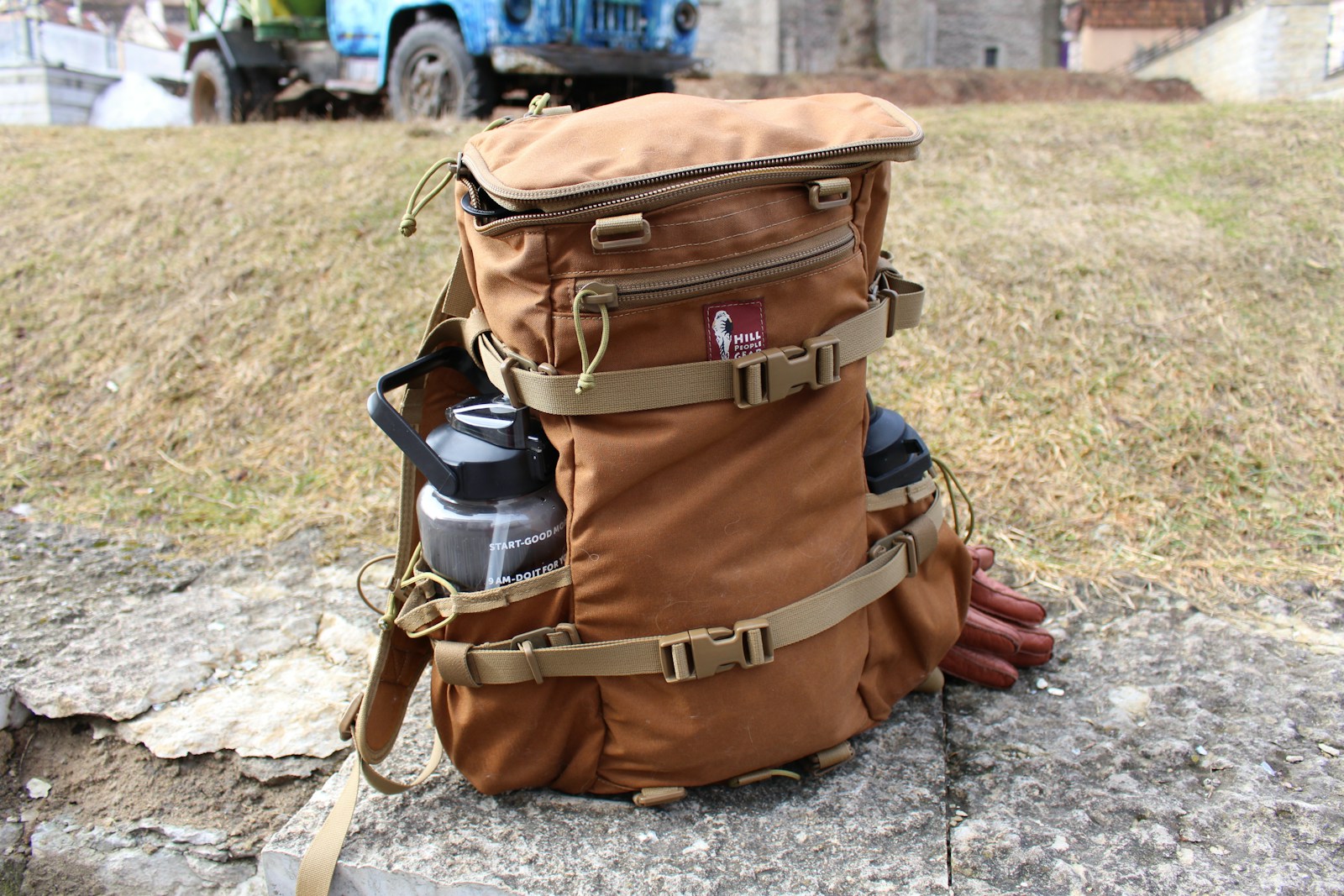
If lifting your backpack feels like a chore before you step on the trail, it’s a clear warning. The pack’s weight should feel manageable for long distances. Overpacking often leads to early fatigue, shoulder strain, and even injury. A proper backpacking pack is typically 20–25% of your body weight. Anything heavier signals unnecessary items weighing you down. The lighter your load, the more freedom you’ll have to move comfortably over varied terrain.
2. You Have Multiple Pairs of Shoes
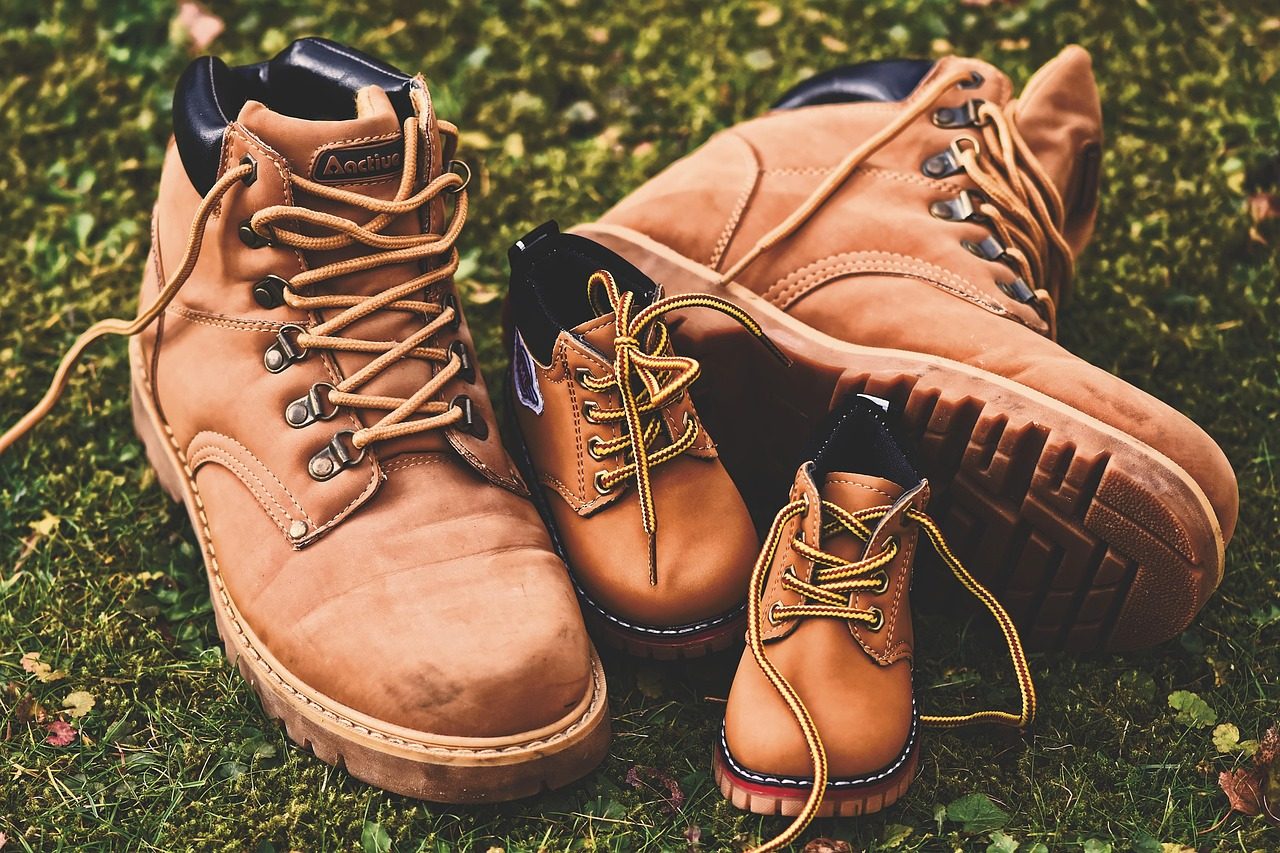
Carrying more than one or two pairs of shoes adds unnecessary bulk. Hiking boots or trail shoes and a pair of camp shoes are usually sufficient. Extra sneakers, sandals, or casual shoes may feel safe, but they only increase weight. Overpacking footwear is a common mistake. Each added pound affects stamina on long treks, and the extra space could be better used for essential gear like water, layers, or food. Minimalism is key to efficient backpacking.
3. Your Clothing Choices Exceed Three Layers

Bringing more than necessary clothing layers for each climate is a telltale sign of overpacking. One base layer, one insulating layer, and one waterproof layer usually cover most conditions. Excess garments often remain unused while adding significant weight. Overpacking clothes reduces pack space and can tempt you to bring bulky, non-essential items. Prioritize lightweight, moisture-wicking, and versatile clothing to keep your load manageable and your movements unhindered.
4. You Brought Too Many Toiletries

Bulky toiletry kits are common overpacking traps. You don’t need full-sized bottles of shampoo or lotion in the wild. Transfer essentials into small travel containers and skip luxury items like perfumes or makeup. Multi-use products like biodegradable soap for both body and dishes save space and simplify routines. Streamlining your hygiene kit not only cuts weight but also keeps your pack better organized and more practical for daily use.
5. Your Backpack Strains Your Shoulders and Hips
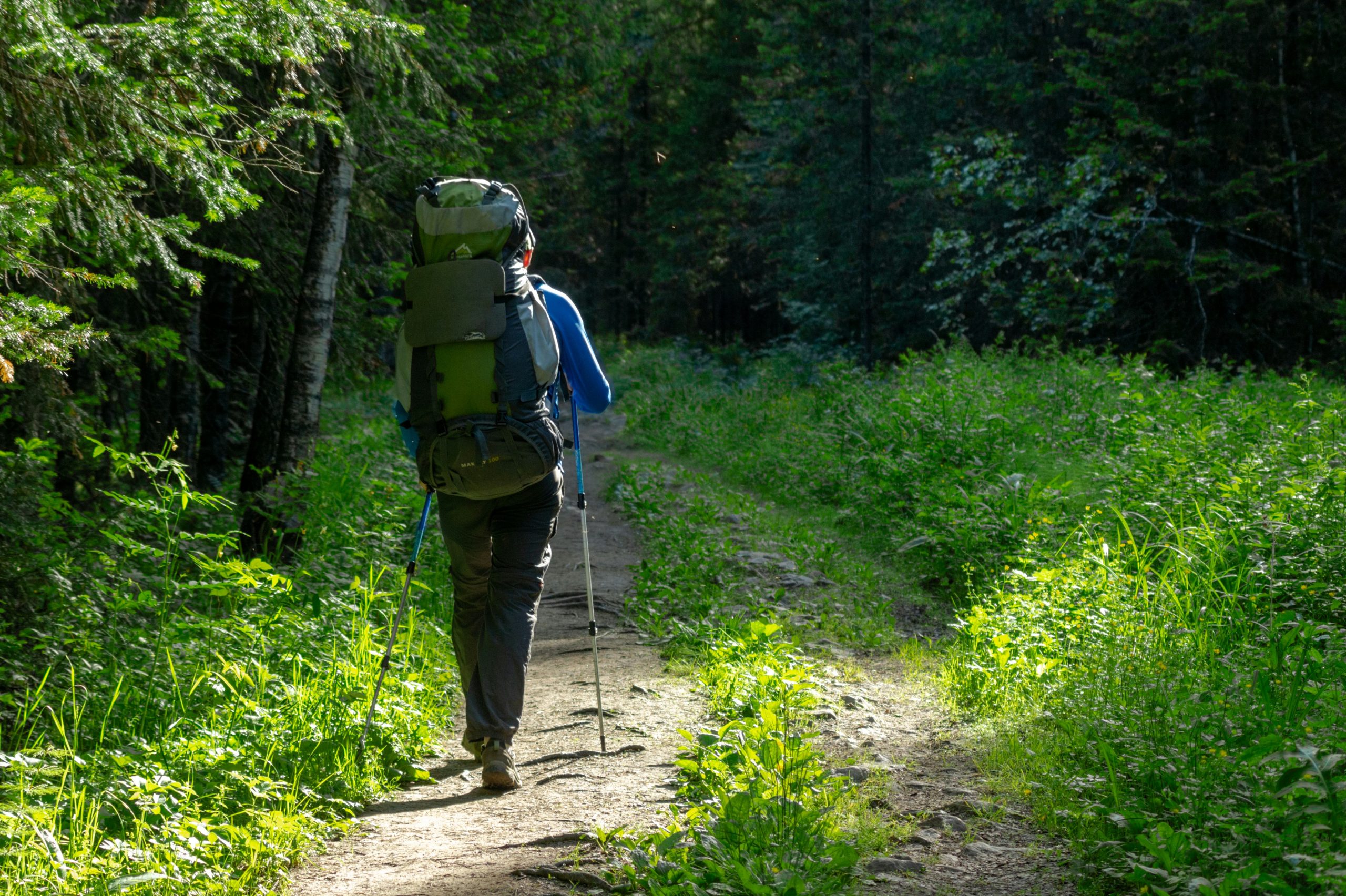
Persistent pain or discomfort while walking is a strong indicator of overpacking. Even well-fitted backpacks can’t offset excessive weight. Overloaded packs impair balance, slow pace, and can cause long-term injury. If your shoulders, neck, or hips ache after short distances, it’s time to reassess your gear. Removing unnecessary items and redistributing weight properly enhances comfort. Pain is a signal: your pack is too heavy for efficient, enjoyable travel.
6. You Have More Food Than Needed

Carrying extra food beyond what’s required for your trip adds unnecessary bulk and weight. Backpacking meals should be planned precisely, accounting for calories, duration, and terrain. Excess food may spoil or go unused, becoming a burden rather than a benefit. Proper planning ensures nutrition without unnecessary strain. Lightweight, calorie-dense foods are ideal. Overpacking food reflects caution over practicality, and learning portion control is essential for a comfortable backpacking experience.
7. You’re Bringing Unnecessary Gadgets

Extra electronics, chargers, or tools often go untouched. GPS devices, cameras, and tablets can be replaced by multifunctional tools or even smartphones. Each gadget adds ounces, and the cumulative weight quickly becomes significant. Overpacking gadgets complicates access and organization. Prioritize essential devices only. Streamlining technology keeps your backpack light, your energy focused on the trail, and ensures you enjoy the experience rather than managing excess gear that isn’t truly needed.
8. Your Pack Is Hard to Zip or Close
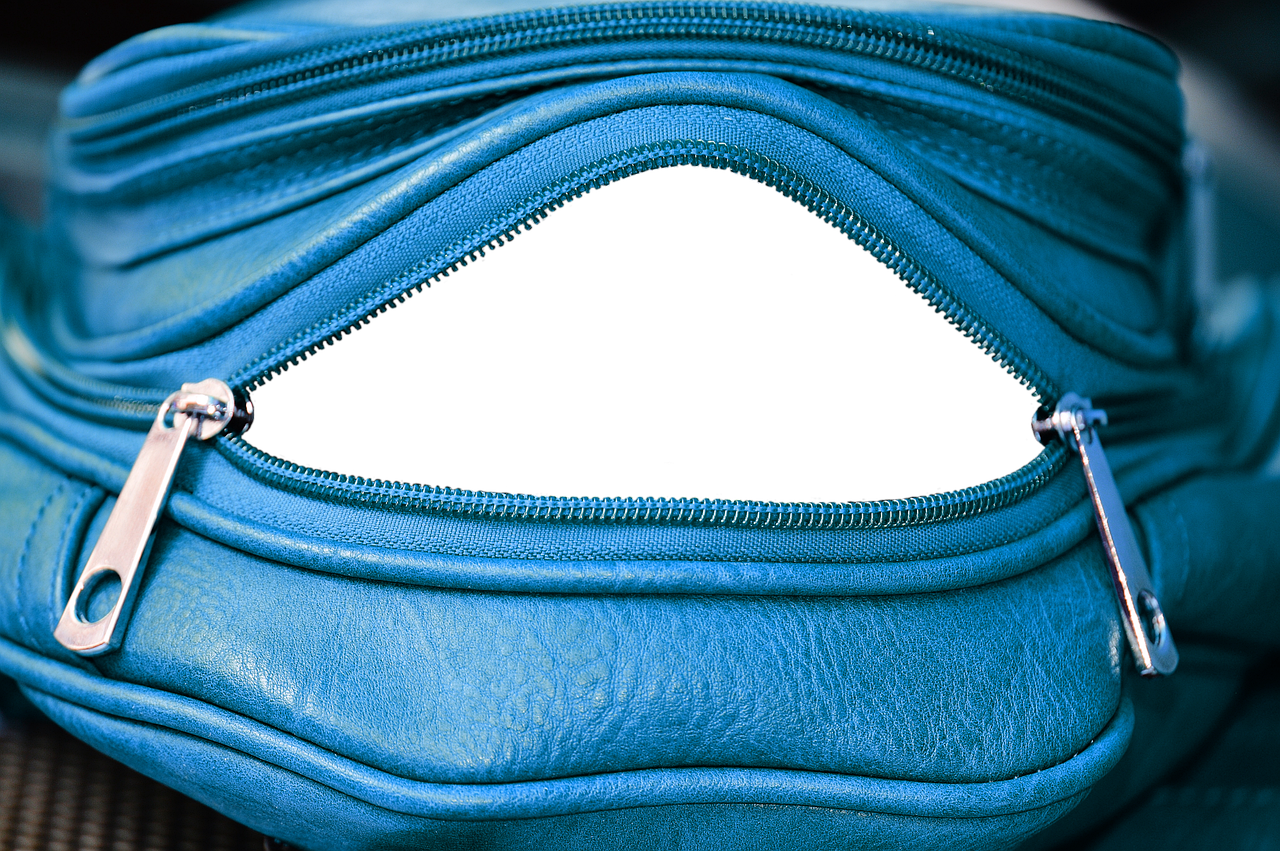
If closing your backpack requires effort or compressing items painfully, you’re carrying too much. Straining the zippers can damage your pack over time. Overpacking creates stress on seams, straps, and compartments. A properly packed bag should close easily and maintain its shape. Re-evaluate every item: if it can’t fit comfortably, it’s probably unnecessary. Learning to pack efficiently with compression sacks and organized storage prevents this common mistake.
9. You Rarely Use Certain Items
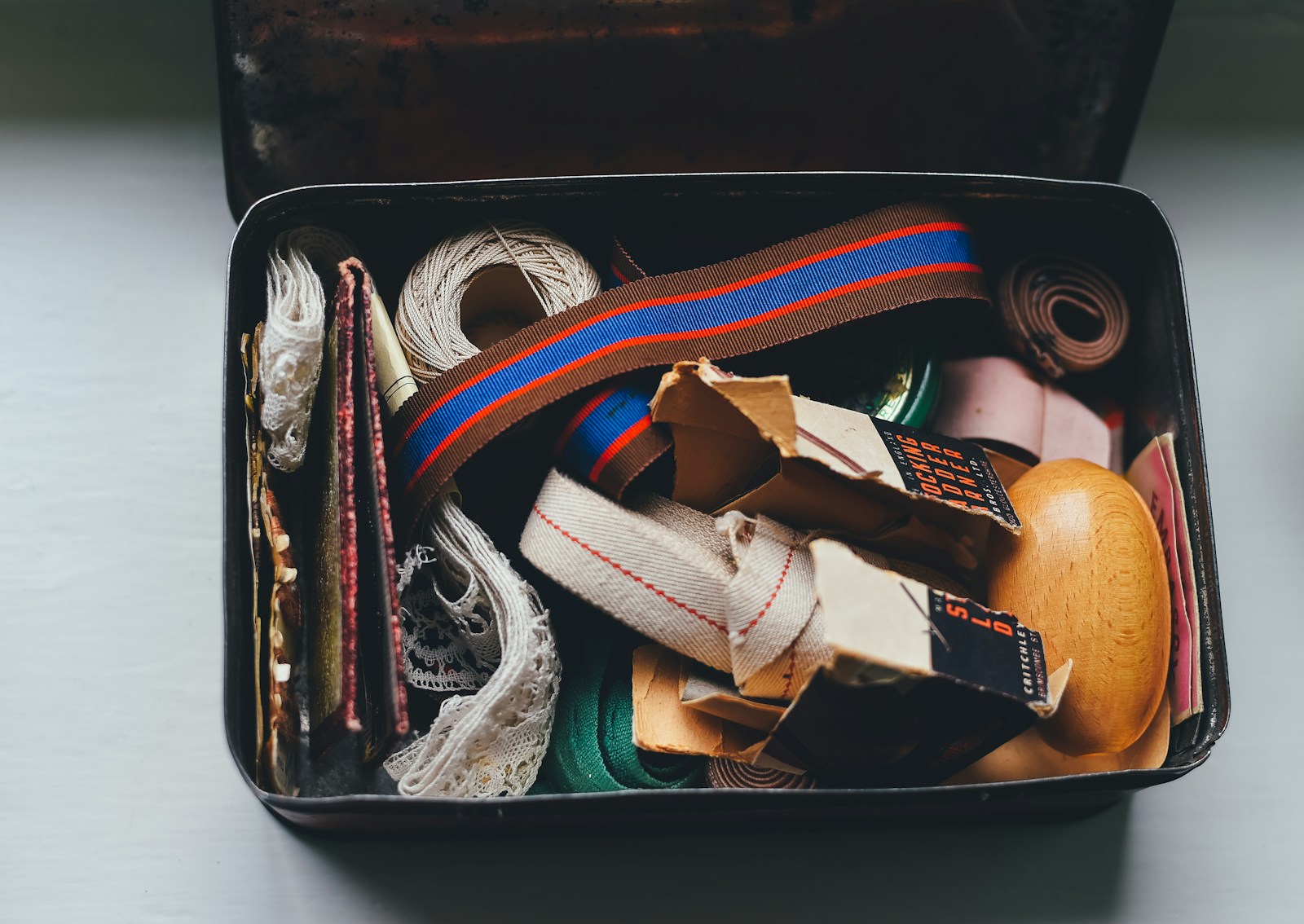
Items that sit unused throughout your hike are a clear overpacking symptom. Frequent checks and inventory of your gear help identify what’s truly essential. Overpacking often arises from attachment to belongings rather than practical need. Reducing unused items improves efficiency, comfort, and enjoyment. A lighter pack allows quicker movement and less fatigue. Only bring what contributes directly to safety, comfort, or enjoyment, leaving extraneous items behind.
10. Your Backpack Changes Your Walking Posture
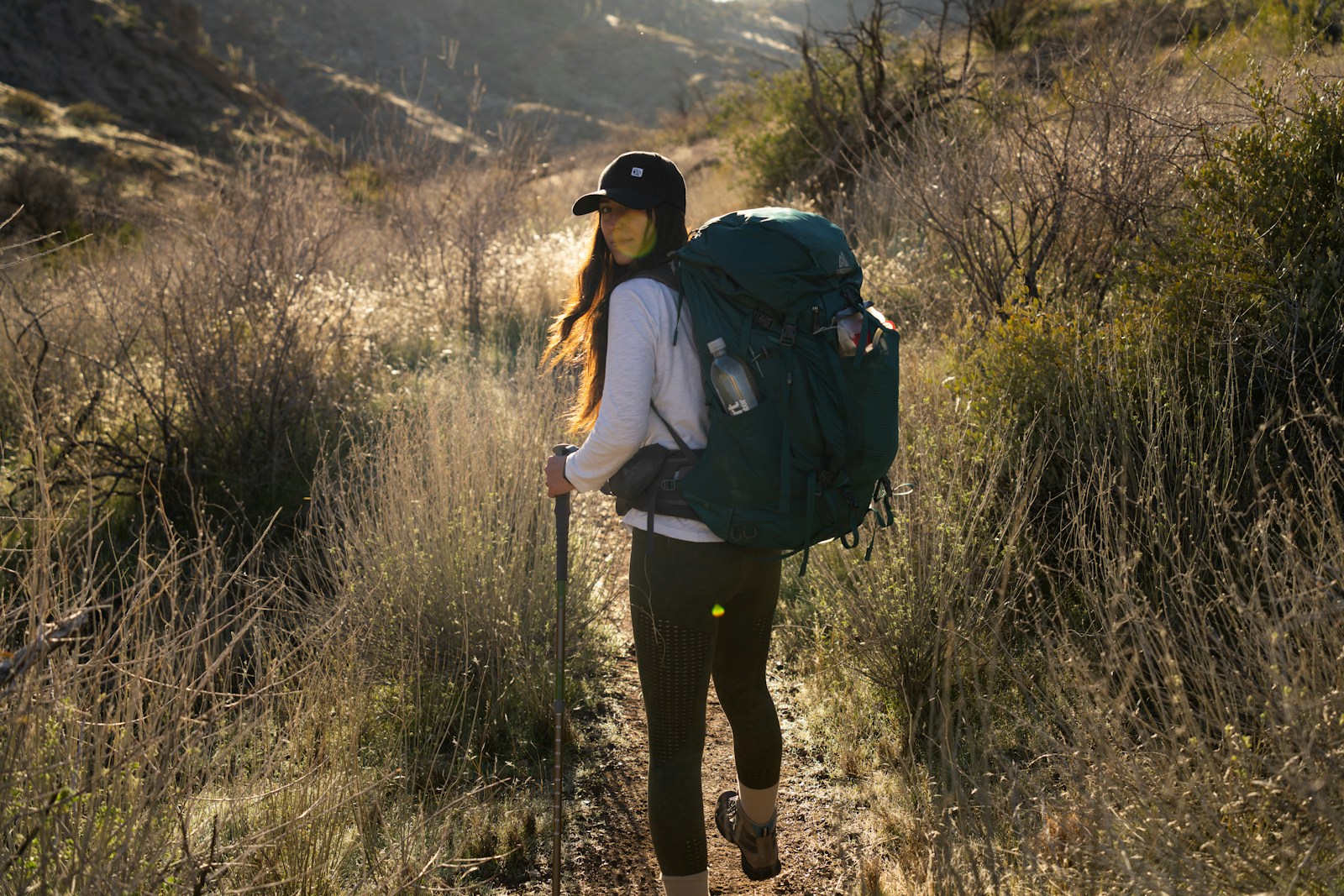
If overpacking forces you to lean forward, sway, or walk unnaturally, it’s a warning sign. Excess weight affects balance and gait, increasing the risk of falls or joint strain. Overpacked backpacks compromise your natural movement. Proper weight distribution, lightweight gear, and ergonomic packing prevent posture problems. Listening to your body is crucial: if your stride is hindered or uncomfortable, it’s time to rethink what’s essential in your pack for a safe and comfortable hike.
11. You Can’t Reach Essentials Quickly
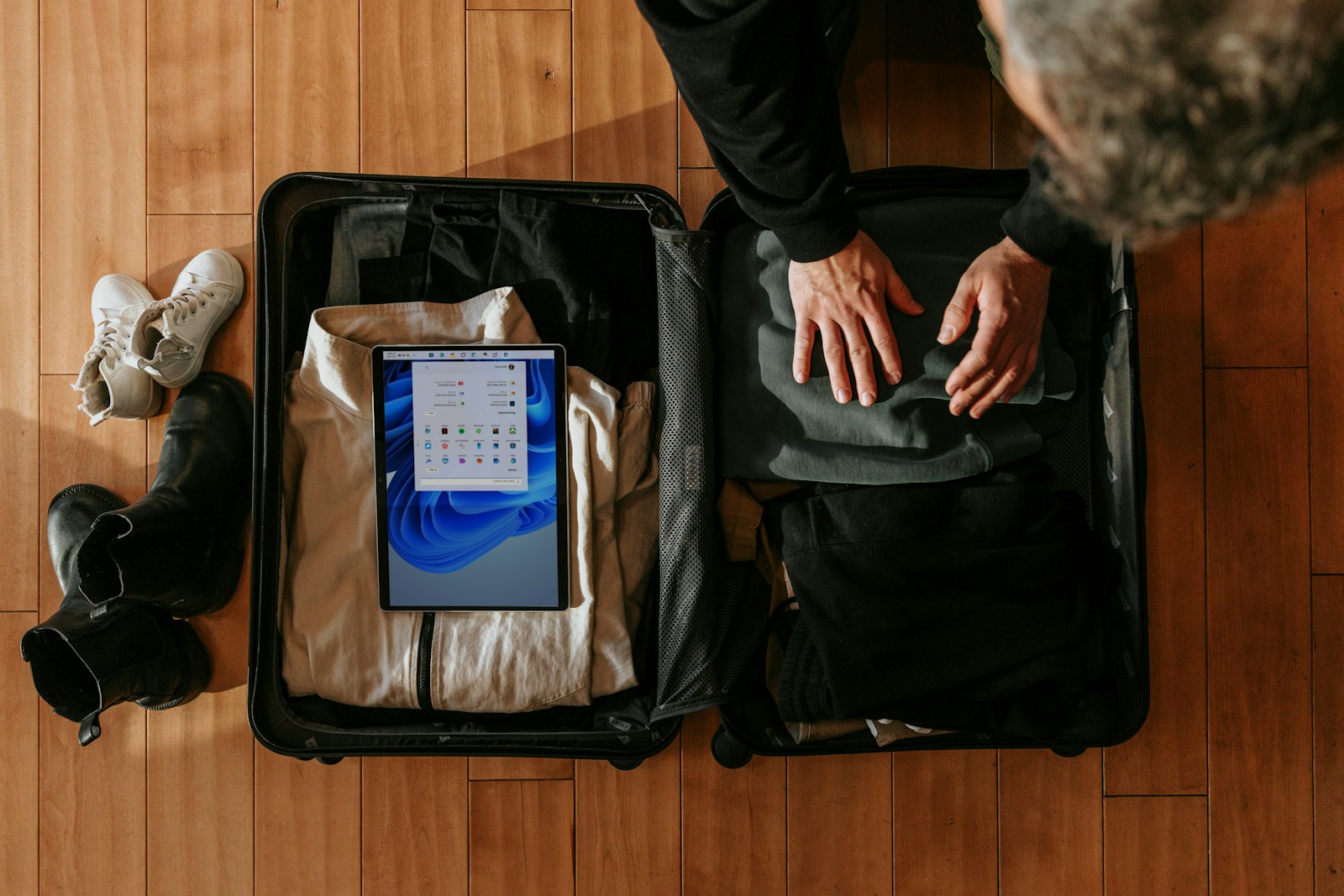
Overstuffed packs make accessing water, snacks, or navigation tools difficult. Overpacking reduces efficiency and increases frustration. Proper backpacking design emphasizes easy access to frequently used items. Using compression compartments and minimizing unnecessary gear keeps essentials at hand. An organized, light pack ensures you stay hydrated, nourished, and prepared without constant unpacking, preserving energy and focus on the trail.
12. You Feel Anxious About Leaving Items Behind
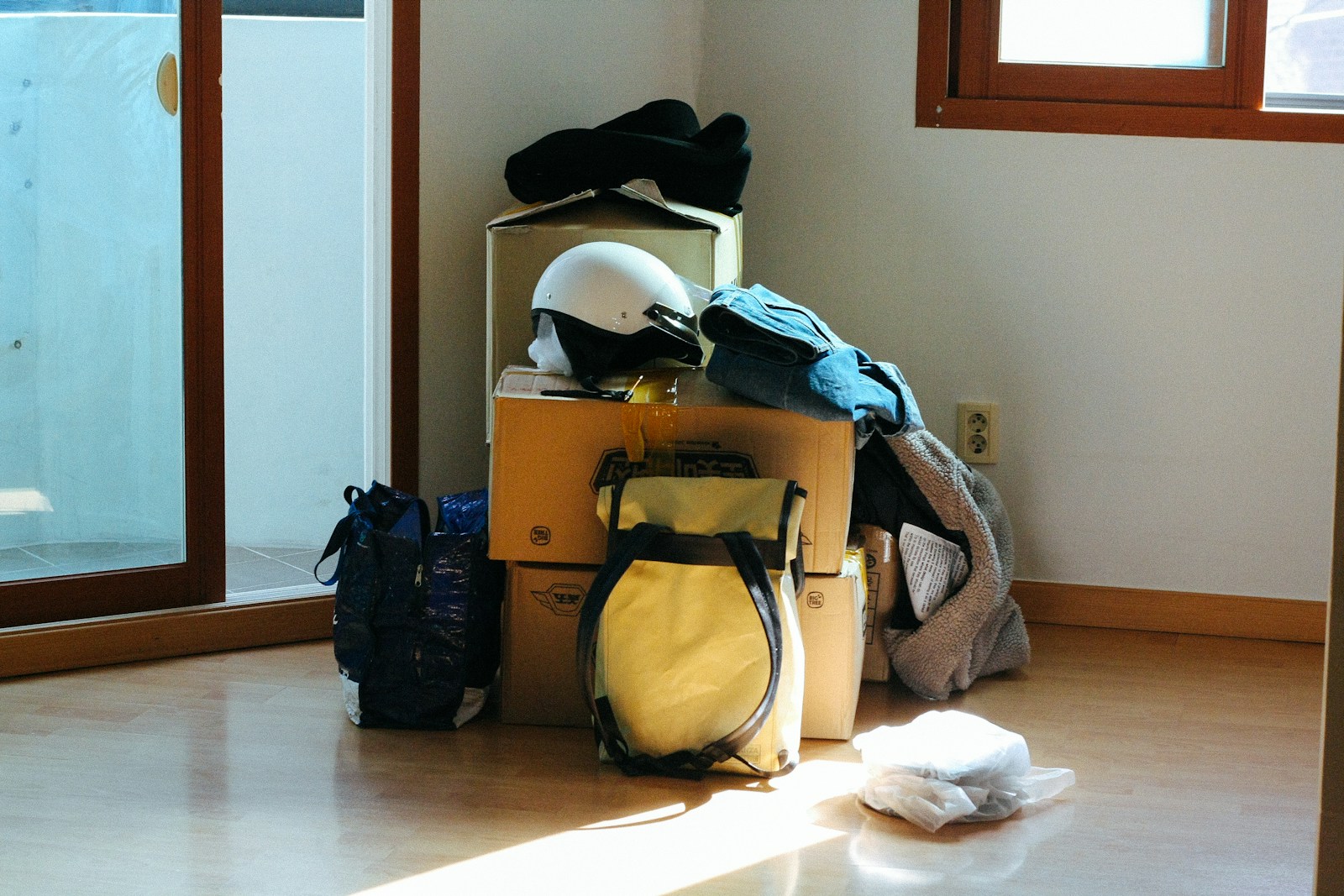
Overpacking often stems from fear of missing something. If you constantly worry about what you might need, it’s a sign you’ve packed too much. Confidence comes from careful planning and experience. Minimalism in backpacking is liberating, allowing you to enjoy the trail without burden. Learn to trust essentials and multi-purpose items. Letting go of non-critical gear reduces weight, improves mobility, and enhances your overall backpacking experience.