Camping is often sold as a peaceful escape, but the wild does not forgive small mistakes. Weather changes fast, injuries happen quietly, and simple oversights can spiral into emergencies. Most survival situations are not dramatic movie scenes. They begin with ordinary problems like getting lost, soaked, cold, or dehydrated. The difference between panic and survival usually comes down to preparation and smart habits. These camping hacks are not tricks. They are proven actions that experienced outdoors people rely on when things go wrong. Each one focuses on safety, awareness, and decision-making that can keep a bad situation from becoming a fatal one.
1. Always Build Shelter Before Darkness Falls
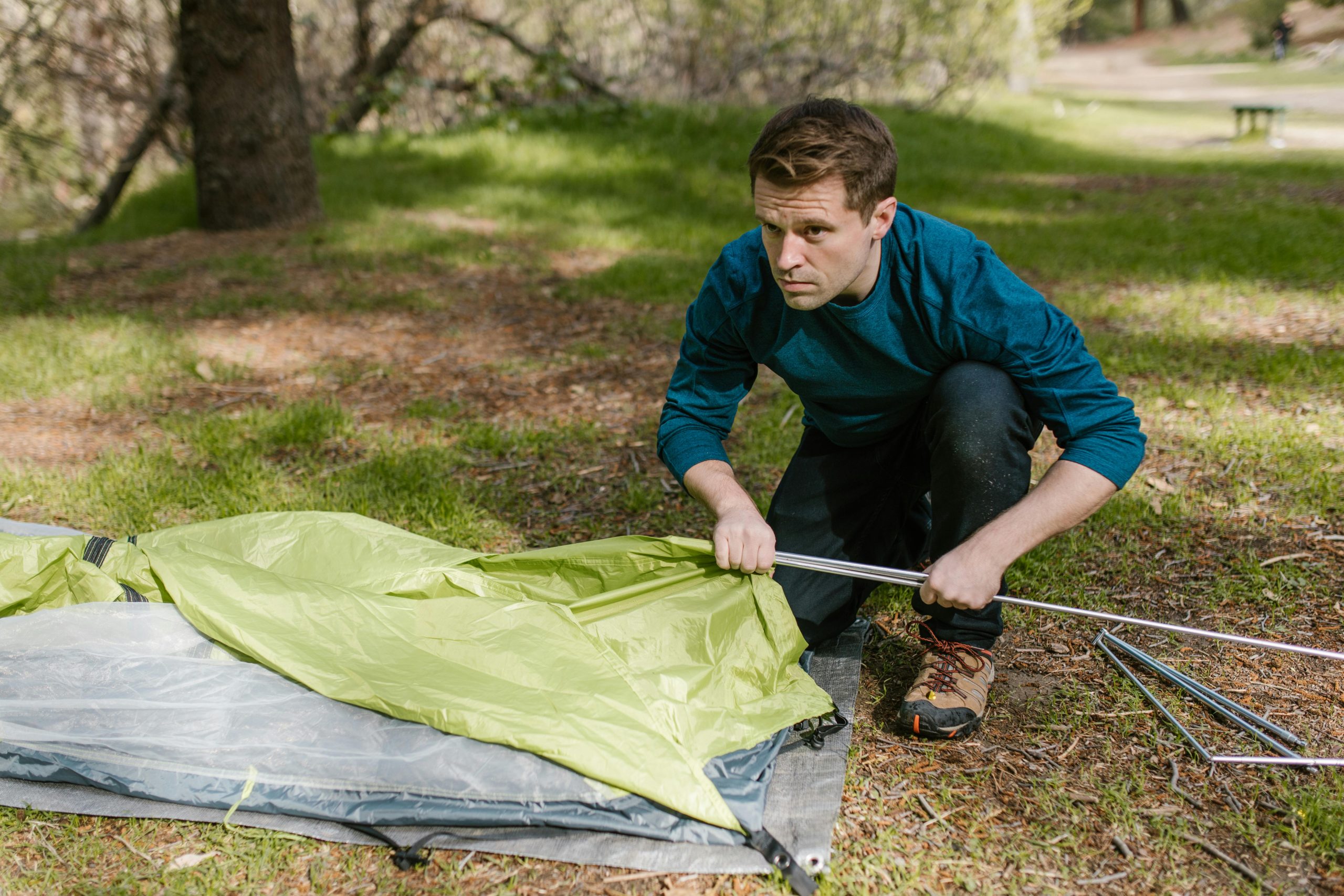
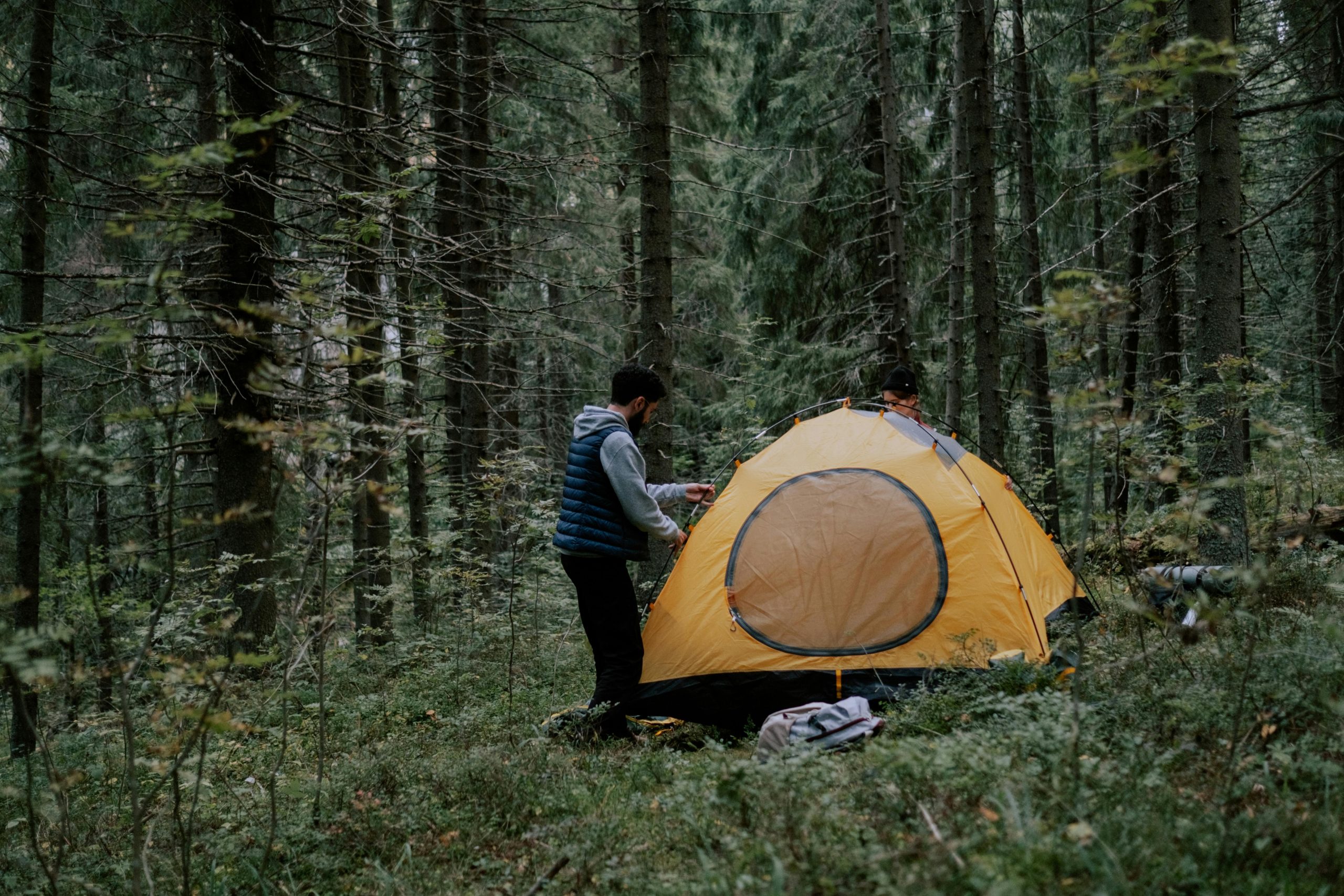
Many campers delay setting up shelter because the weather feels calm or daylight seems plentiful. This mistake becomes dangerous when conditions change suddenly. Darkness makes terrain harder to judge and drains energy fast. A basic shelter protects you from wind, rain, cold ground, and insects. Even mild exposure overnight can lead to hypothermia, especially when clothes are damp. Setting up shelter early also gives you a safe base if injury occurs. A tent, tarp, or improvised lean-to should always be ready before sunset. Shelter is not about comfort. It is about reducing heat loss, conserving calories, and giving your body a chance to recover. Once night falls, even small problems feel overwhelming without protection.
2. Treat Water Sources Before You Actually Need Them
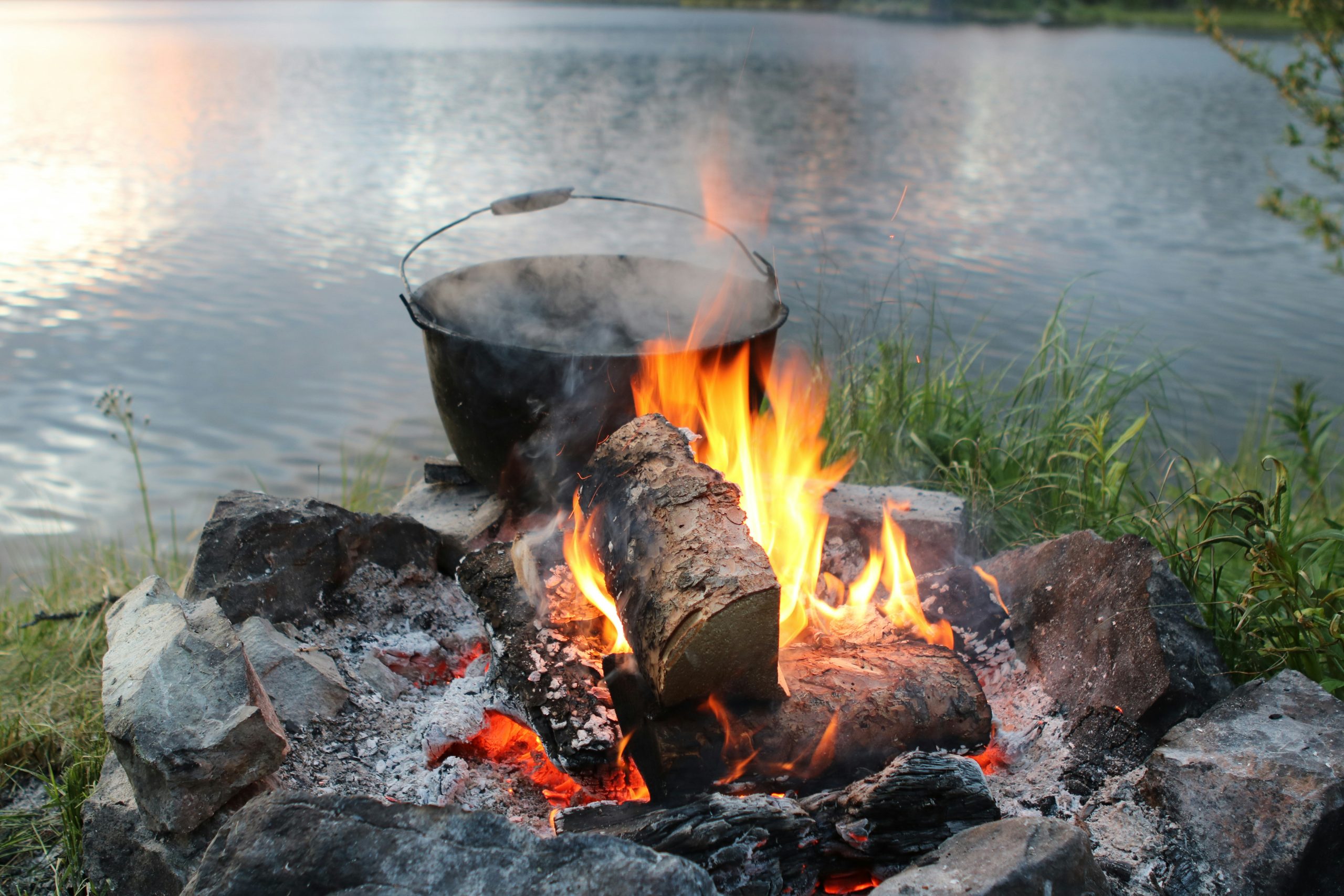
Waiting until you are thirsty to look for water is a common survival mistake. Dehydration reduces judgment long before physical symptoms feel serious. Every water source should be treated as unsafe until proven otherwise. Clear streams can still carry bacteria, parasites, or runoff contaminants. Filtering, boiling, or using purification tablets should happen as soon as water is collected. Carrying treated water gives flexibility if trails become blocked or the weather worsens. In survival situations, clean water supports digestion, temperature regulation, and mental clarity. Rationing untreated water often causes illness later. Preparing water early saves time and energy when stress levels rise and prevents dehydration from becoming a silent threat.
3. Keep Fire Starting Tools in Multiple Locations
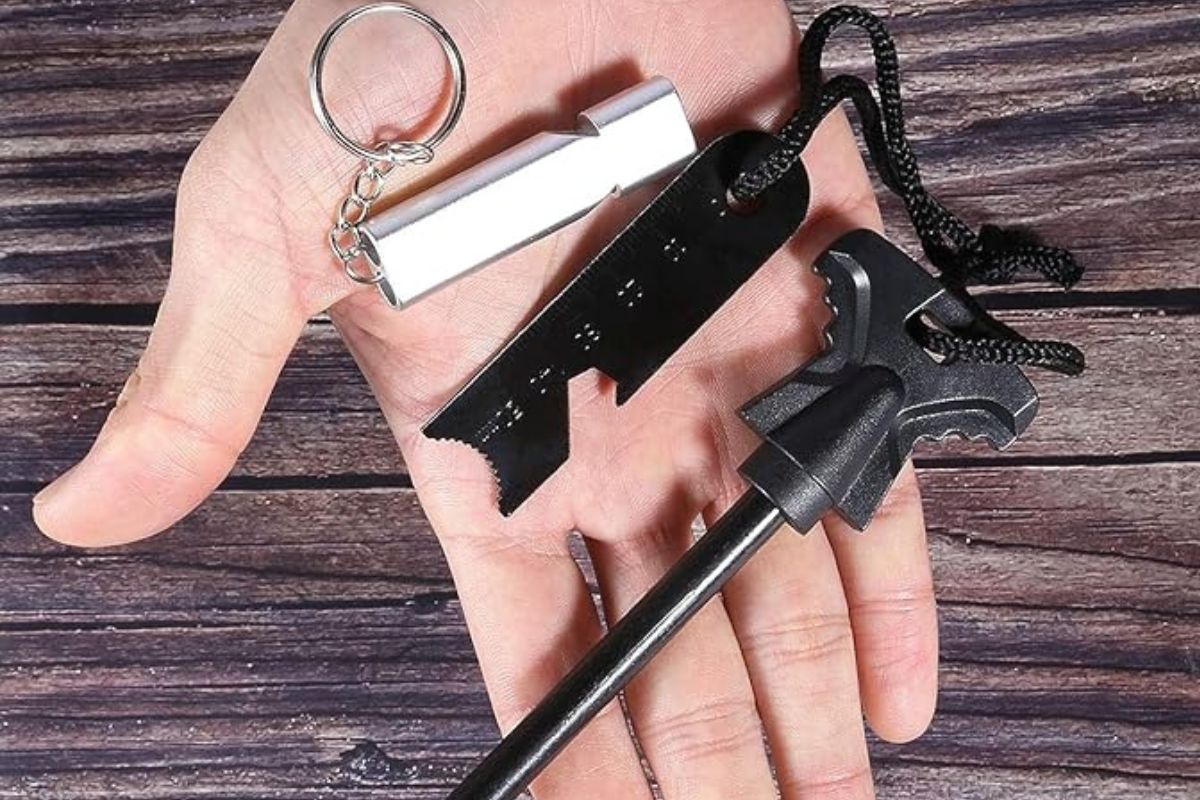
Fire is one of the most powerful survival tools, but relying on a single lighter or matchbook is risky. If it gets wet or lost, your ability to stay warm, signal rescuers, or purify water disappears. Smart campers store fire starters in separate places like pockets, packs, and emergency kits. Waterproof matches, ferro rods, and backup lighters add layers of security. Fire provides warmth, light, morale, and protection from animals. It also helps dry clothes and stabilize body temperature. In cold or wet environments, fire can be the difference between discomfort and hypothermia. Redundancy turns fire from a luxury into a reliable survival tool.
4. Use Clothing Layers to Control Body Temperature

Many camping injuries happen because people dress for comfort instead of survival. Layering allows you to adjust to changing conditions without sweating or freezing. Moisture trapped against the skin leads to rapid heat loss, especially in the wind. Base layers should move sweat away, mid layers provide insulation, and outer layers block rain and wind. Removing or adding layers prevents overheating during movement and chilling during rest. Dry clothing at night is especially critical. Once core temperature drops, decision-making suffers. Clothing is a portable shelter. Managing layers properly keeps your body balanced and reduces the risk of exhaustion, hypothermia, and preventable illness in the wild.
5. Mark Your Camp and Routes Clearly
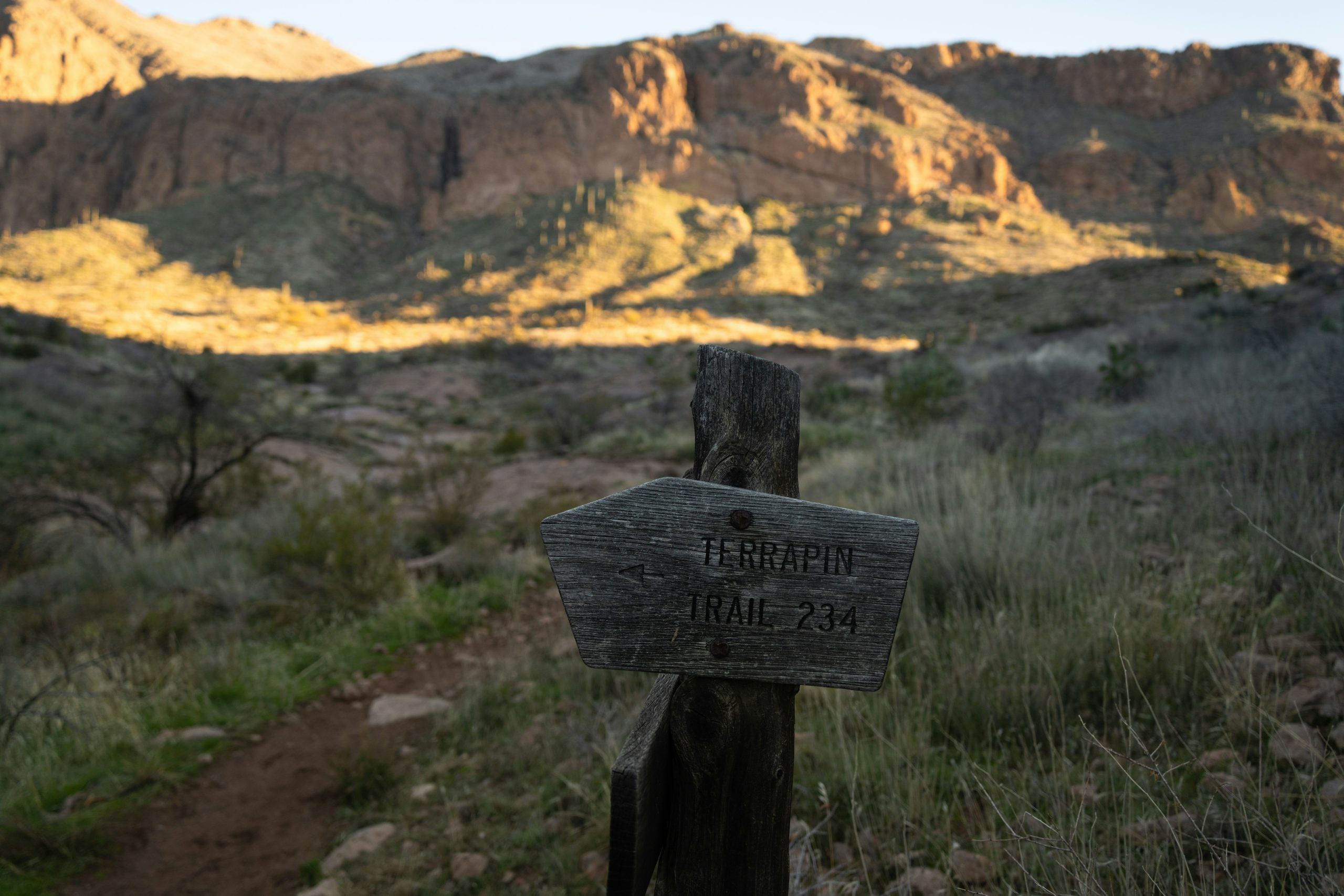
Getting lost often happens close to camp, not deep in the wilderness. Leaving camp to gather wood or explore without marking your path can become dangerous fast. Natural landmarks look different from new angles or in changing light. Marking trails with visible, removable indicators, such as stacked rocks or tied cords, helps maintain orientation. GPS devices help, but batteries fail, and signals drop. Knowing how to navigate back visually is essential. Always note terrain features, such as slopes, water direction, and tree density. A clearly marked camp reduces panic, saves energy, and prevents small navigation errors from turning into overnight survival situations.
6. Carry a Basic First Aid Kit and Know How to Use It
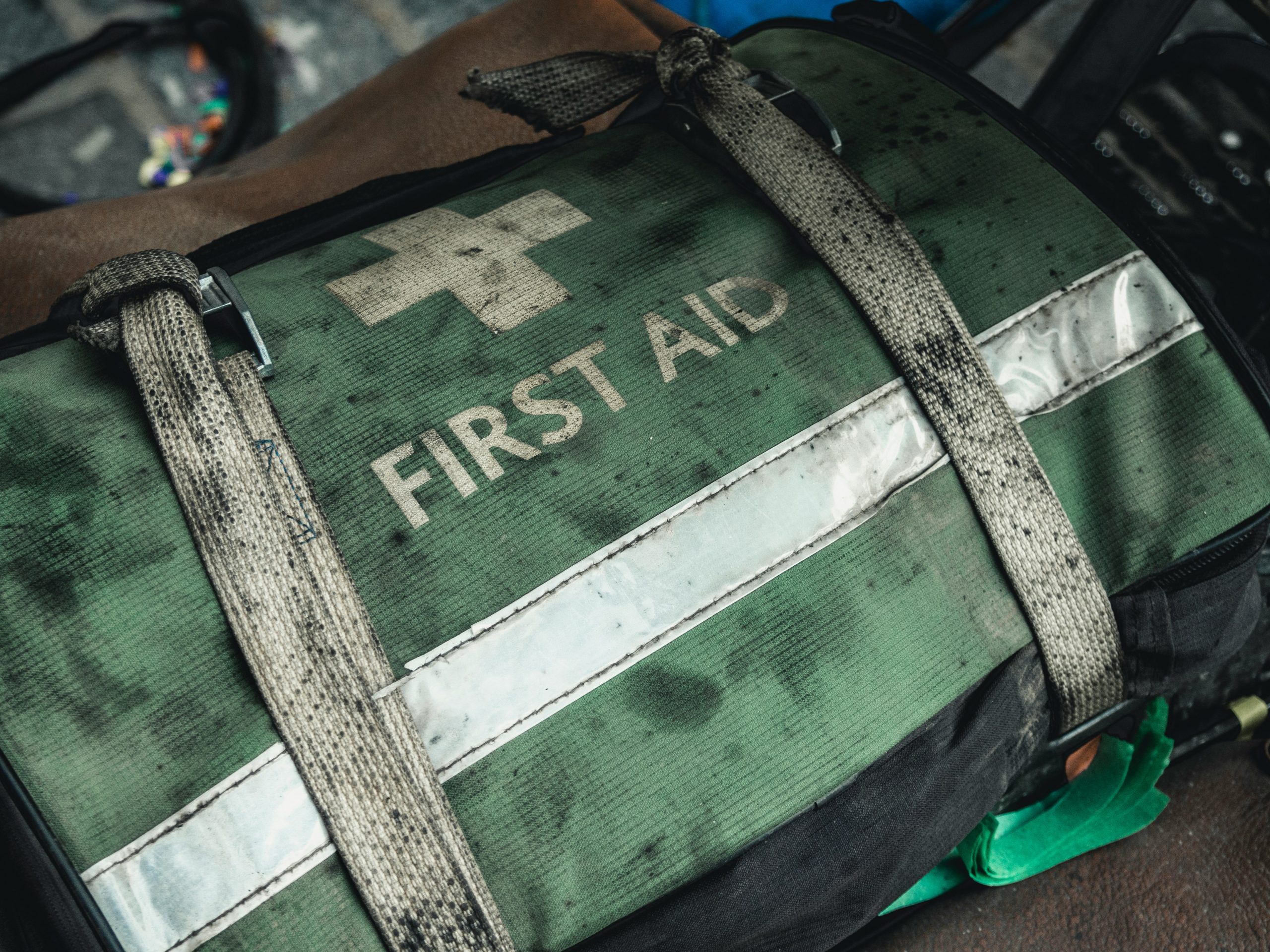
Injuries in the wild rarely look dramatic at first. Small cuts, blisters, or sprains can become serious without treatment. A basic first aid kit should include bandages, antiseptics, blister care, and pain management. Knowing how to clean wounds and stabilize injuries prevents infection and mobility loss. Even minor bleeding can weaken the body faster than expected. Treating injuries early keeps you functional and reduces the chance of needing rescue. First aid is not just about emergencies. It is about maintaining health so you can move, think clearly, and respond effectively when conditions worsen.
7. Eat Consistently Even If You Do Not Feel Hungry
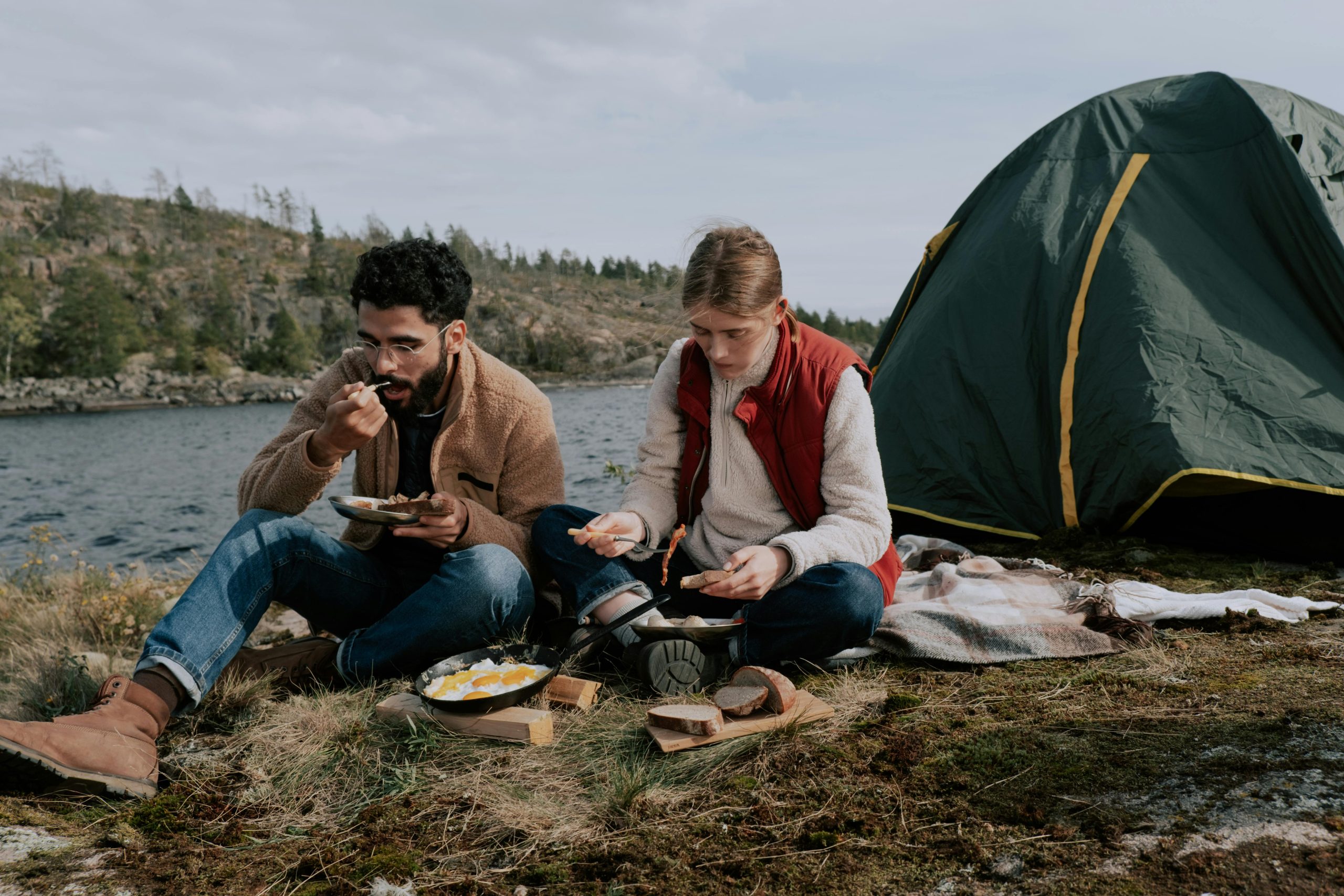
Stress, altitude, and fatigue often suppress appetite during camping trips. Skipping meals weakens the body and reduces mental focus. Calories fuel heat production, muscle movement, and decision making. Eating small, regular meals keeps energy steady and prevents crashes. High-calorie foods like nuts, dried meat, and energy bars are easy to digest and store. In survival scenarios, food supports morale as much as physical strength. Hunger makes people rush decisions and underestimate risk. Even when food supplies are limited, controlled intake is better than waiting until exhaustion forces poor choices.
8. Signal for Help Early Instead of Waiting
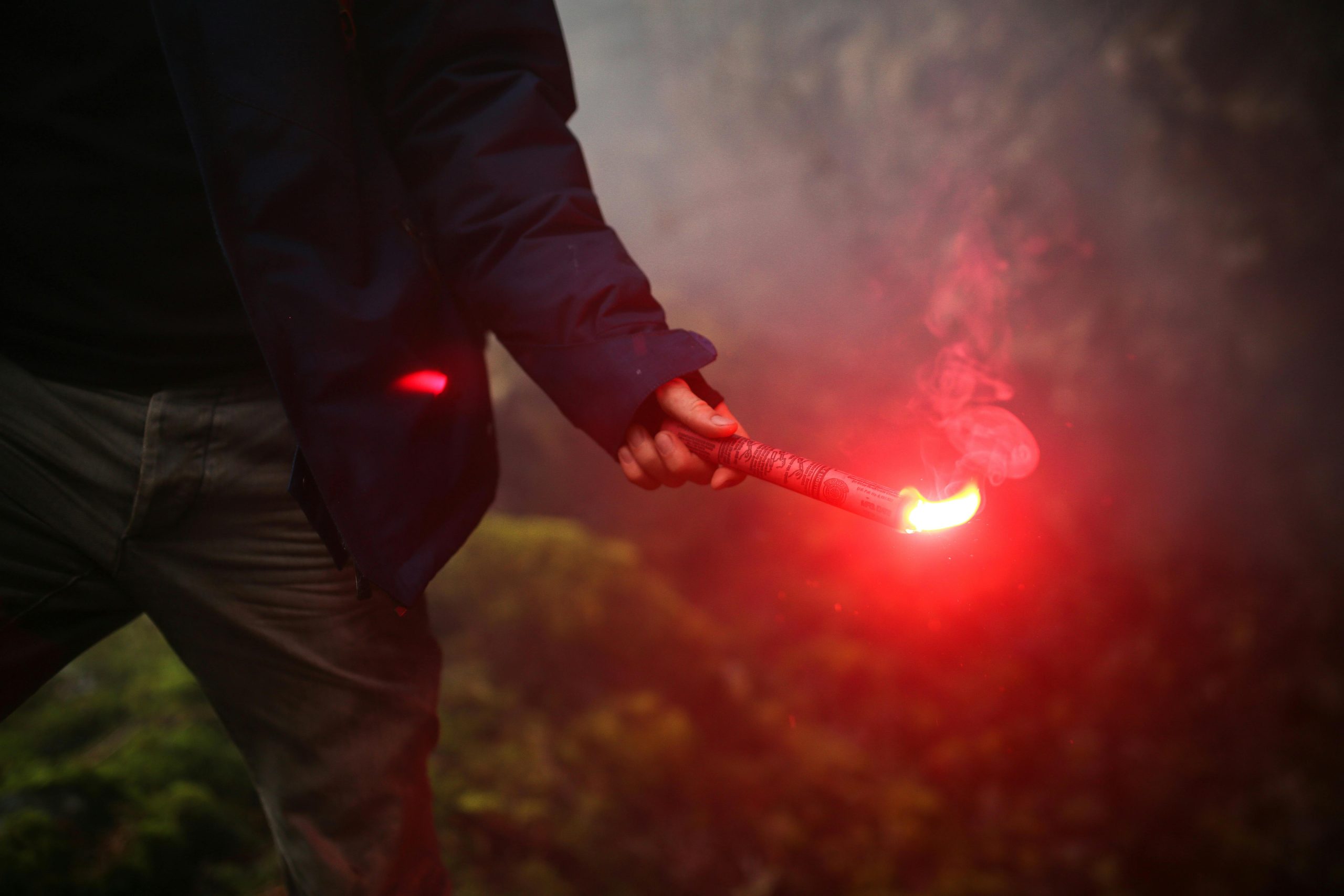
Many survival stories involve people who waited too long to signal for help. Pride or optimism can delay rescue unnecessarily. Signal devices like whistles, mirrors, or bright clothing dramatically increase visibility. Sound travels farther than shouting and requires less energy. Ground signals and reflective flashes can be spotted from the air. Signaling early does not mean giving up. It means increasing options. If conditions improve, you can still move. If they worsen, help may already be searching. Early signaling turns isolation into connection and can shorten rescue time significantly.
9. Stay Put When Lost Instead of Wandering
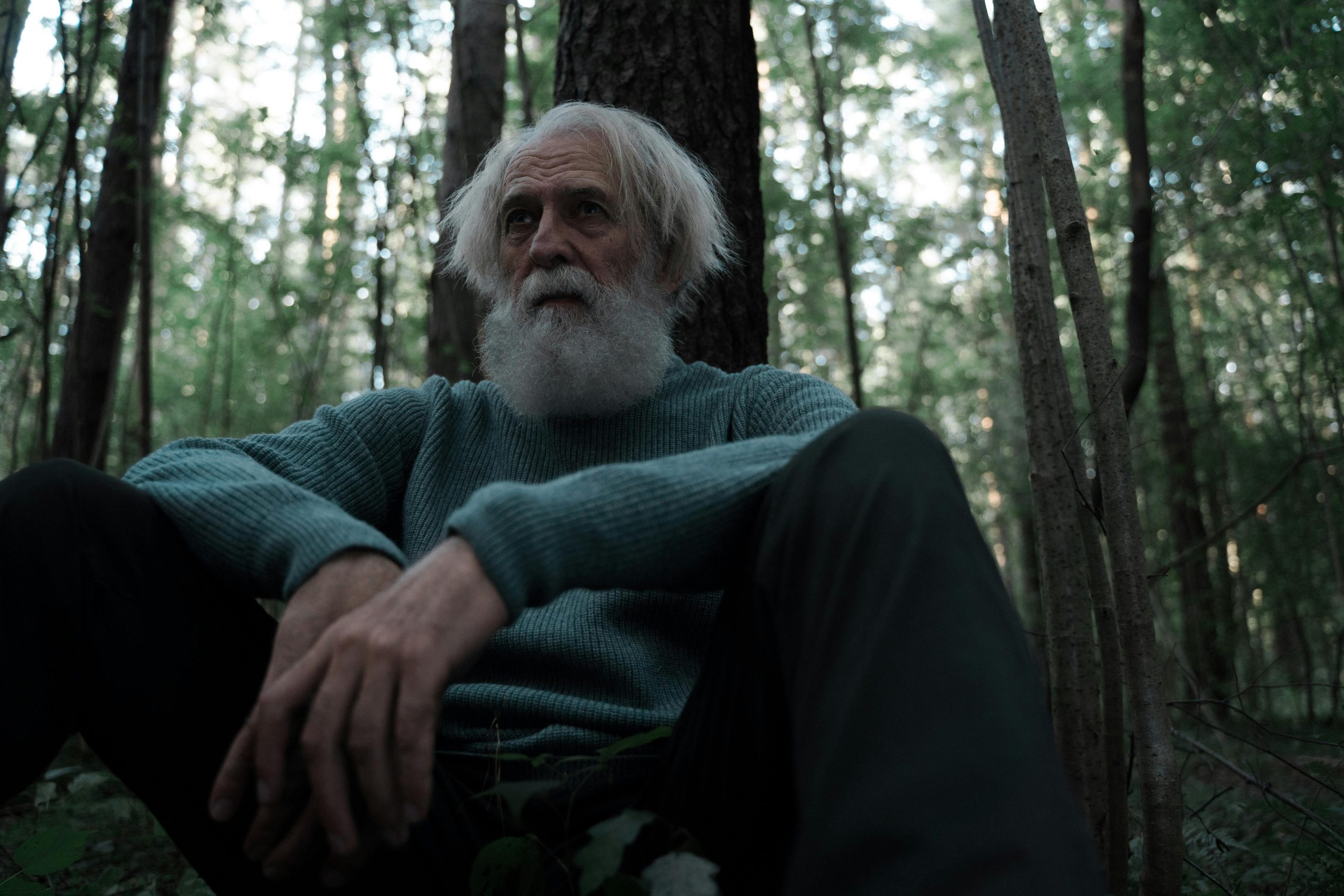
When people realize they are lost, the instinct is to keep moving. This often makes the situation worse. Movement burns calories, increases dehydration, and complicates search efforts. Staying put allows rescuers to locate you more easily. A stationary position makes signaling more effective and conserves energy. Creating shade, shelter, and visible markers improves safety. Unless you know exactly where you are and how to reach help, stopping is usually the smartest choice. Calm patience often saves lives where frantic movement fails.
10. Plan for the Return Trip, Not Just Arrival
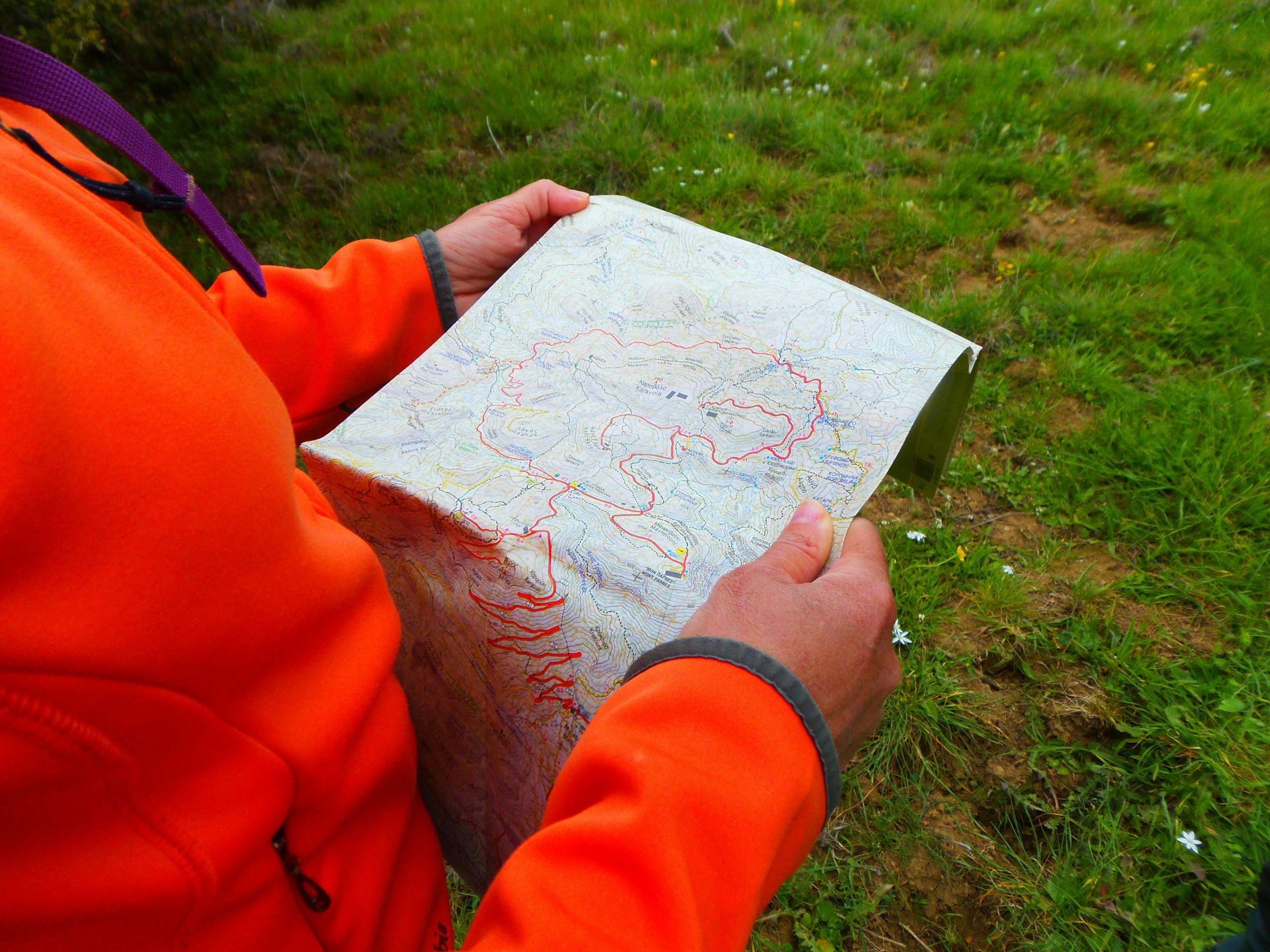
Many campers plan their journey around reaching a destination and underestimate the return. Fatigue, weather changes, and injuries often occur on the way back. Always reserve energy, daylight, and supplies for the exit. Turning around early is a survival skill, not a weakness. Knowing when to stop prevents being caught in darkness or storms. Successful camping ends safely, not at the furthest point reached. Planning for the return keeps decisions grounded and prevents small miscalculations from turning into emergencies.