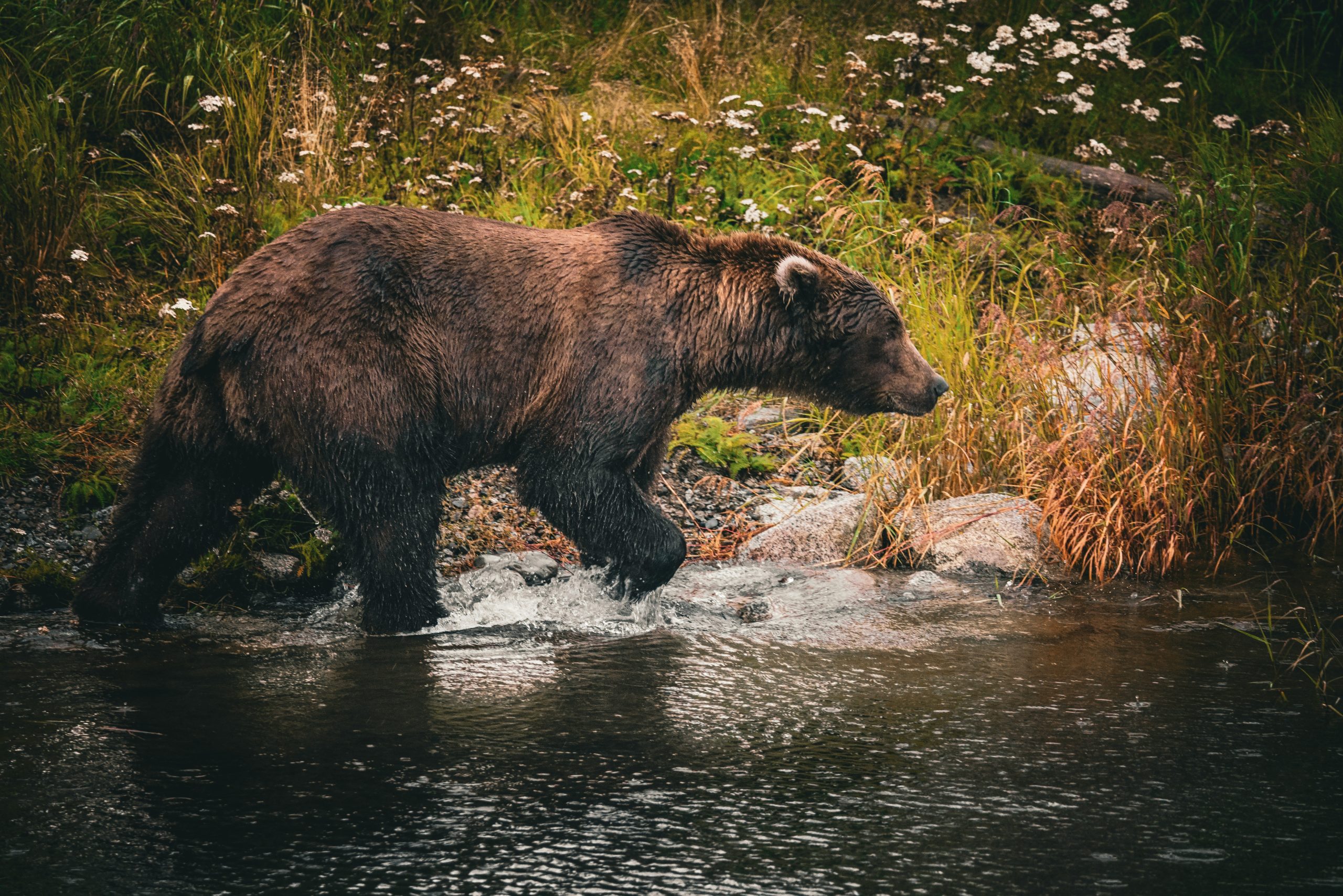
Wildlife conservation in America is often described as a system funded by hunters and anglers, but the real picture is considerably more layered. License fees, federal excise taxes, manufacturers, state agencies, general appropriations, and other outdoor users all play different roles. In fiscal 2026, the U.S. Fish and Wildlife Service announced more than $1.2 billion in Wildlife and Sport Fish Restoration funding for states, territories, and conservation programs.
1. Firearms and Ammunition Buyers Help Create a Major Conservation Fund

The biggest surprise is how much conservation money starts with people who buy hunting and shooting equipment. Under Pittman-Robertson, manufacturers pay federal excise taxes on firearms, ammunition, and archery gear, with the revenue distributed to state wildlife agencies. In fiscal 2026, the U.S. Fish and Wildlife Service announced more than $1.2 billion in combined Wildlife and Sport Fish Restoration funding. Since 1937, annual apportionments have exceeded $31 billion, making this one of America’s longest-running conservation finance systems.
2. Hunting Licenses Put Direct Money Into Wildlife Agencies

Hunters do not simply pay a license fee and disappear from the funding picture. Hunting licenses, permits, and related fees are another major revenue stream for state wildlife agencies, often helping provide the required match for federal grants. A 2026 study of all 50 state agencies found that license sales for hunting, fishing, and trapping averaged 42.5% of dedicated agency revenue in fiscal years 2018 and 2019. That makes participation fees important even before federal excise-tax money is counted. They also help finance wildlife work hunters may never personally see.
3. Some Conservation Money Comes From People Who Never Hunt

Non-hunters can contribute without ever buying a hunting license. Federal excise taxes are collected from manufacturers and built into the price of firearms, ammunition, archery equipment, fishing gear, and other qualifying products. That means a recreational shooter, equipment buyer, or even someone purchasing gear for reasons unrelated to hunting can help generate revenue. A 2026 analysis also noted that firearms excise taxes are increasingly paid by non-hunters, complicating the simple idea that every conservation dollar comes directly from hunters.
4. Anglers Finance Much More Than Fish Stocking
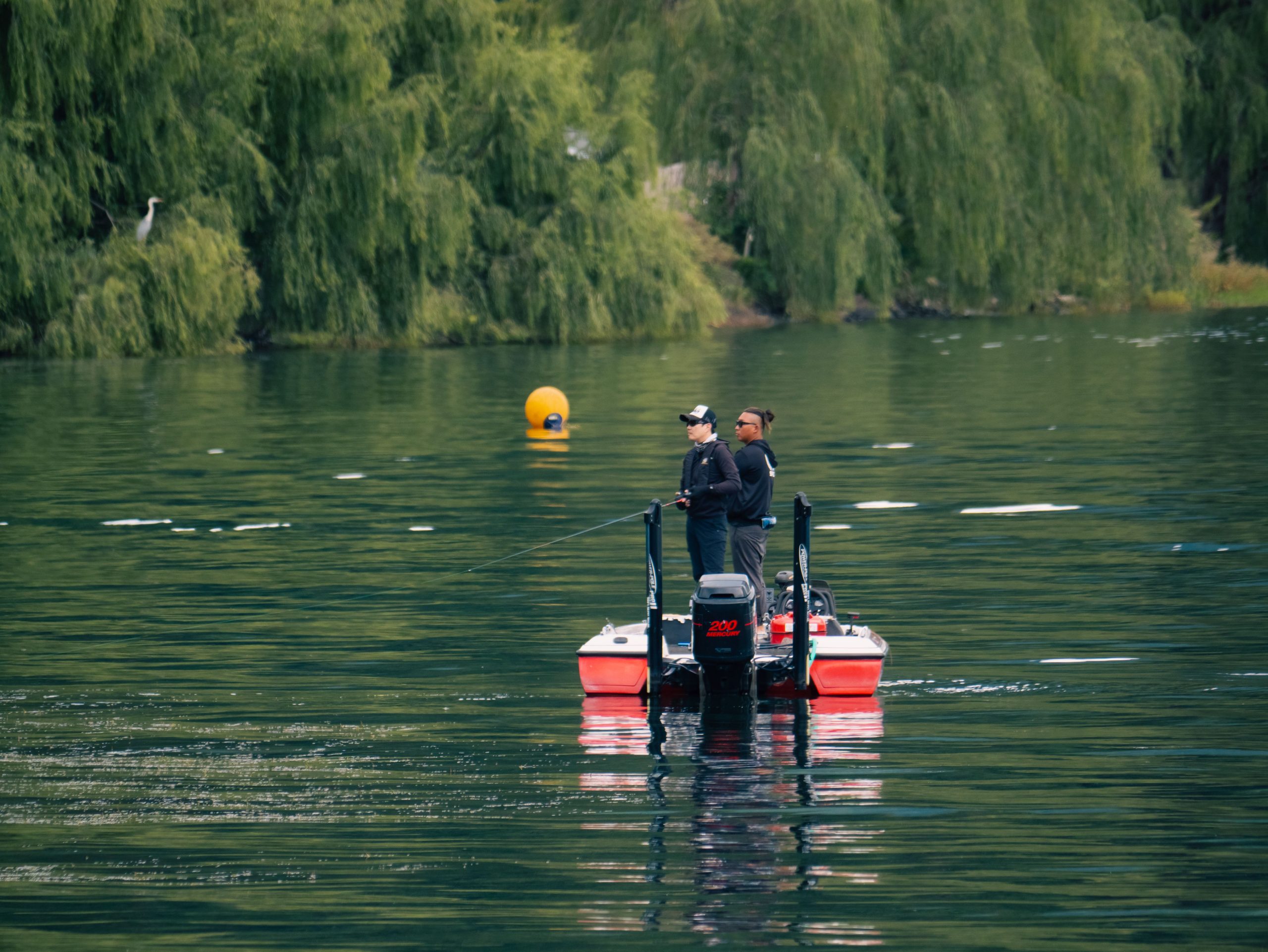
Anglers are another major part of the American funding engine, and their money reaches far beyond fish stocking. Dingell-Johnson and Wallop-Breaux funding comes from taxes on fishing equipment, certain imports, and fuel connected to motorboats and small engines. In 2026, federal sport-fish restoration funds helped support more than 9,000 public fishing and boating access areas and the annual stocking of more than 1 billion fish. Such funding can improve waterways used by families, kayakers, and wildlife photographers.
5. General Tax Dollars Still Have a Role

General tax dollars still matter, especially for programs outside the dedicated wildlife restoration system. Congress can appropriate money for federal agencies, habitat initiatives, endangered-species work, land management, research, and other conservation needs. State agencies also receive money from sources that vary by state, including grants and other dedicated revenues. So the claim that hunters alone pay for all American wildlife conservation is too broad. The real system is a patchwork, with user-generated revenue forming a particularly durable piece.
6. Wildlife Watchers Can Enjoy the Results Without Paying Directly

Wildlife watchers and nature lovers can benefit from conservation without being the main direct payers. State agencies use dedicated wildlife funds for habitat management, wildlife monitoring, public access, education, and species work that can serve many audiences. The U.S. Fish and Wildlife Service says current Wildlife Restoration funding supports management of more than 800 species of wild mammals and birds. The key distinction is between enjoying wildlife and supplying a particular funding stream. That difference matters when the public asks who actually pays for conservation.
7. Manufacturers Are Quietly Part of the Funding Chain

Businesses also sit quietly inside the funding chain. Federal excise taxes under the wildlife and sport-fish restoration programs are paid by manufacturers, while consumers encounter those costs through product prices. Industry therefore acts as the collection point, but the economic burden can move through the marketplace in different ways. The 2026 federal allocation exceeded $1.2 billion, showing how large the system has become. Conservation finance is consequently a partnership involving manufacturers, outdoor users, states, and the federal government.
8. The Benefits Often Reach Far Beyond Hunters and Anglers

The final surprise is that conservation benefits can be much broader than the activity that generates the money. Federal wildlife restoration funds can support habitat acquisition and management, research, public access, education, and wildlife monitoring, while sport-fish funds support waterways and aquatic resources. By 2026, the combined programs had helped open more than 36 million acres of state land to hunting and angling, support over 800 target ranges, and maintain more than 9,000 fishing access areas. The funding loop reaches far beyond a single sport.