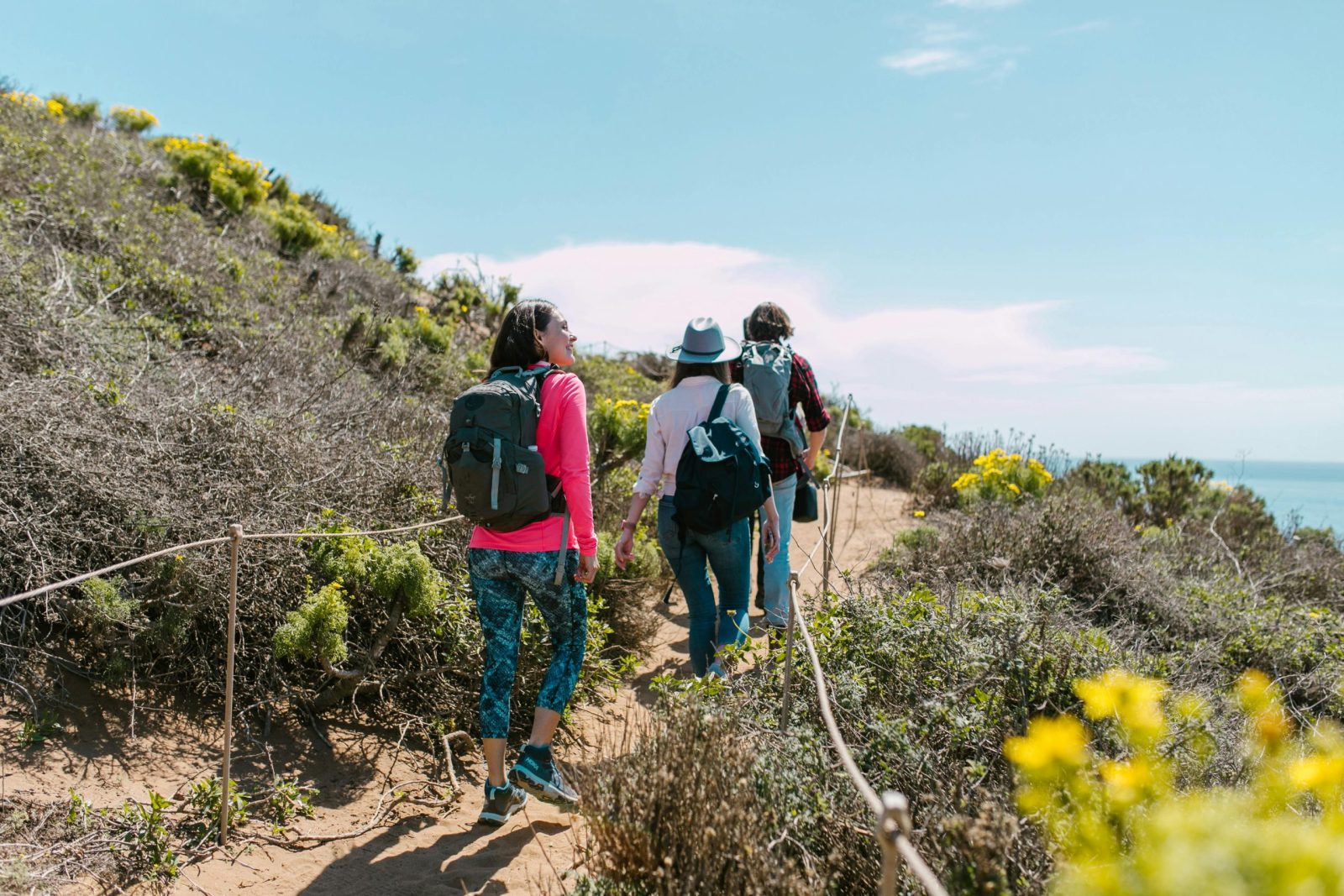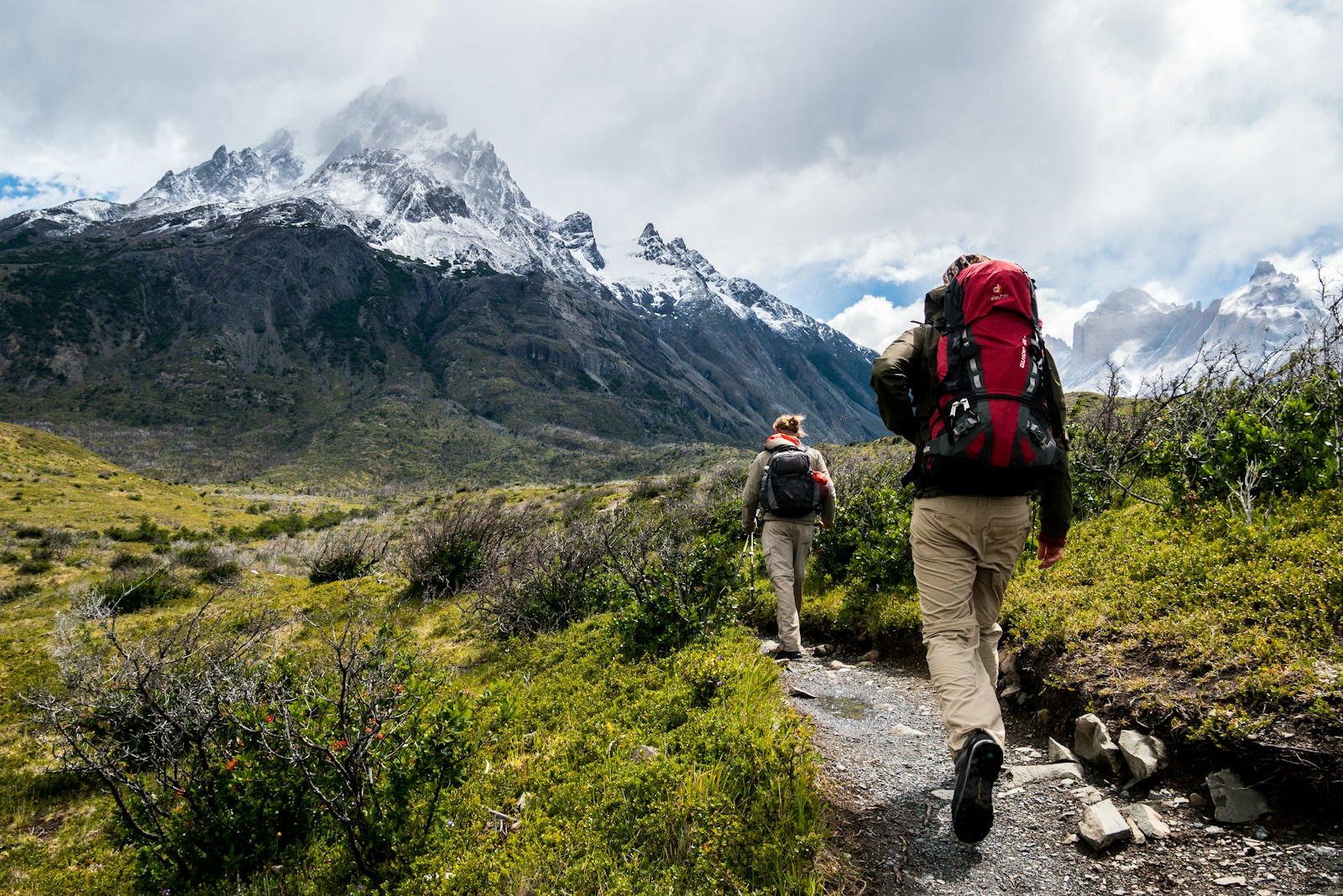
Outdoor gear companies increasingly focus on features that support aging joints, recognizing that comfort and reduced strain help many older adults stay active across varied terrain. These improvements rely on ergonomic designs that cushion impact, stabilize movement, and distribute weight efficiently. Each feature results from research on how knees, hips, ankles, and wrists respond to long hours on the trail. As participation grows among older hikers, equipment continues evolving to address specific needs with lighter materials, targeted support zones, and construction that encourages smoother, safer motion across uneven surfaces.
Shock-Absorbing Trekking Poles
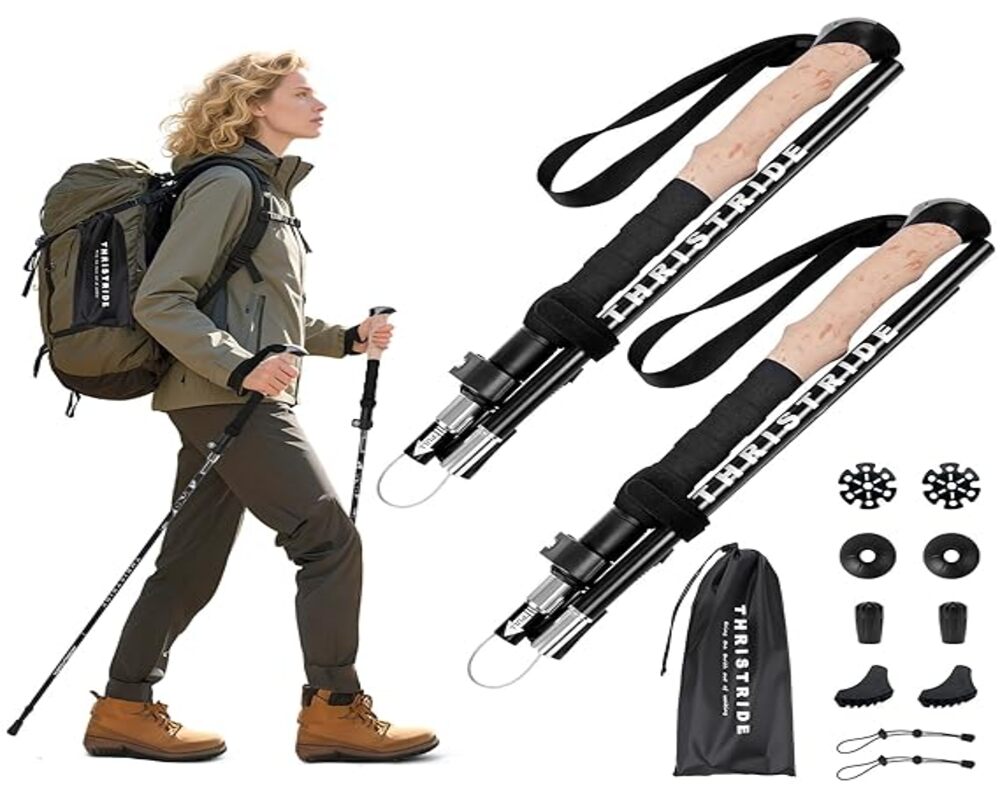
Shock-absorbing trekking poles reduce joint stress by dampening vibration created during climbs and descents, allowing wrists and elbows to experience less repetitive impact. Spring-loaded or elastomer systems inside the shaft compress with each step, limiting strain during long outings. Cork and foam handles add comfort while shaping to the user’s grip. Durable carbide tips help maintain stability across mixed terrain. These poles support balance and help preserve energy, especially during routes that require frequent elevation shifts or uneven footing.
Cushioned Midsole Hiking Boots
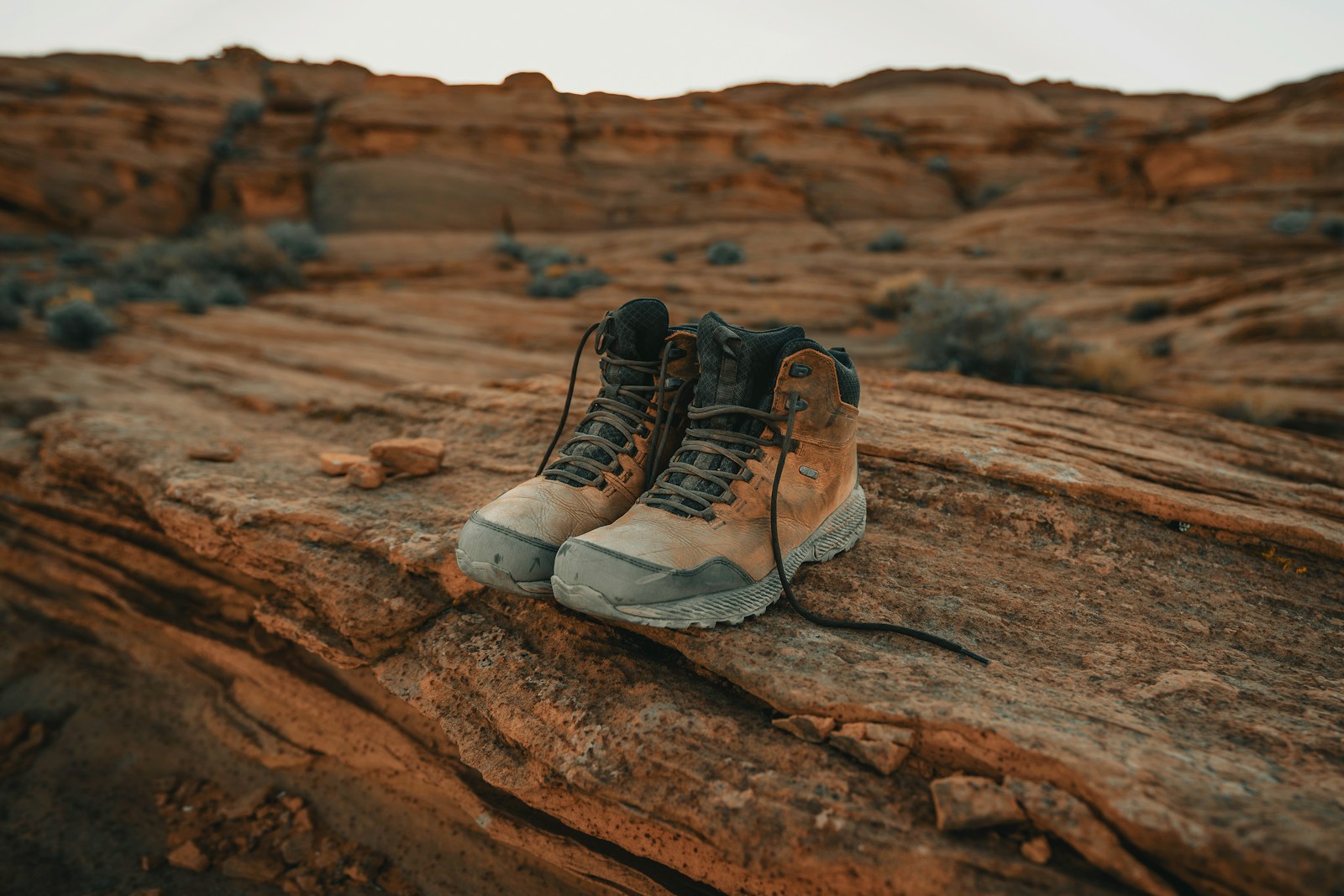
Cushioned midsole hiking boots protect knees and ankles from repeated shock by dispersing force through supportive foam layers. EVA and polyurethane compounds provide resilience against compacted surfaces, while heel cups stabilize the foot during longer strides. Reinforced ankle collars limit lateral movement that contributes to joint fatigue. Modern outsole designs supply reliable traction without adding unnecessary weight. This combination offers smoother transitions between steps and reduces the pounding effect associated with rocky, root-covered, or steep trails encountered on full-day hikes.
Ergonomic Backpack Straps
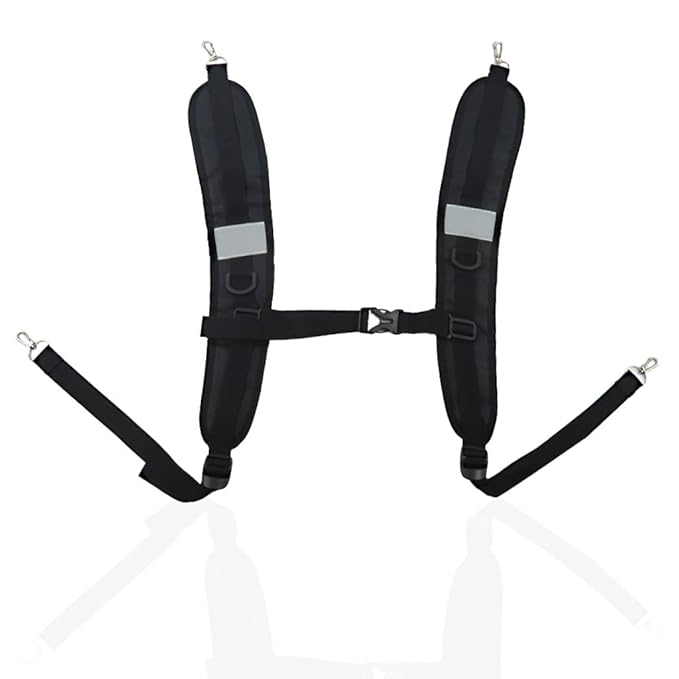
Ergonomic backpack straps help distribute weight evenly across the torso, reducing pressure that can aggravate aging shoulders and upper spine muscles. Curved padding follows natural body contours, allowing the pack to rest securely without concentrated strain points. Supportive hip belts shift load to stronger muscle groups, decreasing reliance on joints during climbs. Sternum straps stabilize the pack during side-to-side motion on uneven paths. These updated strap systems encourage upright posture, improve circulation, and help hikers manage heavier loads more comfortably during extended outdoor travel.
Anti-Fatigue Insoles
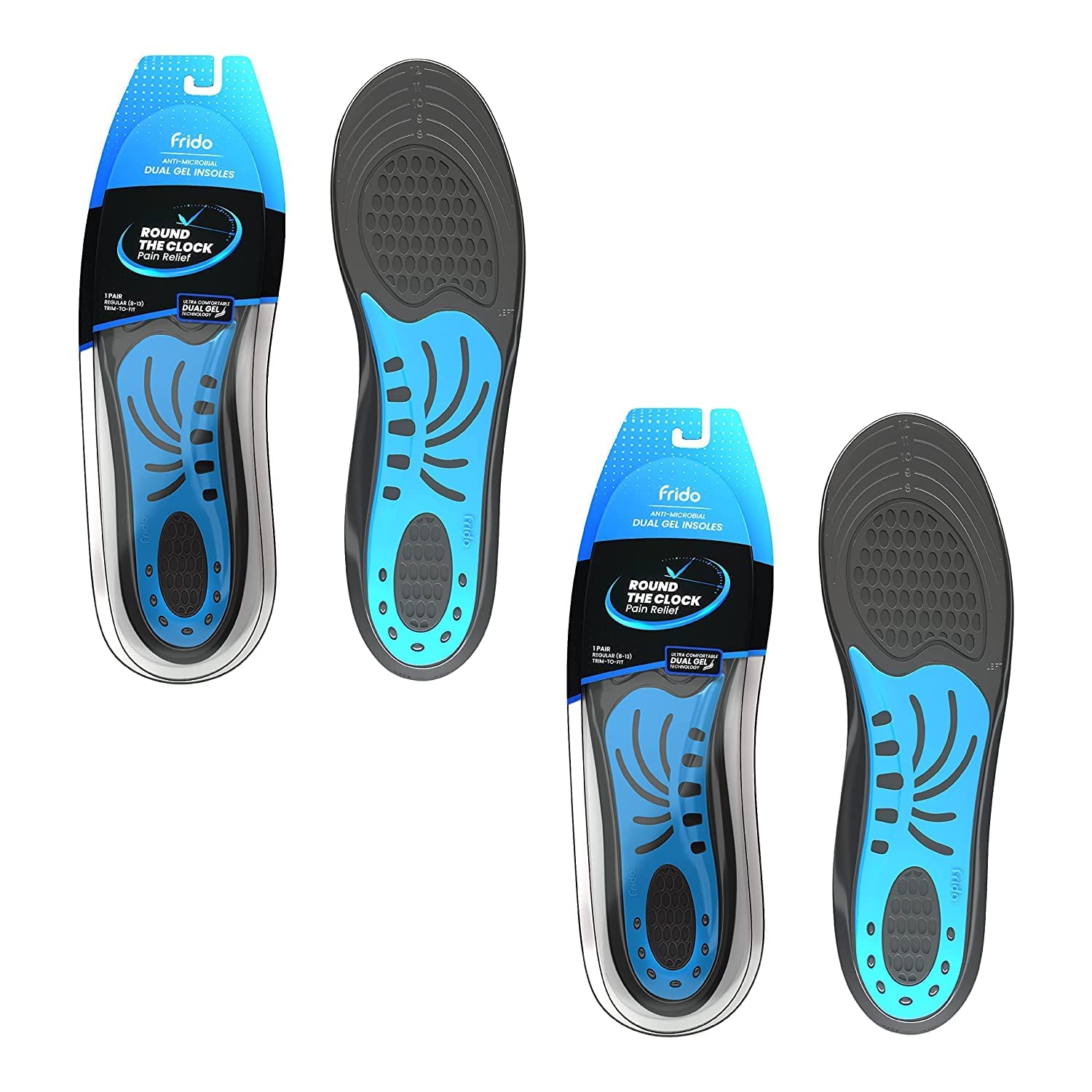
Anti-fatigue insoles assist aging joints by absorbing impact from repetitive foot strikes, reducing stress on ankles, knees, and lower back. Advanced materials such as gel inserts and memory foam adapt to foot shape and promote even pressure distribution. Arch supports limit rolling motions that create joint instability, while heel cushions soften landings during descents. Moisture-wicking fabrics reduce friction and improve overall comfort. Routine replacement of insoles ensures consistent performance, enhancing endurance across varied terrain and helping maintain proper alignment during long-distance hiking.
Adjustable Knee Braces
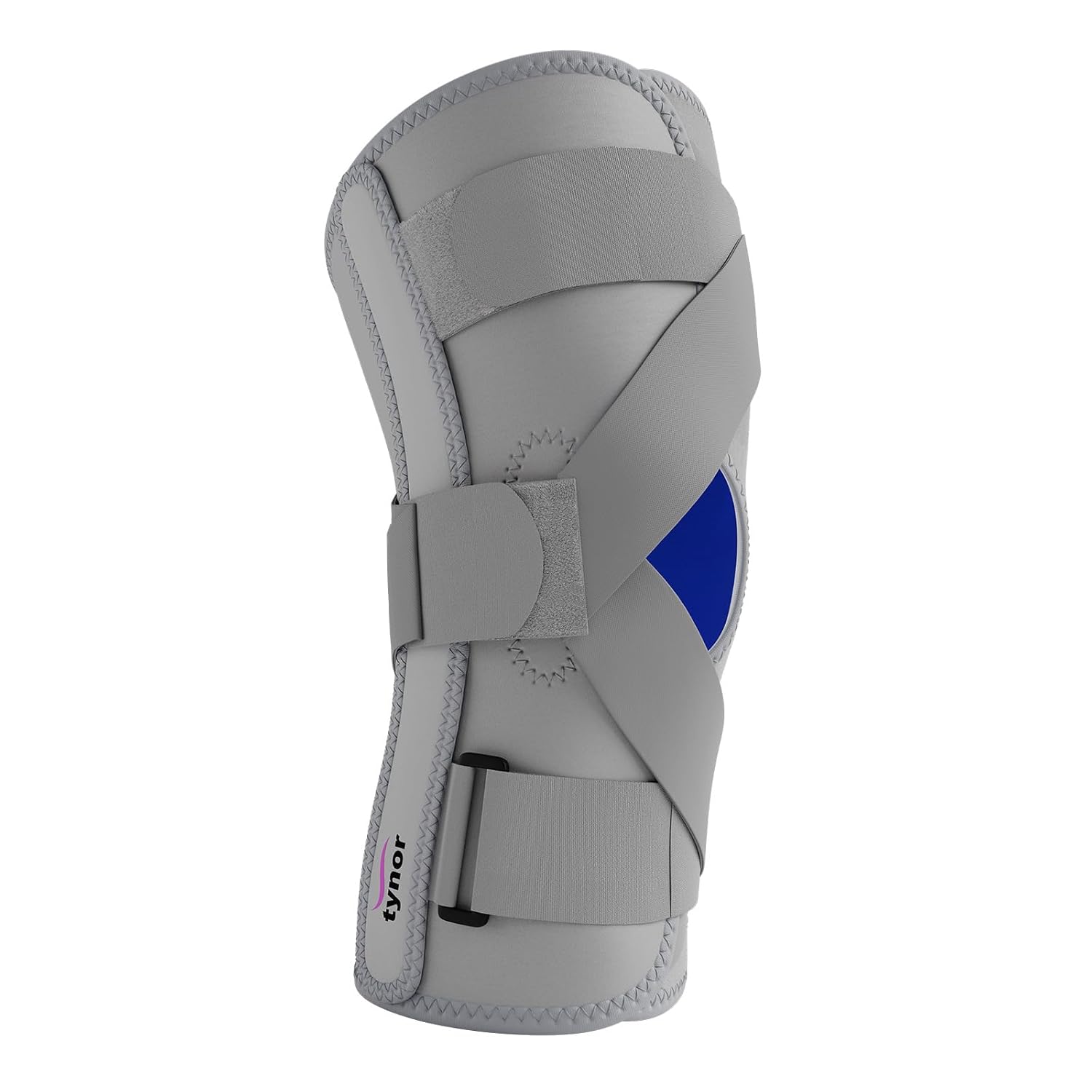
Adjustable knee braces provide targeted stability for hikers managing age-related joint changes or minor chronic discomfort. Hinged or compression-based designs reduce rotational movement and support natural tracking of the knee during climbs. Lightweight, breathable fabrics enhance comfort while maintaining unrestricted motion. Adjustable straps accommodate swelling and secure the brace during extended activity. These supports help limit overextension and promote confidence when navigating steep grades or rocky surfaces, delivering reliable reinforcement without inhibiting mobility during long outdoor excursions.
Lightweight Trekking Chairs
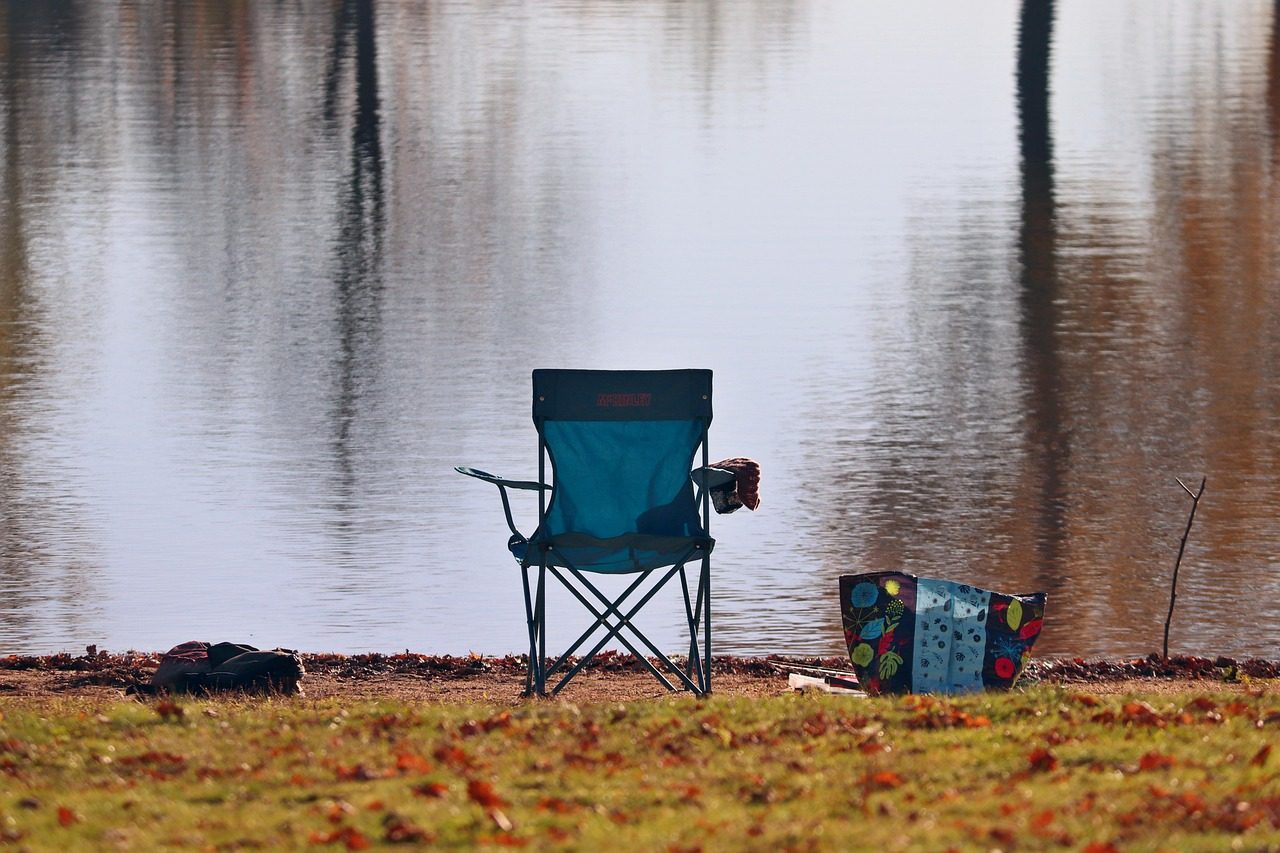
Lightweight trekking chairs offer joint-friendly rest during demanding outings by elevating hips and reducing the strain associated with sitting on hard surfaces. Raised seating height makes standing easier, while supportive backs reduce spinal pressure. Aluminum frames provide durability without significant weight. Quick-fold mechanisms allow simple setup in uneven areas. These portable chairs help maintain flexibility during longer hikes by offering comfortable recovery periods, preventing stiffness from building up in knees and hips, and encouraging better posture during extended breaks.
Compression Socks
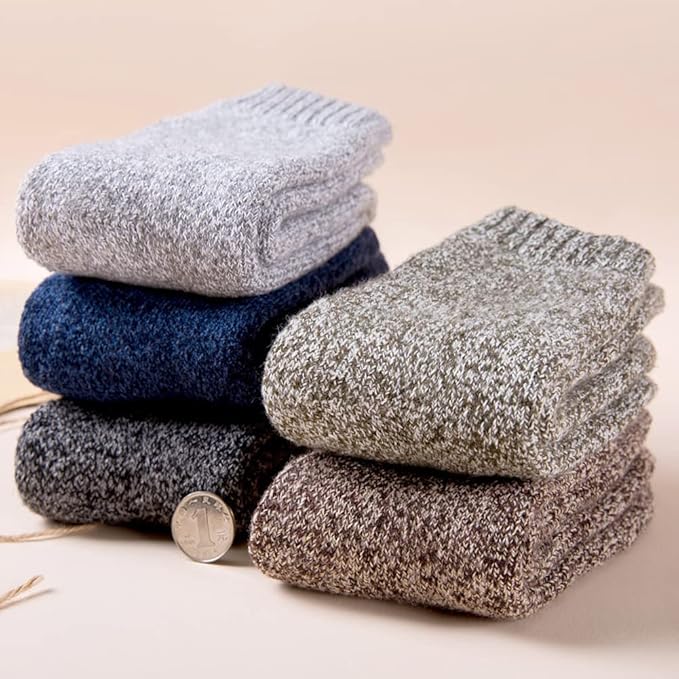
Compression socks improve circulation and reduce swelling in lower legs, addressing common concerns for aging joints and fatigued muscles. Graduated compression encourages blood flow from the ankles upward, limiting fluid buildup that can cause discomfort during prolonged activity. Reinforced toes and heels enhance durability, while moisture-wicking fibers keep skin dry and reduce friction. Consistent pressure supports calf muscles and promotes more efficient movement, decreasing the workload placed on surrounding joints during steep climbs or long descending trails.
Adjustable Hiking Poles

Adjustable hiking poles allow hikers to match pole height to terrain, improving posture and minimizing pressure on shoulders, elbows, and hips. Quick-lock mechanisms maintain stability without slipping, even during heavy use. Lightweight materials such as carbon fiber reduce arm fatigue during long ascents. Proper adjustment supports balanced movement and helps regulate stride on rocky or uneven sections. These poles adapt easily to different trail conditions, offering joint-friendly assistance whether climbing, descending, or traversing mixed environments.
Supportive Hip Belts
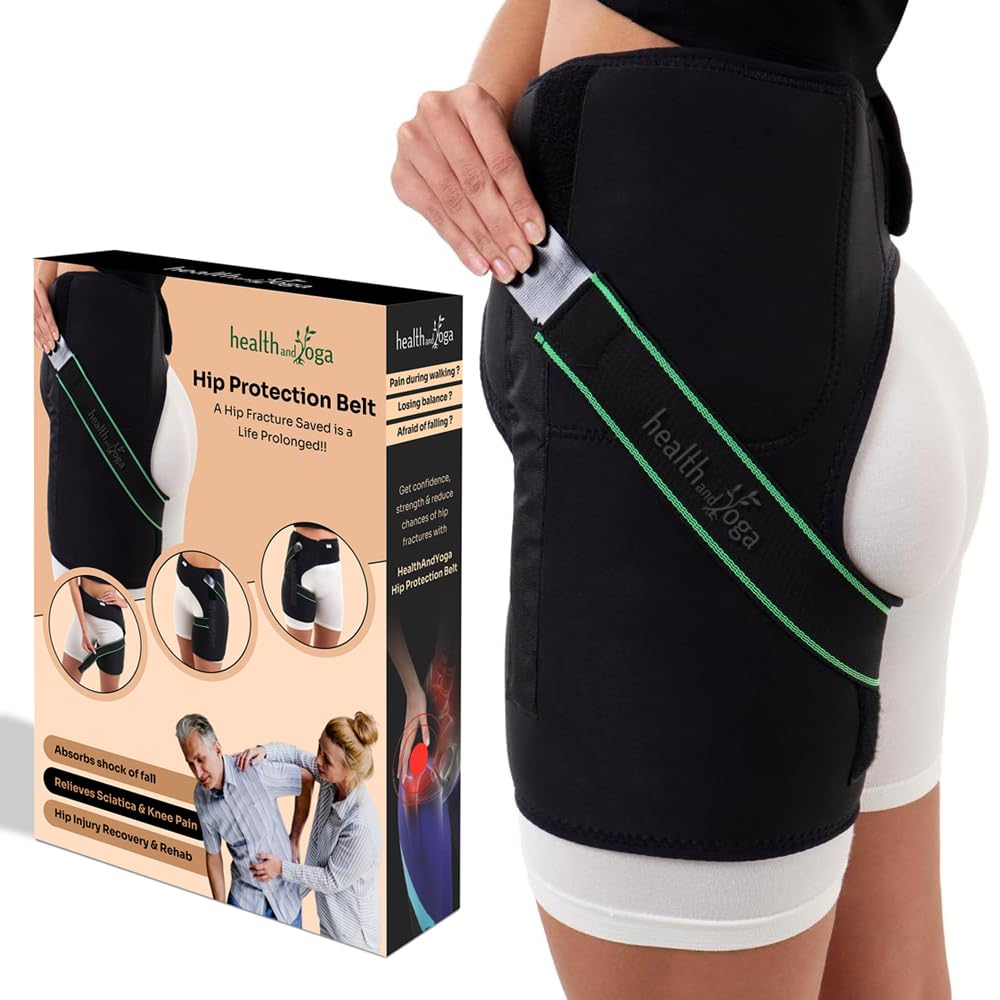
Supportive hip belts on backpacks shift most of the load from sensitive shoulder joints to the hips, reducing strain on muscles and tendons that weaken with age. Wide, padded belts distribute weight across larger surface areas and stay secure during movement. Adjustable tension systems ensure proper fit for long-distance comfort. The design also improves balance by keeping the pack aligned with the body’s center of gravity. Hip belts help maintain endurance and prevent soreness, particularly on routes that require sustained climbing or rough terrain.
Flexible Base Layers
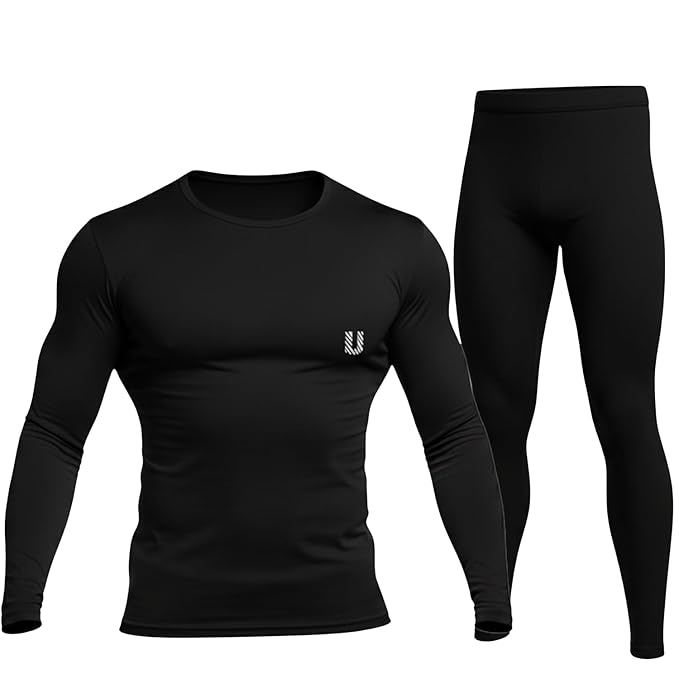
Flexible base layers enhance joint comfort by allowing full mobility during cold-weather or high-exertion activities. Stretch fabrics accommodate bending and twisting motions, preventing resistance around elbows, knees, and hips. Temperature-regulating fibers maintain warmth without causing overheating, reducing stiffness associated with fluctuating conditions. Seamless construction eliminates irritation along pressure points. These garments support unrestricted movement while maintaining consistent body comfort, helping outdoor enthusiasts stay active across diverse climates and extended trail durations.