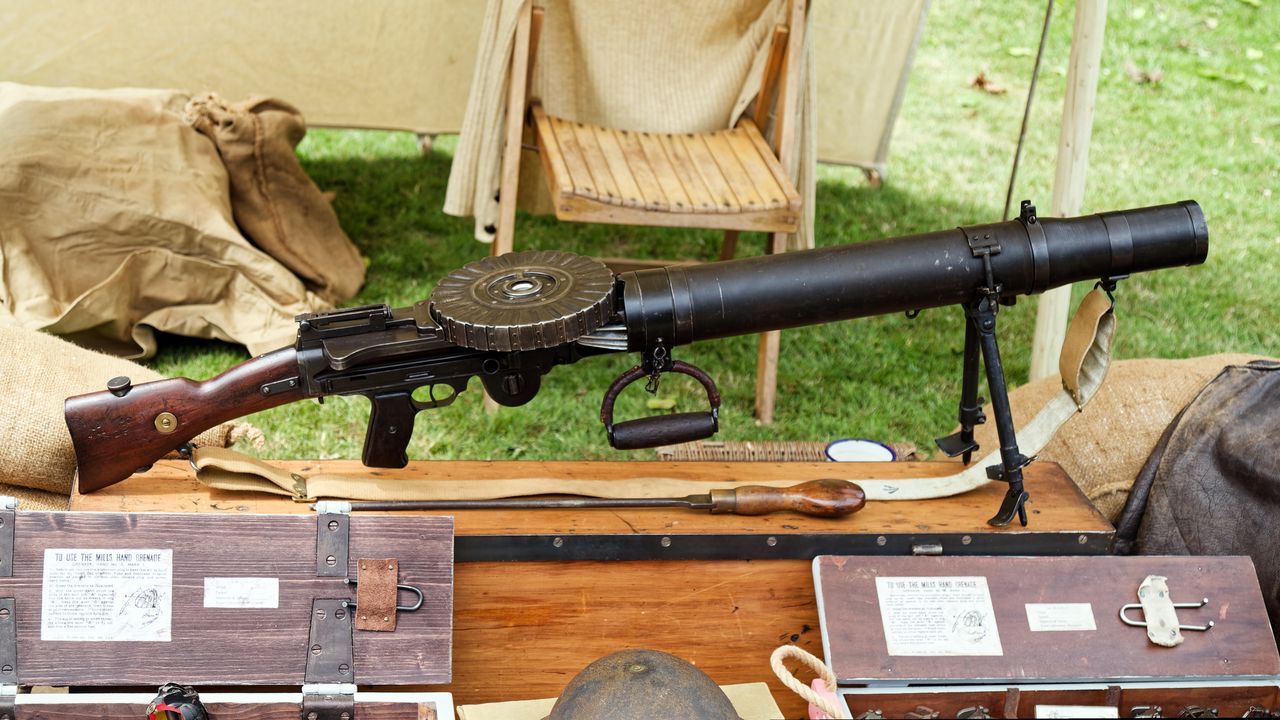
The Lewis Gun earned a formidable reputation in the early 20th century, but the men who carried it knew it was never a simple point-and-shoot weapon. Its strengths came bundled with plenty of peculiar habits, from awkward magazines to field maintenance rituals. These are the small, memorable quirks soldiers adapted to as they learned how to make the gun work for them under pressure.
The Top-Mounted Pan Was Useful but Awkward
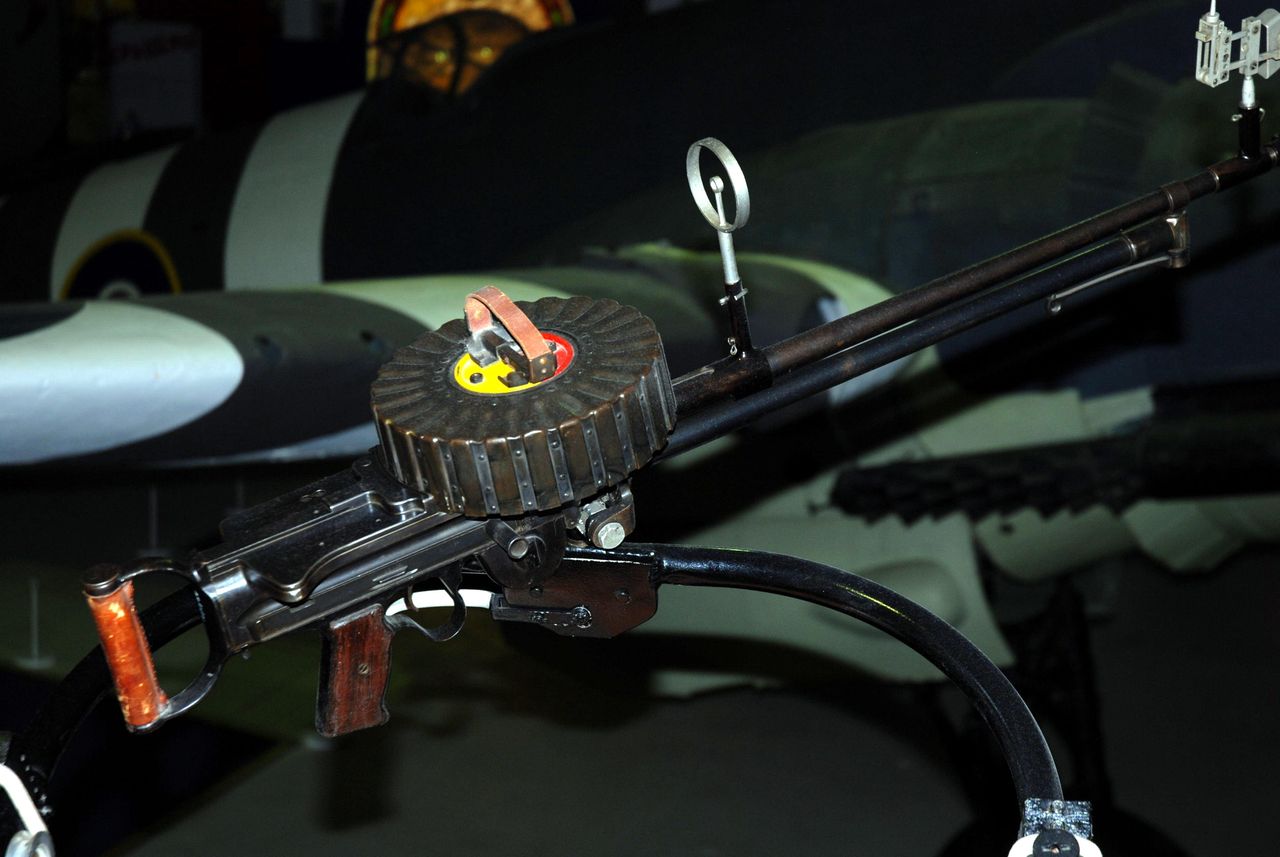
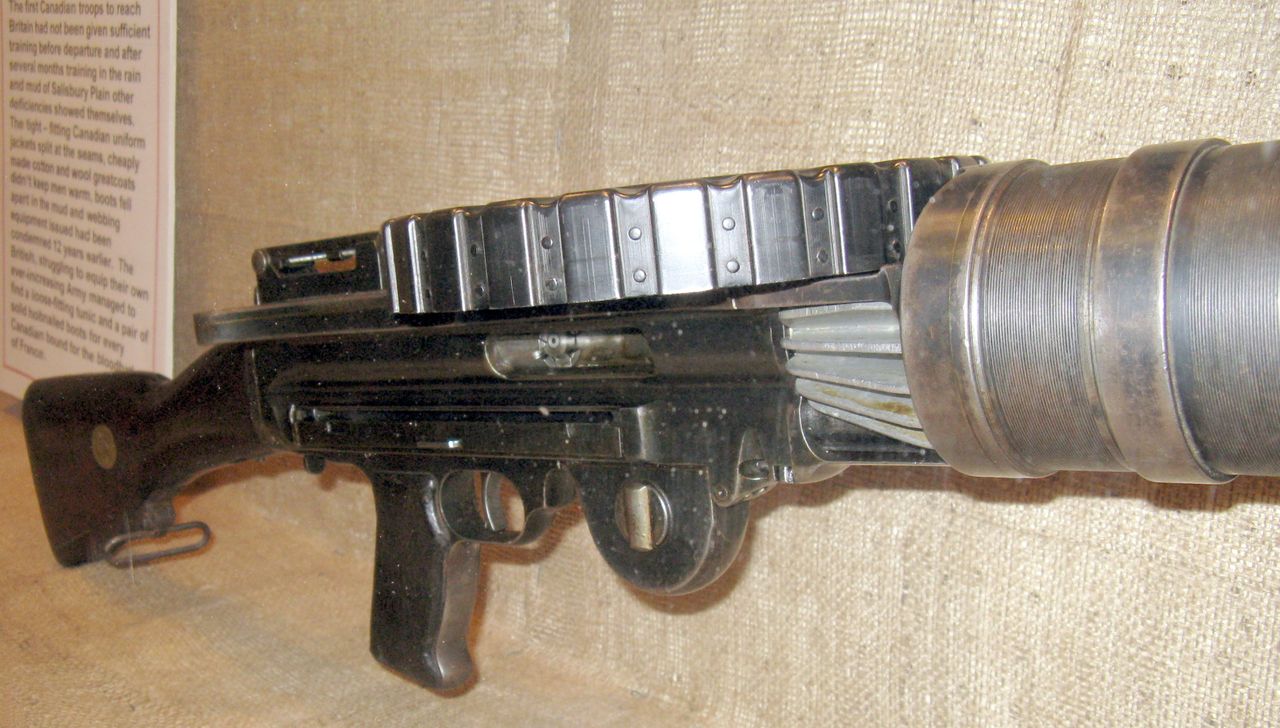
The Lewis Gun’s flat pan magazine looked distinctive and helped set the weapon apart from belt-fed machine guns. Sitting on top of the receiver, it kept ammunition feeding in a compact package and spared crews from dragging belts through mud and debris.
But that same arrangement made the gun bulkier in odd ways. Soldiers had to work around the magazine when aiming, carrying, and reloading, especially under stress.
Changing pans was not especially elegant, and the large disc could feel clumsy in cramped trenches or when firing from cover. It worked, but it demanded a rhythm that crews had to practice until it became second nature.
The Barrel Shroud Made It Look Stranger Than It Was
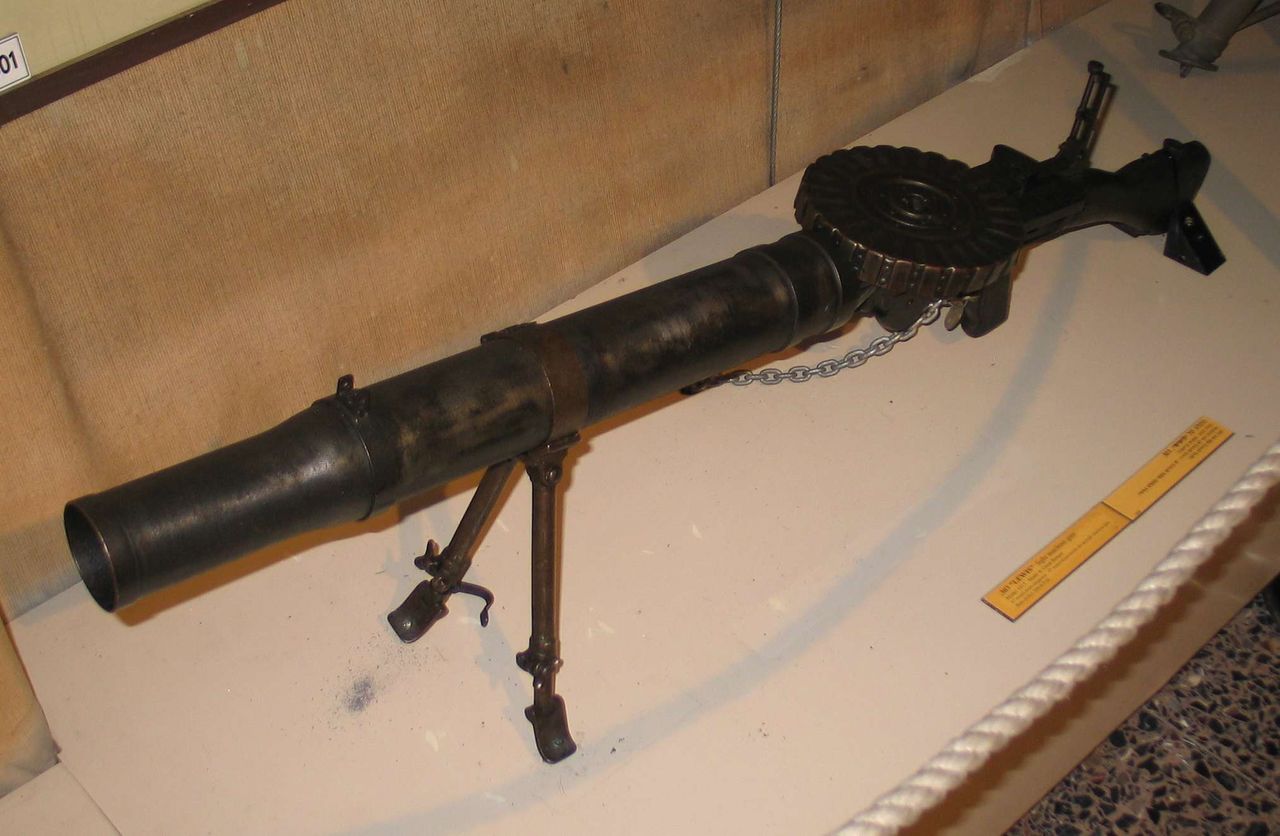
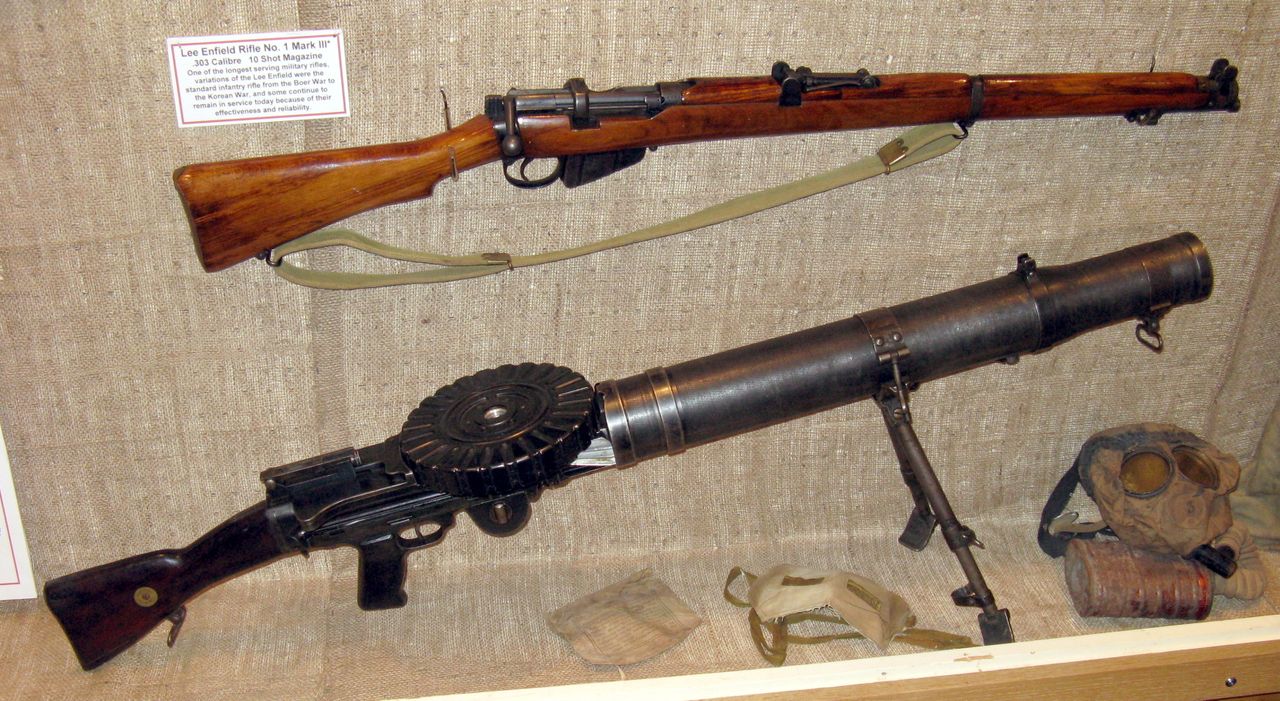
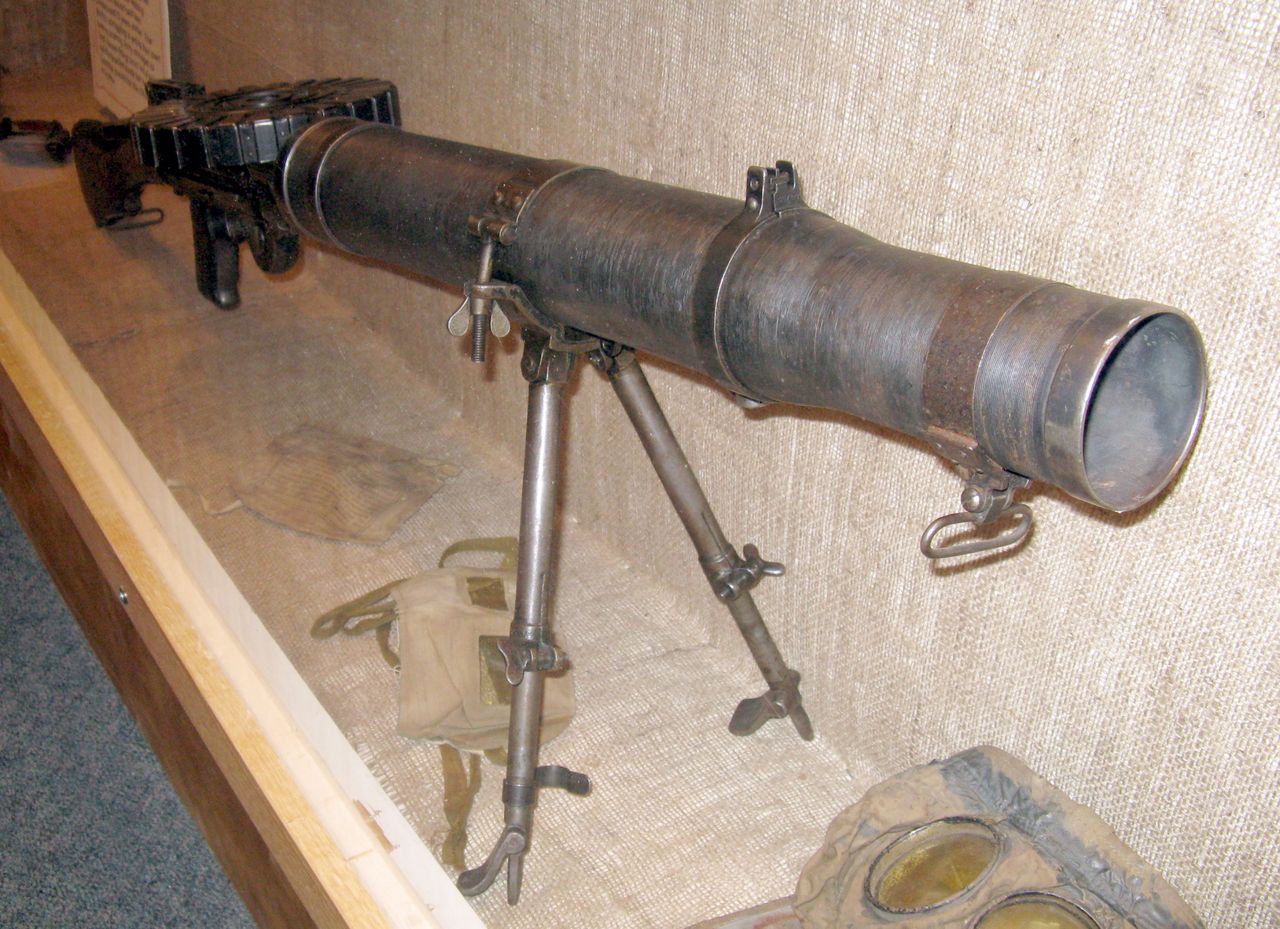
One of the Lewis Gun’s most recognizable features was its long tubular barrel shroud. To many observers it looked heavy, futuristic, and perhaps more complicated than a battlefield weapon needed to be.
The shroud was part of the gun’s cooling concept, helping air move around the barrel during firing. In theory it offered an advantage for sustained fire, which mattered for a portable light machine gun.
In practice, soldiers learned that the dramatic outer casing also added bulk and gave the weapon an unusual balance. It could snag, collect grime, and make the gun look more mysterious than the basic task before them, which was simply keeping it firing when needed.
It Was Light for a Machine Gun but Never Truly Light
Compared with the heavier machine guns of its era, the Lewis was a relief. That relative portability is one reason it became so widely used, especially by troops who needed automatic fire without hauling a full crew-served setup.
Still, soldiers quickly discovered that light was a matter of comparison. The weapon, spare magazines, tools, and ammunition added up fast over a long march.
That meant the Lewis often felt wonderfully manageable on paper and notably burdensome in the field. Men learned to distribute loads, rotate carrying duties, and think hard about how many loaded pans they could realistically bring forward without exhausting themselves before the fight even started.
Reloading Demanded Calm Hands at the Worst Time
A Lewis Gun crew could put out valuable firepower, but every empty pan forced a pause. That pause might be brief on a range, yet in combat it could feel far longer, especially when incoming fire made every motion harder.
The top-mounted pan had to be seated properly, and crews needed confidence in the sequence. Fumbling a reload was not just embarrassing. It could leave a section suddenly short of automatic fire at exactly the wrong moment.
Veteran soldiers adapted by drilling until the movement became almost mechanical. The quirk was less about complexity than timing. The gun rewarded smooth, practiced handling and punished rushed, shaky hands when pressure was highest.
It Had a Talent for Attracting Dirt
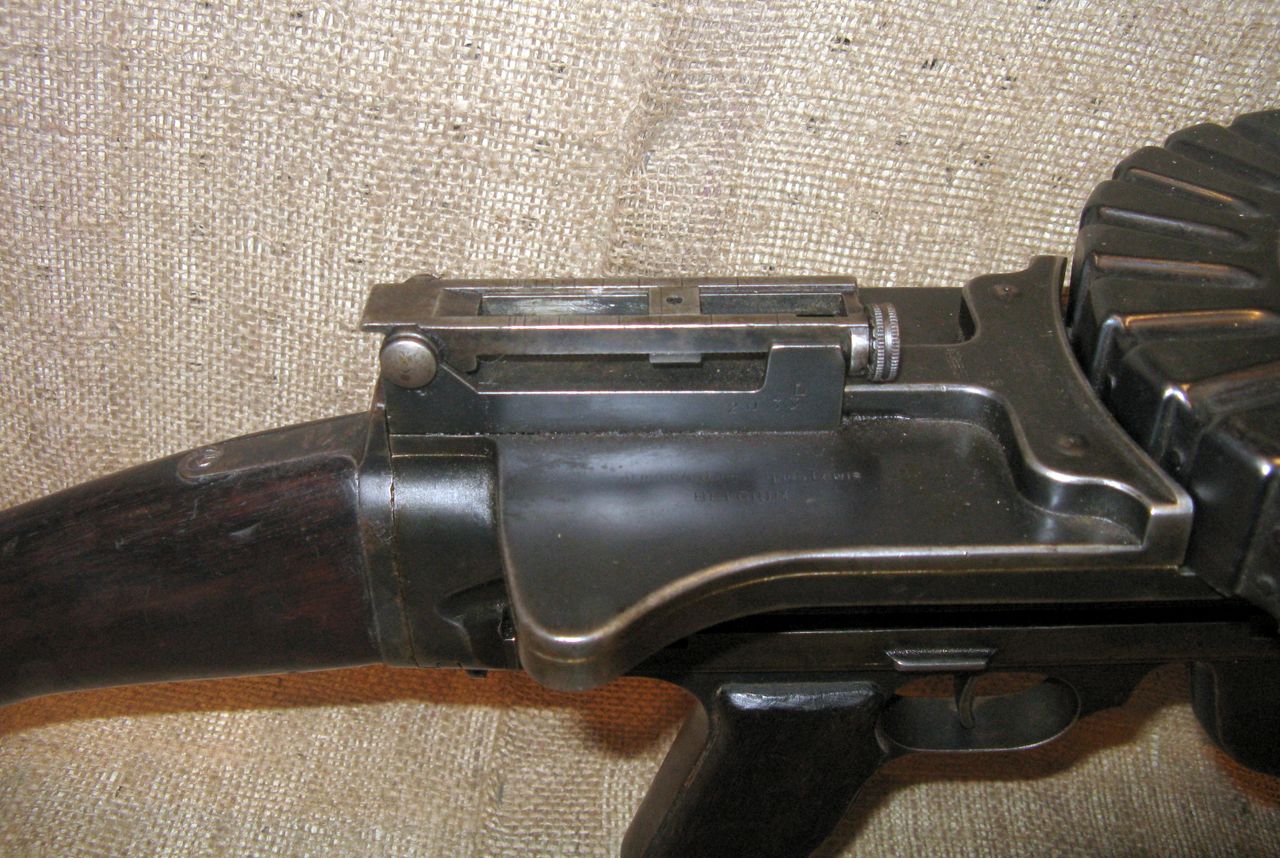
Like many automatic weapons of the period, the Lewis did not enjoy mud, dust, or battlefield debris. Trenches, shell-churned ground, and rough transport gave dirt countless chances to work its way into places where reliability mattered most.
Soldiers became amateur caretakers as much as gunners. Keeping the gun functioning meant wiping parts down, watching ammunition, and paying attention to little signs of trouble before they became stoppages.
This was not a glamorous quirk, but it shaped daily life around the weapon. A Lewis Gun that looked merely dusty could turn temperamental fast, so experienced crews treated cleanliness as part of fire discipline rather than an optional extra.
The Magazine Capacity Never Felt Quite Generous Enough
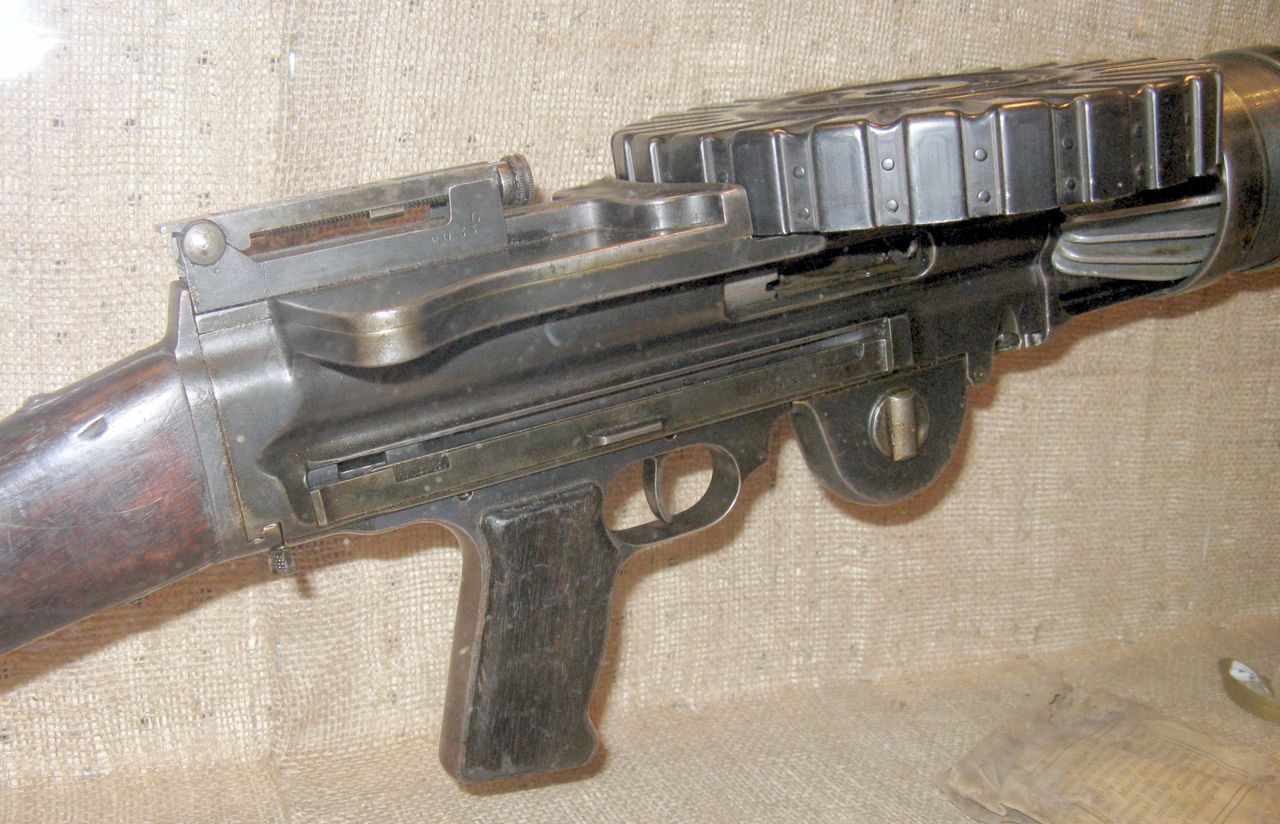
On paper, the Lewis Gun’s pan magazines offered a decent amount of ammunition for a light machine gun of the time. In action, though, capacity had a way of shrinking, especially once adrenaline sped everything up and targets seemed to multiply.
Automatic fire is hungry by nature. A gunner could burn through a pan surprisingly quickly, then face another reload just as momentum was building.
That gave the weapon a stop-start personality soldiers had to respect. Good crews learned short bursts, not theatrical spraying. The Lewis was effective when handled with restraint, but it constantly reminded users that every pan was finite and every wasted round would be missed soon enough.
It Wanted Regular Attention, Not Occasional Attention
The Lewis was not the kind of weapon a crew could ignore until something went wrong. It benefited from steady, familiar maintenance, the sort that comes from people who know every part by touch and habit.
That meant oiling, checking springs, inspecting components, and making sure the gun stayed in a condition where it could be trusted. Neglect had a way of showing up at the least convenient moment.
For soldiers, this created a relationship that was almost personal. The gun rewarded routine and punished laziness. Crews who respected its needs often spoke well of it, while those who treated it casually learned fast that battlefield reliability usually begins long before the first shot is fired.
Its Reputation Was Better Than Its Manners
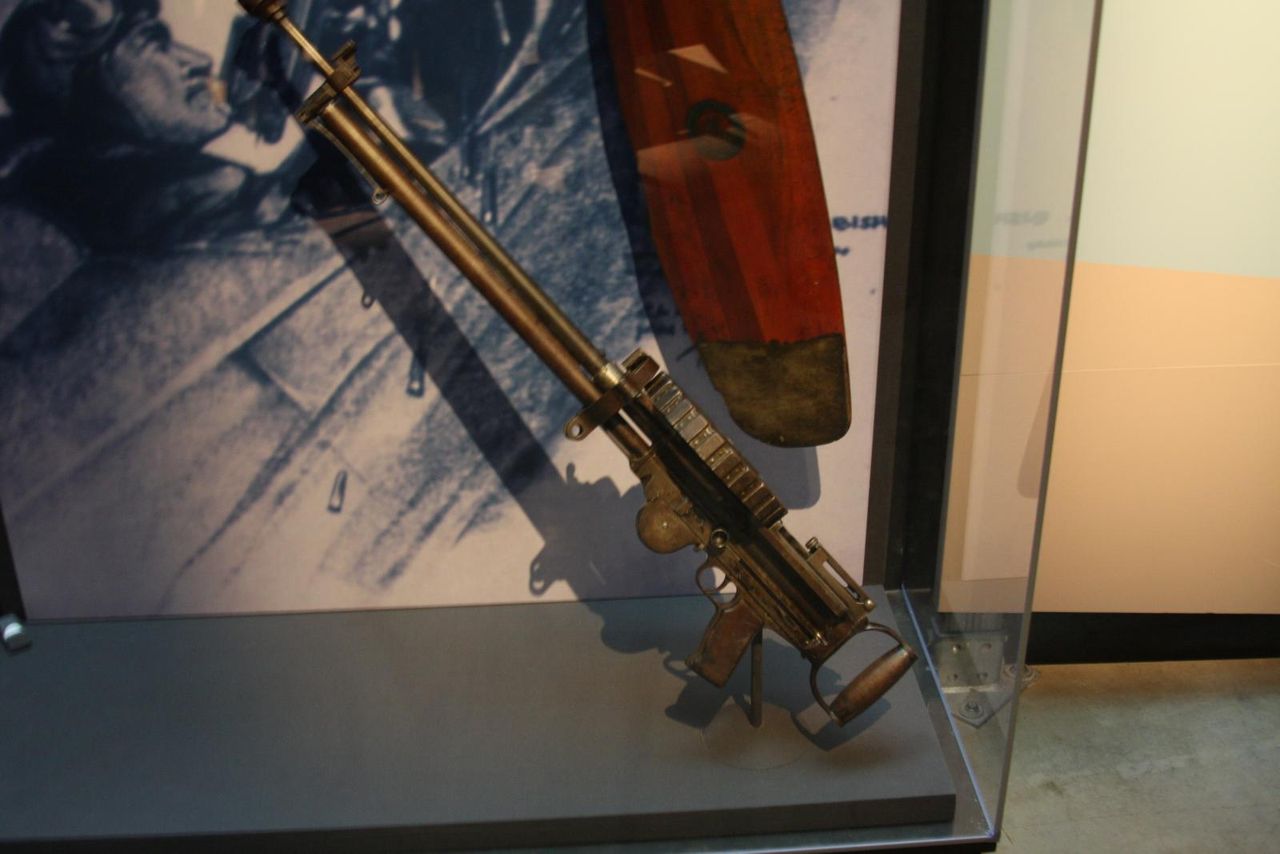
The Lewis Gun built a strong reputation because it delivered mobile automatic fire at a time when that capability mattered immensely. Soldiers appreciated what it could do for an advancing unit, a defensive position, or a patrol that needed concentrated firepower.
Yet reputation and convenience are not the same thing. The gun could be awkward to carry, fussy about care, and demanding in ways that only regular users fully understood.
That contrast is what makes it memorable. The Lewis was admired not because it was effortless, but because troops learned its habits and worked around them. Its quirks became part of its identity, and part of the reason it remains such a fascinating battlefield machine today.