Some rifles sell well. A few become the kind owners refuse to part with.
The Browning A-Bolt earned that status by feeling thoughtfully built for real hunters, not just for a catalog page.
It Arrived With Practical Ideas That Hunters Actually Noticed
When Browning began A-Bolt production in 1985, it entered a crowded bolt-action market, but it did not show up empty-handed. Browning later introduced the A-Bolt II in 1994 alongside the BOSS system, and the line eventually gave way to the X-Bolt. That timeline matters because it shows the A-Bolt was not a short-lived experiment. It had enough staying power to become a reference point inside Browning’s own rifle history.
What stood out early was the 60° bolt lift. Browning promoted that short throw as a faster-cycling design that also reduced the chance of the bolt handle bumping into a low-mounted scope. For hunters shooting from awkward blinds, tree stands, or steep hillsides, that was more than brochure language. It was a small ergonomic win that people felt immediately.
The rifle also carried a lighter, livelier personality than some competing sporting rifles of its era. American Rifleman later noted that Browning designed the A-Bolt to improve on earlier bolt guns with a quicker throw and more responsive handling. That combination helped make it memorable at the shoulder, which is often where loyalty really starts.
The Magazine and Floorplate Setup Was Genuinely Clever
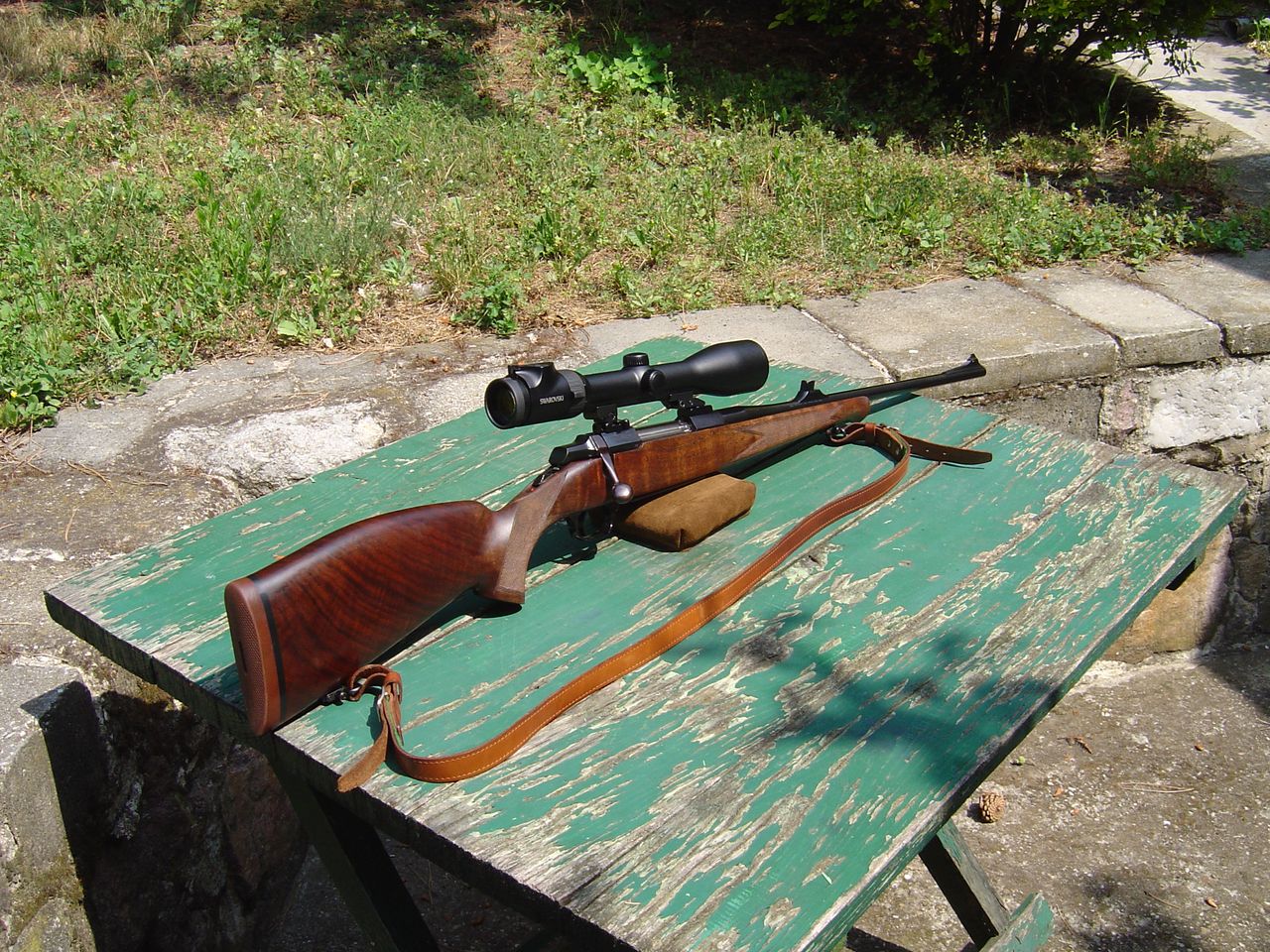
One of the A-Bolt’s most appreciated features was its detachable box magazine nested inside a hinged floorplate. That arrangement gave owners the security and clean looks of a traditional hunting rifle while still allowing faster unloading and convenient spare-magazine use. It was a smart middle ground between old-school and modern. Hunters who crossed fences, climbed into trucks, or unloaded at camp understood the appeal right away.
Browning’s manuals describe the rifle as feeding from a magazine with the fast 60° bolt lift as part of the operating system. Reviews of A-Bolt variants also highlighted the floorplate-magazine arrangement as a standout practical feature. It helped the rifle feel more refined than many plain-Jane hunting guns. That refinement became part of its identity.
It was also a field-friendly design, not a range toy gimmick. A hunter could unload the rifle safely, keep ammunition organized, and carry a spare magazine without changing the rifle’s classic profile. That sort of detail rarely creates instant hype, but it absolutely builds long-term affection.
Accuracy Helped Seal the Deal

Plenty of rifles have nice features and still fade away because they do not shoot well enough. The A-Bolt avoided that problem. Its reputation for dependable hunting accuracy became one of the biggest reasons owners stayed loyal, and used-rifle shoppers still mention that trait first. A rifle does not need benchrest credentials to win a following, but it does need to inspire confidence when a deer steps out.
The BOSS system, introduced with the A-Bolt II in 1994, added another layer to that reputation. Browning’s Ballistic Optimizing Shooting System was intended to tune barrel harmonics and help shooters tighten groups with particular loads. Not every hunter loved the added muzzle bulk or blast, but many appreciated the rifle’s willingness to shoot well with careful tuning.
That matters because hunters remember outcomes. If a rifle repeatedly prints solid groups before season and then delivers clean hits in the field, owners forgive a lot. In the A-Bolt’s case, there was not much to forgive, which is why its accuracy story kept circulating by word of mouth for years.
It Looked Better Than Many Rivals Without Becoming Fussy
The A-Bolt also benefited from being easy on the eyes. Browning offered it in trim levels and configurations that appealed to different buyers, including Hunter, Medallion, Micro Medallion, Stainless Stalker, Composite Stalker, and left-hand versions documented in Browning’s serial-number history. That variety gave the platform reach. A hunter could buy practical stainless synthetic or step up to a polished walnut rifle with a bit more visual pride.
That broad model spread mattered in the real market. The same basic action could serve the whitetail hunter who wanted weather resistance, the mountain hunter who liked a compact Micro model, or the traditionalist who wanted gloss blue steel and walnut. Browning made the rifle feel premium without making it delicate. That is a hard balance to strike.
The fit and finish also helped justify the brand loyalty. Browning rifles have long traded on a sense of polish, and the A-Bolt fit that image well. People often describe them as the rifles that looked a little classier in the rack but still got carried hard.
The Controls Were Friendly, Familiar, and Fast in the Field
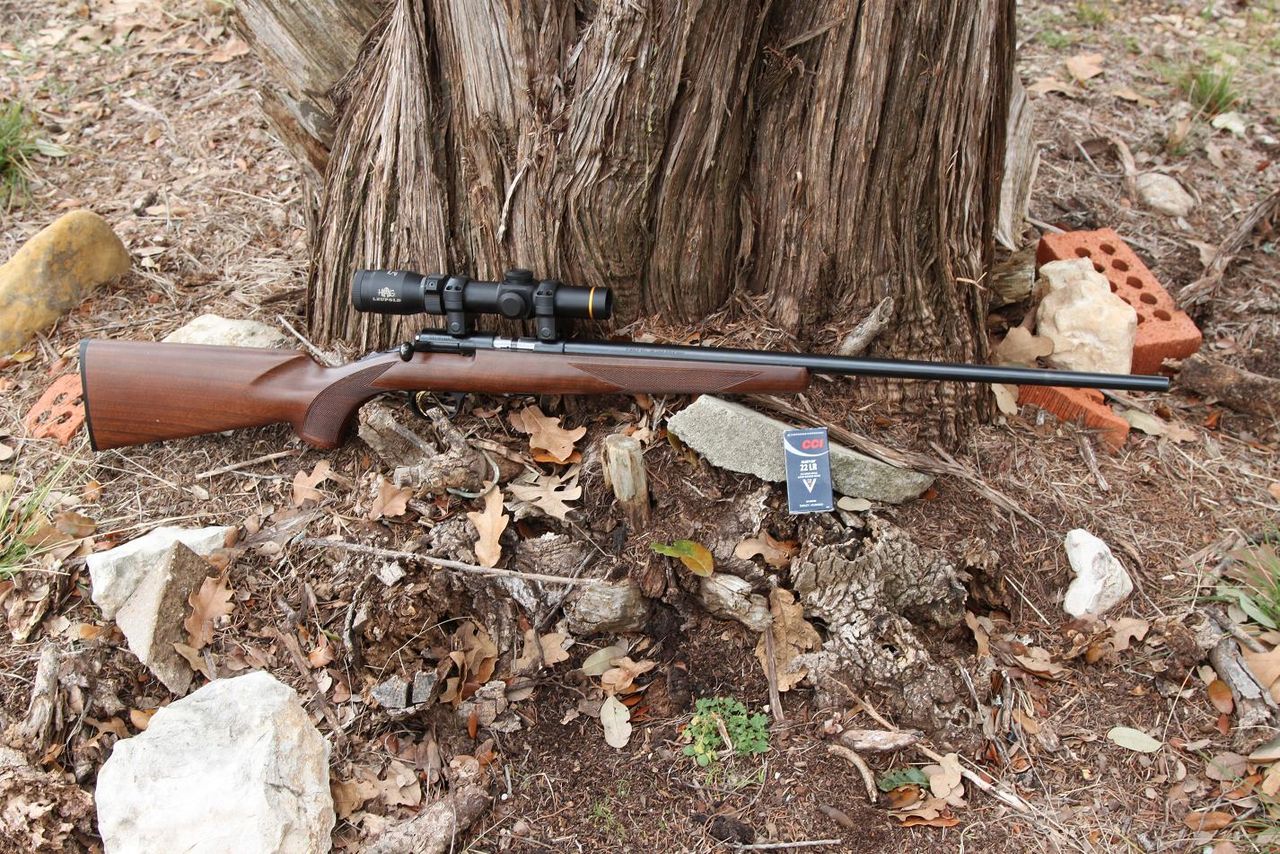
A hunting rifle wins followers when it stays out of the shooter’s way. The A-Bolt’s top-tang safety was a big part of that. Browning highlighted that layout on related A-Bolt-family guns, and reviewers consistently praised how natural it felt under the thumb. For many hunters, especially those wearing gloves in cold weather, that was a real advantage over less intuitive safety designs.
The short bolt lift also made fast follow-up shots less clumsy. On a scoped rifle, bolt-handle clearance matters more than many non-hunters realize. A smoother, lower-effort cycle helps when an animal is moving, adrenaline is up, and the shooting position is imperfect. The A-Bolt developed a reputation for exactly that kind of practical speed.
Its trigger feel added to the package as well. Owners did not idolize the A-Bolt because of any single miracle feature. They liked that several good ideas came together in one rifle, and that the rifle generally behaved like a finished product rather than a project.
Its Legacy Grew Because Owners Kept Recommending It
The A-Bolt’s following did not come from nostalgia alone. It came from years of hunters telling other hunters that the rifle was accurate, well-made, and easy to live with. Even after Browning replaced the A-Bolt II with the X-Bolt, the older rifle kept its standing because it had already proven itself across seasons, calibers, and hunting styles. Discontinued rifles disappear fast when they are forgettable. The A-Bolt never was.
There is also a scarcity effect now. Browning still supports owners with manuals and historical serial information, but discontinued magazines can be harder to source as inventories dry up. That challenge has not hurt the rifle’s reputation so much as confirmed its age and status. People tend to hold onto rifles that still do the job.
In the end, the A-Bolt earned its following the old-fashioned way: by working well. It combined speed, accuracy, useful innovation, and a touch of Browning polish into a hunting rifle that felt a little better than it had to. That is usually how loyal followings begin.